Tag Page ushistory

#ushistory
LataraSpeaksTruth

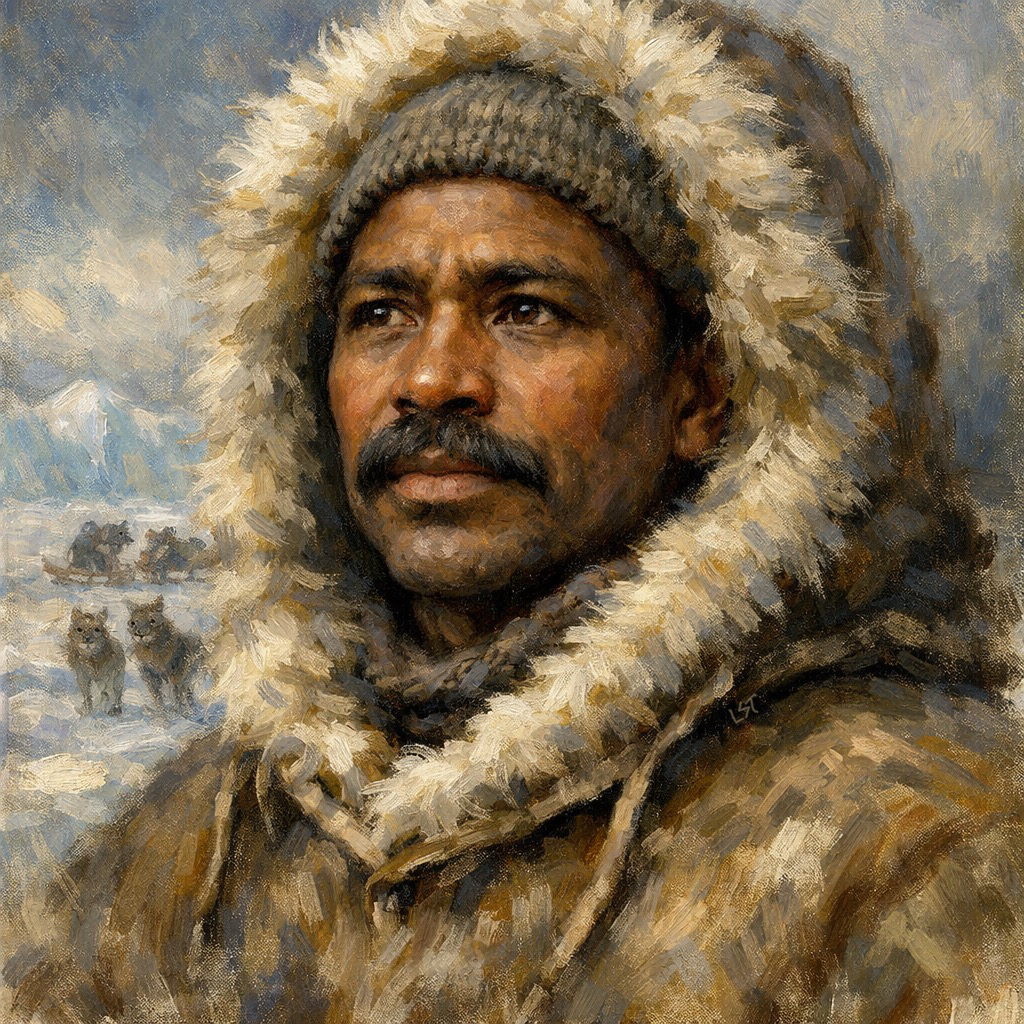
On January 28, 1944, Matthew Henson received a Special Medal of Honor from the U.S. Congress, jointly awarded with Admiral Robert E. Peary, recognizing their roles in the 1909 Arctic expedition that claimed the first successful arrival at the North Pole. The recognition came thirty-five years after the expedition and decades after Henson’s contributions had been minimized or excluded from mainstream accounts. While Peary was celebrated almost immediately, Henson was largely left out of textbooks, honors, and public memory during his lifetime. Henson was not a peripheral figure on the expedition. He was one of its most indispensable members. He mastered Arctic survival techniques, learned the Inuit language, built and repaired sleds, handled dog teams, and navigated some of the most dangerous terrain. Peary himself acknowledged that he depended heavily on Henson’s skill and endurance to complete the journey. When the team reached the North Pole in April 1909, multiple accounts indicate that Henson may have been among the first to arrive at the site. Despite this, official credit centered almost exclusively on Peary for many years. After returning from the Arctic, Henson worked modest jobs and lived without the recognition granted to other expedition members. The 1944 Congressional medal did not erase decades of exclusion, but it marked a formal acknowledgment by the federal government that his role could no longer be ignored. Matthew Henson’s legacy reminds us that exploration is not defined solely by who claims victory, but by who possesses the knowledge, skill, and resilience to make success possible. His contributions endured even when recognition came far too late. #January28 #MatthewHenson #ExplorationHistory #ArcticExploration #USHistory #ScienceAndDiscovery #HiddenFigures #Legacy

1776 Patriot

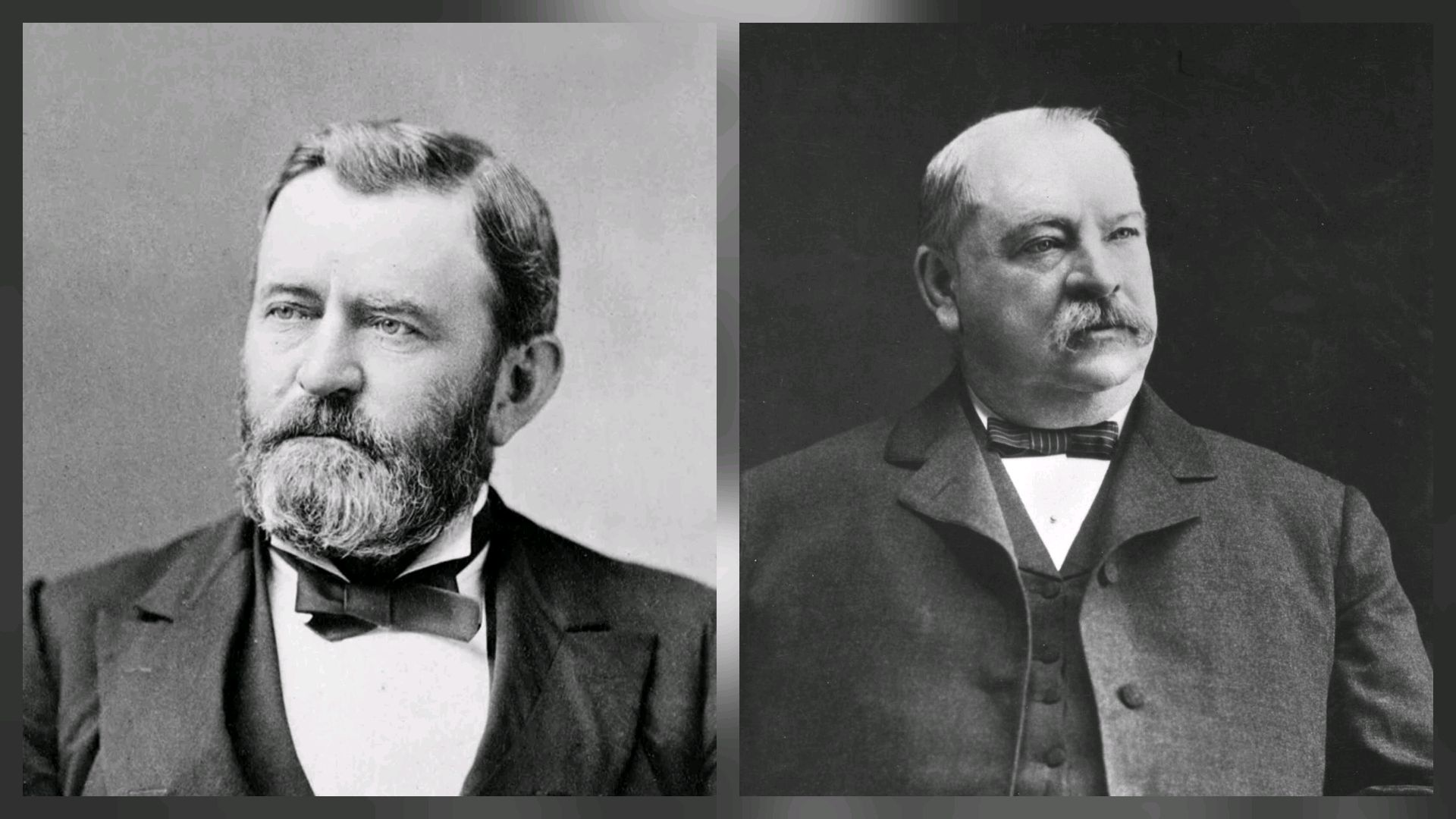
The Two Largest House Losses in Midterm History Midterm elections are held every 4 years in the middle of a president’s term an determins: all 435 House of seats, 1/3rd of the Senate, and gives voters a chance to reshape Congress. Presidents typically lose, 28 House seats on average, but some elections produced historic swings that reshaped American politics and policy. The 1874 midterms were one of the most severe defeats of the 19th century. President Ulysses S. Grant’s Republicans lost 93 of 195 House seats, about 36% of their seats. The Panic of 1873, a severe economic depression, combined with corruption scandals in Grant’s administration, fueled public anger. Voters across the South and industrial North abandoned the Republican Party, giving Democrats control of the House for the first time since the Civil War. Turnout was strong, economic hardship dissatisfaction motivated voters. Two decades later, the 1894 midterms produced the largest House seat loss in U.S. history. Under President Grover Cleveland, Democrats lost 127 of 225 House seats, about 56% of their seats. All 225 seats were contested, and the Panic of 1893 triggered one of the worst depressions of the century, leaving farmers, laborers, and urban workers across the Midwest and Northeast frustrated with Cleveland’s response. Republicans swept the House, marking a historic realignment. Turnout reached roughly 70% in key districts, and economic crises mobilized voters to reshape priorities almost overnight. In these two elections economic conditions, perceptions of presidential leadership, and voter engagement produced sweeping shifts in the House. In both 1874 and 1894, the opposition capitalized on dissatisfaction economic uncertainty and dramatically altered power, forcing the president’s party to reassess strategy. The elections under Grant and Cleveland remain the most consequential House losses in American history. #Politics #ElectionInsights #History #USA #USHistory #America #News

LataraSpeaksTruth

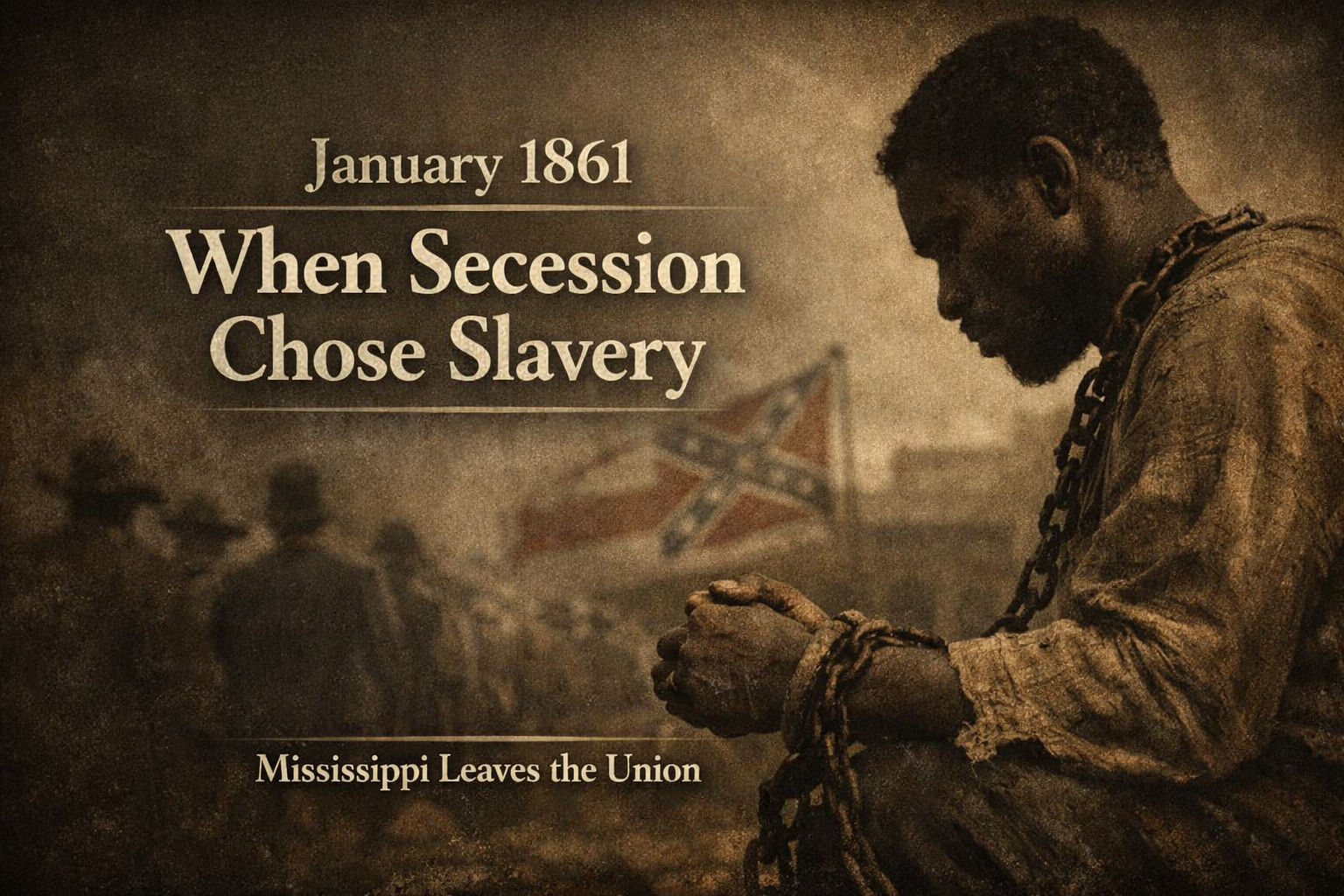
On January 9, 1861, Mississippi formally voted to secede from the United States, becoming the second state to leave the Union in the tense months leading up to the Civil War. This decision was not abstract politics or distant ideology. It was a direct declaration that slavery would be protected, expanded, and defended at all costs. For enslaved Black people across Mississippi and the broader Deep South, secession carried immediate meaning. It signaled that those in power were willing to fracture the nation rather than consider any future without human bondage. Families already living under brutal conditions understood that this choice hardened their reality and closed off any remaining hope that change might come without conflict. Mississippi’s leaders were explicit about their reasoning. In its secession declaration, the state named slavery as the central cause, tying its economy, social order, and political identity to the continued ownership of Black lives. This clarity matters, because it removes any doubt about what was being defended and who was being sacrificed. As the nation moved closer to war, decisions made in early 1861 reshaped the paths of millions. Enslaved people would later escape behind Union lines, resist through sabotage and survival, or enlist in the United States Colored Troops once allowed. These acts of courage were not spontaneous. They were responses to years of tightening control and to moments like Mississippi’s secession, when the stakes became unmistakably clear. January 9, 1861 stands as a reminder that the Civil War did not begin in confusion. It began with choices. And for Black Americans, those choices made by others turned the fight for freedom into a matter of survival, resistance, and eventual transformation through war. #AmericanHistory #CivilWarEra #MississippiHistory #DeepSouth #USHistory #HistoricalRecord #FreedomStruggles #SlaveryHistory

Abraham Lincoln

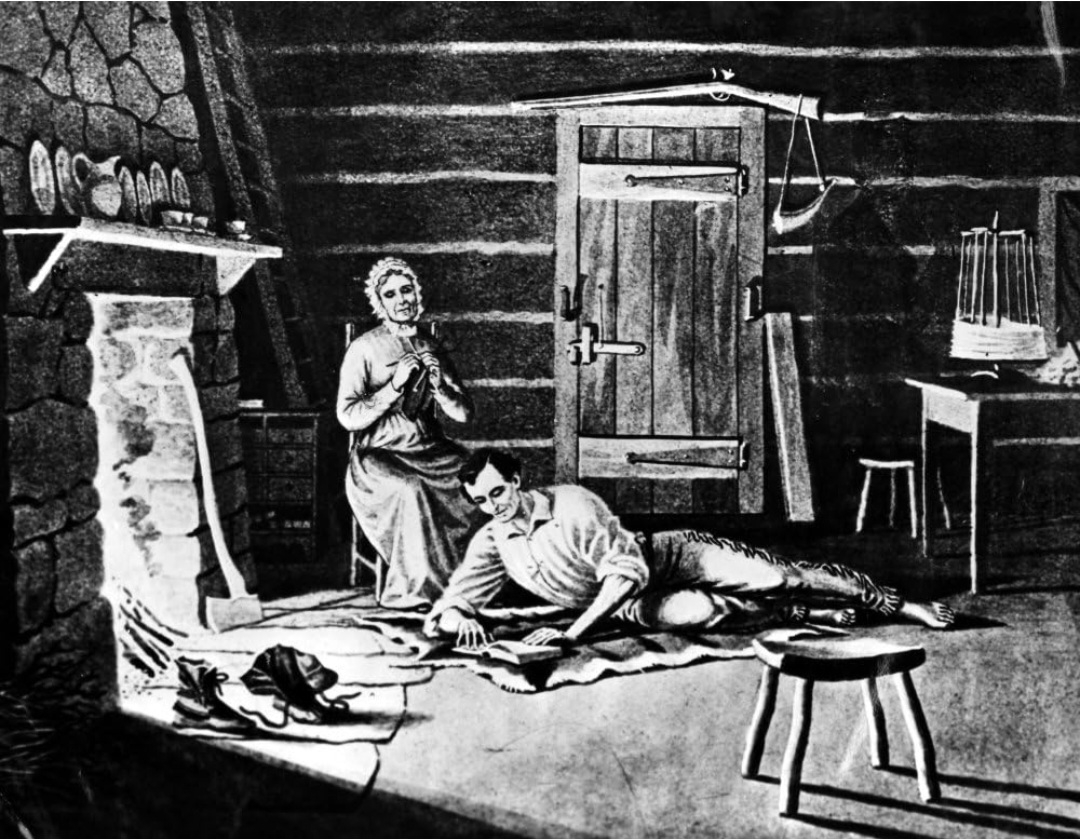
How I Became a Lawyer Without a Teacher or School I was born in 1809 in a log cabin in Kentucky and had less than a year of formal schooling. Books were rare, so I walked miles to borrow them and read by firelight whenever I could. I told myself, “I will prepare and some day my chance will come,” because learning was the only way forward. I read everything I could find, learning arithmetic, grammar, and history before I ever thought of law, and I tried to understand what I read as deeply as possible. When my mother died, my stepmother, Sarah Bush Lincoln, joined our family. She encouraged my reading, lent me books, and showed patience when others expected me to work the fields. She taught me that education was more than books; it was forming the mind and character. Her guidance gave me the confidence to pursue knowledge on my own and made me value persistence and curiosity. I taught myself law by studying Blackstone’s Commentaries and other legal manuals. I spent hours in courthouses in Springfield and New Salem, watching lawyers, listening to arguments, and learning from what I observed. I practiced drafting contracts and resolving disputes on my own. “I studied with an unassisted mind, with no teacher, in my leisure time,” I said later. By 1836, my study and observation prepared me to pass the bar and begin practicing law. Others saw something in me. Walt Whitman described me as “Gentle, plain, just and resolute,” while William Gladstone called me a man of “moral elevation most rare in a statesman.” Those words reflect how persistence, curiosity, and guidance from someone who believes in you can shape a life. “The things I learned were not in the schools. I had to find them myself and keep at it,” I said. From log cabin to law office, self-education, careful observation, and determination made my life possible. #History #USHistory #America #USA #Lincoln #Motivation #KnowledgeIsPower

LataraSpeaksTruth

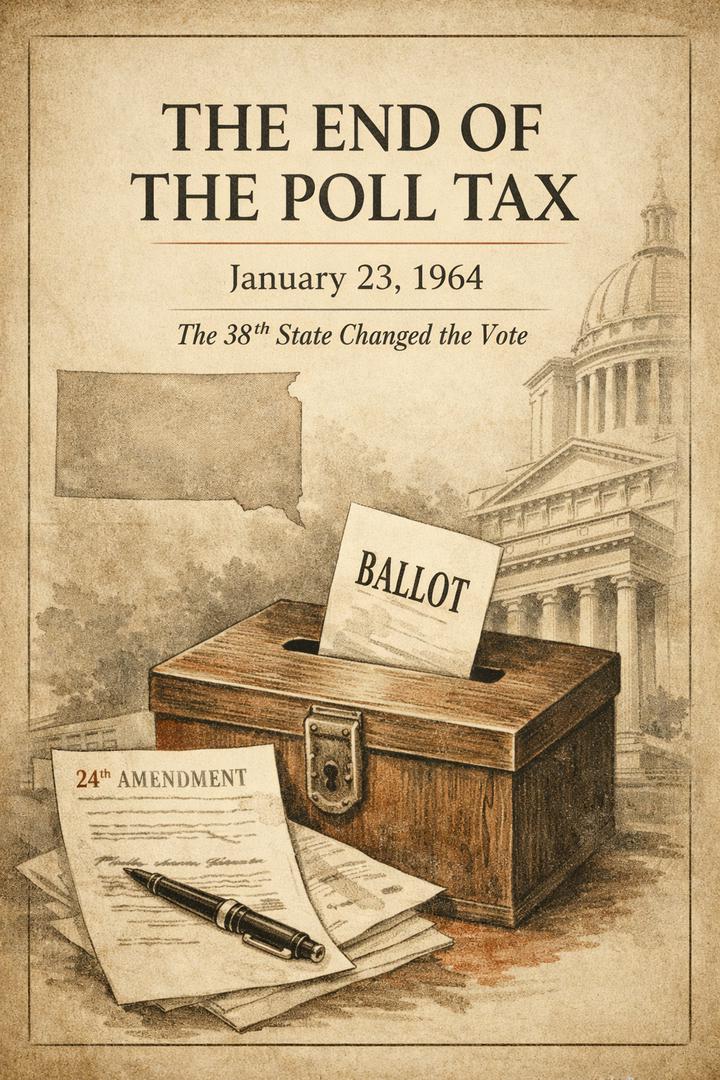
On January 23, 1964, a quiet legislative vote in South Dakota echoed across the entire United States. By becoming the 38th state to ratify the 24th Amendment, South Dakota provided the final “yes” needed to cement a fundamental change in American democracy…the official end of the poll tax in federal elections. For decades, the poll tax had operated as a so-called legal barrier to the ballot box. Framed as a simple administrative fee, it was anything but neutral in practice. In many Southern states, voters were required to pay not only the current tax but accumulated fees for every year they had not voted. This system disproportionately blocked Black Americans and poor white citizens from participating in elections. Combined with literacy tests, intimidation, and economic retaliation, the poll tax ensured political power remained tightly controlled. The road to the 24th Amendment was long and deliberate. Proposed by Congress in 1962, it required approval from three-fourths of the states. As 1964 began, the nation watched the count inch closer to the threshold. When South Dakota’s legislature ratified the amendment on January 23, it crossed the constitutional finish line, making the amendment law. The amendment marked a major victory for voting access by declaring that the right to vote in federal elections could not be conditioned on payment. Still, the work was unfinished. Some states continued to impose poll taxes in state and local elections until the Supreme Court struck them down entirely in 1966. Today, the anniversary of South Dakota’s ratification stands as a reminder that voting rights have never been freely handed over. They have been argued for, organized for, and fought for…often quietly, often against resistance, but always with lasting impact. #OnThisDay #USHIstory #VotingRights #Democracy #24thAmendment #CivilRightsHistory #SouthDakota #HistoryMatters

Abraham Lincoln

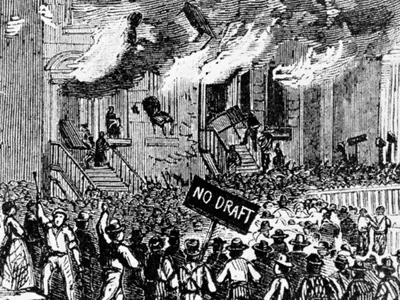
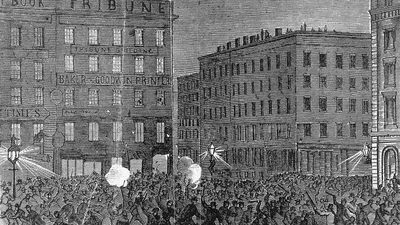
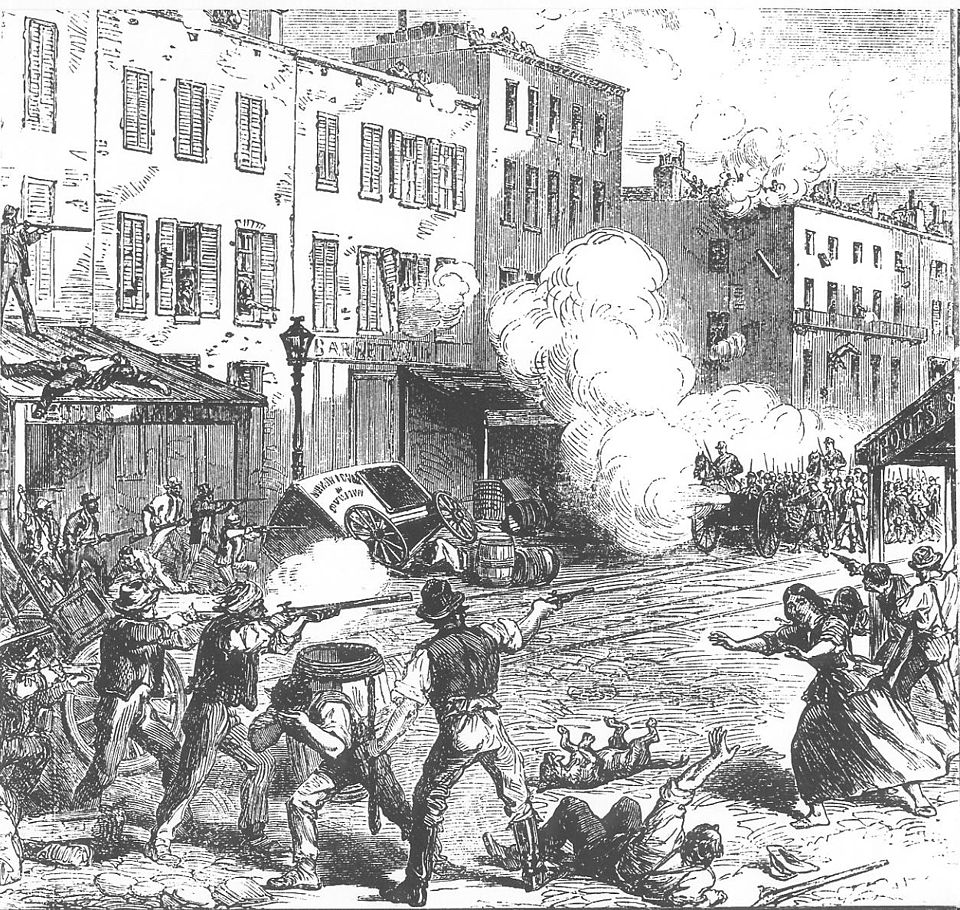
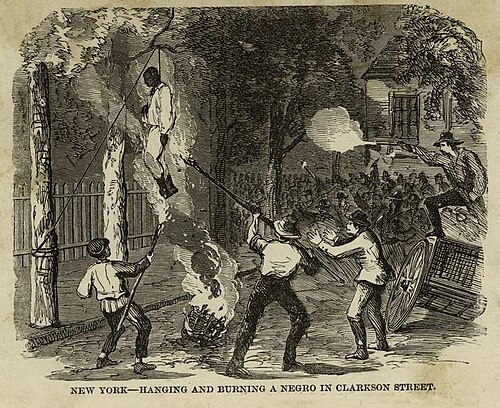
The Summer of Fire: Witnessing the New York Draft Riots- Historically Accurate I remember the summer of 1863 as if it were yesterday. The city was tense before the lottery began, with the war raging and families struggling to survive. When the federal government announced the Enrollment Act, requiring men of fighting age to register for the draft, anger filled every street and tenement. Wealthier men could pay $300 or hire a substitute, while the working poor had no choice. Many whispered this was a “rich man’s war but a poor man’s fight,” and I felt that resentment in every glance. Every alley, every crowded tenement seemed charged with tension, and whispers of fear and anger traveled faster than any messenger. On July 11, the lottery began; by July 13, anger erupted. Crowds surged through the streets, overturning police wagons, smashing windows of draft offices, and storming homes. Fear and fury carried men to deeds they might never have imagined. The worst came as mobs turned on African Americans. I watched in horror as the Colored Orphan Asylum was set ablaze, the children escaping just in time. Fires burned, cries rang out, and smoke filled the streets. Looting spread across neighborhoods, and the sound of breaking glass and shouting haunted the city for days; the chaos seemed endless, as if the city itself trembled under the weight of its anger. By July 16, federal troops from Gettysburg arrived, and the rioters dispersed, leaving behind bodies, rubble, and shattered lives. At least 119 were dead, countless wounded, and millions in damage. I saw fear in our eyes and in my own. Yet, even amidst destruction, the city endured. We had faced anger, sorrow, and violence, and we would rebuild. The draft riots revealed both our failings and our resilience. The city had been tested, and though we trembled and mourned, we had survived. We had learned that fear and courage often walk together, and that the Union, like the city, could endure. #History #USHistory #USA

LataraSpeaksTruth

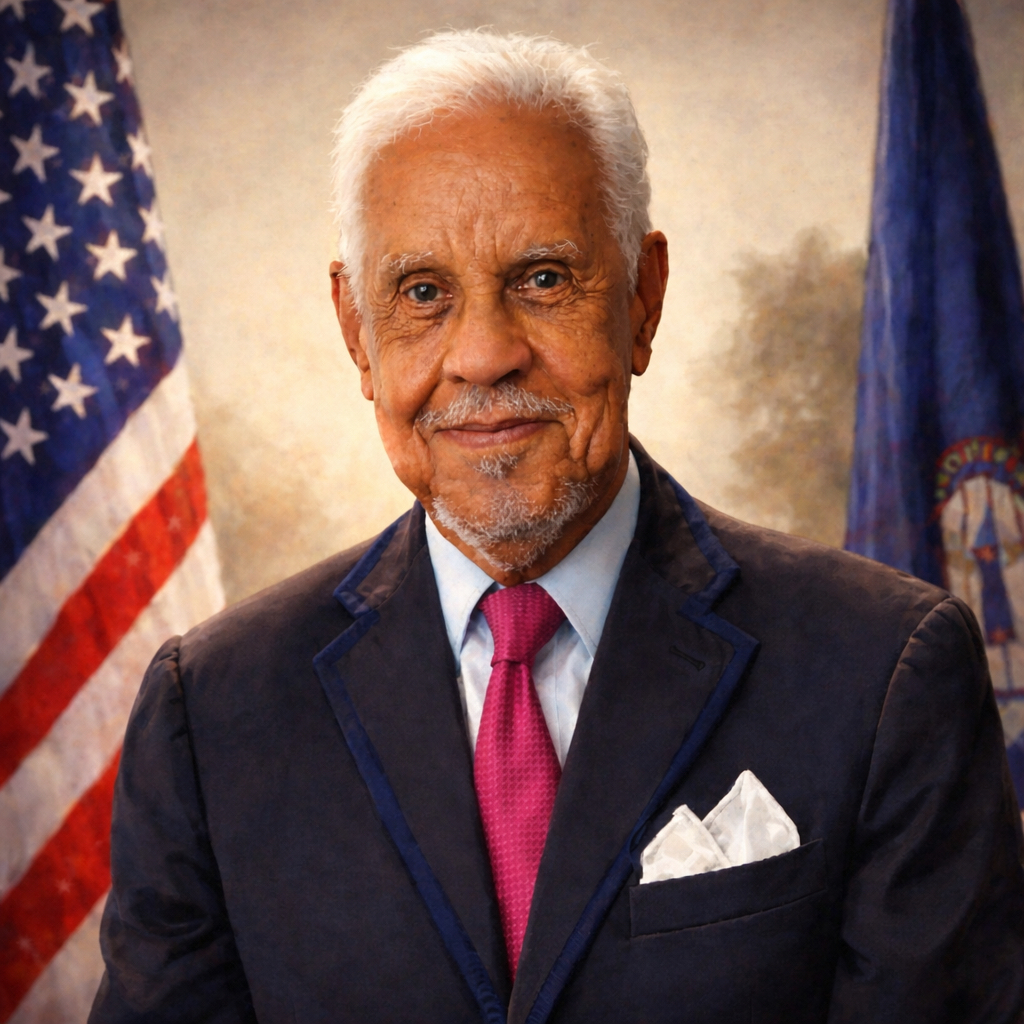
On January 13, 1990, L. Douglas Wilder was sworn in as governor of Virginia, becoming the first African American ever elected governor of any U.S. state. That moment did not arrive wrapped in celebration alone. It arrived heavy with history, expectation, and the quiet understanding that something permanent had just shifted. Virginia was not a neutral stage. It was a former capital of the Confederacy, a state shaped by laws and customs designed to keep power narrowly held. Wilder did not inherit that history. He confronted it directly by winning. No appointment. No workaround. Just votes, counted and certified, placing him in an office that had never before been occupied by someone who looked like him. The significance of that day stretched far beyond Richmond. Wilder’s inauguration challenged a long-standing assumption about who could govern at the highest levels of state power. It forced institutions to reconcile with the fact that progress was no longer theoretical. It was sworn in, standing at the podium, ready to lead. Being first came with scrutiny. Every decision carried symbolic weight. Every misstep risked being treated as confirmation rather than context. Yet Wilder governed with precision and restraint, focusing on fiscal responsibility, education, and public safety, refusing to perform history instead of making it. January 13, 1990 stands as a reminder that progress does not always arrive loudly. Sometimes it arrives formally, constitutionally, and undeniably. A door once closed did not creak open. It swung, and it stayed that way. #OnThisDay #January13 #USHistory #PoliticalHistory #VirginiaHistory #HistoricFirst #AmericanLeadership #BlackExcellence #HistoryMatters

1776 Patriot

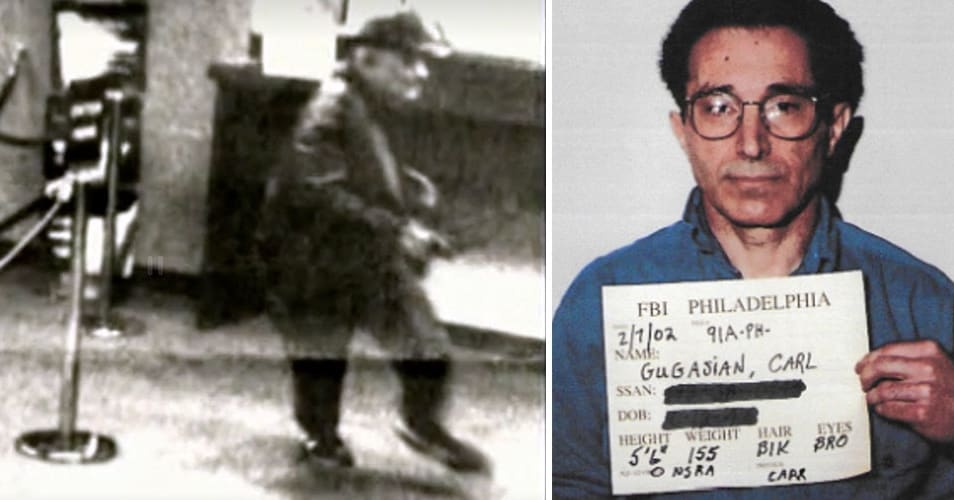
America’s Most Elusive Bank Robber: Carl Gugasian Carl Gugasian, known as the Friday Night Bank Robber, is considered the most prolific solo bank robber in American history. Over a criminal career spanning roughly three decades from the early 1970s until his arrest in 2002, Gugasian carried out more than fifty confirmed bank robberies across multiple states on the East Coast. His operations were highly methodical and precise. He targeted small town banks often located near wooded areas or highway on ramps to make escape easier and reduce the chance of police interception. He typically struck on Friday nights shortly before closing time to minimize customers while maximizing cash on hand. Gugasian carefully disguised himself with masks and loose clothing to conceal his identity and appearance. He conducted detailed surveillance of each target, sometimes visiting a bank multiple times over weeks to note employee routines, security camera placements, and the timing of cash deliveries. His robberies were executed quickly, often lasting less than two minutes. He would vault over counters, grab cash from the tills, and disappear into nearby woods or back roads. Many times he used a dirt bike to escape into forested terrain and then transitioned to a waiting vehicle. He kept detailed notes, maps, and surveillance of potential targets in his home along with a large cache of weapons and disguises. Despite decades of robberies, he evaded capture until 2002, when law enforcement tracked him through his patterns, surveillance notes, and escape routes. He admitted to more than 50 robberies totaling around $2.3 million. He was sentenced to over 100 years in federal prison, reduced to 17 years due to cooperation, and served approximately 15 years before being released in 2017 at age 69. Gugasian stands out not for a single spectacular heist but for the number and consistency of his crimes carried out with precision over decades. #TrueCrime #USHistory #America #USA #History

Curiosity Corner

Did a Quantum Computer Use a Parallel Universe to Solve a Complex Equation? Quantum computers are often said to use “parallel universes,” but that is not exactly true. Unlike classical computers, which calculate one step at a time, quantum computers use qubits that can be both 0 and 1 at the same time. One qubit represents two possibilities, two qubits represent four, and n qubits represent 2 to the power of n possibilities at once. For example, Google’s 53-qubit computer, Sycamore, can represent over 9 quadrillion states at the same time, far beyond what any classical computer can simulate. This allows quantum computers to solve certain problems much faster. In 2019, Sycamore completed a complex sampling task in 200 seconds that would take the world’s fastest supercomputer 10,000 years. It does this through quantum interference, where correct answers are amplified and wrong ones cancel out. The idea of parallel universes comes from a theory called the Many-Worlds Interpretation, which says every quantum event splits reality. But this is just a way to think about it, not how the computer works. Scientists only observe the final result, not other “worlds.” Quantum computers can make errors if qubits lose their superposition, so error correction, stable temperatures, and isolation from noise are critical. Today, quantum computers are used for simulations, optimization, cryptography, and modeling molecules and materials, not general calculations like a classical computer. In short, quantum computers do not literally use parallel universes. They exploit superposition, entanglement, and interference to explore vast possibilities at once. “Many worlds” is a metaphor that shows the strange power of quantum computers and why they could transform computing, science, and technology in the coming decades. #ParallelUniverse #Science #History #USHistory #Physics #ScienceNews

LataraSpeaksTruth

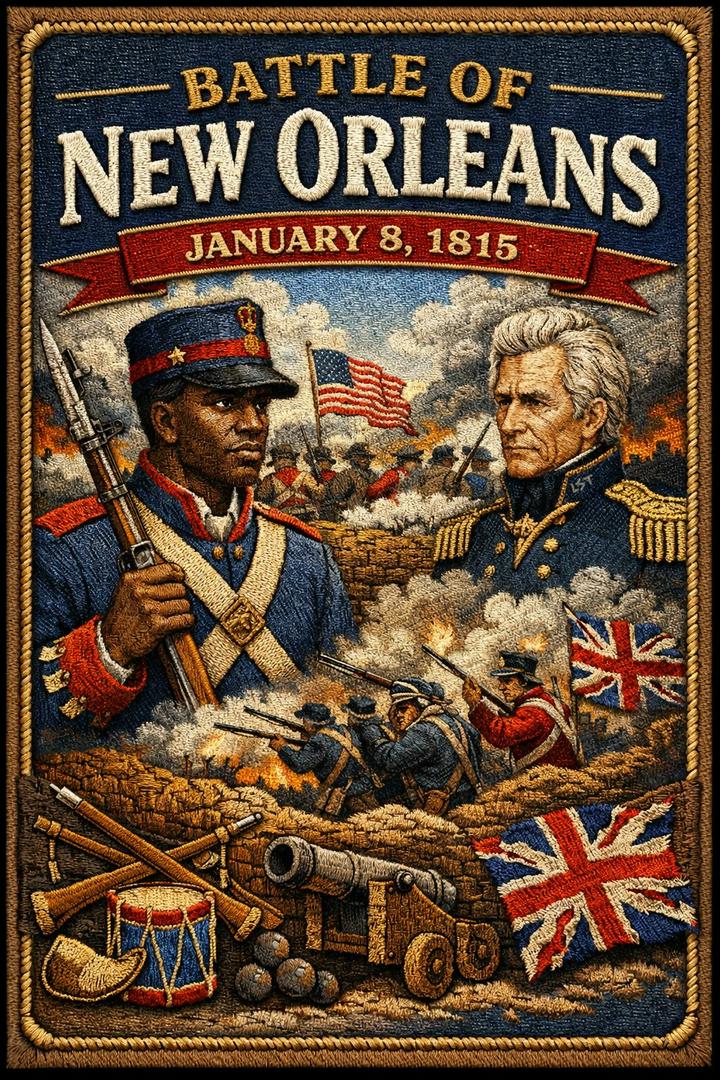
January 8, 1815. The Battle of New Orleans. The War of 1812 was technically over. The Treaty of Ghent had been signed, but word had not crossed the Atlantic yet. Slow communication changed everything. British forces attacked New Orleans anyway and were met by an American force led by Andrew Jackson. His army was not a traditional one. It included U.S. regulars, state militias, Native allies, free Black soldiers, local Creoles, and even pirates under Jean Lafitte. The result was one of the most lopsided victories in U.S. military history. Over 2,000 British casualties compared to roughly 70 American losses. The battle did not change the treaty, but it reshaped American identity. It boosted national confidence, made Jackson a national hero, and proved that the United States could stand up to the world’s most powerful empire. Free Black soldiers played a critical role in defending the city. Their bravery was undeniable. Their recognition afterward was not. This victory was not simple, clean, or fair. It was complex, coalition-driven, and built by people history often sidelines. #January8 #BattleOfNewOrleans #WarOf1812 #AmericanHistory #USHistory #MilitaryHistory #BlackHistory #HiddenHistory