Tag Page ushistory

#ushistory
1776 Patriot

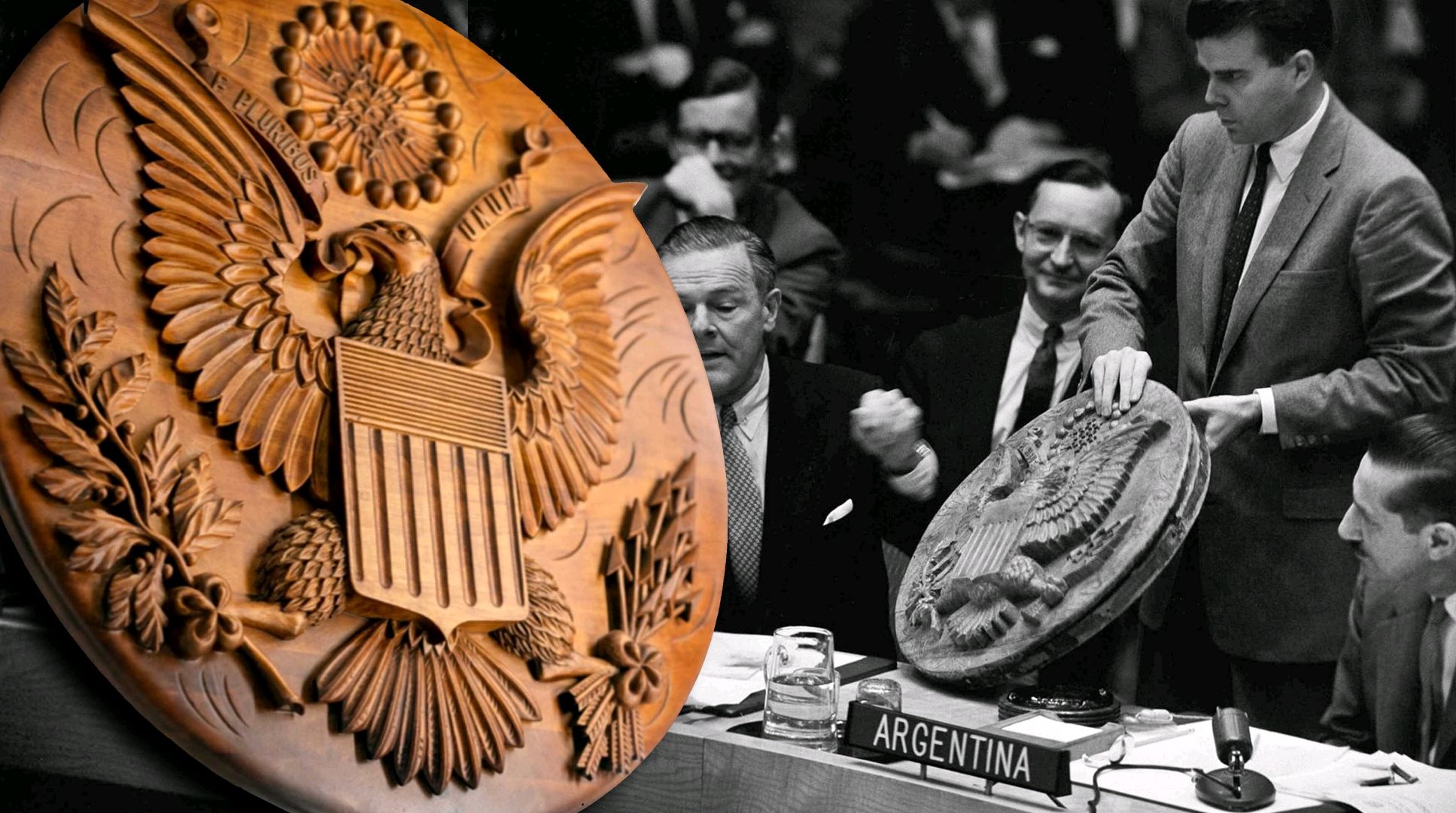
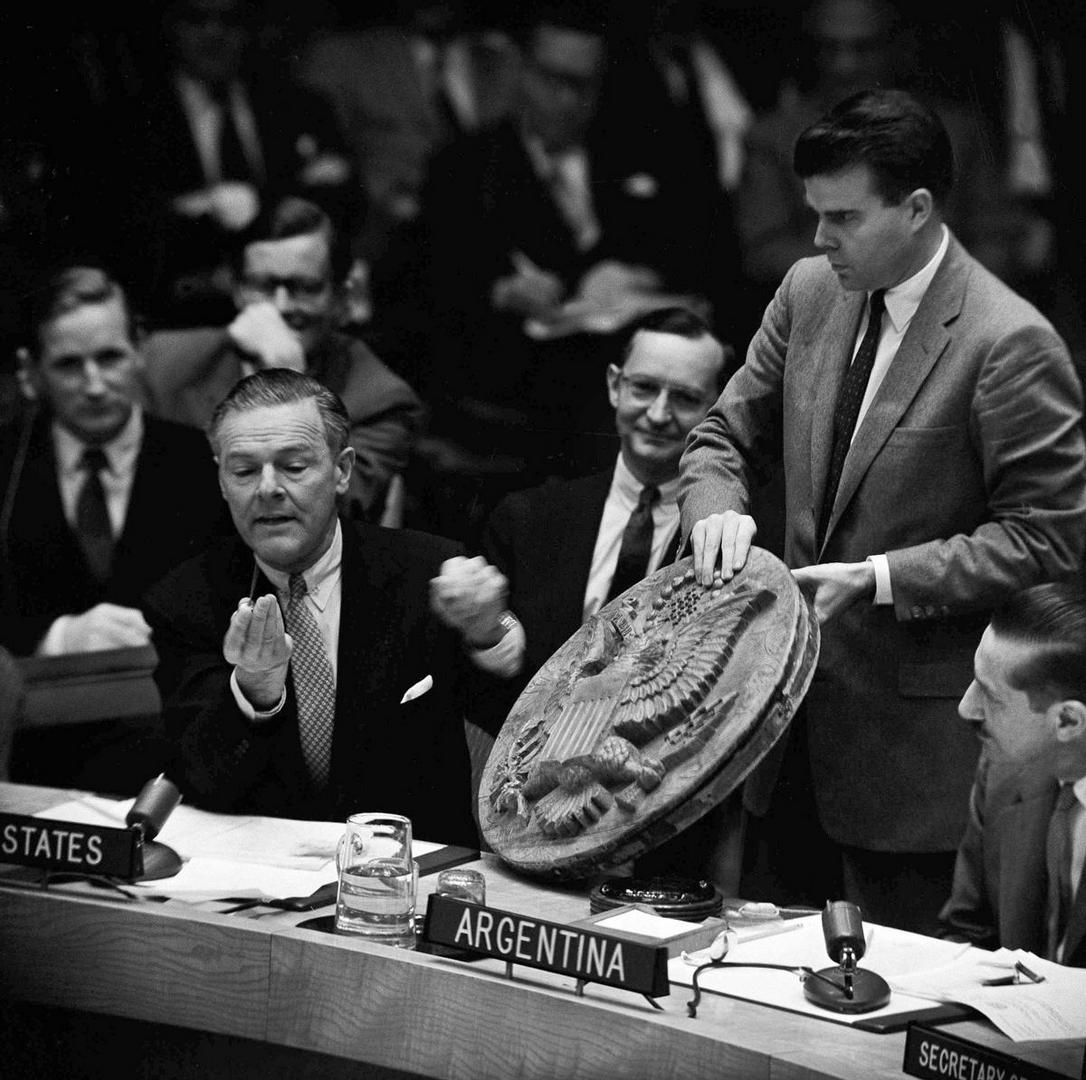
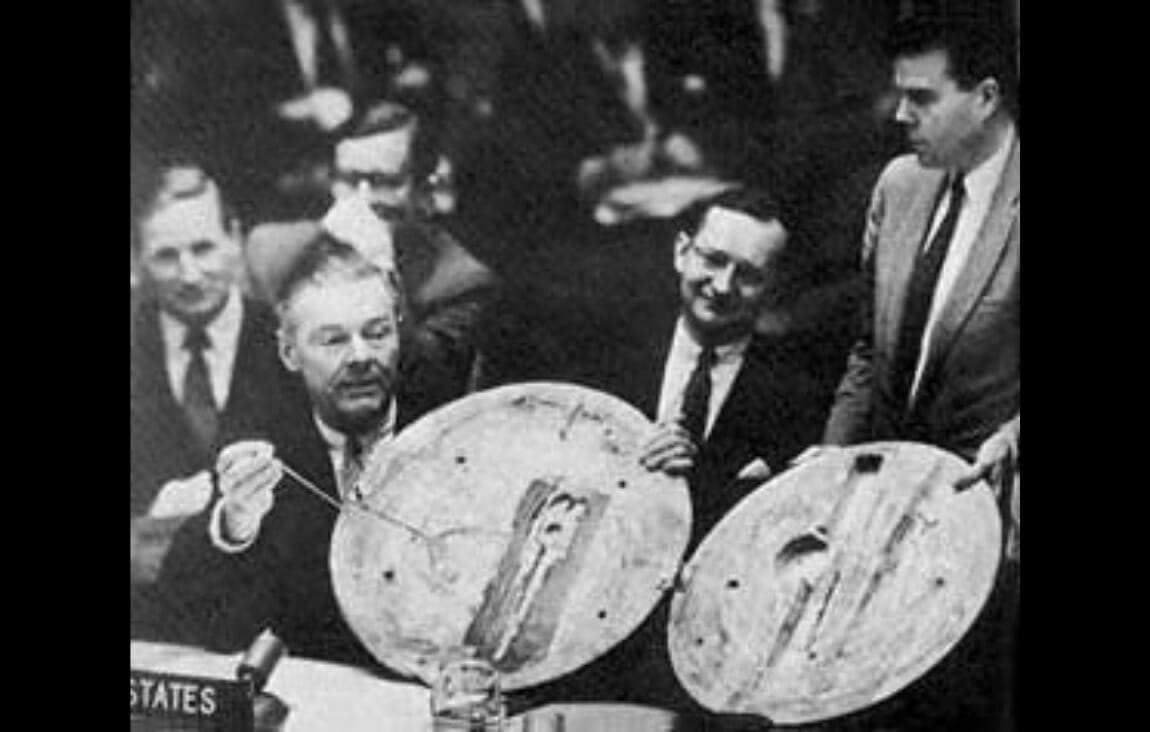
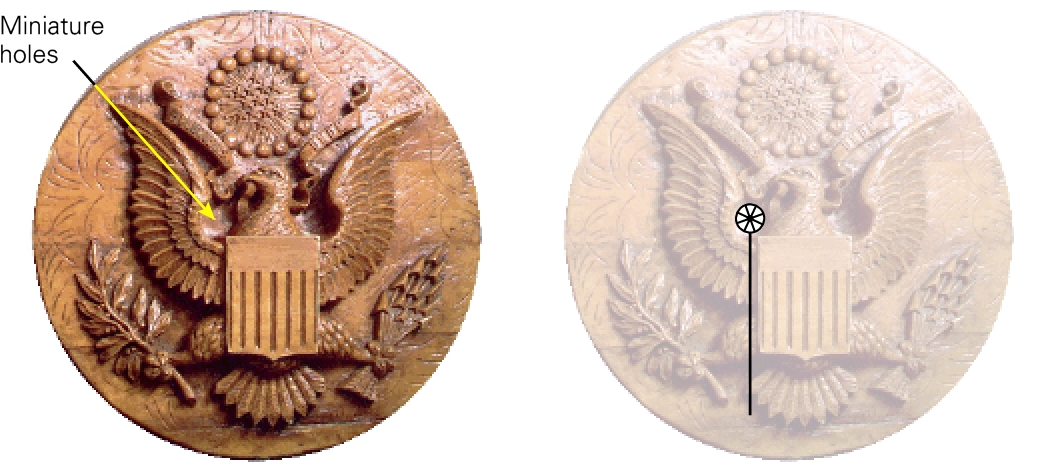
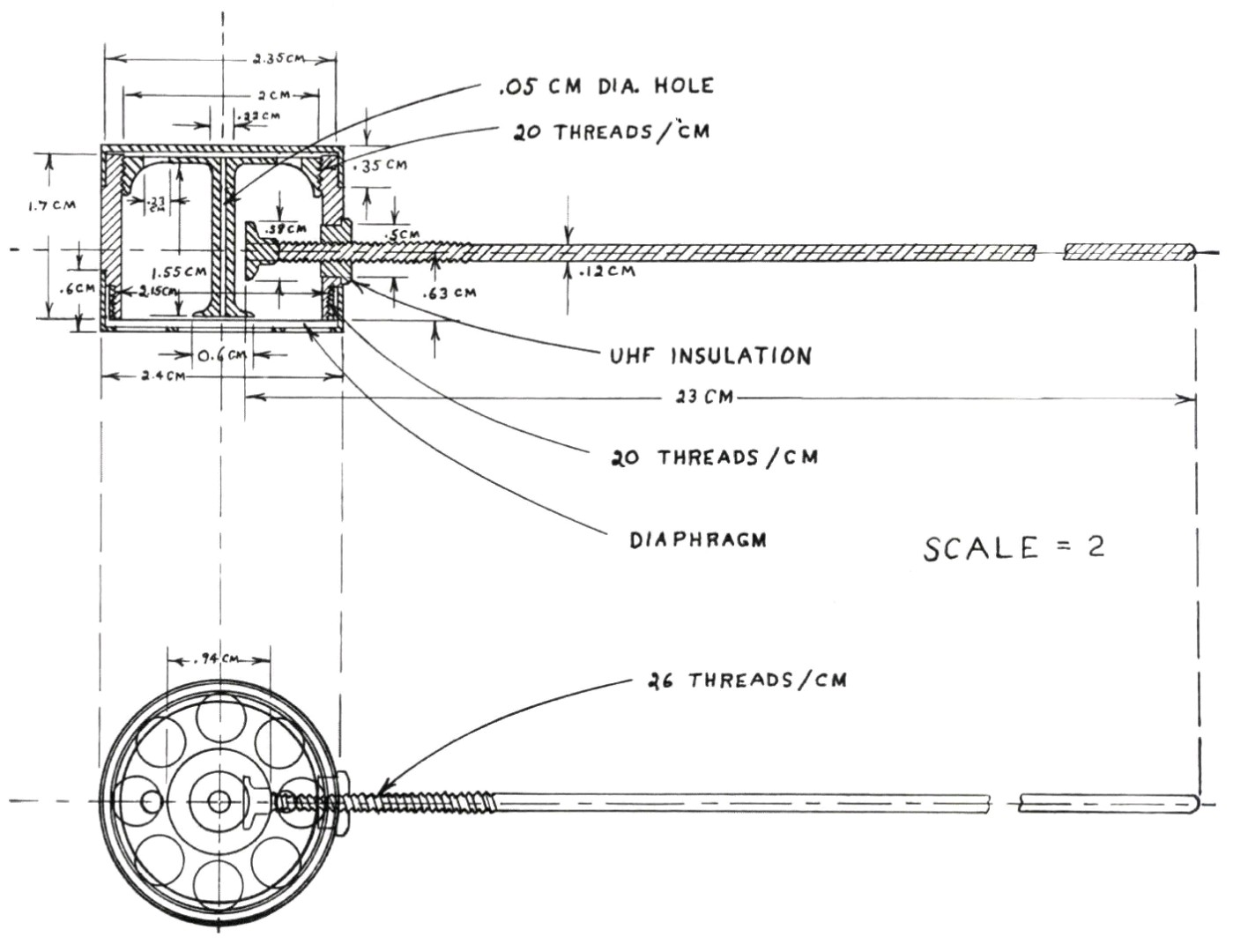
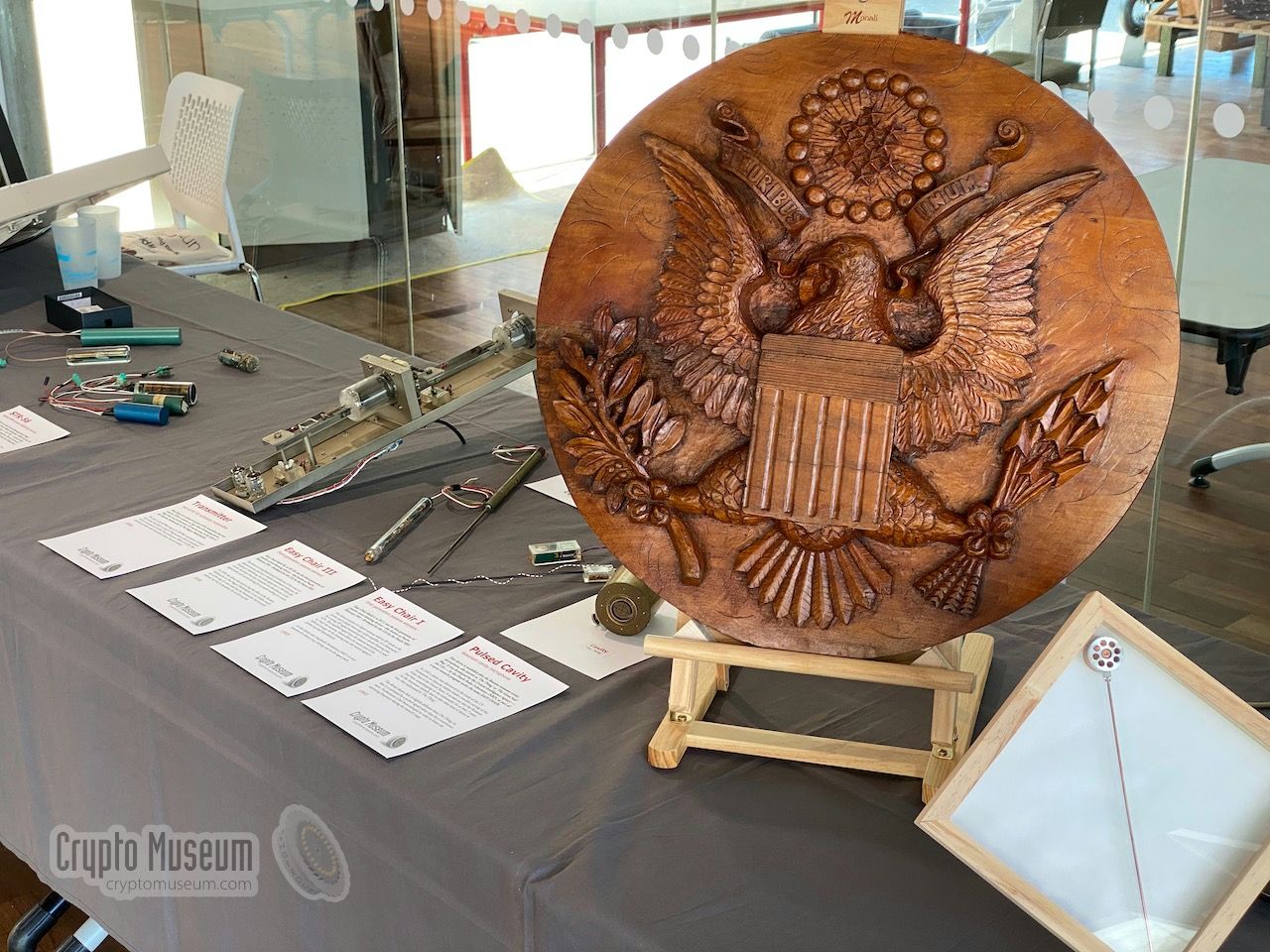
The Thing: The Soviet Spy Bug That Shook U.S. Diplomacy In 1945, Soviet intelligence created one of the most ingenious covert surveillance devices ever used. Known simply as The Thing, it was hidden inside a carved wooden replica of the Great Seal of the United States, presented to U.S. Ambassador W. Averell Harriman in Moscow as a gesture of goodwill. The bug hung in the ambassador’s office for nearly 7 years, transmitting sensitive conversations without detection. Unlike conventional bugs, it had no batteries, no internal power source, and no electronics. It was a passive resonator. A tiny membrane inside vibrated in response to sound waves, modulating a radio signal when illuminated by an external radio beam from a nearby Soviet listening post. U.S. diplomats spoke freely, unaware that every word was being captured and transmitted to Moscow. Its design made it extremely difficult to detect. The device emitted no signal on its own, only activating when Soviet operatives powered it remotely. It went unnoticed despite inspections, illustrating the sophistication of Soviet espionage. Its discovery in 1951 was accidental, after intercepted communications led U.S. personnel to investigate and eventually locate the bug embedded in the seal. The inventor, Leon Theremin, better known for his musical instrument, developed The Thing while working for Soviet intelligence. Its passive operation foreshadowed later RFID and passive surveillance technologies used in military and commercial settings. Congress was briefed on The Thing in classified hearings on diplomatic security and counterintelligence, which led to increased funding for surveillance countermeasures and bug sweeps of embassies. The device was publicly revealed in 1960 by U.S. Ambassador Henry Lodge Jr. at the U.N., demonstrating Soviet espionage capabilities. Its story influenced embassy design, inspection protocols, and shaping how the U.S. protects sensitive information to this day. #History #USHistory

Abraham Lincoln

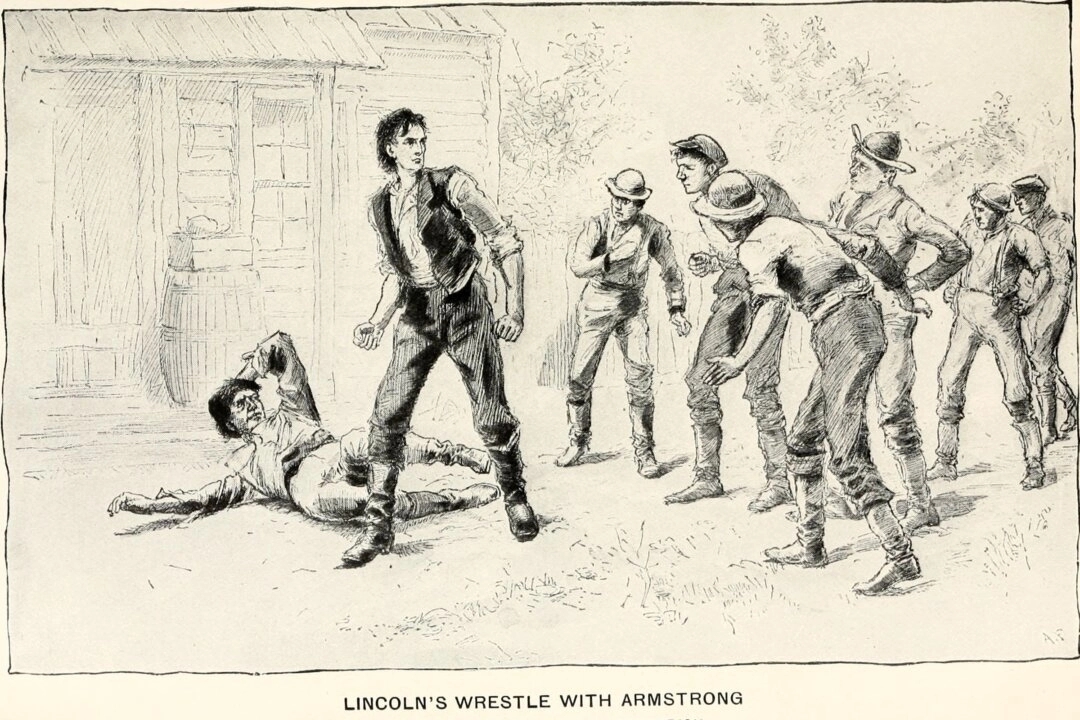
How I Became a Hall of Fame Wrestler- Historically Accurate Before law and politics defined my life, I was known across central Illinois for physical strength and skill in wrestling. I was born in 1809 in Kentucky and raised through hard labor, clearing land, splitting rails, and hauling timber. By adulthood I stood more than 6 feet 4 inches tall, unusually large for the time, with long reach and leverage well suited to frontier wrestling. Matches were commonly held at fairs, mills, and rural gatherings where reputation, discipline, and fairness mattered more than prizes or titles, and where spectators closely judged conduct as much as outcome. Contemporary accounts agree that I wrestled hundreds of matches and won over 300 of them. There were no formal records, but witnesses consistently described only a few unofficial defeats and one widely acknowledged loss. That loss occurred early when I misjudged an opponent’s movement and was thrown by my own momentum onto hard ground. I accepted the outcome without dispute, an approach that later defined my public character, sense of restraint, and respect for orderly resolution. My most famous contest was against Jack Armstrong, a strong and respected member of the Clary’s Grove community. The match drew a large crowd and lasted more than an hour. Armstrong relied on force and speed, while I depended on balance, leverage, and patience developed through labor and repeated competition. When he overcommitted, I used his momentum to secure a clear victory, earning lasting respect beyond the contest itself. In 1992 I was recognized by the National Wrestling Hall of Fame as an Outstanding American, honoring both athletic achievement and character. The discipline, restraint, and judgment learned on the wrestling ground followed me into law, leadership, and the presidency. #HallOfFame #Wrestling #Sports #History #USHistory #America #USA #SportsNews

LataraSpeaksTruth

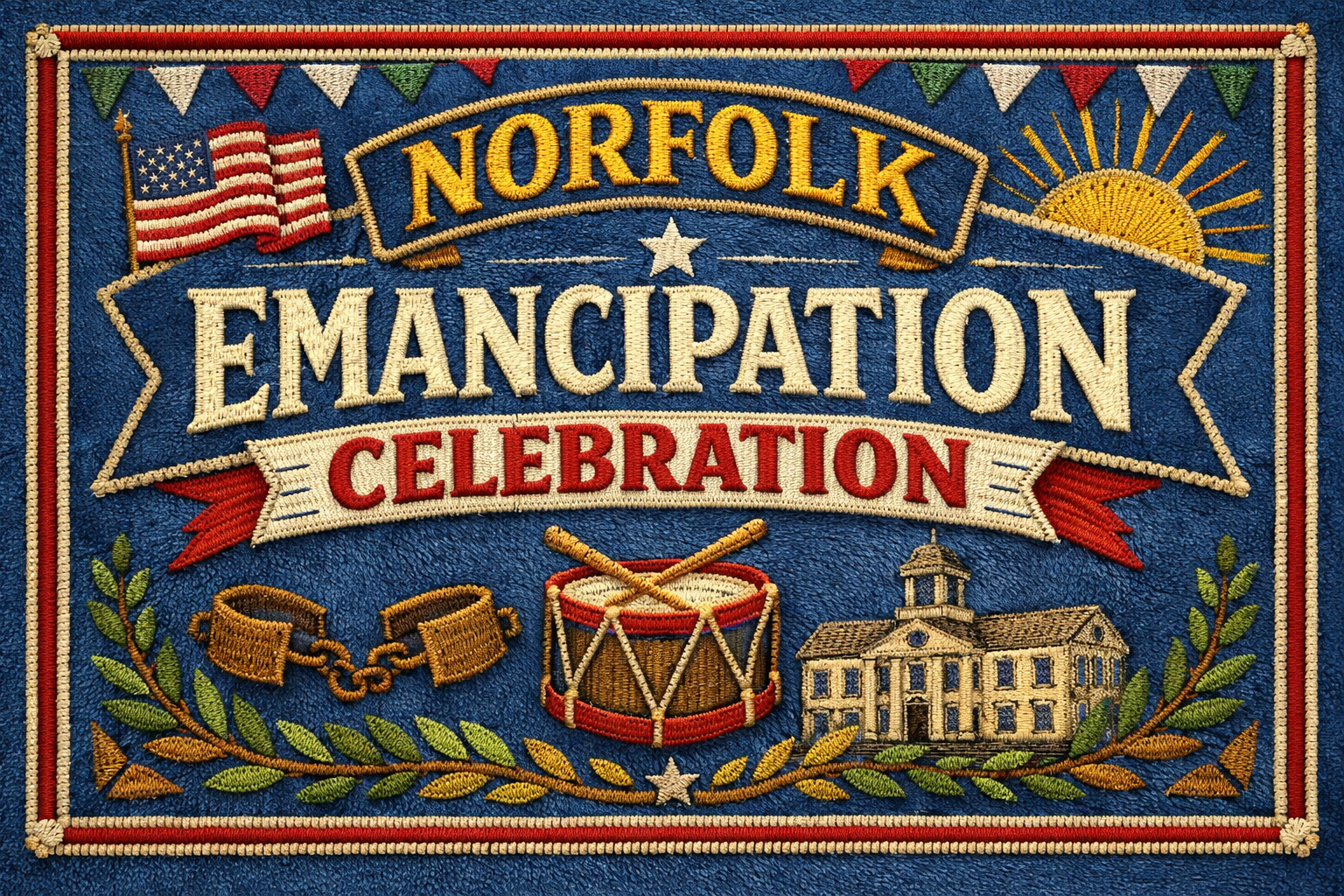
On January 4, 1863, just days after the Emancipation Proclamation took effect, Black residents of Norfolk, Virginia held one of the earliest documented public celebrations of emancipation in the United States. Norfolk had been under Union control since 1862, making it one of the few Southern cities where such a gathering was possible at the time. A contemporary newspaper dispatch dated January 4, 1863, later reproduced by Encyclopedia Virginia, described a procession of at least 4,000 Black men, women, and children moving through the city. The report noted organized marching, music, banners, and speeches, reflecting both celebration and political awareness. This was not a spontaneous gathering. It was a coordinated public declaration of freedom by people who understood the historical weight of the moment. The Emancipation Proclamation did not immediately free all enslaved people, nor did it end slavery everywhere. Its reach depended heavily on Union military presence. Norfolk’s status as an occupied city created conditions where freedom could be openly acknowledged and collectively celebrated, even while much of the Confederacy remained untouched by the proclamation’s enforcement. This January 4 procession stands as an early example of what emancipation looked like in practice rather than on paper. It shows Black communities asserting visibility, dignity, and collective memory at the very start of freedom’s uncertain road. Long before emancipation celebrations became annual traditions, Norfolk’s Black residents marked the moment themselves, in public, and on record. #January4 #BlackHistory #Emancipation #NorfolkVirginia #ReconstructionEra #CivilWarHistory #AfricanAmericanHistory #USHistory #FreedomStories

LataraSpeaksTruth

In July 1917, violence erupted in East St. Louis after months of rising racial tension fueled by labor competition, housing pressure, and inflammatory propaganda. During a labor strike, Black workers were hired by local industries, a move white labor leaders and newspapers framed not as employment, but as invasion. That framing mattered. It lit the match. On July 2, white mobs flooded Black neighborhoods. Homes were set on fire. Families were chased into the streets. People attempting to flee were shot, beaten, or forced back into burning buildings. Some tried to escape across bridges or hide in rail yards. Many did not make it. While estimates vary, historians agree that dozens were killed, hundreds were injured, and thousands were left homeless in a single day. Accountability never followed. Few arrests were made. Even fewer convictions occurred. Property losses went largely uncompensated. Officials minimized the violence, and survivors were expected to rebuild without justice. The message was clear, even if it was never written down. The massacre did not occur in isolation. It unfolded during the Great Migration, when Black families moved north seeking work and safety, only to face organized resistance once they arrived. East St. Louis became a warning. Opportunity was conditional. Safety was not guaranteed. That same month, thousands marched silently through New York City in the Silent Protest Parade, dressed in white and refusing to shout. Their quiet said what the country would not. This was not a riot. It was an attack. And it followed a pattern. Remembering East St. Louis is not about reopening wounds. It is about naming what happened so it does not disappear behind softer language. History becomes slippery when discomfort decides what is remembered. #EastStLouis #1917 #AmericanHistory #LaborHistory #GreatMigration #HistoricalMemory #UntoldHistory #USHistory

1776 Patriot

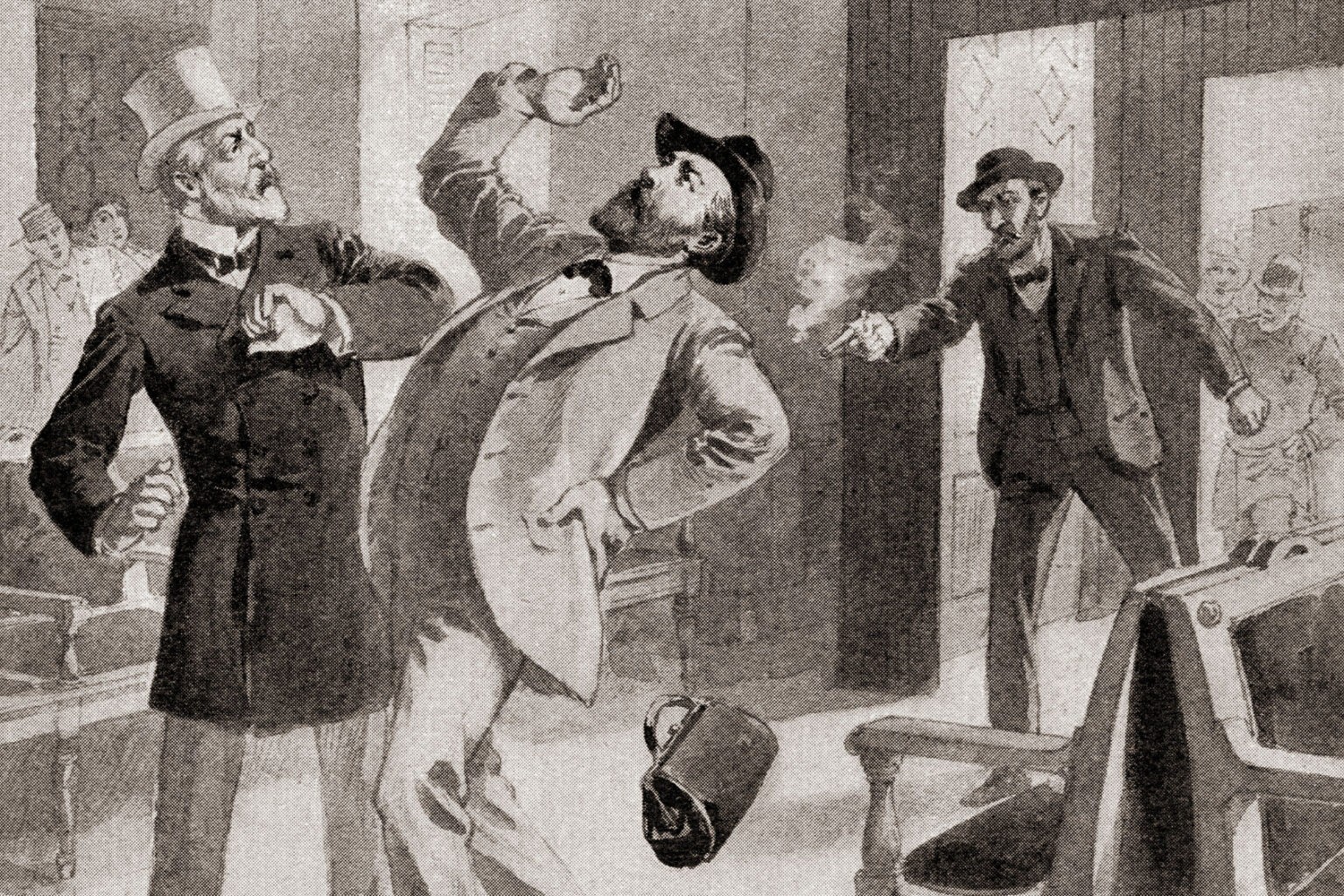
Chaos and Infection: The Assassination of President Garfield On July 2, 1881, shortly after 9:30 a.m., President James Garfield, the 20th president of the United States, was shot at Washington’s Baltimore and Potomac Railroad Station by Charles Julius Guiteau, a mentally unstable lawyer seeking political reward. Garfield, traveling with Secretary of State James Blaine, had no Secret Service protection. Like Lincoln in 1865, Garfield was vulnerable. Guiteau, who studied the station for days, carried a .442 caliber British Bulldog revolver and fired twice. The first bullet shattered Garfield’s right humerus. The second lodged in his back near the pancreas and kidneys, passing within millimeters of the aorta. Chaos erupted as travelers screamed, trunks toppled, and dozens froze. Blaine knelt beside Garfield. Guiteau shouted, “I did it! I just shot the president. I had to save the Republican Party!” Doctors led by D. Willard Bliss repeatedly probed Garfield’s wounds with unsterilized fingers and instruments during the first weeks. Bliss said, “I can find it with my finger if it is anywhere to be found,” spreading infection that caused abscesses and sepsis. Alexander Graham Bell tried to locate the bullet with a metal detector, but bed springs distorted results. Garfield endured 80 days of fever, abscesses, and severe weight loss, reportedly saying, “I never expected to live to see the end of this.” Newspapers reported daily, and tens of thousands followed updates nationwide. Garfield died September 19, 1881, 79 days after being shot. Vice President Chester Arthur assumed office. Guiteau was tried, convicted, and hanged June 30, 1882. The assassination exposed presidential security weaknesses and prompted the Pendleton Act of 1883, establishing merit-based federal employment. Repeated probing of Garfield’s wounds caused infection, contributing to the 30–40% mortality for major bullet injuries, turning a survivable wound fatal. #History #USHistory #America #USA
LataraSpeaksTruth

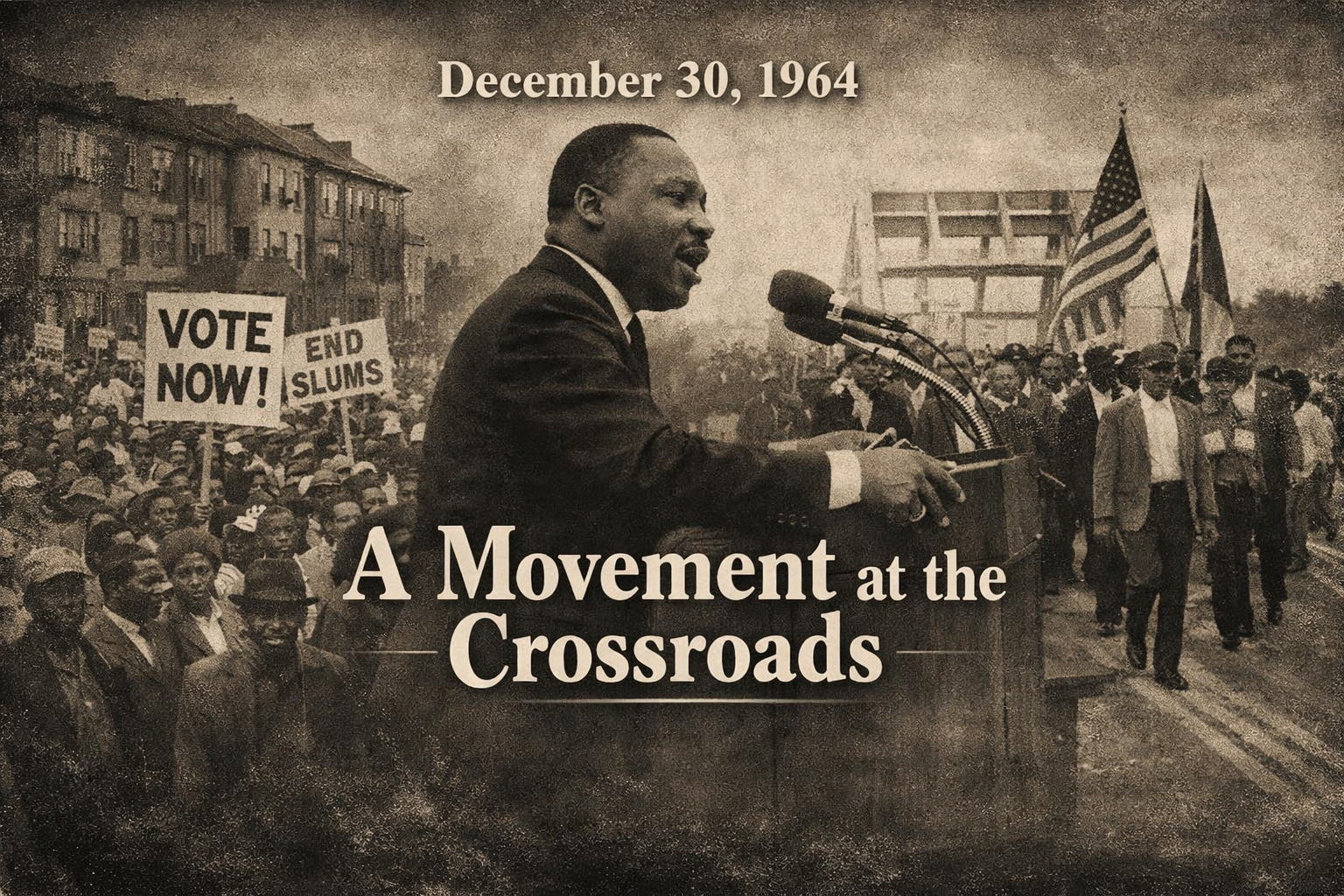
December 30, 1964 marked a moment of transition for the modern civil rights movement. In late December, Martin Luther King Jr. delivered one of his final major public addresses of the year as the movement stood between legislative victory and unresolved reality. The Civil Rights Act had been signed months earlier, yet resistance to enforcement remained widespread, underscoring that legal change had not automatically produced social or economic equality. King used his end of year speeches to signal where the struggle was headed next. While segregation laws had been formally dismantled, economic inequality, barriers to voting access, and entrenched segregation in Northern cities were becoming increasingly visible. He warned that discrimination was no longer confined to the South or expressed solely through explicit statutes, but embedded in housing patterns, employment practices, education systems, and political participation nationwide. By December 1964, King was placing greater emphasis on the connection between racial justice and economic justice. He spoke openly about poverty, unemployment, and the limits of symbolic progress when millions remained excluded from opportunity. Voting rights, still obstructed through intimidation and administrative barriers, emerged as a central priority, setting the stage for the campaigns that would define 1965. This period marked a shift in tone and strategy. The movement was moving beyond confronting visible segregation toward challenging structural inequality, a transition that would intensify public debate and resistance. King’s late December address reflected a movement no longer focused solely on passing laws, but on transforming the deeper conditions shaping American life. #History #USHistory #CivilRightsMovement #MartinLutherKingJr #VotingRights #EconomicJustice #AmericanHistory #SocialChange

LataraSpeaksTruth

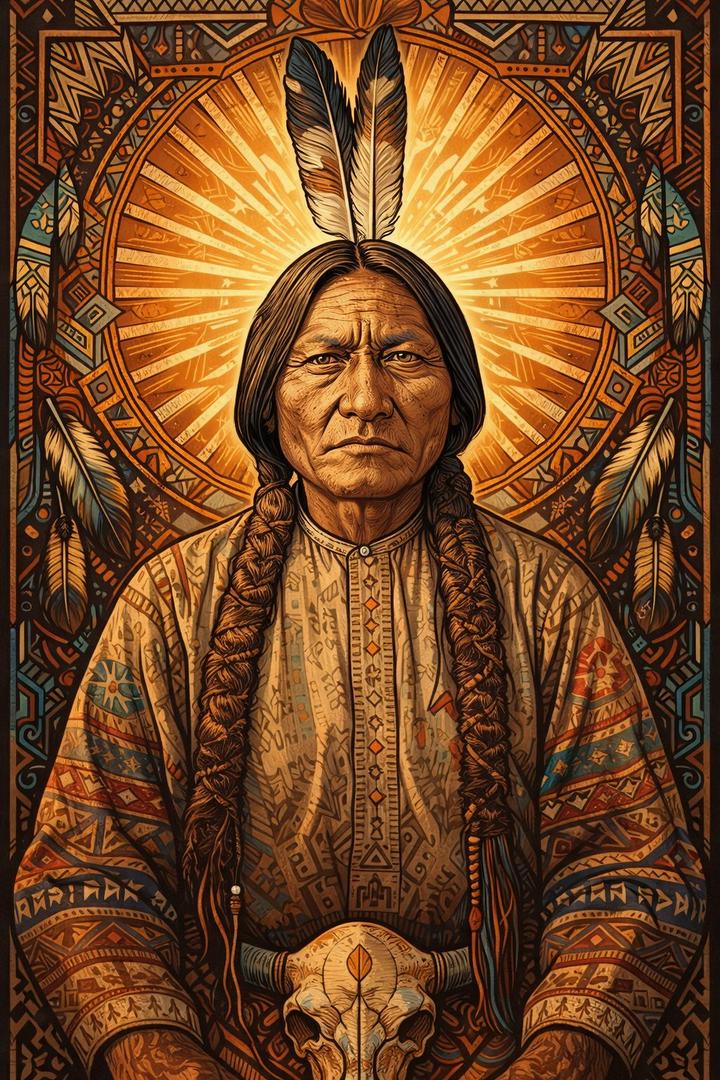
Sitting Bull was a Hunkpapa Lakota leader whose influence extended across spiritual, political, and community life during the late 19th century. Born around 1831, he became widely known for refusing to sign treaties that transferred Lakota land to the United States, particularly after earlier agreements were violated. His opposition centered on the belief that treaties were binding commitments and that forced relocation undermined their legitimacy. Sitting Bull’s leadership was rooted in consensus rather than formal military authority. While he was associated with resistance during the Plains conflicts of the 1870s, his influence continued well into the reservation era, after large-scale armed resistance had ended. By the late 1880s, Lakota communities were facing severe hardship caused by ration reductions, confinement, and federal assimilation policies. During this period, the Ghost Dance movement spread among several Native nations. Sitting Bull was not a leader of the movement and did not promote violence, but federal officials viewed his continued influence as a concern amid rising tensions. Surveillance of his activities increased as authorities sought to suppress perceived instability. On December 15, 1890, U.S. Indian police attempted to arrest Sitting Bull at the Standing Rock Reservation. The arrest was carried out based on concerns about maintaining order rather than any specific criminal charge. Violence broke out during the encounter, and Sitting Bull was killed. No formal inquiry followed to examine the decision-making that led to his death. His killing did not ease tensions in the region. Instead, instability increased in the weeks that followed, contributing to further military action against Lakota communities. Sitting Bull’s life and death reflect the broader conflict between Native sovereignty and U.S. expansion during a period defined by treaty violations and enforced control. #SittingBull #Lakota #NativeHistory #USHistory #IndigenousHistory

LataraSpeaksTruth

On December 29, 1890, U.S. Army troops from the 7th Cavalry surrounded a Lakota Sioux encampment near Wounded Knee on the Pine Ridge Reservation in South Dakota during a forced disarmament operation. Tensions escalated as soldiers attempted to confiscate weapons. After a single shot was fired under disputed circumstances, troops opened fire using rifles and Hotchkiss cannons. An estimated 150 to 300 Lakota men, women, and children were killed, many of them unarmed. As people fled, gunfire continued across the encampment. Numerous victims were later found frozen in the snow. The massacre occurred amid federal fear surrounding the Ghost Dance, a spiritual movement officials misinterpreted as a threat rather than a religious practice. Military force was deployed instead of diplomacy. Earlier that month, the killing of Lakota leader Sitting Bull intensified tensions across the region. Wounded Knee is widely regarded as marking the violent end of large scale Indigenous armed resistance on the Plains. No meaningful accountability followed, and several soldiers later received military commendations. Today, the massacre remains a defining example of state violence against Indigenous people and continues to shape debates about historical memory and justice in the United States. #WoundedKnee #December29 #USHistory #NativeHistory #Lakota #SouthDakota #HistoricalRecord #AmericanHistory #HistoryMatters

1776 Patriot

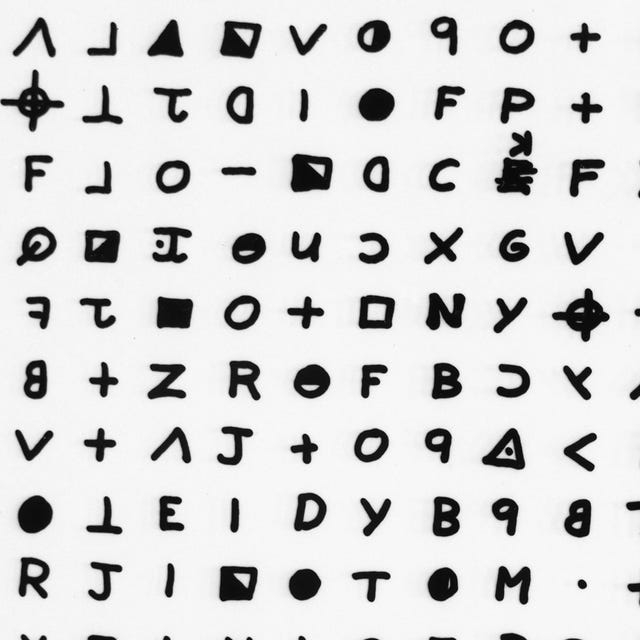
How the Zodiac Killer’s Infamous 340 Cipher Was Decoded by Private Citizens After 51 Years For decades, the Zodiac Killer’s 340-character cipher, mailed to the San Francisco Chronicle in 1969, remained unsolved. By that time, the killer had terrorized Northern California and was responsible for at least 5 confirmed murders, while claiming more in letters to police and newspapers. The cipher mixed symbols, circles, and crosshairs, and some letters were left unencrypted while others were substituted with symbols. This uneven structure confused investigators and stalled efforts. The Zodiac also contacted police after attacks, using the cipher to taunt authorities and the public. In December 2020, after about 4 months of focused work, an international team of amateur codebreakers solved the cipher. The team included David Oranchak, a software engineer from the United States; Sam Blake, a mathematician from Australia; and Jarl Van Eycke, a data analyst from Belgium. Using computer programs and pattern analysis, they tested how symbols aligned with letters, spacing, and line breaks. They broke the cipher into sections, tracked repeated symbols, and compared them to the Zodiac’s earlier 408-character cipher and his previous letters sent to the San Francisco Chronicle and San Francisco Examiner. By studying how words, spelling errors, and phrasing appeared in those earlier messages, they identified familiar patterns. The team examined symbol frequency, diagonal and vertical reading paths, ruled out incorrect solutions, and confirmed the final decoding produced consistent, readable sentences. Lines included: “I HOPE YOU ARE HAVING LOTS OF FUN IN TRYING TO CATCH ME” and “I AM NOT AFRAID OF THE GAS CHAMBER.” The solution revealed no new suspects or victim details. The FBI confirmed the cipher was solved by private citizens. The Zodiac Killer case remains officially open. See comments for the full 340 cipher solution. #TrueCrime #USHistory #ZodiacKiller #Cryptography #USA

Abraham Lincoln

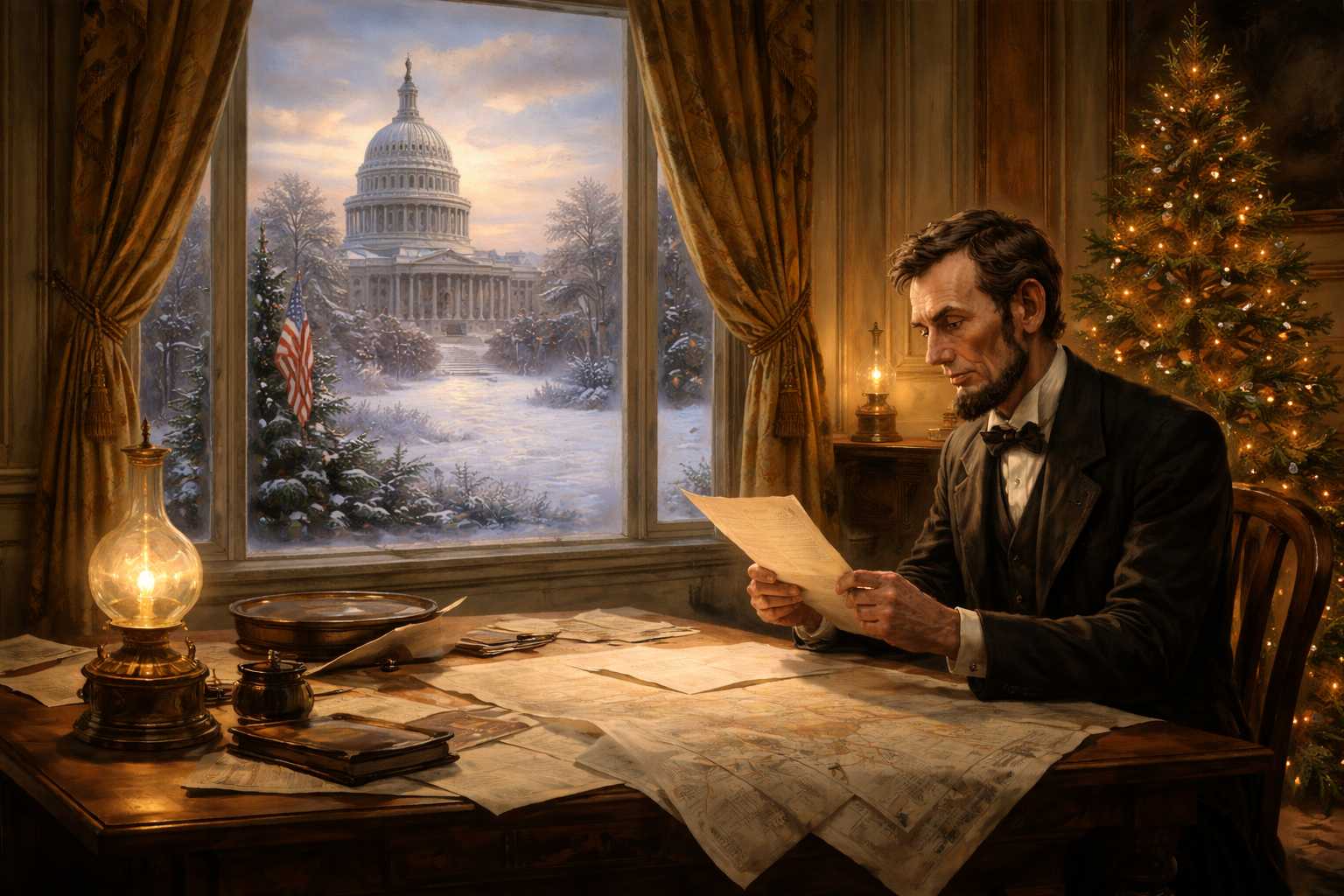
I Have Received Sherman’s Christmas Gift of Savannah, Georgia In December of 1864, I have witnessed our nation wearied by four years of civil strife, our cities scarred, our families divided, and more than 620,000 of our brave soldiers killed or wounded. Amid this hardship, I received a telegram from General William Tecumseh Sherman, reporting the capture of Savannah, Georgia, following his arduous March to the Sea. He writes: “I beg to present you, as a Christmas gift, the city of Savannah, with 150 heavy guns and plenty of ammunition, and also about 25,000 bales of cotton.” It is a gift wrought not in festivity but in labor, strategy, and courage, a symbol of progress toward preserving the Union. I responded on December 26, expressing both gratitude and recognition: “Many, many thanks for your Christmas gift — the capture of Savannah… the honor is all yours. Please make my grateful acknowledgments to your whole army, officers and men.” In these words, I sought to honor the shared sacrifice and steadfast devotion of soldiers who endured hardships beyond measure to bring the war closer to its conclusion. By this time, I have seen Sherman's campaign cut a path through Georgia nearly three hundred miles long, severing Confederate supply lines and weakening the morale of their forces. The capture of Savannah provides me with the knowledge that the Union now holds a crucial port and immense stores of material that will support further operations. I recognize that this demonstrates the effectiveness of total war as a strategy and signals to our nation and to the world that our cause, though costly, advances steadily toward restoration. At a time when I have felt the nation teeter between despair and renewal, Sherman's Christmas gift is not merely a military triumph but a symbol of perseverance, a testament to the resilience of our people, and a reflection that even in the darkest hours, the work of preserving our Union endures. #Savannah #CivilWar #Lincoln #USHistory

Tag: ushistory - Page 4 | LocalAll