Tag Page ushistory

#ushistory
1776 Patriot

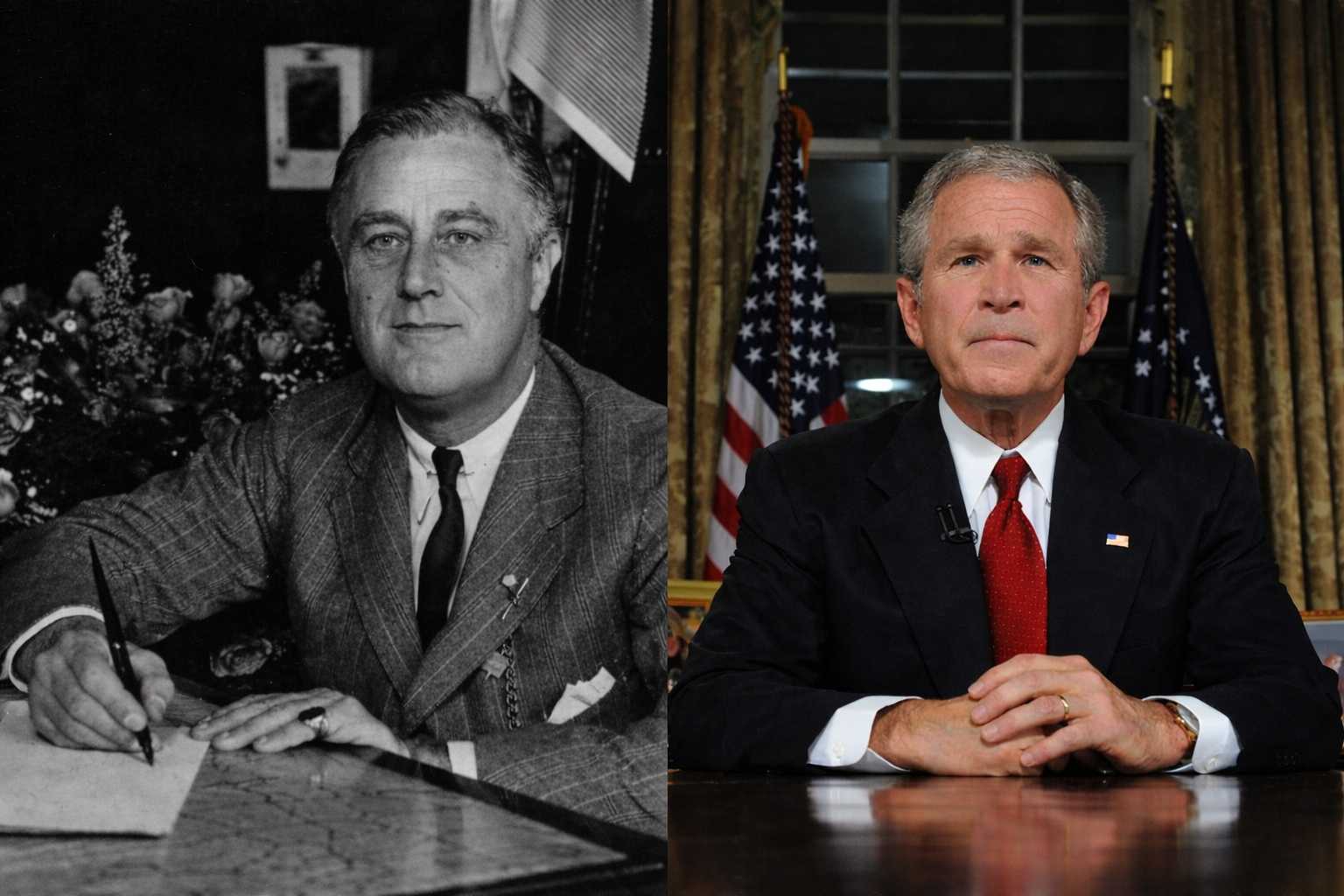
The Only Two Midterms Where the White House Gained Power: 1934 and 2002 Most midterm elections in the United States are tough on the party in the White House. Historically, presidents parties lose about 28 House seats and four Senate seats in these elections. Voters tend to balance power in Congress. Yet there are two rare exceptions that stand out: 1934 and 2002, moments when extraordinary events shifted voter behavior and turned the usual midterm pattern on its head. In 1934, just two years into Franklin D. Roosevelt’s first term, the country was in the depths of the Great Depression and unemployment hovered around 21 percent. Instead of punishing the president, voters rewarded him. Democrats gained nine House seats and nine Senate seats, increasing their majorities and strengthening support for the New Deal. All 435 House seats were contested and the Democratic Party expanded its influence in key states like New York and Illinois. Voter turnout reached about 41 percent of the voting age population, high for a midterm, reflecting how deeply people cared about economic policy and relief programs at the time. The second exception came in 2002, during the first term of President George W. Bush, less than fourteen months after the September 11 attacks. Republicans gained eight House seats and two Senate seats, taking full control of Congress. The House majority grew to 229 from 221, and the party captured roughly 50 percent of the national House vote compared to 45 percent for Democrats. Turnout was about 46 percent of voting age citizens, unusually high for a midterm, driven by voter focus on national security and trust in presidential leadership during a period of crisis. These two midterms show how extraordinary circumstances can overcome normal trends. In 1934, it was economic collapse and reform. In 2002, it was national security and unity. In both cases, the president’s party defied history and emerged stronger than expected. #Politics #History #USHistory

Abraham Lincoln

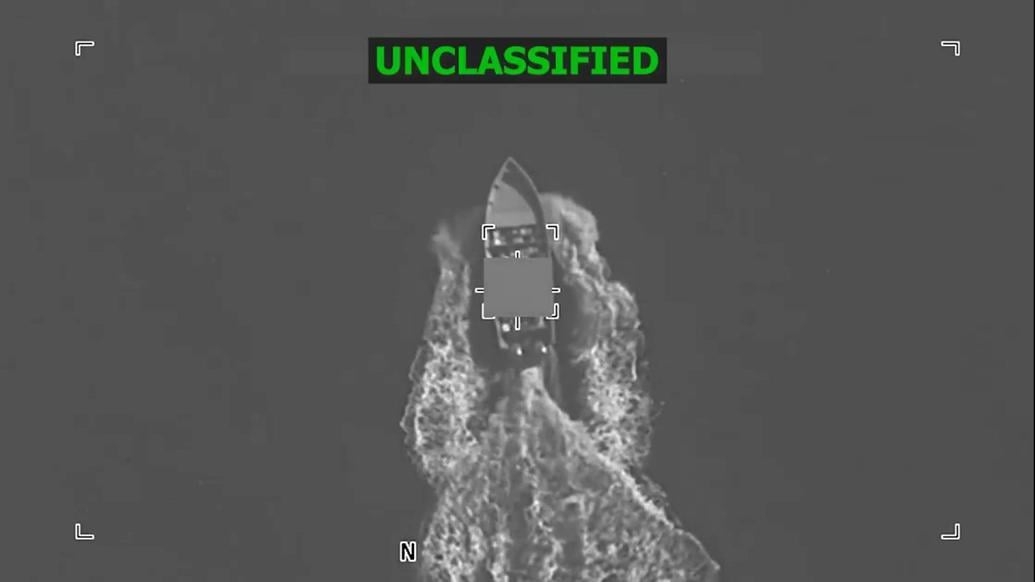
The loss of life in any action is a matter of the gravest concern, and none should ever speak lightly of it. Human life is sacred, and the sorrow of its taking weighs heavily upon the conscience of a free people and their leaders alike. Yet we must consider the circumstances and the authority granted by the Constitution. Vessels engaged in narcotics trafficking upon the high seas, proven to resist lawful orders and endanger officers and the public, present a pressing threat. Many such networks, including those linked to the Tren de Aragua, designated as a terrorist organization by the State Department, operate with violence and impunity. The Constitution grants Congress authority to regulate commerce and provide for the common defense, while entrusting the President, as Commander in Chief, to enforce the laws of the Union and protect its citizens. In my own time, we faced similar solemn duties. Just as the suppression of the Whiskey Rebellion demanded the measured enforcement of law to preserve the Union and protect the citizenry, modern law enforcement at sea may require decisive action when inaction would imperil lives. A strike against a stateless, armed, or uncooperative vessel is not wanton aggression but a lawful exercise of constitutional authority, undertaken only when all other means fail. Though tragic, such measures protect countless others from harm, uphold justice, and defend the Republic. The moral burden is heavy, yet prudence, law, and duty guide all such actions, ensuring that liberty and order endure even in perilous times. #America #USA #History #USHistory #Prosperity #Truth #Freedom

Curiosity Corner

Poisoned or Natural Death? The Stanley Meyer Case and the Car That Could Run on Water Stanley Meyer was an American inventor who claimed to have developed a car that could run on water using a hydrogen based system. He said his technology split water into hydrogen and oxygen on demand to fuel a car without gasoline. Meyer often stated, “I want to give the world a clean energy source that cannot be controlled.” His invention drew global attention, skepticism, and legal scrutiny before his sudden death in 1998. Meyer collapsed while eating at a restaurant in Grove City, Ohio, during a meeting with European investors who were interested in funding and developing his water fuel technology. Witnesses claimed he said, “They poisoned me,” sparking speculation that energy interests or other powerful groups wanted to suppress his invention. However, no verified evidence of poisoning exists. The official cause of death was a cerebral aneurysm, a sudden rupture of a blood vessel in the brain. Medical experts note aneurysms can happen without warning and may resemble poisoning in their suddenness. No toxicology reports showed poison, and no homicide investigation followed. Legally and medically, his death was ruled natural. Some critics question whether the government could have influenced legal or medical findings to prevent public knowledge of Meyer’s technology, citing the Invention Secrecy Act, which allows suppression of sensitive inventions. While there is no proof, the law demonstrates that inventions with potential national impact can be legally restricted, keeping them hidden for decades. Meyer’s story sits at the crossroads of bold claims, secrecy, and sudden death. Was this simply a tragic medical event, or could powerful forces have deliberately kept a revolutionary invention hidden from the world? #Science #Physics #USA #History #USHistory #America #Physics

1776 Patriot

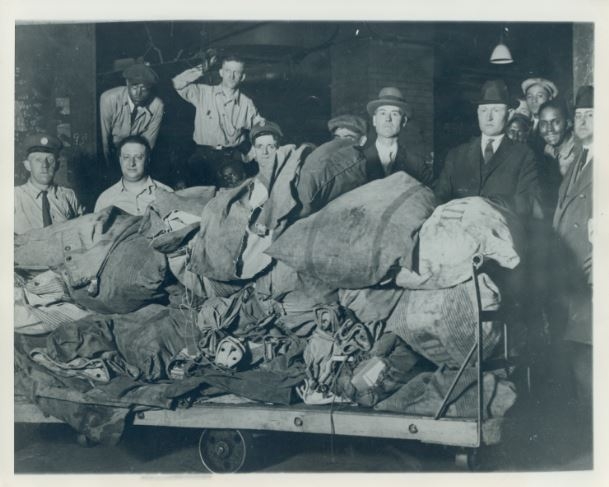
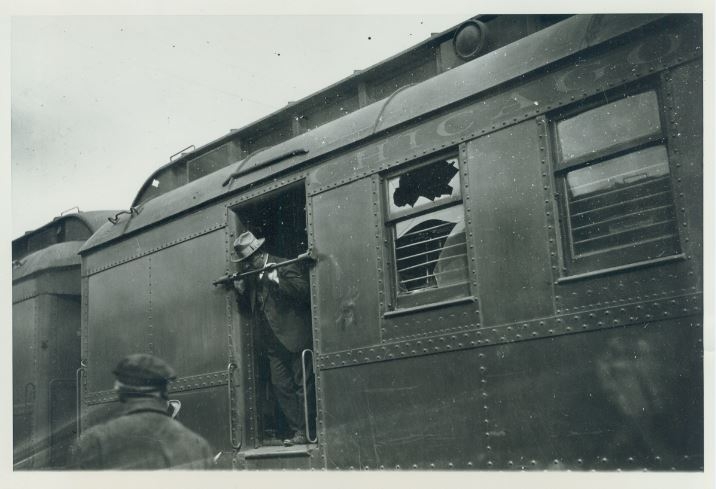
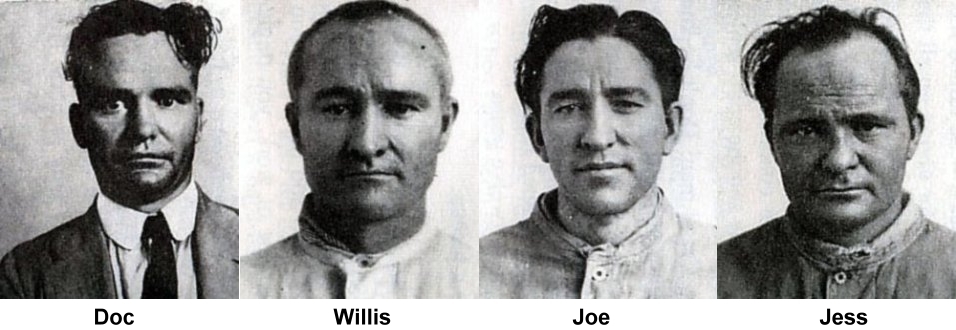
The 1924 Rondout Train Robbery: Largest Train Heist in American History The 1924 Rondout train robbery is the largest and most lucrative train heist in United States history. On June 12, 1924, a mail train operated by the Chicago Milwaukee St Paul and Pacific Railroad, called the Fast Mail, was stopped near Rondout Illinois, 30 miles north of Chicago. Six criminals carried out the robbery using inside knowledge from corrupt United States Postal Inspector William J Fahy, later convicted. Fahy knew train schedules, mail car layouts, and security procedures, enabling the robbery. The gang was led by brothers Willis, Jess, and Doc Newton of the Newton Gang. Willis and Doc boarded the northbound train leaving Chicago, forcing the engineer and fireman at gunpoint to stop near Rondout where four accomplices waited in automobiles. The robbers confronted crew and mail clerks using weapons and 12 tear gas smoke bombs to force compliance. They removed 45 mail sacks containing $2,137,000 in cash, money orders, securities, and valuables, equivalent to roughly $38,000,000 today. Each sack contained thousands of items including registered letters, small gold shipments, business payrolls, and government bonds. The gang had maps of train routes and schedules, allowing them to know exactly where to stop the train for the ambush. A critical error occurred when the engineer stopped 400 feet past the planned ambush point, causing confusion. During the chaos, Doc Newton was shot 5 times by a fellow conspirator and critically wounded. Doc fled to a Chicago residence, drawing suspicion. Authorities quickly identified three gang members and Fahy, revealing the inside job. Fahy received a 25-year federal prison sentence, the only Postal Inspector convicted of mail theft. Authorities recovered most stolen funds, but some items, including rare securities and cash, were never found. A simple bronze marker now marks the exact spot of America’s greatest train heist. #USHistory #History #USA
1776 Patriot

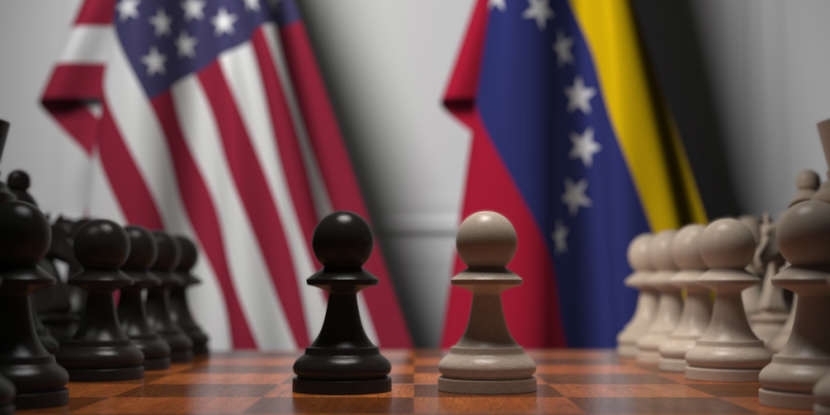
The Art and History of Military Posturing: Lessons for U.S. Strategy Near Venezuela Military posturing is both an art and a product of history. It relies on positioning forces, shaping perceptions, and altering an opponent’s calculations without committing to full conflict. During the Cold War, the United States placed 50 nuclear submarines and more than 200 strategic bombers within reach of the Soviet Union. In 1962, a blockade of 70 ships pushed Moscow to withdraw missiles from Cuba without firing. Studies show visible force posture reduced escalation in 40 percent of major standoffs, demonstrating how presence alone can shift decisions. History also shows that limited, precise strikes can reinforce credibility. In 1989, 20,000 U.S. troops surrounded Panama in hours. Rangers secured airfields while airborne units hit command centers and air defenses. Over 600 sorties supported the operation, isolating Manuel Noriega in less than 72 hours. Analysts note the rapid buildup created overwhelming psychological pressure and forced strategic collapse without prolonged fighting. Today, the art of posturing is focused on the Caribbean and northern South America. Intelligence reporting lists 30 naval vessels, 15 amphibious ships, and 60 aircraft engaged in monitoring and joint missions. Recent actions under Operation Southern Spear include more than 20 precision strikes against unauthorized maritime craft linked to illicit networks, along with the high-profile seizure of the tanker Skipper near Venezuela. These moves aim to disrupt revenue channels and enforce maritime control. Strategic positions near Curacao, Aruba, and eastern Caribbean passages allow rapid response. Studies indicate presence paired with selective action raises compliance by 65 percent and strengthens U.S. leverage in ongoing regional power struggles. #NavalPower #Venezuela #USDefense #America #USA #USHistory #History

LataraSpeaksTruth

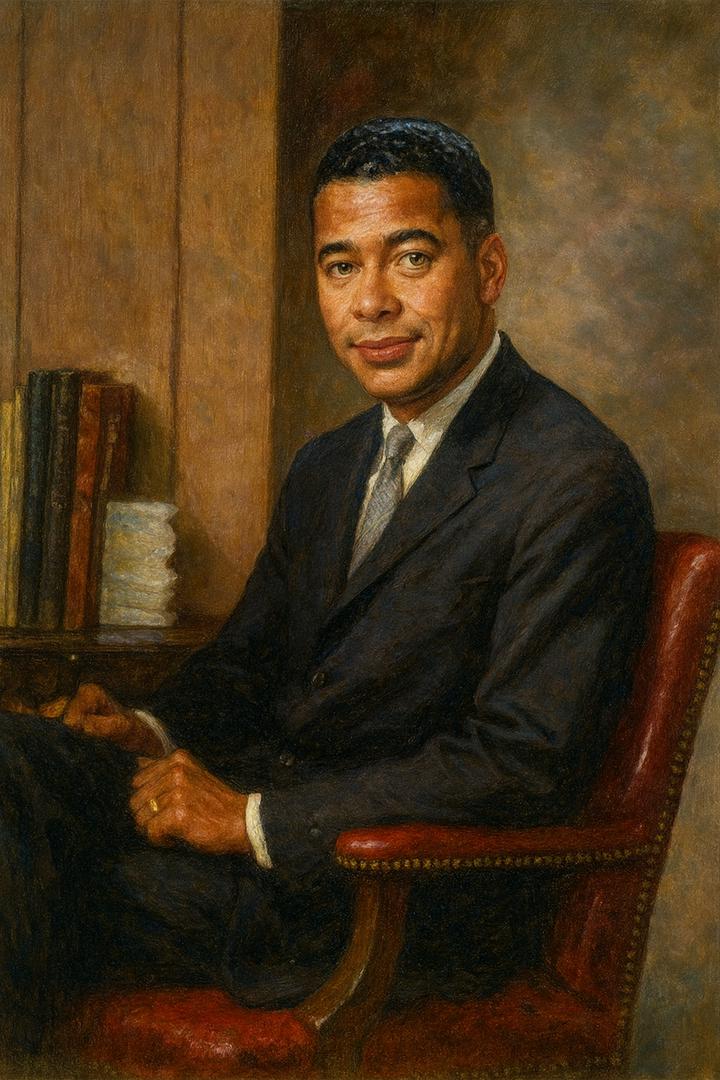
Edward Brooke’s journey didn’t begin with a viral moment or a spotlight. It began at Howard University, where he earned his undergraduate degree in 1941 at a time when Black excellence was expected to survive quietly, not be celebrated. Howard wasn’t just a campus. It was a proving ground for minds forced to understand systems never designed for them. Brooke left with discipline and direction, then stepped into World War II, serving as a U.S. Army officer and returning home with a Bronze Star and a sharper understanding of the country he was expected to serve. After the war, Brooke earned his law degree from Boston University School of Law in 1948. No shortcuts. No favors. Just credentials, patience, and persistence layered over experience. That steady climb carried him somewhere the system never expected him to land. In 1966, Edward Brooke became the first Black U.S. senator elected by popular vote. Not appointed. Not inherited. Voted in. By the people. In Massachusetts. His rise mattered because it wasn’t loud. It was deliberate. He didn’t break the system with spectacle. He forced it to acknowledge him through preparation and endurance. In a country built to block the stairs, he climbed them anyway. Step by step. Howard wasn’t the finish line. It was the foundation. And the rest of the story proves that history doesn’t always announce itself. Sometimes it shows up early, does the work quietly, and waits decades for the room to change. #OnThisDay #December11 #EdwardBrooke #HowardUniversity #BostonUniversityLaw #USHistory #PoliticalHistory #CivilRightsEra #BlackExcellence

1776 Patriot

Inside the Largest SWAT Hostage Rescue Operation in U.S. History The Good Guys electronic store siege in Sacramento remains one of the most significant hostage rescue missions ever carried out by a SWAT team. The incident began when four armed assailants stormed the store and seized 41 hostages. They demanded 4 million dollars, bulletproof vests, transportation, and safe passage out of the country. The captors fired inside the store, forced hostages to the windows, and repeatedly threatened to kill if their demands were not met. Tragically, three hostages were killed early in the standoff when the assailants opened fire after negotiators delayed meeting their demands, increasing pressure and fear among both hostages and officers. Negotiators worked tirelessly while SWAT teams used fiber optic probes, remote cameras, and thermal imaging to map the store’s interior. Over half of the layout offered no clear lines of sight, forcing officers to rely heavily on sound and heat signatures. When two additional hostages attempted to escape later in the siege and were shot, one fatally, command staff recognized the high risk of further casualties and authorized an immediate assault. SWAT executed a coordinated multi point breach using distraction devices that produced more than 170 decibels to disorient the captors. Officers moved swiftly through a room packed with over 30 civilians, many within feet of armed assailants. Three hostage takers were killed during the operation after firing at officers and attempting to use hostages as shields. The fourth assailant surrendered when cornered and was later sentenced to 49 consecutive life terms without the possibility of parole. In total, 40 surviving hostages were rescued, and the operation remains a key case study for its scale, precision, and the extraordinary coordination required to save lives under extreme pressure. #TrueCrime #History #America #USA #SWAT #USHistory #RescueStory

1776 Patriot

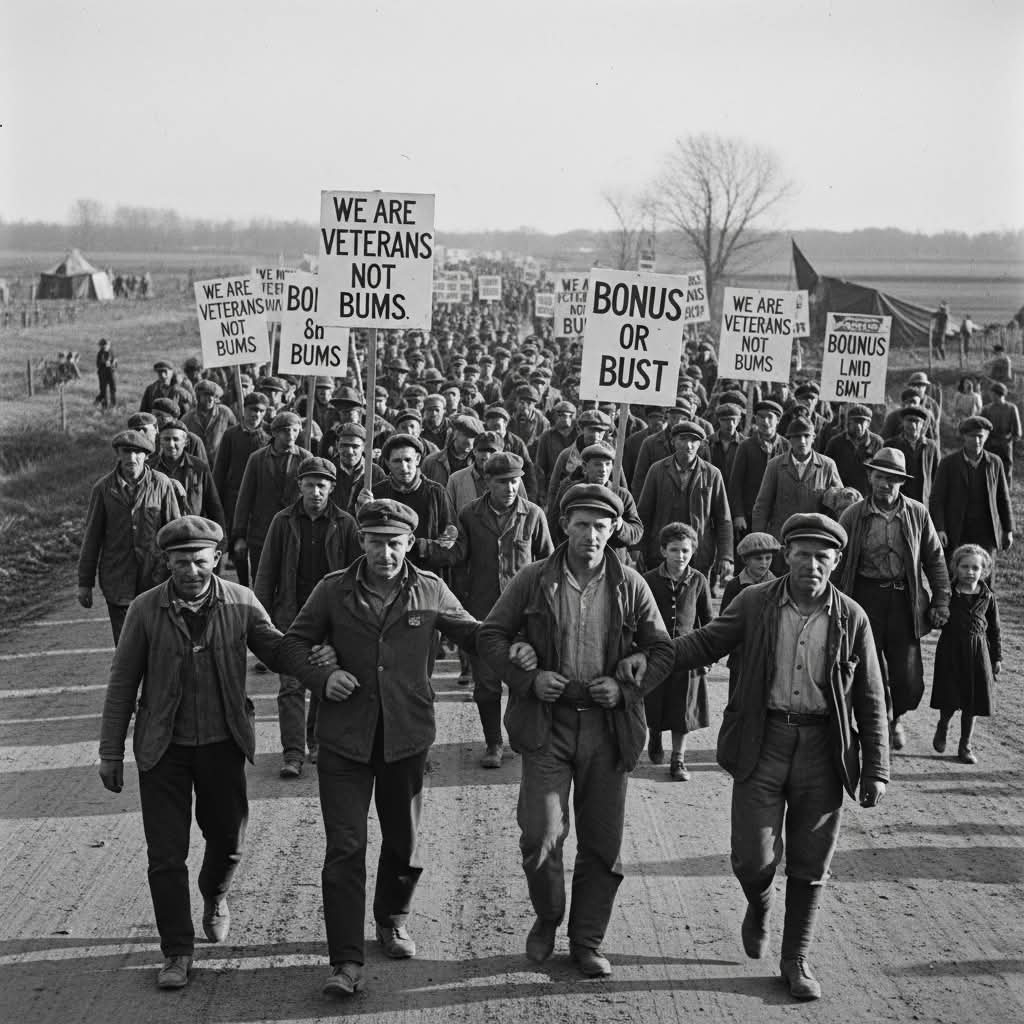
The Untold Battles of American Veterans After War Across U.S. history, veterans returning from war often faced neglect despite public praise. Continental soldiers after 1783 struggled to receive promised pay and pensions, delayed by 6 to 12 months. Some threatened to march on Congress in the Newburgh Conspiracy. General Washington’s appeal prevented crisis but revealed how fragile veteran support was. After the Civil War, Northern soldiers were publicly honored, yet many lived with poverty, lingering injuries, and untreated trauma. Confederate veterans faced economic devastation and social disruption. World War I soldiers returned to limited jobs. “Shell shock” now recognized as PTSD was often untreated. In 1932, 17,000 veterans and families formed the Bonus Army in Washington D.C., demanding early payment of bonuses scheduled for 1945. Living in tents along the Anacostia River during the Great Depression, they were forcibly evicted by troops; several were injured, illustrating neglect despite service. World War II veterans fared better. Many returned to ticker tape parades and benefited from the GI Bill offering education and housing. However, racial disparities limited access for Black veterans, and mental health issues often went unaddressed. Vietnam veterans rarely received parades and often faced hostility or silence. Employment and PTSD treatment were difficult to access. Studies show roughly 30 percent experienced PTSD, and repeated low level blast exposure in combat or training can cause CTE like brain pathology recently recognized in military research. Iraq and Afghanistan veterans face 20 percent PTSD prevalence and 12 to 15 percent traumatic brain injuries. Despite public respect, many encounter barriers to care, employment, and reintegration. History shows that real recognition requires sustained mental health support, equitable benefits, and societal commitment, not just words. #History #USHistory #America #Veterans #PTSD #SupportOurVeterans #USA

LataraSpeaksTruth

After nearly 10 months in Russian custody, American basketball star Brittney Griner was freed on December 8, 2022, returning to the United States in a high-stakes prisoner exchange that drew global attention. Her release followed months of diplomatic pressure, public advocacy, and intense negotiations between Washington and Moscow. Her ordeal began in February 2022, when Russian authorities arrested her at a Moscow airport for vape cartridges containing hashish oil. She later pleaded guilty, saying they’d been packed by accident, and was sentenced to nine years in a penal colony. Her case quickly reflected the rising tensions between the U.S. and Russia and spotlighted the risks Americans face when detained abroad during moments of geopolitical strain. Throughout the year, her family, teammates, and supporters pushed for her freedom as international tensions deepened. Her detention became a flashpoint for conversations about power, justice, and how politics can shape one person’s fate. The longer she remained imprisoned, the louder the call for her return became. On December 8, 2022, the swap became official: Viktor Bout was returned to Russia, and Brittney Griner was brought back into U.S. custody. U.S. officials confirmed the exchange occurred in Abu Dhabi. For her family, it was a moment of overwhelming relief… the end of a long fight and a fear that had hung heavy for months. When Griner finally touched American soil again, she called it a chance to rebuild, recover, and reclaim her life after a year defined by uncertainty and international pressure. It marked the end of a global standoff, and the beginning of a new chapter for her. A long fight, a long wait, a long return home… and she made it. #FreeBG #WNBA #GlobalEvents #USHistory #Homecoming #LataraSpeaksTruth