Category Page health

justme

Health RFK Jr threatens to withhold millions in funding for hospitals that serve Jell-O and other sugary treats By Katie Hawkinson, Health and Human Services Secretary Robert F. Kennedy Jr. is leading a charge to stop hospitals from serving sugary drinks and foods, including Jell-O. The Department of Health and Human Services sent a memo to hospitals on March 30 urging them to align with the Department of Agriculture’s new 2025-2030 dietary guidelines, which emphasize limiting sugary, ultra-processed foods. The agency wants hospitals to “align their food purchases with the dietary guidelines in order to enjoy continued eligibility for Medicaid and Medicare payments,” Kennedy said at a press conference last month. “We shouldn’t be giving … people who are sick Jell-O and Cheerios and rubber chicken and sugar drinks,” he added. Health and Human Services Secretary Robert F. Kennedy Jr. said hospitals ‘shouldn’t be giving ... people who are sick Jell-O’ (Getty Images) Officials have since threatened to withhold millions in crucial federal funding from healthcare facilities for violations, according to a KFF Health News report published via CBS News. But experts said it’s unclear how this could be enforced. Dietitian and research scientist Kevin Klatt told the outlet: "Most of this is political theater. HHS doesn't have the power to do much.” When reached for comment, HHS Spokesperson Andrew Nixon told KFF Health News: "We commend the many hospitals who have made commitments to improve their food offerings, and expect every hospital system to do so." KFF Health News revised its report after publication because Nixon said his previous statements, which indicated the new guidance wasn't a mandate, contained incorrect information.

ArcaneArtisan

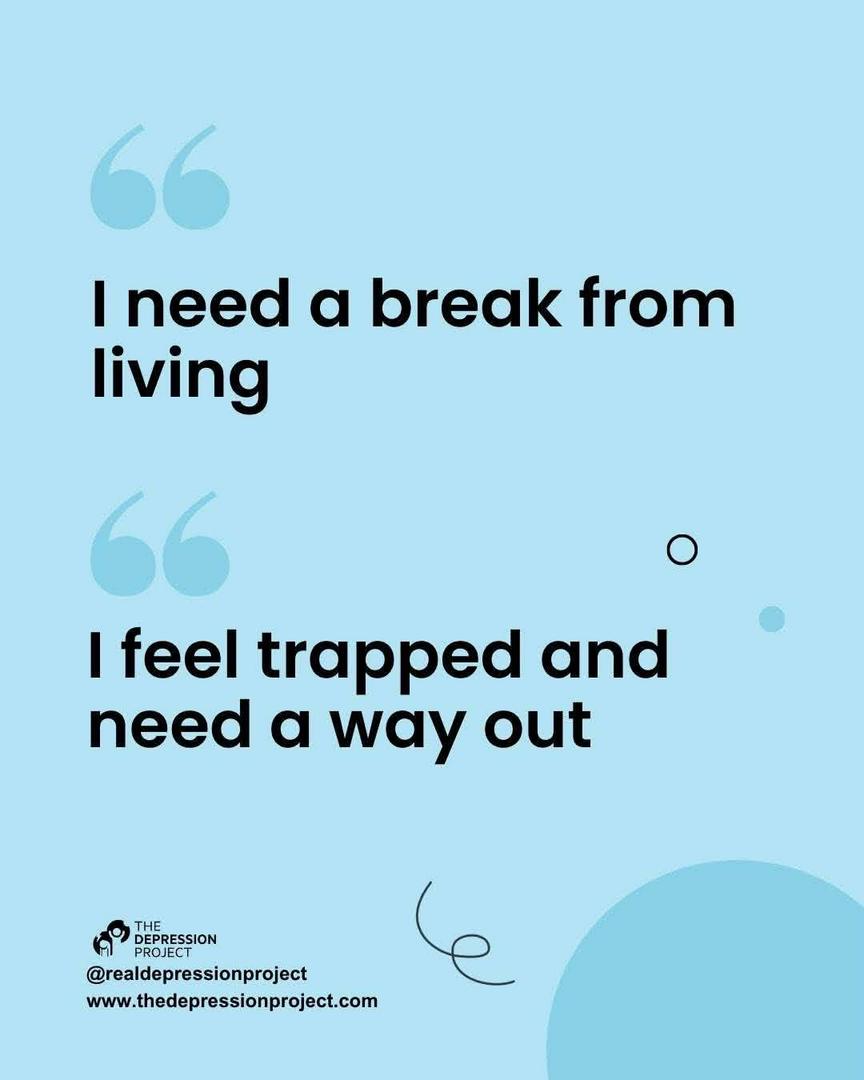
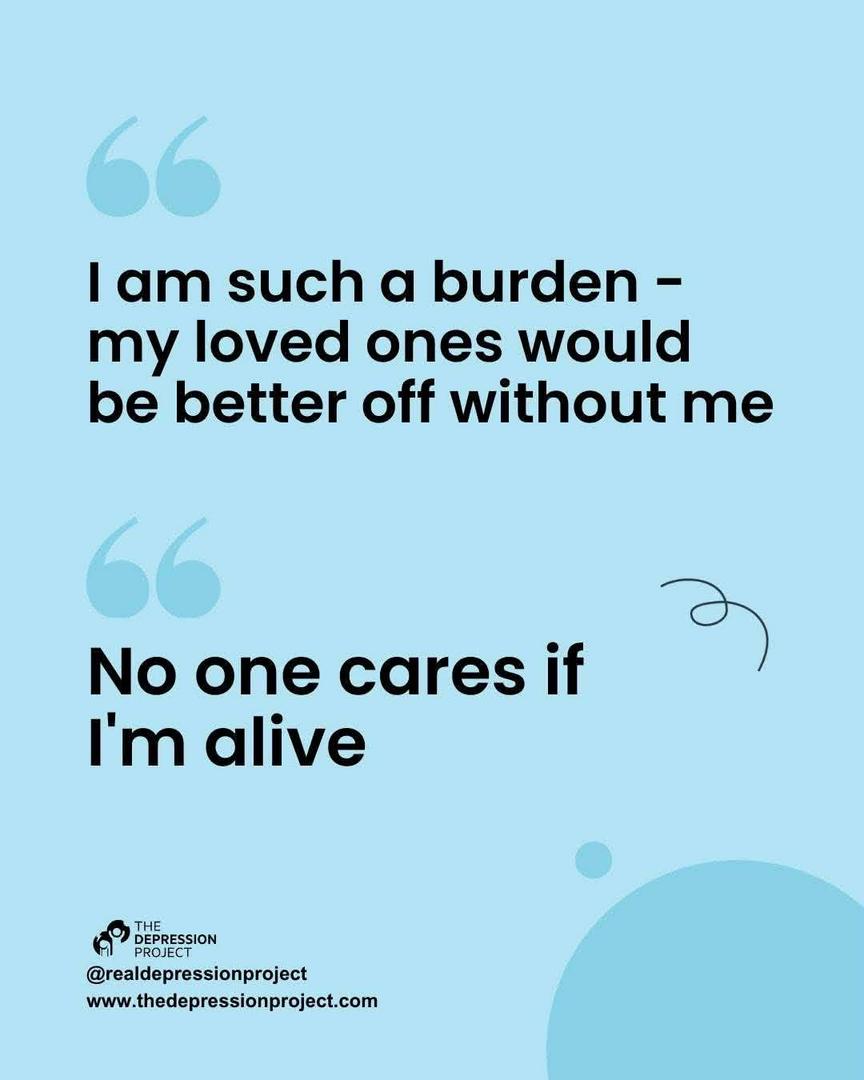
When you're so exhausted you just want it all to end (Elijah’s secret) 🛌

I was reading 1 Kings 19, feeling completely drained by life's heavy demands, and Elijah’s story hit me like a ton of bricks. Here is a man who just called down fire from heaven and slaughtered 450 prophets of Baal. But one death threat from Jezebel, and he runs into the wilderness, sits under a tree, and begs God to take his life. He was completely burnt out. What breaks me is God’s response. He didn't preach a sermon. He didn't tell Elijah to "pray harder" or "have more faith." God sent an angel to bake him warm bread, gave him water, and let him sleep. Twice. Sometimes, the most spiritual thing we can do in our darkest, most anxious moments is just rest. God isn't angry at our exhaustion. He meets us right in it. #MentalHealth #Elijah #GodsGrace #ChristianAnxiety #Rest

When you're so exhausted you just want it all to end (Elijah’s secret) 🛌
Sara Manrique

This is my wife Jessica having dinner after a 14 hour dav. She comes home from work has enough time to eat and get ready for bed and it's back to work the next day for another shift. She is up early to get ready for her dav. She doesn't like to be bothered in the mornina and 1 respect that. She showers throws her hair up, grabs her lunch gives the dog and me a kiss, and heads out the door At work, she takes care of people who are having the worst days of their lives. Strokes, Car accidents, motorcycle accidents, falls breaks, brain damage, and more. She takes care of mothers. fathers. sisters, brothers friends. and families. It doesn't matter who you are or what happened. She will take care of you. She works through lunch and rarely has time to sit. She comes home after 14 hours, takes off her shoes that have walked through blood and tears, and just wants to sit down. I don't ask her about her day because She doesn't like to talk about workwhen she is home and that's fine. f she does want to talk, I will listen. Sometimes she comes home happy and sometimes she comes home sad. But no matter how she feels, she is alwavs on time for her next shift I love her with all my heart. My wife is my hero. My wife is a Stroke Nurse.

justme

Anyone born on or after 1 January 2009 will never be able to legally purchase cigarettes in the UK. The Tobacco and Vapes Bill received Royal Assent on 29 April 2026, as detailed by the UK Government, creating a permanent ban on the sale of all tobacco products, including cigars and shisha, to that entire generation. The rules come into force on 1 January 2027. Secretary of State for Health and Social Care Wes Streeting called it “a turning point for the nation’s health,” saying the legislation ends “the cycle of tobacco addiction for future generations” and represents “one of the boldest steps in decades to prevent illness before it even begins.” The government has framed this as a central pillar of its 10 Year Health Plan, shifting focus from treating sickness to preventing it. The numbers behind the bill are stark. Smoking remains the leading preventable cause of death in the UK, responsible for approximately 80,000 deaths every year, and is a major driver of strokes, heart disease, and cancer, placing a significant, avoidable strain on the NHS. As highlighted by LADbible, the legislation is also the first of its kind in Europe. The bill goes well beyond cigarettes, targeting vapes and retail enforcement too The new law also introduces significant restrictions on vaping. It will be illegal to sell vapes, nicotine pouches, and non-nicotine vapes to anyone under the age of 18. The government is also restricting vape flavours, branding, and packaging to reduce their appeal to younger people, amid broader child safety concerns from legislators across multiple policy areas. Vaping bans will be extended to more public spaces, including inside hospitals, outside schools, and in playgrounds, and drivers with child passengers will be banned from vaping in the car. Retailers face substantial operational changes. Any shop wishing to sell cigarettes, vapes,

justme

OPINION Opinion: An ancient disease is making a comeback, By Mark Green,William Steiger, Since its launch in 2005, the U.S. President’s Malaria Initiative has been one of the most effective programs the U.S. government runs overseas. Working alongside partners like the Global Fund to Fight AIDS, Tuberculosis and Malaria, it has helped cut death rates from malaria in supported countries by nearly half. These efforts have prevented more than 2 billion cases of malaria and saved 14 million lives — most of them children. In doing so, it stands as a clear demonstration of American leadership and reinforces the United States’ reputation as a reliable partner committed to saving lives and strengthening global health security. But data shows progress is slowing in some parts of the world because the disease itself is evolving. Mosquitoes are adapting to the tools we have used for decades, and the drugs and insecticides that once worked are losing their edge. Malaria is now the leading killer of children in many African countries. A renewed emphasis on fighting malaria should be central to the Trump administration’s America First Global Health Strategy. When infectious diseases come roaring back, they don’t just stay “over there.” They threaten our economic and national security here in the U.S. The president’s strategy promises a disciplined approach to global health aid, rightly prioritizing areas where the U.S. holds a distinct advantage — particularly through American innovation — rather than attempting to do everything everywhere. Malaria is well-suited to this vision. Breakthrough technologies developed and manufactured in the U.S. have the potential to reduce the transmission of malaria sharply if deployed at scale. New spatial repellents from SC Johnson, for example, can protect families without requiring constant compliance.

justme

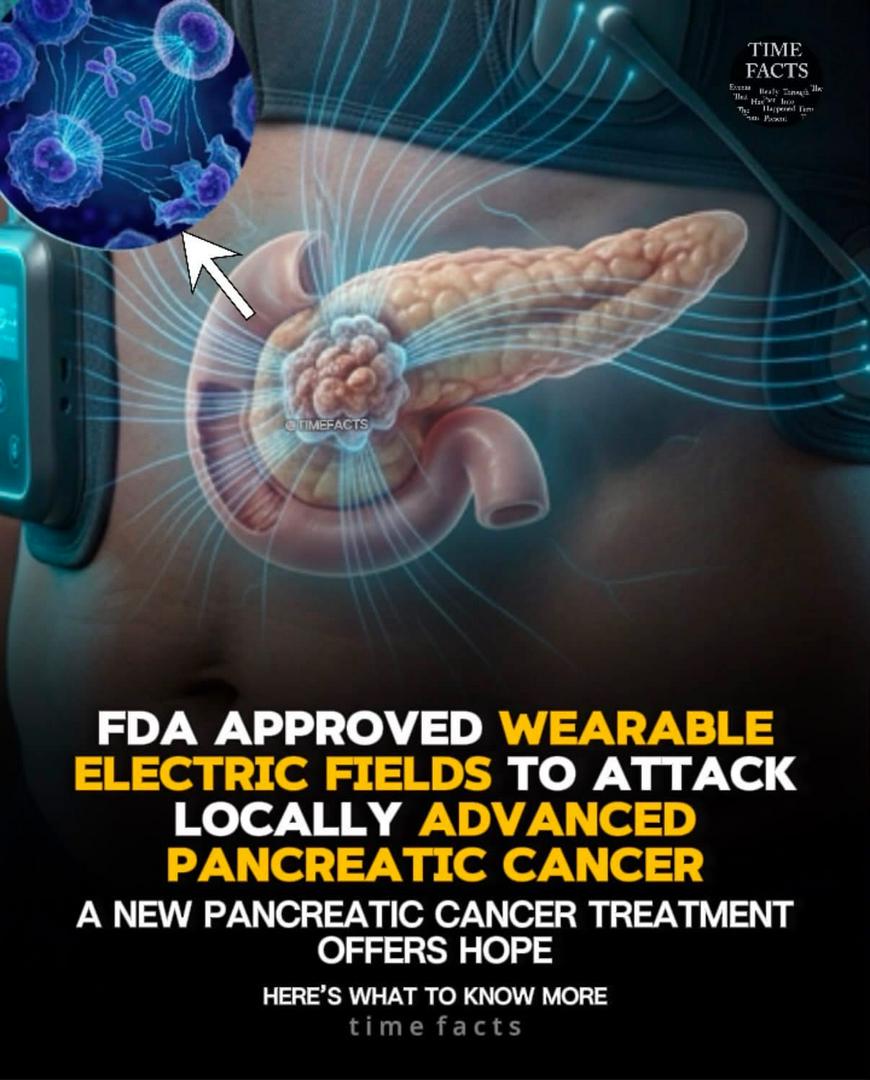
He's spent 44 years chasing one of the most aggressive cancers on Earth — and he may have just cornered it 🧬 At 76, Spanish biochemist Dr. Mariano Barbacid and his team at Madrid’s National Cancer Research Centre (CNIO) have published a striking result in pancreatic cancer. Using a triple combination of drugs, they achieved complete tumor disappearance in multiple mouse models of pancreatic ductal adenocarcinoma. The tumors did not return for more than 200 days after treatment ended. No resistance developed, and the regimen was well tolerated with no serious side effects observed. Standard treatments for this disease often stop working within months as tumors rapidly become resistant and regrow. This is the first time researchers have reported sustained complete responses of this duration in these aggressive models. Barbacid remains cautious: “We are not yet in a position to carry out clinical trials,” he emphasized. Humans are not mice, and much more work remains. The same scientist who isolated the first human oncogene (HRAS) in 1982 may have taken a major step toward the breakthrough he has pursued for decades. Hope — or cautious optimism? 👇

Category: Health | LocalAll