1/5
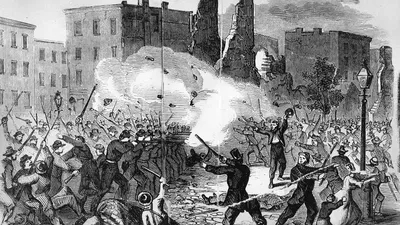
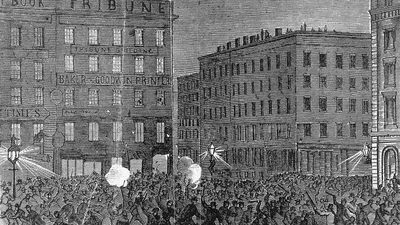
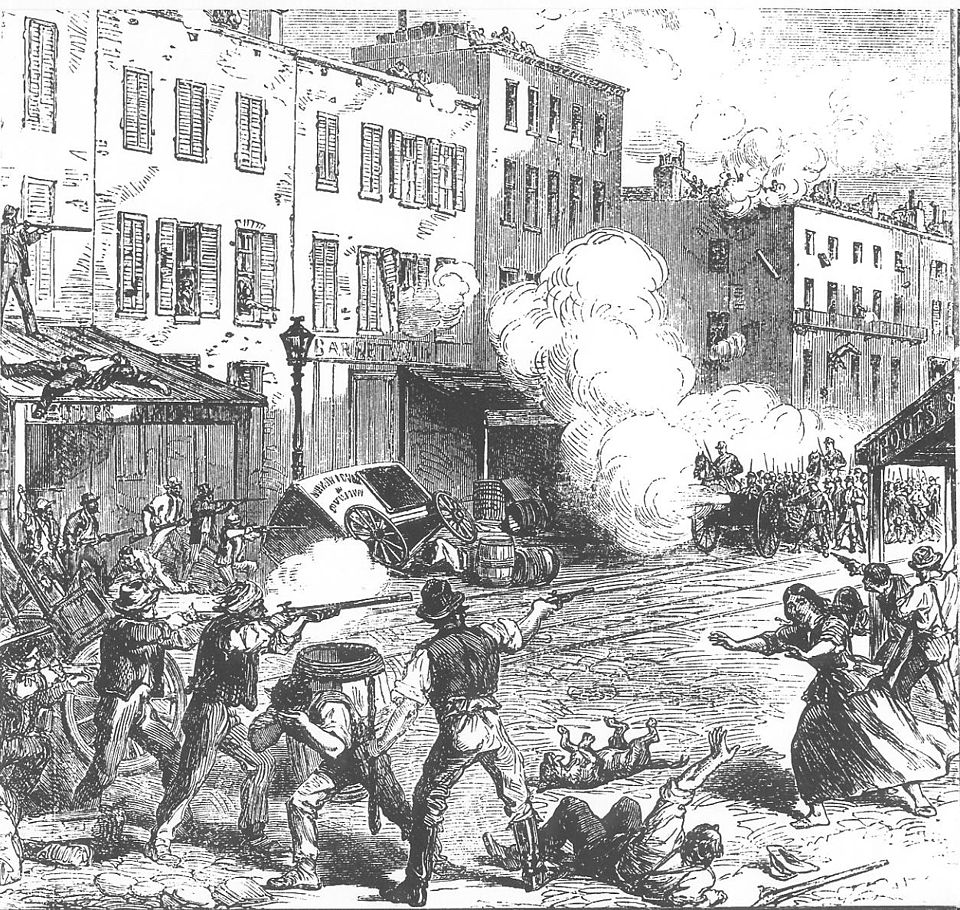
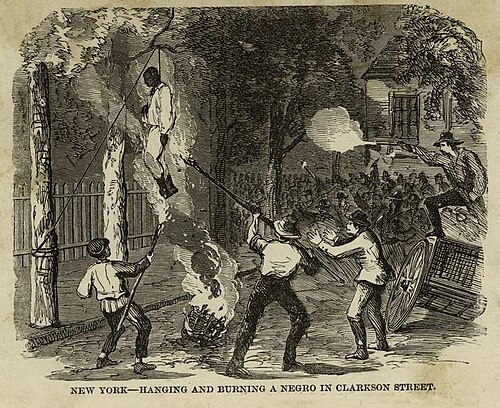

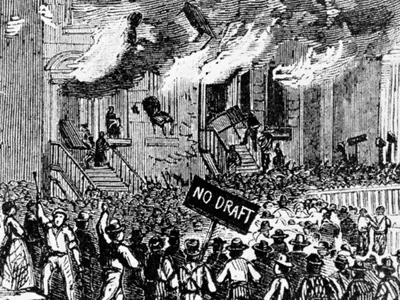
The Summer of Fire: Witnessing the New York Draft Riots- Historically Accurate I remember the summer of 1863 as if it were yesterday. The city was tense before the lottery began, with the war raging and families struggling to survive. When the federal government announced the Enrollment Act, requiring men of fighting age to register for the draft, anger filled every street and tenement. Wealthier men could pay $300 or hire a substitute, while the working poor had no choice. Many whispered this was a “rich man’s war but a poor man’s fight,” and I felt that resentment in every glance. Every alley, every crowded tenement seemed charged with tension, and whispers of fear and anger traveled faster than any messenger. On July 11, the lottery began; by July 13, anger erupted. Crowds surged through the streets, overturning police wagons, smashing windows of draft offices, and storming homes. Fear and fury carried men to deeds they might never have imagined. The worst came as mobs turned on African Americans. I watched in horror as the Colored Orphan Asylum was set ablaze, the children escaping just in time. Fires burned, cries rang out, and smoke filled the streets. Looting spread across neighborhoods, and the sound of breaking glass and shouting haunted the city for days; the chaos seemed endless, as if the city itself trembled under the weight of its anger. By July 16, federal troops from Gettysburg arrived, and the rioters dispersed, leaving behind bodies, rubble, and shattered lives. At least 119 were dead, countless wounded, and millions in damage. I saw fear in our eyes and in my own. Yet, even amidst destruction, the city endured. We had faced anger, sorrow, and violence, and we would rebuild. The draft riots revealed both our failings and our resilience. The city had been tested, and though we trembled and mourned, we had survived. We had learned that fear and courage often walk together, and that the Union, like the city, could endure. #History #USHistory #USA
New York, New York • 2026-01-19
write a comment...