1/1

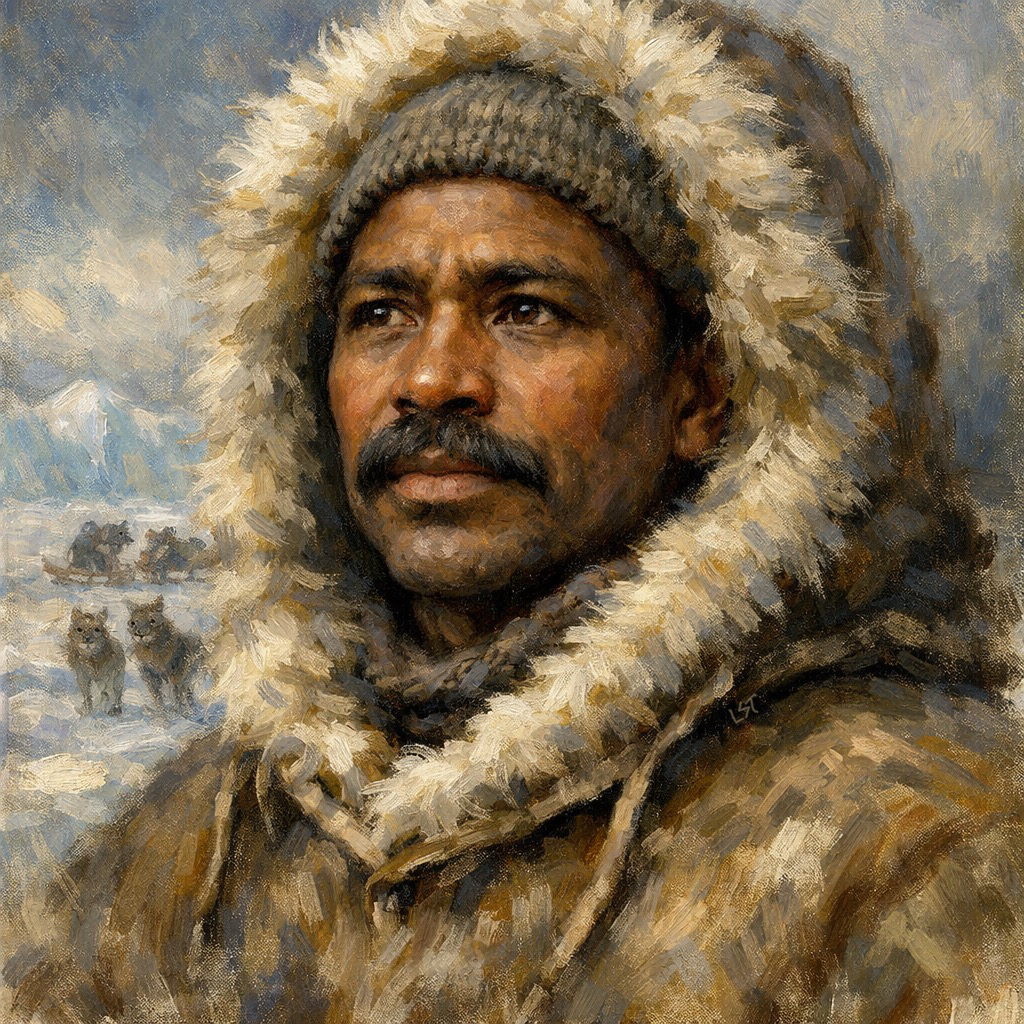
On January 28, 1944, Matthew Henson received a Special Medal of Honor from the U.S. Congress, jointly awarded with Admiral Robert E. Peary, recognizing their roles in the 1909 Arctic expedition that claimed the first successful arrival at the North Pole. The recognition came thirty-five years after the expedition and decades after Henson’s contributions had been minimized or excluded from mainstream accounts. While Peary was celebrated almost immediately, Henson was largely left out of textbooks, honors, and public memory during his lifetime. Henson was not a peripheral figure on the expedition. He was one of its most indispensable members. He mastered Arctic survival techniques, learned the Inuit language, built and repaired sleds, handled dog teams, and navigated some of the most dangerous terrain. Peary himself acknowledged that he depended heavily on Henson’s skill and endurance to complete the journey. When the team reached the North Pole in April 1909, multiple accounts indicate that Henson may have been among the first to arrive at the site. Despite this, official credit centered almost exclusively on Peary for many years. After returning from the Arctic, Henson worked modest jobs and lived without the recognition granted to other expedition members. The 1944 Congressional medal did not erase decades of exclusion, but it marked a formal acknowledgment by the federal government that his role could no longer be ignored. Matthew Henson’s legacy reminds us that exploration is not defined solely by who claims victory, but by who possesses the knowledge, skill, and resilience to make success possible. His contributions endured even when recognition came far too late. #January28 #MatthewHenson #ExplorationHistory #ArcticExploration #USHistory #ScienceAndDiscovery #HiddenFigures #Legacy
2026-01-29

Lisa Trotto
Thanks to Matthew Henson, for his wonderful work as an Arctic Explorer.
01-29
Waynesboro, PA
Reply
9

Victoria Viens
What a beautiful honor and privilege and I’m so glad that Henson was finally recognized. Amen
01-29
Wakefield, RI
Reply
7

Bap
Wonder why he wasn’t recognized 🤔 I also wonder how many more out there who are just like him who were never recognized for their achievements
01-30
Marathon, FL
Reply(1)
3

BV B
Mr. Henson’s adventures has always been on the back burner of history. Mr. Henson has descendants from his son in US and Greenland. If I am not mistaken Professor Gates discovered Tarji Henson is a descendant of Mr. Henson. His autobiography is a great read. In the 1980s I believe Mr. Henson and his wife Lucy were removed from a cemetery in NY to Arlington National Cemetery. Mr. Henson is an American Explorer who has never gotten the recognition he deserves. GREAT JOB 🌸
02-01
Annapolis, MD
Reply
1

EarlyRiser313
👏👏👏👏 we're everywhere doing everything all the time 💯💯💯💯🤔🤔🤔🤔🤨🤨🤨🤨🤨🤨🤨🧐🧐🧐🧐🧐🧐
01-31
Detroit, MI
Reply
1
More comments ...
write a comment...