Tag Page America

#America
1776 Patriot

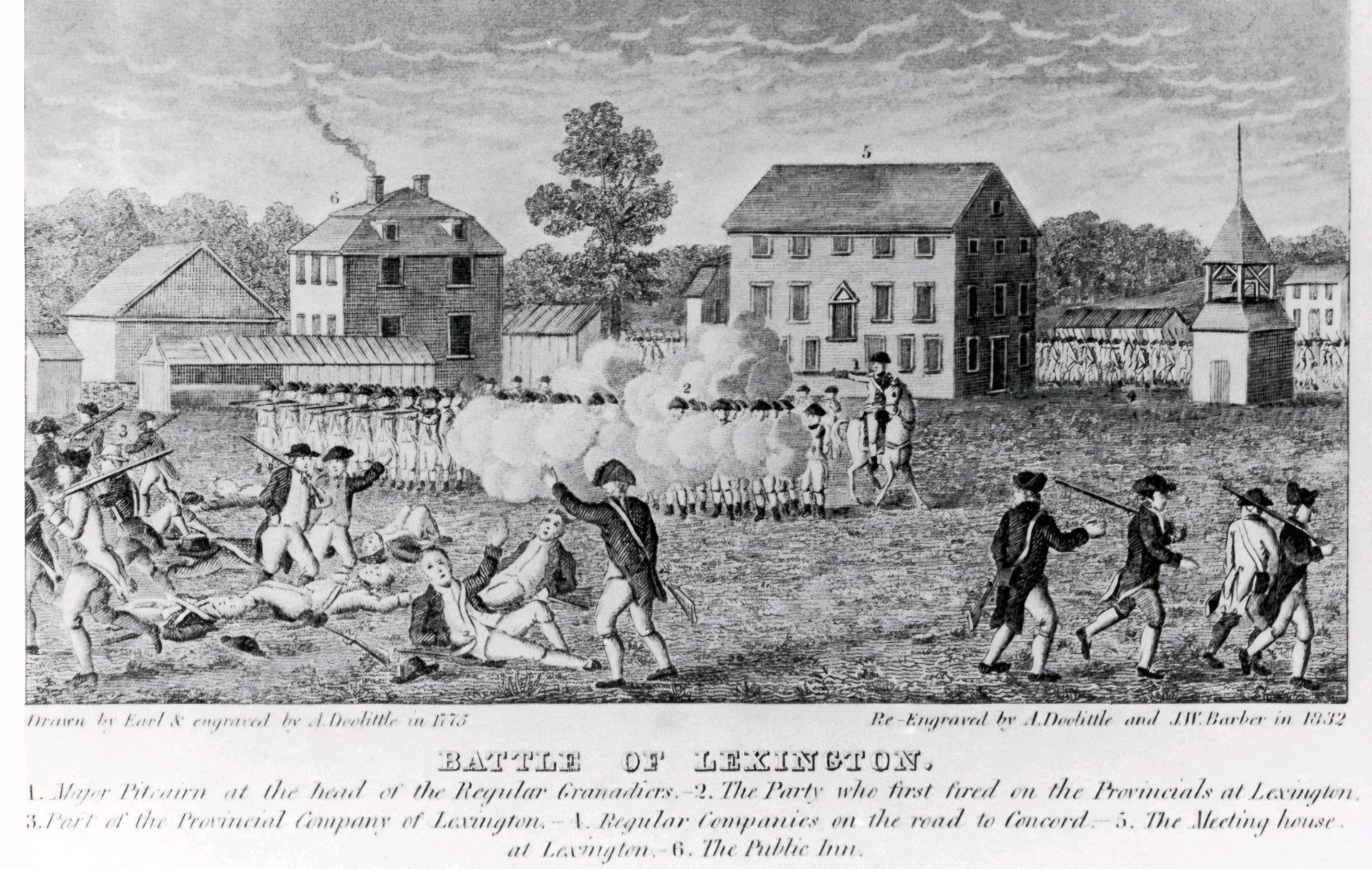
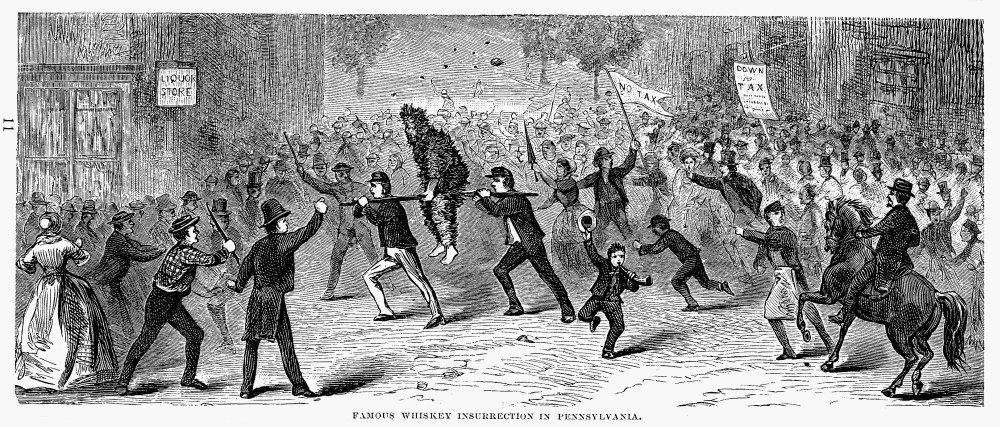
Tar and Feathering in Early America: Mob Justice, Political Violence, and Public Humiliation Tar and feathering was a form of collective punishment in early American history used to humiliate, intimidate, and enforce informal social control. It was not a legal sentence but a mob-driven practice rooted in earlier European traditions dating to the 12th century, where heated pitch was used in communities with weak formal enforcement. In colonial America, the substance was pine tar, produced from resin-rich forests for shipbuilding and sealing materials. When heated, it became highly adhesive and dangerous, trapping heat against the skin and causing burns. Feathers, taken from bedding or poultry, worsened injury by embedding into wounds and making removal difficult, often increasing infection risk. The practice peaked between 1765 and 1835, especially during the American Revolution, when it was used against British customs officers, tax collectors, and Loyalists. A well-documented case occurred in 1774 in Boston involving John Malcolm, who was seized, beaten, coated in hot tar, and covered in feathers. Victims were often paraded through streets, turning punishment into public spectacle. Though associated with Patriot mobs, it crossed political lines and later appeared during events like the Whiskey Rebellion and in 19th-century conflicts involving abolitionists and labor organizers. Only dozens of cases are firmly documented, though more likely went unrecorded. By the early 19th century, courts began treating it as criminal assault, accelerating its decline. While rarely fatal, it caused burns, infection, and lasting trauma, leaving a legacy defined less by victim counts than by its visible brutality. #America #history #Pennsylvania #Boston #RevolutionaryWar Blog 65+ Articles 👇 http://1776patriot1776.blogspot.com
1776 Patriot

Why Veteran Advocacy Matters to Me...and Should Matter to You Coming from a strong military family, service has always been part of my identity. Traditional enlistment was not an option for me, even after taking the ASVAB, due to medical barriers from a childhood disease. I chose a different path through technology, using it to advocate for veterans and amplify their stories and needs. I began with few expectations, but a clear belief: those who have protected our home and freedoms deserve our support; without it, there is no home. The need is measurable and urgent. In 2023, 6,398 veterans, (about 18/day) took their lives, with higher rates among younger veterans and women. Among post-9/11 veterans, 11% to 20% experience PTSD in a given year, with 20% being Iraq and Afghanistan veterans. This is alongside elevated rates of depression, anxiety, and chronic pain. More than 60% were not in VA care in the year prior to death. Housing instability remains a serious issue, with about 32,000 veterans experiencing homelessness on any given night, despite a decline of over 50% since 2010. Long-term health impacts persist: roughly 25% to 35% of veterans receiving VA benefits have a service-connected disability, and more than 3.5 million receive compensation. The PACT Act expanded care eligibility to millions exposed to toxic environments like burn pits. Transition challenges are common: about 40% report early employment difficulties, and 1 in 3 struggle to access consistent healthcare. Yet veterans continue to contribute significantly, owning about 1.9 million businesses that generate nearly $1 trillion annually and support over 5 million jobs. The measure of a society is what it does after the uniform comes off. Support for veterans is not charity; it is a sustained commitment to ensure the cost of service is never carried alone. If you or a veteran you know needs support, help is available 24/7. Call 988 and press 1 for the Veterans Crisis Line. #America #USA #News

Curiosity Corner

America’s Supervolcano: When Will It Erupt? The Revealing Evidence Beneath Yellowstone National Park lies one of the planet’s largest volcanic systems, a supervolcano capable of eruptions exceeding 240 cubic miles of magma. An eruption of this magnitude would reshape landscapes, blanket vast regions in ash up to several feet deep, destroy forests, and disrupt global climate for years, potentially lowering temperatures worldwide. The Yellowstone caldera spans roughly 34 by 45 miles, about the combined size of Rhode Island and Delaware, and contains over 10,000 geothermal features including geysers, hot springs, mud pots, and fumaroles, which are vents releasing steam and volcanic gases. The magma chamber extends 55 miles long, 18 miles wide, and 3 to 9 miles deep. Most of it is solid rock, while only 16 to 20 percent is molten, far below the 50 percent needed to fracture the crust and allow a supereruption. Yellowstone’s last supereruption, 640,000 years ago, expelled nearly 240 cubic miles of material, covering much of North America in volcanic ash and altering ecosystems for centuries. Earlier events 1,300,000 and 2,100,000 years ago were even larger, illustrating the irregular timing and immense power of supervolcanic activity. The U.S. Geological Survey estimates the annual chance of a supereruption at about 1 in 730,000. More likely hazards include major earthquakes and sudden hydrothermal explosions. Scientists monitor thousands of earthquakes, ground movement via GPS and satellites, gas emissions including carbon dioxide and sulfur dioxide, heat flow, and hot spring chemistry. Current readings show slow uplift and subsidence, low sulfur dioxide, and no sustained earthquake swarms, indicating deep cooling magma. Any future supereruption would be preceded by years of escalating seismic, chemical, and deformation signals, none of which are present today. #Supervolcano #Yellowstone #Science #ScienceNews #America #News #USA

1776 Patriot

The Monumental Nugget: America’s Largest Gold Nugget In the high reaches of the Sierra Nevada, where rivers carve steep valleys and the land still carries the memory of the Gold Rush, one discovery outshone all others. This was the Monumental Nugget, nicknamed “The Sierra Buttes Treasure,” unearthed in 1869 near Sierra City, California. The nugget weighed an astounding 103 pounds in raw form and contained about 82 pounds of pure gold. To visualize it, the nugget was heavier than an average eight-year-old child and larger than most bowling balls. The crew that discovered it had been working a claim with only modest returns. While clearing old gravel, one miner struck something unusually heavy. As they uncovered it, they realized the nugget was so large they needed several men to lift it. News spread rapidly, and miners from surrounding camps trekked miles to see the historic find. Local towns celebrated for days, and merchants saw a sudden rush of curious visitors eager to glimpse the treasure. Large gold nuggets are exceedingly rare because gold generally forms in thin veins. Natural erosion, pressure, and chemical changes break larger masses into smaller flakes over time. Experts estimate that fewer than one in many millions of nuggets exceeds twenty pounds. By comparison, the Dogtown Nugget at 54 pounds and the Carson Nugget at 45 pounds were enormous but still far smaller than the Monumental Nugget. Most modern prospectors recover only small pieces weighing ounces, making finds like this almost legendary. The Monumental Nugget was eventually melted down for its gold value, a fate common to historic nuggets. Even without the original piece, its story endures as a testament to the extraordinary surprises that once lay hidden in the American frontier and the enduring allure of striking it rich. #GoldRush #FoundTreasure #America #USA #History #USHistory #Science

1776 Patriot

The Event That Changed Policing: America’s Biggest Bank Shootout On February 28, 1997, Los Angeles saw one of the most intense urban gunfights in U.S. history, later called the North Hollywood Shootout. Two robbers, Larry Phillips Jr. and Emil Mătăsăreanu, entered a Bank of America branch wearing homemade body armor. They carried multiple firearms, including fully automatic rifles, high-capacity magazines, and handguns. Their armor allowed them to withstand standard police sidearms and shotguns, making the initial confrontation extremely dangerous. Phillips and Mătăsăreanu had rehearsed their approach, anticipating how officers would respond, which extended the gun battle to 44 minutes across North Hollywood streets. Nearly 2,000 rounds were fired during the shootout, with bullets ripping through glass, bouncing off cars, and sending residents scrambling for cover. The robbers fired roughly 1,100 rounds, while officers returned 650 to 750 rounds. Officers found their standard-issue pistols largely ineffective against the robbers’ armor, forcing several to dash to nearby sporting goods stores to buy AR-style rifles and extra ammunition mid-shootout. Additional facts include that police helicopters helped coordinate movements from the air, the robbers’ bulletproof vests were made from multiple layers of heavy materials, and several bystanders captured the entire scene on camera, creating some of the first widely seen footage of an active shootout in real time. Eleven officers and seven civilians were wounded, but miraculously, no bystanders were killed. Both robbers died after the confrontation ended. The scale and intensity of the gunfight led to nationwide changes in police armament and training, with patrol units later equipped to handle heavily armed threats. Decades later, the North Hollywood Shootout is remembered as one of America’s largest real-life urban gun battles. #TrueCrime #America #History #USHistory #Hollywood #USA

Brandon_Lee

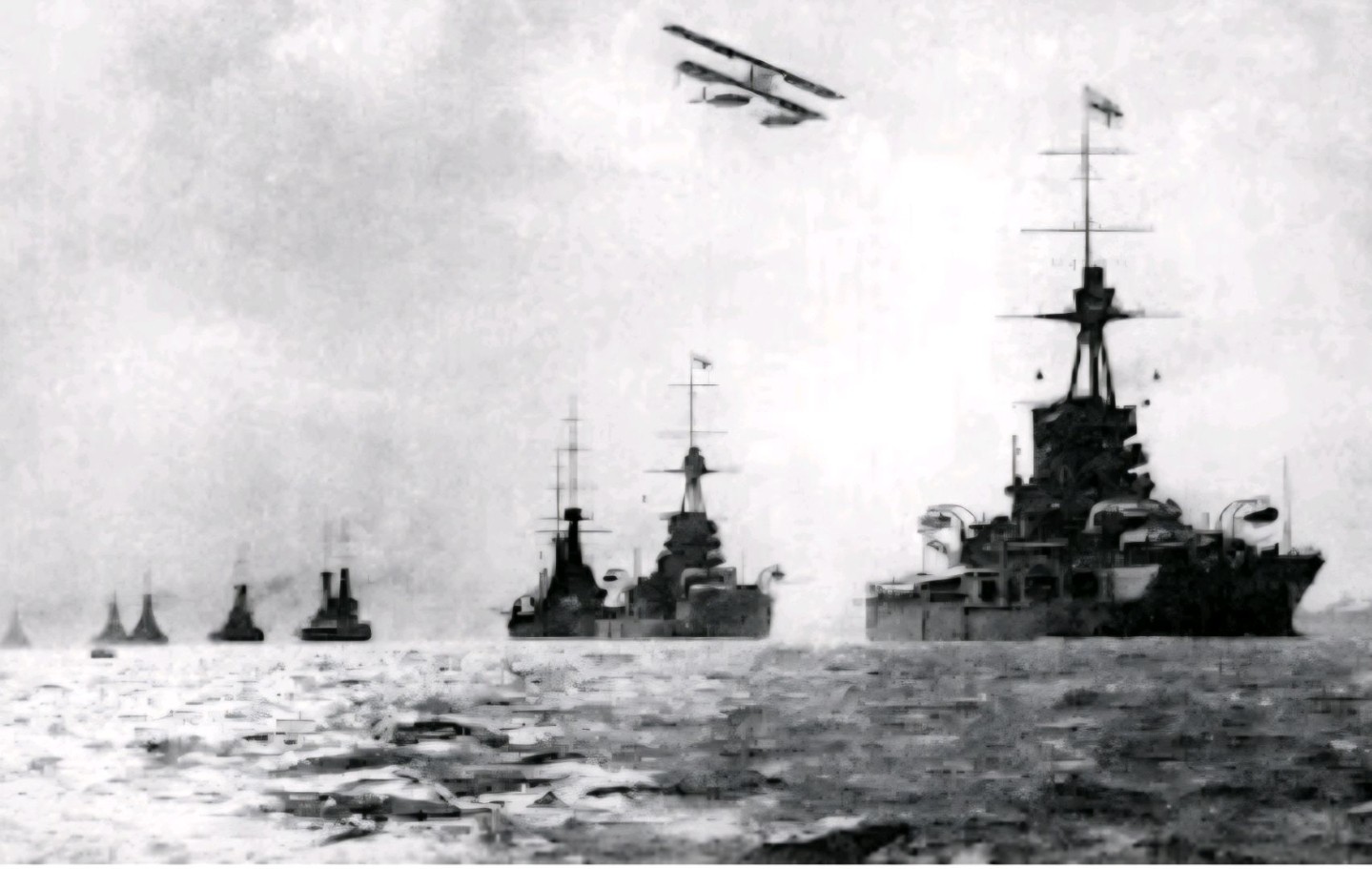
The Vanishing Fleet: Britain's Fading Sea Power For centuries, the sun never set on the British Empire because the Roval Navy ruled the waves. At its 1 9th-century zenith, Britain enforced a "Two-Power Standard," ensurind its fleet outmatched the next 2 largest navies. Today, that global colossus has shrunk to a "boutique" navy: advanced vet perilously thin on hulls and readiness The decline is stark. In 1914, the Royal Navy fielded over 600 ships, including 71 battleships. By the 1982 Falklands War, it mustered 2 carriers and 24 escorts. As of early 2026, the fleet has roughly 63 commissioned vessels. Yet core fighting power is far lower: just 13 to 15 major surface combatants, including 2-Queen Elizabeth-class carriers, 6-Type 45 destroyers, and 7-Type 23 frigates.Operational availability is grimmer. Doctrine calls for a "Rule of Three' (1 deployed, 1 training, 1 in maintenance) but reality is worse. Of 6-Type 45 destrovers, often only 2 or 3 are sea-ready amid engine upgrades. Of 6-Astute-class submarines, frequently only 1 is operational Usually just 1 carrier (such as HMS Prince of Wales on 5 davs' notice) is available Compare this to the U.S. Navy's 300 deplovable ships and 11-nuclear supercarriers. America's groups operate independently worldwide. Britain's 2-conventionally powered carriers often need U.S. or allied escorts. A single sustained deployment can exhaust the Roval Navy's reserves This hollowing stems from aging hulls recruitment shortfalls. and the nuclear deterrent's high cost. Sustaining 4-Vanquard-class submarines devours amassive budget share. New Type 26 and Type 31 frigates remain years away significant numbers not arriving until the 2030s). The Navy is a "construction-site' force in transition Unless urgent action reverses the hollowing. the once-unrivaled Ruler of the Waves risks slipping beneath history's surface as a noble but diminished ghost fleet #BreakingNews #News #USNews #USA #Military #America #USA #Veterans

Brandon_Lee

John F. Kennedy: The President with the Highest All Time Approva John F. Kennedy, the thirty fifth president of the United States. is still viewed as one of the most respected leaders in modern American history. Throughout his presidency, his approval rating stayed near 70 percent, which is one of the highest averages ever recorded. His standing is measured through the modern polling system that began in 1936, allowing his numbers to be compared across generations of presidents. Based on this long record of surveys, Kennedy holds the highest average approval of any president in the polling era. Kennedy's popularity came from his personality, message, and calm leadership during major challenges. His inaugural address, urging Americans to serve their country, became one of the mostmemorable speeches in US history. During the Cuban Missile Crisis in 1962, he quided the country through thirteen days of extreme tension, preventing nuclear conflict and earning wide respect. His support for early civil rights efforts and his commitment to the space program added to the sense that he was leading the nation into a new and ambitious era Surveys taken long after his death show how strong his legacy remains. One major poll found that 85 percent of Americans approved of his performance when looking back on his presidency. Even during difficult periods, such as the aftermath of the Bay of Pigs invasion, Kennedy kept approval ratings above 70 percent, something few presidents have matched. His calm approach, clear communication, and ability to connect with the public helped him maintain support across states, age groups. and political backgroundsKennedy's consistently high approva demonstrates how trust and confidence from the public shape a president's place ir nistory. Although he served less than one full term, his leadership during world crises and his appeal to national unity left a lasting mark. #Politics #USA #History #USHistory #America

1776 Patriot

The Vanishing Fleet: Britain's Fading Sea Power For centuries, the sun never set on the British Empire because the Royal Navy ruled the waves. At its 19th-century zenith, Britain enforced a "Two-Power Standard," ensuring its fleet outmatched the next 2 largest navies. Today, that global colossus has shrunk to a "boutique" navy: advanced yet perilously thin on hulls and readiness. The decline is stark. In 1914, the Royal Navy fielded over 600 ships, including 71 battleships. By the 1982 Falklands War, it mustered 2 carriers and 24 escorts. As of early 2026, the fleet has roughly 63 commissioned vessels. Yet core fighting power is far lower: just 13 to 15 major surface combatants, including 2-Queen Elizabeth-class carriers, 6-Type 45 destroyers, and 7-Type 23 frigates. Operational availability is grimmer. Doctrine calls for a "Rule of Three" (1 deployed, 1 training, 1 in maintenance), but reality is worse. Of 6-Type 45 destroyers, often only 2 or 3 are sea-ready amid engine upgrades. Of 6-Astute-class submarines, frequently only 1 is operational. Usually just 1 carrier (such as HMS Prince of Wales on 5 days' notice) is available. Compare this to the U.S. Navy's 300 deployable ships and 11-nuclear supercarriers. America's groups operate independently worldwide. Britain's 2-conventionally powered carriers often need U.S. or allied escorts. A single sustained deployment can exhaust the Royal Navy's reserves. This hollowing stems from aging hulls, recruitment shortfalls, and the nuclear deterrent's high cost. Sustaining 4-Vanguard-class submarines devours a massive budget share. New Type 26 and Type 31 frigates remain years away (significant numbers not arriving until the 2030s). The Navy is a "construction-site" force in transition. Unless urgent action reverses the hollowing, the once-unrivaled Ruler of the Waves risks slipping beneath history’s surface as a noble but diminished ghost fleet. #BreakingNews #News #USNews #USA #Military #America #USA #Veterans

Rachel Marie

John F. Kennedy: The President with the Highest All Time Approva John F. Kennedy, the thirty fifth president of the United States. is still viewed as one of the most respected leaders in modern American history. Throughout his presidency, his approval rating staved near 70 percent, which is one of the highest averages ever recorded. His standing is measured through the modern polling system that began in 1936, allowing his numbers to be compared across generations of presidents. Based on this ong record of survevs, Kennedy holds the highest average approval of any president ir the polling era Kennedy's popularity came from his personality, message, and calm leadership during major challenges. His inaugural address, urging Americans to serve their country, became one of the mostmemorable speeches in US history. During the Cuban Missile Crisis in 1962, he quided the country through thirteen days of extreme tension, preventing nuclear conflict and earning wide respect. His support for early civil rights efforts and his commitment to the space program added to the sense that he was leading the nation into a new and ambitious era Survevs taken long after his death show how strong his legacy remains. One major poll found that 85 percent of Americans approved of his performance when looking back on his presidency. Even during difficult periods, such as the aftermath of the Bay of Pigs invasion, Kennedy kept approval ratings above 70 percent, something few presidents have matched. His calm approach, clear communication, and ability to connect with the public helped him maintain support across states, age groups, and political backgroundsKennedy's consistently high approva demonstrates how trust and confidence from the public shape a president's place in history. Although he served less than one full term, his leadership during world crises and his appeal to national unity left a lasting mark. #Politics #USA #History #USHistory #America

Tag: America | LocalAll