1/1

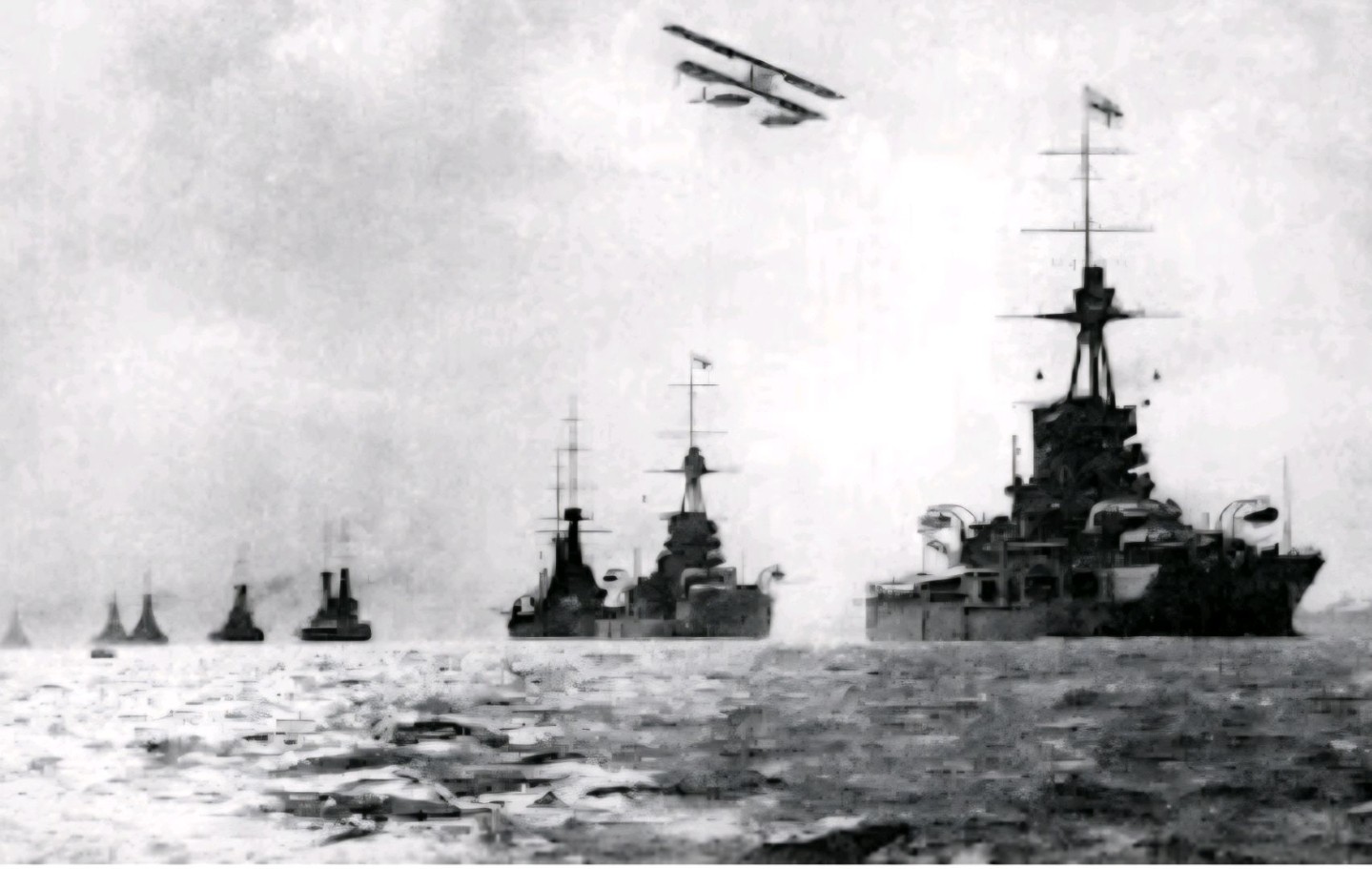
The Vanishing Fleet: Britain's Fading Sea Power For centuries, the sun never set on the British Empire because the Roval Navy ruled the waves. At its 1 9th-century zenith, Britain enforced a "Two-Power Standard," ensurind its fleet outmatched the next 2 largest navies. Today, that global colossus has shrunk to a "boutique" navy: advanced vet perilously thin on hulls and readiness The decline is stark. In 1914, the Royal Navy fielded over 600 ships, including 71 battleships. By the 1982 Falklands War, it mustered 2 carriers and 24 escorts. As of early 2026, the fleet has roughly 63 commissioned vessels. Yet core fighting power is far lower: just 13 to 15 major surface combatants, including 2-Queen Elizabeth-class carriers, 6-Type 45 destroyers, and 7-Type 23 frigates.Operational availability is grimmer. Doctrine calls for a "Rule of Three' (1 deployed, 1 training, 1 in maintenance) but reality is worse. Of 6-Type 45 destrovers, often only 2 or 3 are sea-ready amid engine upgrades. Of 6-Astute-class submarines, frequently only 1 is operational Usually just 1 carrier (such as HMS Prince of Wales on 5 davs' notice) is available Compare this to the U.S. Navy's 300 deplovable ships and 11-nuclear supercarriers. America's groups operate independently worldwide. Britain's 2-conventionally powered carriers often need U.S. or allied escorts. A single sustained deployment can exhaust the Roval Navy's reserves This hollowing stems from aging hulls recruitment shortfalls. and the nuclear deterrent's high cost. Sustaining 4-Vanquard-class submarines devours amassive budget share. New Type 26 and Type 31 frigates remain years away significant numbers not arriving until the 2030s). The Navy is a "construction-site' force in transition Unless urgent action reverses the hollowing. the once-unrivaled Ruler of the Waves risks slipping beneath history's surface as a noble but diminished ghost fleet #BreakingNews #News #USNews #USA #Military #America #USA #Veterans
2026-04-15
write a comment...