Tag Page America

#America
1776 Patriot

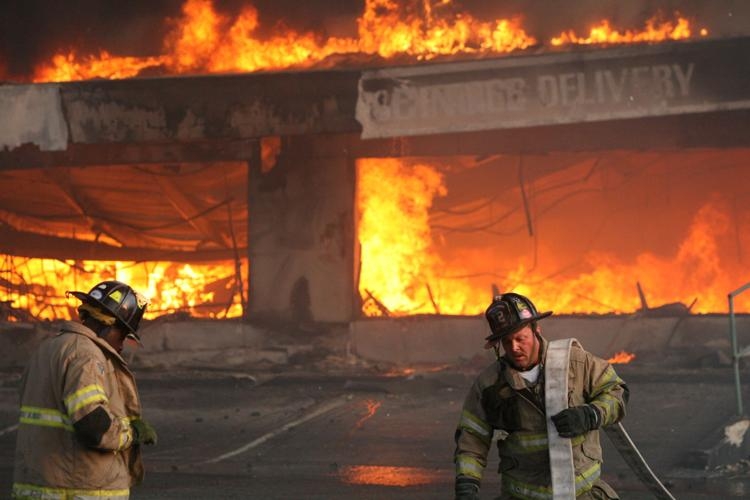
30 Lives Saved, 9 Lost: Remembering The Charleston 9 On the evening of June 18, 2007, a massive blaze erupted at the Sofa Super Store on North Rhett Avenue in Charleston, South Carolina. Within minutes, the fire engulfed more than 100,000 square feet of showroom and warehouse space. Thick black smoke and flames spread rapidly through stacks of furniture, creating one of the deadliest structural fires in U.S. history. Charleston Fire Department crews responded immediately. Among them was Captain Louis Mulkey, a 35-year veteran known for his calm leadership. As temperatures near the roof climbed above 1300°F, Mulkey and his team entered the building to search for civilians believed trapped inside. Despite rapidly deteriorating conditions and weakening structural integrity, they pushed deeper into the showroom. More than 80 firefighters entered the structure that night. Around 10:15 p.m., a sudden ceiling collapse trapped several firefighters. Mulkey was among those killed when a large section of the roof gave way. In total, nine Charleston firefighters lost their lives and 55 were injured. Before the collapse, crews helped evacuate an estimated 30 civilians. One survivor later said, “They were the last ones in and the last ones looking for people. They never quit on us.” Investigators later found that fire growth was underestimated and visibility had dropped to near zero. Data from the National Institute of Standards and Technology showed survival time in such conditions can drop by up to 80% in under 3 minutes without fresh air. The tragedy led to nationwide safety reforms, including improved air monitoring and structural risk assessment. Departments adopting these improvements saw a 30% reduction in injury rates in similar fires. Today, the fallen are honored at the "Charleston 9" Memorial Park, where their sacrifice continues to guide future generations of first responders. #HeroStories #America #USA #History #USA #Firefighters

THESE VALUES

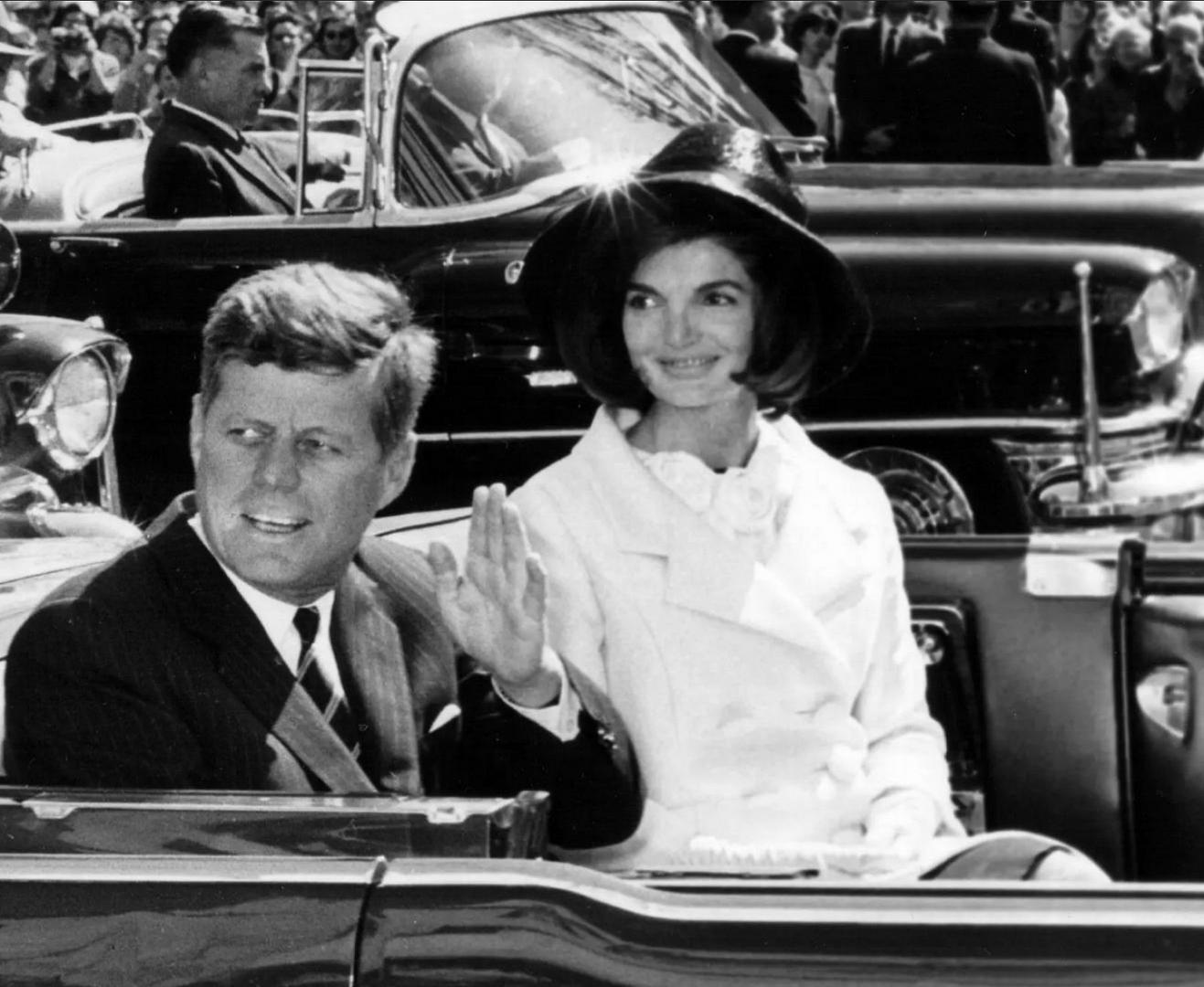
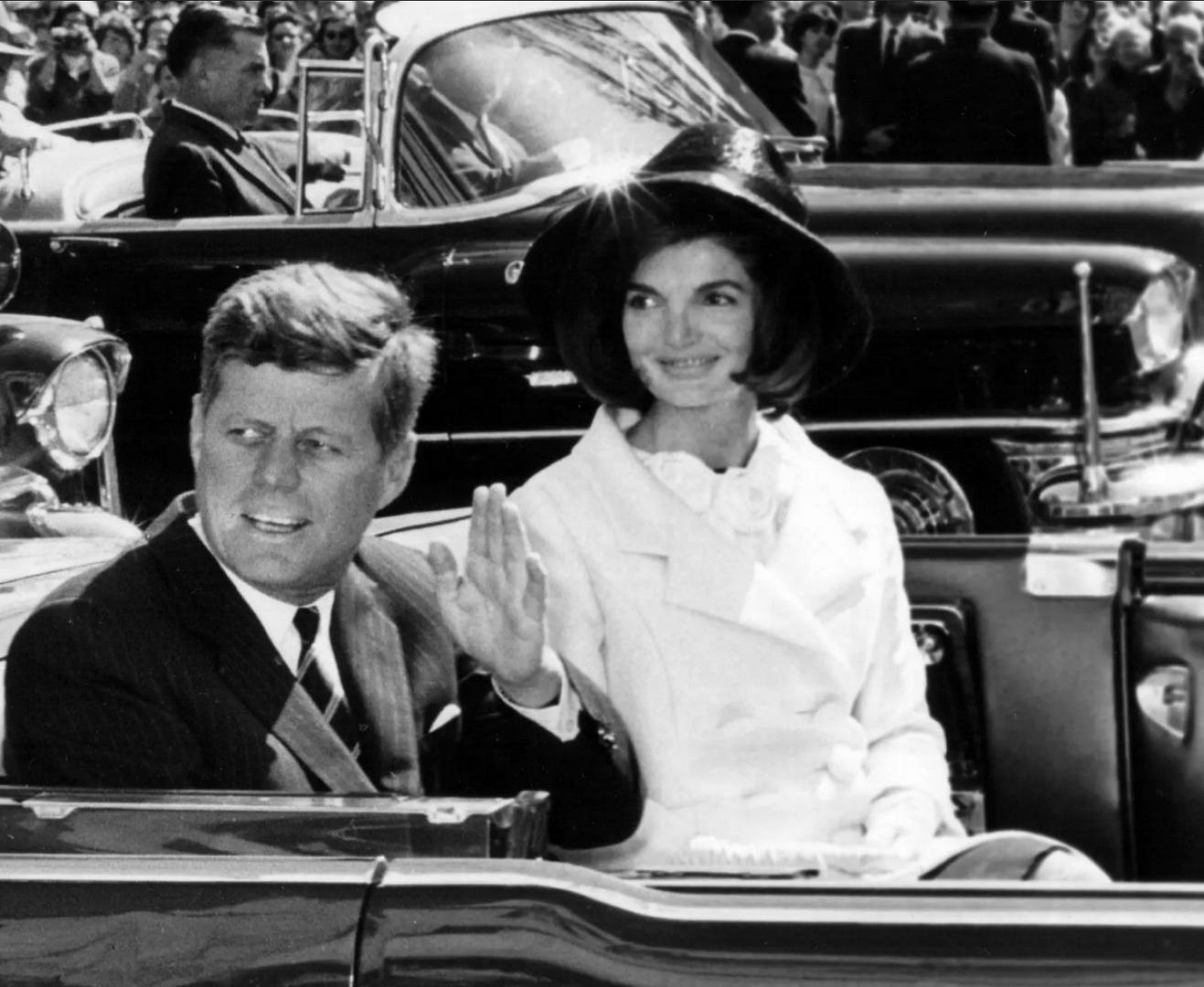
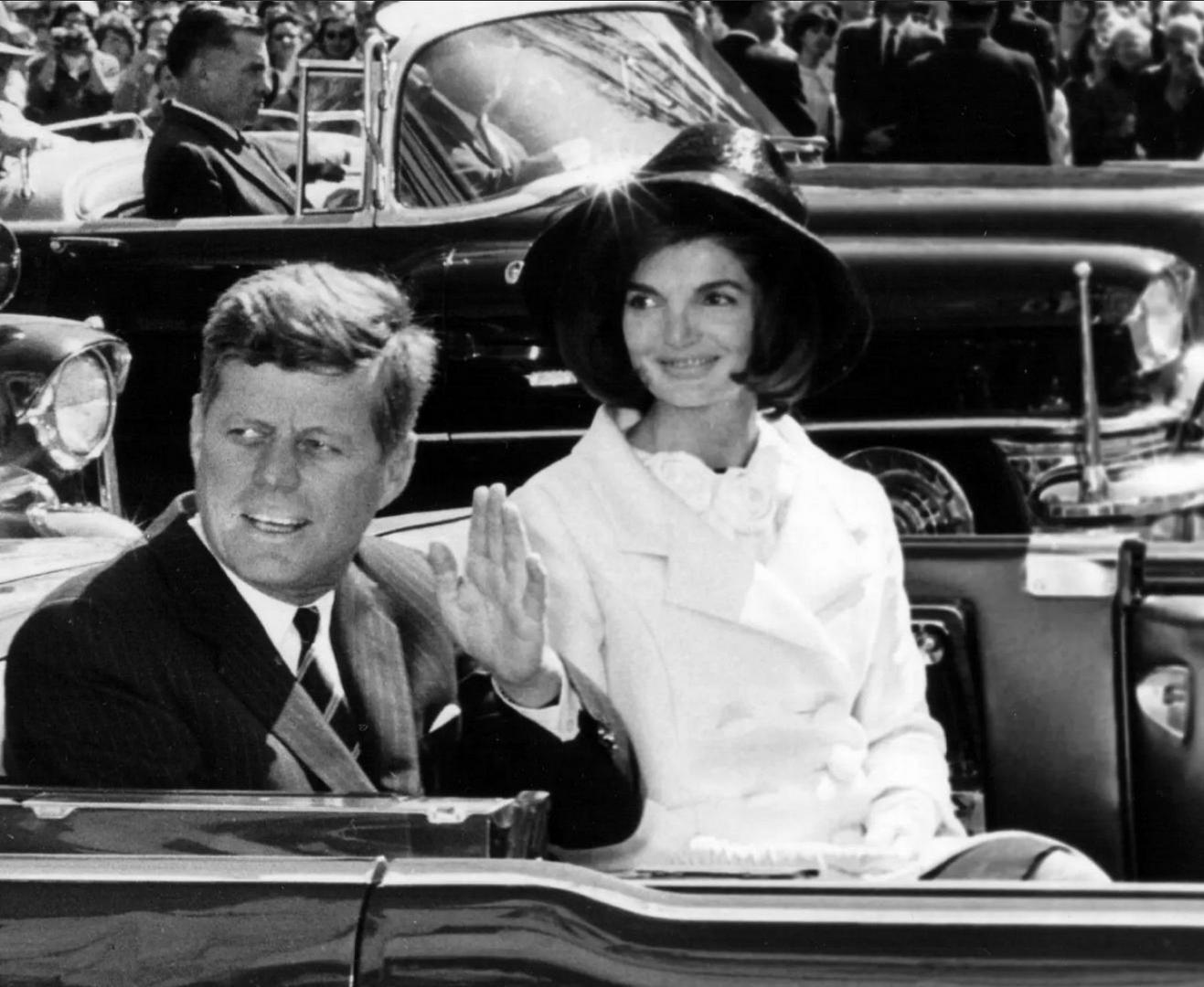
John F. Kennedy: The President with the Highest All Time Approva John F. Kennedy, the thirty fifth president of the United States. is still viewed as one of the most respected leaders in modern American historv. Throughout his presidency, his approval rating stayed near 70 percent, which is one of the highest averages ever recorded. His standing is measured through the modern polling system that began in 1936, allowing his numbers to be compared across generations of presidents. Based on this long record of surveys, Kennedy holds the highest average approval of any president in the polling era. Kennedy's popularity came from his personality, message, and calm eadership during major challenges. His naugural address, urging Americans ta serve their country, became one of the most memorable speeches in US history During the Cuban Missile Crisis in 1962, he quided the country through thirteen davs of extreme tension, preventing nuclear conflict and earning wide respect. His support for early civil rights efforts and his commitment to the space program added to the sense that he was eading the nation into a new ana ambitious era Surveys taken long after his death show how strong his legacy remains. One maior poll found that 85 percent of Americans approved of his performance when looking back on his presidency Even during difficult periods, such as the aftermath of the Bay of Pigs invasion, Kennedy kept approval ratings above 70 percent, something few presidents have matched. His calm approach, clear communication, and ability to connect with the public helped him maintain support across states, age groups, and political backgrounds Kennedy's consistently high approval demonstrates how trust and confidence from the public shape a president's place in history. Although he served less than one full term, his leadership during world crises and his appeal to national unity left a lasting mark #Politics #USA #History #USHistory #America

Abraham Lincoln

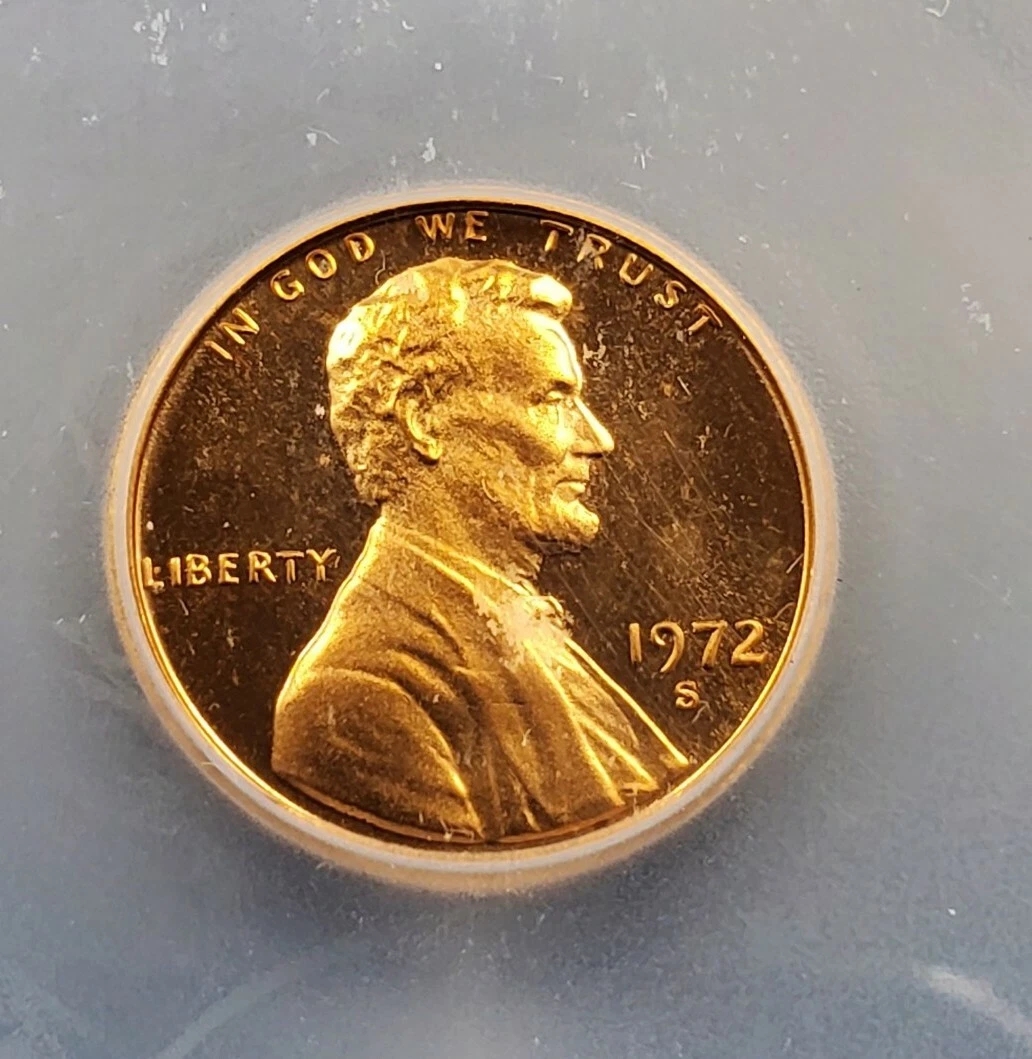
Reflections from My Pocket: How I Came to Be on the Penny I never imagined my face would appear on something as ordinary as a penny, yet in 1909, the United States Mint struck the first Lincoln cent to honor my 100th birthday. At the time, that penny, worth one cent, had the purchasing power of roughly 30¢ today, enough to buy a loaf of bread or a newspaper. In that year alone, the Mint produced 72 million pennies, nearly 60% more than the previous year’s Indian Head cents, showing the public’s enthusiasm for seeing history in their pockets. Why choose me? I understand now that Victor David Brenner, the sculptor who designed the coin, wrote, “I chose Lincoln because his life embodies the highest ideals of this country, and the coin should carry his noble image to every pocket.” I am humbled that my life, my work preserving the Union and proclaiming liberty for the enslaved, was seen as worthy of such a tribute. Some critics at the time worried about placing a political figure on money, yet the public embraced it. Brenner, born in Lithuania and immigrating to the United States in 1890, captured my profile using photographs by Mathew Brady. His initials, VDB, appeared on the reverse of the first 1909 pennies, occupying roughly 1–2% of the surface, which sparked a debate over visibility and credit. The coin weighed 3.11 grams and was composed of 95% copper and 5% tin and zinc, nearly identical to modern pre-1982 cents. Within the first year, about 18 million coins bore the full VDB initials, making them prized collectibles today, some fetching hundreds or even thousands of dollars. Even more than a century later, I am humbled that my likeness remains carried by millions every day. The Lincoln cent is a small object, yet it carries the weight of history, unity, and perseverance. I am glad that Brenner’s vision, that my life should embody the ideals of the nation in every pocket, lives on with each coin. #History #USHistory #America #USA #Penny #Mint #Lincoln

EMME'C.teamupdate

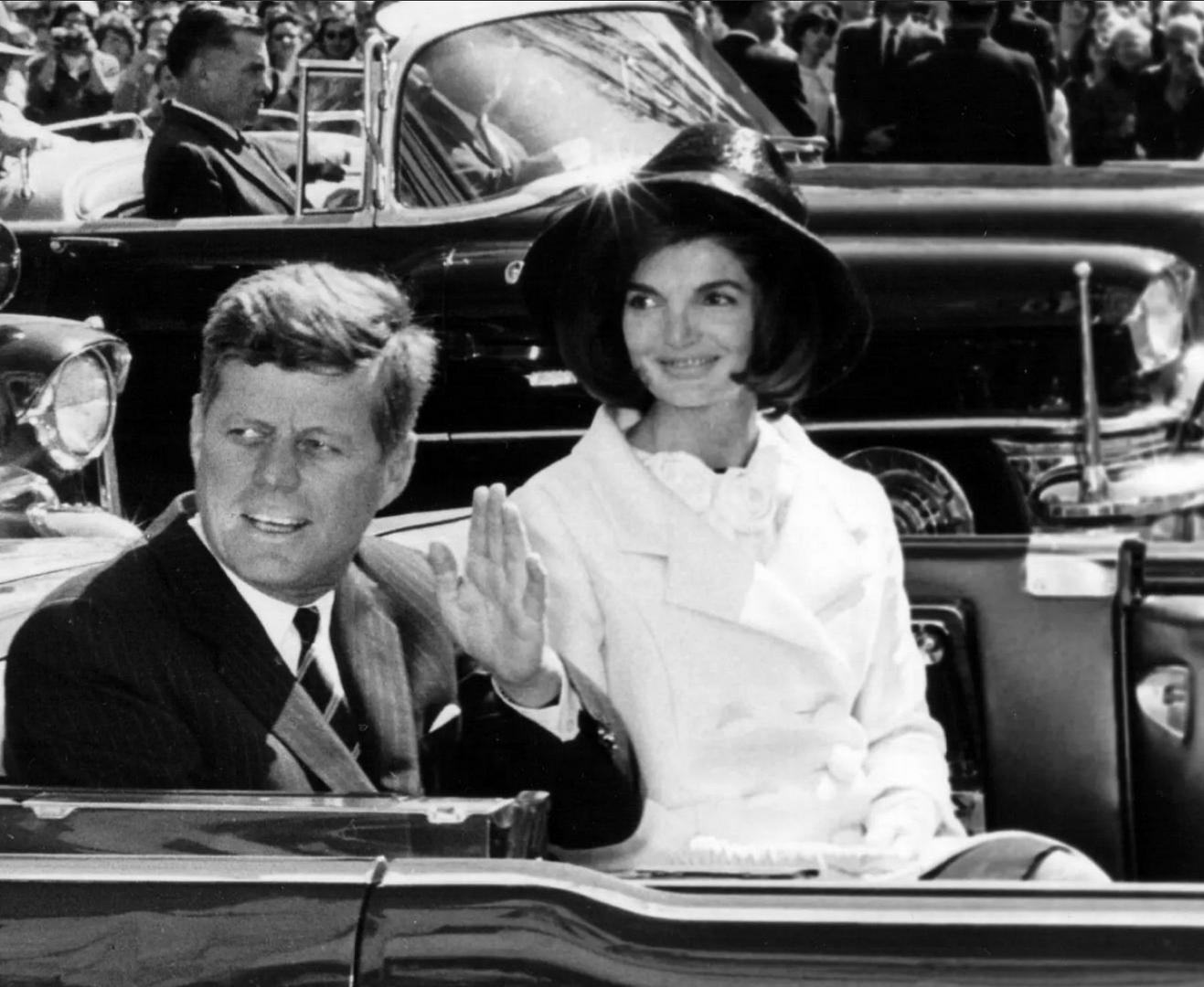
John F. Kennedy: The President with the Highest All Time Approva John F. Kennedy, the thirty fifth president of the United States. is still viewed as one of the most respected leaders in modern American history. Throughout his presidency, his approval rating stayed near 70 percent, which is one of the highest averages ever recorded. His standing is measured through the modern poling system that began in 1936, allowing his numbers to be compared across generations of presidents. Based on this lona record of survevs, Kennedv holds the highest average approval of any president in the polling era. Kennedy's popularity came from his personality, message, and calm leadership during major challenges. His inaugura address, urging Americans to serve their country, became one of the most memorable speeches in US history. During the Cuban Missile Crisis in 1962, he guided the country through thirteen days of extreme tension, preventing nuclear conflict and earning wide respect. His support for early civil rights efforts and his commitment to the space program added to the sense that he was leading the nation into a new and ambitious era Surveys taken long after his death show how strong his legacy remains. One major poll found that 85 percent of Americans approved of his performance when looking back on his presidency. Even during difficult periods, such as the aftermath of the Bav of Pias invasion, Kennedv kept approva ratings above 70 percent, something few presidents have matched. His calm approach, clear communication, and ability to connect with the public helped him maintain support across states, age groups and political backgrounds Kennedv's consistently high approval demonstrates how trust and confidence from the public shape a president's place in history. Although he served less than one full term, his leadership during world crises and his appeal to national unity left a lasting mark. #Politics #USA #History #USHistory #America

1776 Patriot

A High School Educator Hypnotized Students and Tragedy Followed In 2011, a disturbing episode at North Port High School in Sarasota County, Florida, became national news when Principal George Kenney used hypnosis on students without any professional training or license. Over several years, Kenney administered informal hypnosis sessions to dozens of students and staff, promoting it as a way to relieve stress, improve focus, and ease performance anxiety. Reports later showed he had hypnotized as many as 75 individuals, including teenage athletes and students seeking academic help. Despite warnings from school officials to stop, Kenney continued the practice. Tragedy struck when three students who had received or practiced hypnosis died in separate incidents. 16-year-old Marcus Freeman died in a car crash, possibly attempting self-hypnosis while driving. 16-year-old Wesley McKinley became withdrawn after sessions and ended his life shortly afterward. 17-year-old Brittany Palumbo also died after using hypnosis to manage academic stress; classmates noted she had begun practicing self-hypnosis frequently in hopes of gaining emotional control. These students were exposed to hypnosis without professional guidance or safeguards. Outrage followed. Critics said Kenney performed unlicensed medical services, altering teens’ mental states without consent. Placed on administrative leave in 2011, he resigned the next year. In 2012, Kenney pleaded no contest to misdemeanor charges and was sentenced to one year of probation, a penalty many families deemed too lenient. In 2015, Sarasota County School District settled wrongful death lawsuits, paying $200,000 to each family. The North Port case remains one of the most bizarre and tragic true crime examples in America of an educator’s misuse of trust. #TrueCrime #USHistory #America #USA #History #Florida #Hypnotherapy

1776 Patriot

The Two Largest House Losses in Midterm History Midterm elections are held every 4 years in the middle of a president’s term an determins: all 435 House of seats, 1/3rd of the Senate, and gives voters a chance to reshape Congress. Presidents typically lose, 28 House seats on average, but some elections produced historic swings that reshaped American politics and policy. The 1874 midterms were one of the most severe defeats of the 19th century. President Ulysses S. Grant’s Republicans lost 93 of 195 House seats, about 36% of their seats. The Panic of 1873, a severe economic depression, combined with corruption scandals in Grant’s administration, fueled public anger. Voters across the South and industrial North abandoned the Republican Party, giving Democrats control of the House for the first time since the Civil War. Turnout was strong, economic hardship dissatisfaction motivated voters. Two decades later, the 1894 midterms produced the largest House seat loss in U.S. history. Under President Grover Cleveland, Democrats lost 127 of 225 House seats, about 56% of their seats. All 225 seats were contested, and the Panic of 1893 triggered one of the worst depressions of the century, leaving farmers, laborers, and urban workers across the Midwest and Northeast frustrated with Cleveland’s response. Republicans swept the House, marking a historic realignment. Turnout reached roughly 70% in key districts, and economic crises mobilized voters to reshape priorities almost overnight. In these two elections economic conditions, perceptions of presidential leadership, and voter engagement produced sweeping shifts in the House. In both 1874 and 1894, the opposition capitalized on dissatisfaction economic uncertainty and dramatically altered power, forcing the president’s party to reassess strategy. The elections under Grant and Cleveland remain the most consequential House losses in American history. #Politics #ElectionInsights #History #USA #USHistory #America #News

Abraham Lincoln

How I Became a Lawyer Without a Teacher or School I was born in 1809 in a log cabin in Kentucky and had less than a year of formal schooling. Books were rare, so I walked miles to borrow them and read by firelight whenever I could. I told myself, “I will prepare and some day my chance will come,” because learning was the only way forward. I read everything I could find, learning arithmetic, grammar, and history before I ever thought of law, and I tried to understand what I read as deeply as possible. When my mother died, my stepmother, Sarah Bush Lincoln, joined our family. She encouraged my reading, lent me books, and showed patience when others expected me to work the fields. She taught me that education was more than books; it was forming the mind and character. Her guidance gave me the confidence to pursue knowledge on my own and made me value persistence and curiosity. I taught myself law by studying Blackstone’s Commentaries and other legal manuals. I spent hours in courthouses in Springfield and New Salem, watching lawyers, listening to arguments, and learning from what I observed. I practiced drafting contracts and resolving disputes on my own. “I studied with an unassisted mind, with no teacher, in my leisure time,” I said later. By 1836, my study and observation prepared me to pass the bar and begin practicing law. Others saw something in me. Walt Whitman described me as “Gentle, plain, just and resolute,” while William Gladstone called me a man of “moral elevation most rare in a statesman.” Those words reflect how persistence, curiosity, and guidance from someone who believes in you can shape a life. “The things I learned were not in the schools. I had to find them myself and keep at it,” I said. From log cabin to law office, self-education, careful observation, and determination made my life possible. #History #USHistory #America #USA #Lincoln #Motivation #KnowledgeIsPower

1776 Patriot

America’s Most Elusive Bank Robber: Carl Gugasian Carl Gugasian, known as the Friday Night Bank Robber, is considered the most prolific solo bank robber in American history. Over a criminal career spanning roughly three decades from the early 1970s until his arrest in 2002, Gugasian carried out more than fifty confirmed bank robberies across multiple states on the East Coast. His operations were highly methodical and precise. He targeted small town banks often located near wooded areas or highway on ramps to make escape easier and reduce the chance of police interception. He typically struck on Friday nights shortly before closing time to minimize customers while maximizing cash on hand. Gugasian carefully disguised himself with masks and loose clothing to conceal his identity and appearance. He conducted detailed surveillance of each target, sometimes visiting a bank multiple times over weeks to note employee routines, security camera placements, and the timing of cash deliveries. His robberies were executed quickly, often lasting less than two minutes. He would vault over counters, grab cash from the tills, and disappear into nearby woods or back roads. Many times he used a dirt bike to escape into forested terrain and then transitioned to a waiting vehicle. He kept detailed notes, maps, and surveillance of potential targets in his home along with a large cache of weapons and disguises. Despite decades of robberies, he evaded capture until 2002, when law enforcement tracked him through his patterns, surveillance notes, and escape routes. He admitted to more than 50 robberies totaling around $2.3 million. He was sentenced to over 100 years in federal prison, reduced to 17 years due to cooperation, and served approximately 15 years before being released in 2017 at age 69. Gugasian stands out not for a single spectacular heist but for the number and consistency of his crimes carried out with precision over decades. #TrueCrime #USHistory #America #USA #History

Abraham Lincoln

How I Became a Hall of Fame Wrestler- Historically Accurate Before law and politics defined my life, I was known across central Illinois for physical strength and skill in wrestling. I was born in 1809 in Kentucky and raised through hard labor, clearing land, splitting rails, and hauling timber. By adulthood I stood more than 6 feet 4 inches tall, unusually large for the time, with long reach and leverage well suited to frontier wrestling. Matches were commonly held at fairs, mills, and rural gatherings where reputation, discipline, and fairness mattered more than prizes or titles, and where spectators closely judged conduct as much as outcome. Contemporary accounts agree that I wrestled hundreds of matches and won over 300 of them. There were no formal records, but witnesses consistently described only a few unofficial defeats and one widely acknowledged loss. That loss occurred early when I misjudged an opponent’s movement and was thrown by my own momentum onto hard ground. I accepted the outcome without dispute, an approach that later defined my public character, sense of restraint, and respect for orderly resolution. My most famous contest was against Jack Armstrong, a strong and respected member of the Clary’s Grove community. The match drew a large crowd and lasted more than an hour. Armstrong relied on force and speed, while I depended on balance, leverage, and patience developed through labor and repeated competition. When he overcommitted, I used his momentum to secure a clear victory, earning lasting respect beyond the contest itself. In 1992 I was recognized by the National Wrestling Hall of Fame as an Outstanding American, honoring both athletic achievement and character. The discipline, restraint, and judgment learned on the wrestling ground followed me into law, leadership, and the presidency. #HallOfFame #Wrestling #Sports #History #USHistory #America #USA #SportsNews