Tag Page America

#America
1776 Patriot

A High School Educator Hypnotized Students and Tragedy Followed In 2011, a disturbing episode at North Port High School in Sarasota County, Florida, became national news when Principal George Kenney used hypnosis on students without any professional training or license. Over several years, Kenney administered informal hypnosis sessions to dozens of students and staff, promoting it as a way to relieve stress, improve focus, and ease performance anxiety. Reports later showed he had hypnotized as many as 75 individuals, including teenage athletes and students seeking academic help. Despite warnings from school officials to stop, Kenney continued the practice. Tragedy struck when three students who had received or practiced hypnosis died in separate incidents. 16-year-old Marcus Freeman died in a car crash, possibly attempting self-hypnosis while driving. 16-year-old Wesley McKinley became withdrawn after sessions and ended his life shortly afterward. 17-year-old Brittany Palumbo also died after using hypnosis to manage academic stress; classmates noted she had begun practicing self-hypnosis frequently in hopes of gaining emotional control. These students were exposed to hypnosis without professional guidance or safeguards. Outrage followed. Critics said Kenney performed unlicensed medical services, altering teens’ mental states without consent. Placed on administrative leave in 2011, he resigned the next year. In 2012, Kenney pleaded no contest to misdemeanor charges and was sentenced to one year of probation, a penalty many families deemed too lenient. In 2015, Sarasota County School District settled wrongful death lawsuits, paying $200,000 to each family. The North Port case remains one of the most bizarre and tragic true crime examples in America of an educator’s misuse of trust. #TrueCrime #USHistory #America #USA #History #Florida #Hypnotherapy

1776 Patriot

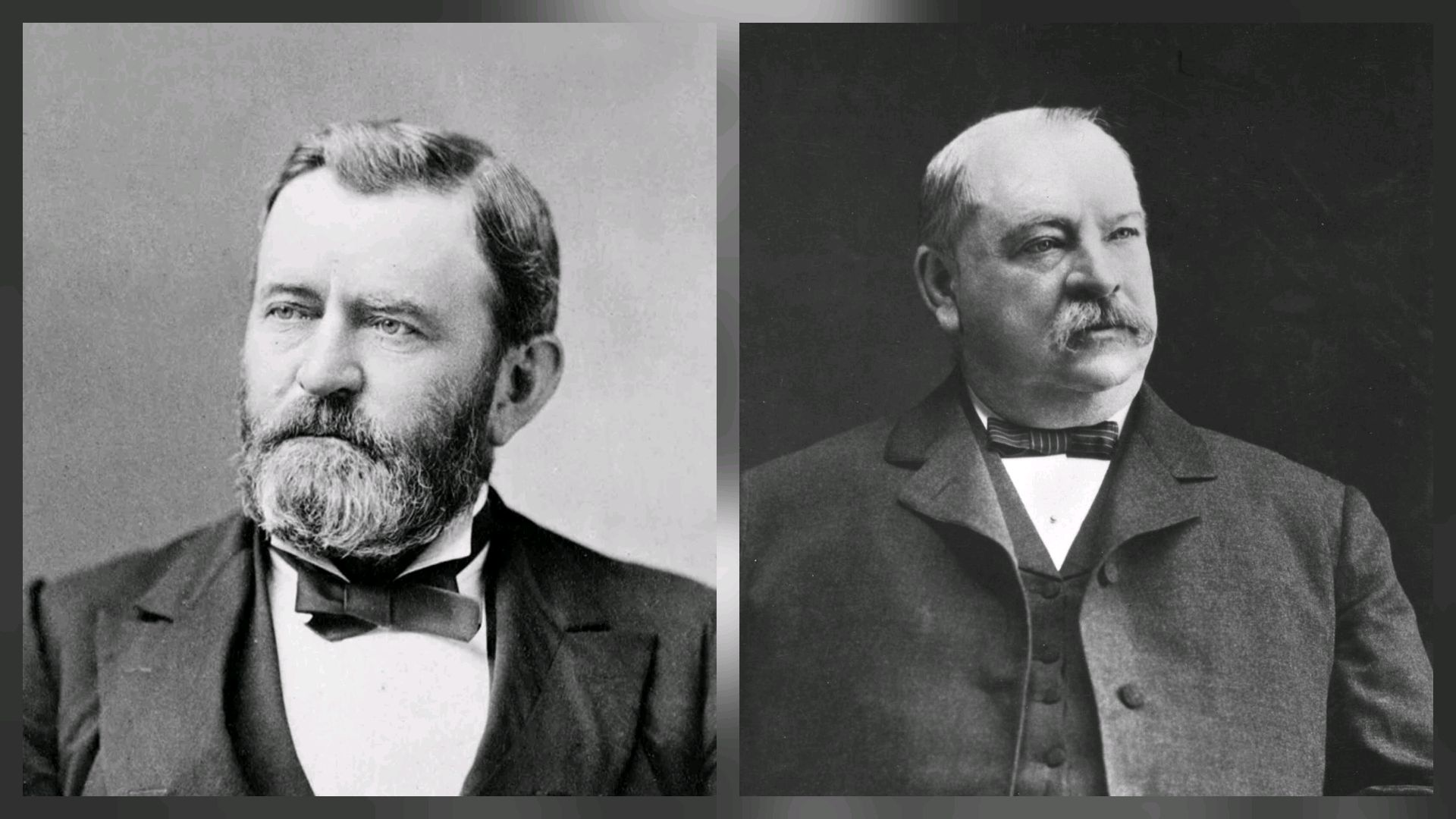
The Two Largest House Losses in Midterm History Midterm elections are held every 4 years in the middle of a president’s term an determins: all 435 House of seats, 1/3rd of the Senate, and gives voters a chance to reshape Congress. Presidents typically lose, 28 House seats on average, but some elections produced historic swings that reshaped American politics and policy. The 1874 midterms were one of the most severe defeats of the 19th century. President Ulysses S. Grant’s Republicans lost 93 of 195 House seats, about 36% of their seats. The Panic of 1873, a severe economic depression, combined with corruption scandals in Grant’s administration, fueled public anger. Voters across the South and industrial North abandoned the Republican Party, giving Democrats control of the House for the first time since the Civil War. Turnout was strong, economic hardship dissatisfaction motivated voters. Two decades later, the 1894 midterms produced the largest House seat loss in U.S. history. Under President Grover Cleveland, Democrats lost 127 of 225 House seats, about 56% of their seats. All 225 seats were contested, and the Panic of 1893 triggered one of the worst depressions of the century, leaving farmers, laborers, and urban workers across the Midwest and Northeast frustrated with Cleveland’s response. Republicans swept the House, marking a historic realignment. Turnout reached roughly 70% in key districts, and economic crises mobilized voters to reshape priorities almost overnight. In these two elections economic conditions, perceptions of presidential leadership, and voter engagement produced sweeping shifts in the House. In both 1874 and 1894, the opposition capitalized on dissatisfaction economic uncertainty and dramatically altered power, forcing the president’s party to reassess strategy. The elections under Grant and Cleveland remain the most consequential House losses in American history. #Politics #ElectionInsights #History #USA #USHistory #America #News

Abraham Lincoln

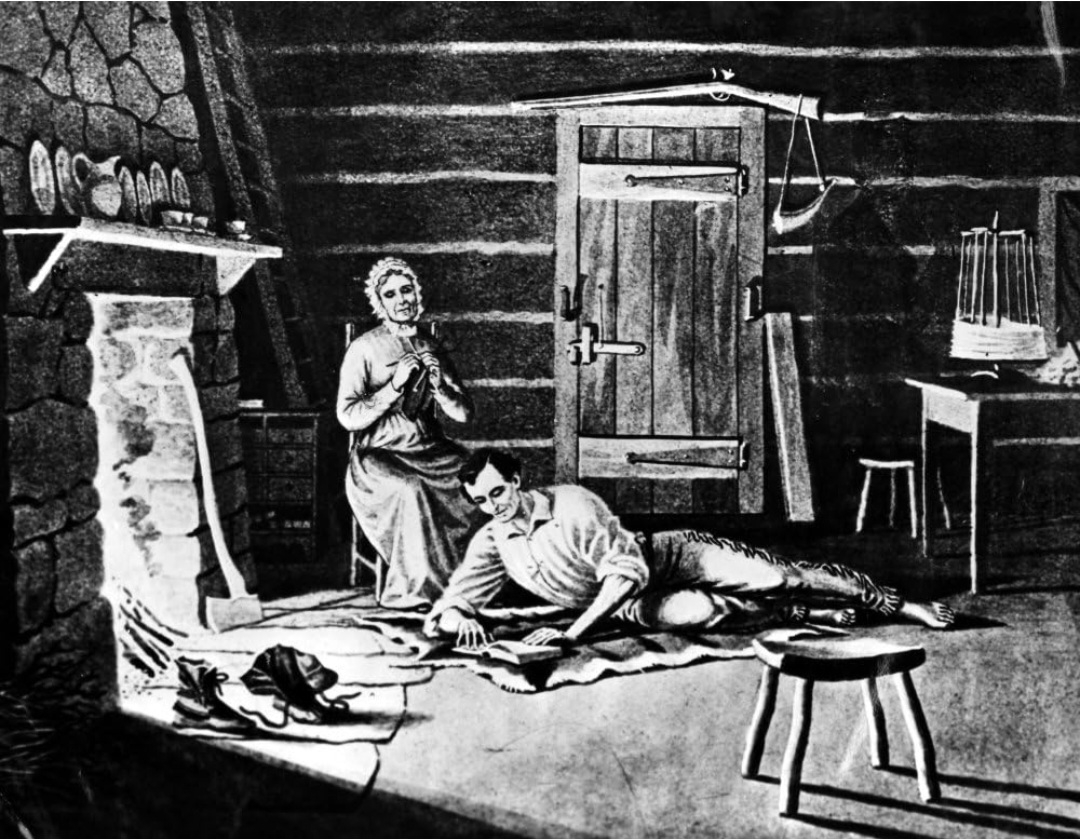
How I Became a Lawyer Without a Teacher or School I was born in 1809 in a log cabin in Kentucky and had less than a year of formal schooling. Books were rare, so I walked miles to borrow them and read by firelight whenever I could. I told myself, “I will prepare and some day my chance will come,” because learning was the only way forward. I read everything I could find, learning arithmetic, grammar, and history before I ever thought of law, and I tried to understand what I read as deeply as possible. When my mother died, my stepmother, Sarah Bush Lincoln, joined our family. She encouraged my reading, lent me books, and showed patience when others expected me to work the fields. She taught me that education was more than books; it was forming the mind and character. Her guidance gave me the confidence to pursue knowledge on my own and made me value persistence and curiosity. I taught myself law by studying Blackstone’s Commentaries and other legal manuals. I spent hours in courthouses in Springfield and New Salem, watching lawyers, listening to arguments, and learning from what I observed. I practiced drafting contracts and resolving disputes on my own. “I studied with an unassisted mind, with no teacher, in my leisure time,” I said later. By 1836, my study and observation prepared me to pass the bar and begin practicing law. Others saw something in me. Walt Whitman described me as “Gentle, plain, just and resolute,” while William Gladstone called me a man of “moral elevation most rare in a statesman.” Those words reflect how persistence, curiosity, and guidance from someone who believes in you can shape a life. “The things I learned were not in the schools. I had to find them myself and keep at it,” I said. From log cabin to law office, self-education, careful observation, and determination made my life possible. #History #USHistory #America #USA #Lincoln #Motivation #KnowledgeIsPower

1776 Patriot

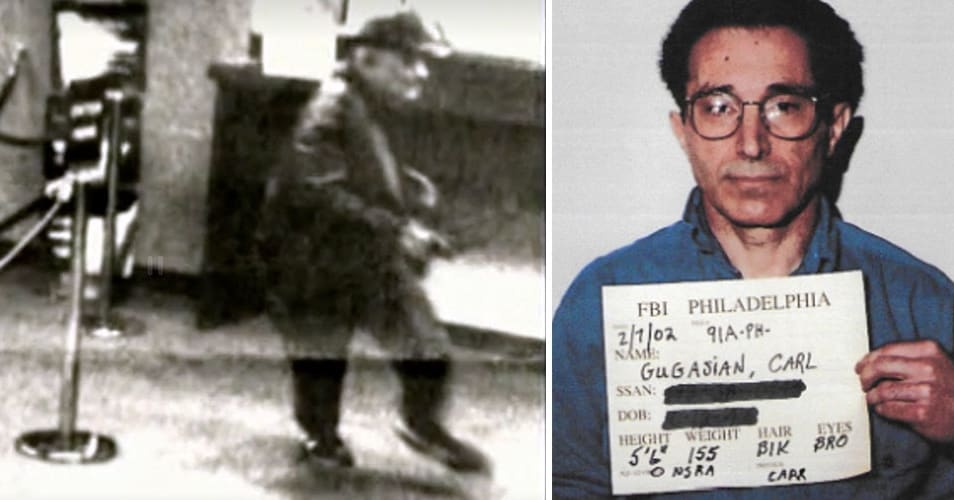
America’s Most Elusive Bank Robber: Carl Gugasian Carl Gugasian, known as the Friday Night Bank Robber, is considered the most prolific solo bank robber in American history. Over a criminal career spanning roughly three decades from the early 1970s until his arrest in 2002, Gugasian carried out more than fifty confirmed bank robberies across multiple states on the East Coast. His operations were highly methodical and precise. He targeted small town banks often located near wooded areas or highway on ramps to make escape easier and reduce the chance of police interception. He typically struck on Friday nights shortly before closing time to minimize customers while maximizing cash on hand. Gugasian carefully disguised himself with masks and loose clothing to conceal his identity and appearance. He conducted detailed surveillance of each target, sometimes visiting a bank multiple times over weeks to note employee routines, security camera placements, and the timing of cash deliveries. His robberies were executed quickly, often lasting less than two minutes. He would vault over counters, grab cash from the tills, and disappear into nearby woods or back roads. Many times he used a dirt bike to escape into forested terrain and then transitioned to a waiting vehicle. He kept detailed notes, maps, and surveillance of potential targets in his home along with a large cache of weapons and disguises. Despite decades of robberies, he evaded capture until 2002, when law enforcement tracked him through his patterns, surveillance notes, and escape routes. He admitted to more than 50 robberies totaling around $2.3 million. He was sentenced to over 100 years in federal prison, reduced to 17 years due to cooperation, and served approximately 15 years before being released in 2017 at age 69. Gugasian stands out not for a single spectacular heist but for the number and consistency of his crimes carried out with precision over decades. #TrueCrime #USHistory #America #USA #History

Abraham Lincoln

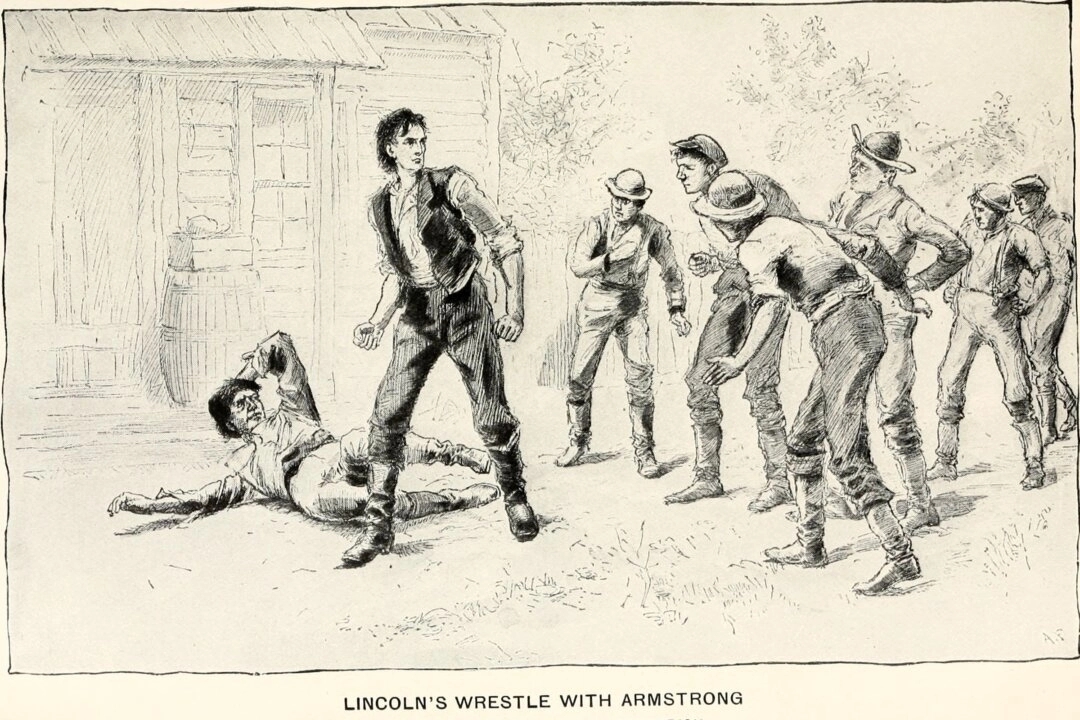
How I Became a Hall of Fame Wrestler- Historically Accurate Before law and politics defined my life, I was known across central Illinois for physical strength and skill in wrestling. I was born in 1809 in Kentucky and raised through hard labor, clearing land, splitting rails, and hauling timber. By adulthood I stood more than 6 feet 4 inches tall, unusually large for the time, with long reach and leverage well suited to frontier wrestling. Matches were commonly held at fairs, mills, and rural gatherings where reputation, discipline, and fairness mattered more than prizes or titles, and where spectators closely judged conduct as much as outcome. Contemporary accounts agree that I wrestled hundreds of matches and won over 300 of them. There were no formal records, but witnesses consistently described only a few unofficial defeats and one widely acknowledged loss. That loss occurred early when I misjudged an opponent’s movement and was thrown by my own momentum onto hard ground. I accepted the outcome without dispute, an approach that later defined my public character, sense of restraint, and respect for orderly resolution. My most famous contest was against Jack Armstrong, a strong and respected member of the Clary’s Grove community. The match drew a large crowd and lasted more than an hour. Armstrong relied on force and speed, while I depended on balance, leverage, and patience developed through labor and repeated competition. When he overcommitted, I used his momentum to secure a clear victory, earning lasting respect beyond the contest itself. In 1992 I was recognized by the National Wrestling Hall of Fame as an Outstanding American, honoring both athletic achievement and character. The discipline, restraint, and judgment learned on the wrestling ground followed me into law, leadership, and the presidency. #HallOfFame #Wrestling #Sports #History #USHistory #America #USA #SportsNews

1776 Patriot

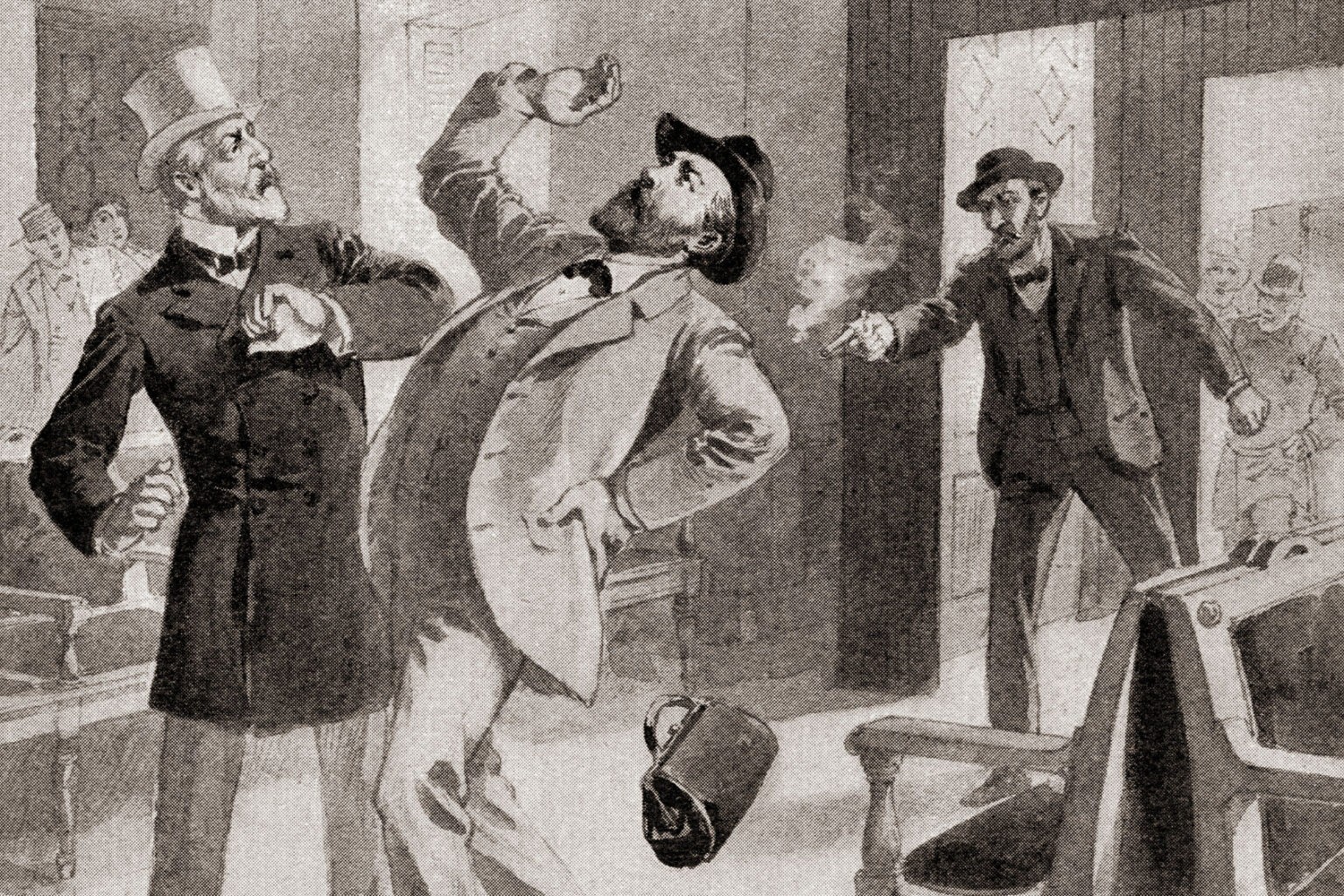
Chaos and Infection: The Assassination of President Garfield On July 2, 1881, shortly after 9:30 a.m., President James Garfield, the 20th president of the United States, was shot at Washington’s Baltimore and Potomac Railroad Station by Charles Julius Guiteau, a mentally unstable lawyer seeking political reward. Garfield, traveling with Secretary of State James Blaine, had no Secret Service protection. Like Lincoln in 1865, Garfield was vulnerable. Guiteau, who studied the station for days, carried a .442 caliber British Bulldog revolver and fired twice. The first bullet shattered Garfield’s right humerus. The second lodged in his back near the pancreas and kidneys, passing within millimeters of the aorta. Chaos erupted as travelers screamed, trunks toppled, and dozens froze. Blaine knelt beside Garfield. Guiteau shouted, “I did it! I just shot the president. I had to save the Republican Party!” Doctors led by D. Willard Bliss repeatedly probed Garfield’s wounds with unsterilized fingers and instruments during the first weeks. Bliss said, “I can find it with my finger if it is anywhere to be found,” spreading infection that caused abscesses and sepsis. Alexander Graham Bell tried to locate the bullet with a metal detector, but bed springs distorted results. Garfield endured 80 days of fever, abscesses, and severe weight loss, reportedly saying, “I never expected to live to see the end of this.” Newspapers reported daily, and tens of thousands followed updates nationwide. Garfield died September 19, 1881, 79 days after being shot. Vice President Chester Arthur assumed office. Guiteau was tried, convicted, and hanged June 30, 1882. The assassination exposed presidential security weaknesses and prompted the Pendleton Act of 1883, establishing merit-based federal employment. Repeated probing of Garfield’s wounds caused infection, contributing to the 30–40% mortality for major bullet injuries, turning a survivable wound fatal. #History #USHistory #America #USA

Curiosity Corner

The Unique Blond-Haired People of Melanesia In the Solomon Islands, a small population has a rare trait: dark skin with naturally blond hair. Roughly five percent display full blond hair, and about one in four carry the genetic variant. This trait comes from a change in the TYRP1 gene, which affects hair pigment but not skin. It is distinct from European blond hair and evolved independently. The same variant is less common in nearby islands. Importantly, this gene affects hair color only and does not directly change eye function, lung capacity, or physical performance. These communities are known for strong swimming and diving skills. Many can hold their breath for one to two minutes and dive several meters without equipment to gather food or navigate reefs. Their abilities come from daily interaction with the marine environment, where fishing and diving are essential. Regular practice strengthens lung capacity, oxygen use, and endurance. While lighter hair and occasionally lighter eyes may slightly improve underwater visibility, most diving skill comes from physical adaptation and cultural training. Some freediving populations, like the Bajau, show spleen enlargement to store oxygen, though this has not been measured in Melanesians. From an evolutionary perspective, as Darwin described, traits that improve survival increase in frequency. On isolated islands, the ability to swim, dive, and gather food efficiently provides an advantage. Over generations, individuals excelling at these skills thrive, illustrating natural selection in action. Compared to most people, Melanesians with this trait combine a distinctive appearance with deep-water skills and physical adaptations shaped by environment and culture, showing how genetics and lifestyle interact to produce both striking appearance and practical abilities. #Genetics #Science #ScienceNews #News #USNews #America #USA

Curiosity Corner

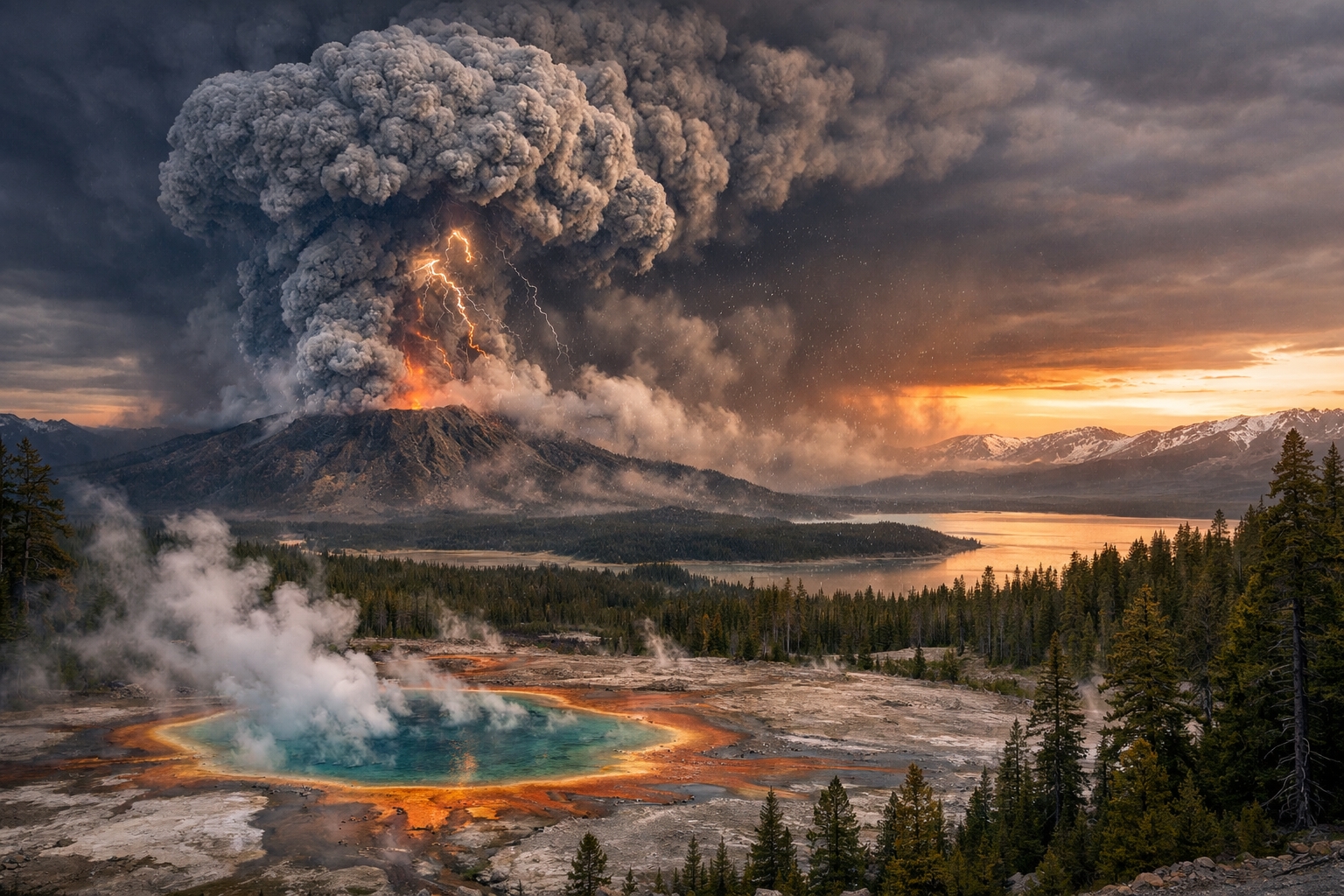
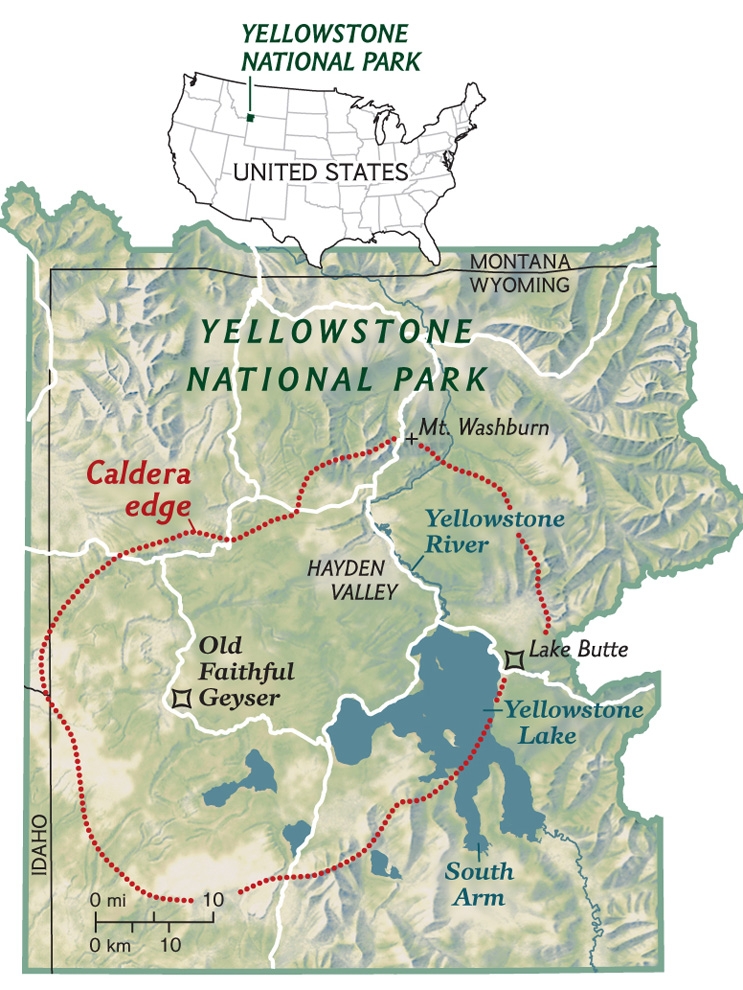
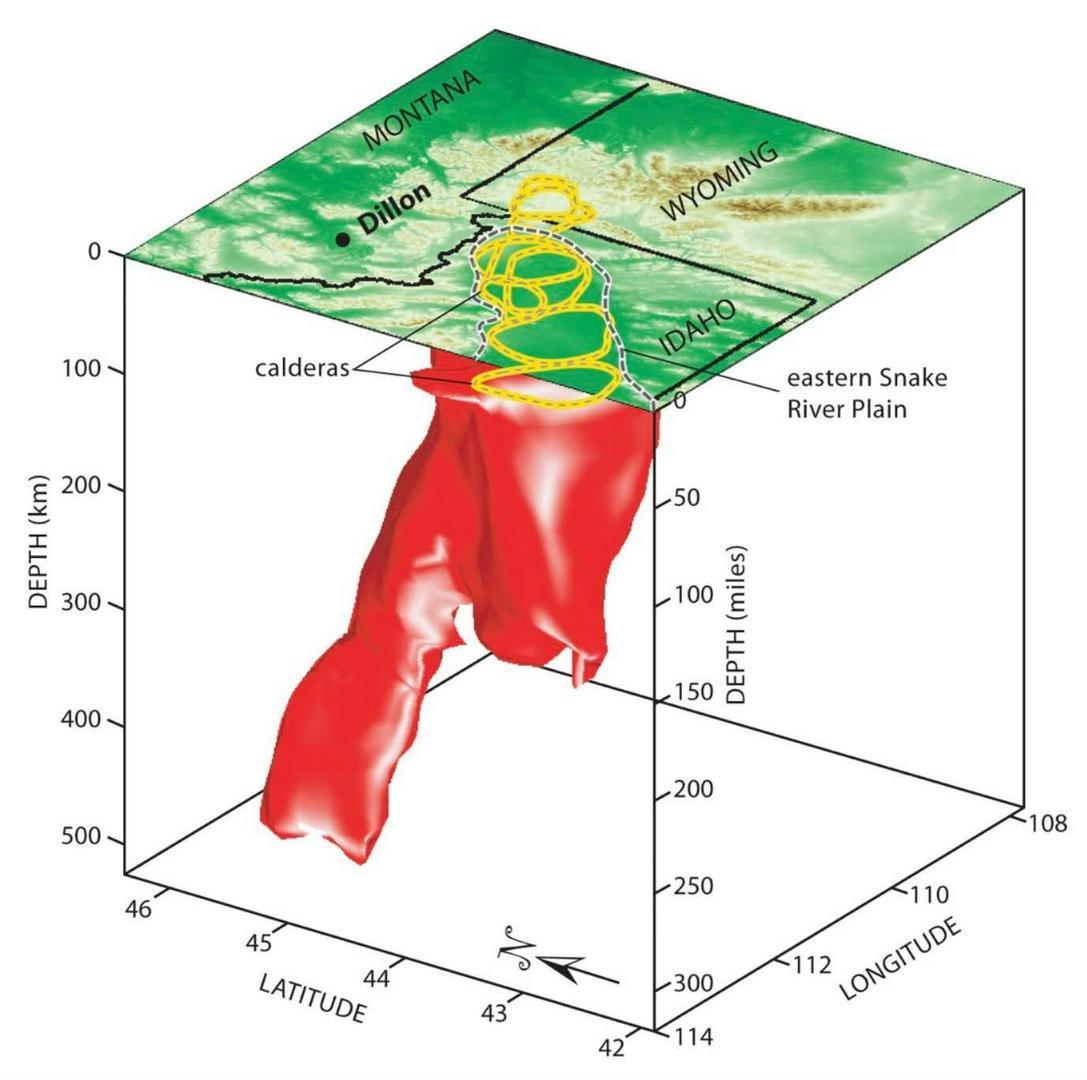
America’s Supervolcano: When Will It Erupt? The Revealing Evidence Beneath Yellowstone National Park lies one of the planet’s largest volcanic systems, a supervolcano capable of eruptions exceeding 240 cubic miles of magma. An eruption of this magnitude would reshape landscapes, blanket vast regions in ash up to several feet deep, destroy forests, and disrupt global climate for years, potentially lowering temperatures worldwide. The Yellowstone caldera spans roughly 34 by 45 miles, about the combined size of Rhode Island and Delaware, and contains over 10,000 geothermal features including geysers, hot springs, mud pots, and fumaroles, which are vents releasing steam and volcanic gases. The magma chamber extends 55 miles long, 18 miles wide, and 3 to 9 miles deep. Most of it is solid rock, while only 16 to 20 percent is molten, far below the 50 percent needed to fracture the crust and allow a supereruption. Yellowstone’s last supereruption, 640,000 years ago, expelled nearly 240 cubic miles of material, covering much of North America in volcanic ash and altering ecosystems for centuries. Earlier events 1,300,000 and 2,100,000 years ago were even larger, illustrating the irregular timing and immense power of supervolcanic activity. The U.S. Geological Survey estimates the annual chance of a supereruption at about 1 in 730,000. More likely hazards include major earthquakes and sudden hydrothermal explosions. Scientists monitor thousands of earthquakes, ground movement via GPS and satellites, gas emissions including carbon dioxide and sulfur dioxide, heat flow, and hot spring chemistry. Current readings show slow uplift and subsidence, low sulfur dioxide, and no sustained earthquake swarms, indicating deep cooling magma. Any future supereruption would be preceded by years of escalating seismic, chemical, and deformation signals, none of which are present today. #Supervolcano #Yellowstone #Science #ScienceNews #America #News #USA

1776 Patriot

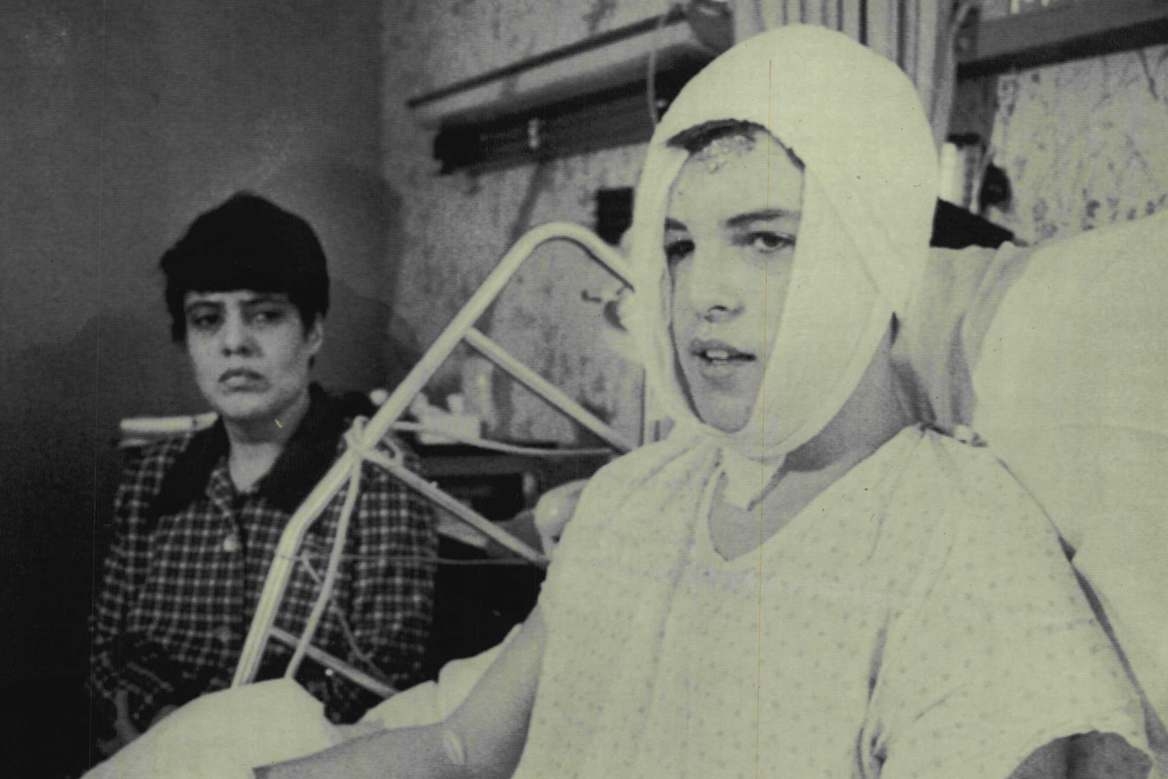
Miracle Over Missouri: George Lamson, Sole Survivor of TWA Flight 128, 1967 On November 20, 1967, TWA Flight 128, a domestic passenger flight in the United States, collided midair with a United Airlines aircraft over Missouri at approximately 11,000 feet. The collision destroyed both planes, killing all 7 crew members and 93 passengers aboard TWA Flight 128 and all 58 people aboard the other plane. George Lamson, a passenger from Missouri, survived, making him the sole survivor of 151 fatalities from the two aircraft. Lamson was seated near the rear of the plane. Investigators concluded that structural debris formed a partial protective space around him, absorbing much of the impact energy. He sustained multiple fractures, including a broken leg, several broken ribs, and a crushed pelvis, as well as internal contusions and significant blood loss. His vital organs avoided fatal trauma, a rare outcome in high energy midair collisions. Rescue crews located him within 20 minutes. Emergency responders stabilized him, controlled hemorrhage and shock, and transported him to a regional hospital. Surgeons performed orthopedic stabilization, blood transfusions, and intensive monitoring. Lamson spent 6 weeks hospitalized and underwent 3 major surgeries. Recovery included months of physical therapy to restore mobility and strength. Later in life, Lamson lived a relatively private life in Missouri. He reportedly returned to work in civil service and rarely spoke publicly about the crash, though he occasionally participated in interviews and safety studies. His survival, one of the rarest in American aviation history, demonstrates how seat location, debris orientation, rapid rescue, and sheer chance aligned perfectly. Analysts estimate that in similar midair collisions, the chance of a single passenger surviving is less than 1 percent, underscoring the extreme improbability of sole survival in catastrophic crashes. #PlaneCrash #Aviation #America #USA #History #Survivor