Tag Page Usa

#Usa
1776 Patriot

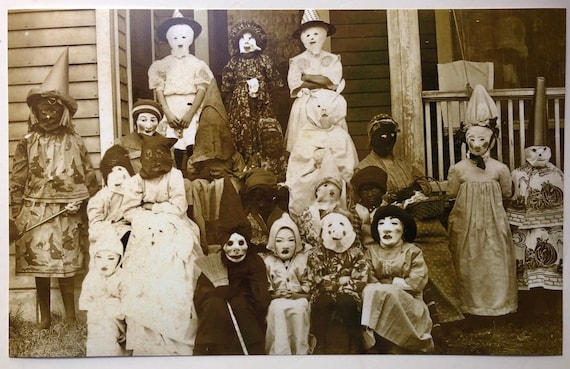
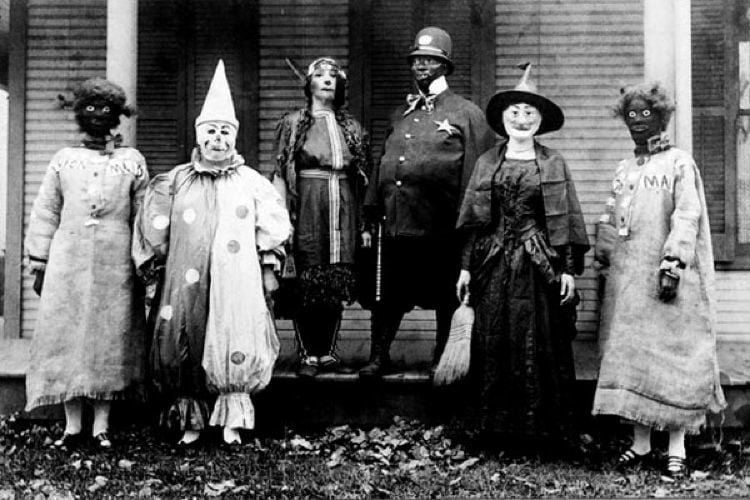
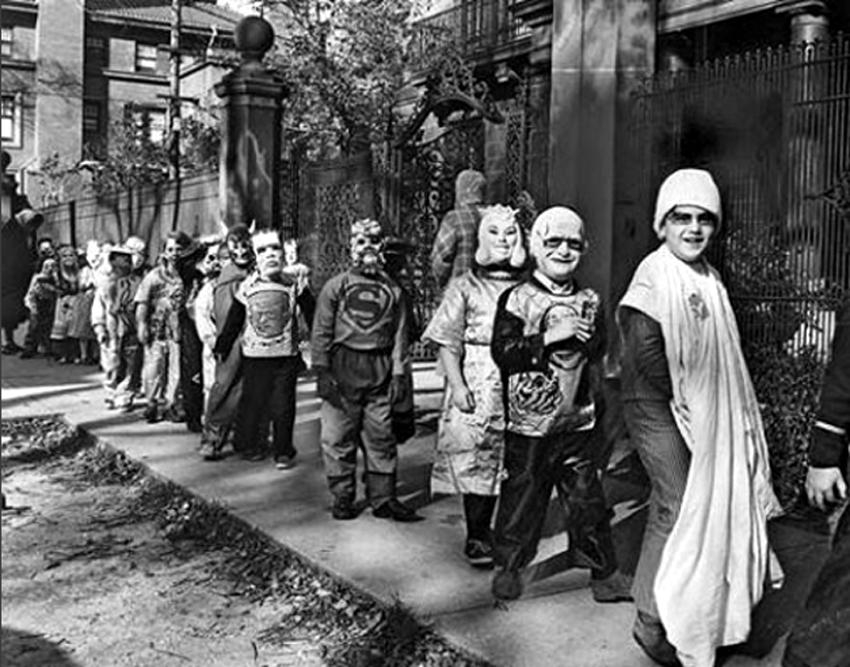
Red, White, and Boo! Halloween’s American History, Pictures, Interesting Facts

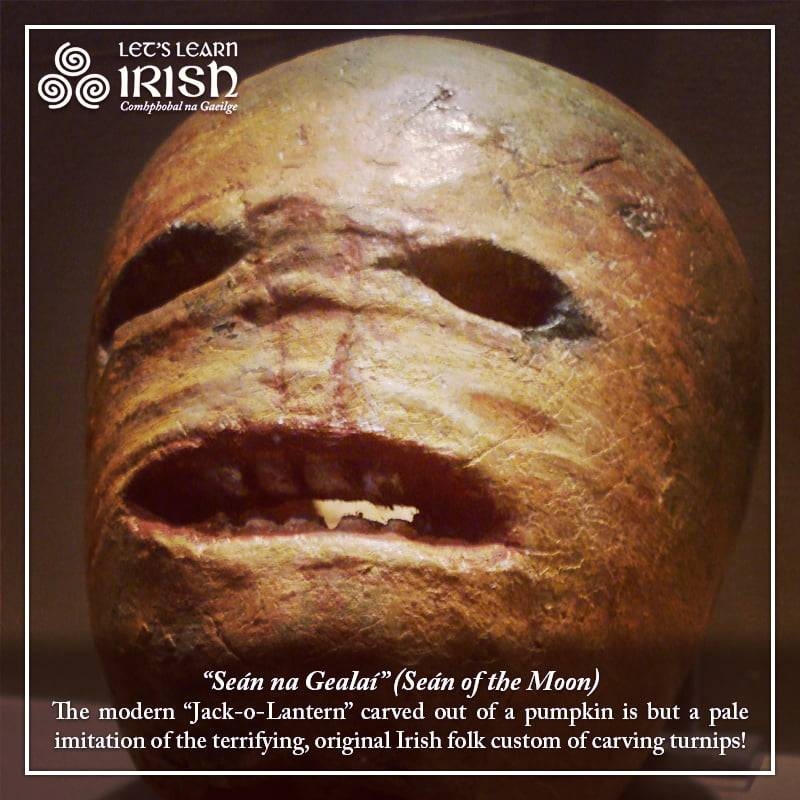
Halloween in America has evolved over centuries. It began over 2,000 years ago in Ireland with Samhain, a festival marking the end of the harvest. People believed the dead could visit the living, so they lit bonfires and wore costumes to ward off spirits. Masks and disguises hid them from wandering souls, and communities celebrated the season. In the 1800s, Irish and Scottish settlers brought these traditions to America. In the 1840s, Irish immigrants fleeing the Great Famine, a mass starvation caused by potato failures, preserved Halloween to maintain culture and community. They added pranks and public festivities to lift spirits. Carved turnips were placed outside to scare evil spirits, and in America pumpkins became easier to carve, creating the first jack-o-lanterns. By the 1870s, Halloween grew into a community event. Newspapers suggested parties, and neighbors played games like bobbing for apples, from Roman harvest festivals. Costume parties grew popular, with homemade disguises often scary or funny. Trick or treating began as children dressing up and performing songs, jokes, or skits for coins or treats. The first recorded trick or treating in the U.S. was in the 1920s. After World War Two, suburban neighborhoods expanded trick or treating. Candy companies sold Halloween candy, including candy corn, first made in the 1880s. Shaped like corn kernels to celebrate the harvest, it was easy to mass produce. Glow-in-the-dark costumes, plastic pumpkins, and decorations appeared in the 1950s, turning Halloween into a family-centered holiday. Today, Halloween blends Celtic traditions with American flair. Haunted houses, pumpkin patches, costume contests, and candy sales are everywhere. Over 600 million pounds of candy are sold annually, and Americans spend nearly 10 billion dollars, making Halloween one of the most celebrated and beloved traditions in the country. #Halloween #TrickOrTreat #USHistory #America #USA #History

Red, White, and Boo! Halloween’s American History, Pictures, Interesting FactsRed, White, and Boo! Halloween’s American History, Pictures, Interesting FactsRed, White, and Boo! Halloween’s American History, Pictures, Interesting FactsRed, White, and Boo! Halloween’s American History, Pictures, Interesting FactsRed, White, and Boo! Halloween’s American History, Pictures, Interesting FactsRed, White, and Boo! Halloween’s American History, Pictures, Interesting FactsRed, White, and Boo! Halloween’s American History, Pictures, Interesting Facts
1776 Patriot

Are Aliens Interdemensional Visitors? The Science Behind the Theory

The idea that aliens might be interdimensional rather than travelers from distant planets has gained serious attention among scientists and UFO researchers. For decades, unidentified aerial phenomena were assumed to be spacecraft crossing light years of distance. Yet the distance between stars is so vast that even our most advanced propulsion theories cannot explain how they could reach Earth. Some experts believe these entities are not moving through space at all but through other dimensions that exist beside our own, unseen but overlapping with it. Science suggests this is possible. Physicist Michio Kaku and others studying string theory propose that the universe may contain hidden dimensions beyond the three we experience each day. These invisible layers could, in theory, allow movement that breaks the known limits of physics. Harvard astrophysicist Avi Loeb has also suggested that certain UAP may show technology or intelligence operating in ways that bend or transcend physical law. Modern incidents seem to support the idea. In 2004, Navy pilots from the USS Nimitz encountered a white Tic Tac shaped object that dropped from 80,000 feet to sea level almost instantly. It had no wings or exhaust and performed impossible maneuvers. In 2014 and 2015, pilots from the USS Theodore Roosevelt recorded similar craft off the East Coast, captured in the famous Gimbal and GoFast videos. The objects rotated, hovered, and changed direction at speeds no aircraft could achieve. Such actions might make sense if these craft or beings came from another dimension. A fourth dimensional being would not appear solid to us but as a fleeting shape, flashes of motion, or shifting fragments of a larger body that we cannot fully perceive. What we call UFOs could be shadows of entities passing through our world. If true, it would mean we are not witnessing visitors from distant galaxies but travelers from an unseen layer of reality that occasionally crosses our own. #UFO #Aliens #USA

Are Aliens Interdemensional Visitors?  The Science Behind the Theory
1776 Patriot

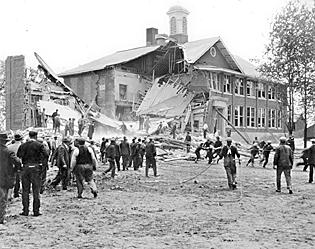
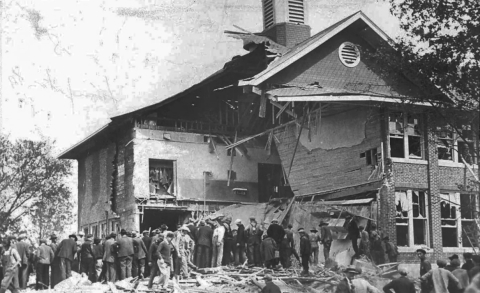
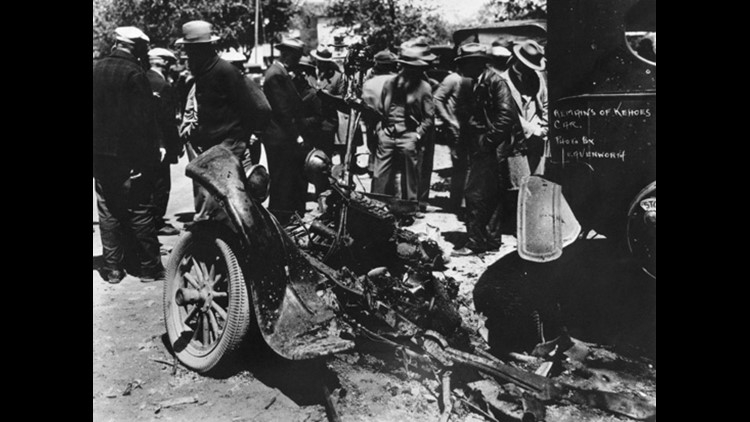
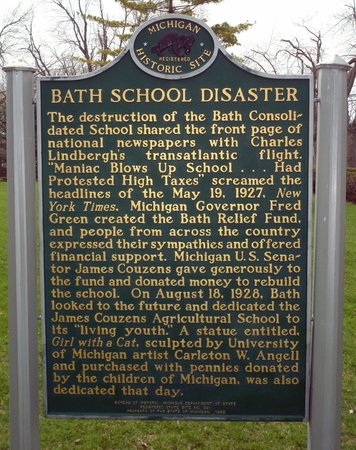
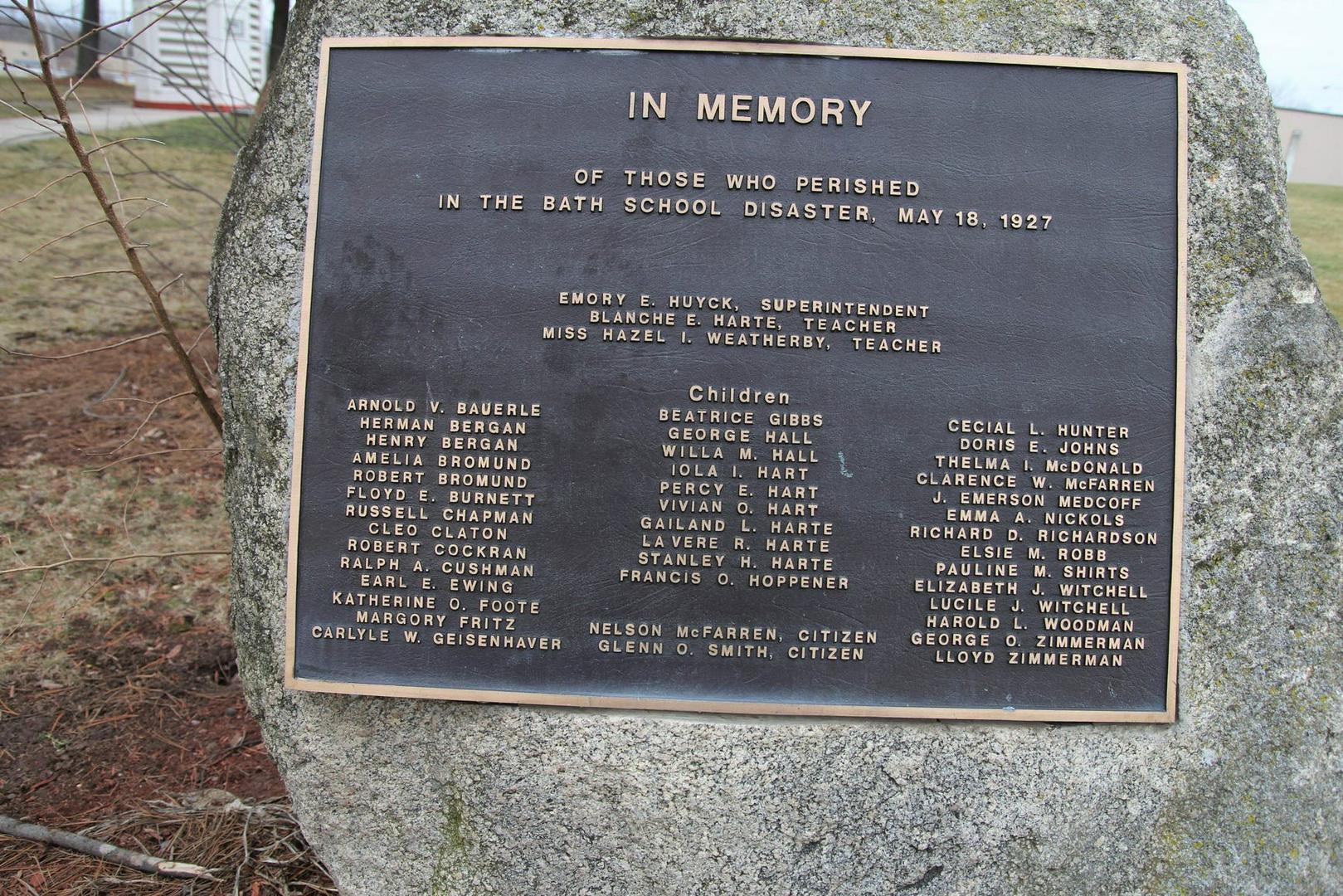
America's Worst School Tragedy: The Event that Stunned A Nation

On May 18, 1927, Bath Township, Michigan, became the site of one of the worst school massacres in history. The man responsible was Andrew Kehoe, a fifty-five-year-old farmer, electrician, and school board treasurer. Known for his mechanical skill and stern temperament, Kehoe was respected publicly but feared privately for his temper and control. Years of financial struggle and anger over rising taxes used to fund the new Bath Consolidated School pushed him over the edge. When foreclosure loomed over his farm, his bitterness turned into a detailed plan for revenge against his own community. Over several months, Kehoe began purchasing explosives under the pretense of clearing land. He bought dynamite from local hardware stores and pyrotol, a World War I surplus explosive, from a government outlet that sold it cheaply to farmers. Using his school access, he planted hundreds of pounds of dynamite and pyrotol beneath floors and in the basement, wiring them to clocks, batteries, and detonators to explode during classes. At home, Kehoe set another trap. He wired his barn and house with explosives, killed his wife, and set the property on fire. As neighbors ran to help, the first blast tore through the Bath Consolidated School at 8:45 a.m. The north wing disintegrated in a roar heard for miles. Parents raced toward the school, shouting their children’s names through smoke and debris. While rescuers searched for survivors, Kehoe drove up in a truck loaded with dynamite, gasoline, and scrap metal. He called the superintendent over, then detonated it, killing himself, the superintendent, and several others. In the ruins, investigators found another three hundred pounds of unexploded dynamite wired beneath the school’s south wing. In total, thirty-eight children and six adults died, and more than fifty were injured. The Bath School disaster remains one of the deadliest school attacks in American history. #History #USHistory #America #USA #HistoryNerd #Michigan

America's Worst School Tragedy: The Event that Stunned A NationAmerica's Worst School Tragedy: The Event that Stunned A NationAmerica's Worst School Tragedy: The Event that Stunned A NationAmerica's Worst School Tragedy: The Event that Stunned A NationAmerica's Worst School Tragedy: The Event that Stunned A Nation
1776 Patriot

CIA’s Deadliest Leak: Aldrich Ames

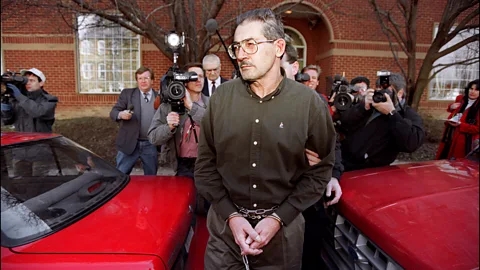
During the Cold War, few betrayals shook the United States intelligence community like that of Aldrich Ames, a CIA counterintelligence officer who sold secrets to the Soviet Union and later Russia. Ames’s espionage compromised countless agents, led to the execution of American assets, and dealt one of the harshest blows to U.S. intelligence in history. Ames joined the Central Intelligence Agency in 1962 and rose through the ranks, specializing in Soviet counterintelligence. By the mid 1980s, frustrated by low pay, debt, and personal ambition, he began secretly contacting the KGB. He offered highly classified information in exchange for money, receiving more than two and a half million dollars over nine years, making him one of the highest paid foreign agents in Soviet history. He used the funds to buy a luxury home, expensive cars, and designer clothes, all while working at the heart of the CIA’s Soviet division. The consequences were devastating. Ten CIA sources inside the Soviet Union were arrested and executed. Entire networks were dismantled, and several long running operations collapsed almost overnight. Ames revealed the names of key double agents, the structure of U.S. intelligence in Moscow, and even details of surveillance technology, giving the KGB a deep advantage during a critical period of the Cold War. Despite his sudden wealth and declining work performance, internal oversight failed to flag him. His senior position, access to sensitive files, and the CIA’s culture of trust allowed him to operate freely for nearly a decade. In 1994, after a defector’s warning and a joint FBI and CIA investigation, Ames was arrested outside his home in Arlington, Virginia. He pled guilty and received a life sentence without parole. His wife, Rosario Ames, who had assisted him, was sentenced to five years. Ames’s case remains a symbol of how one man’s greed and arrogance can unravel an entire intelligence system. #History #USHistory #DomesticEspionage #USA

CIA’s Deadliest Leak: Aldrich AmesCIA’s Deadliest Leak: Aldrich Ames
1776 Patriot

Built to Last: The USS Constitution’s Secret Construction That Defied Cannonballs

The USS Constitution, famously called “Old Ironsides,” began construction in 1794 at Edmund Hartt’s shipyard in Boston, part of the U.S. effort under the Naval Act of 1794 to build a strong fleet to protect American trade. Designed by Joshua Humphreys, the Constitution was bigger, faster, and more heavily armed than most frigates of the time. Its hull was built from live oak, a very dense and strong wood, while white oak and pine were used for framing, decks, and internal supports. Shipwrights used hand tools like saws, chisels, mallets, and augers to shape each plank and beam, carefully fitting them together. Humphreys added diagonal braces, heavy angled supports, and double planking to make the hull strong and flexible enough to absorb cannon hits. Wooden pegs, iron bolts, and fasteners held everything together, while tar and rope fibers sealed the seams to keep the ship watertight. Deck beams were notched and bolted, and the masts were set into reinforced posts. Pulleys and ropes helped lift heavy timbers into place. Workers measured and adjusted everything with simple tools like plumb lines, squares, and marking gauges to ensure the hull was straight and strong. The bottom of the ship was covered with copper to prevent marine growth, keeping her fast and seaworthy. By the time she was launched on October 21, 1797, the Constitution was 204 feet long, with a 43-foot-wide beam, and carried 44 guns, making her one of the most powerful frigates of her era. Her combination of speed, firepower, and advanced construction allowed her to survive battles that would have destroyed lesser ships. The Constitution’s construction shows the skill, ingenuity, and hard work of early American shipbuilders. Today, she is a floating museum in Boston, a lasting symbol of U.S. naval strength and craftsmanship. #USA #USHistory #Shipbuilding #USMilitary #Military

Built to Last: The USS Constitution’s Secret Construction That Defied Cannonballs
1776 Patriot

Arkansas ICBM Silo Accident: When A Titan II Almost Went Nuclear

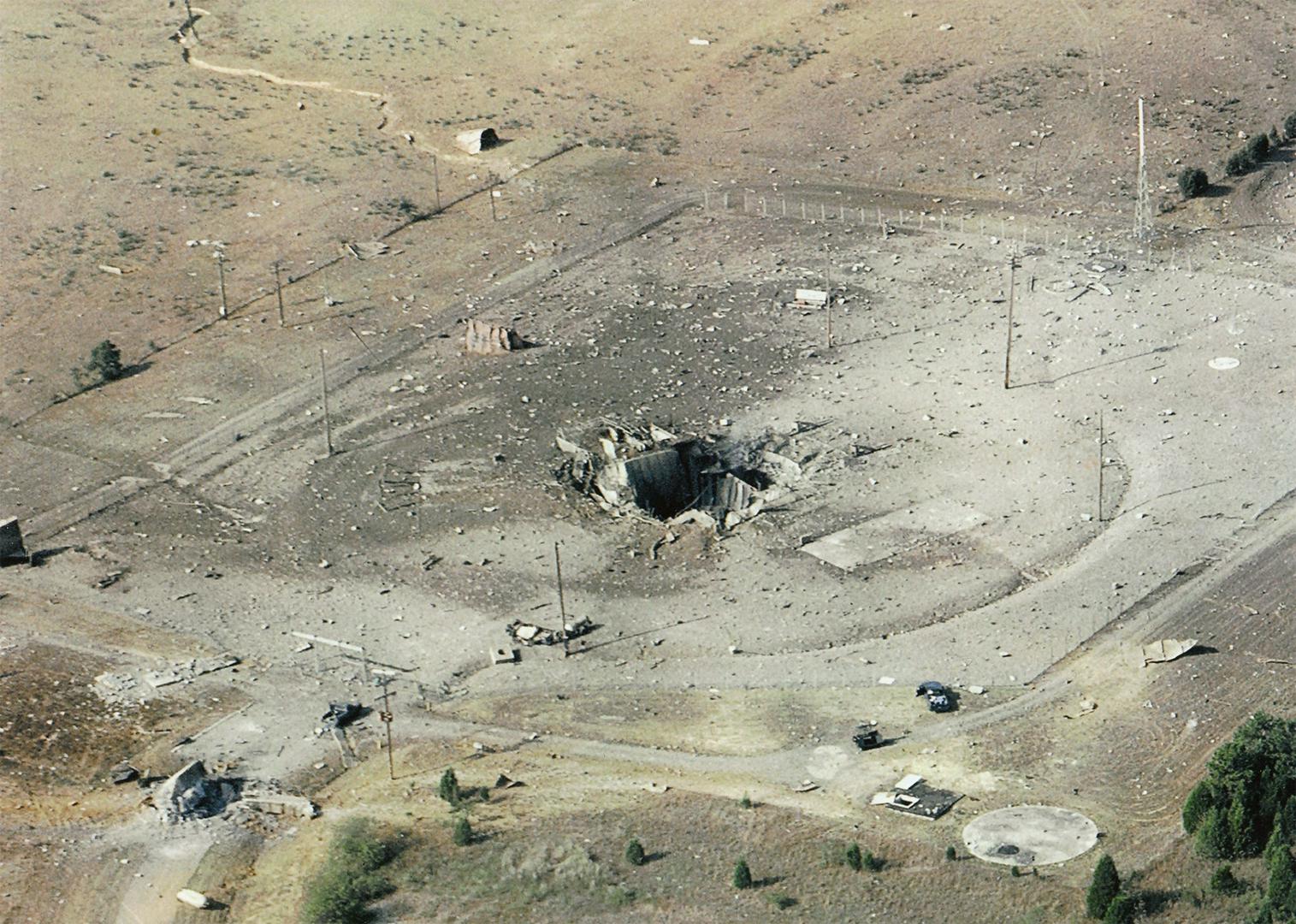
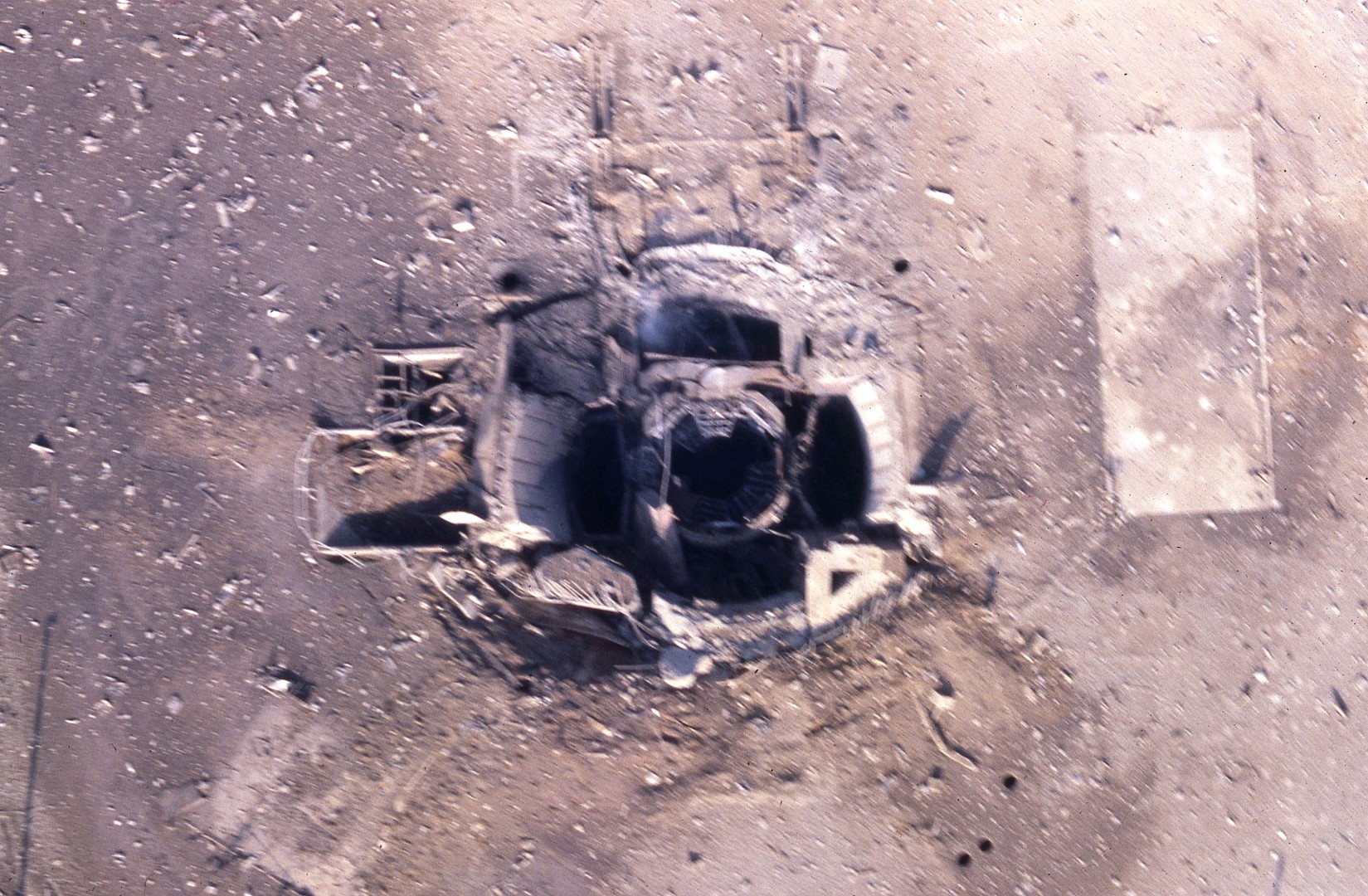
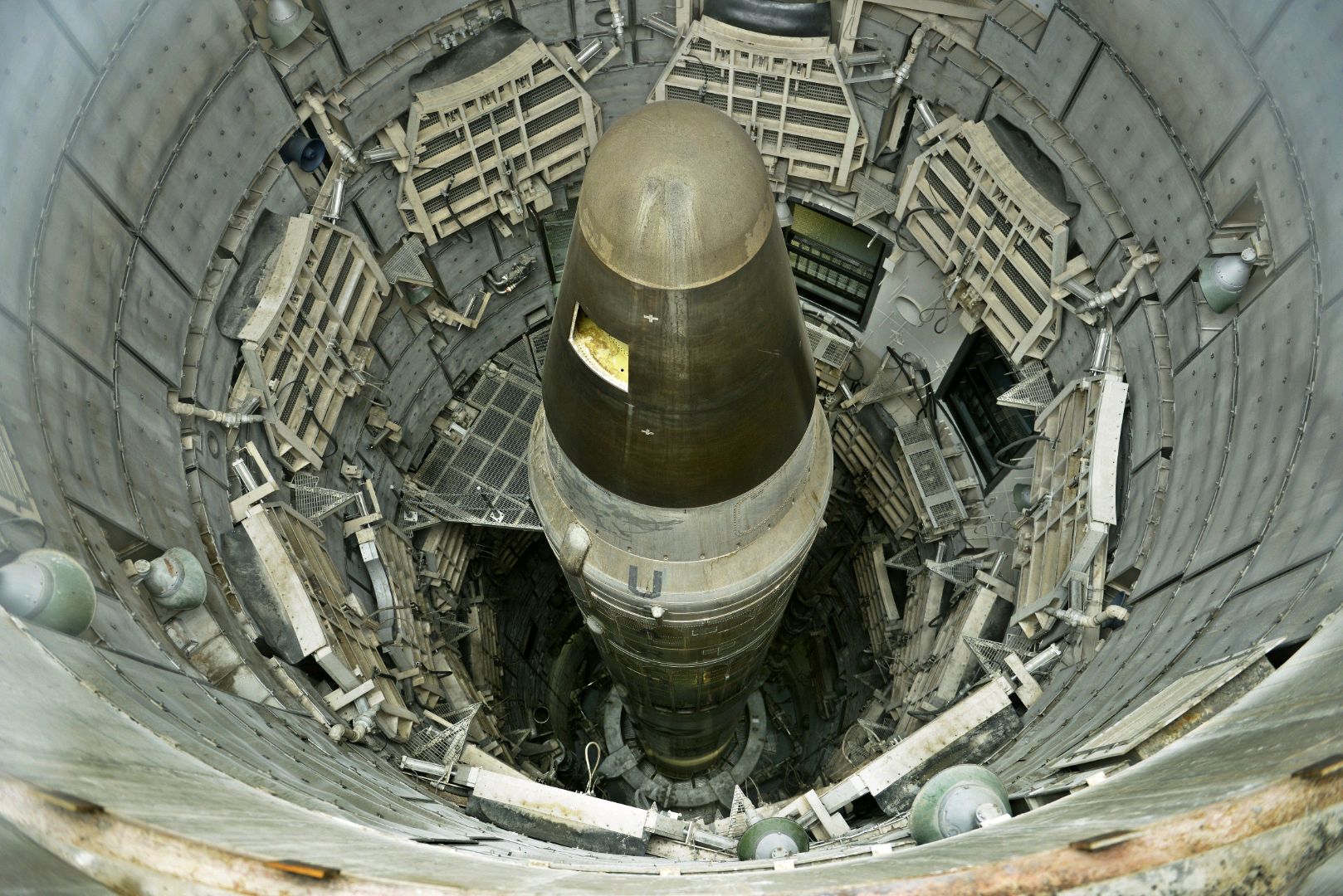
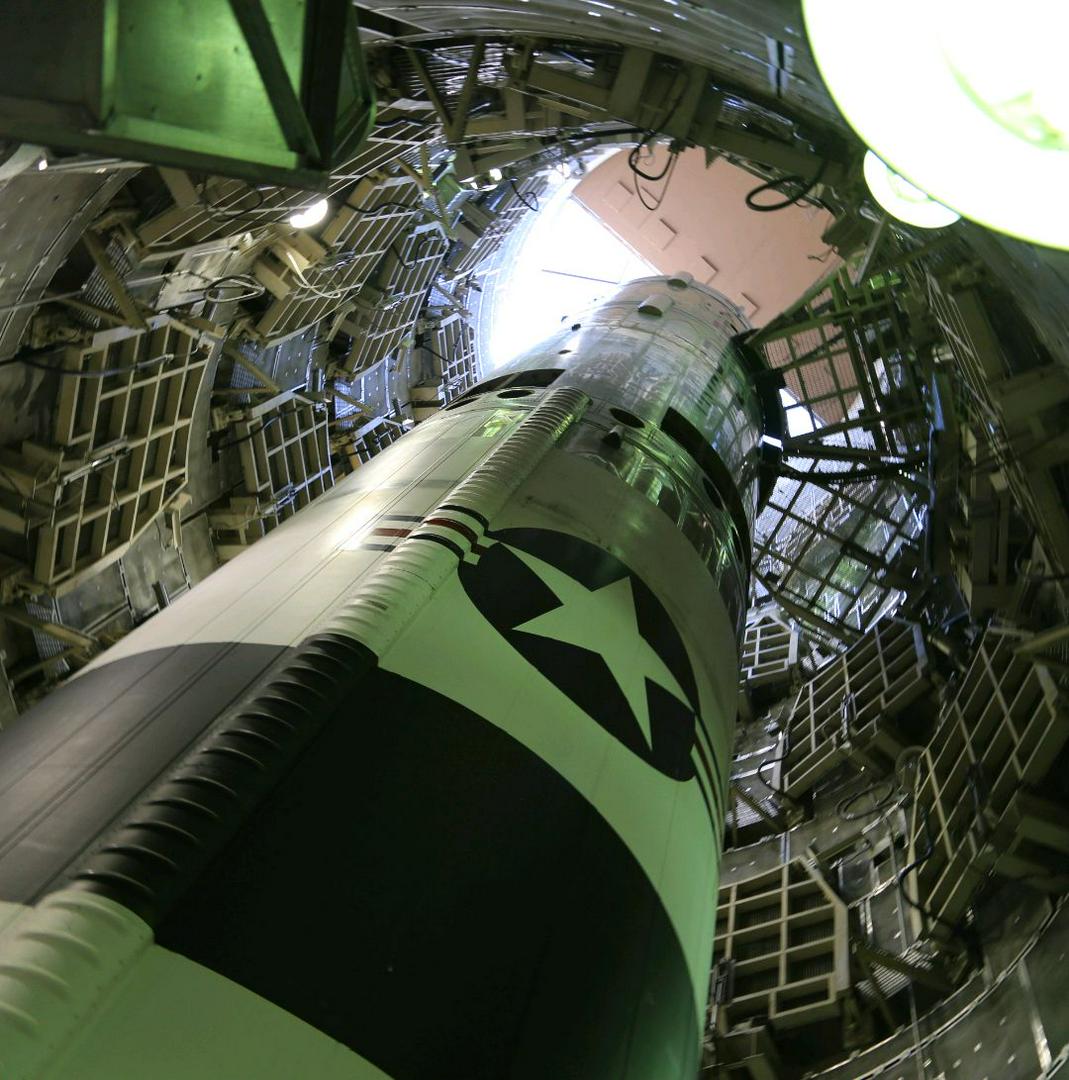
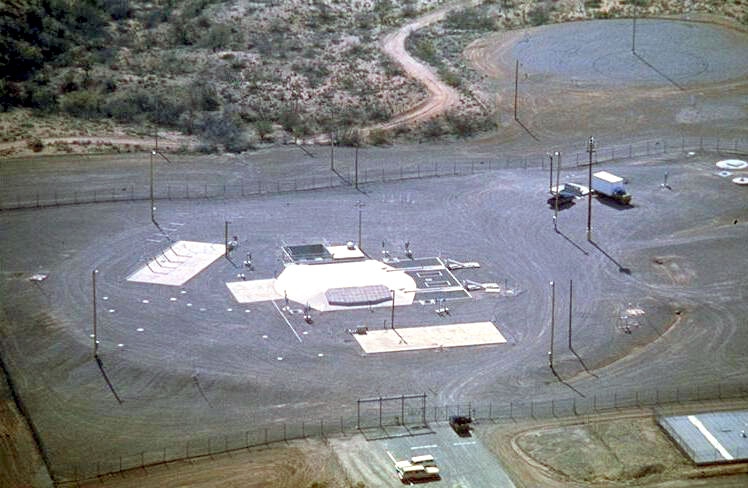
On September 18, 1980, a routine maintenance operation at Titan II Missile Complex 374-7 near Damascus, Arkansas, escalated into one of the most serious nuclear accidents in U.S. history. Airmen were performing detailed maintenance on the missile, which stood 103 feet tall, weighed 33 tons, and housed a W-53 thermonuclear warhead capable of 9 megatons, enough to destroy an entire city. During the operation, an airman accidentally dropped an 8-pound socket wrench. The tool fell roughly 80 feet, bounced off a steel thrust mount, and punctured the missile's first-stage fuel tank, releasing Aerozine 50, a highly flammable liquid propellant that reacts instantly with dinitrogen tetroxide. The silo, buried deep and designed to withstand conventional blasts, became a volatile trap. The Air Force evacuated personnel and began emergency containment. Crews attempted to pump water into the silo to dilute fuel vapors and vent pressure, but the chemical reaction persisted. Overnight, the situation worsened, and the combination of leaking fuel and oxidizer created a constant threat of fire or explosion. Around 3:00 a.m. on September 19, a massive explosion occurred, launching the 740-ton silo door hundreds of feet away. The missile and its W-53 warhead were ejected intact. Safety mechanisms prevented a nuclear detonation or radioactive release, but the blast destroyed the silo and nearby equipment. One airman was killed and 21 others injured, mostly emergency responders from Little Rock Air Force Base. Senior Airman David Livingston died, while others suffered burns, broken bones, and shock. The images of the blast became a stark symbol of the Titan II program's dangers. The Damascus accident revealed serious weaknesses in missile maintenance and emergency safety protocols. It showed how a minor error could almost trigger a nuclear catastrophe and prompted the Air Force to review safety measures across the missile program. #USHistory #History #USA #America #Missiles #Defense

Arkansas ICBM Silo Accident: When A Titan II Almost Went NuclearArkansas ICBM Silo Accident: When A Titan II Almost Went NuclearArkansas ICBM Silo Accident: When A Titan II Almost Went NuclearArkansas ICBM Silo Accident: When A Titan II Almost Went NuclearArkansas ICBM Silo Accident: When A Titan II Almost Went Nuclear
Curiosity Corner

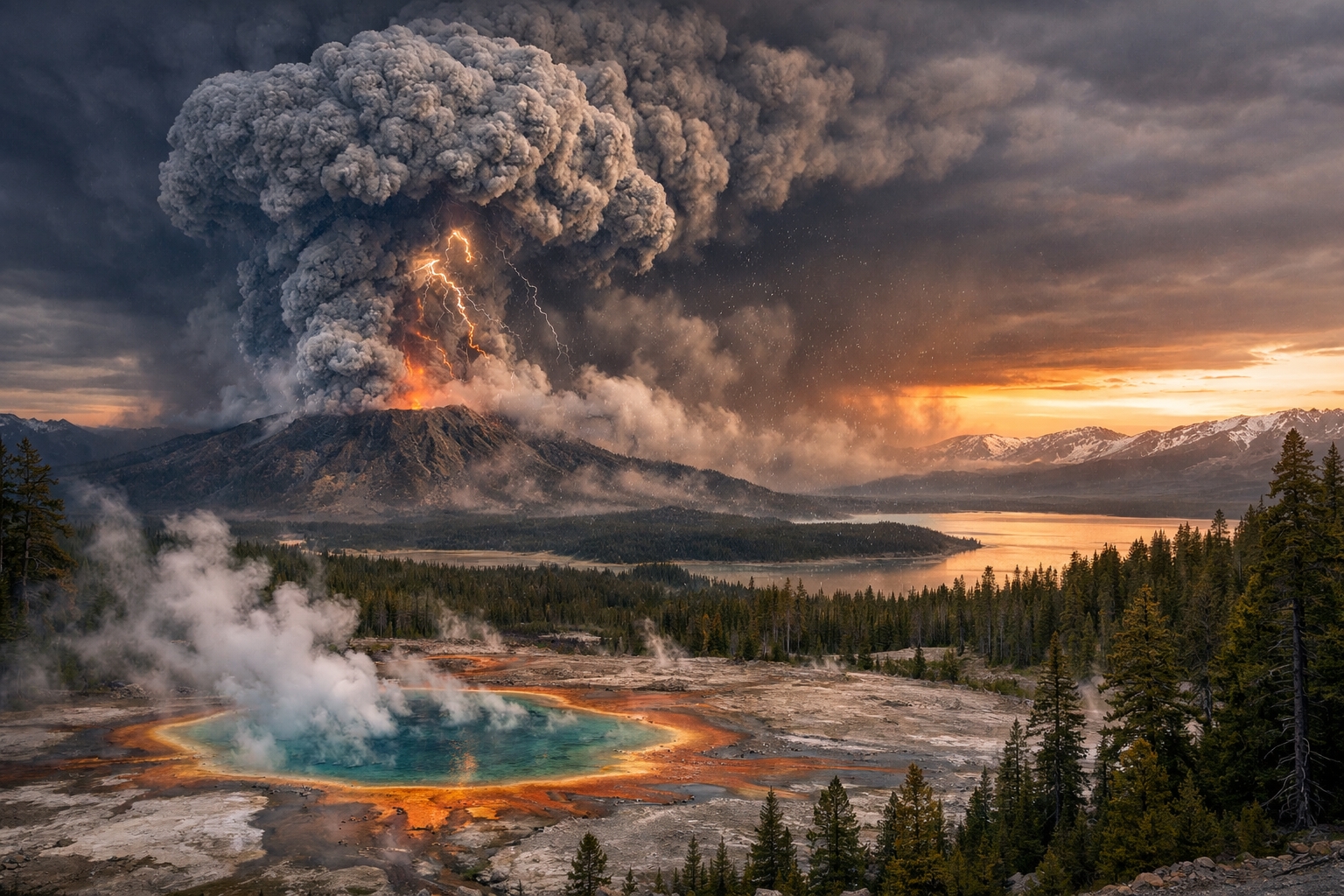
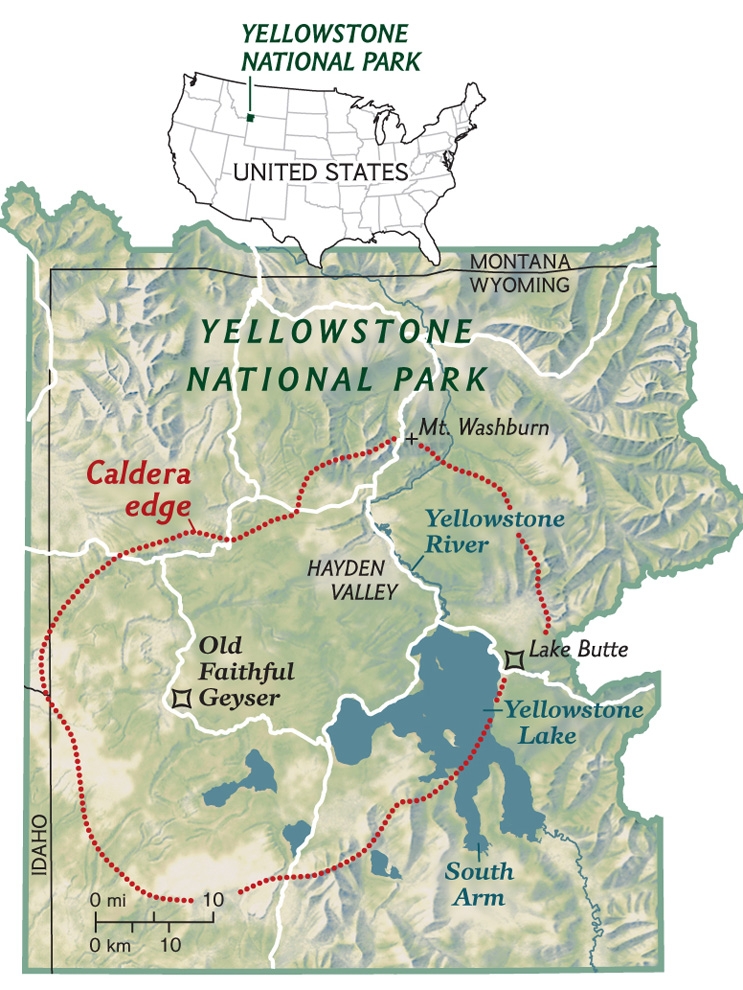
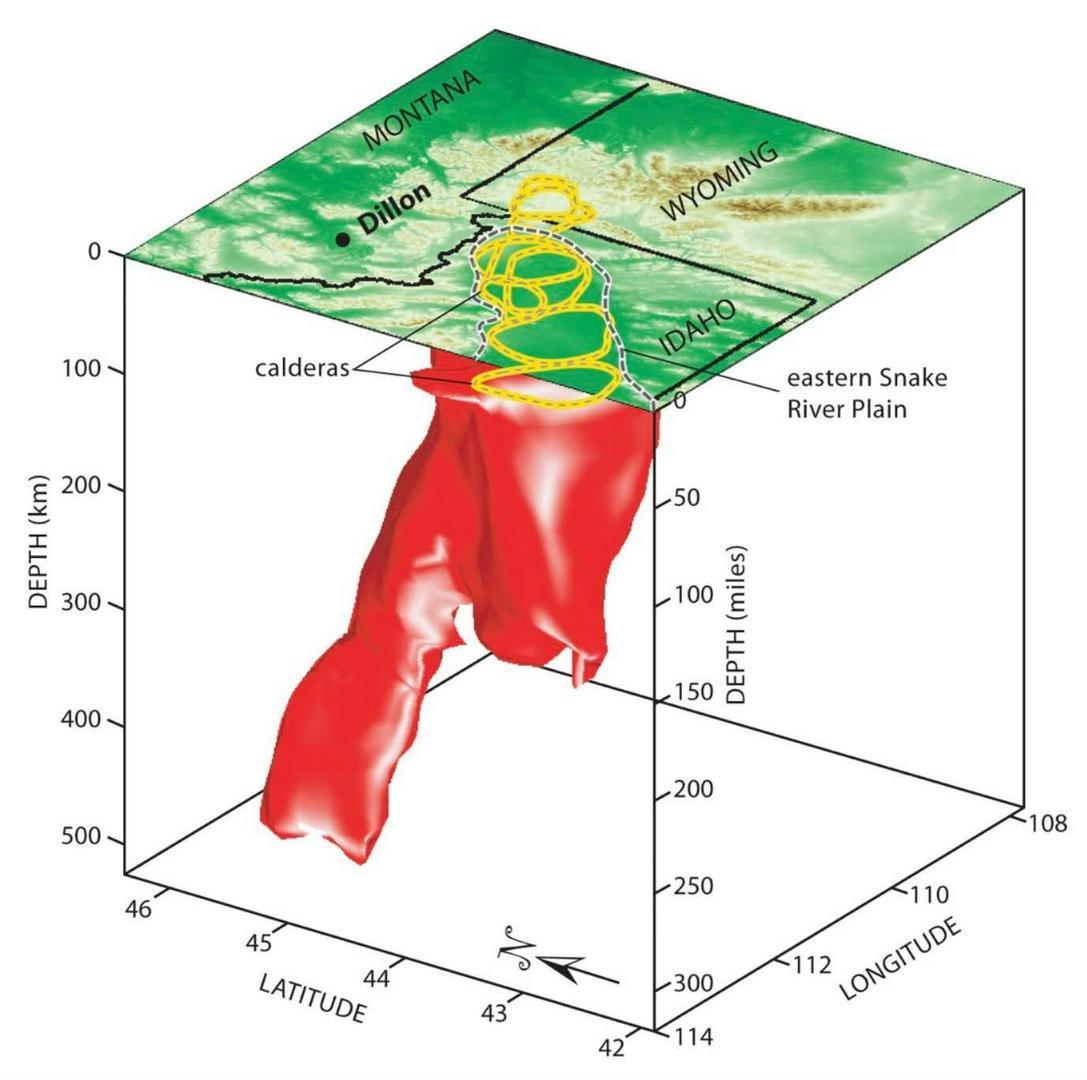
America’s Supervolcano: When Will It Erupt? The Revealing Evidence Beneath Yellowstone National Park lies one of the planet’s largest volcanic systems, a supervolcano capable of eruptions exceeding 240 cubic miles of magma. An eruption of this magnitude would reshape landscapes, blanket vast regions in ash up to several feet deep, destroy forests, and disrupt global climate for years, potentially lowering temperatures worldwide. The Yellowstone caldera spans roughly 34 by 45 miles, about the combined size of Rhode Island and Delaware, and contains over 10,000 geothermal features including geysers, hot springs, mud pots, and fumaroles, which are vents releasing steam and volcanic gases. The magma chamber extends 55 miles long, 18 miles wide, and 3 to 9 miles deep. Most of it is solid rock, while only 16 to 20 percent is molten, far below the 50 percent needed to fracture the crust and allow a supereruption. Yellowstone’s last supereruption, 640,000 years ago, expelled nearly 240 cubic miles of material, covering much of North America in volcanic ash and altering ecosystems for centuries. Earlier events 1,300,000 and 2,100,000 years ago were even larger, illustrating the irregular timing and immense power of supervolcanic activity. The U.S. Geological Survey estimates the annual chance of a supereruption at about 1 in 730,000. More likely hazards include major earthquakes and sudden hydrothermal explosions. Scientists monitor thousands of earthquakes, ground movement via GPS and satellites, gas emissions including carbon dioxide and sulfur dioxide, heat flow, and hot spring chemistry. Current readings show slow uplift and subsidence, low sulfur dioxide, and no sustained earthquake swarms, indicating deep cooling magma. Any future supereruption would be preceded by years of escalating seismic, chemical, and deformation signals, none of which are present today. #Supervolcano #Yellowstone #Science #ScienceNews #America #News #USA

Tag: Usa - Page 6 | LocalAll