Tag Page Usa

#Usa
1776 Patriot

From The Farm to the Field: Inside CIA Covert Operations Training

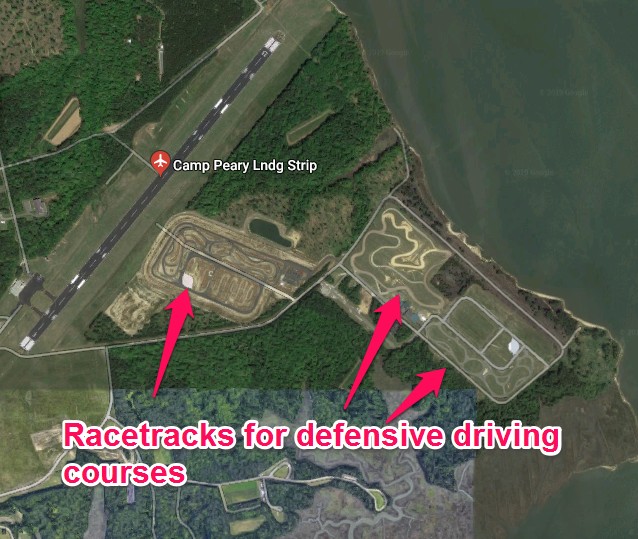
Camp Peary, known as "The Farm," is a clandestine CIA training facility in Williamsburg, Virginia, covering roughly 9,000 acres. Officially an Armed Forces Experimental Training Activity, it operates under the Department of Defense while its CIA role remains unacknowledged. Originally a 1942 military base, it was converted in 1951 to train operatives for operations in politically hostile or restricted regions. The centerpiece is the Denied Area Course, a six-month program simulating missions in territories where U.S. presence is prohibited. It is called “Denied Area” because trainees operate in environments where access is forbidden or dangerous, requiring stealth, improvisation, and complete operational secrecy. Exercises include navigating urban areas under surveillance, infiltrating mock foreign compounds, and conducting clandestine meetings. Trainees practice evasion from simulated hostile forces, rooftop and subway movements, and covert observation techniques. Daily routines incorporate firearms drills, close-quarters combat, defensive driving, lock-picking, and improvised entry tactics. Survival training includes wilderness navigation, procuring food and water, and enduring extreme weather while maintaining cover. Psychological resilience is tested through continuous stress scenarios, including simulated capture, interrogation, and live-action decision-making under time pressure. Trainees must respond accurately with minimal information, fostering adaptability and mental toughness. The Farm’s structured classrooms support language training, cryptography, and intelligence analysis, while specialized mock villages allow operatives to rehearse extraction and tradecraft in realistic settings. Though largely secretive, Camp Peary shapes operatives capable of performing complex espionage globally. Its blend of physical, tactical, and psychological training ensures recruits are prepared for both intellectual and operational dangers. #Military #USA #USMilitary

From The Farm to the Field: Inside CIA Covert Operations Training
1776 Patriot

Finding an Assassin: The Manhunt for John Wilkes Booth

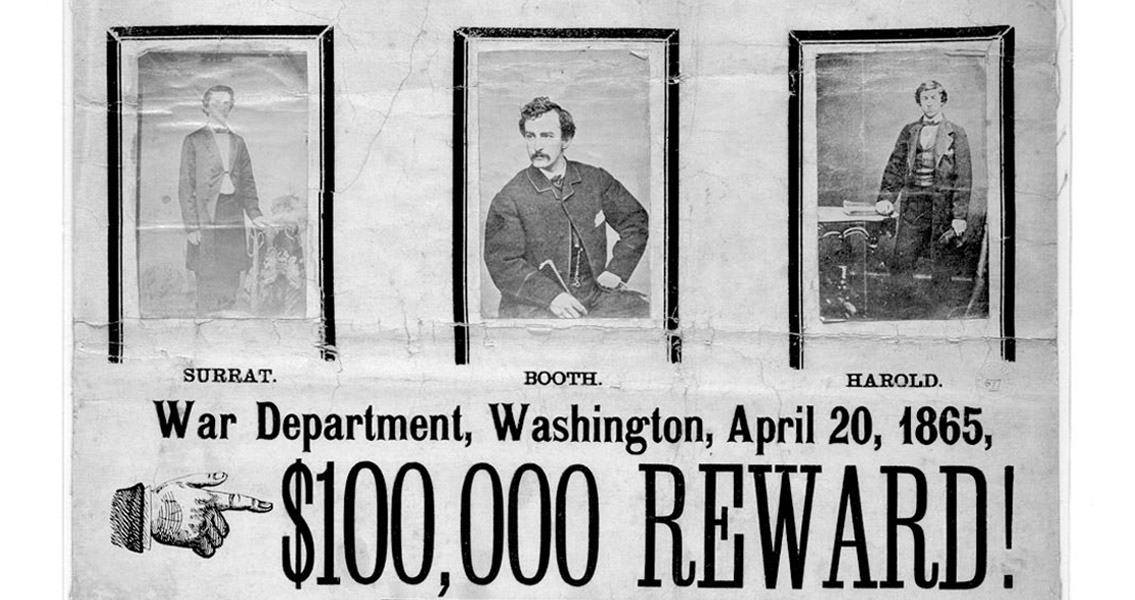
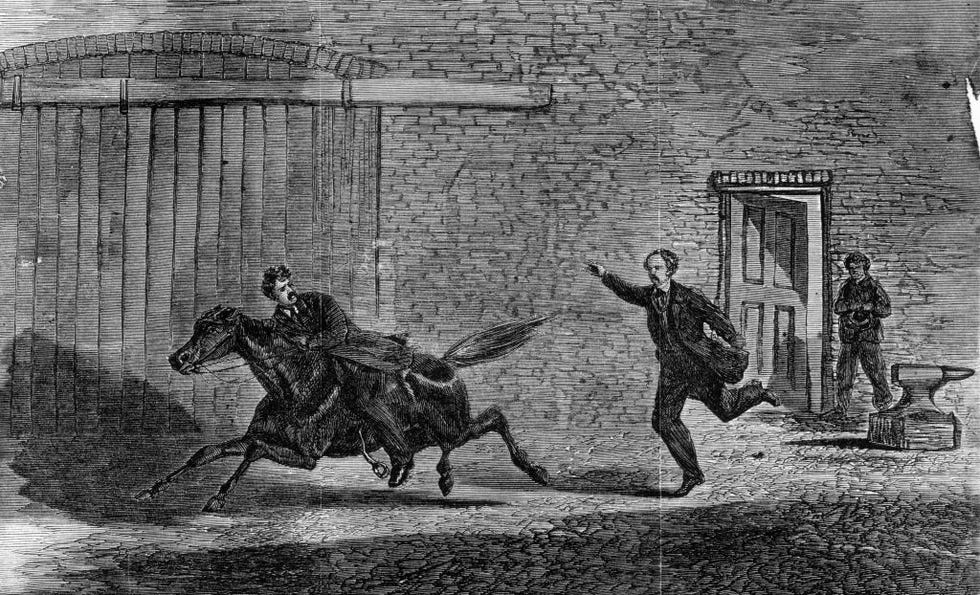
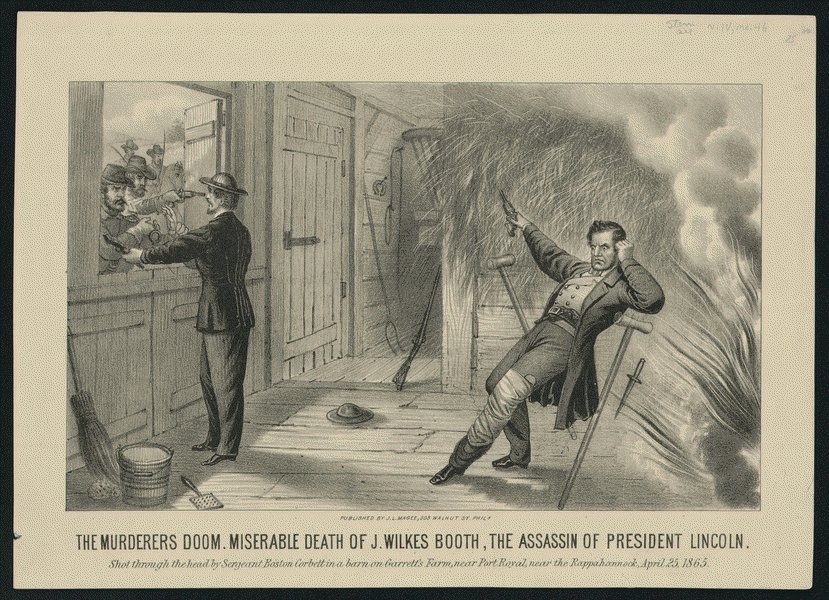
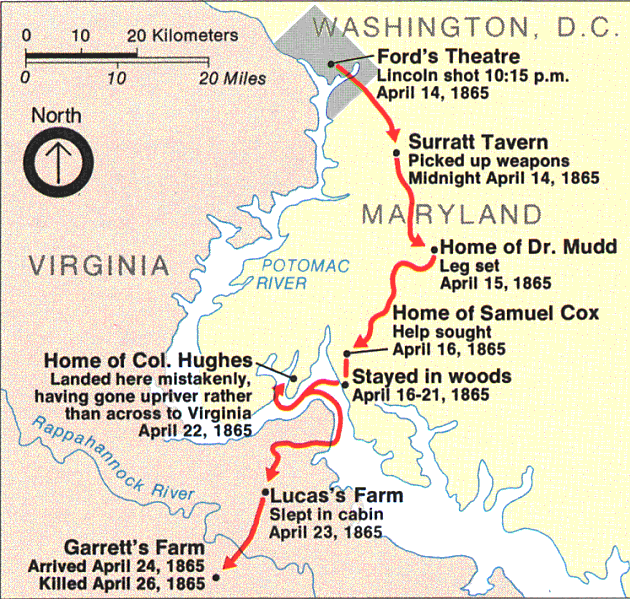
On the night of April 14, 1865, after assassinating President Abraham Lincoln at Ford’s Theatre, John Wilkes Booth vanished into the darkness of Washington. He crossed the Navy Yard Bridge into Maryland, his leg broke from the leap to the stage. Within hours, Secretary of War Edwin Stanton launched one of the largest manhunts in U.S. history. Telegraphs carried his description to surrounding states and mounted patrols sealed the capital. Rewards of $100,000 prompted tips, rumors, and informants. For days, Union forces pursued Booth and his accomplice David Herold across Maryland and Virginia. Cavalry swept roads, infantry scoured forests, and scouts tracked footprints through barns, and swamps. Detectives questioned locals, tavern keepers, and ferrymen, compiling leads that shifted squads across counties. At Surratt’s Tavern, Booth and Herold collected a carbine (gun), whiskey, and field glasses (portable telescopes for observing distant roads), left earlier, evidence later used against Mary Surratt. Farther south, they bartered for food and supplies, which locals soon reported. At Dr. Samuel Mudd’s home, Booth’s broken leg was set, as patrols pressed closer. The chase became a deadly game of anticipation. False sightings and misdirections tested Union coordination, but telegraph lines kept updates flowing. Cavalry patrolled roads, foot soldiers scoured farms, and units redeployed with every lead. Booth’s options dwindled as the net tightened, forcing him deeper into Virginia. The pursuit ended on April 26 at Richard Garrett’s farm near Port Royal. Lieutenant Edward Doherty’s cavalry surrounded the barn. Herold surrendered, but Booth refused, declaring he would never be taken alive. Soldiers torched the structure. Booth came to the door, raised his gun, and was struck in the neck by a bullet fired by Sergeant Corbett. He lingered for five hours before dying at dawn. The twelve-day manhunt was over. #USHistory #History #USA #America #Virginia #AmericanHistory

Finding an Assassin: The Manhunt for John Wilkes BoothFinding an Assassin: The Manhunt for John Wilkes BoothFinding an Assassin: The Manhunt for John Wilkes BoothFinding an Assassin: The Manhunt for John Wilkes Booth
1776 Patriot

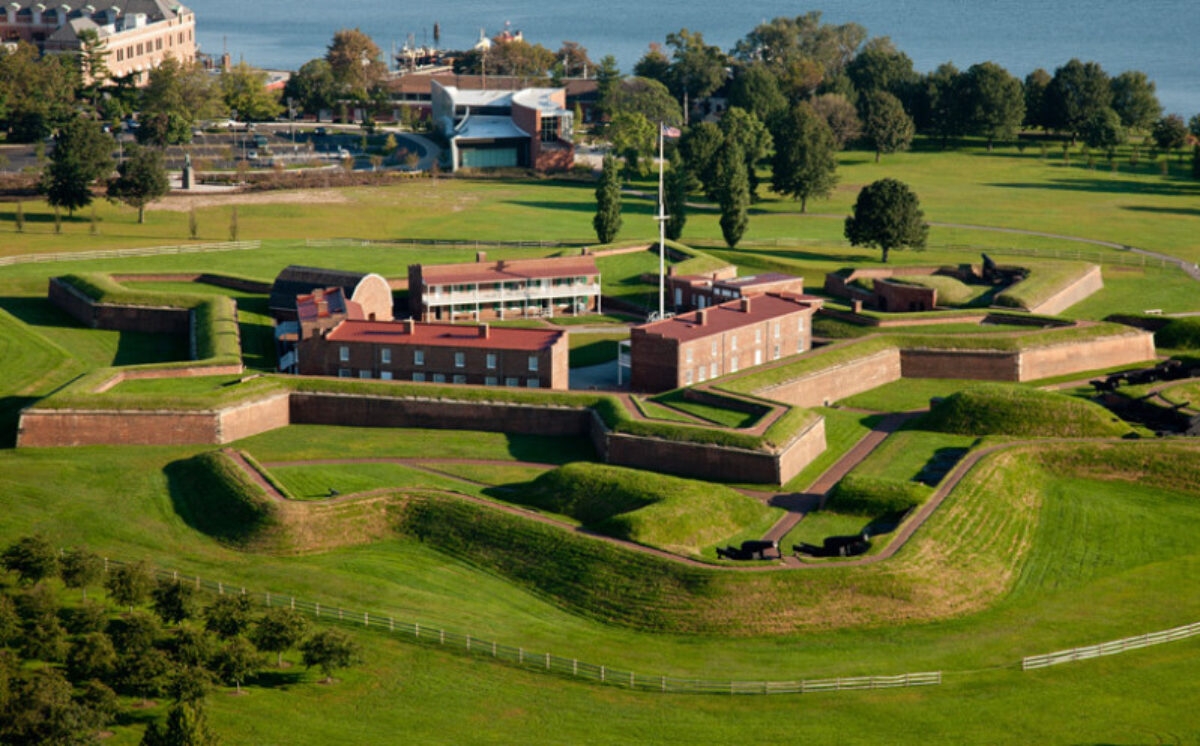
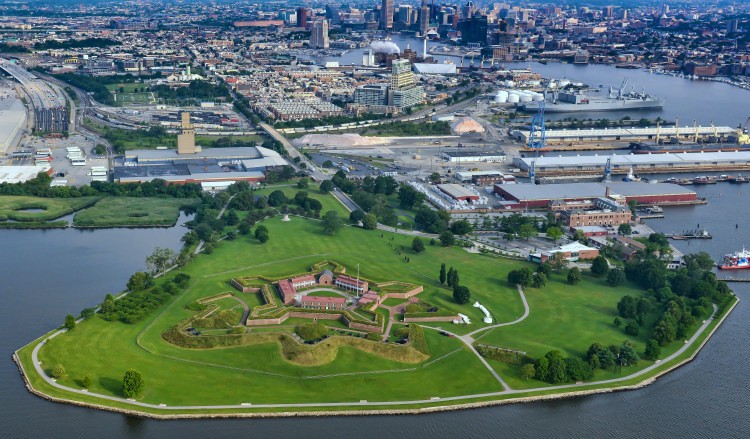
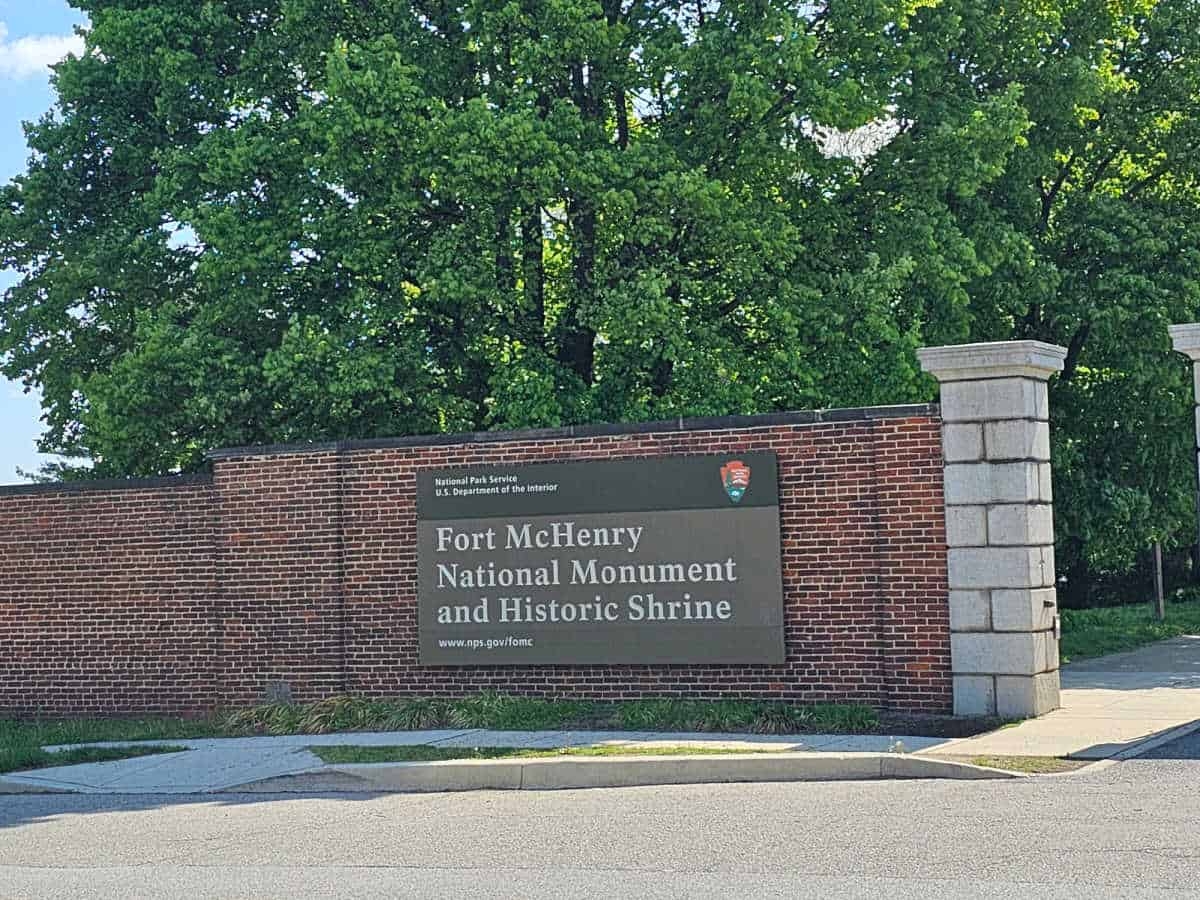
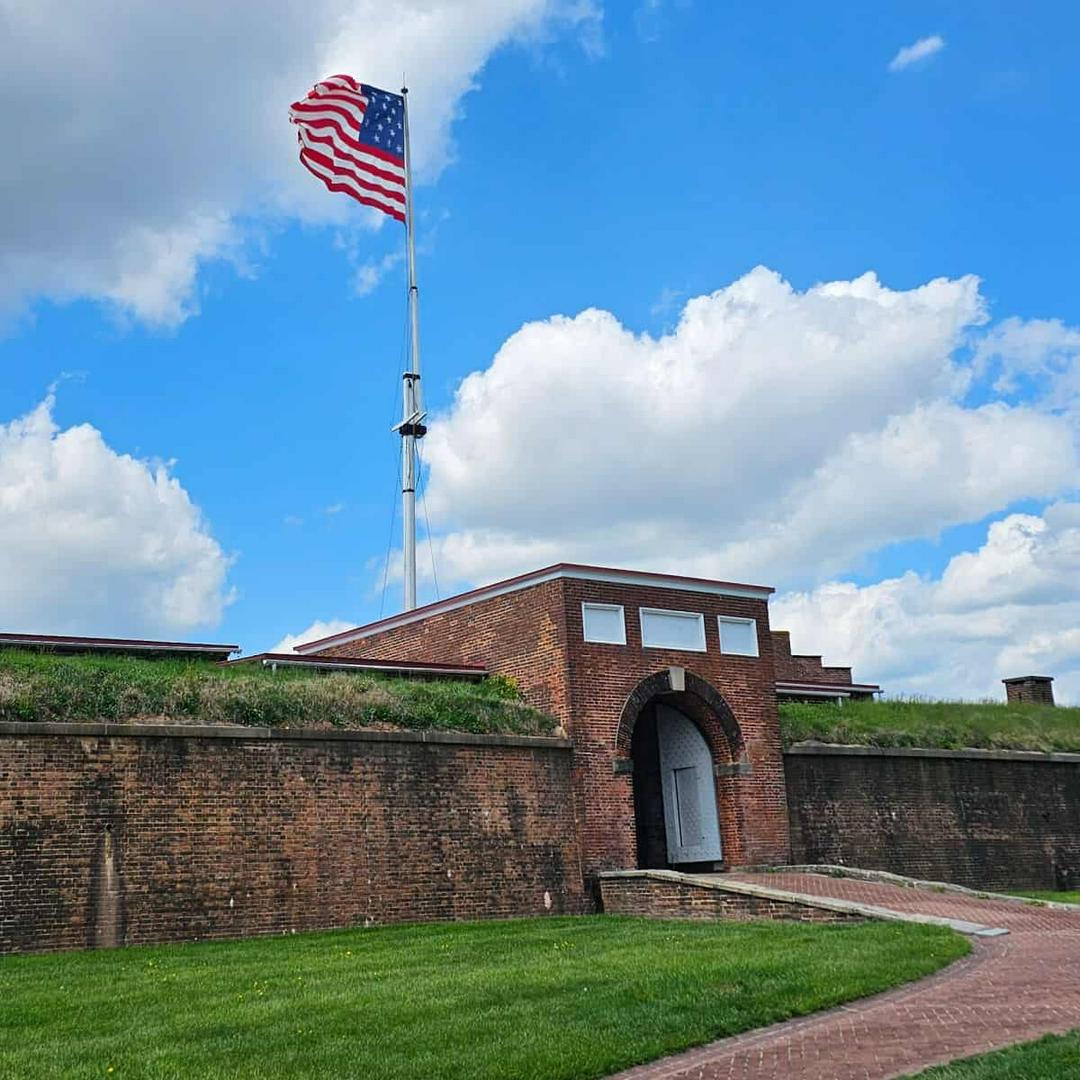
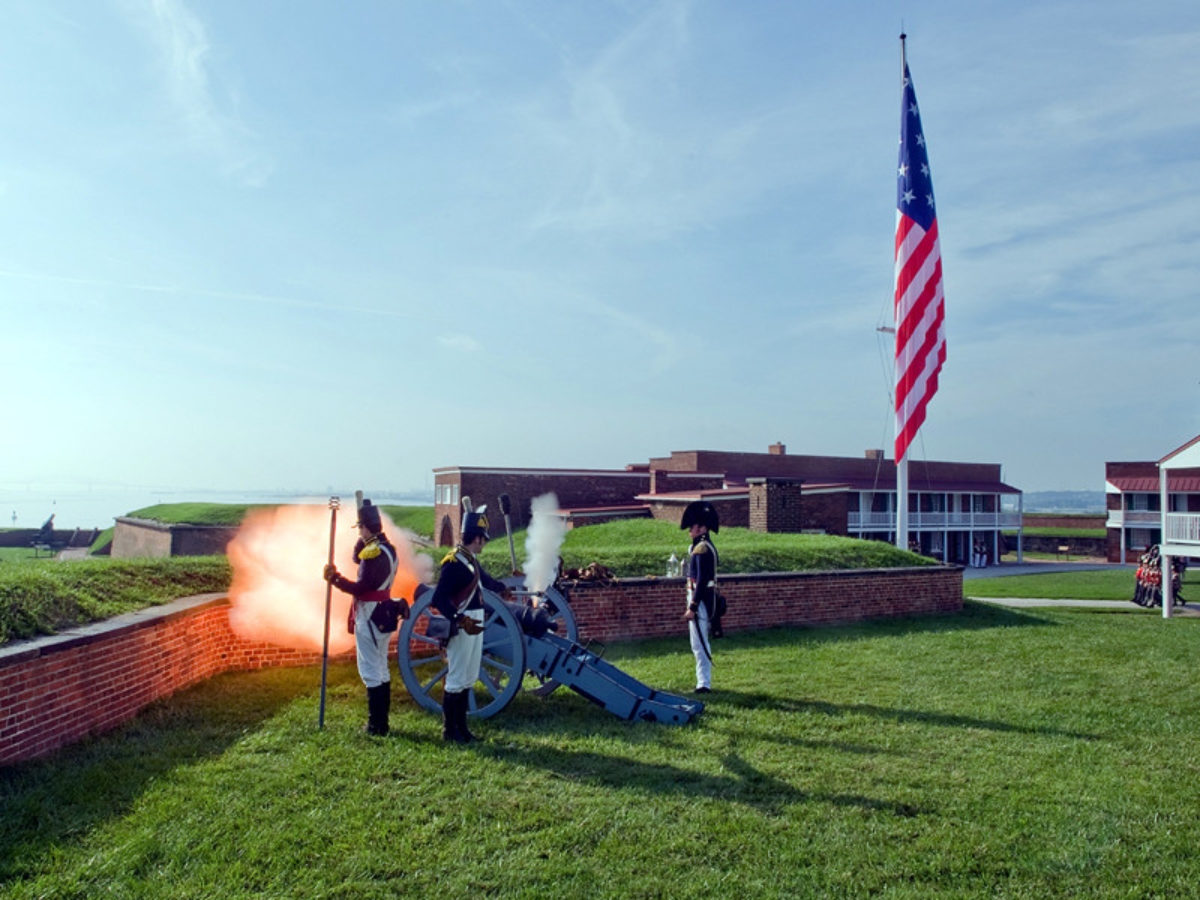
25 Hours That Shook America: The Siege of Fort McHenry The Siege of Fort McHenry, fought September 13 to 14, 1814, during the War of 1812, was one of the most decisive fort engagements in American history. The fort, located in Baltimore Harbor, Maryland, defended the city against a British force that had burned Washington, D.C., a month earlier. Fort McHenry was a five pointed star shaped masonry and earth fort, housing about 1,000 American defenders under Major George Armistead. Its artillery included over 150 guns, ranging from 42 pounder long guns to 6 pounders, positioned to cover the harbor channels. The British expeditionary force, led by Vice Admiral Sir Alexander Cochrane and Major General Robert Ross, included 4,000 troops and a naval squadron of 30 warships carrying over 1,000 cannons. The siege began with a continuous bombardment that lasted 25 hours, the longest in United States history. The British fired around 1,500 shells and rockets at the fort. Thick earthworks absorbed much of the damage, leaving minor breaches. American gunners returned fire continuously, targeting ships at up to 1,500 yards, showing accuracy and discipline under pressure. American casualties were low considering the scale, with about four dead and 24 wounded. British crews suffered higher losses from counterfire and rough seas. The fort’s defenders prevented a landing of British troops, forcing the attackers to retreat. At dawn, the large American flag still flew over the fort, inspiring Francis Scott Key to write the poem that became the U.S. national anthem. The siege demonstrated the value of well placed fortifications and disciplined artillery. British commanders underestimated the range and resilience of American guns. Accurate return fire disrupted their coordination. Fort McHenry’s defense became a symbol of national resilience, showing how smaller forces could repel superior numbers through fort design, artillery placement, and morale. #USHistory #EarlyAmerica #USA

1776 Patriot

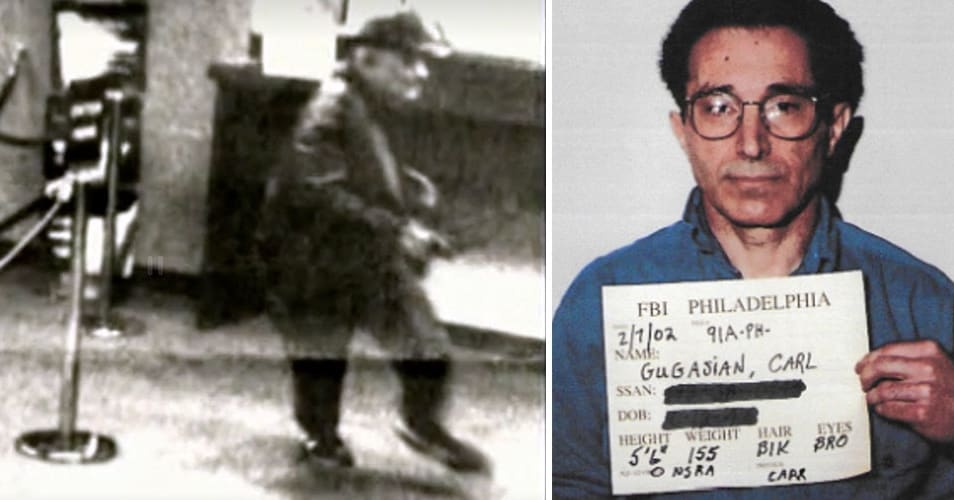
America’s Most Elusive Bank Robber: Carl Gugasian Carl Gugasian, known as the Friday Night Bank Robber, is considered the most prolific solo bank robber in American history. Over a criminal career spanning roughly three decades from the early 1970s until his arrest in 2002, Gugasian carried out more than fifty confirmed bank robberies across multiple states on the East Coast. His operations were highly methodical and precise. He targeted small town banks often located near wooded areas or highway on ramps to make escape easier and reduce the chance of police interception. He typically struck on Friday nights shortly before closing time to minimize customers while maximizing cash on hand. Gugasian carefully disguised himself with masks and loose clothing to conceal his identity and appearance. He conducted detailed surveillance of each target, sometimes visiting a bank multiple times over weeks to note employee routines, security camera placements, and the timing of cash deliveries. His robberies were executed quickly, often lasting less than two minutes. He would vault over counters, grab cash from the tills, and disappear into nearby woods or back roads. Many times he used a dirt bike to escape into forested terrain and then transitioned to a waiting vehicle. He kept detailed notes, maps, and surveillance of potential targets in his home along with a large cache of weapons and disguises. Despite decades of robberies, he evaded capture until 2002, when law enforcement tracked him through his patterns, surveillance notes, and escape routes. He admitted to more than 50 robberies totaling around $2.3 million. He was sentenced to over 100 years in federal prison, reduced to 17 years due to cooperation, and served approximately 15 years before being released in 2017 at age 69. Gugasian stands out not for a single spectacular heist but for the number and consistency of his crimes carried out with precision over decades. #TrueCrime #USHistory #America #USA #History

1776 Patriot

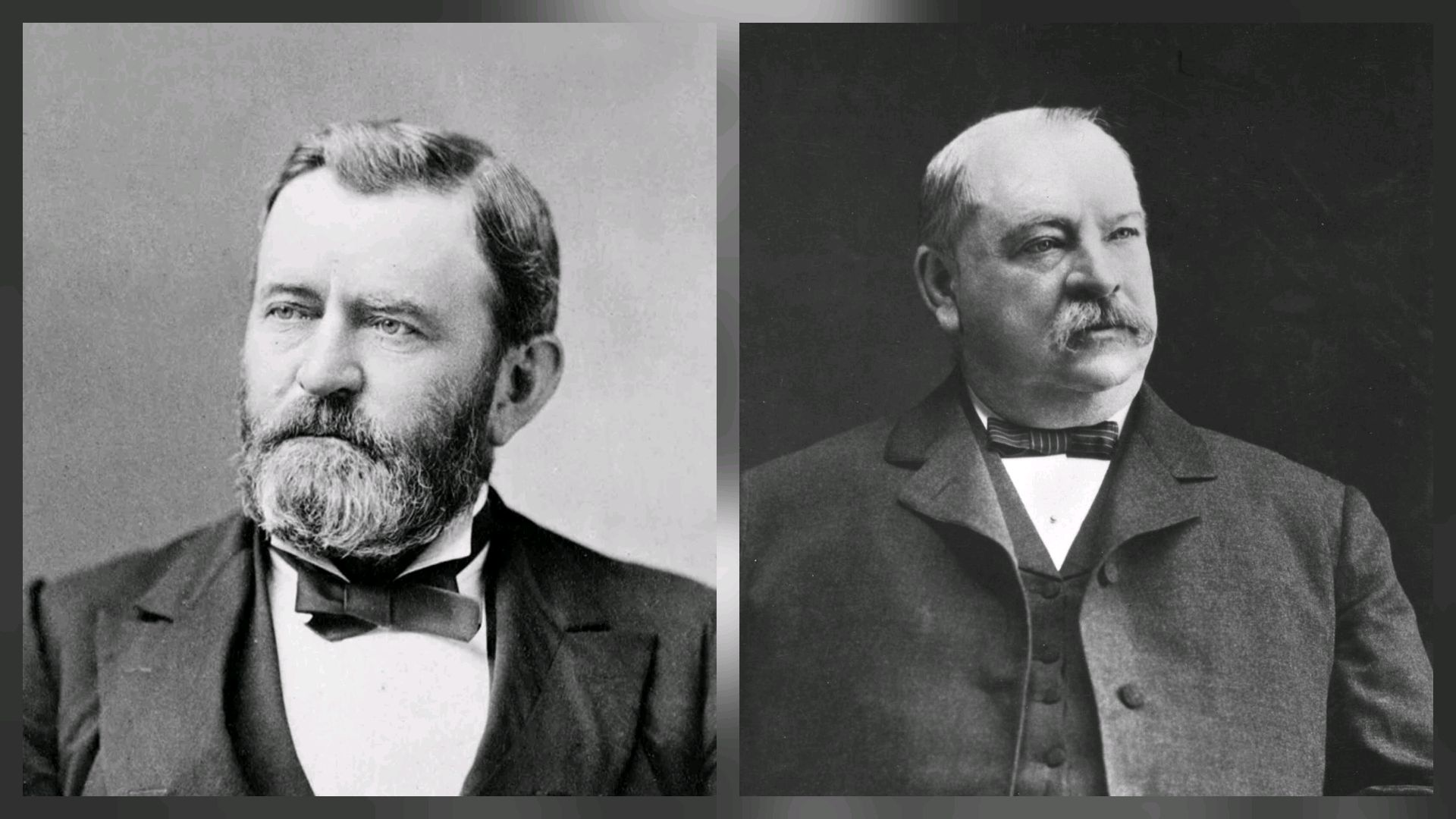
The Two Largest House Losses in Midterm History Midterm elections are held every 4 years in the middle of a president’s term an determins: all 435 House of seats, 1/3rd of the Senate, and gives voters a chance to reshape Congress. Presidents typically lose, 28 House seats on average, but some elections produced historic swings that reshaped American politics and policy. The 1874 midterms were one of the most severe defeats of the 19th century. President Ulysses S. Grant’s Republicans lost 93 of 195 House seats, about 36% of their seats. The Panic of 1873, a severe economic depression, combined with corruption scandals in Grant’s administration, fueled public anger. Voters across the South and industrial North abandoned the Republican Party, giving Democrats control of the House for the first time since the Civil War. Turnout was strong, economic hardship dissatisfaction motivated voters. Two decades later, the 1894 midterms produced the largest House seat loss in U.S. history. Under President Grover Cleveland, Democrats lost 127 of 225 House seats, about 56% of their seats. All 225 seats were contested, and the Panic of 1893 triggered one of the worst depressions of the century, leaving farmers, laborers, and urban workers across the Midwest and Northeast frustrated with Cleveland’s response. Republicans swept the House, marking a historic realignment. Turnout reached roughly 70% in key districts, and economic crises mobilized voters to reshape priorities almost overnight. In these two elections economic conditions, perceptions of presidential leadership, and voter engagement produced sweeping shifts in the House. In both 1874 and 1894, the opposition capitalized on dissatisfaction economic uncertainty and dramatically altered power, forcing the president’s party to reassess strategy. The elections under Grant and Cleveland remain the most consequential House losses in American history. #Politics #ElectionInsights #History #USA #USHistory #America #News

1776 Patriot

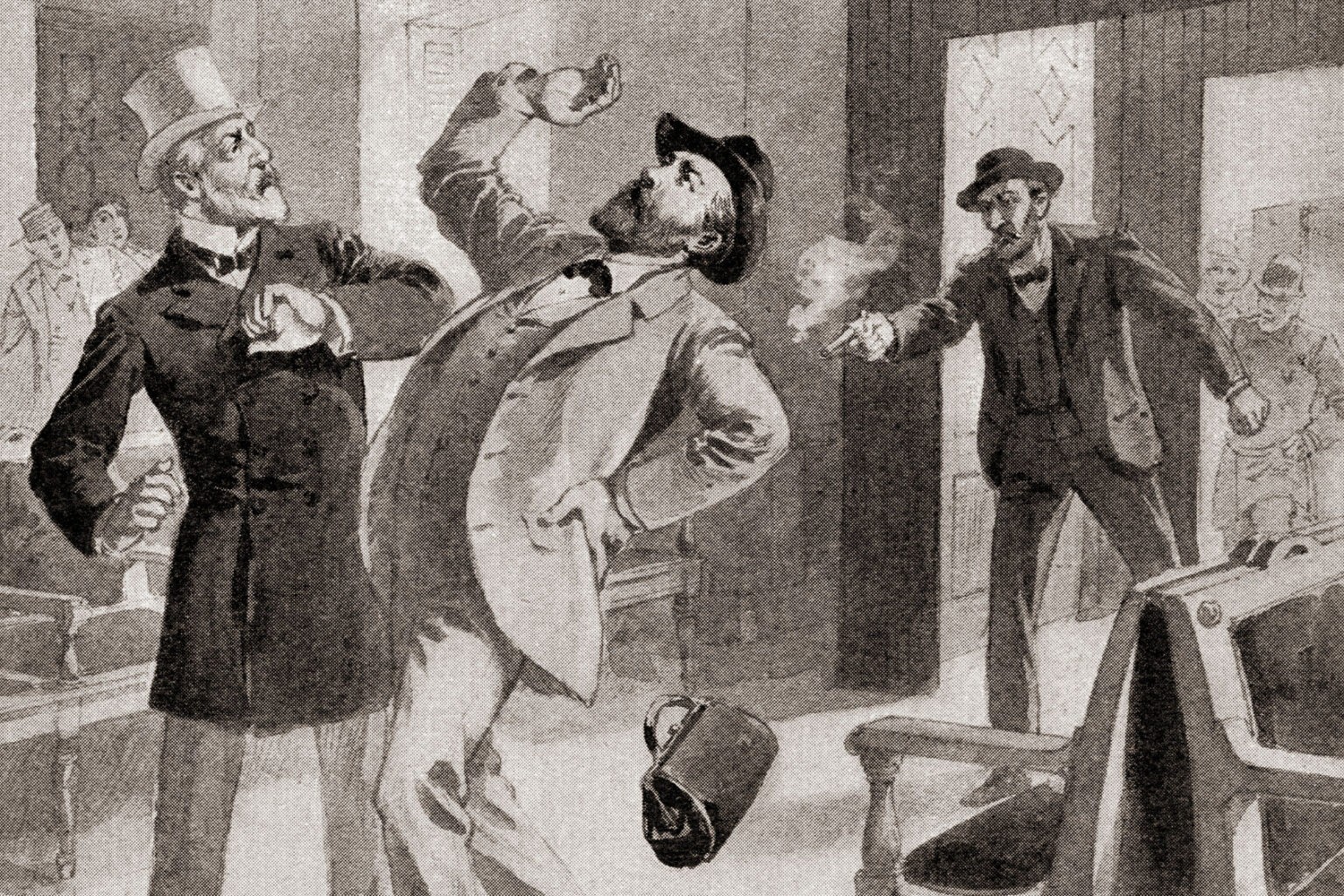
Chaos and Infection: The Assassination of President Garfield On July 2, 1881, shortly after 9:30 a.m., President James Garfield, the 20th president of the United States, was shot at Washington’s Baltimore and Potomac Railroad Station by Charles Julius Guiteau, a mentally unstable lawyer seeking political reward. Garfield, traveling with Secretary of State James Blaine, had no Secret Service protection. Like Lincoln in 1865, Garfield was vulnerable. Guiteau, who studied the station for days, carried a .442 caliber British Bulldog revolver and fired twice. The first bullet shattered Garfield’s right humerus. The second lodged in his back near the pancreas and kidneys, passing within millimeters of the aorta. Chaos erupted as travelers screamed, trunks toppled, and dozens froze. Blaine knelt beside Garfield. Guiteau shouted, “I did it! I just shot the president. I had to save the Republican Party!” Doctors led by D. Willard Bliss repeatedly probed Garfield’s wounds with unsterilized fingers and instruments during the first weeks. Bliss said, “I can find it with my finger if it is anywhere to be found,” spreading infection that caused abscesses and sepsis. Alexander Graham Bell tried to locate the bullet with a metal detector, but bed springs distorted results. Garfield endured 80 days of fever, abscesses, and severe weight loss, reportedly saying, “I never expected to live to see the end of this.” Newspapers reported daily, and tens of thousands followed updates nationwide. Garfield died September 19, 1881, 79 days after being shot. Vice President Chester Arthur assumed office. Guiteau was tried, convicted, and hanged June 30, 1882. The assassination exposed presidential security weaknesses and prompted the Pendleton Act of 1883, establishing merit-based federal employment. Repeated probing of Garfield’s wounds caused infection, contributing to the 30–40% mortality for major bullet injuries, turning a survivable wound fatal. #History #USHistory #America #USA

1776 Patriot

America’s First Serial Killers: The Harpe Brothers

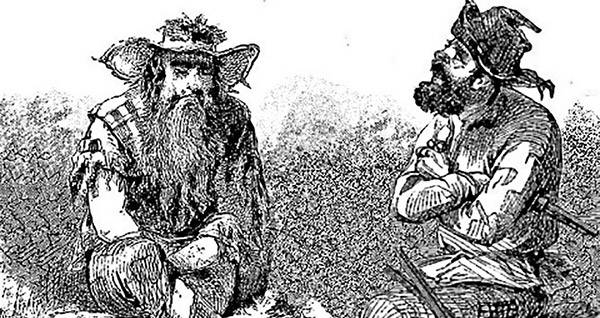
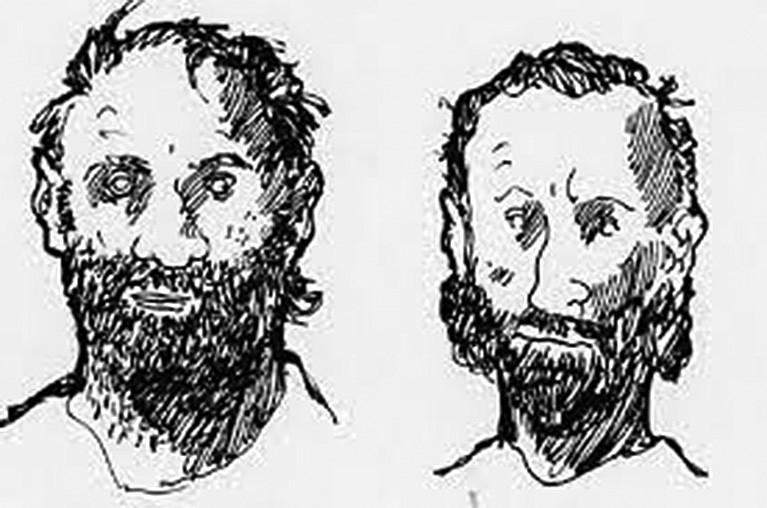
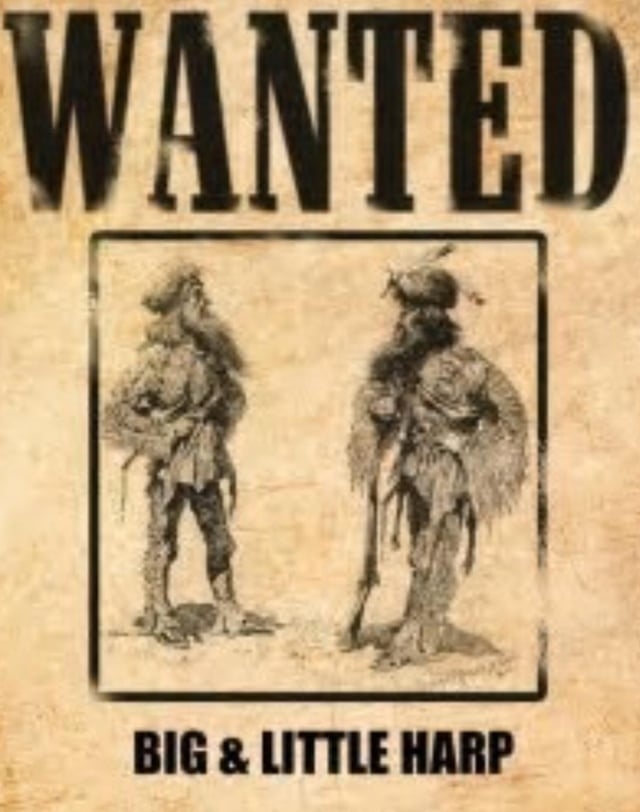
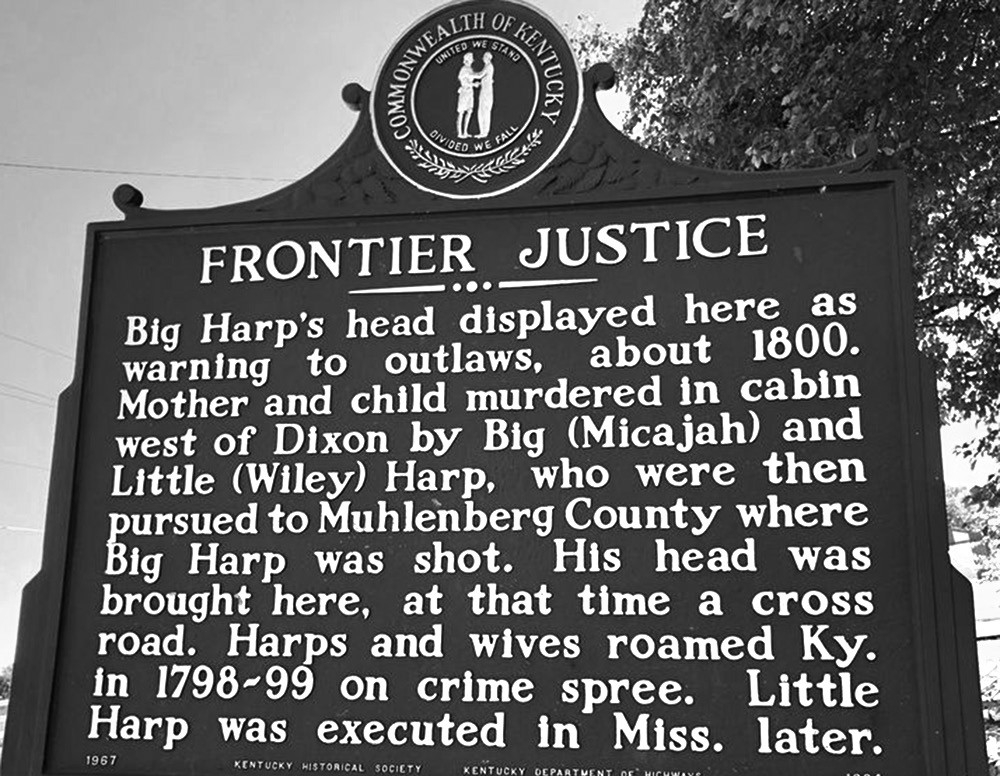
In the chaotic years after the American Revolution, the frontier was lawless, and danger lurked behind every tree. Among its deadliest threats were the Harpe brothers, Micajah “Big Harpe” and Wiley “Little Harpe.” From the early 1790s until 1799, they terrorized Kentucky, Tennessee, and the Ohio Valley, becoming America’s first documented serial killers. Unlike ordinary thieves, they killed for pleasure. Travelers, farmers, and children alike vanished or were found mutilated. Witnesses recalled attacks carried out with rifles, knives, brute force, and bodies dumped in rivers or shallow graves. Families who showed them hospitality often paid with their lives. Investigators faced enormous challenges. Sheriffs patrolled vast territories with few deputies, relying on terrified settlers’ fragmented reports. Survivors recounted horrifying scenes: Big Harpe grinning as he stabbed a merchant in 1797, Little Harpe forcing a child to kneel before shooting him in 1798. Authorities tracked patterns in victim locations, repeated sightings along trails, and the brothers’ distinctive clothing, noting they often traveled with women and children. Wanted notices circulated and newspapers printed descriptions, sparking one of the earliest wide-scale manhunts in American history. The brothers’ unpredictability was chilling. They could appear courteous one moment, erupting into sudden, brutal violence the next. Patterns emerged: families slaughtered in cabins, lone riders gunned down on trails, infants killed for sport. Theft was rare, suggesting the murders were driven purely by sadistic thrill. Their reign ended in June 1799 when Big Harpe murdered the wife and infant of settler Moses Stegall. Stegall formed a posse, tracked Harpe through the Kentucky wilderness, and killed him himself. To send a warning, he decapitated Harpe and mounted the head on a stake by the road, leaving it there for weeks. Little Harpe initially escaped but was later captured and executed. #History #USA

America’s First Serial Killers: The Harpe BrothersAmerica’s First Serial Killers: The Harpe BrothersAmerica’s First Serial Killers: The Harpe BrothersAmerica’s First Serial Killers: The Harpe Brothers
1776 Patriot

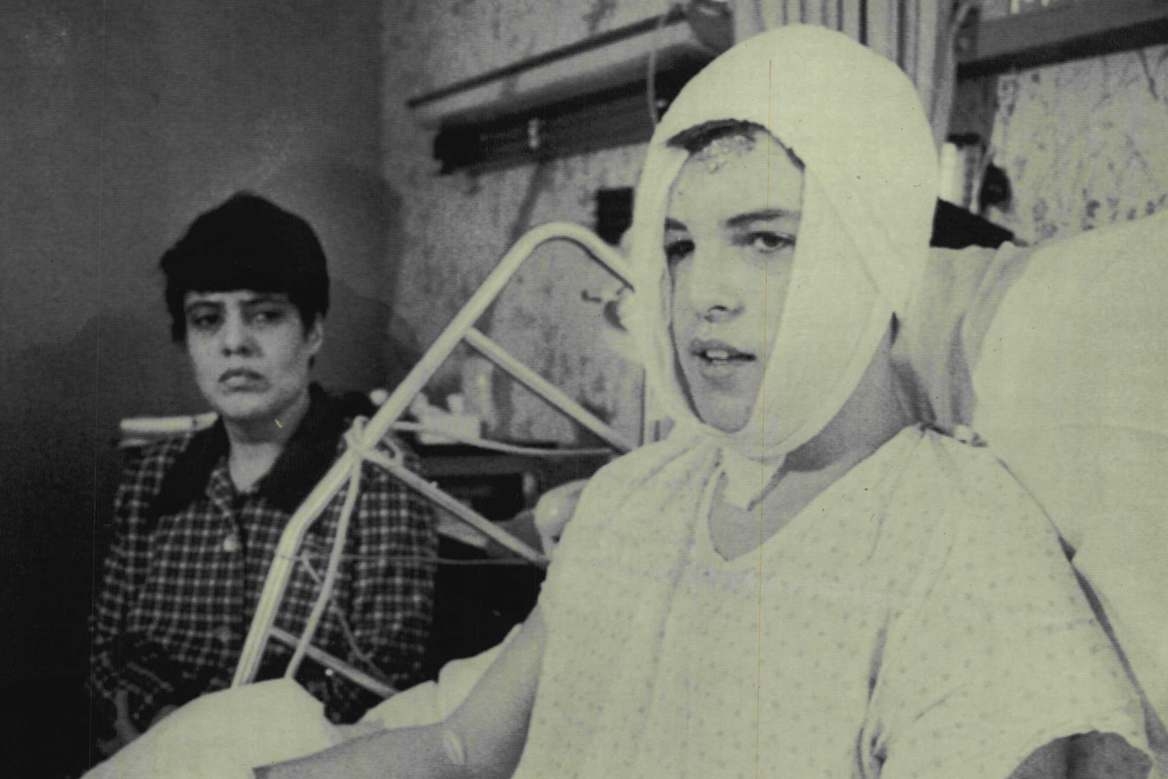
Miracle Over Missouri: George Lamson, Sole Survivor of TWA Flight 128, 1967 On November 20, 1967, TWA Flight 128, a domestic passenger flight in the United States, collided midair with a United Airlines aircraft over Missouri at approximately 11,000 feet. The collision destroyed both planes, killing all 7 crew members and 93 passengers aboard TWA Flight 128 and all 58 people aboard the other plane. George Lamson, a passenger from Missouri, survived, making him the sole survivor of 151 fatalities from the two aircraft. Lamson was seated near the rear of the plane. Investigators concluded that structural debris formed a partial protective space around him, absorbing much of the impact energy. He sustained multiple fractures, including a broken leg, several broken ribs, and a crushed pelvis, as well as internal contusions and significant blood loss. His vital organs avoided fatal trauma, a rare outcome in high energy midair collisions. Rescue crews located him within 20 minutes. Emergency responders stabilized him, controlled hemorrhage and shock, and transported him to a regional hospital. Surgeons performed orthopedic stabilization, blood transfusions, and intensive monitoring. Lamson spent 6 weeks hospitalized and underwent 3 major surgeries. Recovery included months of physical therapy to restore mobility and strength. Later in life, Lamson lived a relatively private life in Missouri. He reportedly returned to work in civil service and rarely spoke publicly about the crash, though he occasionally participated in interviews and safety studies. His survival, one of the rarest in American aviation history, demonstrates how seat location, debris orientation, rapid rescue, and sheer chance aligned perfectly. Analysts estimate that in similar midair collisions, the chance of a single passenger surviving is less than 1 percent, underscoring the extreme improbability of sole survival in catastrophic crashes. #PlaneCrash #Aviation #America #USA #History #Survivor

1776 Patriot

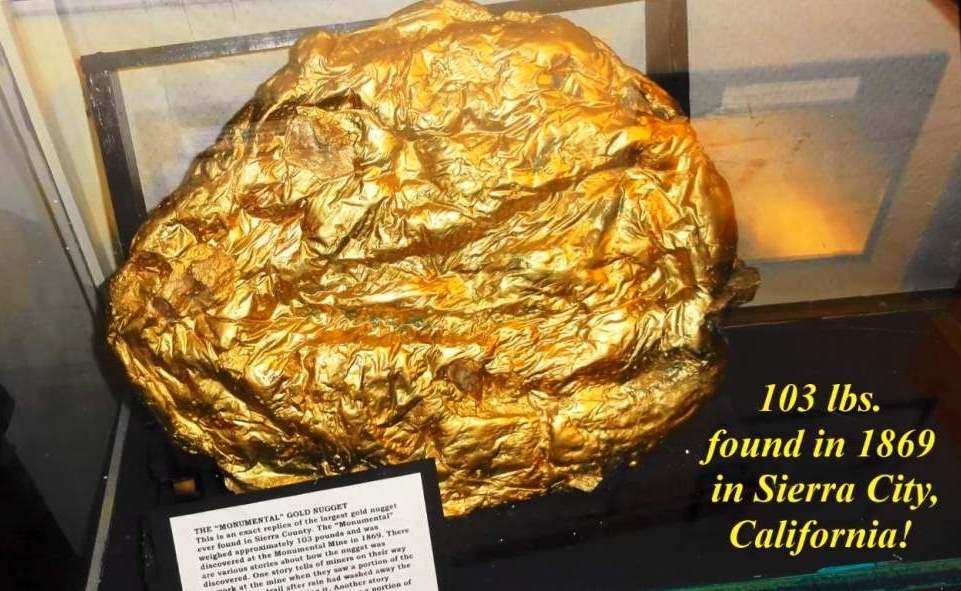
The Monumental Nugget: America’s Largest Gold Nugget In the high reaches of the Sierra Nevada, where rivers carve steep valleys and the land still carries the memory of the Gold Rush, one discovery outshone all others. This was the Monumental Nugget, nicknamed “The Sierra Buttes Treasure,” unearthed in 1869 near Sierra City, California. The nugget weighed an astounding 103 pounds in raw form and contained about 82 pounds of pure gold. To visualize it, the nugget was heavier than an average eight-year-old child and larger than most bowling balls. The crew that discovered it had been working a claim with only modest returns. While clearing old gravel, one miner struck something unusually heavy. As they uncovered it, they realized the nugget was so large they needed several men to lift it. News spread rapidly, and miners from surrounding camps trekked miles to see the historic find. Local towns celebrated for days, and merchants saw a sudden rush of curious visitors eager to glimpse the treasure. Large gold nuggets are exceedingly rare because gold generally forms in thin veins. Natural erosion, pressure, and chemical changes break larger masses into smaller flakes over time. Experts estimate that fewer than one in many millions of nuggets exceeds twenty pounds. By comparison, the Dogtown Nugget at 54 pounds and the Carson Nugget at 45 pounds were enormous but still far smaller than the Monumental Nugget. Most modern prospectors recover only small pieces weighing ounces, making finds like this almost legendary. The Monumental Nugget was eventually melted down for its gold value, a fate common to historic nuggets. Even without the original piece, its story endures as a testament to the extraordinary surprises that once lay hidden in the American frontier and the enduring allure of striking it rich. #GoldRush #FoundTreasure #America #USA #History #USHistory #Science

Curiosity Corner

Poisoned or Natural Death? The Stanley Meyer Case and the Car That Could Run on Water Stanley Meyer was an American inventor who claimed to have developed a car that could run on water using a hydrogen based system. He said his technology split water into hydrogen and oxygen on demand to fuel a car without gasoline. Meyer often stated, “I want to give the world a clean energy source that cannot be controlled.” His invention drew global attention, skepticism, and legal scrutiny before his sudden death in 1998. Meyer collapsed while eating at a restaurant in Grove City, Ohio, during a meeting with European investors who were interested in funding and developing his water fuel technology. Witnesses claimed he said, “They poisoned me,” sparking speculation that energy interests or other powerful groups wanted to suppress his invention. However, no verified evidence of poisoning exists. The official cause of death was a cerebral aneurysm, a sudden rupture of a blood vessel in the brain. Medical experts note aneurysms can happen without warning and may resemble poisoning in their suddenness. No toxicology reports showed poison, and no homicide investigation followed. Legally and medically, his death was ruled natural. Some critics question whether the government could have influenced legal or medical findings to prevent public knowledge of Meyer’s technology, citing the Invention Secrecy Act, which allows suppression of sensitive inventions. While there is no proof, the law demonstrates that inventions with potential national impact can be legally restricted, keeping them hidden for decades. Meyer’s story sits at the crossroads of bold claims, secrecy, and sudden death. Was this simply a tragic medical event, or could powerful forces have deliberately kept a revolutionary invention hidden from the world? #Science #Physics #USA #History #USHistory #America #Physics