1/1

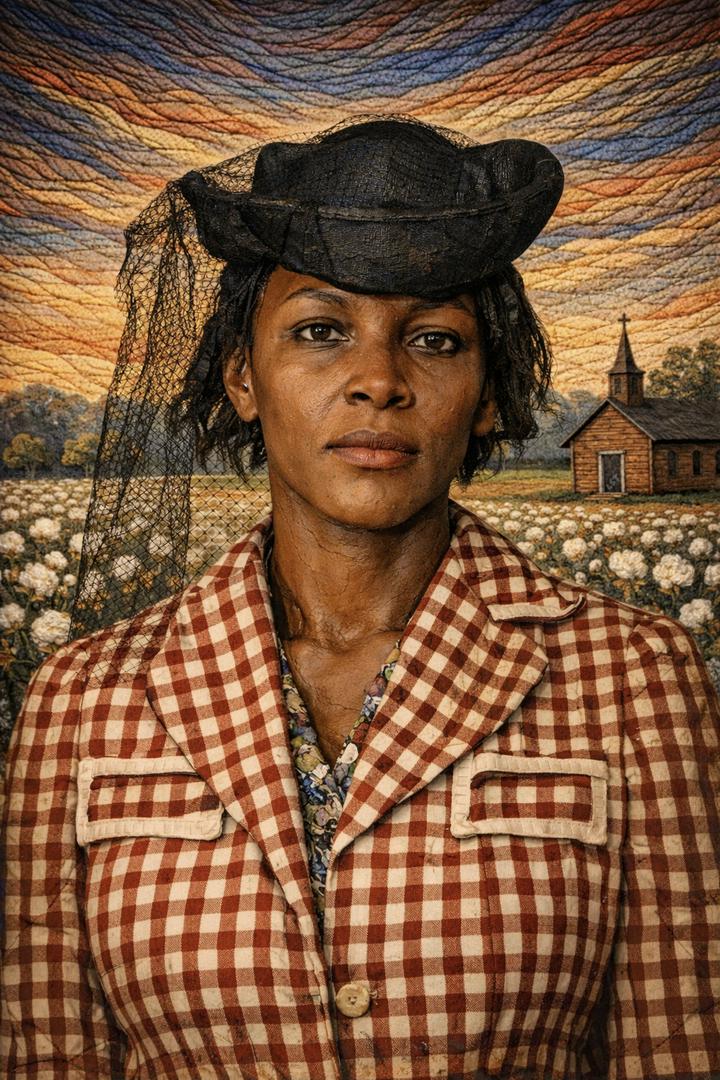
Recy Taylor’s story is not only about what was done to her. It is also about what the legal system refused to do afterward. In 1944, Recy Taylor was a 24 year old Black wife and mother living in Abbeville, Alabama. On her way home from church, she was abducted at gunpoint by a group of white men and assaulted. She reported the crime immediately. One of the men later admitted his role and identified the others involved. That should have been enough. It was not. Instead of justice, Taylor faced the full weight of a system that did not treat her pain, her dignity, or her safety as worth protecting. Two all white grand juries refused to indict her attackers. No one was held accountable. But this story does not end in silence. Her case drew national attention. Rosa Parks investigated it for the NAACP. Supporters organized through the Committee for Equal Justice for Mrs. Recy Taylor. Black newspapers covered the case. People spoke her name, demanded action, and forced the country to confront a truth it often tried to hide. Long before the civil rights movement became a chapter in textbooks, Black women like Recy Taylor were already standing at the center of that fight. Her story exposed more than one crime. It exposed a system that could hear a confession, see a victim come forward, and still choose not to act. That is why Recy Taylor matters. Not just because she survived something horrific, but because her case revealed how deeply the law could fail Black women while claiming to stand for justice. History often celebrates the marches, the speeches, and the victories. But before many of those moments came the women whose suffering was ignored, whose courage was tested, and whose truth refused to disappear. Recy Taylor was one of them. #OurHistory #RecyTaylor #CivilRightsHistory #WomensHistory #BlackHistory #LataraSpeaksTruth
Abbeville, Alabama • 2026-03-06

dee dawson
I saw a documentary about her, and what she went through before and afterwards was very sad 😢
03-06
Woodbridge, VA
Reply(1)
16
Pennie
This is so sad this happened to her, but I am a white woman who in 1988 at the same thing happened to me. Nothing was done the way it was back then.
03-07
Lakeland, Florida
Reply(7)
13

Susan Hurley
Bless her!🙏💕🙏💕 She was a woman, a beautiful woman of color. She was treated doublely badly. It's sad that this type of injustice still happens in 2026 in the United States of America. We are such a broken nation. 🙏🙏🙏🙏🙏🙏
03-06
Cross Lanes, WV
Reply
15

Darnell
you're pushing into March...save it for next February
03-06
Allouez, WI
Reply(16)
2

leon forte
This Racist System failure to Protect her and many others, I’m glad She did make the Racist Court know , Thanks to this racism in America Some leaders Prefer to hide misdeeds,abuses as well as Slavery, Then why is DEI program taken down by Clowns in Office who want to Hide the Truth “ 🤔🤡
03-11
Port Saint Lucie, FL
Reply(1)
7

Sonya Peterson
I know one thing is for sure. God was there and it want be for gotten. God has all stories he is the same and never changes. Lies want to help they never did. God bless this woman heart in a special way.💕🙏
03-07
Grand Rapids, MI
Reply
4

Creola Gary
it still happens and nothing is done about it. women should pursue justice until it is accomplished.
03-08
Florence, SC
Reply
4

Edward
Democrats and their " Gatherings " . 🤔
03-07
Pikeville, TN
Reply(1)
3

Deborah Martin
This is horrible and it continues today for Black women, Native American and it’s horrifying, we must fight for change🙏🏼❤️
03-14
Baton Rouge, LA
Reply
3

Sandra Bitter
I hate to say this button small towns this still happens I was raped but I didn't report it because I was scared I'm from a small town I told a few people and I still have been criticized and put down because he said I lied this whole thing is almost ruined my whole life I'm 51 years old I hope the law recognize a small town things like that like I said it was not what happened that night it was after and yes I've been wrong I should reported it but I had no reason to lie he was saw at my home also but like I said after that everyone gave me such a hard time his friends mainly and now I know there's a God above and I think God takes care of his people and that's the only reason that's got me through all of the made fun of in stuff
03-13
Mountain City, TN
Reply
2
More comments ...
write a comment...