Tag Page WomensHistory

#WomensHistory
LataraSpeaksTruth

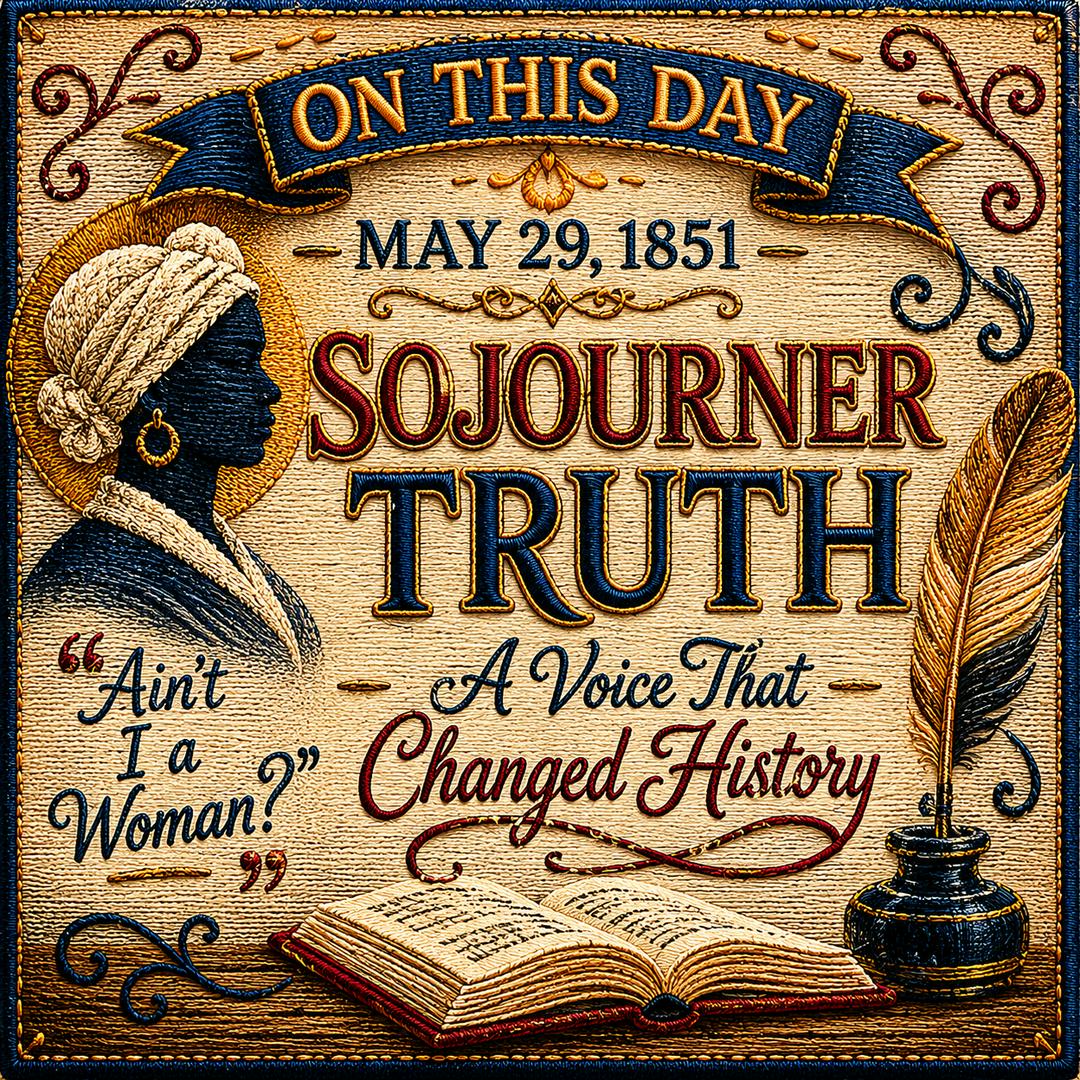
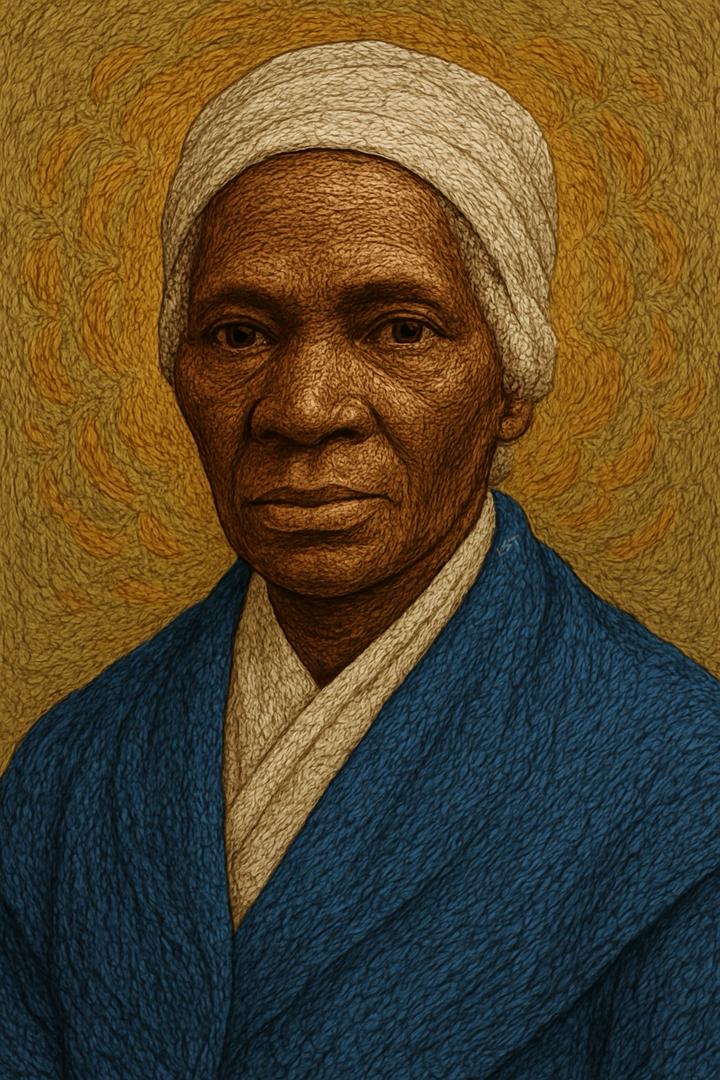
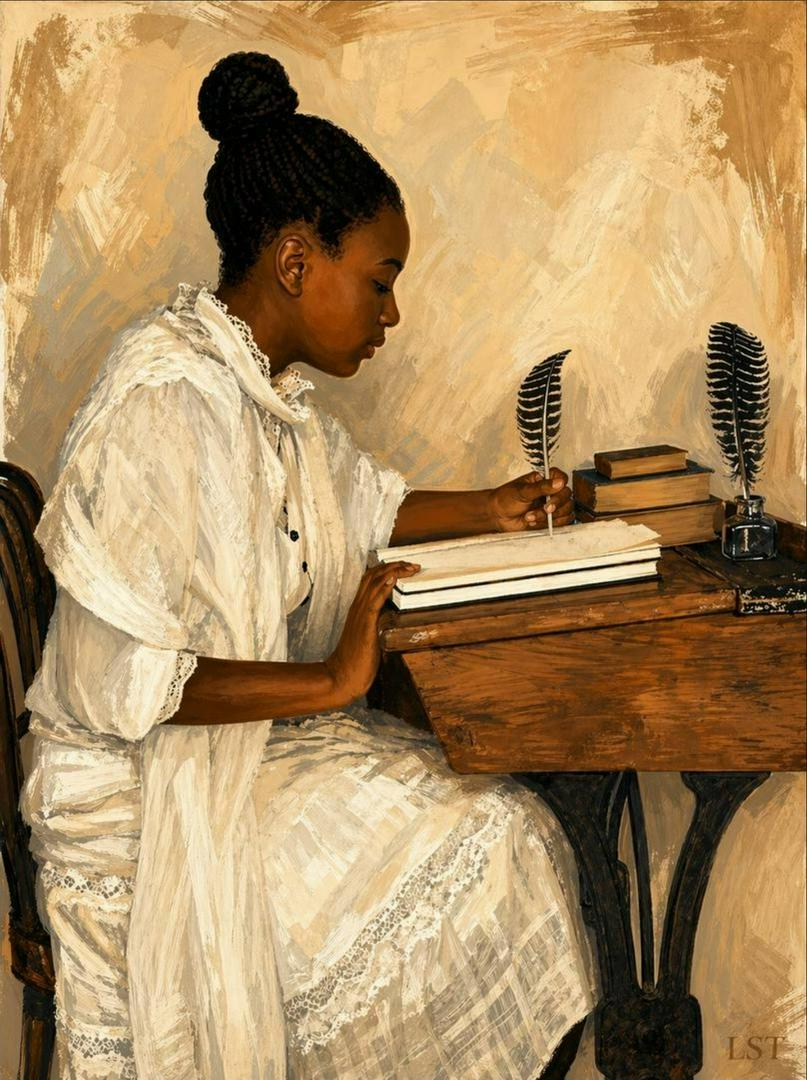
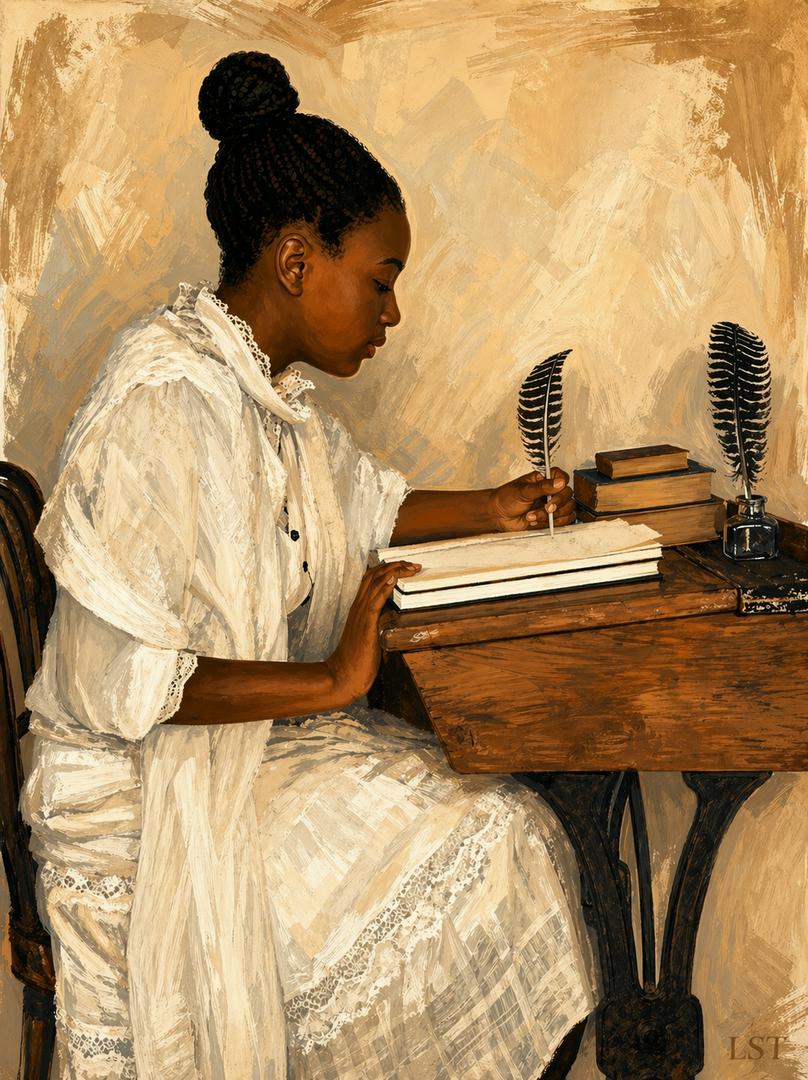
On May 29, 1851, Sojourner Truth stood before a crowd in Akron, Ohio, and delivered one of the most powerful speeches in American history. Born into slavery and later gaining her freedom, Truth became a fearless advocate for abolition and women’s rights. At a time when many questioned both the rights of women and the humanity of Black Americans, she spoke with conviction, challenging the barriers placed before both. Her speech would later become forever linked to the phrase “Ain’t I a Woman?” and continues to be studied more than 170 years later. She did not hold public office. She did not command an army. Yet her voice helped change the national conversation about freedom, equality, and human dignity. Some people make history with power. Others make history with truth. #OnThisDay #BlackHistory #WomensHistory #SojournerTruth #HistoryMatters

ROBBY|Heart

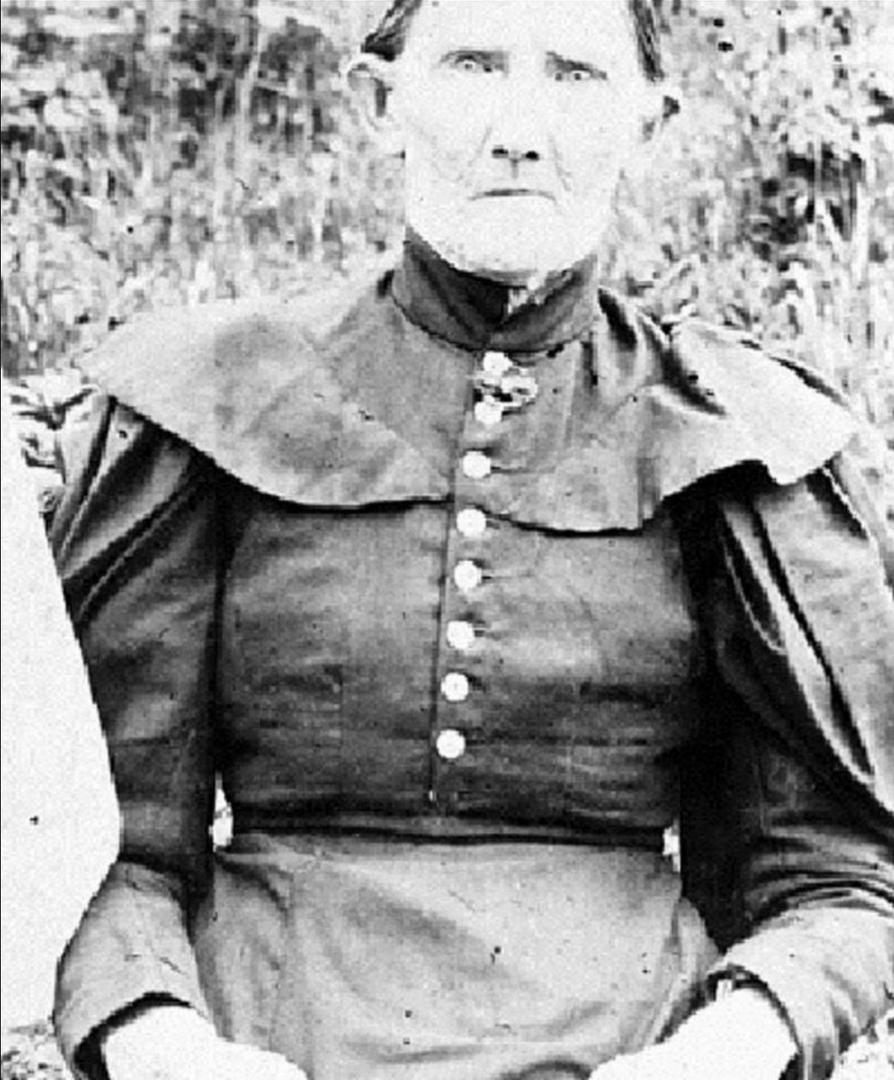
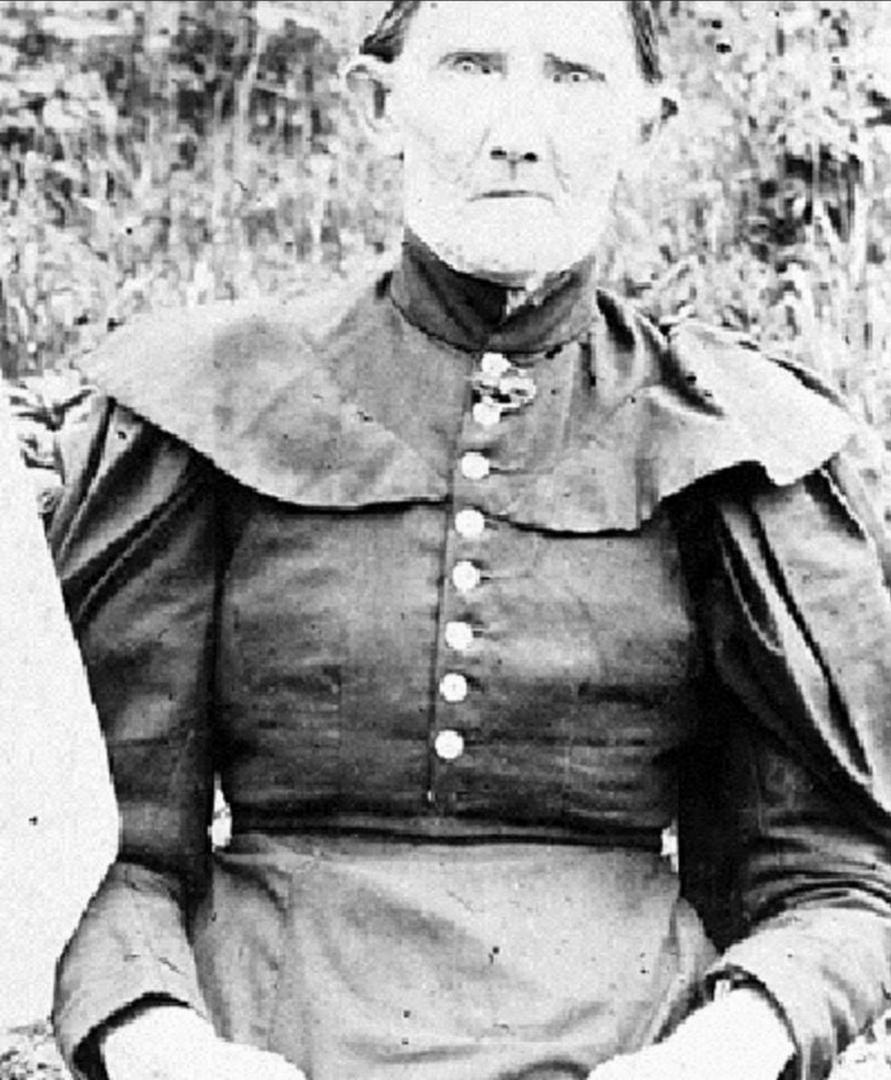
She buried twenty-four babies of her own, one small grave at a time, in the rocky soil of the Blue Ridqe Mountains. Born around 1844 in North Carolina, Orlean Hawks Puckett married at sixteen and built a hard solated life near Groundhog Mountair Virginia. In 1862 she gave birth to her first child, Julia Ann. and for seven months she knew joy-until diphtheria took her baby Then it happened again. And again. Some babies ived hours. Some days. Some never breathed at all. None survived long enough to call her Mama, In an era with no answers. no medicine. anc no mercy, Orlean carried a grief most people would not survive. Today we believe Rh disease caused the losses. but she coulc only bury her children and keep going. And then, around age fifty, when a neighbor went nto labor and no one else could help, Orlean stepped forward. In that moment. she turned unimaginable loss into purposeFor the next fifty years, she walked milesthrough mountains and storms, never charging a penny, delivering babies in dirt-floor cabins with onlv her hands, her <nowledqe, and fierce determination. She delivered more than one thousand babies She never lost a single mother. She never ost a single child. The woman who lost everything made sure no other mother had to. That is not ust survival. That is transformation. That is choosing love after devastation, again and again, for a lifetime #WomensHistory #fyp #courageous #didyouknow #AppalachianWomen #MidwifeLegacy

ROBBY|Heart

She buried twenty-four babies of her own one small grave at a time, in the rocky soil of the Blue Ridqe Mountains. Born arounc 1844 in North Carolina, Orlean Hawks Puckett married at sixteen and built a hard solated life near Groundhog Mountain Virginia. In 1862 she gave birth to her first child, Julia Ann, and for seven months she knew joy-until diphtheria took her baby Then it happened again. And again. Some babies lived hours. Some days. Some never breathed at all. None survived long enough to call her Mama In an era with no answers. no medicine. anc no mercy, Orlean carried a grief most people would not survive. Today we believe Rh disease caused the losses. but she coulc only bury her children and keep going. And then, around age fifty, when a neighbor went nto labor and no one else could help, Orlean stepped forward. In that moment. she turned unimaginable loss into purposeFor the next fifty years, she walked milesthrough mountains and storms, never charging a penny, delivering babies in dirt-floor cabins with only her hands, her <nowledqe, and fierce determination. She delivered more than one thousand babies She never lost a single mother. She never ost a single child. The woman who lost everything made sure no other mother had to. That is not ust survival. That is transformation. That is choosing love after devastation, again and again, for a lifetime #WomensHistory #fyp #courageous #didyouknow #AppalachianWomen #MidwifeLegacy

THESE VALUES

She buried twenty-four babies of her own one small grave at a time, in the rocky soil of the Blue Ridqe Mountains. Born arounc 1844 in North Carolina, Orlean Hawks Puckett married at sixteen and built a hard solated life near Groundhog Mountain Virginia. In 1862 she gave birth to her first child, Julia Ann, and for seven months she knew joy-until diphtheria took her baby Then it happened again. And again. Some babies lived hours. Some days. Some never breathed at all. None survived long enough to call her Mama In an era with no answers. no medicine. anc no mercy, Orlean carried a grief most people would not survive. Today we believe Rh disease caused the losses. but she coulc only bury her children and keep going. And then, around age fifty, when a neighbor went nto labor and no one else could help, Orlean stepped forward. In that moment. she turned unimaginable loss into purposeFor the next fifty years, she walked milesthrough mountains and storms, never charging a penny, delivering babies in dirt-floor cabins with only her hands, her <nowledqe, and fierce determination. She delivered more than one thousand babies She never lost a single mother. She never ost a single child. The woman who lost everything made sure no other mother had to. That is not ust survival. That is transformation. That is choosing love after devastation, again and again, for a lifetime #WomensHistory #fyp #courageous #didyouknow #AppalachianWomen #MidwifeLegacy

LataraSpeaksTruth

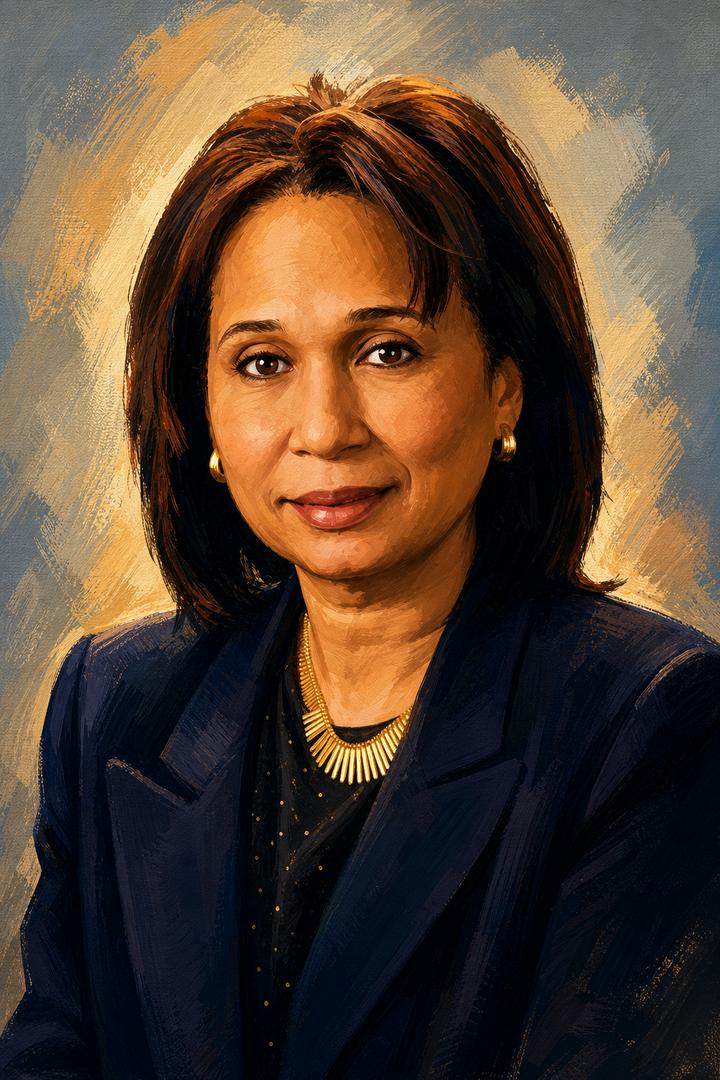
On May 1, 1997, Alexis M. Herman began her tenure as the 23rd U.S. Secretary of Labor, making history as the first Black American to hold that position. Her appointment placed her at the head of a federal department responsible for workers’ rights, job training, wages, workplace safety, and labor standards. But Herman did not arrive in Washington without a record. Born in Mobile, Alabama, she had already built a career around employment opportunity, civil rights, and workplace access. Before becoming Secretary of Labor, Herman served under President Jimmy Carter as director of the Women’s Bureau at the Department of Labor. She was only 29 at the time, making her the youngest person to hold that role. She later worked in Democratic politics and served in the Clinton White House as Assistant to the President and Director of the Office of Public Liaison. As Secretary of Labor under President Bill Clinton, Herman became one of the most visible labor leaders in the country. One of her most remembered moments came during the 1997 UPS strike, one of the largest strikes in the United States in decades. Herman helped mediate talks between the company and union leaders, and the strike ended after 15 days. Her tenure also connected to issues such as job training, workplace equality, minimum wage policy, and child labor enforcement. She served until January 20, 2001. Alexis Herman’s story matters because she did not just break a barrier. She stepped into a Cabinet role tied directly to the lives of working people. Her place in history is a reminder that labor history is also Black history, women’s history, and American history. #AlexisHerman #BlackHistory #LaborHistory #WomensHistory #NewsBreak

LataraSpeaksTruth

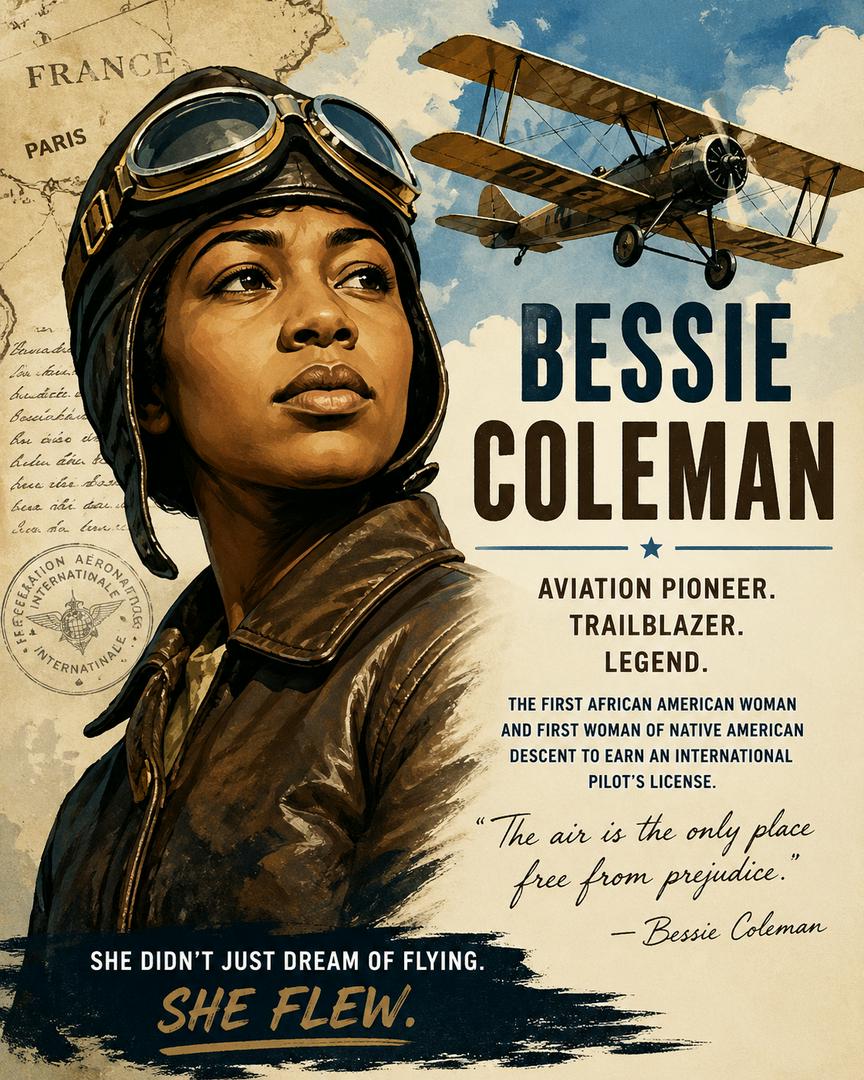
April 30, 1926, marked the tragic death of aviation pioneer Bessie Coleman, a woman who rose above poverty, racism, and sexism to make history in the sky. Coleman was born in Texas in 1892 and grew up during a time when Black Americans faced brutal segregation and limited opportunity. When she became interested in flying, American flight schools refused to train her because she was Black and a woman. Coleman did not quit. She learned French, saved money, gained support from Black leaders in Chicago, and traveled to France to chase the dream America tried to deny her. In June 1921, Coleman earned an international pilot’s license from the Fédération Aéronautique Internationale. She became the first African American woman and the first woman of Native American descent to hold a pilot’s license. Her achievement made her a symbol of courage and possibility. Known as “Queen Bess,” Coleman returned to the United States and became a barnstorming pilot, performing daring air shows before large crowds. She also used her fame to encourage other Black Americans to enter aviation. She refused to perform at venues that would not admit Black spectators, making her stand for dignity both in the air and on the ground. On April 30, 1926, Coleman was in Jacksonville, Florida, preparing for an air show scheduled for the next day. She was flying with mechanic William Wills when the plane suddenly went out of control. Coleman, who was not wearing a seat belt because she was looking over the side to scout the area, fell from the aircraft and died. Wills also died when the plane crashed. Bessie Coleman was only 34 years old. Her life ended in tragedy, but her legacy did not. She opened a path in aviation when the doors were locked, bolted, and guarded. Generations of pilots would later look to her as proof that the sky belonged to them, too. #BessieColeman #BlackHistory #AviationHistory #WomensHistory #OnThisDay
Guess_str

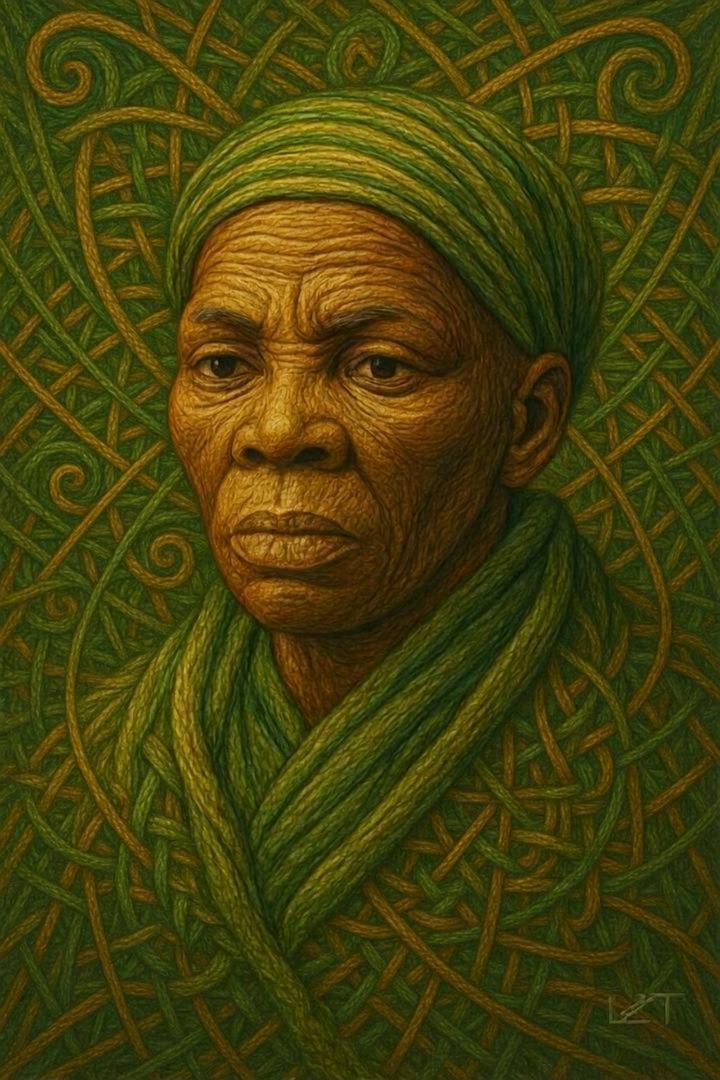
On March 10. 1913. Harriet Tubman died in Auburn, New York, closing the life of one of the boldest freedom fighters this country has ever known. Born into slavery in Maryland around 1822, Tubman escaped bondage, then risked her life again and again by returning south to help others flee to freedom in the North and Canada. She became the most famous conductor of the Underground Railroad, quiding enslaved people toward freedom when capture could have meant torture or death. Her courage was not symbolic. It was lived. It was tested. And it never backed down. Tubman's work did not stop with escape During the Civil War, she served the Union cause as a nurse, scout, and spy, proving again that Black women were doing essential work for a nation that still denied them full recognition. In her later years, she continued serving her community in Auburn where she helped establish a home forelderly and poor Black people in need. Even near the end of her life. Harriet Tubman was still doing what she had always done, showing up for her people March 10 is not iust the date of her passing It is a date to remember what real sacrifice ooks like. Harriet Tubman did not wait for permission to do what was riqht. She moved with faith, with nerve, and with a kind of strength history still struggles ta measure. #HarrietTubman #BlackHistory #OnThisDay #WomensHistory #UnderaroundRailroad #CivilWarHistory #AmericanHistory #BlackWomenInHistory #FreedomFighter #NewsBreakHistory

Shawn Winchester

On April 23, 1872, Charlotte E. Ray made history in Washington, D.C. She became the first woman admitted to practice before the Supreme Court of the District of Columbia, helping cement her place as the first Black woman lawyer in the United States Ray was born in New York City in 1850. Her father, Reverend Charles Bennett Ray, was an abolitionist, minister, and newspaper editor who believed deeply in education That foundation mattered, because Charlotte stepped into a profession that was not built to welcome women, and especially not Black women, She studied at Howard University School of Law and graduated in 1872. At a time when women were still fighting to be taken seriously in the legal field, Ray broke through two walls at once. She challengedboth race barriers and gender barriers. After being admitted to practice law, Ray opened her own law office in Washington, D.C. She worked in commercial law and became known for her legal skill. One of her most recognized cases involved representing a woman seeking divorce from an abusive husband, showing that Ray was not just a symbol of progress. She was a real attorney doing serious legal work But history should tell the full truth Charlotte E. Ray had the education, the courage, and the abilitv. What she did not have was a society willing to fully support a Black woman attorney. Racism and sexism made it difficult for her to keep enough clients to sustain her practice. Eventually she left law and returned to teaching That part matters tooBecause sometimes the door opens, but the room still refuses to make space. Charlotte E. Ray still walked through it On April 23, we remember her not iust because she was first. but because she stepped into a world that tried to keep her out and left her name in the record anyway #CharlotteERay #History #WomensHistory #LegalHistory #OnThisDay #HiddenHistory #LataraSpeaksTruth

LataraSpeaksTruth

On April 23, 1872, Charlotte E. Ray made history in Washington, D.C. She became the first woman admitted to practice before the Supreme Court of the District of Columbia, helping cement her place as the first Black woman lawyer in the United States. Ray was born in New York City in 1850. Her father, Reverend Charles Bennett Ray, was an abolitionist, minister, and newspaper editor who believed deeply in education. That foundation mattered, because Charlotte stepped into a profession that was not built to welcome women, and especially not Black women. She studied at Howard University School of Law and graduated in 1872. At a time when women were still fighting to be taken seriously in the legal field, Ray broke through two walls at once. She challenged both race barriers and gender barriers. After being admitted to practice law, Ray opened her own law office in Washington, D.C. She worked in commercial law and became known for her legal skill. One of her most recognized cases involved representing a woman seeking divorce from an abusive husband, showing that Ray was not just a symbol of progress. She was a real attorney doing serious legal work. But history should tell the full truth. Charlotte E. Ray had the education, the courage, and the ability. What she did not have was a society willing to fully support a Black woman attorney. Racism and sexism made it difficult for her to keep enough clients to sustain her practice. Eventually, she left law and returned to teaching. That part matters too. Because sometimes the door opens, but the room still refuses to make space. Charlotte E. Ray still walked through it. On April 23, we remember her not just because she was first, but because she stepped into a world that tried to keep her out and left her name in the record anyway. #CharlotteERay #History #WomensHistory #LegalHistory #OnThisDay #HiddenHistory #LataraSpeaksTruth

Jammie

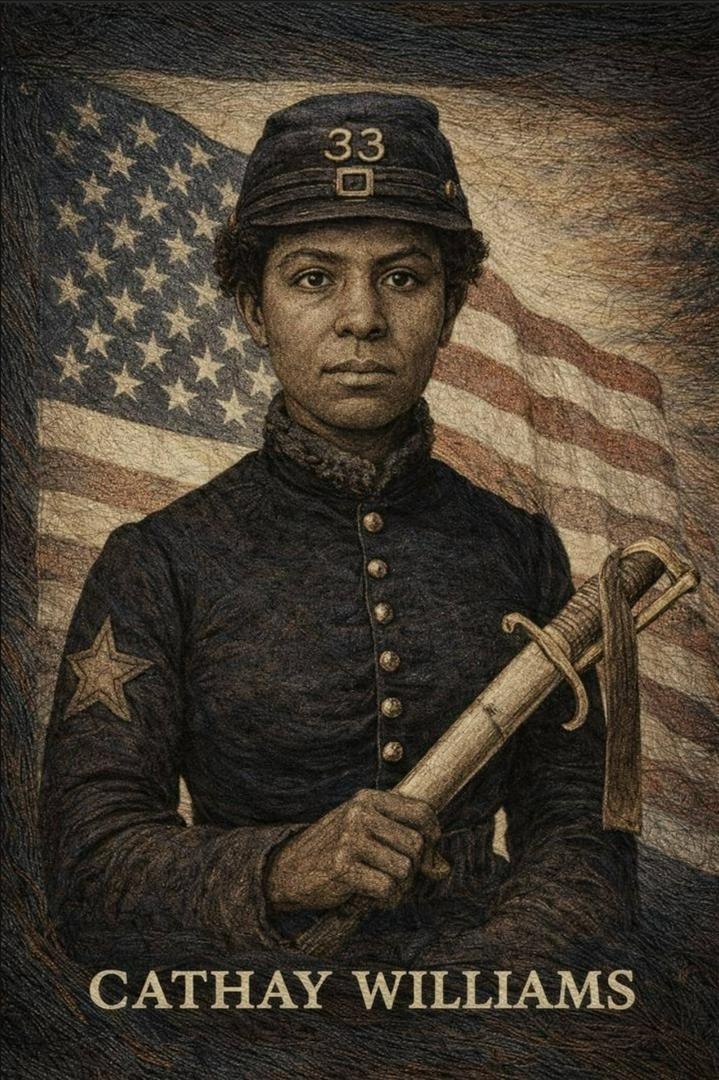
Cathav Williams was born in September 1844 in Independence, Missouri, to an enslaved mother and a free father. Because her mother was enslaved, Cathay was also born into slavery. As a young woman, she was forced into labor for Union troops during the Civil War, working as a cook and washerwoman and traveling with the army through parts of the South. That experience prought her close to military life long before she officially entered it After the war, Williams chose a path few women of her time could even imagine. On November 15. 1866, she enlisted in the United States Army in St. Louis under the name William Cathay. Since women were barred from military service, disguising herself as a man was the only way she could join. She served in Company A of the 38th U.S Infantry, one of the African Americanregiments created after the Civil War and ater tied to the legacy of the Buffalo Soldiers. For nearly two years, she performed the duties expected of any soldier. Her secret remained hidden unti repeated illness and hospital visits led army doctors to discover she was a woman. She was discharged on October 14, 1868 Years later, Williams applied for a military disabilitv pension, describing her service and failing health, but her claim was denied Much of her later life remains unclear, but her place in history does not. Today, Cathay Williams is remembered as the only documented woman known to have served as a Buffalo Soldier and one of the most remarkable women in American military history. #OurHistory #CathayWilliams #BuffaloSoldiers #MilitaryHistory #BlackHistory #WomensHistory

Tag: WomensHistory | LocalAll