Tag Page morningroutine

#morningroutine
John Spencer Ellis

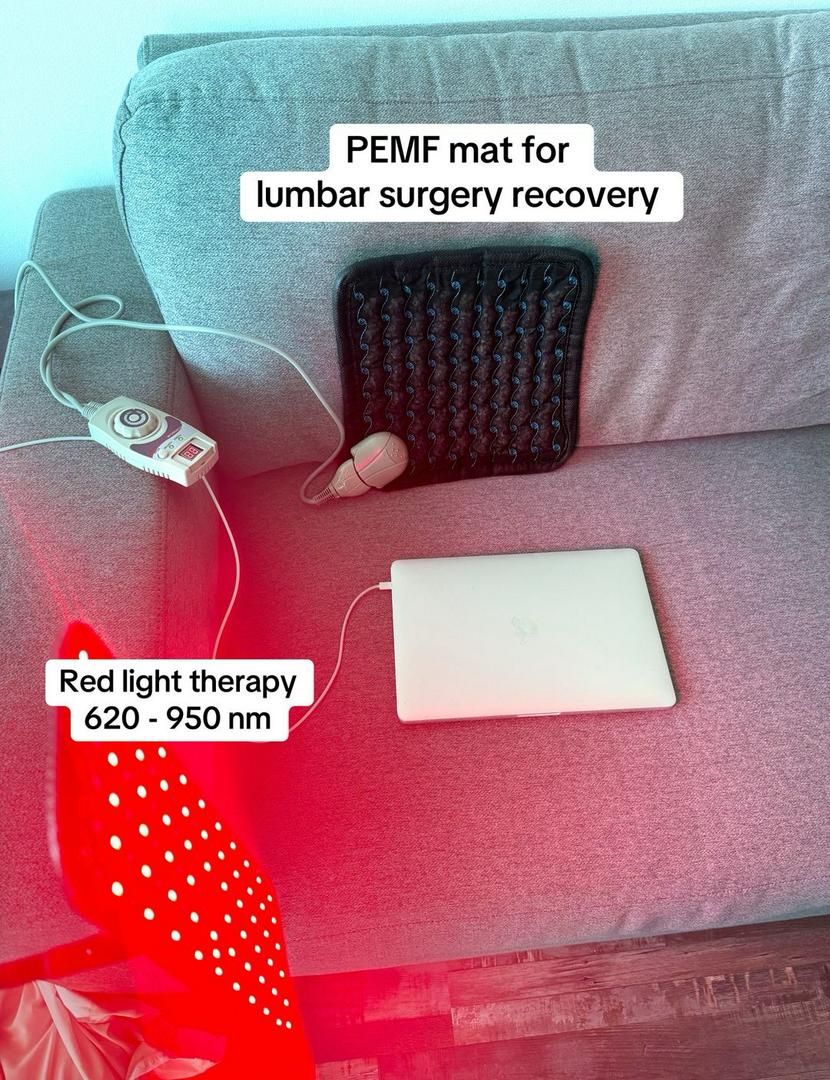
I often get asked, so here’s a little insight to my morning routine. Approximately one year ago I had a very invasive back surgery. I’m doing significantly better and using the PEMF mat each morning, which helps me with mobility throughout the day. PEMF mats emit electromagnetic pulses that stimulate cellular repair, reduce inflammation, and boost circulation, aiding muscle recovery/growth and bone healing for skeletal injuries. I also sit in front of an adjustable red light while I’m doing my back treatment. Red light therapy in the morning boosts mitochondrial ATP production for energy, reduces inflammation, enhances alertness, and mimics sunlight to regulate circadian rhythms. While I’m doing this, I drink my morning protein drink, which includes methylene blue, whey protein, collagen, lysine, creatine and a few other important ingredients. During this time I organize my business tasks for the day. And then take the dog for a walk of about 2 miles. Then, off to the gym to lift. This all begins around 6:30am. Is this a lot? Maybe, but too many men my age (57) look and feel like 💩. I’d like to avoid that 🙏. I’m here to help when you are committed to change. #morningroutine #morningritual #morningvibes #morningcheer


John Spencer Ellis

Ever notice how a brisk walk can clear your mind and make you feel sharper? It’s more than just feel-good chemicals—it’s the visual magic happening around you! As you stroll, things like trees, buildings, and people zip past your eyes, creating what’s called “optic flow.” This moving scenery tricks your brain into thinking you’re navigating, lighting up special spots in the visual part of your brain’s gray matter—the dense tissue packed with nerve cells. Studies show this visual buzz activates areas that help with sensing motion and figuring out your position in space. In older folks, stronger activity here can explain a big chunk of how well they track paths visually. Plus, regular walks actually grow gray matter in key brain zones, like those handling decisions, vision, memory storage, and learning. One key study found that walking about 6-9 miles a week (around 72 blocks) led to bigger gray matter volumes years later, cutting the risk of memory problems or dementia in half. So, next time you’re out walking, know you’re not just moving your body—you’re boosting your brain’s gray matter with every step. Who’s ready for a stroll? 🌳🚶‍♂️#graymatter #morningroutine #brainpower #longevitylifestyle

You've reached the end!