Tag Page lataraspeakstruth

#lataraspeakstruth
LataraSpeaksTruth

The Wanderer… 1858

On November 28, 1858, one of the last known illegal slave ships to reach the United States secretly landed on Jekyll Island, Georgia. The vessel, called the Wanderer, arrived with more than 400 kidnapped men, women, and children from West and Central Africa… all smuggled in defiance of the federal ban on the transatlantic slave trade that had been in place since 1808. The Wanderer was originally built as a luxury yacht, but was converted into a human trafficking vessel financed by wealthy Southern men determined to profit from an illegal trade. Survivors were quickly dispersed across Georgia and the Deep South, sold into forced labor. Only a fraction of the captives lived long after arrival. Though federal officials investigated, no one was punished. The Wanderer became a symbol of how far traffickers were willing to go to protect their wealth… and how little accountability existed for crimes committed against Africans even after the trade was outlawed. #LataraSpeaksTruth #HistoryMatters #AmericanHistory #UntoldStories #JekyllIsland #Wanderer1858 #LearnThePast

The Wanderer… 1858
LataraSpeaksTruth

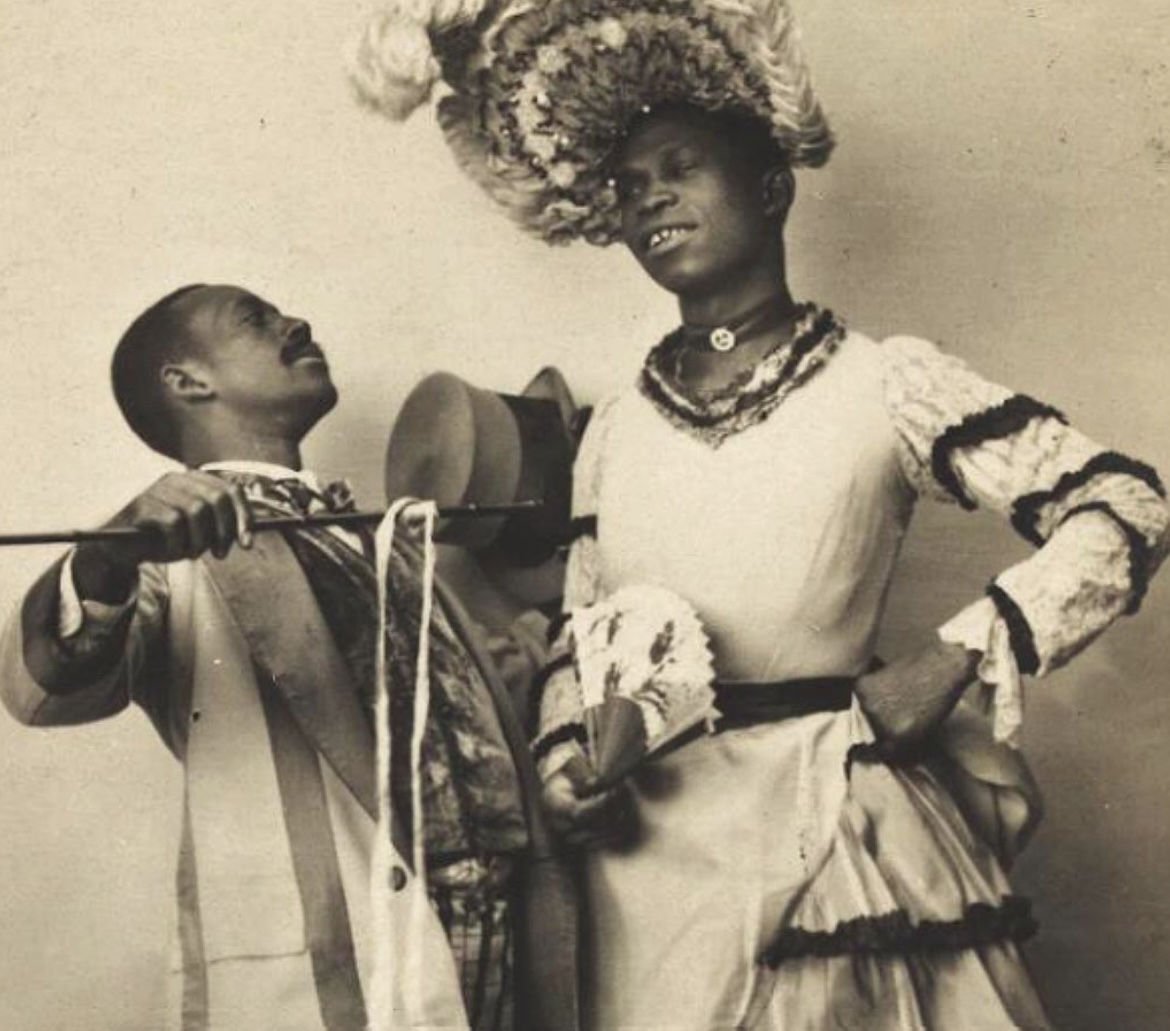
WILLIAM DORSEY SWANN: A HIDDEN FIGURE IN AMERICAN HISTORY

William Dorsey Swann’s name rarely appears in history books, but his story reaches back to the late 1800s. Born into slavery in 1860, Swann stepped into freedom determined to create space for people who lived on the margins. In Washington D.C. he organized private gatherings now recognized as some of the earliest drag balls in the United States. These events were often targeted by police, leading to raids and arrests. Even in the face of that pressure, Swann defended his right to assemble and live openly, becoming the first known person in America to call himself a Queen of Drag. Whether someone agrees with the lifestyle or not, his courage and willingness to stand up to a hostile society make him a significant figure in Black history and in the early struggle for LGBTQ rights. His life shows how many different paths contributed to the broader fight for freedom in this country. A story from the past that reminds us how many different battles shaped American history. #WilliamDorseySwann #BlackHistory #AmericanHistory #LGBTQHistory #HistoricalFigures #CommunityVoices #UntoldStories #LataraSpeaksTruth

WILLIAM DORSEY SWANN: A HIDDEN FIGURE IN AMERICAN HISTORY
LataraSpeaksTruth

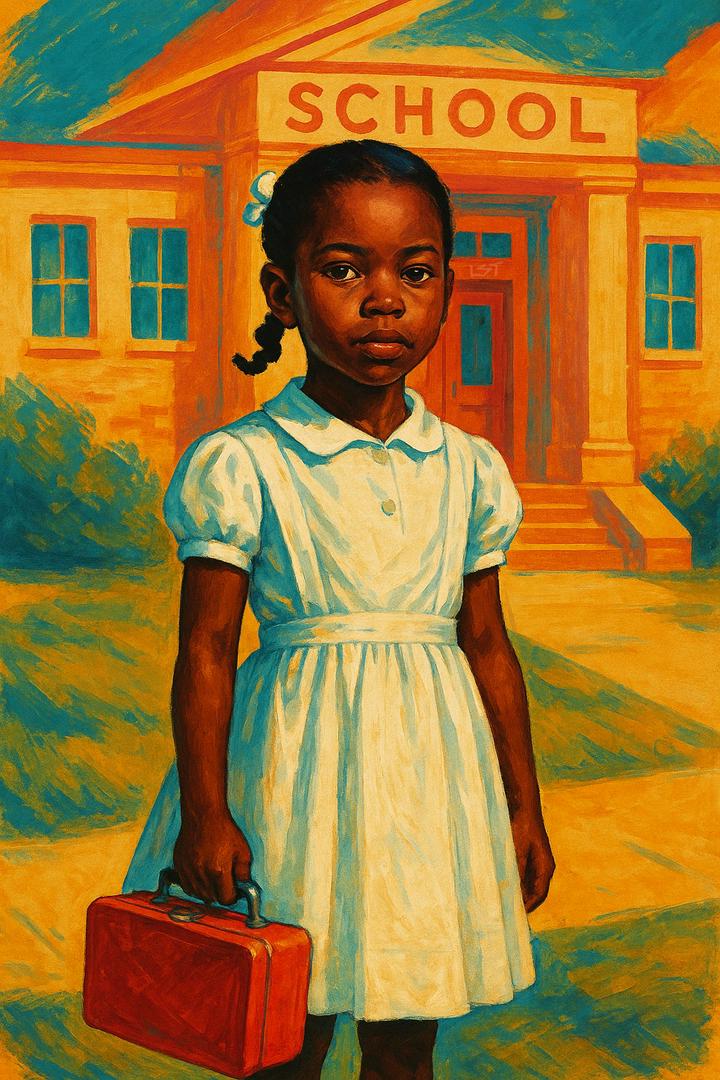
The Little Girl Who Moved a Nation

Ruby’s story hits like a drumbeat through history. Picture a tiny first-grader in 1960, rolling up to William Frantz Elementary in New Orleans with U.S. marshals flanking her like she’s the nation’s smallest superhero. Crowds spit hate, but Ruby? She keeps it moving, lunchbox swinging, spirit unbroken. Inside, every classroom is empty because white parents pulled their kids out. Only one teacher, Barbara Henry… has the backbone to teach her. So Ruby learns alone, day after day, in a school built for hundreds. Outside, the noise stays ugly, but Ruby prays for the people yelling at her. Wild level of grace for a six-year-old, honestly. That walk didn’t just open a school door. It cracked open the future. Ruby stood steady so generations of kids could sit together and learn without fear. Her steps still echo. Her courage still teaches. Her story? Still shaking the room. #RubyBridges #BlackHistory #AmericanHistory #CivilRightsEra #EducationHistory #LataraSpeaksTruth

The Little Girl Who Moved a Nation
LataraSpeaksTruth

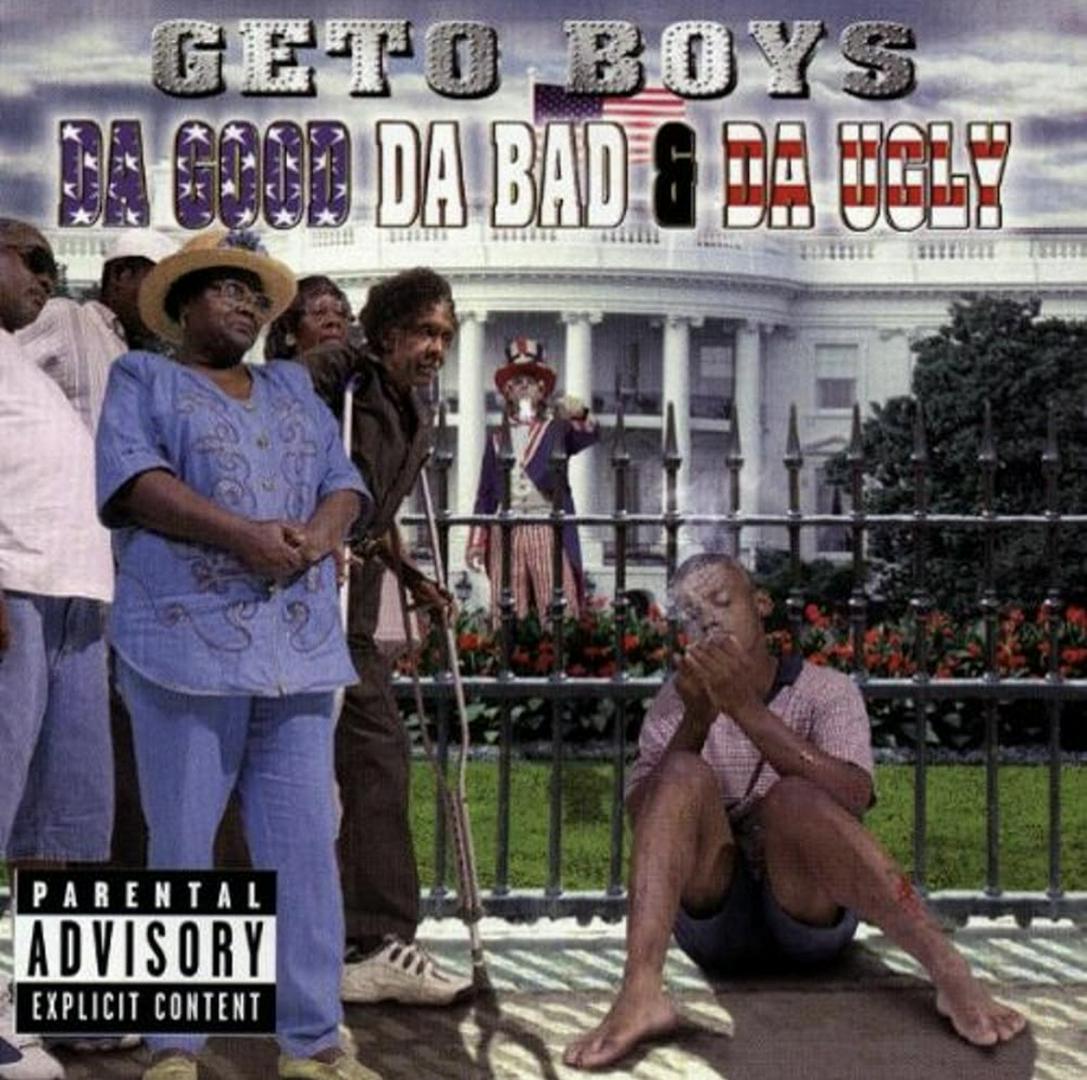
Geto Boys Drop Da Good, Da Bad & Da Ugly… The South Spoke Loud

On November 17, 1998, the Geto Boys came back with Da Good, Da Bad & Da Ugly, a project carved straight out of the Southern hip-hop landscape they helped build. Houston had already claimed its voice thanks to them… raw, unfiltered, and unapologetically Southern, but this album showed the world that the South wasn’t a “side conversation” anymore. It was the main stage. The album held that signature Geto Boys energy… dark storytelling, sharp social commentary, and the kind of life observations you only get from people who’ve seen both sides of the street. Even with lineup changes, the crew held on to what made them legendary in the first place… honesty, edge, and a refusal to water anything down for mainstream comfort. By the late ‘90s, hip-hop was shifting fast, but the Geto Boys reminded everybody that Southern rap didn’t need approval to be iconic. They were already stamped. Already respected. Already shaping the direction of a whole region. Da Good, Da Bad & Da Ugly stands as one of those albums that marks a moment… the South saying “we’re here, we’re staying, and we’re not taking our foot off nothing.” #HipHopHistory #GetoBoys #SouthernRap #HoustonLegends #OnThisDay #BlackMusicHistory #LataraSpeaksTruth #CultureStories #Lemon8Creator #1998Vibes

Geto Boys Drop Da Good, Da Bad & Da Ugly… The South Spoke Loud
LataraSpeaksTruth

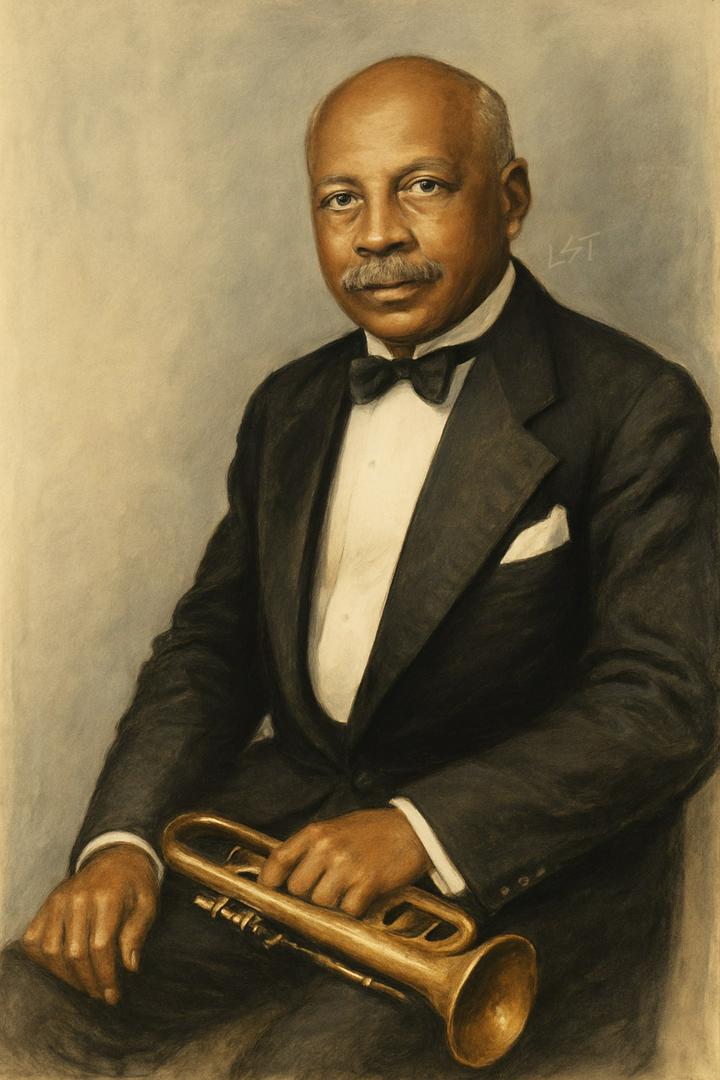
W.C. Handy, Blues Legend

On November 16, 1873, Florence, Alabama welcomed W. C. Handy… the man who turned the everyday sounds of Black life into the written language of the blues. He didn’t invent the music our people were already creating. He honored it. He organized it. He made sure the world could finally recognize what had been here all along. With songs like “Memphis Blues” and “St. Louis Blues,” Handy opened the door for generations of artists to walk through. His influence shows up in everything from soul to jazz to rock to gospel… the entire family tree. Remembering him today is simple. Give credit to the blueprint behind the music we hear everywhere. Handy made sure those roots didn’t disappear. #WCHandy #OnThisDay #MusicHistory #BluesLegend #AmericanMusic #CulturalRoots #BlackMusicalHeritage #TheBlueprint #HistoryPost #LataraSpeaksTruth

W.C. Handy, Blues Legend
LataraSpeaksTruth

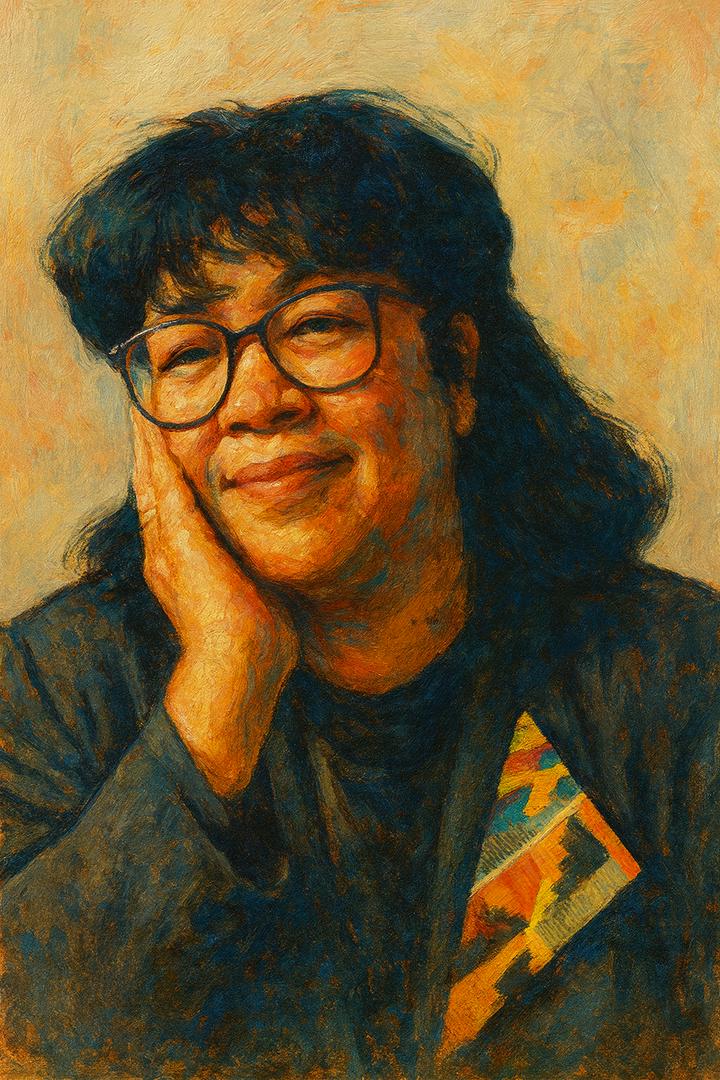
When people talk about the Tulsa Race Massacre today, they often have no idea how close this history came to disappearing. For decades, it sat in silence, tucked into unopened archives and memories no one bothered to ask about. The only reason we can name survivors, hear their voices, and understand even a fraction of what happened is because one woman refused to let the truth fade. Eddie Faye Gates spent years sitting with survivors and listening to stories the country had ignored. She treated every recollection as evidence and every voice as a piece of a broken record that needed to be made whole. Her work did not simply document history. It protected it. She helped create an archive that made it impossible for anyone to pretend Tulsa was a rumor or an exaggeration. As a leading member of the Oklahoma Commission to Study the Tulsa Race Riot of 1921, she ensured survivor testimonies were recorded, preserved, and placed where institutions could no longer look away. Her persistence reshaped how the nation understands one of its darkest moments. On December 9, 2021, she passed away, leaving behind a legacy built on truth and courage. Because of her, the story of Tulsa is no longer hidden behind denial or silence. The testimonies she preserved continue to guide educators, researchers, lawmakers, and communities that choose honesty over comfort. Gates never asked for attention. She never put herself at the center. She simply believed survivors deserved to be remembered as real people and not as footnotes in forgotten history. In living out that belief, she compelled institutions to confront realities they ignored for generations. Her legacy reminds us that history can be fragile, yet it can still be reclaimed. And every time the Tulsa Race Massacre is taught or discussed, her presence lingers quietly in the background, proving that one determined historian can change what a nation chooses to remember. #LataraSpeaksTruth #NewsBreak #HistoryMatters #EddieFayeGates
LataraSpeaksTruth

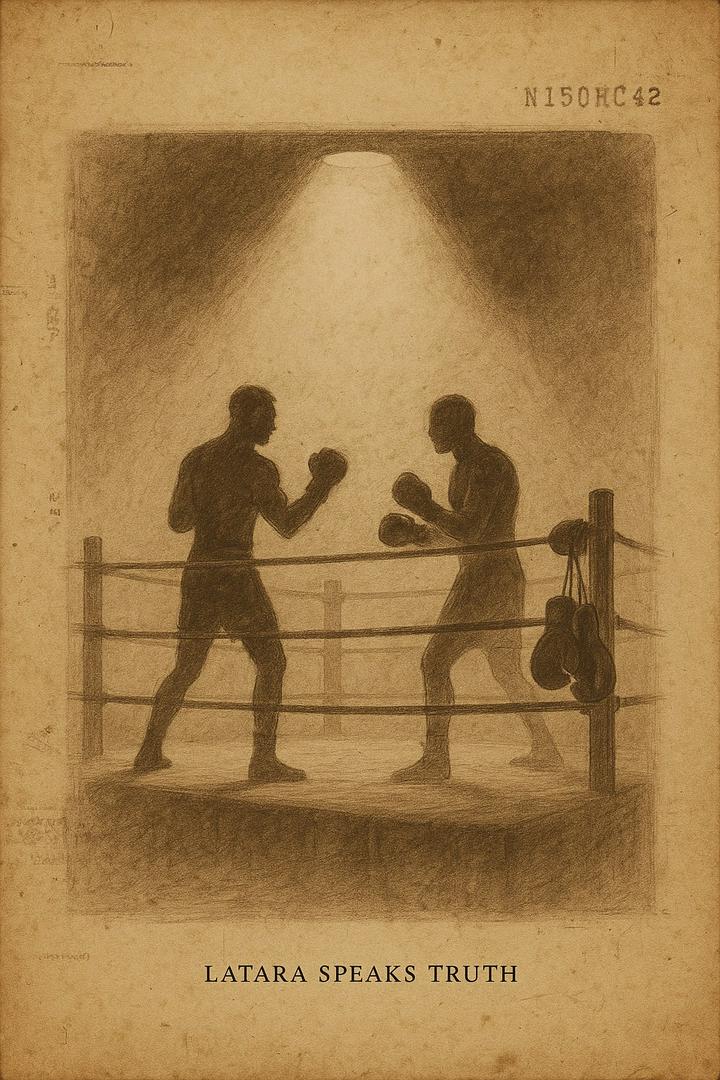
1958… The Day Louisiana’s “Anti-Mixing” Sports Law Finally Fell

On November 28, 1958, a federal three-judge court ruled against Louisiana’s attempt to keep sports segregated forever. The case was called Dorsey v. State Athletic Commission, and it targeted the state’s “anti-mixing” law… a rule that tried to stop Black and white athletes from competing against each other. Louisiana used this law to block integrated boxing matches. Promoters were threatened with jail. Black fighters were refused licenses. White fighters were told to stay in their own lane. The whole thing was designed to protect the old order… and punish anyone who dared to break it. The court struck it down. They called it unconstitutional, discriminatory, and flat-out incompatible with the country’s direction. It was one of the quiet wins that chipped away at segregation’s foundation. Not loud. Not flashy. But necessary. This wasn’t just about sports. It was about the state trying to control who could stand toe-to-toe in public. And the court said no… not anymore. #LataraSpeaksTruth #HistoryMatters #AmericanHistory #HiddenHistory #UntoldStories #OnThisDay #CivilRightsEra

1958… The Day Louisiana’s “Anti-Mixing” Sports Law Finally Fell
LataraSpeaksTruth

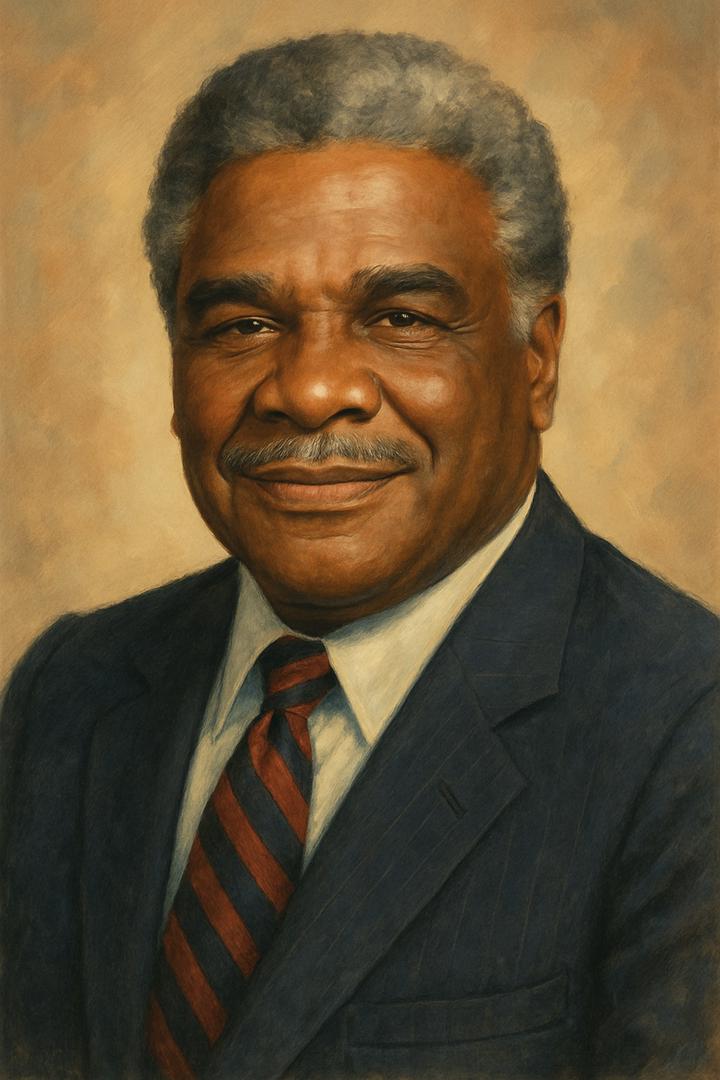
1987: Death of Chicago Mayor Harold Washington

Harold Washington, the first Black mayor in Chicago’s history, passed away on this day in 1987 after collapsing at his desk in City Hall. He was sixty-five. His election reshaped Chicago’s political landscape. Washington built broad coalitions across neighborhoods that had long been divided. His administration shifted attention toward communities that spent decades on the margins and brought new expectations for transparency and reform. Even with the challenges he faced, Washington’s leadership changed how people saw the possibility of political power in Chicago. His time in office lives on as a turning point for the city and for generations who studied the path he carved. #HaroldWashington #ChicagoHistory #AmericanPolitics #HistoricalLeaders #LataraSpeaksTruth

1987: Death of Chicago Mayor Harold Washington