Tag Page lataraspeakstruth

#lataraspeakstruth
LataraSpeaksTruth

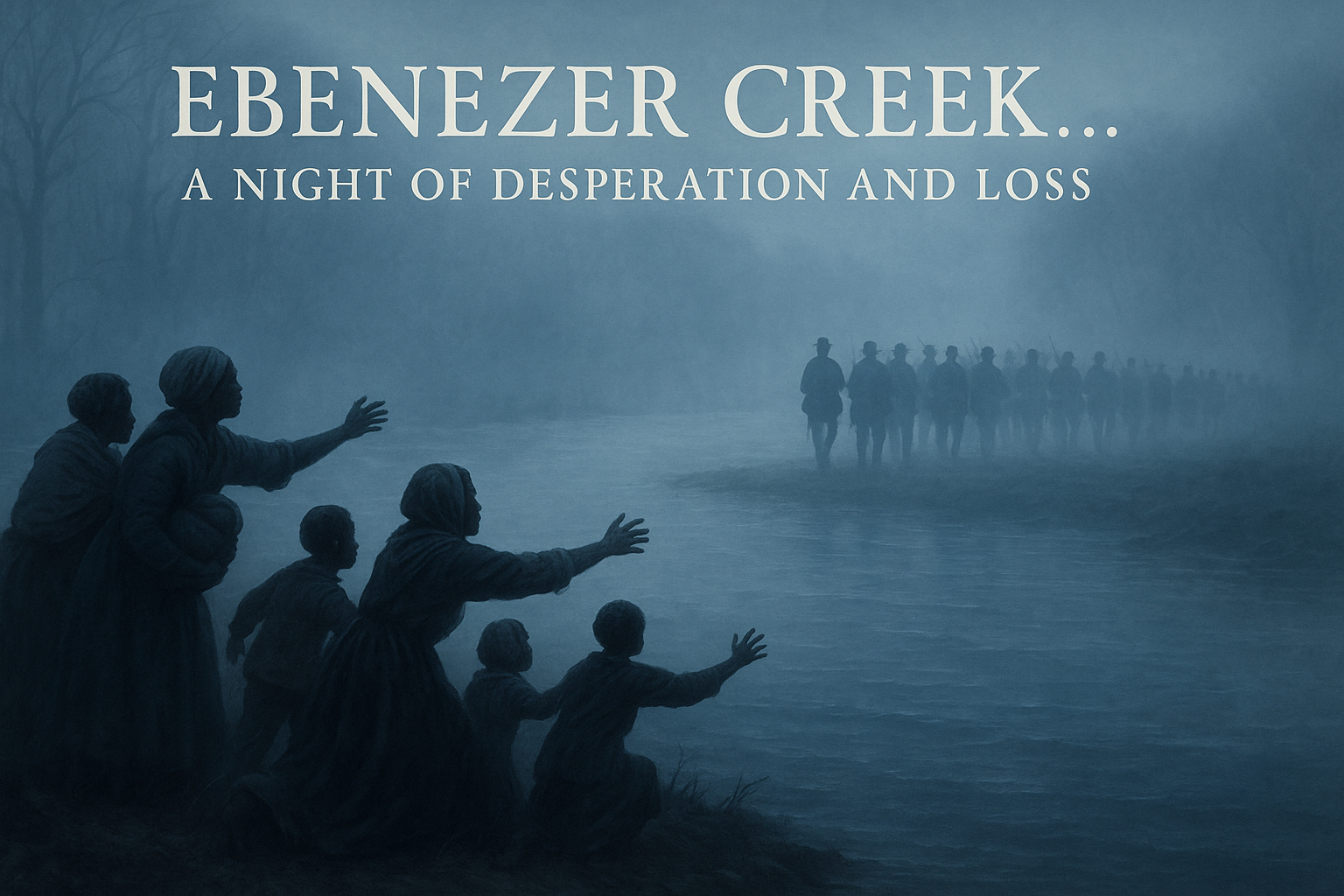
The Eutaw Riot – October 25, 1870

In Eutaw, Alabama, a public gathering of Black citizens met in the courthouse square during the Reconstruction era to discuss upcoming elections and community progress. Tensions in the area had been rising, and the event turned tragic when conflict broke out between white and Black residents. Historical accounts report that several people lost their lives and many were injured. In the days that followed, voter turnout among Black citizens fell sharply due to widespread fear and intimidation. This shift helped change the political outcome in Greene County, marking a major setback for Reconstruction efforts in Alabama. The Eutaw Riot became one of the most notable examples of how resistance to racial equality influenced Southern politics after the Civil War. It stands as a reminder of how fragile progress can be when unity gives way to fear. #BlackHistory #EutawRiot #ReconstructionEra #AmericanHistory #LataraSpeaksTruth

The Eutaw Riot – October 25, 1870
LataraSpeaksTruth

Edwin C. Berry was born in 1854 in Oberlin, Ohio and would grow into one of the most successful Black hoteliers of his era. His story is one of discipline, skill, and a refusal to be boxed in by the limits placed on Black ambition during the late nineteenth and early twentieth century. Berry trained as a barber first, a field where Black men were often able to build steady clientele and earn financial stability. That experience taught him how to read people, manage money, and understand the rhythm of business. Those skills opened the door to something bigger. He moved to Athens, Ohio where he took a bold step. He purchased and transformed a modest boarding house into what became the Hotel Berry, a respected establishment that drew travelers from across the region. At a time when segregation blocked Black travelers from many accommodations, Berry created a place known for its order, comfort, and professionalism. His hotel earned praise from both Black and white patrons which was rare for the period. People noted the elegance of the space and the discipline with which Berry ran it. His success was not just about hospitality. It showed what strong Black leadership looked like during a time when opportunities were limited and racial barriers were constant. Berry built wealth, provided jobs, and raised the standard for what Black owned businesses could achieve. His life stands as a reminder that history is filled with stories of Black excellence that shaped communities long before these contributions were fully acknowledged. Berry’s legacy still inspires people who understand how hard he had to work to build what he built. #EdwinCBerry #BlackHistory #AmericanHistory #AthensOhio #HotelBerry #LataraSpeaksTruth

LataraSpeaksTruth

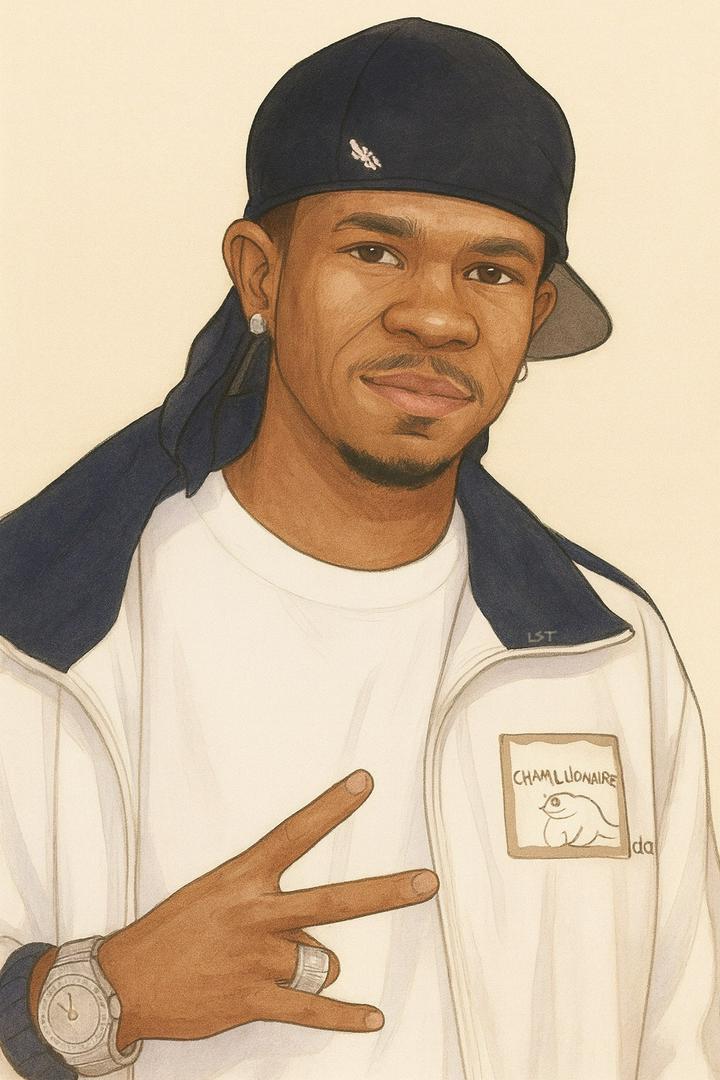
Happy Birthday Chamillionaire Born November 28, 1979

On this day we celebrate Hakeem “Chamillionaire” Seriki, the Houston artist who made the world lean into Southern rap with a style that was sharp, smooth, and always ahead of its time. Rising out of the Texas mixtape scene, he helped shape the sound of mid 2000s hip hop through hard work, originality, and an unapologetically smart approach to music and business. Long before “Ridin’” became a global anthem, Chamillionaire was already building a loyal fanbase with his lyrical talent and business hustle. When that record hit, it did more than earn a Grammy. It marked a moment when Southern artists were breaking every wall and proving they belonged at the center of the culture. Chamillionaire took that moment and built something lasting from it. What makes his story stand out is the way he refused to stay boxed into just the music industry. He stepped into tech before it was trendy, investing in startups, advising companies, and opening doors for other Black creatives and entrepreneurs. While a lot of artists were chasing headlines, he was quietly learning how the future was moving and positioning himself right in the middle of it. His business reputation is respected because it’s built on discipline, knowledge, and the same creativity he poured into his music. Chamillionaire showed what it looks like when an artist refuses to let the industry define them. He turned his success into access, his access into strategy, and his strategy into long term stability. Today we honor more than a rapper. We honor a visionary, a businessman, a Houston legend, and a reminder that success does not always have to be loud to be powerful. Happy Birthday Chamillionaire. Your impact reaches way beyond the charts, and the culture sees you. #Chamillionaire #HappyBirthday #HipHopHistory #HoustonLegend #Ridin #MusicCulture #LataraSpeaksTruth

Happy Birthday Chamillionaire
Born November 28, 1979
LataraSpeaksTruth

Geto Boys Drop Da Good, Da Bad & Da Ugly… The South Spoke Loud

On November 17, 1998, the Geto Boys came back with Da Good, Da Bad & Da Ugly, a project carved straight out of the Southern hip-hop landscape they helped build. Houston had already claimed its voice thanks to them… raw, unfiltered, and unapologetically Southern, but this album showed the world that the South wasn’t a “side conversation” anymore. It was the main stage. The album held that signature Geto Boys energy… dark storytelling, sharp social commentary, and the kind of life observations you only get from people who’ve seen both sides of the street. Even with lineup changes, the crew held on to what made them legendary in the first place… honesty, edge, and a refusal to water anything down for mainstream comfort. By the late ‘90s, hip-hop was shifting fast, but the Geto Boys reminded everybody that Southern rap didn’t need approval to be iconic. They were already stamped. Already respected. Already shaping the direction of a whole region. Da Good, Da Bad & Da Ugly stands as one of those albums that marks a moment… the South saying “we’re here, we’re staying, and we’re not taking our foot off nothing.” #HipHopHistory #GetoBoys #SouthernRap #HoustonLegends #OnThisDay #BlackMusicHistory #LataraSpeaksTruth #CultureStories #Lemon8Creator #1998Vibes

Geto Boys Drop Da Good, Da Bad & Da Ugly… The South Spoke Loud
LataraSpeaksTruth

The Little Girl Who Moved a Nation

Ruby’s story hits like a drumbeat through history. Picture a tiny first-grader in 1960, rolling up to William Frantz Elementary in New Orleans with U.S. marshals flanking her like she’s the nation’s smallest superhero. Crowds spit hate, but Ruby? She keeps it moving, lunchbox swinging, spirit unbroken. Inside, every classroom is empty because white parents pulled their kids out. Only one teacher, Barbara Henry… has the backbone to teach her. So Ruby learns alone, day after day, in a school built for hundreds. Outside, the noise stays ugly, but Ruby prays for the people yelling at her. Wild level of grace for a six-year-old, honestly. That walk didn’t just open a school door. It cracked open the future. Ruby stood steady so generations of kids could sit together and learn without fear. Her steps still echo. Her courage still teaches. Her story? Still shaking the room. #RubyBridges #BlackHistory #AmericanHistory #CivilRightsEra #EducationHistory #LataraSpeaksTruth

The Little Girl Who Moved a Nation
LataraSpeaksTruth

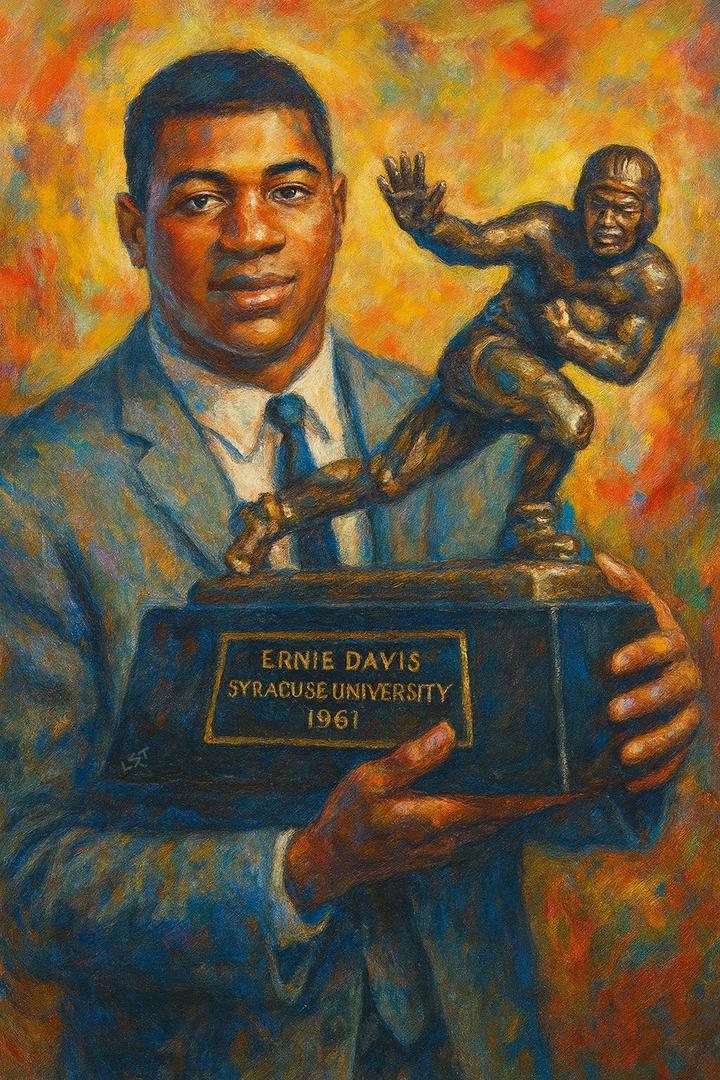
The First Black Heisman Winner… Ernie Davis Makes History (1961)

In 1961, Ernie Davis changed the entire landscape of college sports without raising his voice or asking for permission. Syracuse University’s star running back became the first Black athlete to win the Heisman Trophy… and that moment hit a lot harder than a highlight reel. Davis was one of those players who made the game look easy. Smooth balance, impossible strength, and the kind of vision that made defenses question their life choices. But behind all that talent was a young man pushing through barriers that had been in place for generations. College football was still wrestling with segregation and resistance, and a lot of doors were never meant to open for athletes who looked like him. Yet he walked right through them. His Heisman win wasn’t just about statistics or a shiny award. It was a shift… a crack in a wall. Davis stood on that stage in New York City representing every player who had been told “not yet” or “not here.” He was drafted first overall into the NFL, but leukemia took his life before he could ever take the field. He was only 23. Even so, his story didn’t fade. Syracuse retired his number, and generations of players still see him as proof that purpose shows up even when the world tries to look away. Today, his legacy still stands tall: talent, dignity, and impact that reaches far past the field. #ErnieDavis #Heisman #SportsHistory #BlackAthletes #OnThisDay #LataraSpeaksTruth

The First Black Heisman Winner… Ernie Davis Makes History (1961)
LataraSpeaksTruth

🚌Before Rosa Sat, Claudette Already Had.

Nine months before Rosa Parks made history, a 15-year-old girl named Claudette Colvin refused to give up her seat on a Montgomery bus. She was young, bold, and fearless, but the movement wasn’t ready to rally behind her. They called her “too rebellious,” “too dark,” “too unpolished.” So when Rosa Parks, a seasoned activist and NAACP secretary, made that same choice, the world finally paid attention. Not because the act was new… but because society decided who was allowed to represent it. Rosa knew the risk. She knew the story before hers. And she made her moment count, turning one woman’s refusal into a movement’s awakening. 🕊️ She passed away on this day in 2005, but her courage, and Claudette’s… still ripple through every generation learning that “quiet” does not mean “compliant”. #ClaudetteColvin #RosaParks #BlackHistory #CivilRights #LataraSpeaksTruth #WomenOfCourage #HiddenFigures #KnowYourHistory #BlackExcellence #LegacyAndTruth

🚌Before Rosa Sat, Claudette Already Had.
LataraSpeaksTruth

Rosa Parks Attends the Dexter Avenue Meeting, 1955

1955… Montgomery was already on edge, but that night at Dexter Avenue Baptist Church, things shifted. Rosa Parks walked into a packed mass meeting to hear a talk about Emmett Till… the 14-year-old boy whose brutal murder had shaken the entire country. The church was filled with tension, grief, anger, and a rising sense that silence was no longer an option. Parks sat and listened as speakers talked plainly about the dangers Black families faced across the South. Emmett Till wasn’t a headline to her… he was a warning, a wound, and a reminder of every injustice people tried to swallow just to survive. The stories that night weren’t meant to scare anyone… they were meant to wake everyone up. And Rosa heard all of it… really heard it. She wasn’t some tired seamstress like people love to repeat. She was seasoned, sharp, and fully aware of how dangerous the world around her was. That meeting settled something inside her spirit. It fed the backbone she already had. So when she refused to give up her seat just a few months later, it wasn’t random, it wasn’t sudden, and it definitely wasn’t because she was “just tired.” She was tired of abuse, tired of the disrespect, tired of a system that stole sons like Emmett Till and told mothers to accept it. That night at Dexter wasn’t a footnote… it was fuel. #OnThisDay #HistoryMatters #LataraSpeaksTruth #RosaParks #EmmettTill #Montgomery

Rosa Parks Attends the Dexter Avenue Meeting, 1955
LataraSpeaksTruth

The Birth of Etta Jones, November 25, 1928

Etta Jones was born on this day in Aiken, South Carolina. She later moved to Harlem, where music was the heartbeat of the neighborhood and a young singer could grow into something special. That move shaped her sound and set the stage for the career she would build. Jones became a respected jazz and blues vocalist known for her warm tone and expressive phrasing. She had a style that felt effortless and lived in the middle ground between jazz smoothness and blues honesty. She stepped into recording in the late 1940s and built her voice through steady work, touring, and collaborations that kept her grounded in the traditions she loved. Her breakthrough came with the song Don’t Go to Strangers in 1960. The single reached a national audience and earned her a Grammy nomination. It also introduced new listeners to the depth of her talent and the kind of mature, lived in singing that set her apart. One of the most defining parts of her career was her long partnership with saxophonist Houston Person. They worked together for decades. Their chemistry created a catalog of albums that felt consistent and true to who she was as an artist. Many fans remember them as one of the strongest vocalist instrumentalist duos in modern jazz. Etta Jones continued recording and performing until the end of her life. In a moment that felt almost poetic, she passed away in 2001 on the same day her final album was released. Her legacy lives quietly but powerfully in jazz circles and in the voices of singers who followed her path. #OnThisDay #JazzHistory #EttaJones #LataraSpeaksTruth #AskNewsBreak

The Birth of Etta Jones, November 25, 1928
LataraSpeaksTruth

Macon Bolling Allen Admitted to the Massachusetts Bar in 1845

On November 26, 1845, Macon Bolling Allen stepped into a world that liked to pretend it had no room for him and still made space anyway. He became the first Black lawyer admitted to the Massachusetts bar, carrying a calm kind of courage that hits different when you realize the country was still tangled in slavery and hostility. Earlier in 1844 he had already passed the Maine bar exam, proving his skill long before many thought he would even be allowed to take the test. Massachusetts recognized that ability next, and from there he kept pushing forward, eventually serving as one of the first Black judges in the United States. His journey reads like a reminder that discipline and study can be rebellion when the world expects you to shrink. Allen found a way into rooms that were not built for him and left the doors open behind him. Every Black lawyer, judge, advocate, and student walking their own path today moves with echoes of his persistence. #MaconBollingAllen #OnThisDay #HistoryMatters #AmericanHistory #LataraSpeaksTruth

Macon Bolling Allen Admitted to the Massachusetts Bar in 1845