Tag Page history

#history
1776 Patriot

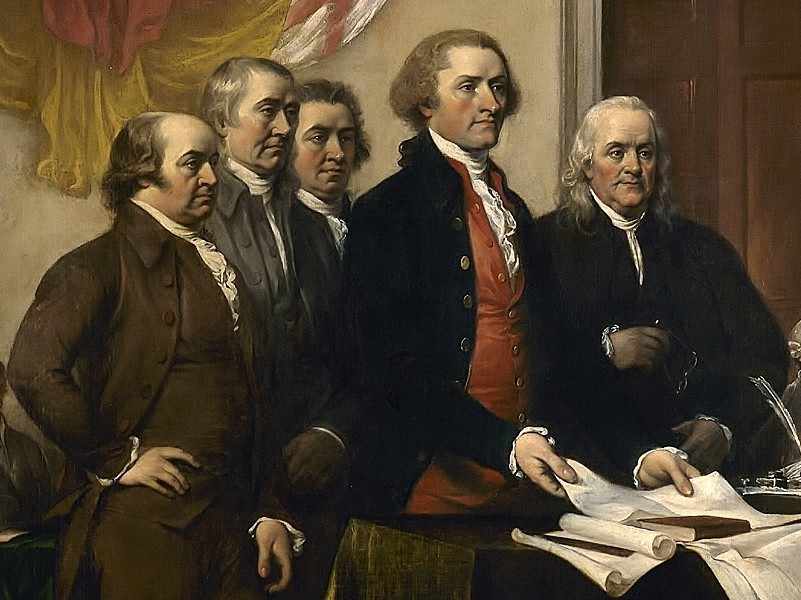
Founding Father Sherman’s Art of the Deal: Saving America in 1787 At the Constitutional Convention, 55 delegates from 12 states met from May to September 1787 in near-total secrecy. Rhode Island refused to attend. Windows were closed against the summer heat, and notes were forbidden to leave the room. The nation hung in the balance. Large states backed the Virginia Plan, demanding representation by population. Small states backed the New Jersey Plan, insisting on equal votes. Virginia had over 500,000 residents; Delaware had fewer than 60,000. Delegates warned that without agreement, the union could fracture before it began. Roger Sherman, a Connecticut shoemaker turned statesman, and Oliver Ellsworth proposed the Connecticut Compromise, the first national legislature to combine proportional representation in one chamber with equal state representation in another in a federal system. The House would be apportioned by population; the Senate would give two votes per state. Revenue bills would originate in the House, while all legislation required Senate approval. The plan passed a 5-to-4 committee vote before adoption by the full Convention, breaking the deadlock and keeping smaller states at the table. The compromise was revolutionary. It forced rival states into a single functional system. It embedded conflict within a durable framework that allowed debate without collapse. Large and small states were bound together in a union that would endure. Congress still operates under this structure. More than 70 countries today use bicameral legislatures, including Germany, Australia, and India. Without Sherman and Ellsworth’s daring compromise, the American experiment in self-government might never have survived. #History #USHistory #America #USA #Constitution101 #Politics #Congress

1776 Patriot

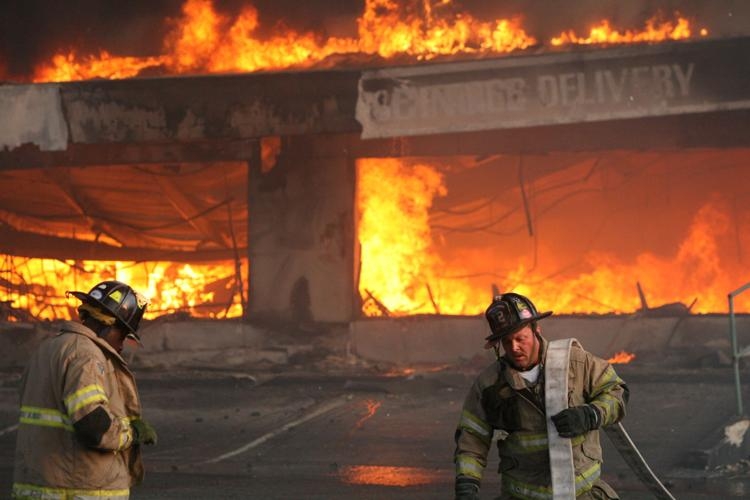
30 Lives Saved, 9 Lost: Remembering The Charleston 9 On the evening of June 18, 2007, a massive blaze erupted at the Sofa Super Store on North Rhett Avenue in Charleston, South Carolina. Within minutes, the fire engulfed more than 100,000 square feet of showroom and warehouse space. Thick black smoke and flames spread rapidly through stacks of furniture, creating one of the deadliest structural fires in U.S. history. Charleston Fire Department crews responded immediately. Among them was Captain Louis Mulkey, a 35-year veteran known for his calm leadership. As temperatures near the roof climbed above 1300°F, Mulkey and his team entered the building to search for civilians believed trapped inside. Despite rapidly deteriorating conditions and weakening structural integrity, they pushed deeper into the showroom. More than 80 firefighters entered the structure that night. Around 10:15 p.m., a sudden ceiling collapse trapped several firefighters. Mulkey was among those killed when a large section of the roof gave way. In total, nine Charleston firefighters lost their lives and 55 were injured. Before the collapse, crews helped evacuate an estimated 30 civilians. One survivor later said, “They were the last ones in and the last ones looking for people. They never quit on us.” Investigators later found that fire growth was underestimated and visibility had dropped to near zero. Data from the National Institute of Standards and Technology showed survival time in such conditions can drop by up to 80% in under 3 minutes without fresh air. The tragedy led to nationwide safety reforms, including improved air monitoring and structural risk assessment. Departments adopting these improvements saw a 30% reduction in injury rates in similar fires. Today, the fallen are honored at the "Charleston 9" Memorial Park, where their sacrifice continues to guide future generations of first responders. #HeroStories #America #USA #History #USA #Firefighters

1776 Patriot

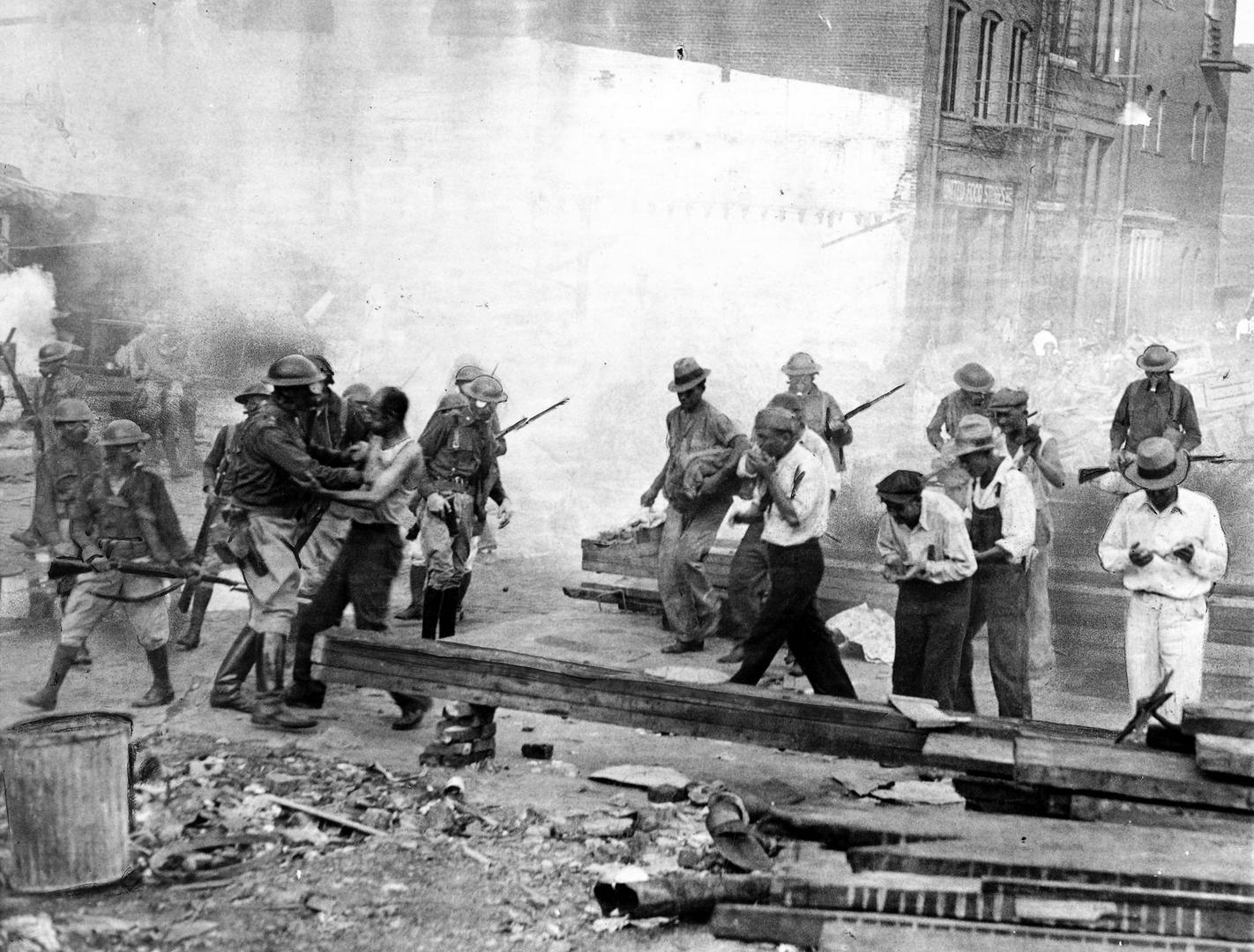
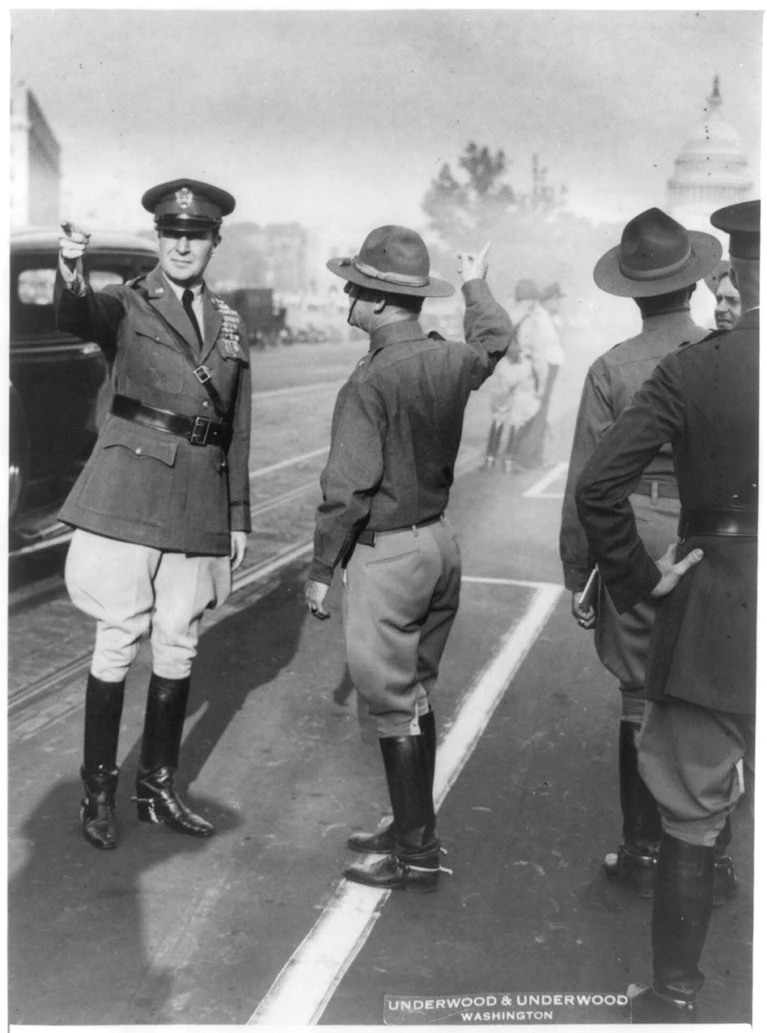
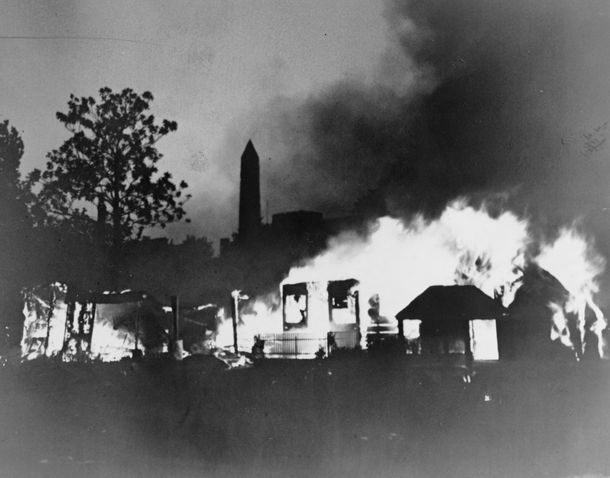
When General Patton and MacArthur Drove Veterans Out of Washington In the summer of 1932, roughly 43,000 people gathered in Washington D.C., including 17,000 World War I soldiers and 26,000 family members. They were the Bonus Expeditionary Force, demanding early payment of a bonus Congress promised in 1924 but scheduled for 1945. Each held a certificate worth $1 per day in the U.S. and $1.25 per day overseas, desperately needed during the Great Depression when unemployment reached 24%. They built over 1,500 huts on the Anacostia Flats. The encampment became the largest Hooverville, a shantytown named after President Hoover, with organized sanitation, streets, a small newspaper, a school, a mess hall, and medical stations. Congress debated their request, but the Senate rejected the bonus on June 17, 1932, by 62 - 18. Many refused to leave. On July 28, President Hoover ordered the camps cleared. Hoover faced declining public support as the economy worsened and unemployment peaked near 24%, contributing to a sharp decline in his popularity, which fell to roughly 23%. With business leaders urging action against perceived disorder, Hoover authorized Army Chief of Staff Douglas MacArthur to lead the operation. MacArthur oversaw 600 troops, including cavalry, infantry, and six M1917 tanks commanded by Major George S. Patton. Soldiers advanced with bayonets and fired tear gas while cavalry pushed crowds through the streets. By nightfall, the camp was set on fire, destroying hundreds of shelters and leaving thousands homeless. Thousands of personal belongings, including blankets and tents, were burned. At least 2 men were killed and more than 1,000 injured or treated for gas exposure. One participant told a reporter, “We fought for this country and now the country fights us.” Images of troops led by MacArthur and Patton driving out these former servicemen shocked the nation and became one of the most damaging moments of Hoover’s presidency. #USHistory #History #America

THESE VALUES

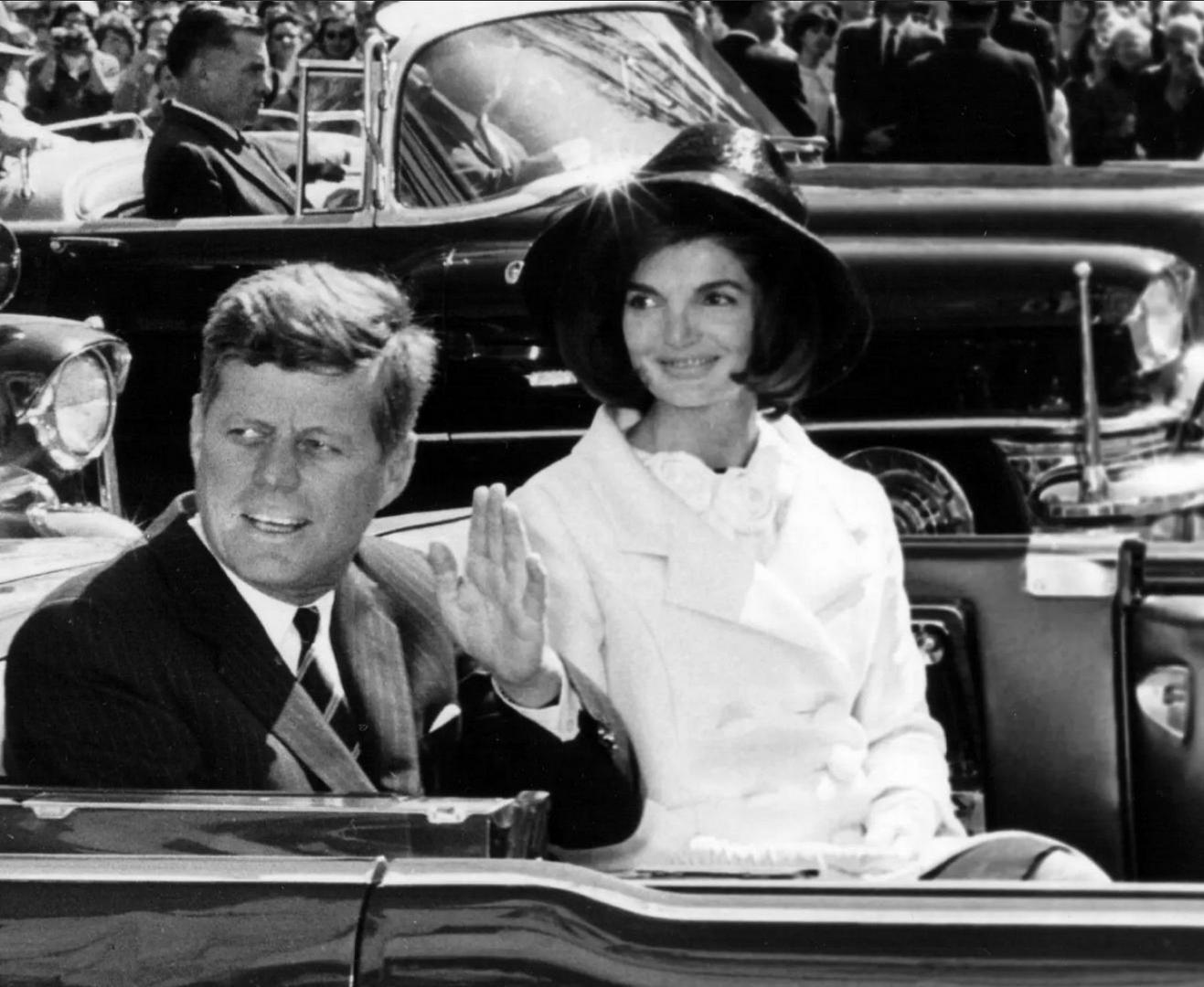
John F. Kennedy: The President with the Highest All Time Approva John F. Kennedy, the thirty fifth president of the United States. is still viewed as one of the most respected leaders in modern American historv. Throughout his presidency, his approval rating stayed near 70 percent, which is one of the highest averages ever recorded. His standing is measured through the modern polling system that began in 1936, allowing his numbers to be compared across generations of presidents. Based on this long record of surveys, Kennedy holds the highest average approval of any president in the polling era. Kennedy's popularity came from his personality, message, and calm eadership during major challenges. His naugural address, urging Americans ta serve their country, became one of the most memorable speeches in US history During the Cuban Missile Crisis in 1962, he quided the country through thirteen davs of extreme tension, preventing nuclear conflict and earning wide respect. His support for early civil rights efforts and his commitment to the space program added to the sense that he was eading the nation into a new ana ambitious era Surveys taken long after his death show how strong his legacy remains. One maior poll found that 85 percent of Americans approved of his performance when looking back on his presidency Even during difficult periods, such as the aftermath of the Bay of Pigs invasion, Kennedy kept approval ratings above 70 percent, something few presidents have matched. His calm approach, clear communication, and ability to connect with the public helped him maintain support across states, age groups, and political backgrounds Kennedy's consistently high approval demonstrates how trust and confidence from the public shape a president's place in history. Although he served less than one full term, his leadership during world crises and his appeal to national unity left a lasting mark #Politics #USA #History #USHistory #America

LataraSpeaksTruth

A lot of people may not like these posts, but I’ve never been one to give a damn. Researchers have spent years trying to understand why certain groups become long term targets of obsession, hostility, and blame. One of the clearest explanations is something called scapegoat theory. Scapegoat theory says when people feel powerless, angry, insecure, or dissatisfied with their own lives, they often go looking for somebody to dump that frustration on. Instead of confronting the real source of their problems, they pick a target. Somebody visible. Somebody already stereotyped. Somebody society has made easy to blame. In the United States, Black people have been forced into that role again and again. That is why the pattern feels so constant. It is not always about what a Black person did. A lot of the time, it is about what Black people represent in the minds of people who are already full of fear, resentment, and ignorance. For generations, Black people have been blamed for problems they did not create, watched like threats, copied for culture, and hated for existing with confidence, presence, talent, and truth. That is what scapegoating does. It strips people of their humanity and turns them into a dumping ground for other people’s issues. When society is under pressure, when people are struggling, when change is happening, the same ugly habit shows up. Instead of asking real questions about power, inequality, leadership, or broken systems, some people reach for the easiest target they think they can get away with attacking. And too often, that target has been Black people. So when folks act like this obsession came out of nowhere, no. It has a name. It has a pattern. And it has a long history. Scapegoating is not truth. It is projection. It is weakness dressed up as judgment. And once you understand that, a lot of this behavior starts making sick, predictable sense. #ScapegoatTheory #Psychology #SocialIssues #BlackVoices #Culture #History

Abraham Lincoln

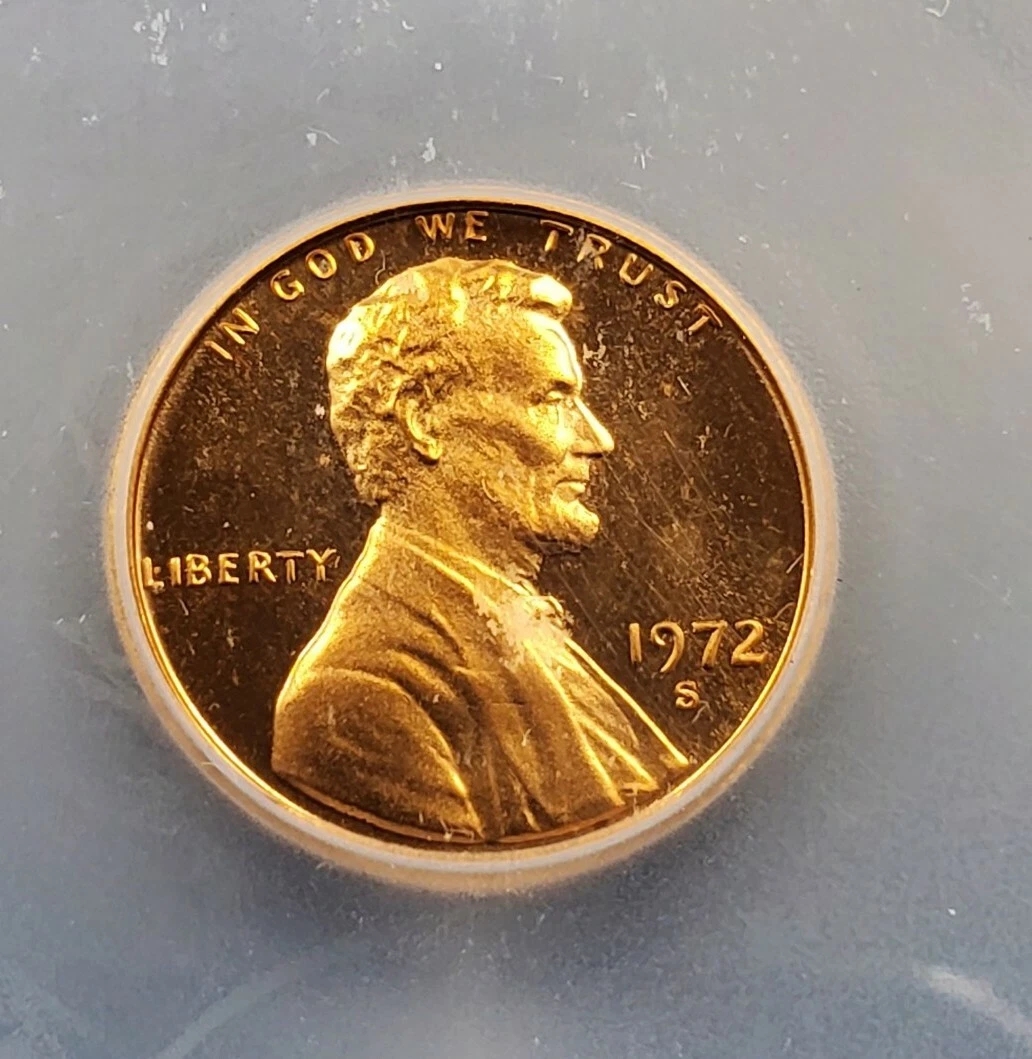
Reflections from My Pocket: How I Came to Be on the Penny I never imagined my face would appear on something as ordinary as a penny, yet in 1909, the United States Mint struck the first Lincoln cent to honor my 100th birthday. At the time, that penny, worth one cent, had the purchasing power of roughly 30¢ today, enough to buy a loaf of bread or a newspaper. In that year alone, the Mint produced 72 million pennies, nearly 60% more than the previous year’s Indian Head cents, showing the public’s enthusiasm for seeing history in their pockets. Why choose me? I understand now that Victor David Brenner, the sculptor who designed the coin, wrote, “I chose Lincoln because his life embodies the highest ideals of this country, and the coin should carry his noble image to every pocket.” I am humbled that my life, my work preserving the Union and proclaiming liberty for the enslaved, was seen as worthy of such a tribute. Some critics at the time worried about placing a political figure on money, yet the public embraced it. Brenner, born in Lithuania and immigrating to the United States in 1890, captured my profile using photographs by Mathew Brady. His initials, VDB, appeared on the reverse of the first 1909 pennies, occupying roughly 1–2% of the surface, which sparked a debate over visibility and credit. The coin weighed 3.11 grams and was composed of 95% copper and 5% tin and zinc, nearly identical to modern pre-1982 cents. Within the first year, about 18 million coins bore the full VDB initials, making them prized collectibles today, some fetching hundreds or even thousands of dollars. Even more than a century later, I am humbled that my likeness remains carried by millions every day. The Lincoln cent is a small object, yet it carries the weight of history, unity, and perseverance. I am glad that Brenner’s vision, that my life should embody the ideals of the nation in every pocket, lives on with each coin. #History #USHistory #America #USA #Penny #Mint #Lincoln
EMME'C.teamupdate

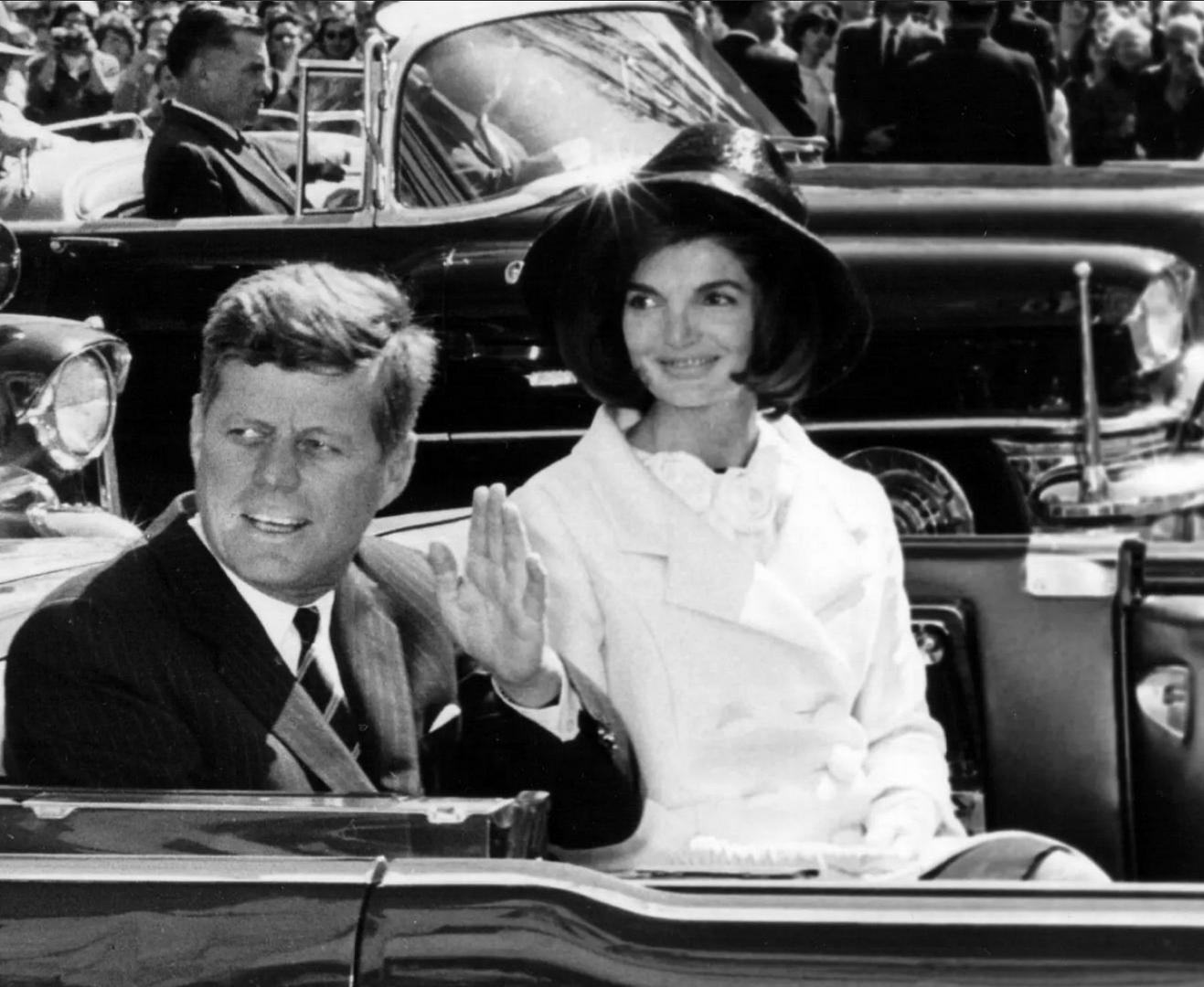
John F. Kennedy: The President with the Highest All Time Approva John F. Kennedy, the thirty fifth president of the United States. is still viewed as one of the most respected leaders in modern American history. Throughout his presidency, his approval rating stayed near 70 percent, which is one of the highest averages ever recorded. His standing is measured through the modern poling system that began in 1936, allowing his numbers to be compared across generations of presidents. Based on this lona record of survevs, Kennedv holds the highest average approval of any president in the polling era. Kennedy's popularity came from his personality, message, and calm leadership during major challenges. His inaugura address, urging Americans to serve their country, became one of the most memorable speeches in US history. During the Cuban Missile Crisis in 1962, he guided the country through thirteen days of extreme tension, preventing nuclear conflict and earning wide respect. His support for early civil rights efforts and his commitment to the space program added to the sense that he was leading the nation into a new and ambitious era Surveys taken long after his death show how strong his legacy remains. One major poll found that 85 percent of Americans approved of his performance when looking back on his presidency. Even during difficult periods, such as the aftermath of the Bav of Pias invasion, Kennedv kept approva ratings above 70 percent, something few presidents have matched. His calm approach, clear communication, and ability to connect with the public helped him maintain support across states, age groups and political backgrounds Kennedv's consistently high approval demonstrates how trust and confidence from the public shape a president's place in history. Although he served less than one full term, his leadership during world crises and his appeal to national unity left a lasting mark. #Politics #USA #History #USHistory #America

Nichole Garcia

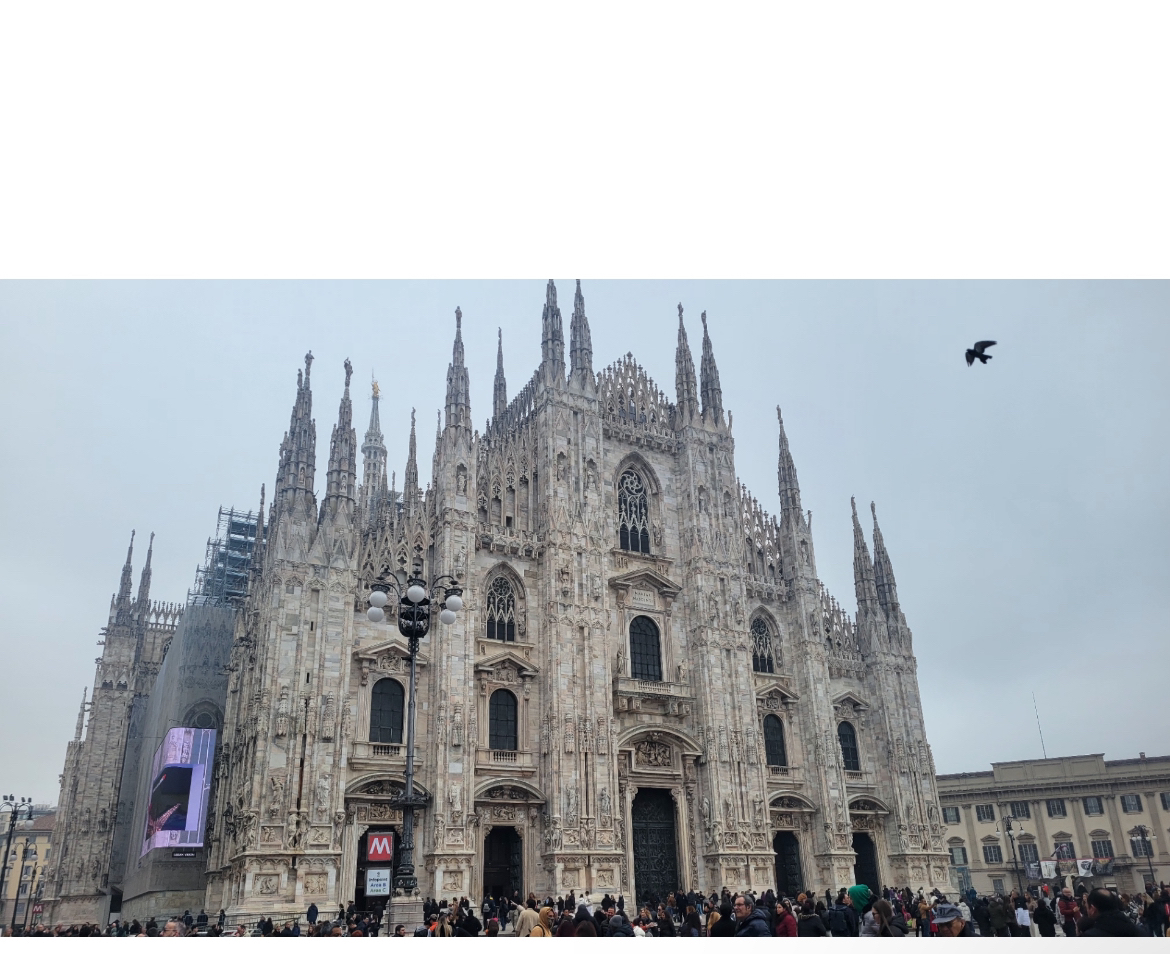
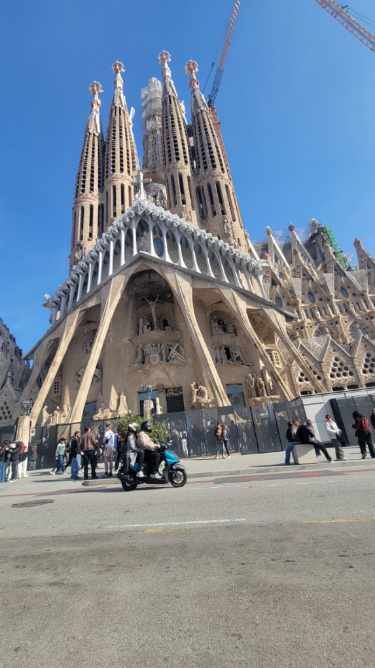
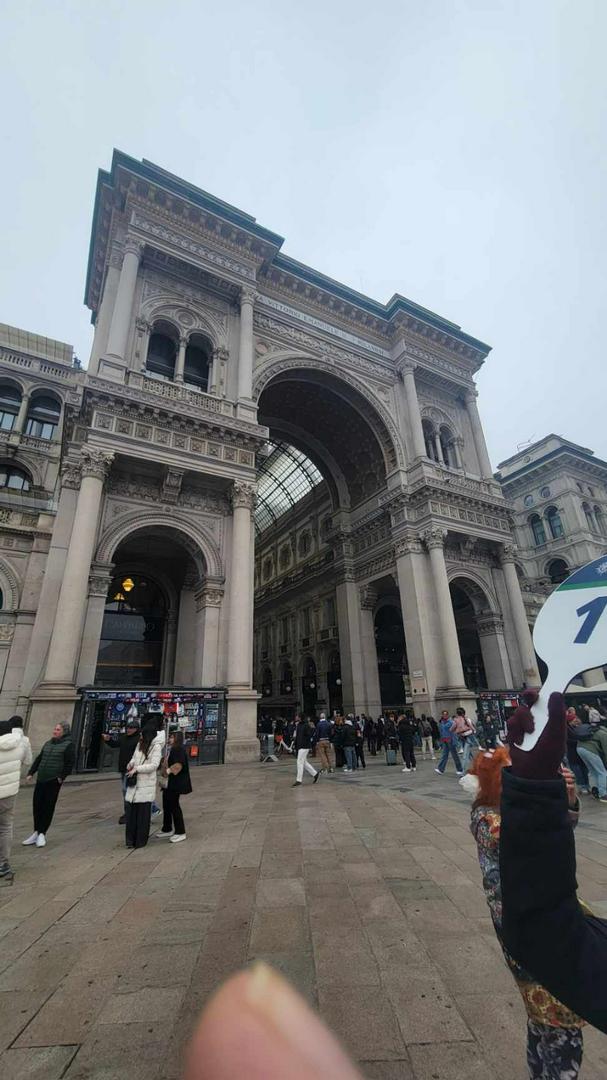
Some structures were never meant to be built quickly. The intricate Gothic masterpiece of Milan Cathedral took nearly six centuries to complete. The visionary design of Sagrada Família has been under construction for more than 140 years. And the enduring grandeur of St. Peter’s Basilica reflects generations of artistic, spiritual, and architectural dedication. These monuments remind us that the most meaningful achievements in human history were built slowly — with patience, purpose, and faith in something larger than a single lifetime. The people who began these projects knew they might never see them finished. Yet they built anyway. Because some legacies are not meant to be completed by one generation — they are meant to be continued by the next. The greatest things humanity builds are not measured in years… but in centuries. #Architecture #History #Legacy #PerspectivesOnLife

LataraSpeaksTruth

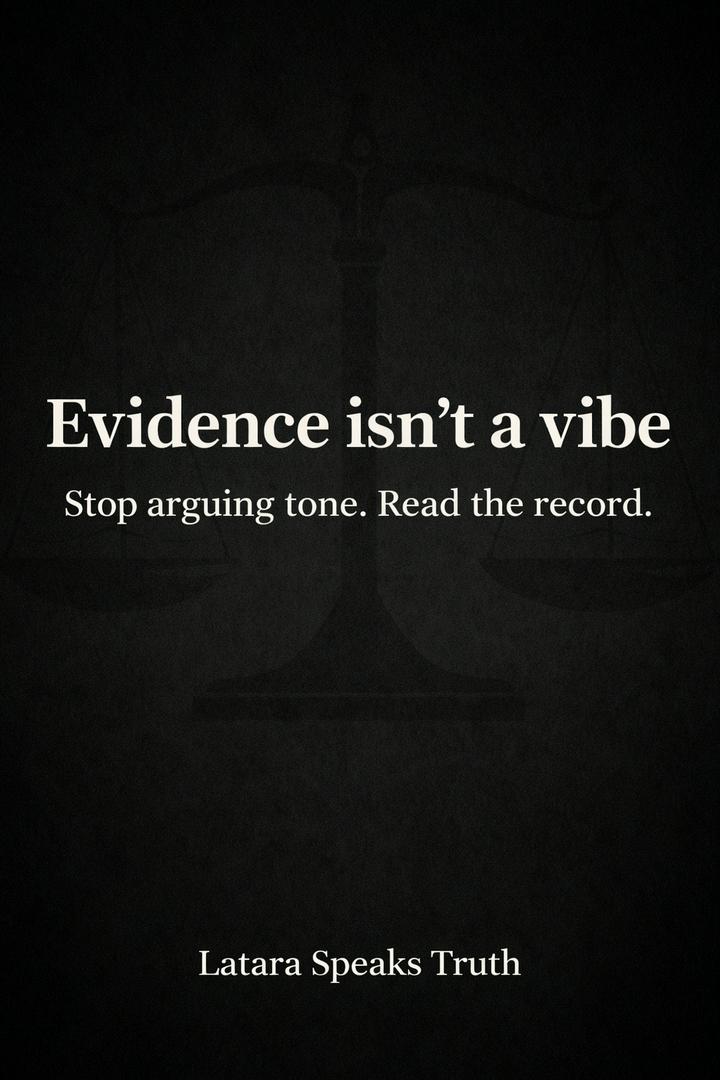
Some people follow my page because they genuinely want to learn. They read, they reflect, they respect the work, and I appreciate that. Then there’s a different pattern that shows up in the comments sometimes. I call it the objectivity trap. It’s when a person refuses to engage the facts, but they still want to critique the storyteller. Instead of responding to names, dates, documents, and outcomes, they start policing tone. They ask for a level of “neutral” that really means “make this comfortable for me.” It becomes less about the history and more about controlling how the history is allowed to be told. Psychology wise, this is a defense move. When information threatens someone’s worldview, the brain tries to reduce discomfort. One easy way is to shift the conversation from the evidence to the delivery. If they can label the storyteller as “biased” or “too emotional,” they don’t have to wrestle with what the facts are showing. Another piece of it is credibility bias. Some voices get automatic benefit of the doubt, while others are treated like they’re on trial for simply speaking. Same facts. Different trust. So let me be clear. Support is welcome. Good faith questions are welcome. Learning is welcome. But if your only contribution is tone policing, dismissing, or trying to drag the conversation away from the evidence and into a debate about my right to tell it, that’s not discussion. That’s avoidance. Read to understand. Check the sources. Then speak. #history #learning #criticalthinking #medialiteracy #commentsectionculture #factsfirst #doyourresearch #forrecord