Tag Page hiddenhistory

#hiddenhistory
LataraSpeaksTruth

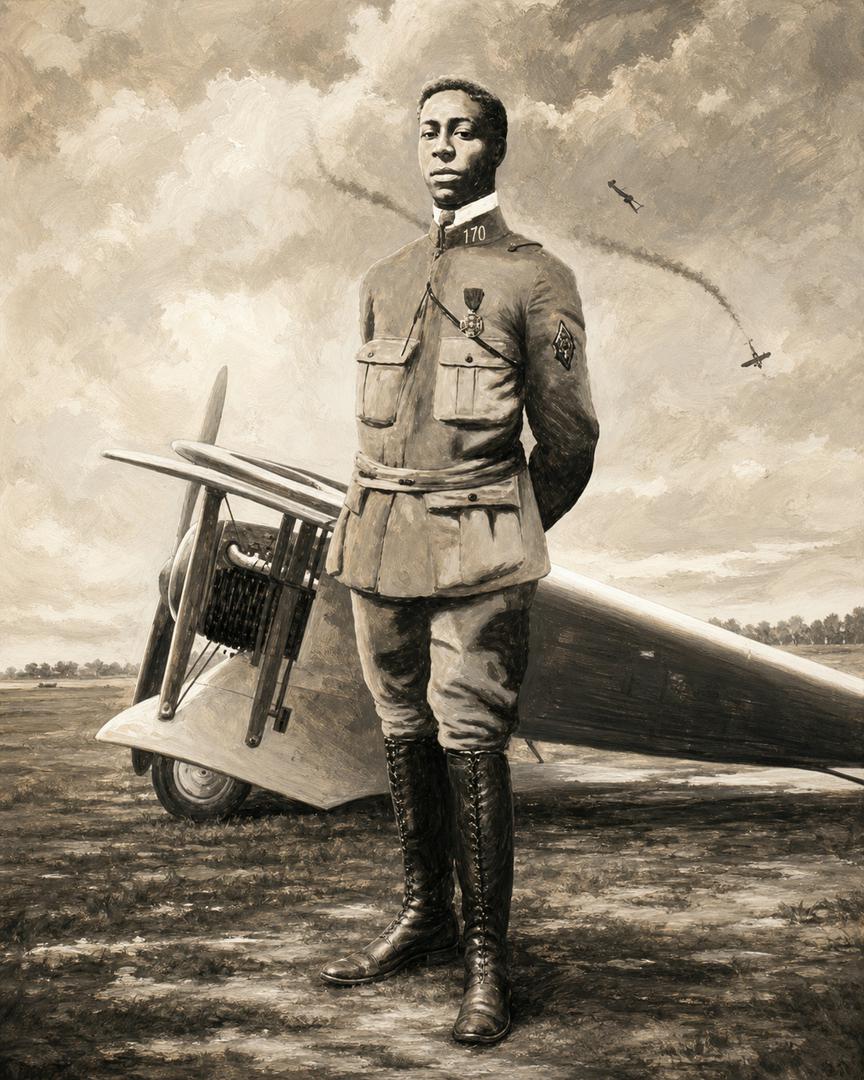
On May 5, 1917, Eugene Jacques Bullard earned his pilot’s license from the Aéro-Club de France. Born in Columbus, Georgia, Bullard became one of the first Black military pilots in world history and one of the most important combat aviators of World War I. Bullard’s story did not begin with privilege. He left the United States as a young man and eventually found his way to Europe. In France, he found opportunities America was not willing to give Black men at the time. When World War I began, Bullard joined the French Foreign Legion and later served in the French army. After being wounded at Verdun, he trained as a pilot and earned his wings in 1917. Aviation was still dangerous and new, but Bullard stepped into that world anyway. He flew for France before the United States was ready to recognize a Black man in that role. When America entered the war, some American pilots serving with France were accepted into U.S. service. Bullard was not. His skill, courage, and record were not enough to overcome the color line. France honored him for his service. Bullard received multiple military decorations and became remembered as a man who fought, flew, and survived in a world that tried to limit him. His story matters because Black achievement was often recognized overseas before it was respected at home. Eugene Bullard did not wait for permission from America to become history. He climbed into the cockpit anyway. Before the Tuskegee Airmen became legends, Eugene Jacques Bullard had already taken to the sky. #EugeneBullard #AviationHistory #WorldWarI #HiddenHistory #BlackHistory

LataraSpeaksTruth

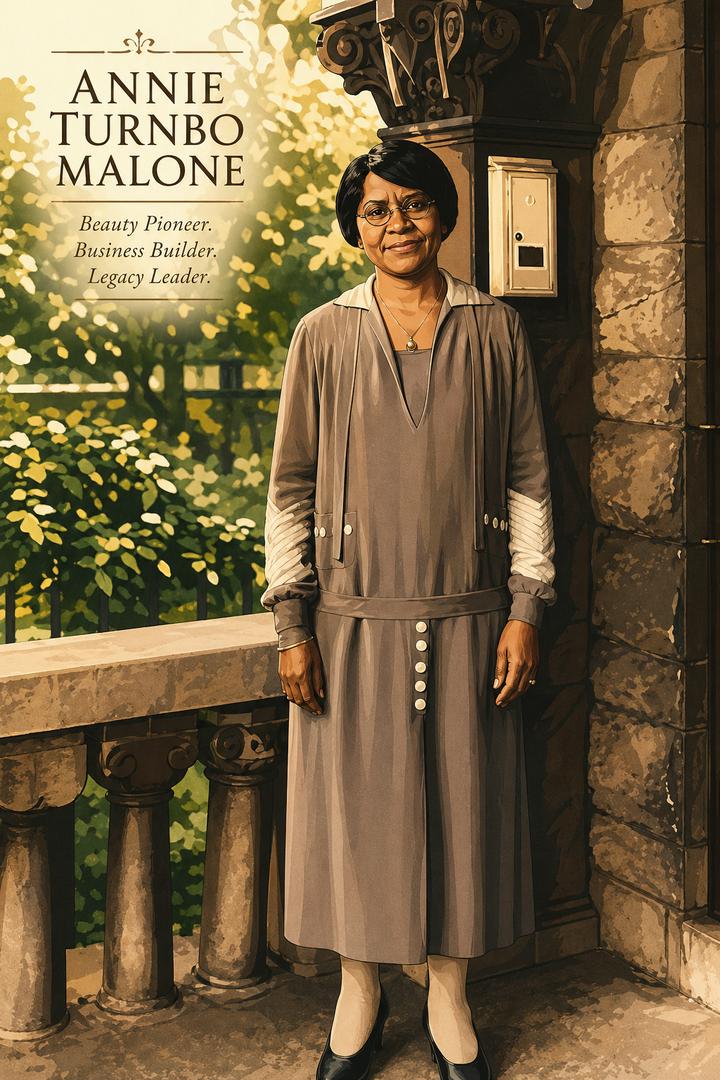
Before Madam C.J. Walker became the name most people remember, Annie Turnbo Malone was already building a beauty empire. Born Annie Minerva Turnbo in Illinois, Malone became one of the most important beauty entrepreneurs of the early 1900s. She developed hair and scalp care products for women whose beauty needs were often ignored by mainstream companies. Her business became known through the Poro system, a hair care method that grew into a major company, training network, and beauty school. In 1918, she established Poro College in St. Louis. It was more than a school. It included business offices, manufacturing space, classrooms, a retail store, and community areas. That part matters. Malone was not only selling products. She was teaching women how to earn, sell, build confidence, and create their own economic path at a time when opportunity was limited by race, gender, and segregation. Madam C.J. Walker’s story is powerful too, but it did not appear out of nowhere. Walker was once connected to Malone’s business before building her own company. That does not take anything away from Walker. It simply puts Annie Malone back into the picture where she belongs. Malone also used her wealth to support children, education, and community uplift. She is remembered as one of the first Black women millionaires in America, though her name is still less recognized than it should be. Her life also came with setbacks, including legal battles, business disputes, and financial strain. But her influence did not disappear. The beauty industry many people know today was shaped by women like Annie Malone, women who understood that hair was not just style. It was dignity. It was business. It was culture. It was survival. So when we talk about early beauty empires, the story is bigger than one name. Annie Malone was not a footnote. She was a founder. #AnnieMalone #BeautyHistory #HiddenHistory #WomenInBusiness

LataraSpeaksTruth

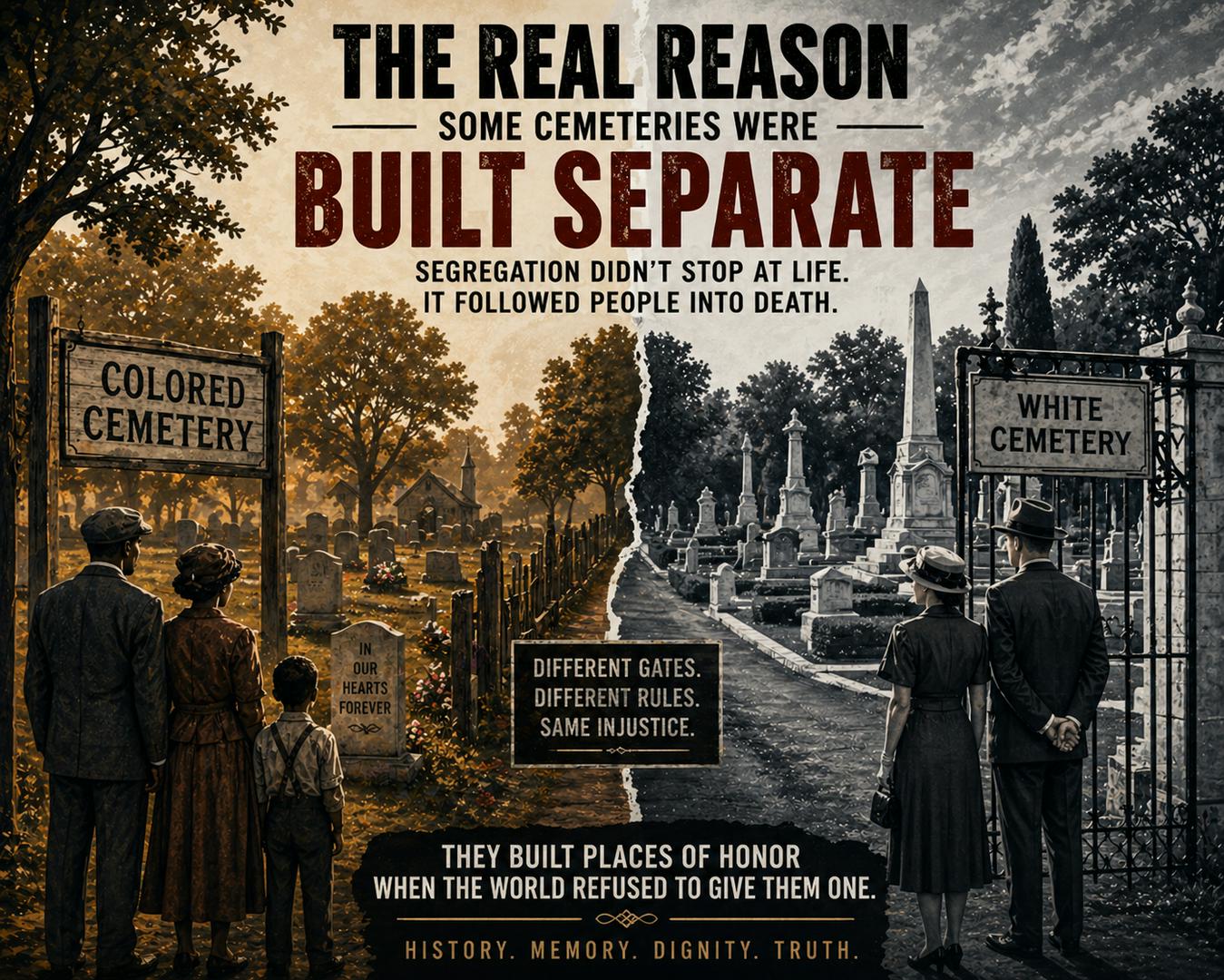
The Real Reason Some Cemeteries Were Built Separate Separate cemeteries were not always about tradition or family choice. In many places, they existed because Black families were denied equal access to burial space. Segregation did not stop at schools, buses, restaurants, hospitals, or neighborhoods. It followed people into death. Across the United States, Black people were often excluded from white-owned cemeteries, forced into separate sections, or given the least desirable burial grounds. In some communities, Black residents created their own cemeteries because there were no fair options available. Those cemeteries became sacred places of memory, dignity, and survival. They hold the remains of formerly enslaved people, veterans, church leaders, teachers, laborers, children, business owners, and families who helped build their communities. Many were created after slavery, when freed people built their own churches, schools, mutual aid societies, and burial grounds. But even after burial, unequal treatment continued. Many historically Black cemeteries were neglected, underfunded, damaged by development, paved over, or left without the same preservation support given to white cemeteries. Some communities are still fighting to protect these grounds, identify lost graves, and restore names that were nearly erased. That is what makes this history so uncomfortable. It shows that racial separation shaped not only where people could live, learn, eat, or work, but also where they could be mourned. Separate cemeteries tell a hard truth about America. Even in death, dignity was not always equally protected. But they also show something powerful. Black communities still built places of honor when the larger society refused to give them one. These cemeteries are not empty land. They are history, memory, family, and evidence. #BlackHistory #AmericanHistory #HiddenHistory #CemeteryHistory #HistoryMatters
LataraSpeaksTruth

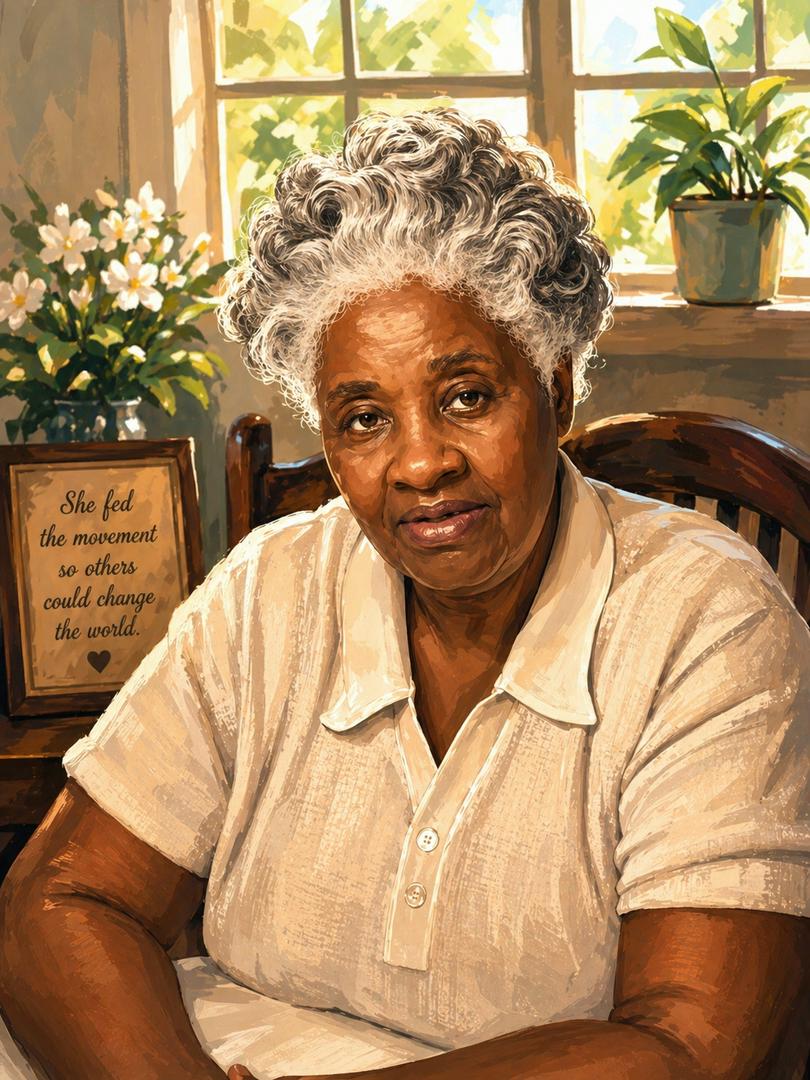
Georgia Gilmore did not lead the Montgomery Bus Boycott from a pulpit, courtroom, or political office. She helped keep it alive from a kitchen. Born in Montgomery County, Alabama, in 1920, Gilmore worked as a cook, midwife, and domestic worker. By the time the boycott began in 1955, she already knew the pain of segregation on city buses. She later testified about being forced to get off a bus and re-enter through the back, only for the driver to pull away before she could get back on. After Rosa Parks was arrested on December 1, 1955, Montgomery’s Black community organized a boycott of the bus system. The boycott lasted more than a year, and people still had to get to work, school, church, and daily responsibilities. That meant carpools, gas money, repairs, and steady organizing. Gilmore answered with food. She created a secret fundraising group called the Club from Nowhere. The name protected the women who cooked, sold, and donated because some could lose their jobs if their names were known. They sold meals, cakes, pies, fried chicken, and sandwiches through churches, homes, beauty shops, and community spaces. The money helped support the Montgomery Improvement Association and the boycott’s transportation efforts. Gilmore later lost her job, but Dr. Martin Luther King Jr. encouraged her to keep cooking from home. Her kitchen became a gathering place where leaders, workers, and community members were fed. Georgia Gilmore’s legacy reminds us that movements are not only built by speeches. They are built by people who cook, drive, donate, organize, and carry the work quietly. She helped feed the movement one plate at a time. #GeorgiaGilmore #MontgomeryBusBoycott #BlackHistory #HiddenHistory #NewsBreak

LataraSpeaksTruth

Clara Brown: The Woman Who Built Wealth Out West Clara Brown’s story belongs in the history of the American West because she was not only surviving. She was building. Born into slavery in Virginia around 1800, Brown was later taken to Kentucky. She married and had children, but in 1835 she was sold at auction and separated from most of her family. That loss shaped her search to find her children. Brown gained her freedom in 1859. That same year, during the Colorado Gold Rush, she traveled west by working as a cook on a wagon train. She reached Colorado and settled in Central City, a mining town west of Denver. There, Brown built a business. She opened what is widely described as Colorado’s first commercial laundry business and sold meals to miners and settlers. While many people went west chasing gold, Brown built wealth through labor, planning, and service. By the end of the Civil War, Brown had reportedly saved more than $10,000. She invested in real estate and mining interests, becoming one of the early Black women entrepreneurs in the American West. But Brown’s legacy was never only about money. She used her success to help others. Brown assisted formerly enslaved people who relocated to Colorado and helped them find work. Her home became known as a refuge. She supported the sick, the poor, newcomers, churches, and community institutions. Because of her generosity, she became known as “Aunt” Clara Brown and the “Angel of the Rockies.” Brown spent years searching for the family she had been forced to lose. She was eventually reunited with her daughter Eliza Jane and a granddaughter before her death in Denver in 1885. Clara Brown’s life shows a bigger truth about the West. It was not built only by cowboys, miners, and railroad men. It was also shaped by Black women who cooked, cleaned, invested, organized, sheltered people, and built community. Clara Brown did not just go west. She helped make the West. #ClaraBrown #History #AmericanWest #HiddenHistory

Brandon_Lee

The tragedy at Ebenezer Creek remains one of the most devastating and overlookeo moments of the Civil War. As Union troops advanced toward Savannah during Sherman's March to the Sea. hundreds of freedom seekers followed behind them believing the army represented safety and a chance at a future bevond bondage. They walked for davs beside the soldiers carrying children, bundles, and the weight of generations. When they reached the cold waters of Ebenezer Creek, Union General Jefferson C Davis ordered his men to cross first on a pontoon bridge. Once the troops were safely over, the bridge was pulled up without warning, leaving the refugees stranded as Confederate forces closed in. Panic spread as families realized thev were trapped with nowhere to run. People leapt into the water clinging to anything that might float, pieces of wood, clothing, each otherMany drowned trying to reach the other side. Others were captured. A moment that should have been a step toward freedom turned into a niaht of terror and loss. The massacre at Ebenezer Creek exposed a harsh truth of that era... even in a war fought over slavery, the safety of Black refugees was treated as negotiable. Their trust was betrayed, their lives dismissed, and their suffering pushed to the margins of history. And before anyone shows up with the tirec "move on, this is old news, get over the past" routine, let me help vou out... how about you move on? I'm from Georgia and in all my years in this state I never once heard about this. I'm learning it right alongside everyone else. This is exactly why these stories matter. History doesn't disappear just because it makes people uncomfortable. We deserve to know what happened on the soil we stand on #LataraSpeaks Truth #BlackHistory #AmericanHistory #HiddenHistory #Under2000Characters

LataraSpeaksTruth

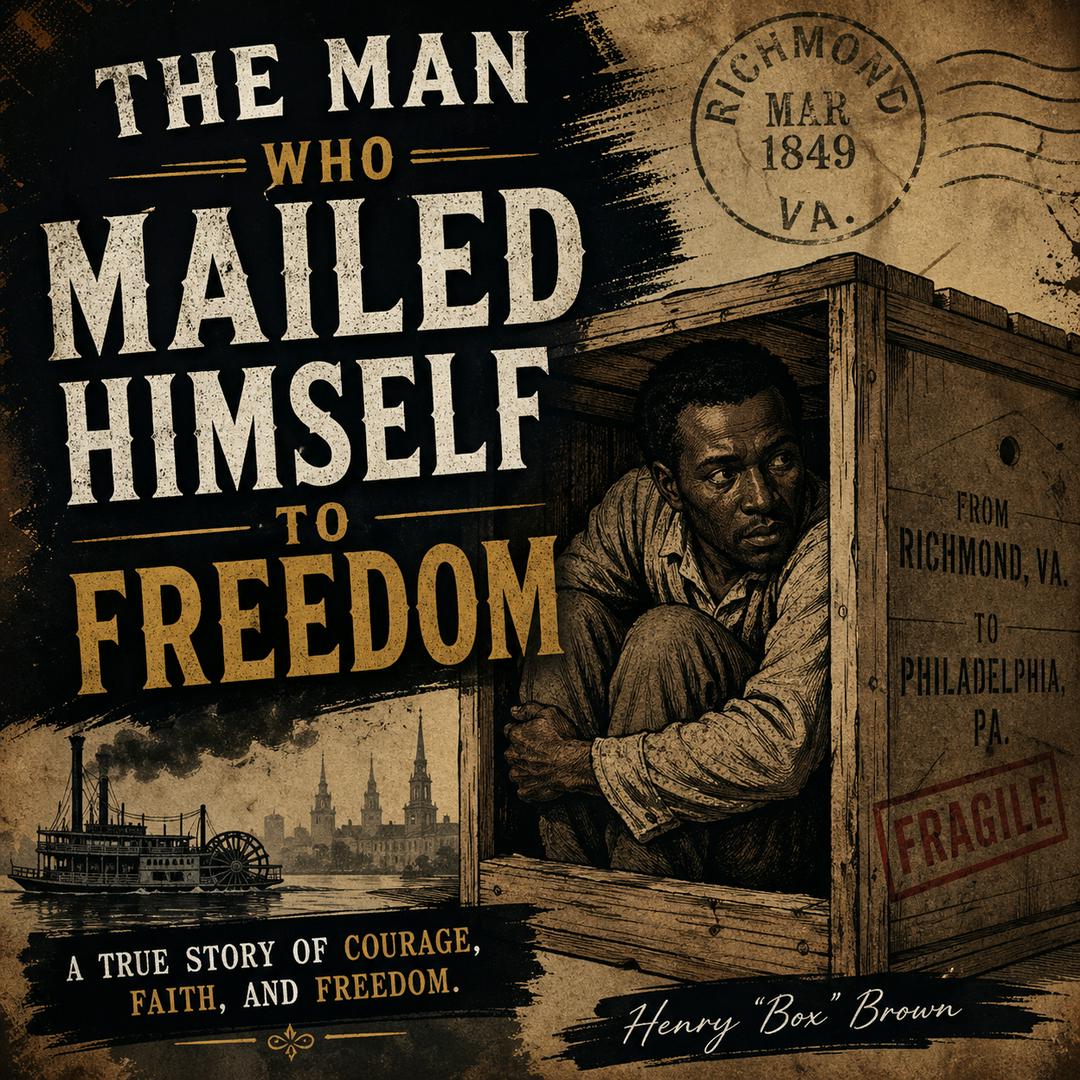
Henry “Box” Brown did not just escape slavery. He mailed himself to freedom. In March 1849, Brown was enslaved in Richmond, Virginia, where he worked in a tobacco factory. His life had already been shattered when his wife, Nancy, and their children were sold away from him. That loss pushed Brown toward one of the boldest escape plans in American history. With help from James C. A. Smith, a free Black man, and Samuel A. Smith, a white shoemaker, Brown arranged to be sealed inside a wooden crate and shipped as freight from Richmond to Philadelphia. The box measured about 3 feet long, 2 and a half feet deep, and 2 feet wide. Brown carried a little water and a few biscuits. There was a small air hole, but almost no room to move. For about 27 hours, he traveled by wagon, railroad, steamboat, and delivery wagon, folded inside a crate marked as goods. At one point, the box was reportedly placed upside down, leaving him in terrible pain. Still, he stayed silent. One sound could have ended everything. When the crate finally reached Philadelphia, abolitionists opened it. Brown stepped out alive. From that day forward, he became known as Henry “Box” Brown. His story sounds almost impossible, but that is why it matters. It shows the brutal reality of slavery, where a man had to risk suffocation, injury, and death just to claim the freedom that should have already been his. Henry Brown did not escape by chance. He escaped through planning, courage, faith, and a determination no wooden crate could hold. #HiddenHistory #AmericanHistory #HenryBoxBrown #BlackHistory #FreedomStories

LataraSpeaksTruth

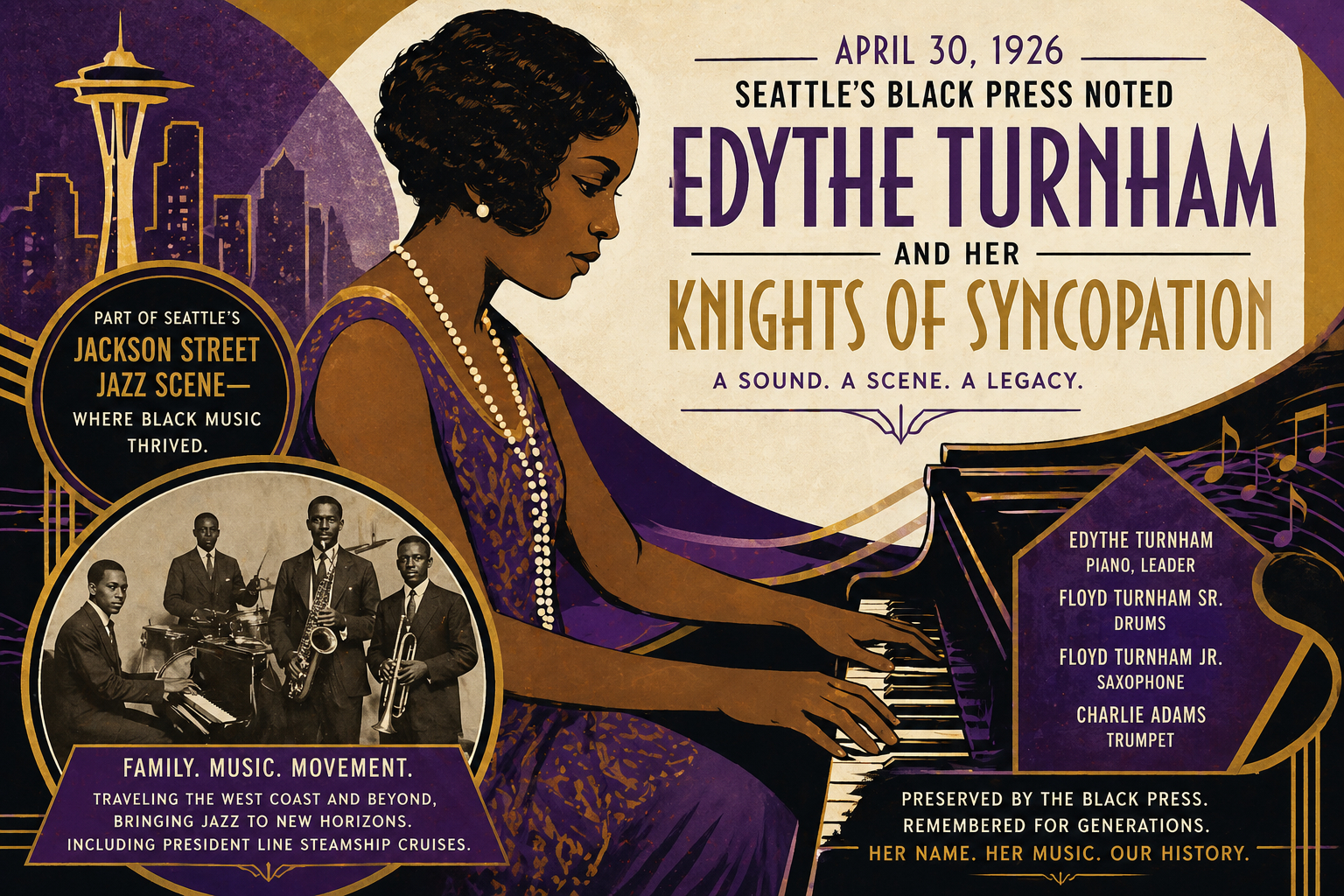
On April 30, 1926, Seattle’s Black press noted Edythe Turnham’s Knights of Syncopation, a jazz group tied to the city’s early music scene. Edythe Turnham was a pianist, bandleader, and one of the women helping shape jazz in the Pacific Northwest during the 1920s. Born Edythe Pane in Topeka, Kansas, she began playing piano as a young child before moving to Spokane, Washington, around 1900. Over time, she became part of a traveling performance tradition that carried music through Washington, the West Coast, and beyond. By the early 1920s, Turnham had organized a small band that became known as Edythe Turnham and Her Knights of Syncopation. The group included members of her own family, including Floyd Turnham Sr. on drums and Floyd Turnham Jr. on saxophone. Charlie Adams was also listed as a trumpeter connected to the band. Their music was part of a larger jazz world growing around Seattle, especially around Jackson Street, where Black musicians helped build one of the city’s most important cultural scenes. Turnham’s group played along the West Coast and performed on President Line steamship cruises, showing how Seattle musicians were not isolated. They were moving, traveling, performing, and carrying their sound into wider spaces. The mention in the Northwest Enterprise matters because Black newspapers helped preserve stories that larger outlets often ignored. Without papers like that, many musicians, performers, and community figures might have disappeared from the public record. Edythe Turnham’s story is not as widely known as many jazz legends from New Orleans, Chicago, or Harlem, but her place in Seattle’s early jazz history is real. She was a woman leading musicians during a time when both race and gender created barriers. Her name belongs in the record because she was part of the sound, movement, and memory of Black music in the Pacific Northwest. #BlackHistory #MusicHistory #JazzHistory #SeattleHistory #HiddenHistory

Brandon_Lee

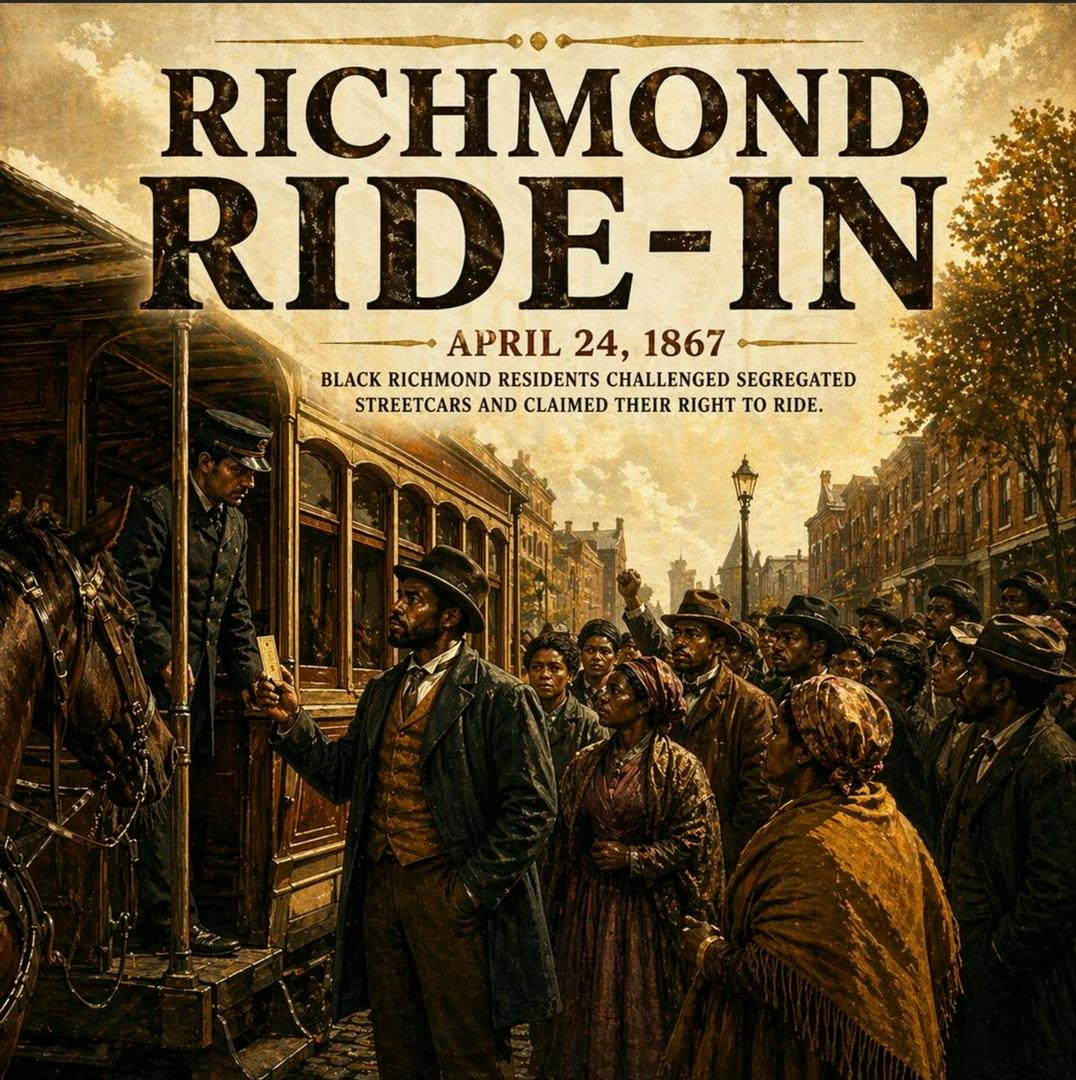
On April 24, 1867, Black residents in Richmond, Virginia made it clear that the fight for equal treatment did not begin in the 1950s. t was Reconstruction. Slavery had officially ended through the 13th Amendment barely more than a vear earlier, but freedom or paper did not mean equal rights in everyday ife. In Richmond, Black passengers were being denied access to privately operated horse-drawn streetcars, even when they had paid for a ticket One of the people connected to this protest was Christopher Jones. According to historical records, Jones bought a ticket for a Richmond streetcar and attempted to ride When he was refused, a crowd gathered in support of his right to board. He was later arrested for disturbing the peace But the people did not back downBlack Richmond residents organized protests against the streetcar company's racial restrictions. This was not iust about transportation. It was about citizenship public space, dignity, and whether freedom would mean anything beyond words written into law. That is what makes this historv so important. Long before the Montgomery Bus Boycott long before Rosa Parks became a nationa symbol, Black communities were already challenging segregation in public transportation. They were using protest oublic pressure, and collective action to demand what should have already been theirs. The Richmond Streetcar Protest reminds us that civil rights history did not suddenly appear in the 20th century. It had deep roots in Reconstruction, when newly freed people were fighting to define what freedom would actually look like in public life April 24, 1867 deserves to be remembered because it shows us something powerful. The pushback started early The courage was already there. And the demand was simple: if we paid to ride, we had the riaht to ride. #BlackHistory #ReconstructionHistory #RichmondVA #CivilRightsHistory #HiddenHistory

Shawn Winchester

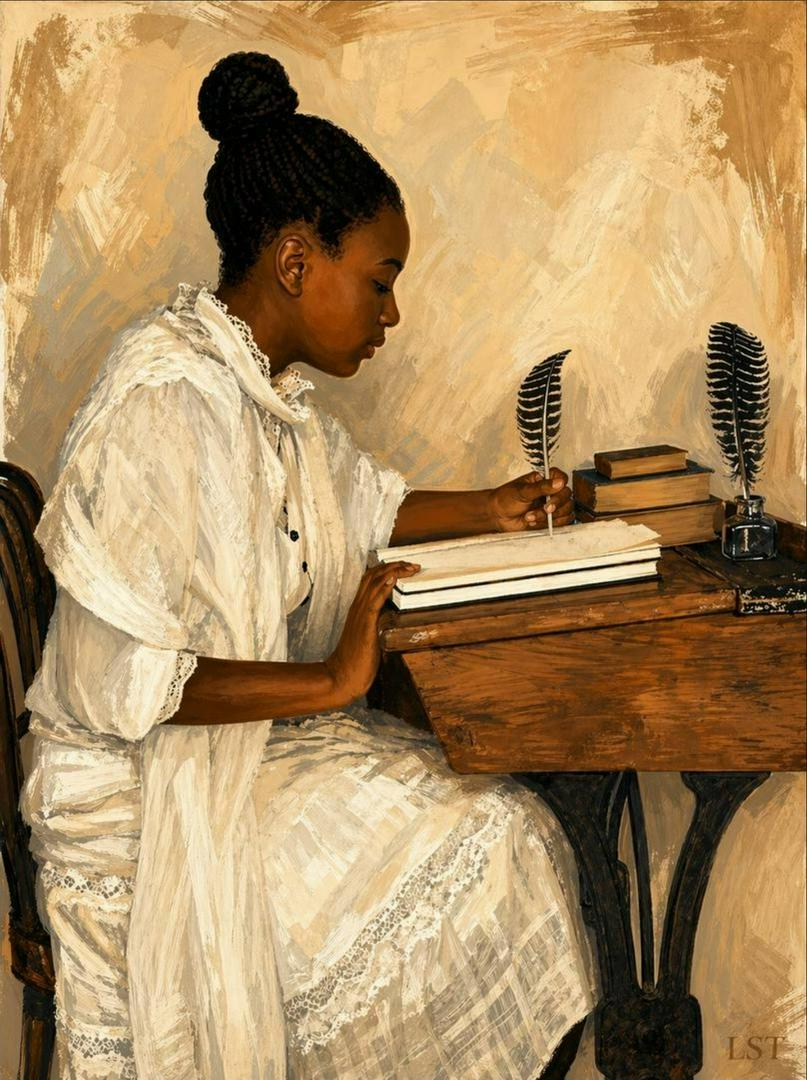
On April 23, 1872, Charlotte E. Ray made history in Washington, D.C. She became the first woman admitted to practice before the Supreme Court of the District of Columbia, helping cement her place as the first Black woman lawyer in the United States Ray was born in New York City in 1850. Her father, Reverend Charles Bennett Ray, was an abolitionist, minister, and newspaper editor who believed deeply in education That foundation mattered, because Charlotte stepped into a profession that was not built to welcome women, and especially not Black women, She studied at Howard University School of Law and graduated in 1872. At a time when women were still fighting to be taken seriously in the legal field, Ray broke through two walls at once. She challengedboth race barriers and gender barriers. After being admitted to practice law, Ray opened her own law office in Washington, D.C. She worked in commercial law and became known for her legal skill. One of her most recognized cases involved representing a woman seeking divorce from an abusive husband, showing that Ray was not just a symbol of progress. She was a real attorney doing serious legal work But history should tell the full truth Charlotte E. Ray had the education, the courage, and the abilitv. What she did not have was a society willing to fully support a Black woman attorney. Racism and sexism made it difficult for her to keep enough clients to sustain her practice. Eventually she left law and returned to teaching That part matters tooBecause sometimes the door opens, but the room still refuses to make space. Charlotte E. Ray still walked through it On April 23, we remember her not iust because she was first. but because she stepped into a world that tried to keep her out and left her name in the record anyway #CharlotteERay #History #WomensHistory #LegalHistory #OnThisDay #HiddenHistory #LataraSpeaksTruth

Tag: hiddenhistory - Page 3 | LocalAll