Tag Page hiddenhistory

#hiddenhistory
LataraSpeaksTruth

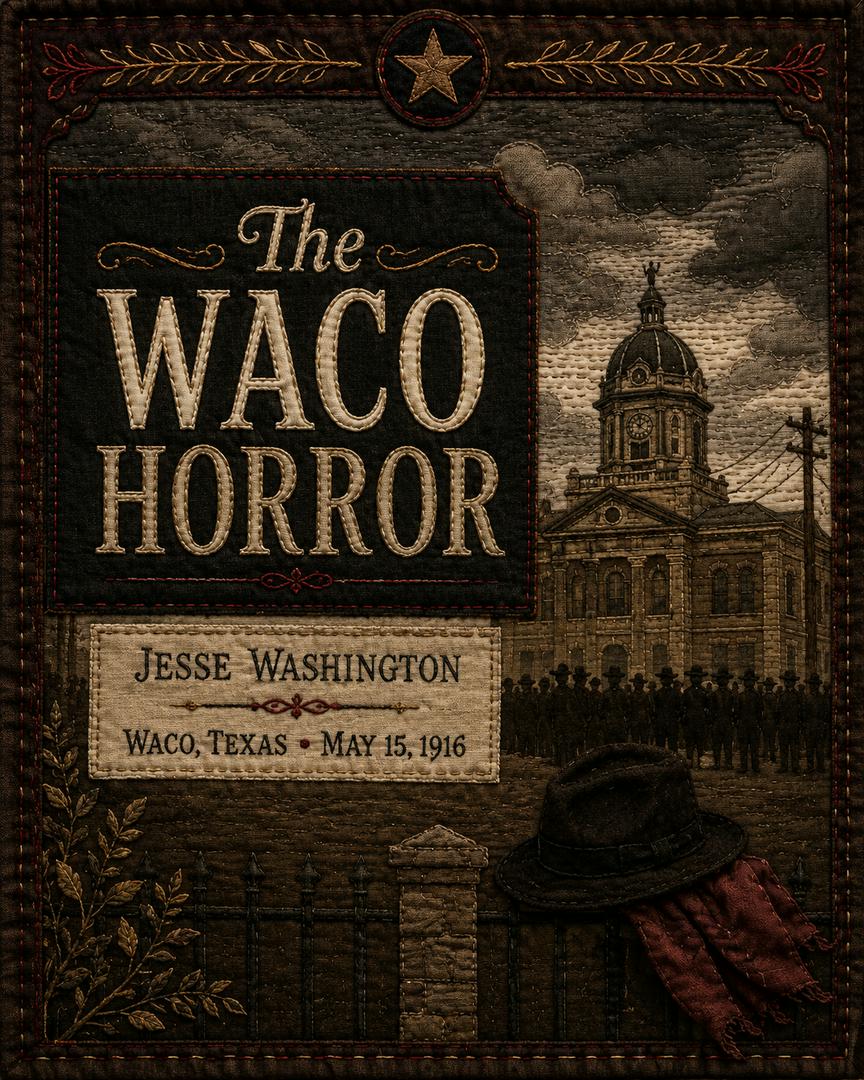
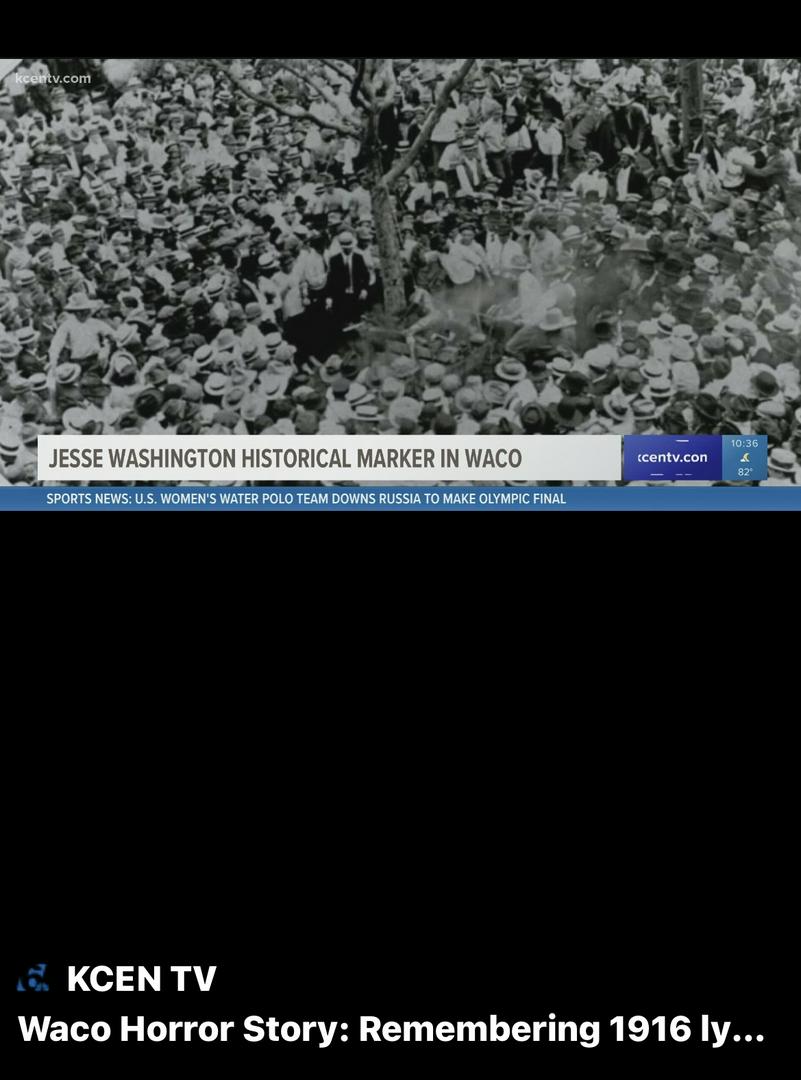
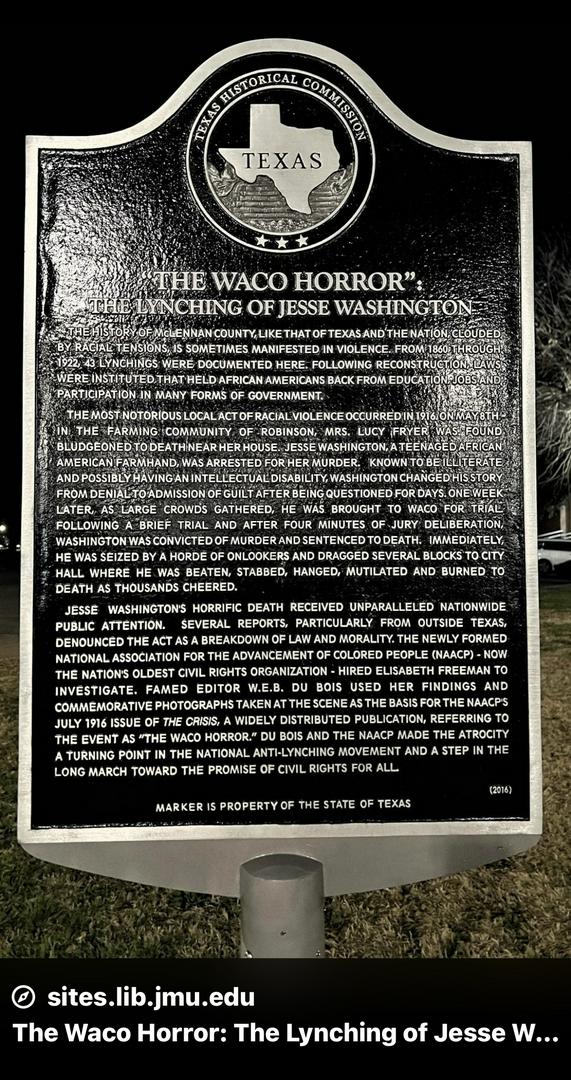
May 15, 1916, remains one of the darkest dates in Texas history. Jesse Washington was a 17-year-old Black farmhand in Waco, Texas, accused of killing Lucy Fryer, the wife of a white farmer in nearby Robinson. After a rushed trial on May 15, Washington was convicted and sentenced to death. But he never made it to a legal execution. A white mob pulled him from the McLennan County courthouse and dragged him through the streets. What followed became known as the “Waco Horror,” one of the most infamous documented lynchings in U.S. history. Thousands of people gathered near Waco City Hall as Washington was tortured and killed in public. Reports say city officials and law enforcement were present, yet no one stopped the mob. No one was punished for his death. The horror did not end there. Photographs were taken and sold as postcards, showing just how openly racial violence was displayed and normalized during that era. The NAACP later investigated the lynching, and W.E.B. Du Bois helped bring national attention to the case through The Crisis magazine. The images and reporting forced many Americans to confront the reality of lynching, not as rumor, but as public spectacle. Jesse Washington’s story is not easy to tell, but it should not be erased. It reminds us that history is not only what happened in courtrooms and government buildings. Sometimes history is what happened in the street while the whole town watched. And that is why his name still matters. #JesseWashington #WacoHistory #AmericanHistory #HiddenHistory #HistoryMatters

LataraSpeaksTruth

On May 14, 1888, Archie Alphonso Alexander was born in Ottumwa, Iowa. His name may not be repeated as often as it should be, but his life belongs in the record. Alexander became an engineer, architect, mathematician, businessman, and public servant at a time when doors were not simply closed to Black achievement, they were often locked, guarded, and denied. Alexander attended the University of Iowa and made history as the first African American to graduate from its College of Engineering. He graduated in 1912 with a BA in Civil Engineering, stepping into a field where few Black men were given room to stand, let alone lead. But Alexander did not stop at being first. He went on to build a career in engineering and construction, eventually forming Alexander & Repass with Maurice A. Repass. Their firm became known for major public works, including roads, bridges, and construction projects across the country. His work helped prove that Black excellence was not new, rare, or accidental. It was present even when history tried to look away. Alexander also served as governor of the U.S. Virgin Islands under President Dwight D. Eisenhower, adding another chapter to a life already filled with accomplishment. His story matters because he represents the builders who shaped America with their minds, hands, and vision while fighting against the limits placed on them. He did not just cross a barrier. He built beyond it. On his birthday, Archie Alphonso Alexander deserves to be remembered not only as a first, but as a foundation. #BlackHistory #ArchieAlexander #HiddenHistory #EngineeringHistory #AmericanHistory

LataraSpeaksTruth

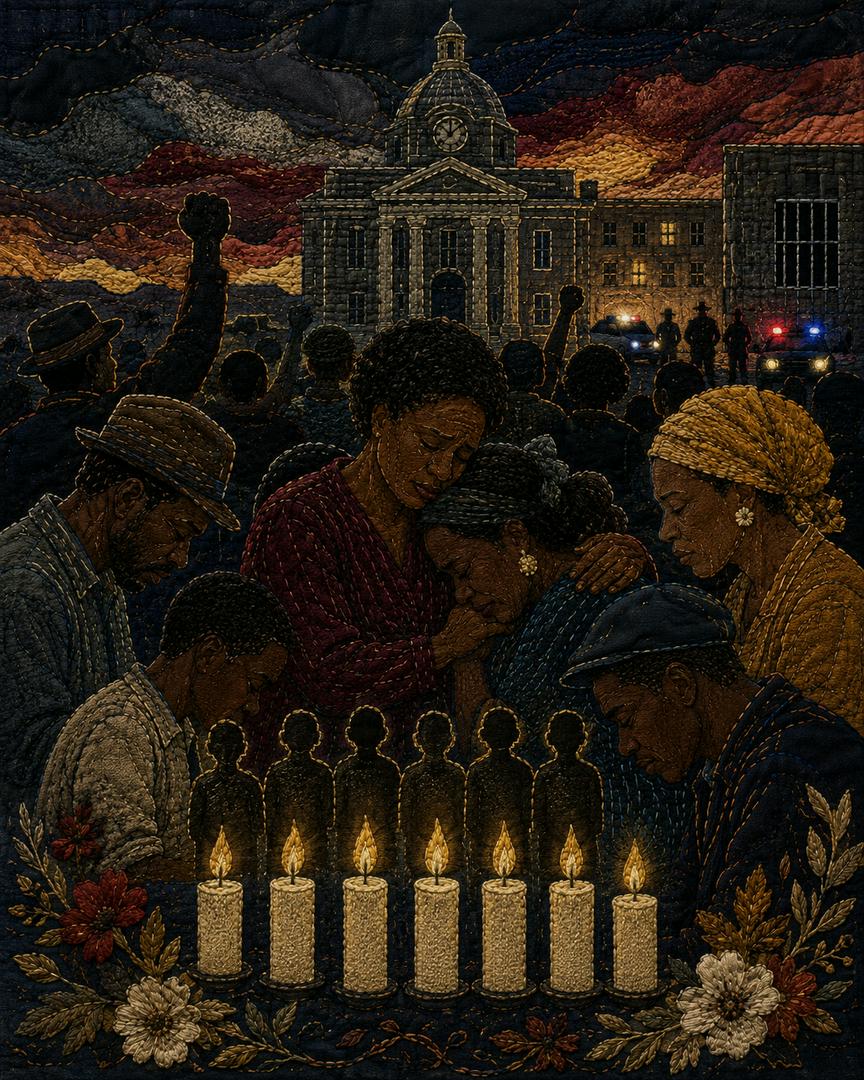
May 12, 1970… Augusta, Georgia was left carrying the weight of one of the most painful uprisings of the civil rights era. The anger began after the death of 16-year-old Charles Oatman, a Black teenager who died while being held in the Richmond County Jail. His death shook Augusta’s Black community because people were not just grieving, they were demanding answers. By May 11, hundreds gathered outside the Municipal Building calling for a real investigation. What followed was unrest across the city, but the aftermath exposed something even deeper than property damage. It exposed the force used against Black residents when grief turned into protest. Six Black men were killed: Charlie Mack Murphy, William Wright Jr., Sammie McCullough, John Stokes, John Bennett, and Mack Wilson. According to historical accounts, all six were unarmed and shot in the back. At least 60 others were wounded by police, and about 300 Black residents were arrested. That detail matters because stories like this are often reduced to the word “riot,” as if that one word explains everything. It does not explain Charles Oatman’s death. It does not explain why the community felt ignored. It does not explain why six men ended up dead. And it does not explain why accountability remained so hard to find. The Augusta uprising was not just about one night of chaos. It was about years of pressure, pain, mistreatment, and silence reaching a breaking point. When people say history repeats itself, this is the kind of history they mean. Some stories are uncomfortable to tell, but burying them only protects the wrong people. Remember Charles Oatman. Remember the Augusta Six. Remember what happened in Georgia. #BlackHistory #AugustaGeorgia #CharlesOatman #TheAugustaSix #CivilRightsHistory #GeorgiaHistory #HiddenHistory

LataraSpeaksTruth

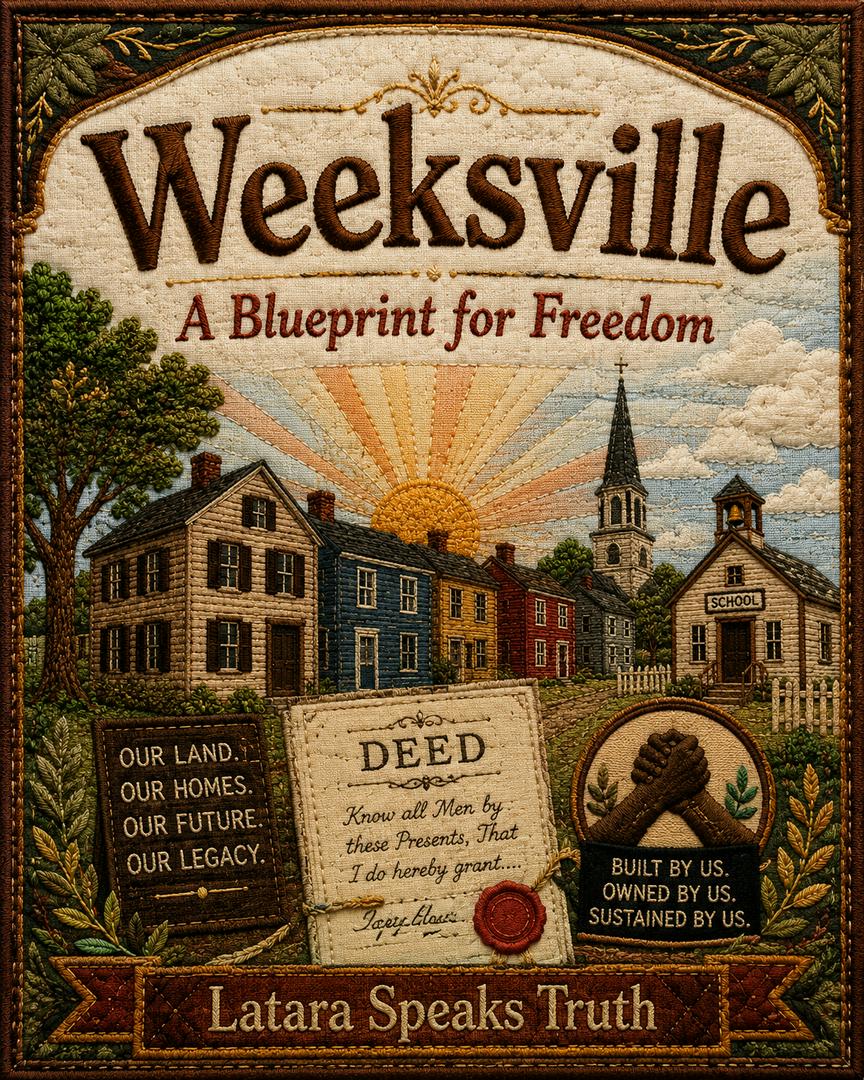
Before Crown Heights became what most people know today, there was Weeksville. Founded in Brooklyn in 1838 by James Weeks and other free Black landowners, Weeksville became one of the largest free Black communities in pre-Civil War America. This was not just a place where people lived. It was a place where people built. They built homes, schools, churches, businesses, and a community strong enough to protect people when freedom on paper still did not guarantee safety in real life. Land mattered because New York once required Black men to own property worth $250 before they could vote. For families in Weeksville, owning land was not just about shelter. It was about political power, dignity, and a future they could pass down. By the 1850s, Weeksville had hundreds of residents, along with Colored School No. 2, churches, a newspaper called Freedman’s Torchlight, and a growing network of families, workers, teachers, ministers, and business owners. During the 1863 Draft Riots, when Black New Yorkers were attacked in Manhattan, Weeksville became a refuge for people fleeing the violence. Over time, much of the community was nearly erased by development and forgotten by the wider public. But in 1968, the remaining Hunterfly Road Houses were rediscovered, helping bring Weeksville’s story back into view. Today, Weeksville Heritage Center continues to preserve that history. Weeksville reminds us that freedom was not only fought for in courtrooms and battlefields. Sometimes it was built lot by lot, house by house, school by school, by people who knew ownership was more than property. It was protection. It was strategy. It was a future. #Weeksville #BrooklynHistory #HiddenHistory #BlackHistory #LataraSpeaksTruth
LataraSpeaksTruth

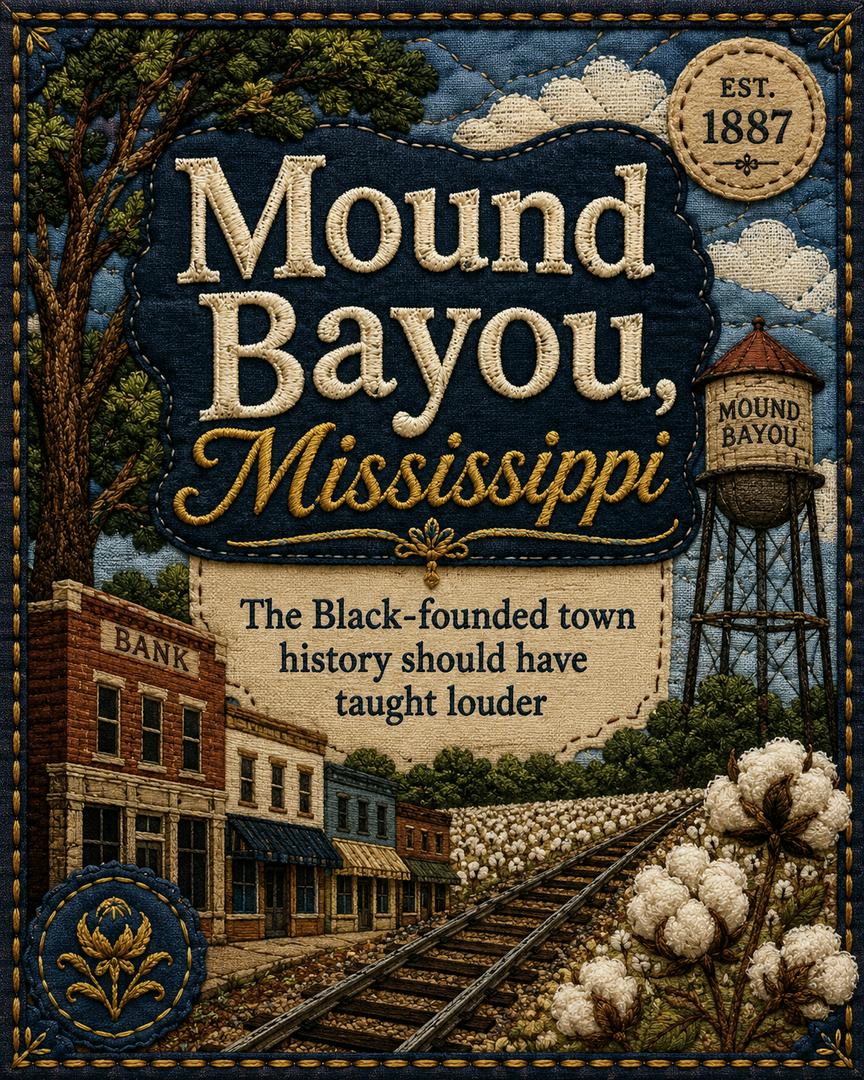
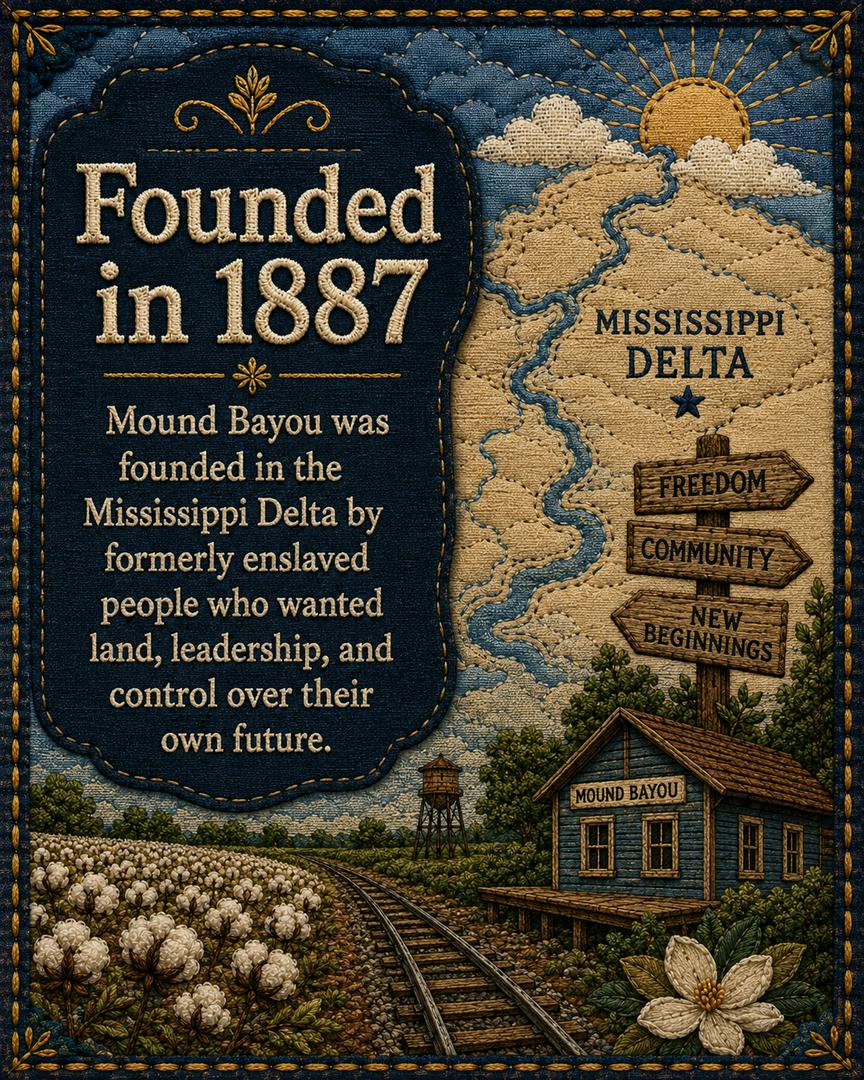
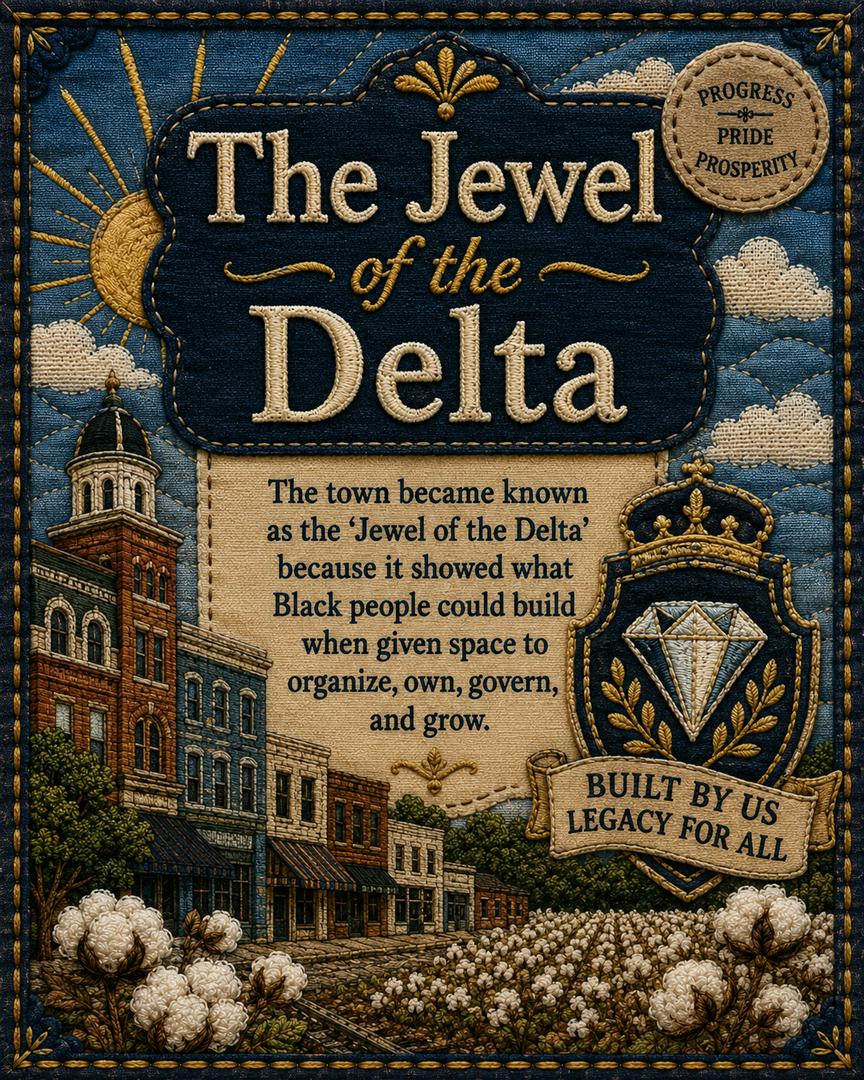
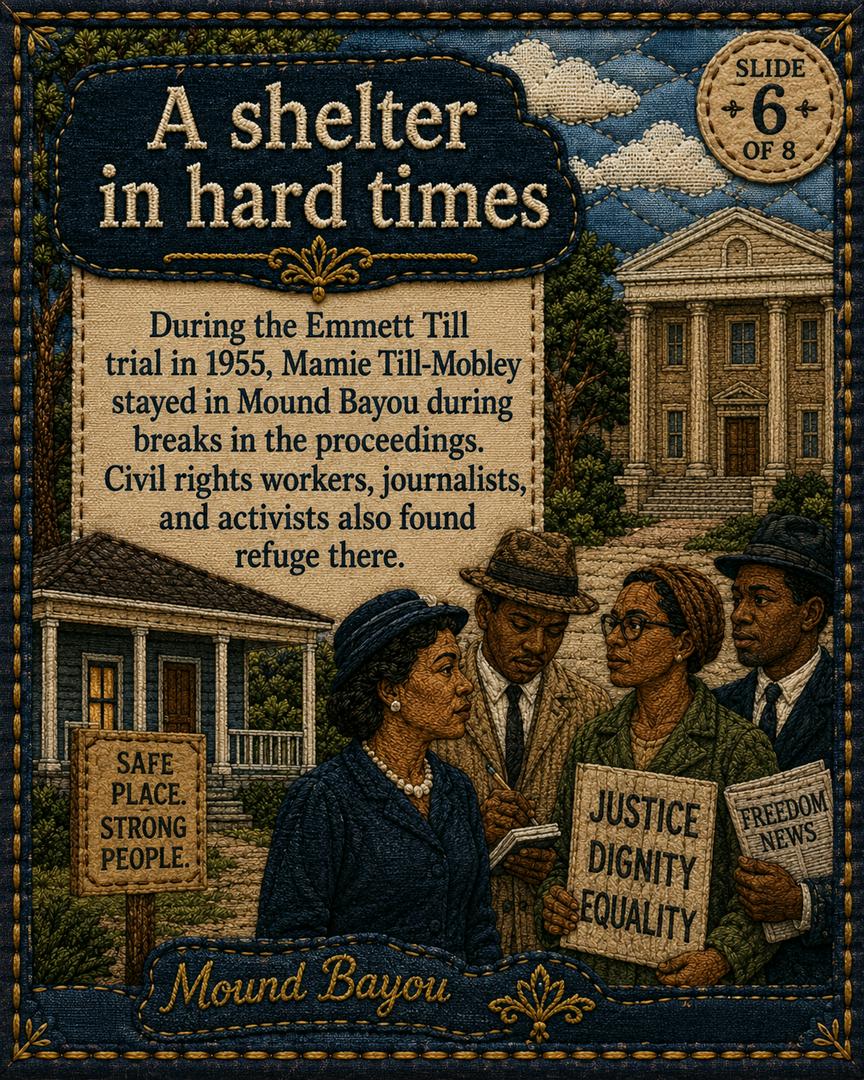
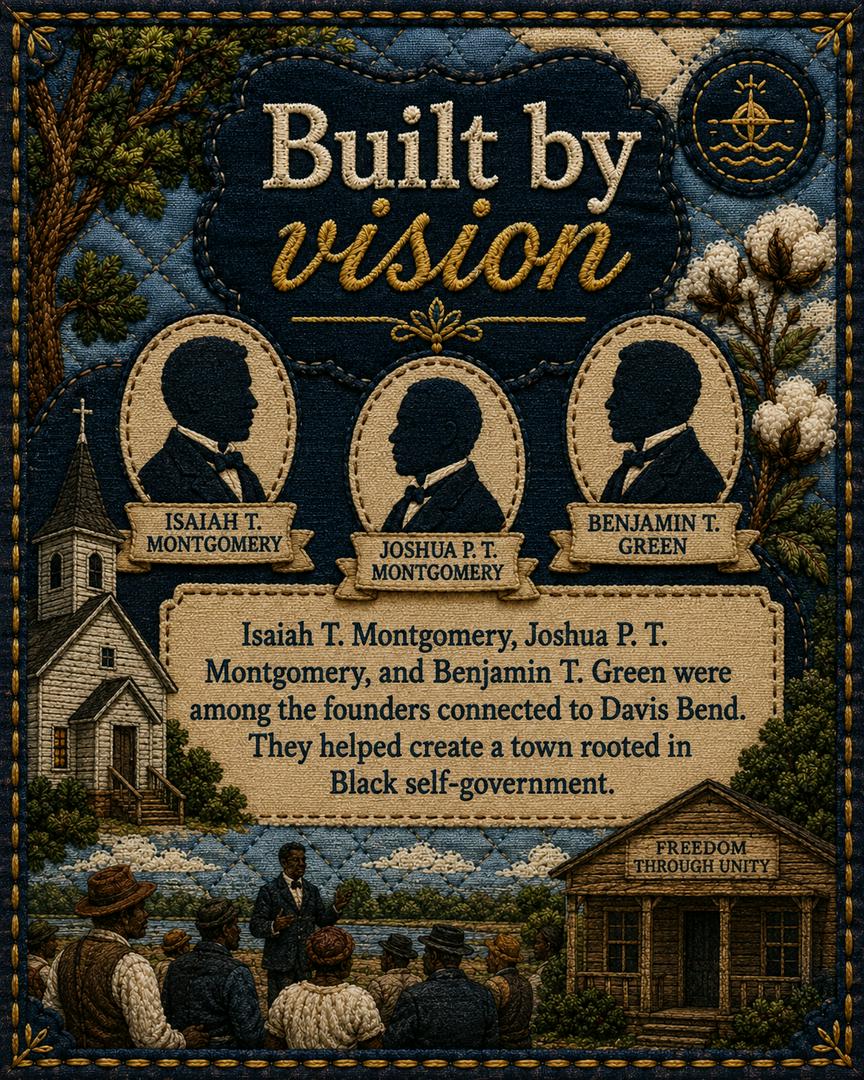
Mound Bayou, Mississippi, stands as one of the strongest examples of Black self-determination in the American South. Founded in 1887 in the Mississippi Delta, Mound Bayou was built by formerly enslaved people who wanted more than survival. They wanted land, leadership, schools, businesses, safety, and a town where Black residents could govern themselves. The town was founded by men connected to Davis Bend, including Isaiah T. Montgomery, Joshua P. T. Montgomery, and Benjamin T. Green. What they created was not just a settlement. It became a symbol of possibility during a time when Jim Crow laws and racial violence tried to limit every part of Black life. Mound Bayou became known as the “Jewel of the Delta.” At its height, it had Black-owned businesses, banks, merchants, cotton gins, schools, churches, civic organizations, and local leadership. In a region where many Black families were trapped by sharecropping and white-controlled systems, this town represented something different. It showed what could happen when Black people had room to build. Mound Bayou also became connected to civil rights history. During the Emmett Till trial in 1955, Mamie Till-Mobley stayed in Mound Bayou during breaks in the proceedings. Medgar Evers, Black journalists, and activists also found refuge there. That part matters because Mound Bayou was not just a place on a map. It was a shelter, a statement, and a living record of what people built when the world told them they were not supposed to have power. Its history should be remembered because it challenges the lie that Black communities only survived by accident. Mound Bayou was planned. It was built. It was governed. It stood. And history should say that clearly. #MoundBayou #BlackHistory #MississippiHistory #HiddenHistory

LataraSpeaksTruth

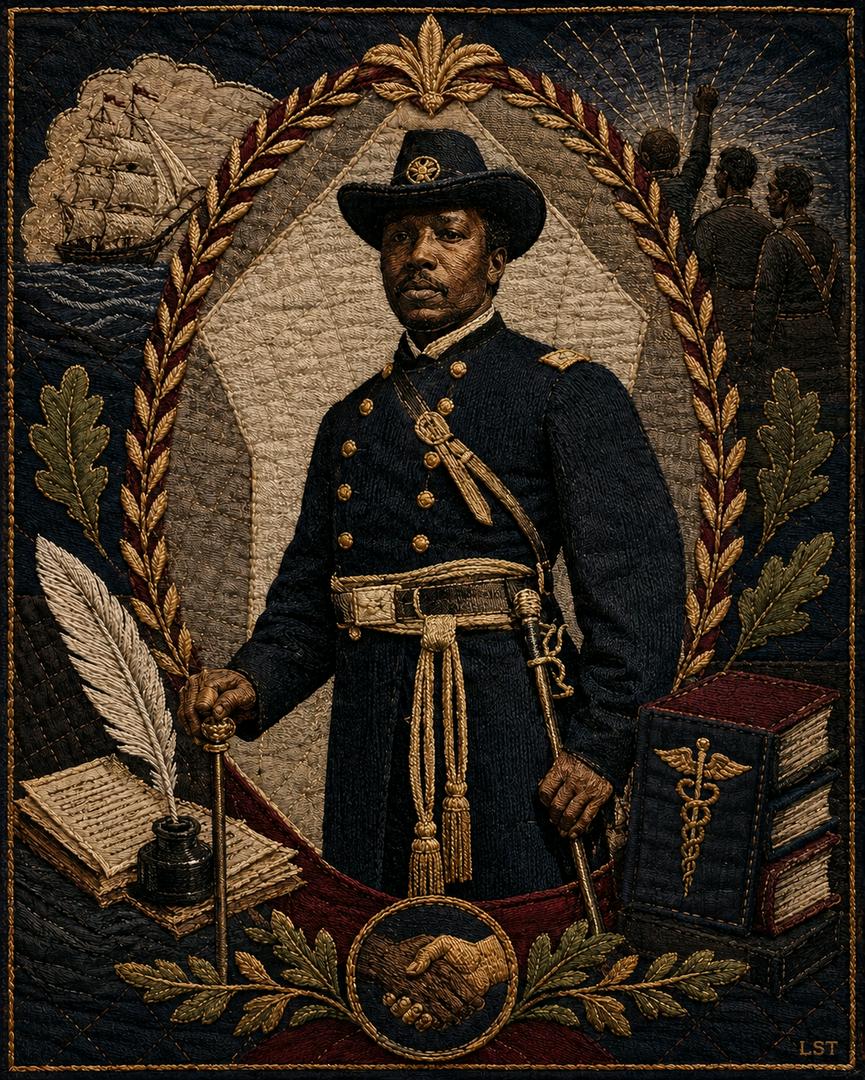
On May 6, 1812, Martin R. Delany was born in Charles Town, Virginia, now West Virginia. He would become one of the boldest Black thinkers of the 19th century: an abolitionist, physician, editor, writer, military officer, and political voice who refused to shrink himself to fit the limits America placed on him. Delany was not simply asking for permission to exist. He spoke the language of power, nationhood, self-determination, and global unity long before those ideas became common. He helped shape early Black nationalist thought and is often linked to the roots of Pan-African thinking because he looked beyond America and imagined a larger future for people of African descent. He edited newspapers, practiced medicine, wrote about the condition and future of Black people in the United States, and challenged the idea that freedom meant waiting quietly for acceptance. Delany believed Black people had the right to build, lead, organize, and determine their own destiny. During the Civil War, he made history in uniform as the first Black field officer in the United States Army, serving as a major. His life moved from resistance on the page to leadership in action. What makes Delany’s story so powerful is that he thought bigger than the world around him allowed. He understood that survival was not enough. Representation was not enough. A seat at someone else’s table was not enough. Martin R. Delany imagined freedom with structure, pride, ownership, and direction. He was not whispering for inclusion. He was calling for a future built with dignity and power. #BlackHistory #MartinRDelany #HiddenHistory #AmericanHistory #HistoryMatters

LataraSpeaksTruth

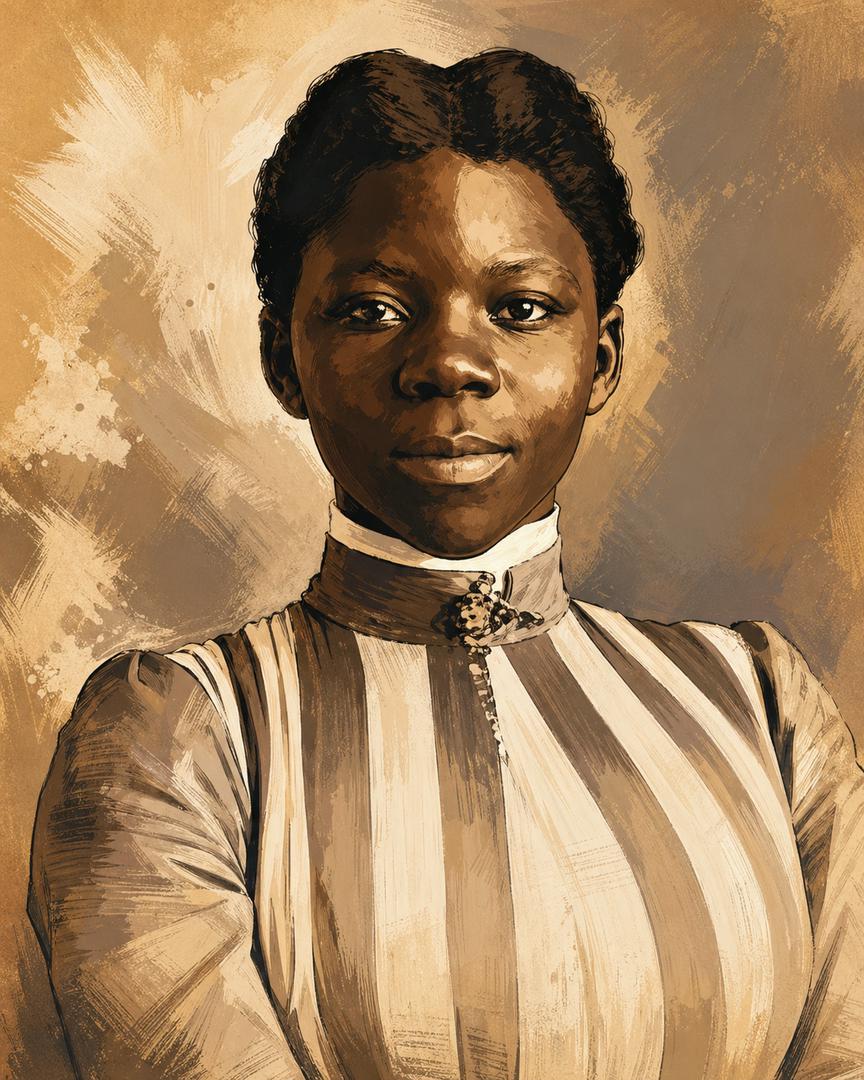
Judy W. Reed’s name does not appear in most school lessons, but it belongs in the conversation about American invention. In 1884, Reed received U.S. Patent No. 305,474 for a device called the “Dough Kneader and Roller.” The patent was granted on September 23, 1884, and listed her as Judy W. Reed of Washington, D.C. Her invention was designed to make kneading and rolling dough more efficient. The machine used rollers to work the dough evenly while keeping it covered during the process. That may sound simple today, but in the 1800s, food preparation was hard physical labor. Much of that work was done by hand. A machine that improved dough preparation mattered because it turned everyday kitchen labor into mechanical innovation. What makes Reed’s story even more powerful is how little of her life was preserved. She is identified in historical accounts as Judy Woodford Reed, a woman from Virginia who later lived in Washington, D.C. Census records suggest she worked as a seamstress and was born around 1826. Reed is often recognized as the first Black woman to receive a U.S. patent. Some sources use more cautious wording, calling her the first known or recorded Black woman patent holder because race was not consistently listed in patent records. That detail matters. History is not always missing because people did nothing. Sometimes it is missing because recordkeepers did not value their names enough to preserve the full story. Judy W. Reed did not become a household name, but her patent still stands as proof of her skill, intelligence, and place in invention history. Her story is not just about a dough kneader. It is about a woman creating, improving, and leaving her mark in a country that rarely made space for women like her to be remembered. #JudyWReed #BlackInventors #HiddenHistory #WomenInHistory #NewsBreakHistory

Brandon_Lee

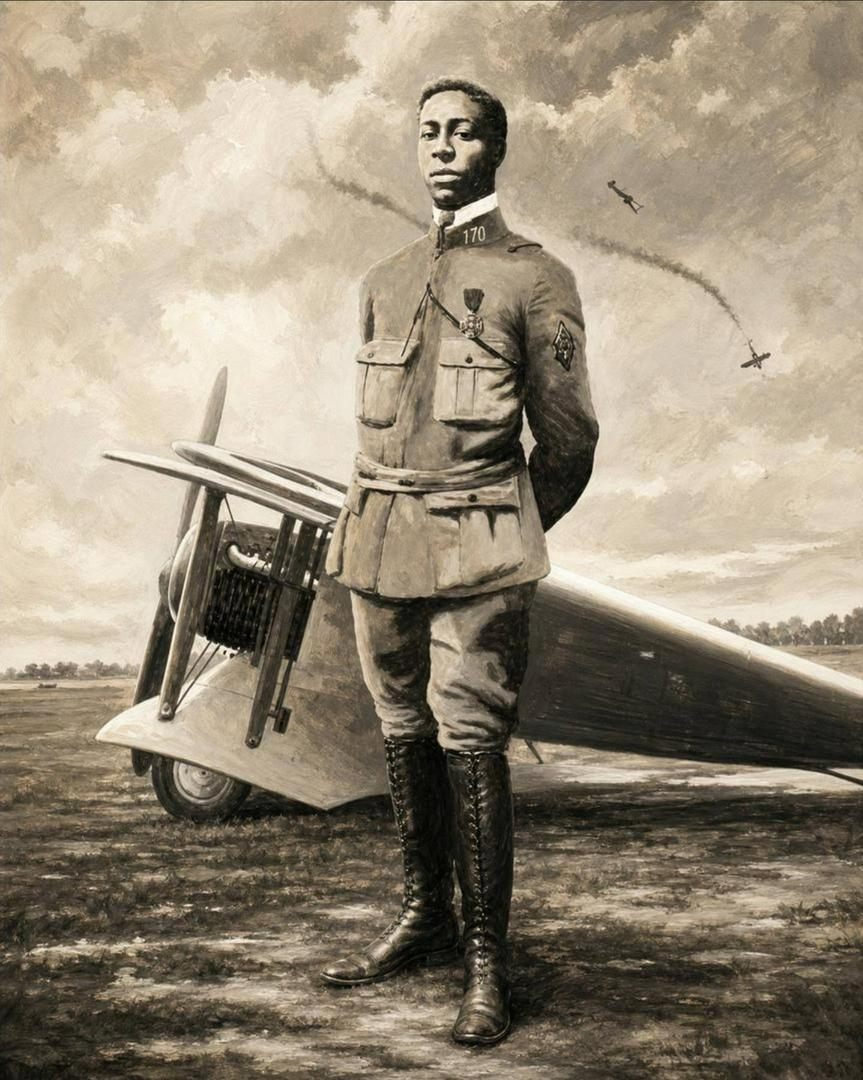
On May 5, 1917, Eugene Jacques Bullard earned his pilot's license from the Aéro-Club de France. Born in Columbus, Georqia Bullard became one of the first Black military pilots in world history and one of the most important combat aviators of World War I. Bullard's story did not begin with privilege He left the United States as a young man and eventually found his way to Europe. In France, he found opportunities America was not willing to give Black men at the time When World War I began, Bullard joined the French Foreign Legion and later served in the French army. After being wounded at Verdun, he trained as a pilot and earned his wings in 1917. Aviation was still dangerous and new, but Bullard stepped into that worlo anyway. He flew for France before the United States was ready to recognize a Black man in that role. When America entered the war. some American pilots serving with France were accepted into U.S. service. Bullard was not His skill, courage, and record were not enough to overcome the color line., France honored him for his service. Bullard received multiple militarv decorations and became remembered as a man who fought flew, and survived in a world that tried to imit him. His story matters because Black achievement was often recognized overseas before it was respected at home Eugene Bullard did not wait for permission from America to become history. He climbed into the cockpit anyway Before the Tuskegee Airmen became egends, Eugene Jacques Bullard had already taken to the sky#EugeneBullard #AviationHistory #WorldWarl #HiddenHistory #BlackHistory

LataraSpeaksTruth

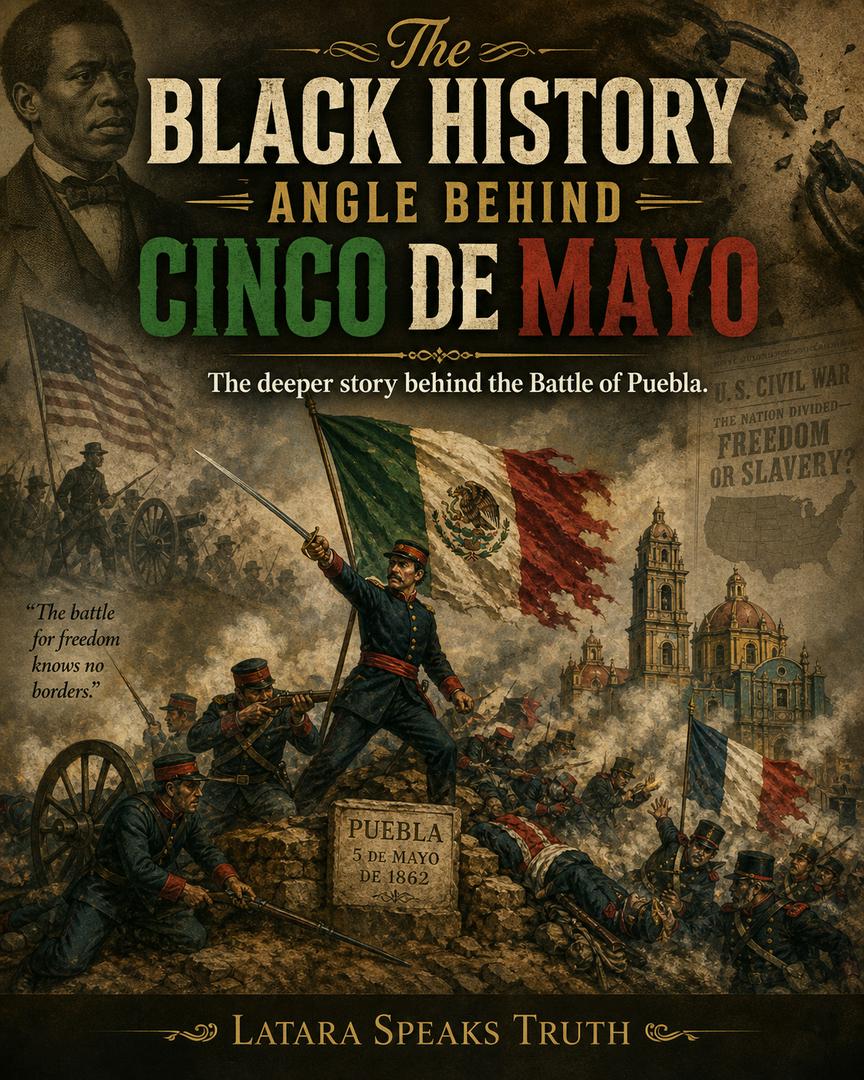
Cinco de Mayo is often treated like a party day, but the real history goes much deeper. The date marks the Battle of Puebla on May 5, 1862, when Mexican forces defeated French troops despite being heavily outnumbered. It is often mistaken for Mexican Independence Day, but that is not what it represents. Cinco de Mayo remembers a specific military victory against French invasion. The Black history angle comes from what was happening around that battle. In 1862, the United States was in the middle of the Civil War. The Confederacy was fighting to preserve slavery, while France under Napoleon III was trying to expand power in Mexico. France wanted to establish a monarchy under Maximilian of Austria and weaken U.S. influence in North America. That made Mexico’s resistance important beyond Mexico. At the same time, the Confederacy had pushed into New Mexico and Arizona and hoped to expand farther west. Some California Latinos supported the Union and saw the fight against French intervention in Mexico and the fight against the Confederacy as connected. That does not mean Cinco de Mayo ended slavery. It did not. But it does mean the Battle of Puebla happened inside a much larger struggle over slavery, empire, democracy, and power in North America. For some communities in California, Mexico’s victory became a symbol that freedom could stand against forces tied to slavery, monarchy, and domination. That is the part many people miss. Cinco de Mayo is not just food, drinks, and decorations. Its history reaches into war, resistance, and the politics of freedom during one of the most dangerous periods in North American history. The story is deeper than the celebration. #BlackHistory #CincoDeMayo #BattleOfPuebla #CivilWarHistory #HiddenHistory

LataraSpeaksTruth

Priscilla “Mother” Baltimore did not just leave a system built to control her life. She helped build a place where freedom could stand on its own land. Born into slavery in Bourbon County, Kentucky in 1801, Baltimore was sold as a child and later taken to Missouri. In St. Louis, she eventually purchased her freedom, a powerful act in a country where Black people were treated as property and forced to fight for every inch of independence. But Baltimore did not stop with herself. Historical accounts say she helped other people gain freedom, including members of her own family. She became known as “Mother” Baltimore because of her role as a caretaker, organizer, abolitionist, and spiritual leader. She was also connected to the African Methodist Episcopal Church, which played a major role in Black worship, education, organizing, and resistance during the nineteenth century. In 1829, oral history says Baltimore led eleven Black families across the Mississippi River from St. Louis, Missouri into Illinois. They settled in what became Brooklyn, Illinois, near St. Louis. The settlement became known as a freedom village, a place where free Black people and people escaping slavery could build community with more safety than they had in slaveholding Missouri. Brooklyn was platted in 1837 and incorporated in 1873. It is widely recognized as the first majority Black town incorporated in the United States. That history matters because freedom was not only about escape. It was about land, homes, churches, families, protection, and the right to live without being hunted, sold, or erased. Priscilla Baltimore’s story belongs in the center of American history. She helped prove that formerly enslaved people were not waiting for someone else to define freedom for them. They were building it. #PriscillaBaltimore #BrooklynIllinois #BlackHistory #HiddenHistory #AmericanHistory