DidYouKnow+FollowGod never said exhaustion means you lost faith. We often spiritualize endurance. As if real faith never gets tired. But Scripture names exhaustion without condemnation. Elijah asks to die. Jesus sleeps through the storm. Even faith rests. That matters, because many older believers feel ashamed of being tired. They served. They endured. They stayed. And now they feel empty. The Bible does not call exhaustion a moral failure. It calls it human. If you feel tired in your faith, that does not mean devotion faded. It may mean you gave more than anyone saw. #BibleMisconceptions #SpiritualExhaustion #FaithAndRest #ChristianReflection #DidYouKnow605Share
DidYouKnow+FollowGod never said, “You’ll get used to the pain.” Many people assume time is supposed to numb loss. That if you still feel it years later, something is wrong. But the Bible never says grief has an expiration date. In Scripture, mourning is not treated as a phase to “get over.” It is treated as a condition the faithful live with. Jacob mourns Joseph for years. David grieves long after consequences pass. Loss is not rushed so that life can look tidy again. That matters, because many older believers feel embarrassed by lasting pain. They think faith should have softened it by now. That they should be “past this.” But the Bible never calls long grief a lack of trust. It calls it love that did not disappear. If the pain never fully left, that does not mean healing failed. It may mean love was real—and stayed. #BibleMisconceptions #ChristianGrief #FaithAndLoss #BiblicalTruth #DidYouKnow412Share
DidYouKnow+FollowGod never said strength means silence. Many believers were taught that strong faith stays quiet. Does not complain. Does not raise its voice. But the Bible is loud. The psalms argue. Prophets protest. Faith speaks when something is wrong. That matters, because older believers often learned to swallow anger. At leaders. At systems. At unanswered prayers. Silence felt safer than honesty. But Scripture never praises silence that protects injustice. It praises truth spoken without surrender. Lament is not disrespect. It is engagement. If you feel anger toward God or the church, that does not mean you lost faith. It may mean you still care enough to speak. #BibleMisconceptions #BiblicalLament #FaithAndAnger #ChristianLife #DidYouKnow652Share
DidYouKnow+FollowGod never promised closure in this life. We like endings that make sense. Apologies received. Wrongs corrected. Stories tied up. But many biblical stories end unresolved. Joseph never fully reconciles with his brothers’ past. Paul dies without seeing the church stabilized. Hebrews praises those who died without receiving what was promised. That matters, because older believers often ache for closure. In family relationships. In faith questions. In prayers that never came full circle. The Bible does not promise resolution before death. It promises remembrance. Your story does not need a clean ending to be held by God. If some chapters of your life remain unfinished, that does not mean they were forgotten. It means they were entrusted. #BibleMisconceptions #FaithAndWaiting #ChristianAging #BiblicalHope #DidYouKnow456Share
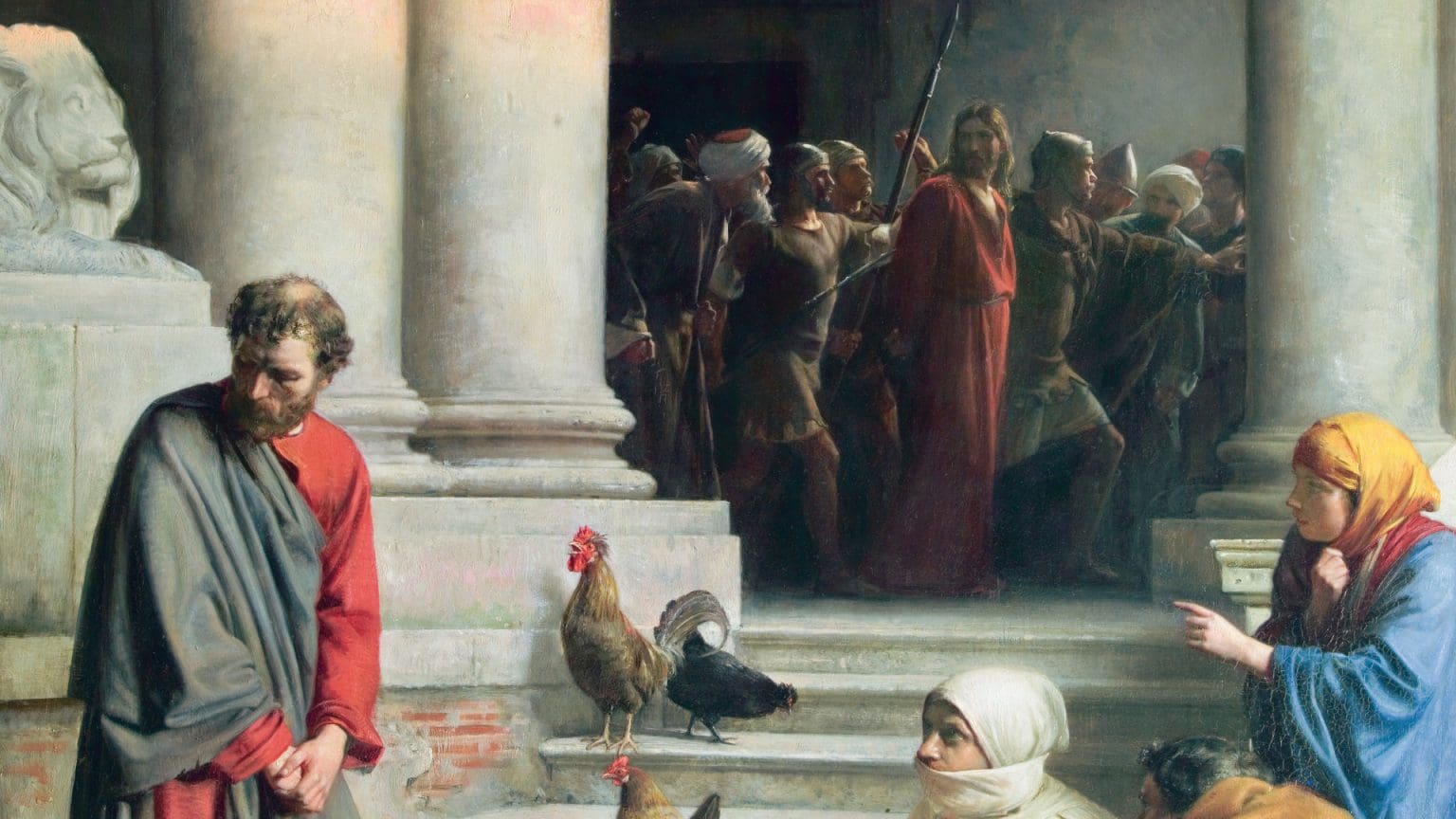
DidYouKnow+FollowGod never said your faith must stay the same. We often assume real faith is unchanging. That doubt, shifts, or fatigue mean decline. But faith in the Bible matures by changing shape. Abraham’s faith looks different at the end than at the beginning. Peter’s faith after failure is quieter, humbler, and deeper. That matters, because many older believers feel uneasy about how their faith has changed. Less certainty. More questions. More nuance. But Scripture never calls evolving faith betrayal. It calls it growth under weight. Faith that has lived through decades cannot look young forever. If your faith no longer feels simple, that does not mean it weakened. It may mean it survived. #BibleMisconceptions #FaithJourney #SpiritualMaturity #ChristianReflection #DidYouKnow5110Share
How Are You Feeling+FollowGod never promised closure in this life. We like endings that make sense. Apologies received. Wrongs corrected. Stories tied up. But many biblical stories end unresolved. Joseph never fully reconciles with his brothers’ past. Paul dies without seeing the church stabilized. Hebrews praises those who died without receiving what was promised. That matters, because older believers often ache for closure. In family relationships. In faith questions. In prayers that never came full circle. The Bible does not promise resolution before death. It promises remembrance. Your story does not need a clean ending to be held by God. If some chapters of your life remain unfinished, that does not mean they were forgotten. It means they were entrusted. #BibleMisconceptions #FaithAndWaiting #ChristianAging #BiblicalHope #DidYouKnow988Share
DidYouKnow+FollowGod never said, “Forgive and forget.” Many people believe forgiveness means erasing memory. As if healing requires pretending nothing happened. But the Bible never says that. In Hebrew, forgiveness is tied to nasa — to carry, to bear. Not to delete. Not to deny. To carry without letting bitterness decide the future. That matters, because many older believers feel trapped between faith and memory. They forgave spouses. Parents. Churches. Leaders. But the memories stayed. So they assume forgiveness failed. But Scripture never asks you to lose your memory. It asks you to release revenge. Remembering is not disobedience. It is part of being human. If you still remember what hurt you after all these years, that does not mean you failed at forgiveness. It may mean you forgave honestly, not cheaply. #BibleMisconceptions #Forgiveness #BiblicalHebrew #FaithAndHealing #DidYouKnow14612Share
DidYouKnow+FollowGod never promised answers to every prayer. We often speak as if prayer guarantees clarity. Ask sincerely enough, and God will explain Himself. But Scripture does not make that promise. Many prayers in the Bible end without answers. Habakkuk asks why injustice wins—and must live without resolution. Job never receives an explanation for his suffering. That matters, because lifelong believers often feel embarrassed by unanswered prayers. They prayed for healing. For reconciliation. For direction. And silence followed. The Bible does not treat unanswered prayer as rejection. It treats it as relationship that continues without closure. God responds often with presence, not explanation. With companionship, not reasons. If some of your prayers were never answered, that does not mean they were ignored. It may mean God chose to stay, not to explain. #BibleMisconceptions #UnansweredPrayer #FaithAndWaiting #ChristianReflection #DidYouKnow5712Share
DidYouKnow+FollowThe Bible never says faith removes fear. Many believers think fear is evidence of weak faith. If you truly trusted God, fear would disappear. But Scripture says otherwise. Over and over, God says, “Do not fear.” Not because fear is sinful—but because it is expected. Courage in the Bible is never the absence of fear. It is obedience while fear is present. That matters, especially for older believers facing aging, illness, and loss. Fear shows up quietly: fear of decline, fear of being a burden, fear of dying alone. And with it comes shame. But fear does not disqualify faith. It gives faith something to walk through. If fear still visits you in this season of life, that does not mean trust is gone. It means you are still human—and still choosing to walk. #BibleMisconceptions #FaithAndFear #ChristianAging #BiblicalTruth #DidYouKnow15712Share
DidYouKnow+FollowGod never said your faith should be impressive. We often treat faith like a performance. Strong. Confident. Public. Certain. But Jesus repeatedly points to quiet faith. Small faith. Desperate faith. Faith that reaches out because it has nothing else left. That matters, because older believers often feel invisible. Their faith no longer looks dramatic. No big testimonies. No new beginnings. Just endurance. But the Bible never measures faith by volume. Only by direction. Faith that clings is not inferior to faith that conquers. It is simply older. If your faith now looks quieter than it used to, that does not mean it shrank. It may mean it stopped performing—and started surviving. #BibleMisconceptions #FaithJourney #SpiritualMaturity #ChristianReflection #DidYouKnow975Share