DidYouKnow+FollowGod never said your faith should be impressive. We often treat faith like a performance. Strong. Confident. Public. Certain. But Jesus repeatedly points to quiet faith. Small faith. Desperate faith. Faith that reaches out because it has nothing else left. That matters, because older believers often feel invisible. Their faith no longer looks dramatic. No big testimonies. No new beginnings. Just endurance. But the Bible never measures faith by volume. Only by direction. Faith that clings is not inferior to faith that conquers. It is simply older. If your faith now looks quieter than it used to, that does not mean it shrank. It may mean it stopped performing—and started surviving. #BibleMisconceptions #FaithJourney #SpiritualMaturity #ChristianReflection #DidYouKnow975Share
DidYouKnow+FollowGod never promised you would feel useful forever. We often assume usefulness equals value. Serve more. Produce more. Lead more. But Scripture ties worth to being, not output. Jesus spends time with the sick, the aged, the overlooked. Not because of what they can offer, but because presence itself matters. That matters, because many older believers quietly ask: “Do I still matter if I cannot do what I used to?” The Bible never suggests usefulness is the goal of faith. Love is. And love does not expire when productivity does. If this season feels slower, smaller, or less visible, that does not mean your purpose ended. It may mean your worth no longer needs to prove itself. #BibleMisconceptions #ChristianAging #FaithAndPurpose #SpiritualWorth #DidYouKnow654Share
Dashcamgram+FollowCan Farting Actually Be Good for Your Health? Believe it or not, passing gas may have some surprising health benefits. Scientists have found that trace compounds released during digestion—especially hydrogen sulfide—may play a role in relaxing blood vessels, which can support healthy blood pressure levels. Beyond that, farting is simply a sign that your digestive system is working. Holding in gas can lead to bloating and discomfort, while releasing it helps reduce pressure in the gut and keeps digestion moving smoothly. Of course, farting isn’t a treatment for high blood pressure—but it is a normal, healthy bodily function. So yes… letting it out might actually be better than holding it in. 😅 Hashtags: #HealthFacts #GutHealth #BloodPressure #DidYouKnow #Wellness #DigestiveHealth #FunnyButTrue #BodyFacts13061Share
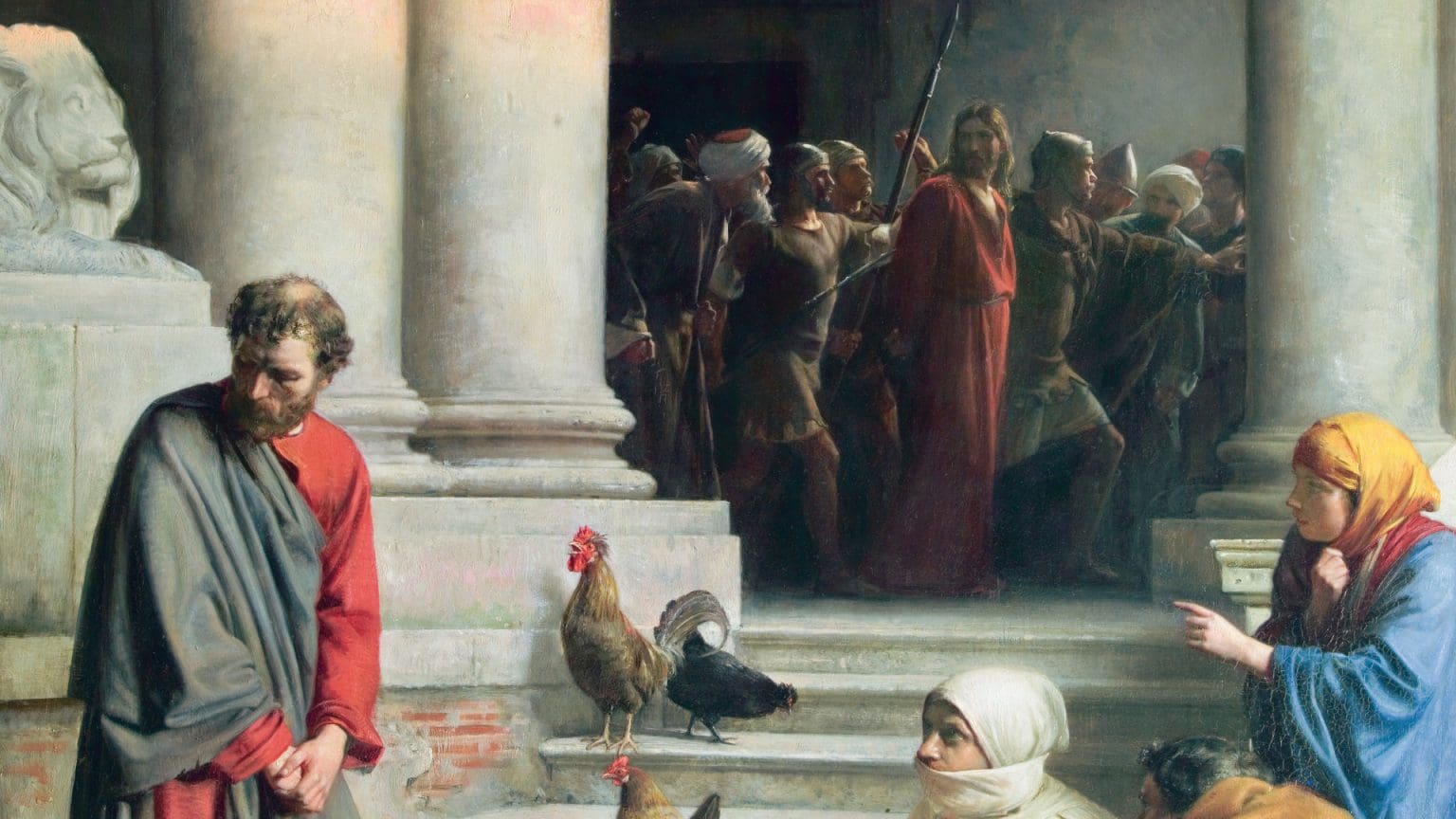
DidYouKnow+FollowGod never said, “Everything happens for a reason.” Most people believe this sentence comes straight from the Bible. It sounds spiritual. It sounds comforting. It sounds safe. But it is not there. What the Bible actually gives us is something far more unsettling: a world where things happen because people choose, systems break, and bodies fail. Ecclesiastes says time and chance happen to everyone. Jesus never explains tragedy by saying, “This was meant to be.” That matters, because many older believers carry quiet guilt. They look back at losses—children, marriages, health—and wonder what lesson they were supposed to learn. As if pain must justify itself to deserve compassion. But Scripture does not require suffering to make sense. It requires God to remain present when it does not. Faith, in the Bible, is not about explaining pain away. It is about refusing to face it alone. If something in your life never found a reason, that does not mean it was meaningless. It may simply mean it was mourned, not solved. #BibleMisconceptions #ChristianGrief #FaithAndSuffering #BiblicalTruth #DidYouKnow19219Share
DidYouKnow+FollowGod never called doubt a sin. Many believers were taught that doubt is dangerous. Ask too many questions, and faith will slip away. But the Bible tells a different story. The Hebrew word often translated as “faith” is emunah. It does not mean certainty. It means steadiness. Staying. Remaining in relationship. Abraham questions God. Moses argues. David complains in public prayer. Thomas doubts—and is not rejected for it. That matters, because long-term believers often feel embarrassed by late-life questions. After decades of belief, they think doubt means something broke. But doubt, in Scripture, is not the opposite of faith. Indifference is. Doubt keeps the conversation open. Silence is what ends it. If you are still asking hard questions after all these years, that is not rebellion. That is endurance. #BibleMisconceptions #FaithAndDoubt #BiblicalHebrew #ChristianReflection #DidYouKnow684Share
DidYouKnow+FollowThe Bible never promises your strength will be enough. We love the phrase “God won’t give you more than you can handle.” It sounds empowering. It sounds responsible. But it is not biblical. Paul actually writes the opposite. He says they were burdened beyond their strength, and despaired of life itself. Why would Scripture admit that? Because faith was never meant to prove your toughness. It was meant to expose your limits. That matters, especially for older believers who were taught to endure quietly. You survived wars, losses, illnesses, disappointments—without complaint. And now you feel tired, and ashamed of the tiredness. But the Bible does not honor self-sufficiency. It honors dependence. Grace enters where strength ends. Not before. If life finally feels like more than you can handle, that may not be failure. It may be the first honest place faith was always meant to live. #BibleMisconceptions #GraceOverStrength #ChristianAging #FaithAndWeakness #DidYouKnow494Share
DidYouKnow+Follow“Blessed” never meant comfortable. Today, blessing is often measured in ease. Health. Stability. Peaceful routines. But when Jesus says “blessed,” he uses the word makarios. It does not describe comfort. It describes being seen by God. The blessed ones, in the Beatitudes, are grieving. Hungry. Poor. Excluded. That matters, because many older believers quietly feel forgotten. Their bodies slow down. Their roles shrink. The church talks more about growth than about finishing well. But Scripture never ties blessing to usefulness. Only to presence. To be blessed is not to be spared. It is to be known. If your life feels smaller now, not larger, that does not mean blessing has left you. It may mean it has become quieter—and closer. #BibleMisconceptions #BiblicalMeaning #ChristianLife #SpiritualDepth #DidYouKnow462Share
DidYouKnow+FollowGod’s silence is not absence. Many believers fear silence more than suffering. Because silence feels like abandonment. But Scripture is full of silent seasons. Four hundred years pass between Old and New Testament. Many psalms end without answers. Jesus himself cries out and hears nothing in return. That matters, because older believers often whisper a question they are afraid to say out loud: “Why does God feel quieter now than He used to?” The Bible never equates silence with distance. Sometimes silence is restraint. Sometimes it is grief shared, not explained. God’s nearness was never measured by volume. If heaven feels quiet in this season of your life, that does not mean you were left behind. It may mean God is sitting with you, not interrupting your pain with noise. #BibleMisconceptions #GodsSilence #FaithJourney #ChristianReflection #DidYouKnow1046Share
justme +FollowI used to shop at Piggly Wiggly back when I was really young, but they don’t have one now where I’m at , I did not know this little bit of history. I thought it was interesting and cool. ,Did you know the modern supermarket, a powerful symbol of American abundance, was actually born in the crushing poverty of the Great Depression? In 1930, King Kullen opened with a model of piling goods high and selling them cheap, changing how families shopped forever. #history #facts #didyouknow30Share
justme +FollowDuring World War II, a dropped knitting needle could change everything. For spies like Phyllis Doyle, a simple ball of yarn wasn't for a scarf—it hid secrets that would help win the war. It was a silent weapon wielded in plain sight. #history #facts #didyouknow #WWII670Share