DidYouKnow+Follow“This too shall pass” is not in the Bible. People quote this line constantly—especially in grief, illness, and anxiety. It sounds ancient. Wise. Biblical. But it is not Scripture. The phrase comes from later folklore, not the Bible. And that distinction matters. Because “this will pass” suggests relief is guaranteed. That pain is temporary by design. But the Bible is more honest than that. Some losses do not pass. Some scars remain. Scripture does not promise that everything ends quickly. It promises God remains present faithfully. Many older believers search this phrase late at night, wondering why something never passed for them. The Bible never tells them they misunderstood healing. It tells them endurance counts even when relief does not come. If something in your life never passed, that does not mean you lacked faith. It means you lived inside reality—not slogans. #BibleMisconceptions #MandelaEffect #ChristianGrief #FaithAndSuffering #DidYouKnow5411Share
DidYouKnow+FollowThe Bible never says “The lion will lie down with the lamb.” Most people are sure this image is biblical. It’s everywhere—sermons, paintings, children’s books, even Christmas cards. But that line is not in the Bible. Isaiah actually says the wolf will dwell with the lamb. Not the lion. That difference matters more than it sounds. Lions symbolize power. Wolves symbolize threat. We turned a dangerous image into a gentle one. And in doing so, we softened the vision. Isaiah was not describing a world where strength becomes cute. He was describing a world where violence is restrained. Many believers search for this verse when they are tired of conflict— in families, politics, churches. They want reassurance that everything will become harmless. But the Bible does not promise harmlessness. It promises restraint, justice, and transformation under God’s rule. If peace still feels fragile and incomplete, that does not mean prophecy failed. It may mean we remembered it wrong. #BibleMisconceptions #MandelaEffect #BiblicalProphecy #Isaiah #DidYouKnow5123Share
DidYouKnow+FollowGod never said “Spare the rod, spoil the child.” Many grew up believing strict physical discipline is biblical. But the Hebrew word muwcar (discipline) refers primarily to guidance, correction, and instruction, not corporal punishment. Proverbs emphasizes wisdom and instruction, not hitting. That matters, because older believers sometimes regret harsh parenting. They think God commanded what they now feel guilty about. Scripture does not equate punishment with faithfulness. It equates teaching, modeling, and guidance. If you carried regret for discipline, that does not mean you failed God’s call. It means you learned what love truly requires. #BibleMisconceptions #BiblicalParenting #FaithAndWisdom #ChristianReflection #DidYouKnow8437Share
DidYouKnow+FollowGod never said “Idle hands are the devil’s workshop.” It sounds cautionary. Motivating. Safe. But it’s not in the Bible. In Hebrew, avodah (work) is often linked to purposeful engagement, not constant busyness. Moses and the prophets sometimes sit and reflect. Silence, not movement, is often commanded. That matters, because older believers feel pressured to always “do something” for God. Retirement, empty nests, slower seasons feel like spiritual failure. Scripture never equates inactivity with sin. It celebrates discernment and reflection as much as action. If you sometimes sit quietly or rest, that does not mean laziness or spiritual weakness. It may mean God is giving space for wisdom to grow. #BibleMisconceptions #FaithAndRest #ChristianReflection #BiblicalWisdom #DidYouKnow191Share
DidYouKnow+FollowGod never said “Cleanliness is next to godliness.” Many lifelong believers heard this as a moral standard. Tidy house, tidy heart. Obedience equates order. But it’s not biblical. The phrase comes from ancient Greek writings, not the Hebrew Bible. Holiness in Scripture is about relationship, not hygiene. Leviticus focuses on ritual and moral purity, not tidiness in living rooms. That matters, because older believers sometimes feel judged for the small things: missed routines, cluttered homes, imperfect habits. They measure spirituality by domestic order. Faith is not about neatness. It is about alignment with God’s heart. If your life feels messy, that does not mean your spirit is unclean. It means God sees deeper than appearances. #BibleMisconceptions #Holiness #ChristianLife #FaithAndReality #DidYouKnow418Share
DidYouKnow+FollowGod never said fear disappears with maturity. We often assume fear belongs to beginners. That seasoned faith should feel calm. But the Bible shows fear evolving, not vanishing. Fear of enemies becomes fear of decline. Fear of failure becomes fear of loss. That matters, because older believers carry quieter fears. Bodies weakening. Being forgotten. Dying without dignity. Scripture does not command fear to vanish. It commands presence to remain. If fear still walks with you, that does not mean courage left. It means courage has learned to walk, not rush. #BibleMisconceptions #FaithAndFear #ChristianAging #SpiritualCourage #DidYouKnow222Share
DidYouKnow+FollowGod never said loneliness means spiritual failure. Loneliness is often framed as lack. Not enough community. Not enough prayer. But Scripture is honest about faithful loneliness. Elijah is alone and still heard. Jeremiah is isolated and still chosen. Jesus is abandoned and still beloved. That matters, because many older believers feel invisible. Their circles shrink. Their voices carry less weight. The Bible never treats loneliness as evidence of distance from God. It treats it as a place God visits. If loneliness has followed you into this season of life, that does not mean you missed something. It may mean you are standing in a quiet place God knows well. #BibleMisconceptions #ChristianLoneliness #FaithAndAging #BiblicalTruth #DidYouKnow662Share
DidYouKnow+FollowGod never said doubt arrives because faith is weak. We often talk about doubt as a crack. Something that should not be there. But in the Bible, doubt often shows up after obedience. Moses doubts after leading. Elijah collapses after victory. Exhaustion invites questions certainty never needed. That matters, because many lifelong believers feel confused by late doubt. They trusted God for decades. Why now? Scripture does not shame faith that gets tired. It feeds it. Lets it rest. Doubt is not always a threat. Sometimes it is a signal. If doubt has appeared late in your journey, that does not mean something broke. It may mean you have carried faith a very long way. #BibleMisconceptions #FaithAndDoubt #SpiritualFatigue #ChristianReflection #DidYouKnow263Share
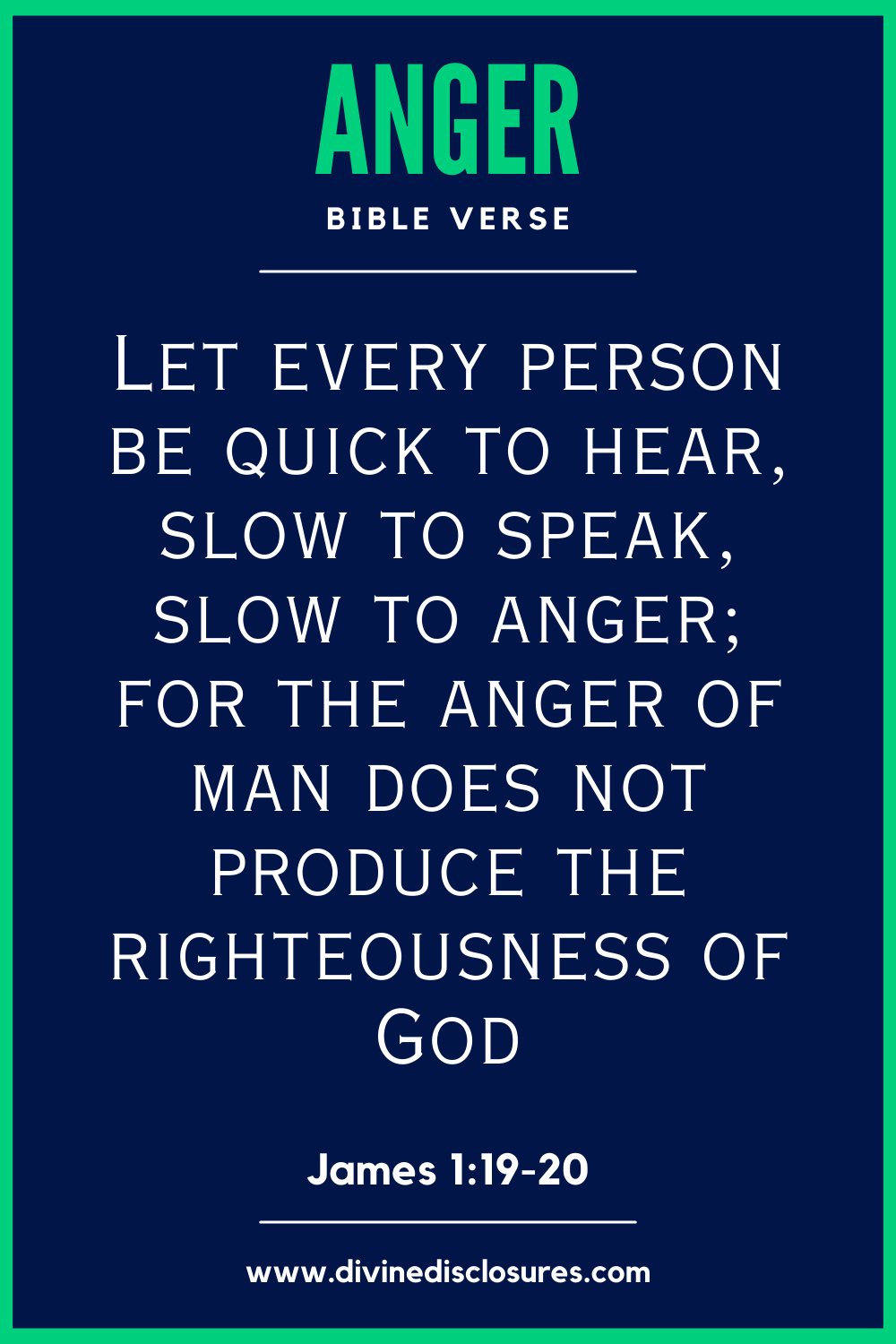
DidYouKnow+FollowGod never said good believers stop feeling angry. Anger is often treated as a spiritual failure. Something mature faith should grow out of. But the Bible never says that. In Scripture, anger appears inside prayer, not outside of faith. The psalms do not whisper. They protest. That matters, because many older believers learned to convert anger into silence. Toward leaders. Toward injustice. Toward God himself. But silence is not holiness. And anger, when spoken honestly, is not rebellion. The Bible does not erase anger. It gives it language. If anger still rises in you after all these years, that does not mean faith failed. It may mean your faith is still alive enough to respond. #BibleMisconceptions #FaithAndAnger #BiblicalLament #ChristianLife #DidYouKnow551Share
DidYouKnow+FollowGod never said exhaustion means you lost faith. We often spiritualize endurance. As if real faith never gets tired. But Scripture names exhaustion without condemnation. Elijah asks to die. Jesus sleeps through the storm. Even faith rests. That matters, because many older believers feel ashamed of being tired. They served. They endured. They stayed. And now they feel empty. The Bible does not call exhaustion a moral failure. It calls it human. If you feel tired in your faith, that does not mean devotion faded. It may mean you gave more than anyone saw. #BibleMisconceptions #SpiritualExhaustion #FaithAndRest #ChristianReflection #DidYouKnow605Share