Tag Page americanhistory

#americanhistory
LataraSpeaksTruth

The Little Girl Who Moved a Nation

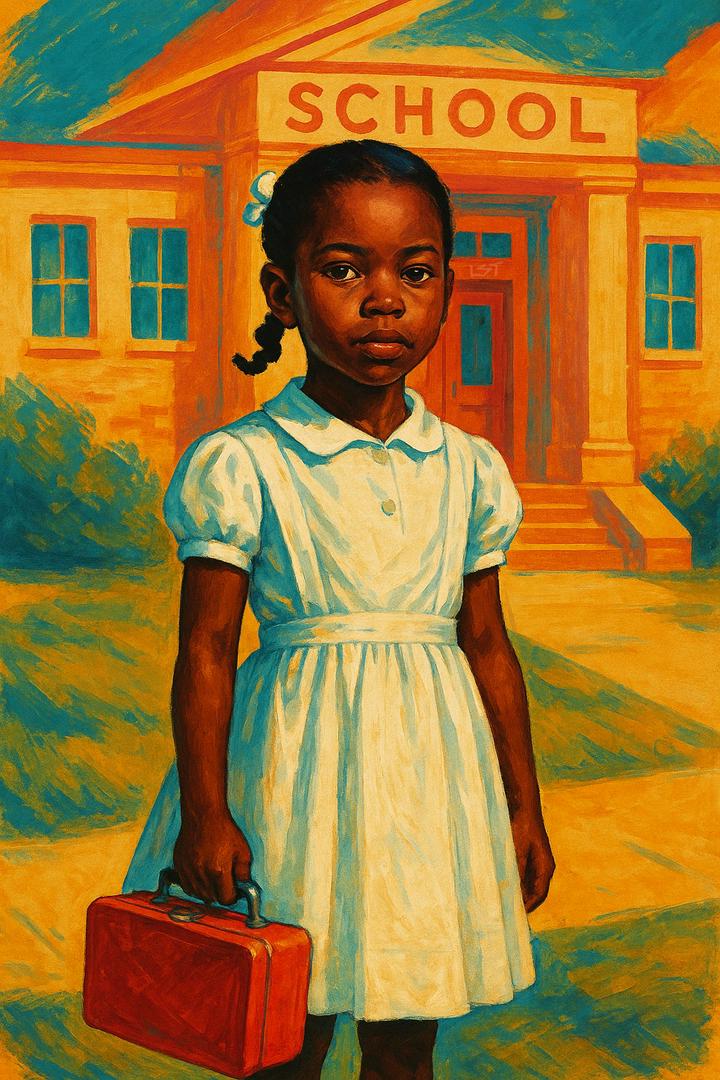
Ruby’s story hits like a drumbeat through history. Picture a tiny first-grader in 1960, rolling up to William Frantz Elementary in New Orleans with U.S. marshals flanking her like she’s the nation’s smallest superhero. Crowds spit hate, but Ruby? She keeps it moving, lunchbox swinging, spirit unbroken. Inside, every classroom is empty because white parents pulled their kids out. Only one teacher, Barbara Henry… has the backbone to teach her. So Ruby learns alone, day after day, in a school built for hundreds. Outside, the noise stays ugly, but Ruby prays for the people yelling at her. Wild level of grace for a six-year-old, honestly. That walk didn’t just open a school door. It cracked open the future. Ruby stood steady so generations of kids could sit together and learn without fear. Her steps still echo. Her courage still teaches. Her story? Still shaking the room. #RubyBridges #BlackHistory #AmericanHistory #CivilRightsEra #EducationHistory #LataraSpeaksTruth

The Little Girl Who Moved a Nation
LataraSpeaksTruth

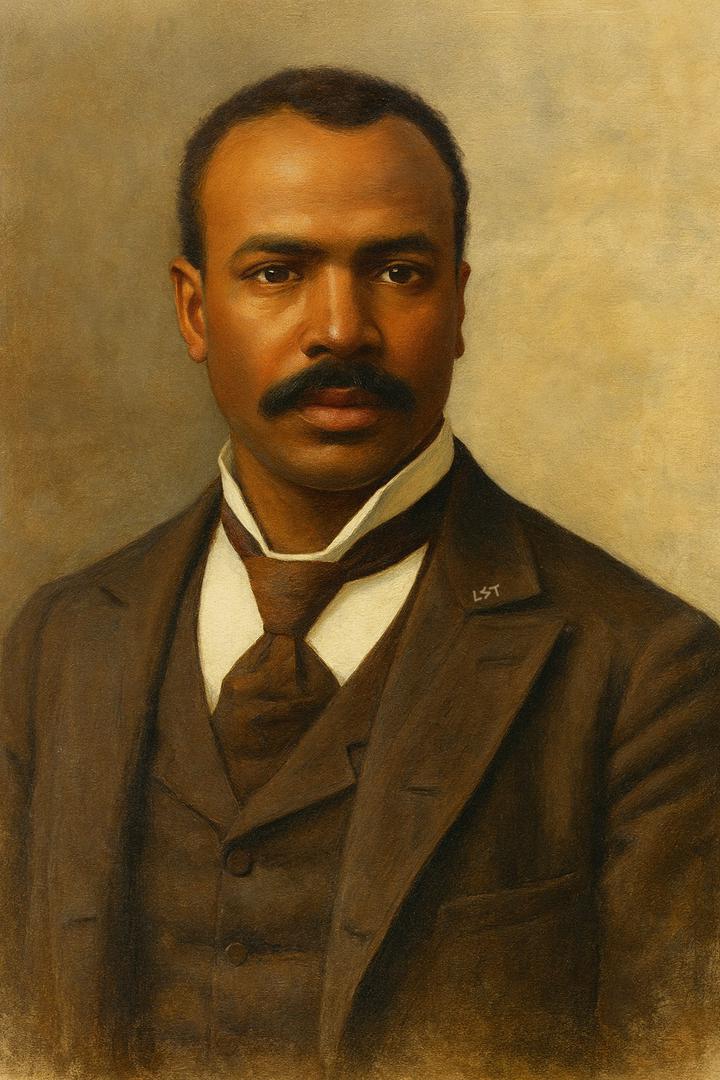
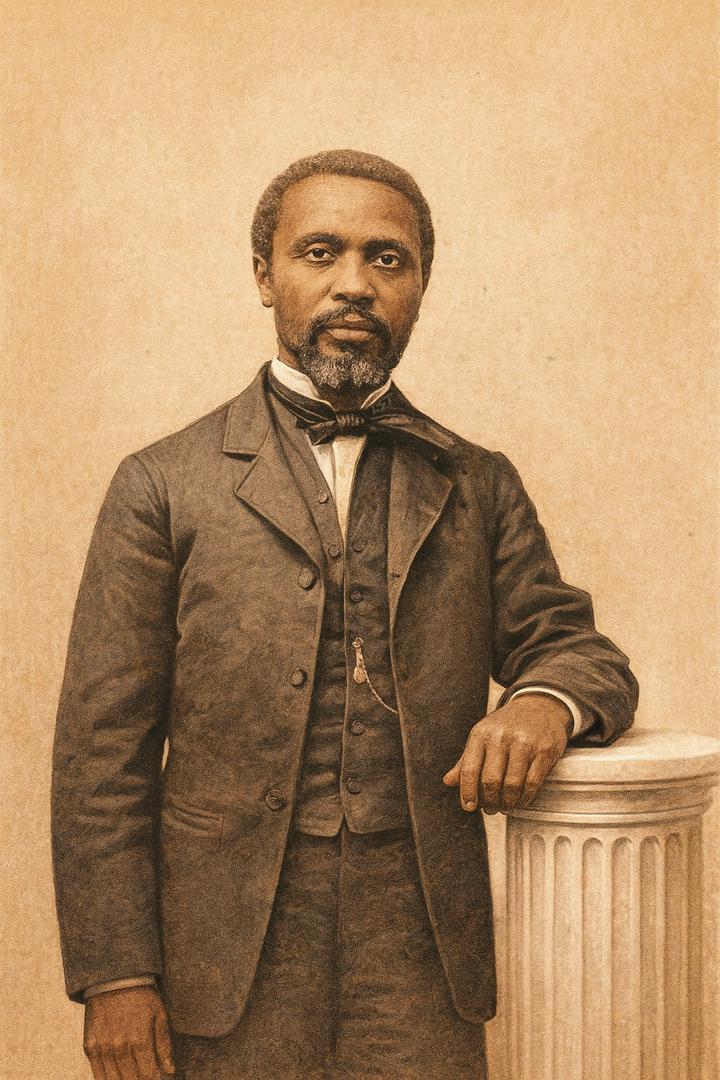
Born December 8, 1868, Henry Hugh Proctor entered the world just as Reconstruction was slipping away. The promises were fading, the tension was thick, and yet he grew into a leader who insisted that hope could be rebuilt if people were willing to do the work. Proctor did not simply become a minister. He became a community strategist, the kind of pastor who believed that faith without structure and support was just noise. When he stepped into leadership at Atlanta’s First Congregational Church, he treated the space like fertile ground. He preached, yes, but he also organized libraries, a gym, job assistance programs, cultural clubs, safe housing for young Black women, and music programs that strengthened spirits in a city determined to limit Black opportunity. He built a full-life resource center long before that phrase existed, proving that the church could be both sanctuary and engine. Proctor helped co-found the National Convention of Congregational Workers Among Colored People, creating a network for Black ministers who were pushing for progress in their own communities. After the violence of the 1906 Atlanta massacre, he worked on interracial committees that aimed to cool the hostility poisoning the South. He did this quietly, intentionally , and with the kind of steady courage that often goes unnoticed by history books. He was not chasing spotlight. He was shaping lives. His influence stretched far beyond his pulpit, carried in the people who found safety, dignity, and opportunity through the institutions he helped build. December 8, 1868 marks the birth of Henry Hugh Proctor, pioneering minister and committed community reformer. #HenryHughProctor #BlackHistory #OnThisDay #CommunityBuilder #AtlantaHistory #ReconstructionEra #FaithAndJustice #UnsungHeroes #AmericanHistory

LataraSpeaksTruth

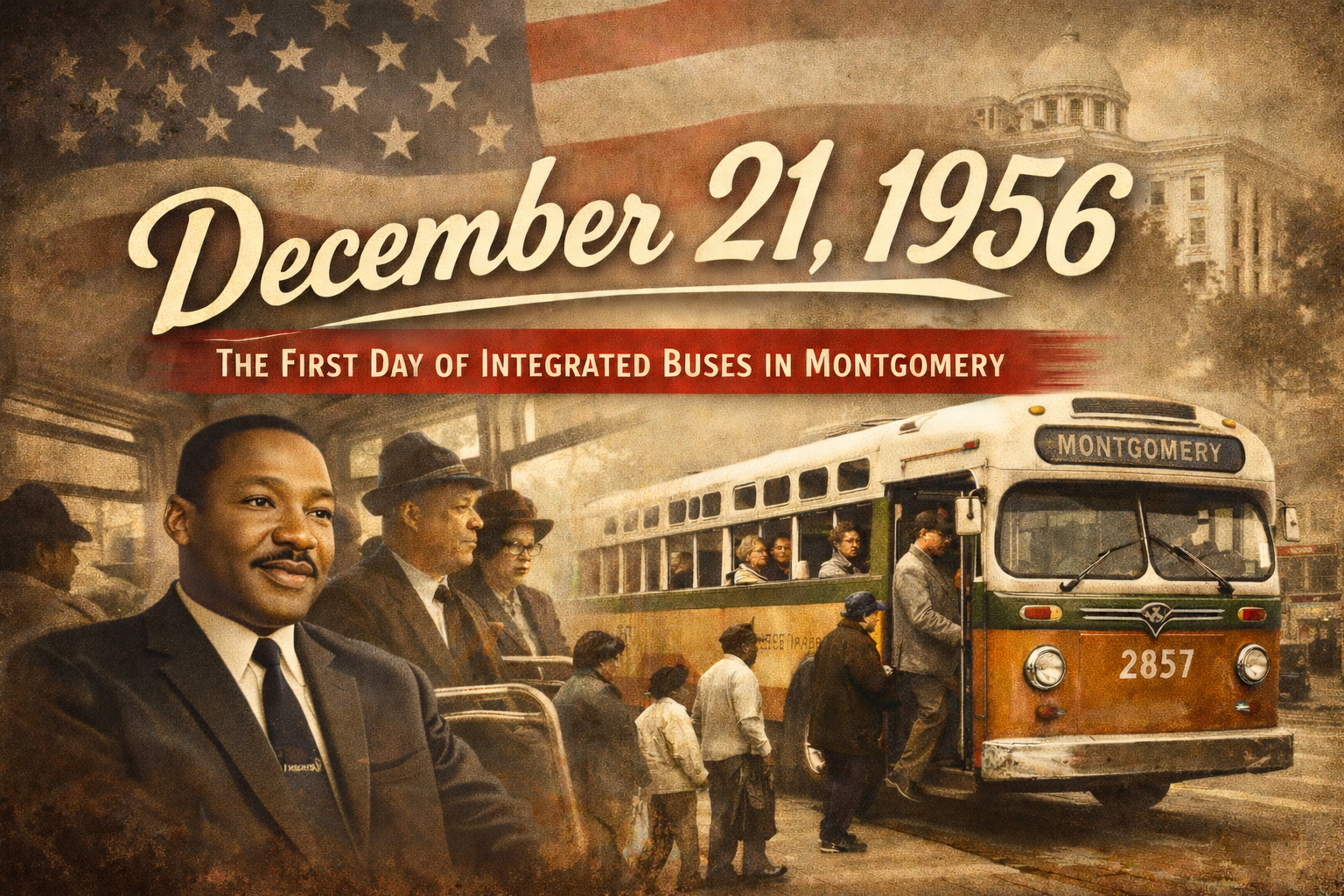
December 21, 1956 is often remembered as the end of the Montgomery Bus Boycott, but more precisely, it marks the first day Montgomery’s city buses operated as integrated in daily life. The legal battle had already been won, yet this morning mattered because it was when the ruling became visible, physical, and unavoidable. After more than a year of walking, carpooling, and enduring harassment, Black residents of Montgomery boarded buses alongside white passengers under a new reality. The Supreme Court decision banning bus segregation had finally reached Alabama, and the city was required to comply. December 21 was the morning the mandate moved from paper to pavement. That day, community leaders and ordinary citizens rode together. Among them was Martin Luther King Jr, who boarded a bus quietly, without fanfare. There were no speeches, no celebrations, and no cameras chasing spectacle. What made the moment powerful was its calm. People simply sat where the law now said they could sit. The boycott itself officially ended when the legal order took effect, which is why some summaries list earlier dates. But December 21 endures in public memory because it represents the first lived experience of change. It was not just a court victory. It was a morning commute transformed by discipline, unity, and resolve. For 381 days, Montgomery’s Black community refused to accept injustice as routine. On December 21, 1956, routine finally changed. History did not announce itself loudly that morning. It showed up on time, paid its fare, and took a seat. #MontgomeryBusBoycott #CivilRightsHistory #December21 #AmericanHistory #BlackHistory

LataraSpeaksTruth

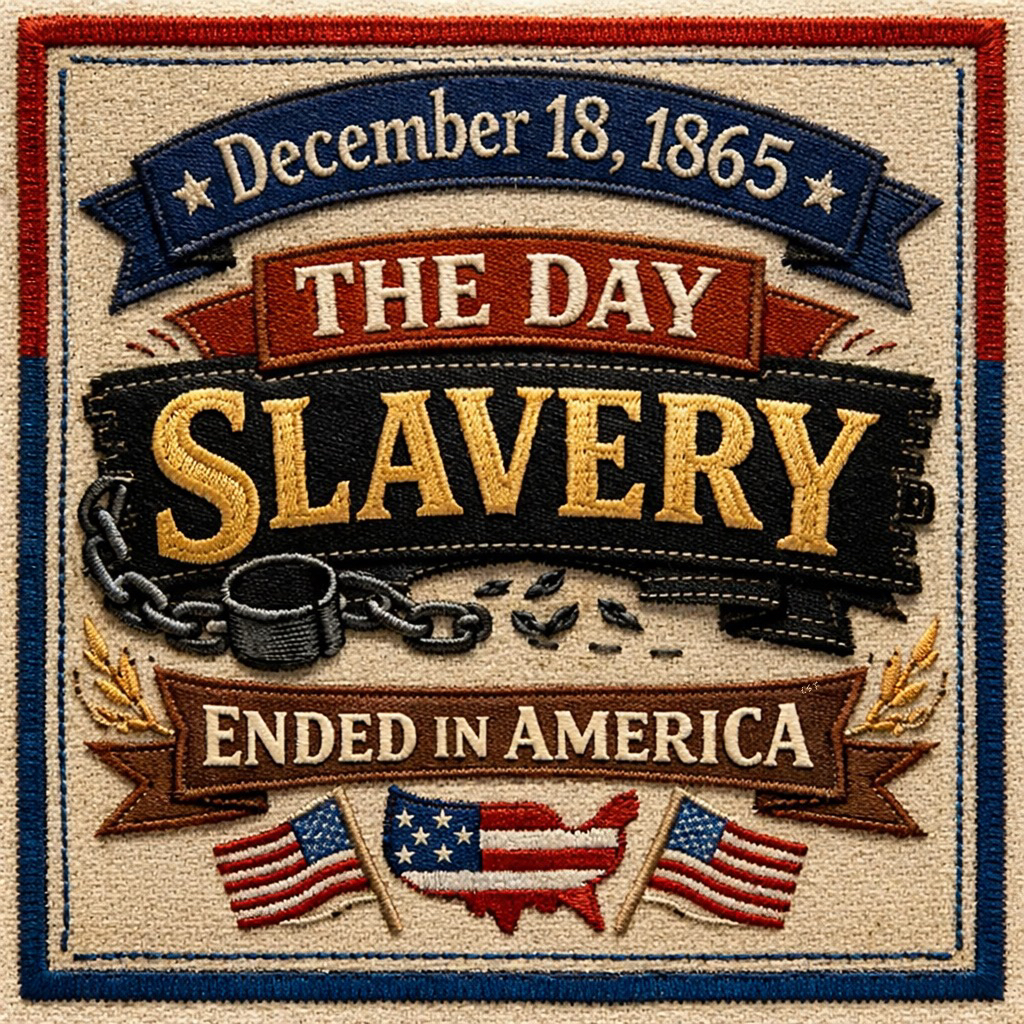
December 18 holds a quiet but powerful place in American history. On December 18, 1865, the United States officially proclaimed that the 13th Amendment had been ratified, permanently abolishing slavery nationwide. This was the moment emancipation became constitutional law, not a wartime order, not a promise tied to politics or conflict, but a legal reality written into the foundation of the country. By the time this proclamation was announced, many formerly enslaved people had already tasted freedom through the Emancipation Proclamation. But that earlier declaration did not apply everywhere and could be reversed if the war was lost. December 18 marked the point of no return. Slavery was no longer conditional. It was no longer regional. It was, on paper, dead. For Black communities, this date mattered because it represented confirmation. After generations of broken promises, delayed enforcement, and freedom that arrived late or not at all, December 18 was the federal government finally acknowledging what should have never required a constitutional amendment in the first place. The waiting was not symbolic. It was lived. People waited for news. They waited for certainty. They waited for something permanent. While celebrations like Freedom’s Eve are historically tied to December 31 and the Emancipation Proclamation, December 18 stands as the legal closing of slavery as an institution in the United States. It is not as widely remembered or publicly celebrated, but it represents the moment freedom was locked into law. Some dates shout. Others whisper. December 18 is one of the whispers that still deserves to be heard. #OnThisDay #December18 #AmericanHistory #13thAmendment #Emancipation #HiddenHistory #HistoryMatters

LataraSpeaksTruth

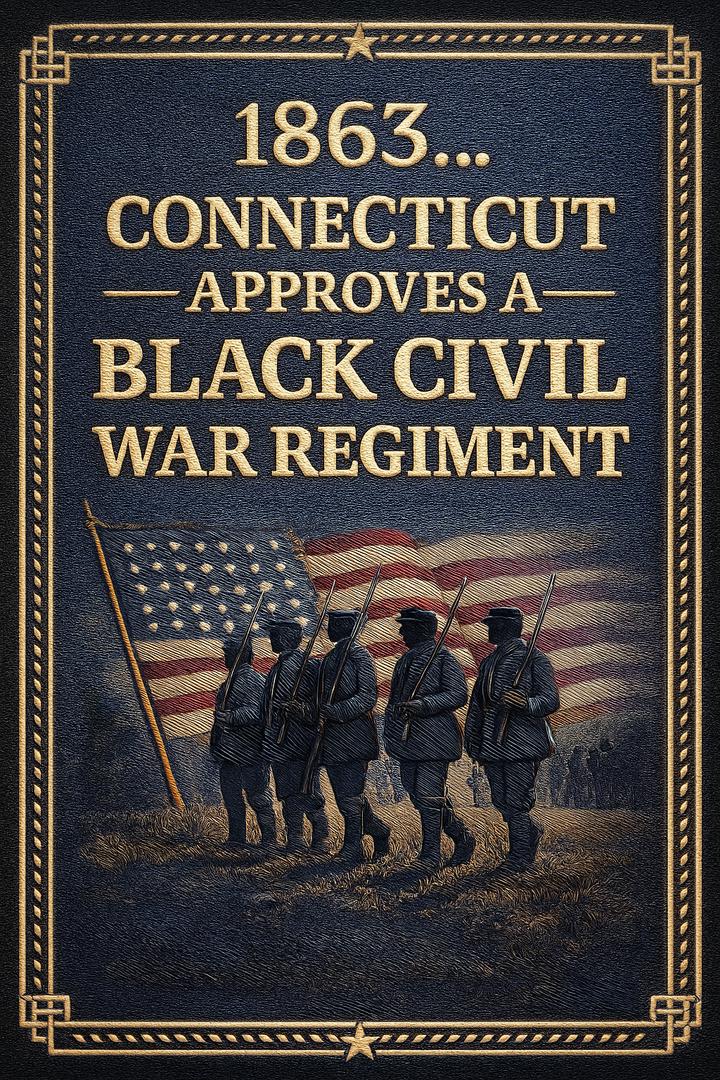
1863… Connecticut Approves a Black Civil War Regiment

On this day in 1863, the Connecticut General Assembly met in a special session to decide whether Black men could serve as front line soldiers in the Union Army. After a day of debate, lawmakers approved the measure, and Governor William Buckingham signed it into law on November 23. This decision opened the door for Black residents in Connecticut to enlist in a state infantry regiment for the first time. Recruiters began organizing almost immediately, and more than one thousand Black volunteers stepped forward in the following months. Their participation formed the 29th Connecticut Colored Infantry Regiment and helped begin a second unit, the 30th Connecticut. The 29th Connecticut mustered into service in early 1864 and later fought in major campaigns near Petersburg and Richmond. They were also among the first Union troops to enter Richmond when the city fell in April 1865. The decision made on November 23, 1863 marked a turning point in Connecticut’s military history and highlighted the essential role Black soldiers played in the Union’s efforts during the Civil War. #BlackHistory #TodayInHistory #CivilWarHistory #ConnecticutHistory #UnionArmy #29thConnecticut #HistoricalFacts #AmericanHistory #OnThisDay #HistoryMatters

1863… Connecticut Approves a Black Civil War Regiment
LataraSpeaksTruth

Macon Bolling Allen Admitted to the Massachusetts Bar in 1845

On November 26, 1845, Macon Bolling Allen stepped into a world that liked to pretend it had no room for him and still made space anyway. He became the first Black lawyer admitted to the Massachusetts bar, carrying a calm kind of courage that hits different when you realize the country was still tangled in slavery and hostility. Earlier in 1844 he had already passed the Maine bar exam, proving his skill long before many thought he would even be allowed to take the test. Massachusetts recognized that ability next, and from there he kept pushing forward, eventually serving as one of the first Black judges in the United States. His journey reads like a reminder that discipline and study can be rebellion when the world expects you to shrink. Allen found a way into rooms that were not built for him and left the doors open behind him. Every Black lawyer, judge, advocate, and student walking their own path today moves with echoes of his persistence. #MaconBollingAllen #OnThisDay #HistoryMatters #AmericanHistory #LataraSpeaksTruth

Macon Bolling Allen Admitted to the Massachusetts Bar in 1845
LataraSpeaksTruth

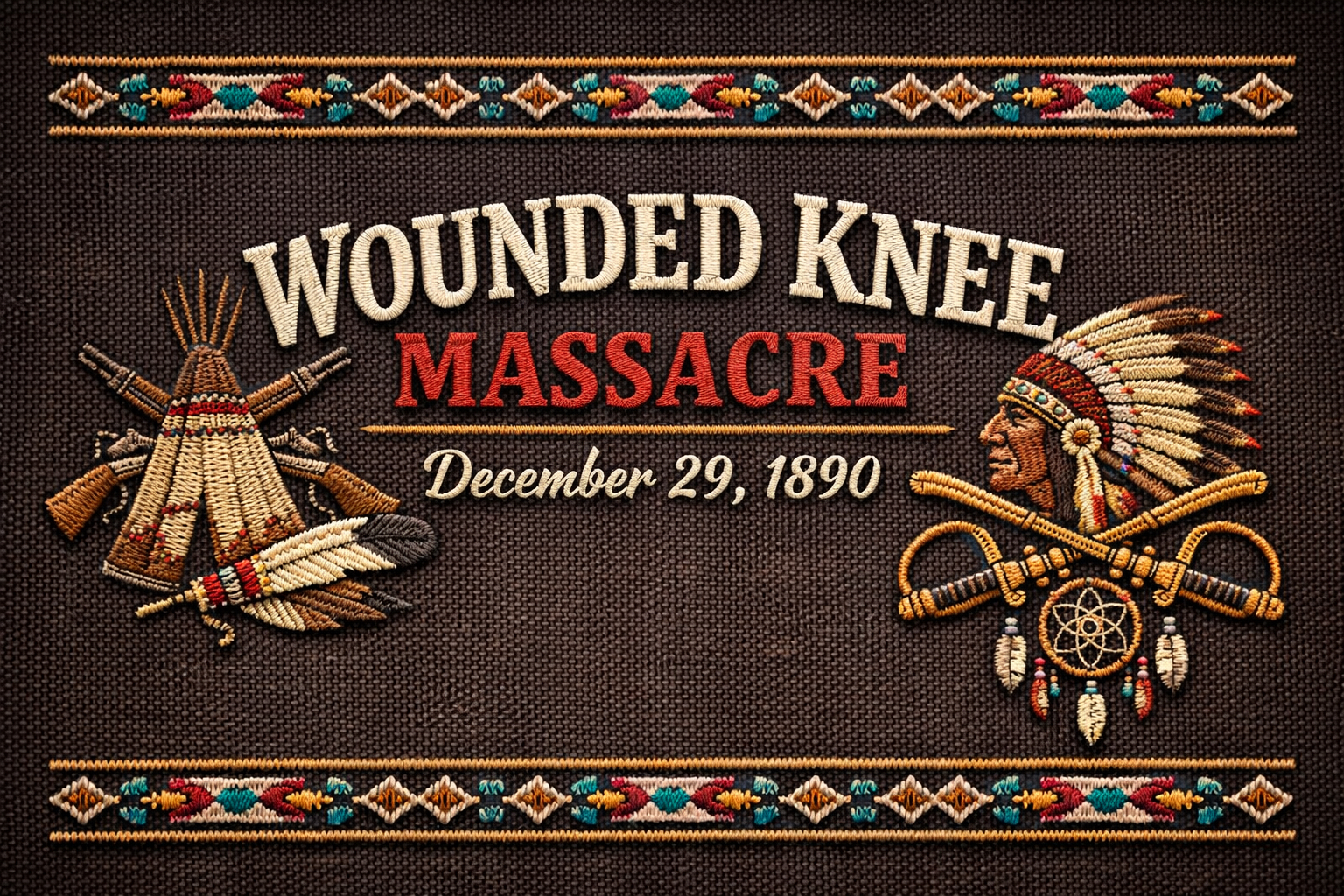
On December 29, 1890, U.S. Army troops from the 7th Cavalry surrounded a Lakota Sioux encampment near Wounded Knee on the Pine Ridge Reservation in South Dakota during a forced disarmament operation. Tensions escalated as soldiers attempted to confiscate weapons. After a single shot was fired under disputed circumstances, troops opened fire using rifles and Hotchkiss cannons. An estimated 150 to 300 Lakota men, women, and children were killed, many of them unarmed. As people fled, gunfire continued across the encampment. Numerous victims were later found frozen in the snow. The massacre occurred amid federal fear surrounding the Ghost Dance, a spiritual movement officials misinterpreted as a threat rather than a religious practice. Military force was deployed instead of diplomacy. Earlier that month, the killing of Lakota leader Sitting Bull intensified tensions across the region. Wounded Knee is widely regarded as marking the violent end of large scale Indigenous armed resistance on the Plains. No meaningful accountability followed, and several soldiers later received military commendations. Today, the massacre remains a defining example of state violence against Indigenous people and continues to shape debates about historical memory and justice in the United States. #WoundedKnee #December29 #USHistory #NativeHistory #Lakota #SouthDakota #HistoricalRecord #AmericanHistory #HistoryMatters