Tag Page americanhistory

#americanhistory
LataraSpeaksTruth

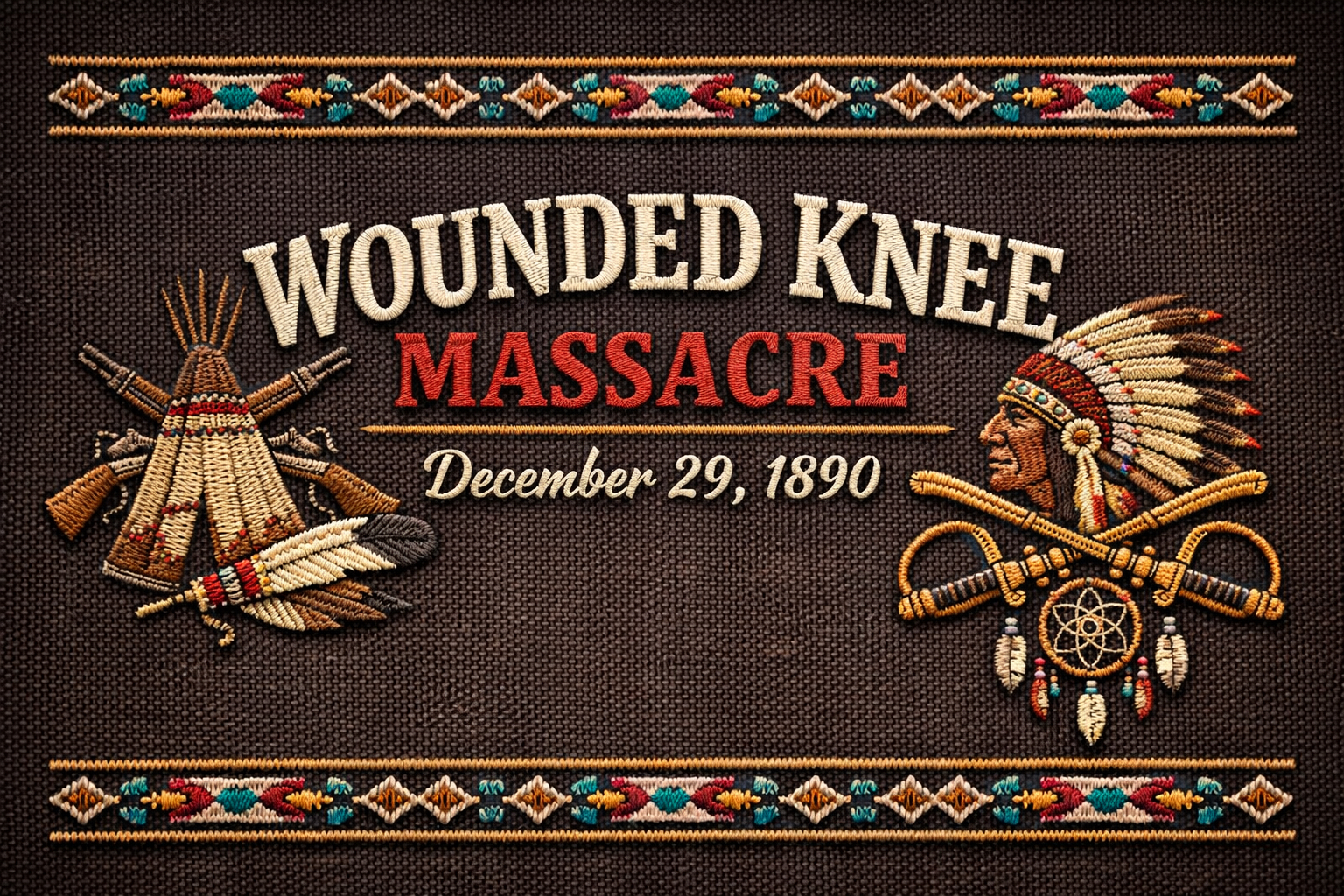
On December 29, 1890, U.S. Army troops from the 7th Cavalry surrounded a Lakota Sioux encampment near Wounded Knee on the Pine Ridge Reservation in South Dakota during a forced disarmament operation. Tensions escalated as soldiers attempted to confiscate weapons. After a single shot was fired under disputed circumstances, troops opened fire using rifles and Hotchkiss cannons. An estimated 150 to 300 Lakota men, women, and children were killed, many of them unarmed. As people fled, gunfire continued across the encampment. Numerous victims were later found frozen in the snow. The massacre occurred amid federal fear surrounding the Ghost Dance, a spiritual movement officials misinterpreted as a threat rather than a religious practice. Military force was deployed instead of diplomacy. Earlier that month, the killing of Lakota leader Sitting Bull intensified tensions across the region. Wounded Knee is widely regarded as marking the violent end of large scale Indigenous armed resistance on the Plains. No meaningful accountability followed, and several soldiers later received military commendations. Today, the massacre remains a defining example of state violence against Indigenous people and continues to shape debates about historical memory and justice in the United States. #WoundedKnee #December29 #USHistory #NativeHistory #Lakota #SouthDakota #HistoricalRecord #AmericanHistory #HistoryMatters

LataraSpeaksTruth

1863, Nashville… The Day New Soldiers Changed the War

On November 19, 1863, the 13th United States Colored Infantry officially formed in Nashville, Tennessee. Hundreds of Black men stepped forward to wear Union blue at a time when the nation still refused to recognize their full rights. They volunteered anyway. They took up weapons in a country that denied them protections, hoping their service would help crack the walls holding their people down. The 13th USCI was one piece of the larger United States Colored Troops, a force created after the Emancipation Proclamation opened the door for Black military enlistment. The officers were white, but the spirit, grit, and discipline came from the men themselves. Some had escaped plantations. Others were freeborn. All of them were determined to see slavery fall. Their service came with barriers. Lower pay in the early months. Harsher treatment. Hostility from Union soldiers and Confederate soldiers alike. Still, the 13th USCI held the line. They fought in Tennessee, Georgia, and Alabama, pushing Union control deeper into the South. Their formation marked a turning point. The Civil War shifted from just saving the Union to redefining what freedom would mean in America. Black soldiers made that shift visible. The men of the 13th USCI stood as proof that Black Americans were willing, ready, and brave enough to fight for their freedom and their families’ future. Their legacy still speaks: freedom in this country has always moved forward because of the people who were denied it, yet fought for it anyway. #history #americanhistory #blackmilitaryhistory #civilwarstories #LataraSpeaksTruth

1863, Nashville… The Day New Soldiers Changed the War
LataraSpeaksTruth

On This Day: Monroe, North Carolina Draws National Attention in 1960

On November 26, 1960, The New York Times published a front-page report titled “Klan and Negroes March in North Carolina Town,” highlighting rising tensions in Monroe, North Carolina, during a pivotal moment in the early civil rights era. Throughout the 1950s, Monroe’s Black residents reported ongoing instances of unequal treatment and intimidation as they pressed for constitutional rights and improved public safety. Community leaders documented these concerns and increasingly organized local efforts calling for fair protection under the law. During this same period, the Ku Klux Klan expanded its presence in the region, holding public demonstrations and increasing its visibility around the town. These activities generated significant local unease and deepened divisions within the community. The march referenced in the Times article brought national visibility to these conflicting forces. Local Black residents mobilized to advocate for equal treatment and greater security, while members of the Klan held their own demonstration representing an opposing stance. The two groups appearing on the same day underscored how sharply divided the town had become. The decision by The New York Times to place this story on its front page had a major impact. It brought attention to conditions in Monroe that had previously received little national coverage, highlighting that civil rights struggles were taking place not only in major cities but also in smaller towns across the South. The headline did not signal the end of the conflict, but it marked a moment when wider audiences could no longer overlook what local residents had been raising concerns about for years. #OnThisDay #AmericanHistory #NorthCarolinaHistory #CivilRightsEra #1960sHistory

On This Day: Monroe, North Carolina Draws National Attention in 1960
LataraSpeaksTruth

1897… Andrew J. Beard Receives a Patent for the “Jenny Coupler”

On November 23, 1897, Andrew Jackson Beard, a Black inventor from Alabama, received a U.S. patent for one of the most important railroad safety devices of the late 1800s: the automatic car coupler known as the “Jenny Coupler.” Before Beard’s invention, railroad workers had to stand between moving train cars to manually link them together. It was a dangerous job that resulted in countless crushed limbs and deaths. Beard knew those risks firsthand—he had worked around railroads and had seen the toll the old system took on brakemen. His design changed everything. The Jenny Coupler used a pair of locking jaws that snapped together automatically the moment two cars touched. It replaced a life-threatening task with a simple, safer, almost automatic motion. Beard’s patent became part of a nationwide shift toward better railroad safety. His work influenced federal requirements for automatic couplers and helped protect the workers who kept the rail industry running. Even though his name isn’t widely recognized today, Beard’s contribution had a lasting impact. His 1897 patent remains a clear example of how Black inventors helped shape American industrial technology—often without the credit they deserved. #OnThisDay #BlackHistory #AmericanHistory #Inventors #RailroadHistory #SafetyInnovation #UnsungHeroes #CommunityFeed

1897… Andrew J. Beard Receives a Patent for the “Jenny Coupler”
LataraSpeaksTruth

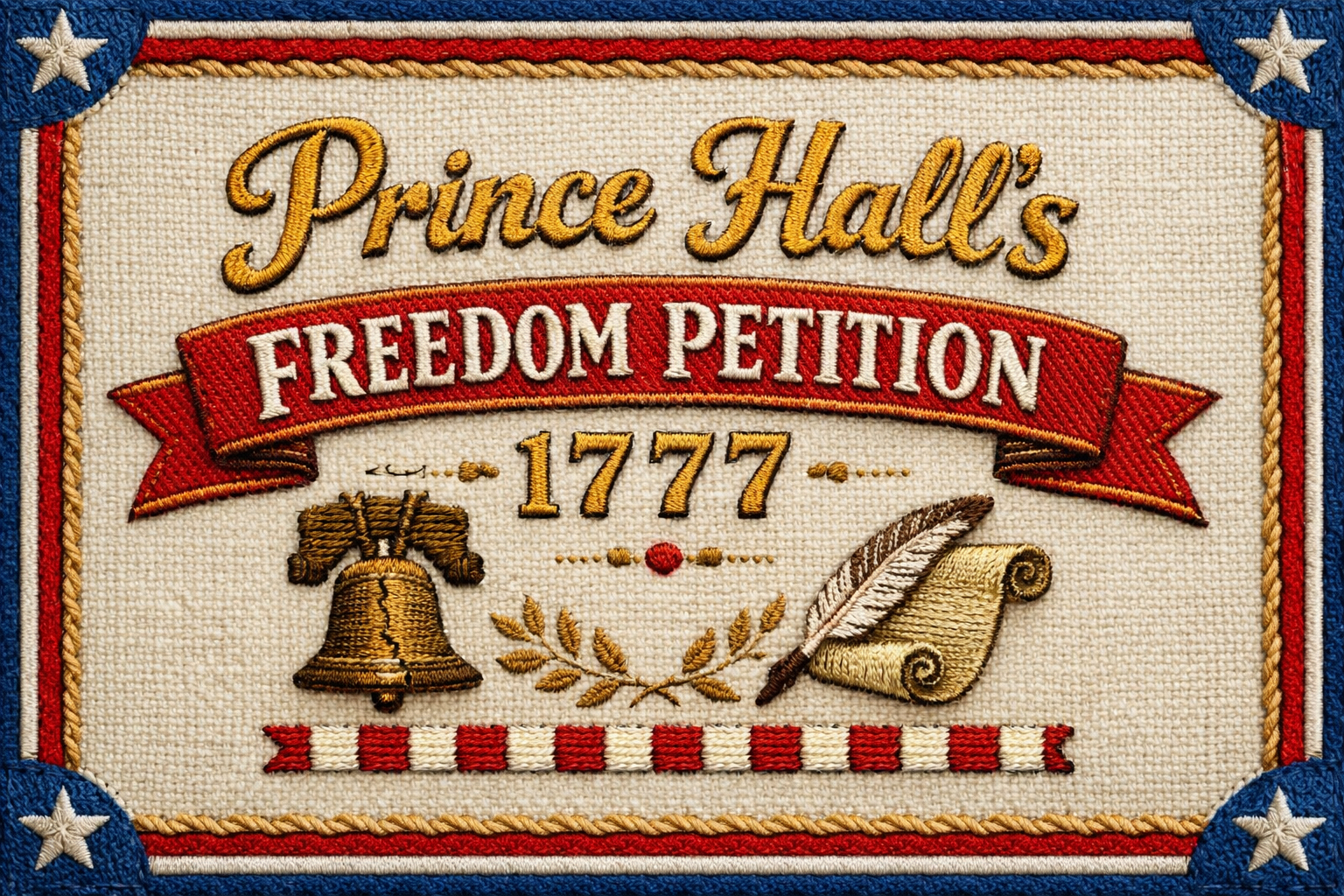
January 13, 1777 did not arrive with celebration or ceremony, but it carried one of the clearest moral confrontations of the Revolutionary era. On this day, Prince Hall and seven other Black men formally petitioned the Massachusetts legislature for freedom on behalf of those held in bondage. Their argument was not emotional pleading. It was political, logical, and devastatingly precise. If the colonies were fighting a war over natural rights and liberty, then slavery stood in direct contradiction to the very ideals being proclaimed. The petitioners pointed to the hypocrisy plainly. They reminded lawmakers that Black men were being taxed, governed, and even conscripted, while denied the freedom those sacrifices were supposedly defending. This was not a request for gradual reform or future consideration. It was a direct challenge to the legitimacy of slavery itself. The men asserted that freedom was not a gift to be granted at convenience but a right already owed. The legislature did not immediately abolish slavery in response. Power rarely moves that fast. But the petition mattered because it created a permanent written record of resistance from within the system. It forced lawmakers to confront the contradiction in ink, preserved in official archives. It also helped lay the groundwork for later legal challenges that would ultimately dismantle slavery in Massachusetts by the early 1780s. Prince Hall would go on to become one of the most influential Black leaders of the eighteenth century, founding Black institutions, advocating education, and organizing community defense. But on January 13, 1777, his legacy was already clear. He understood that freedom is not begged for quietly. It is demanded clearly, publicly, and without apology. History remembers battles and speeches. It should also remember petitions like this one. Because sometimes the most dangerous thing to a system built on contradiction is a document that tells the truth. #OnThisDay #January13 #America
LataraSpeaksTruth

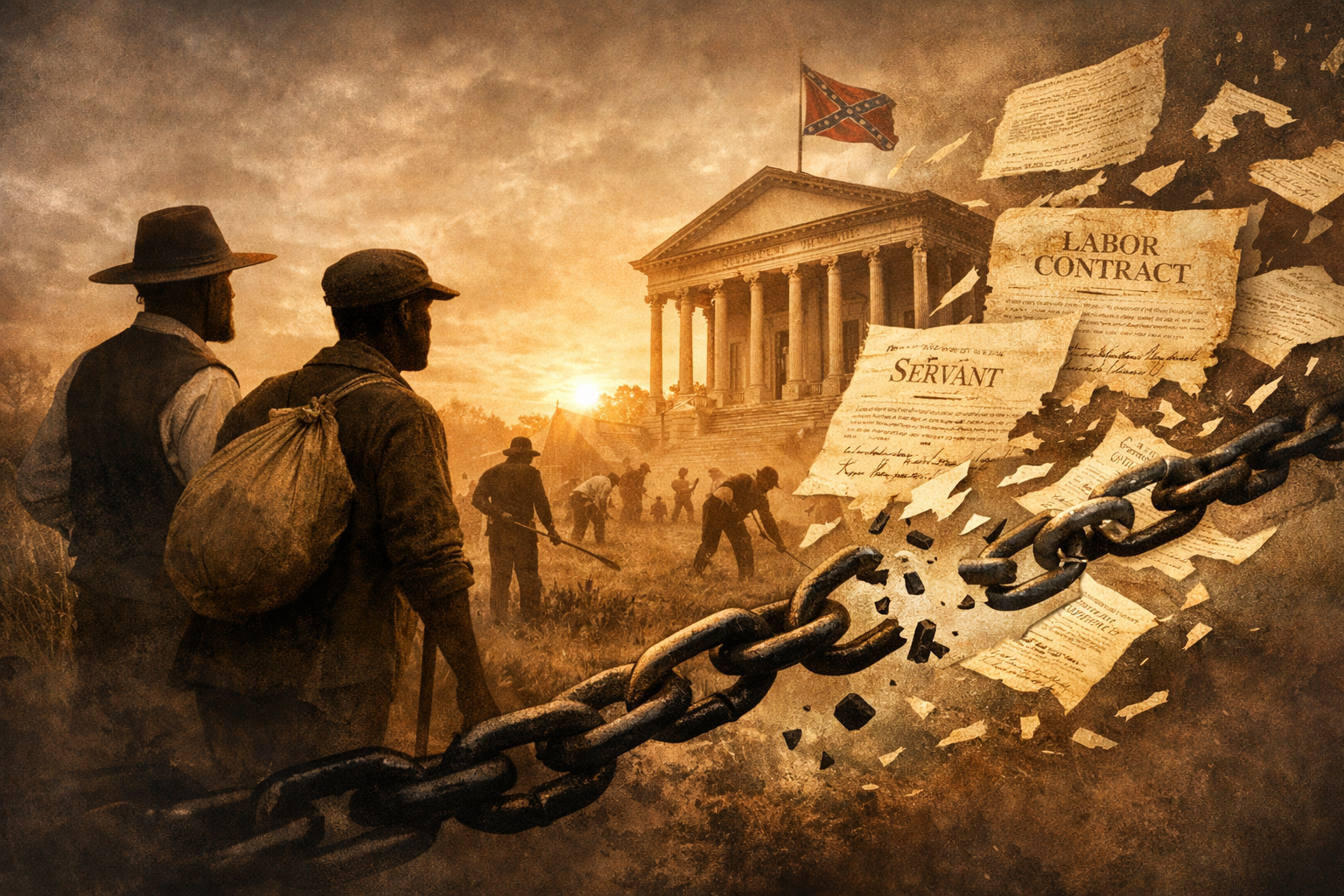
On December 19, 1865, South Carolina passed a law that replaced slavery with forced labor under a different name. Slavery had been abolished, but this law required newly freed people to sign labor contracts that locked them into exploitative conditions. Workers were labeled “servants,” while white employers were officially designated as “masters.” Those who refused to sign faced arrest, fines, or forced unpaid labor. On paper, the law existed under Reconstruction. In practice, it functioned as a mechanism to preserve control over labor and daily life after emancipation. Freedom was tolerated only if economic dependence and social hierarchy remained intact. Formerly enslaved people and community leaders immediately recognized the danger. They understood that freedom meant choice. Choice in where to work, how to live, and how to shape a future. This law stripped that choice away and pushed many back into conditions that closely resembled bondage. South Carolina was not an outlier. Across the South in 1865, similar Black Codes criminalized unemployment and so called vagrancy. Those charges were then used to funnel people into plantation labor through the criminal justice system, reinforcing control through punishment rather than chains. The impact of these laws did not end in the nineteenth century. Their influence can still be seen in labor inequality, policing disparities, and economic systems that limit access to opportunity. Remembering December 19, 1865 is not about assigning blame. It is about recognizing how systems of control evolved and why the pursuit of genuine freedom remains unresolved. #ReconstructionHistory #AmericanHistory #SouthCarolina1865 #BlackCodes #LaborHistory #Justice #HistoricalContext #Freedom

LataraSpeaksTruth

1958… The Day Louisiana’s “Anti-Mixing” Sports Law Finally Fell

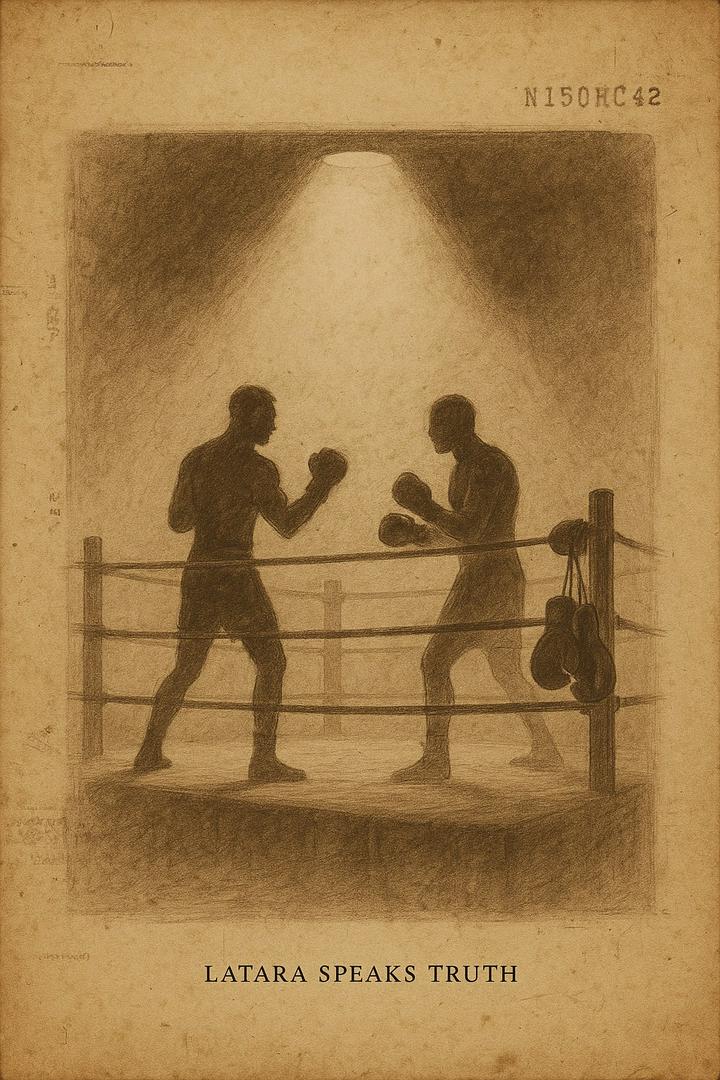
On November 28, 1958, a federal three-judge court ruled against Louisiana’s attempt to keep sports segregated forever. The case was called Dorsey v. State Athletic Commission, and it targeted the state’s “anti-mixing” law… a rule that tried to stop Black and white athletes from competing against each other. Louisiana used this law to block integrated boxing matches. Promoters were threatened with jail. Black fighters were refused licenses. White fighters were told to stay in their own lane. The whole thing was designed to protect the old order… and punish anyone who dared to break it. The court struck it down. They called it unconstitutional, discriminatory, and flat-out incompatible with the country’s direction. It was one of the quiet wins that chipped away at segregation’s foundation. Not loud. Not flashy. But necessary. This wasn’t just about sports. It was about the state trying to control who could stand toe-to-toe in public. And the court said no… not anymore. #LataraSpeaksTruth #HistoryMatters #AmericanHistory #HiddenHistory #UntoldStories #OnThisDay #CivilRightsEra

1958… The Day Louisiana’s “Anti-Mixing” Sports Law Finally Fell
LataraSpeaksTruth

1960… The Day New Orleans Showed Its True Face

On November 29, 1960, the sidewalk outside William Frantz Elementary turned into a scene the country still can’t shake. White segregationist mothers lined the street, screaming as a little Black girl tried to walk into school. Through all that chaos, Daisy Gabrielle held her daughter Yolanda’s hand and kept moving. That walk was courage in real time… the kind that doesn’t wait for applause, just does what’s right. The footage from that day became part of America’s permanent record. Not the cleaned-up version… the real one, showing grown adults trying to block a child’s education because of her skin. And here’s the part people love to pretend they don’t hear… 1960 wasn’t ancient history. It wasn’t “way back then.” Many of the adults in that crowd lived long enough to watch the world pretend this never happened. Progress didn’t fall from the sky… somebody had to push it. #HistoryMatters #AmericanHistory #OnThisDay #NewOrleansHistory #EducationHistory #LataraSpeaksTruth

1960… The Day New Orleans Showed Its True Face
Tag: americanhistory - Page 10 | LocalAll