Tag Page americanhistory

#americanhistory
LataraSpeaksTruth

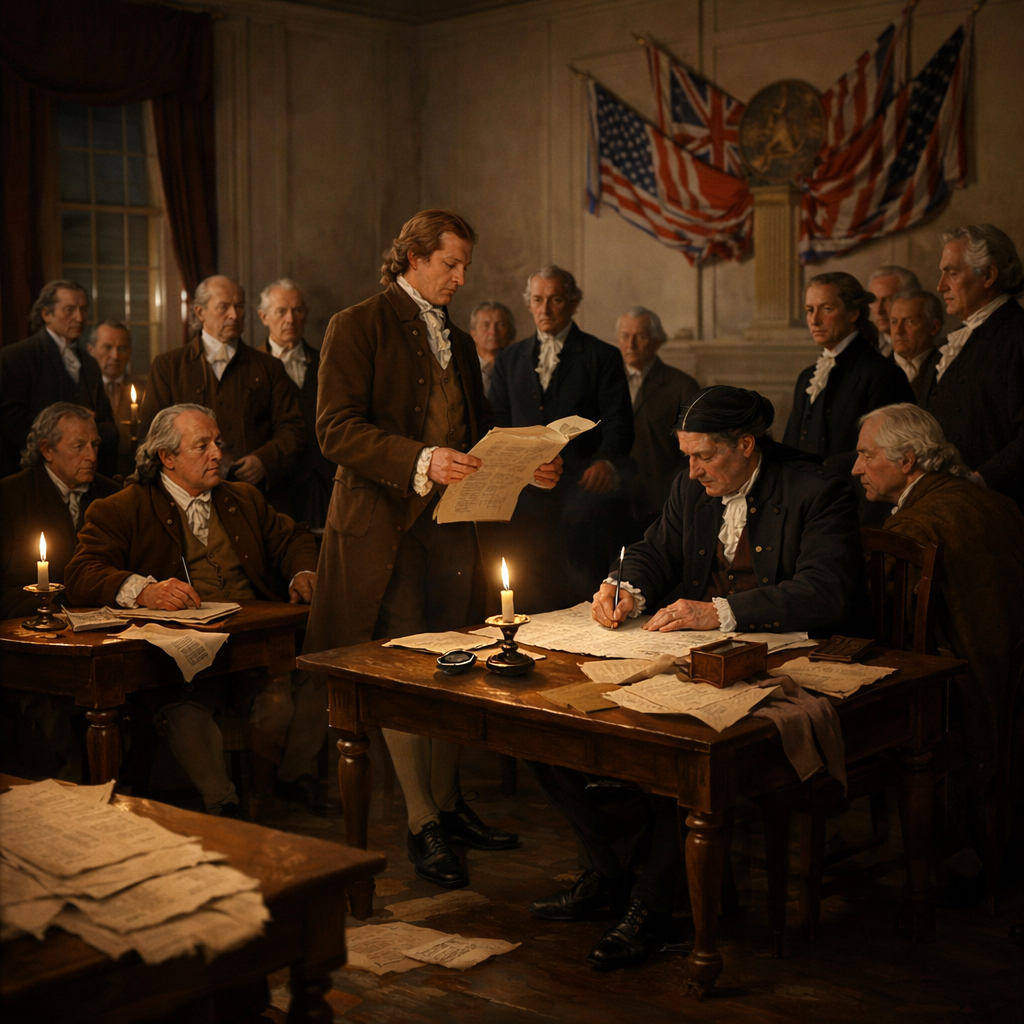
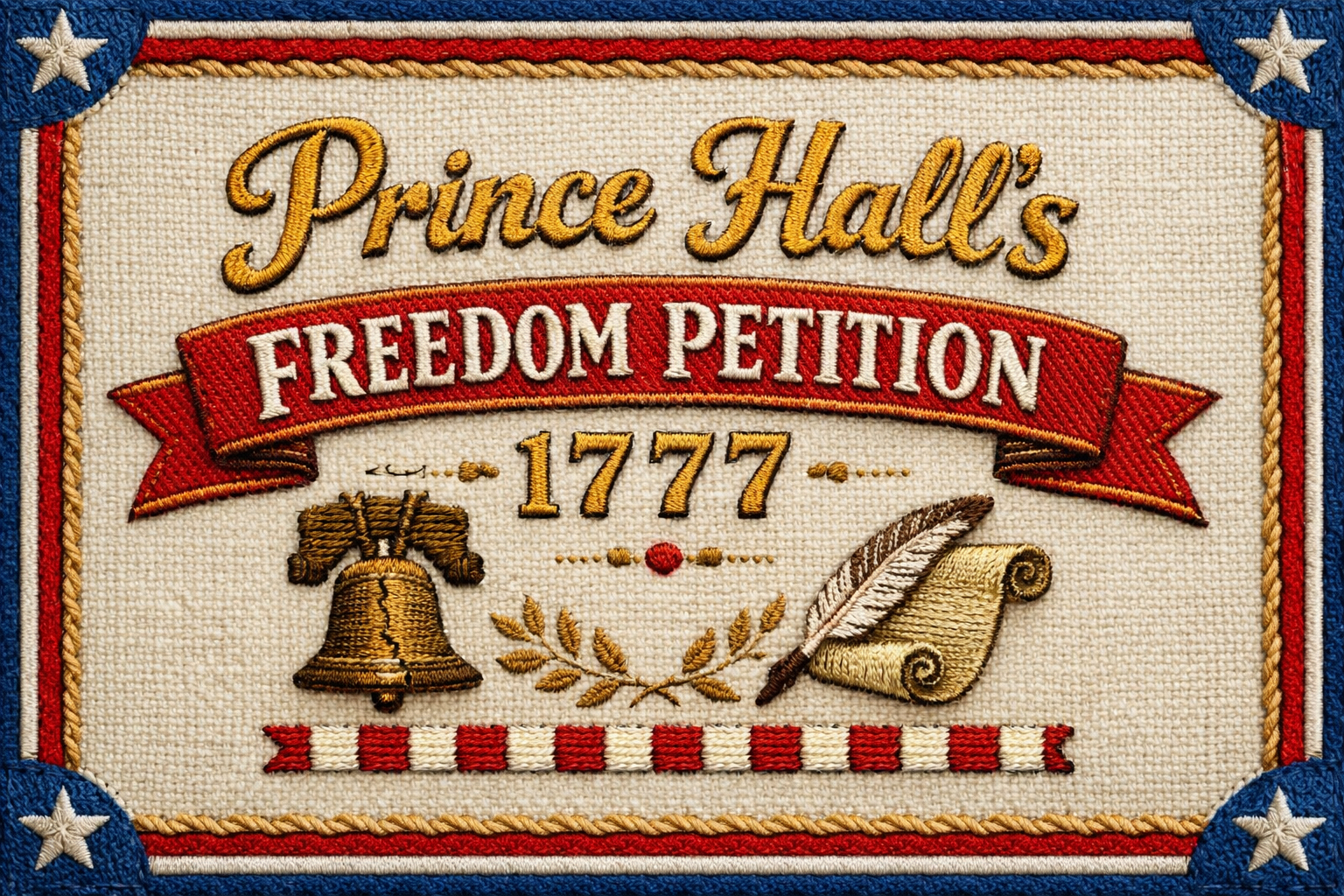
January 13, 1777 did not arrive with celebration or ceremony, but it carried one of the clearest moral confrontations of the Revolutionary era. On this day, Prince Hall and seven other Black men formally petitioned the Massachusetts legislature for freedom on behalf of those held in bondage. Their argument was not emotional pleading. It was political, logical, and devastatingly precise. If the colonies were fighting a war over natural rights and liberty, then slavery stood in direct contradiction to the very ideals being proclaimed. The petitioners pointed to the hypocrisy plainly. They reminded lawmakers that Black men were being taxed, governed, and even conscripted, while denied the freedom those sacrifices were supposedly defending. This was not a request for gradual reform or future consideration. It was a direct challenge to the legitimacy of slavery itself. The men asserted that freedom was not a gift to be granted at convenience but a right already owed. The legislature did not immediately abolish slavery in response. Power rarely moves that fast. But the petition mattered because it created a permanent written record of resistance from within the system. It forced lawmakers to confront the contradiction in ink, preserved in official archives. It also helped lay the groundwork for later legal challenges that would ultimately dismantle slavery in Massachusetts by the early 1780s. Prince Hall would go on to become one of the most influential Black leaders of the eighteenth century, founding Black institutions, advocating education, and organizing community defense. But on January 13, 1777, his legacy was already clear. He understood that freedom is not begged for quietly. It is demanded clearly, publicly, and without apology. History remembers battles and speeches. It should also remember petitions like this one. Because sometimes the most dangerous thing to a system built on contradiction is a document that tells the truth. #OnThisDay #January13 #America

LataraSpeaksTruth

The Tuskegee Study: Why This Story Still Hits Home

Some stories refuse to fade into the archives… they tap the mic every generation and say, “Hey, don’t forget me.” The Tuskegee Study is one of those stories. From 1932 to 1972, hundreds of Black men in Tuskegee, Alabama were told they were getting care… when the truth was colder than that. Doctors watched, recorded, and withheld treatment, even after penicillin became the cure-all. And yeah, folks love to say, “Why don’t some communities trust the medical system?” But c’mon, trust isn’t a switch; it’s built over time… and broken the same way. History like this carved caution deep into the bones of families, passing down quiet warnings right along with recipes and church fan stories. We don’t bring up Tuskegee to reopen wounds. We bring it up because remembering is how we guard the door. It’s how we honor the men who were wronged. It’s how we make sure the mistakes of yesterday don’t get a reboot. Because the past doesn’t stay gone… it shapes how we move today. #TuskegeeStudy #HistoryMatters #CommunityVoices #HealthJustice #AmericanHistory #TruthAndMemory #LearnFromThePast #BlackHistory365 #CommunityTalks

The Tuskegee Study: Why This Story Still Hits Home
LataraSpeaksTruth

Texas Employers Blacklist Black Veterans (1906)

Some stories in American history were never given the full attention they deserved, and the Brownsville Affair is one of them. In 1906, more than 160 Black soldiers from the 25th Infantry were blamed for a shooting they had nothing to do with. Local officials rushed to judgment with no proof, and the nation went along with the accusation. President Theodore Roosevelt discharged the entire group in one order, stripping their service, their honor, and their futures. What many people never hear about is what happened long after the headlines died down. The government eventually admitted the soldiers had been telling the truth from day one. The bullets didn’t match their rifles. The timelines didn’t fit. Witness claims fell apart. But by the time the record was corrected, decades had passed, and many of the men were already gone. Their families lived with the weight of an accusation built on bias, not evidence. Military benefits were never restored in time to help them. Careers were lost. Entire generations grew up under a shadow they did not deserve. The correction came too late to give the soldiers the justice they needed while they were still here. Instead, their names were quietly cleared long after the damage had been done. It’s a reminder that institutions can make decisions in minutes that take lifetimes to repair. These men deserve to be remembered with truth, dignity, and the honor they earned through service. #BrownsvilleAffair #BlackHistory #MilitaryHistory #HistoryUncovered #AmericanHistory #TruthMatters

Texas Employers Blacklist Black Veterans (1906)
LataraSpeaksTruth

January 25, 1980 marks the launch of Black Entertainment Television, better known as BET. What began as a small cable experiment would grow into one of the most influential media platforms in American cultural history. BET was founded by Robert L. Johnson at a time when cable television was expanding, yet representation was scarce and often filtered through networks that were not built with Black audiences in mind. The channel initially aired just a few hours of programming per day, relying heavily on music videos, reruns, and public affairs content. It was modest by design, but intentional in purpose. The significance of BET’s launch was not about scale. It was about access. For the first time, a cable network centered Black voices, Black music, Black interviews, and Black stories as its core audience rather than an afterthought. It created a national platform for artists, journalists, comedians, and public figures who otherwise struggled for consistent visibility on mainstream television. Over time, BET evolved into a cultural gatekeeper. Shows like Video Soul, BET News, Rap City, and later award programs became reference points for generations. The network documented shifting musical eras, political conversations, fashion trends, and social debates as they unfolded in real time. BET did not just reflect culture…it archived it. While the network has faced criticism and controversy across different eras, its existence changed the media landscape permanently. BET proved that Black-centered programming was not niche, not temporary, and not optional. It was viable, influential, and deserving of space. January 25, 1980 stands as more than a launch date. It marks a moment when representation moved from limited windows to a dedicated channel, setting a precedent that reshaped cable television and cultural storytelling for decades to come. #OnThisDay #January25 #BET #MediaHistory #TelevisionHistory #CulturalHistory #BlackMedia #EntertainmentHistory #AmericanHistory

LataraSpeaksTruth

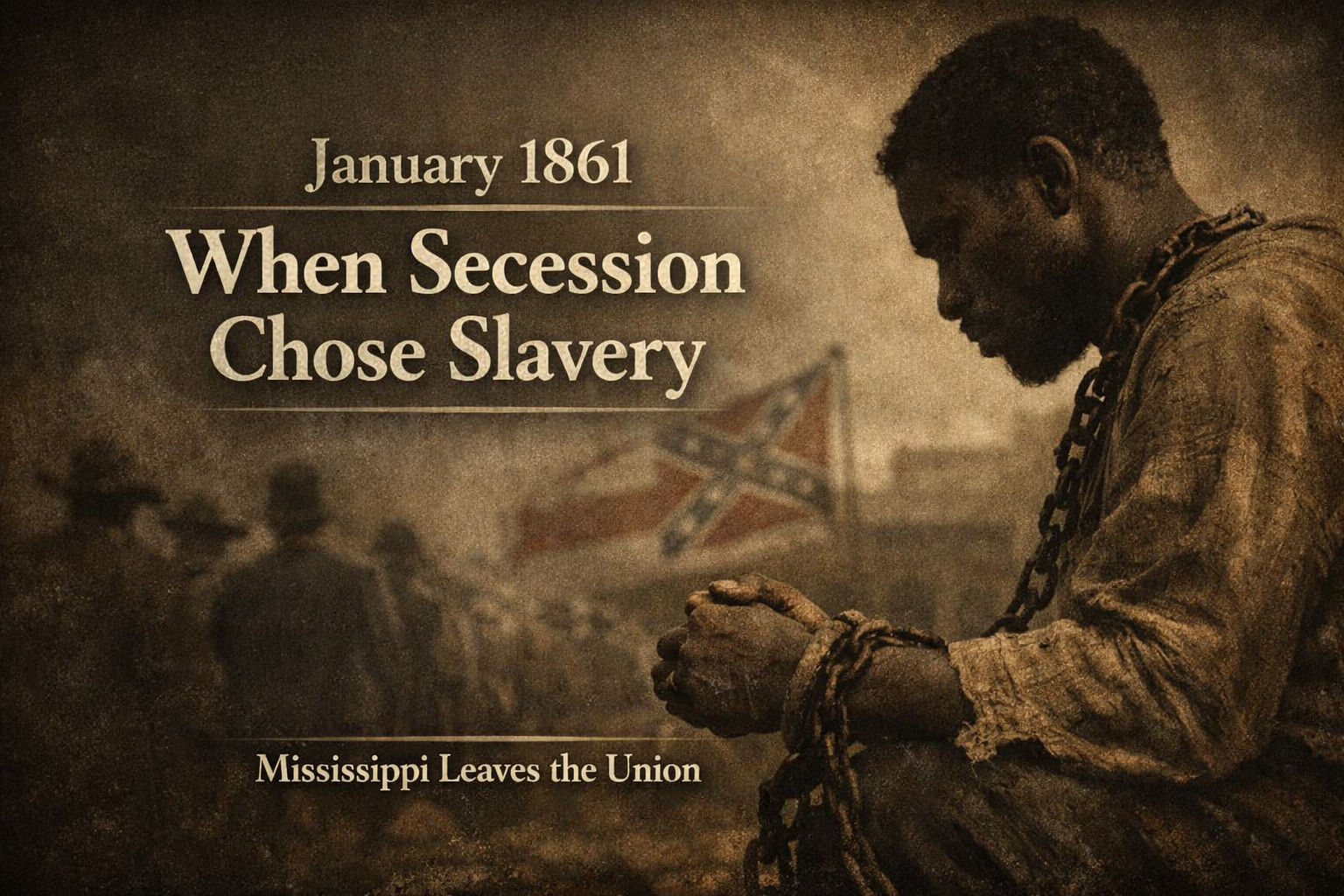
On January 9, 1861, Mississippi formally voted to secede from the United States, becoming the second state to leave the Union in the tense months leading up to the Civil War. This decision was not abstract politics or distant ideology. It was a direct declaration that slavery would be protected, expanded, and defended at all costs. For enslaved Black people across Mississippi and the broader Deep South, secession carried immediate meaning. It signaled that those in power were willing to fracture the nation rather than consider any future without human bondage. Families already living under brutal conditions understood that this choice hardened their reality and closed off any remaining hope that change might come without conflict. Mississippi’s leaders were explicit about their reasoning. In its secession declaration, the state named slavery as the central cause, tying its economy, social order, and political identity to the continued ownership of Black lives. This clarity matters, because it removes any doubt about what was being defended and who was being sacrificed. As the nation moved closer to war, decisions made in early 1861 reshaped the paths of millions. Enslaved people would later escape behind Union lines, resist through sabotage and survival, or enlist in the United States Colored Troops once allowed. These acts of courage were not spontaneous. They were responses to years of tightening control and to moments like Mississippi’s secession, when the stakes became unmistakably clear. January 9, 1861 stands as a reminder that the Civil War did not begin in confusion. It began with choices. And for Black Americans, those choices made by others turned the fight for freedom into a matter of survival, resistance, and eventual transformation through war. #AmericanHistory #CivilWarEra #MississippiHistory #DeepSouth #USHistory #HistoricalRecord #FreedomStruggles #SlaveryHistory

LataraSpeaksTruth

George W. Ashburn

George W. Ashburn was a white Radical Republican who openly supported political rights for newly freed Black citizens during Reconstruction. That alone made him a target in Columbus, Georgia, where resistance to racial equality was strong and vocal. On March 31, 1868, Ashburn was assassinated inside a boarding house. Witnesses reported that a masked group forced their way in and shot him, a killing widely attributed to early Ku Klux Klan activity. His murder came just weeks after he backed Georgia’s new constitution, which expanded civil rights for Black residents. Because Georgia was still under military rule, his death did not stay a local matter. Federal authorities moved quickly, and on November 23, 1868, the case became national news when a military tribunal charged dozens of white men, some from prominent families, with participating in the assassination. The investigation exposed the organized backlash against Black political progress. It also showed how far opponents of Reconstruction were willing to go to silence anyone advocating for racial equality. But despite the national attention, the case fell apart. Political pressure, intimidation of witnesses, and Georgia’s push to end military oversight led to the charges being dropped. No one was ever convicted. Ashburn’s murder became a symbol of the violent resistance that shaped the end of Reconstruction, a reminder of the dangers faced not only by Black citizens, but by anyone who stood beside them during one of the most volatile periods in American history. #HistoryMatters #AmericanHistory #ReconstructionEra #GeorgiaHistory #CivilWarLegacy #PostWarSouth #HistoricalRecord #USHistoryStory #OnThisDayHistory

George W. Ashburn
You've reached the end!