Tag Page americanhistory

#americanhistory
LataraSpeaksTruth

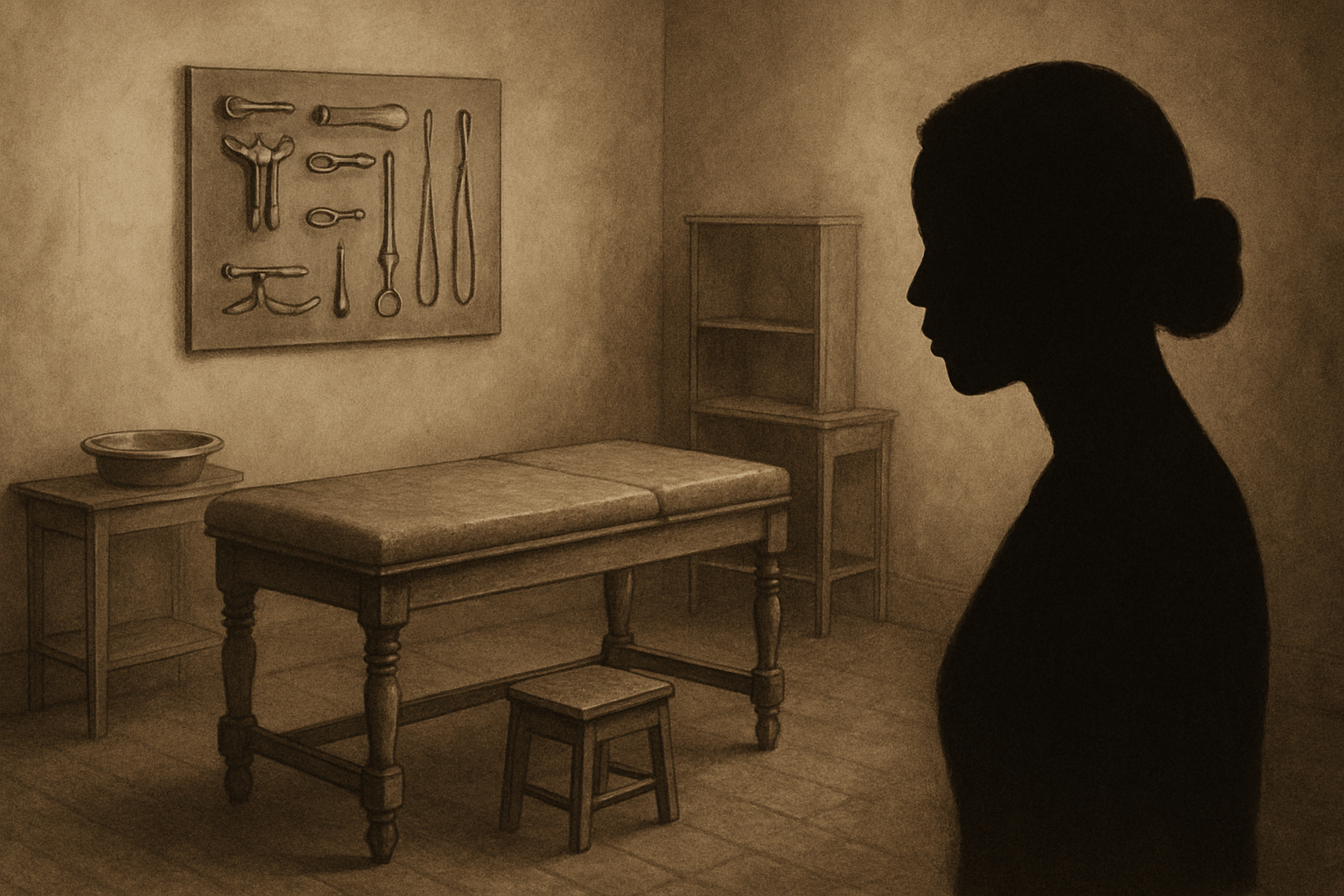
For much of American medical history, enslaved people were used as experimental subjects rather than treated as patients. Their bodies were exploited to advance medical knowledge while their pain, consent, and humanity were routinely ignored. This practice is not speculation. It is documented history. In the nineteenth century, Dr. J. Marion Sims, often referred to as the founder of modern gynecology, conducted repeated surgical experiments on enslaved women without anesthesia. These procedures were performed to refine techniques that later became standard medical practice. At the time, physicians justified the lack of pain relief through false beliefs about biological differences. These ideas were rooted in racial ideology, not scientific evidence. The women subjected to these experiments were not nameless, though history often erased them. Records identify Anarcha, Lucy, and Betsey among those who endured repeated operations. Their suffering was framed as medical necessity, while their contributions were excluded from professional recognition. The success of the procedures was celebrated, while the cost paid by these women was largely omitted from the narrative. This pattern extended beyond gynecology. Enslaved people were routinely used for surgical practice, pharmaceutical testing, and anatomical study without consent across generations. The knowledge gained from these practices helped shape institutions, techniques, and treatments that remain foundational to modern medicine. Acknowledging this history does not negate medical progress. It provides context. Ethical standards in medicine evolved in response to abuses like these, yet the benefits of that progress continue to exist alongside the unresolved legacy of exploitation. Restoring these stories is not about assigning modern blame. It is about presenting a complete and accurate historical record. History becomes clearer when it is fully told. #History #Medicine #MedicalEthics #AmericanHistory

LataraSpeaksTruth

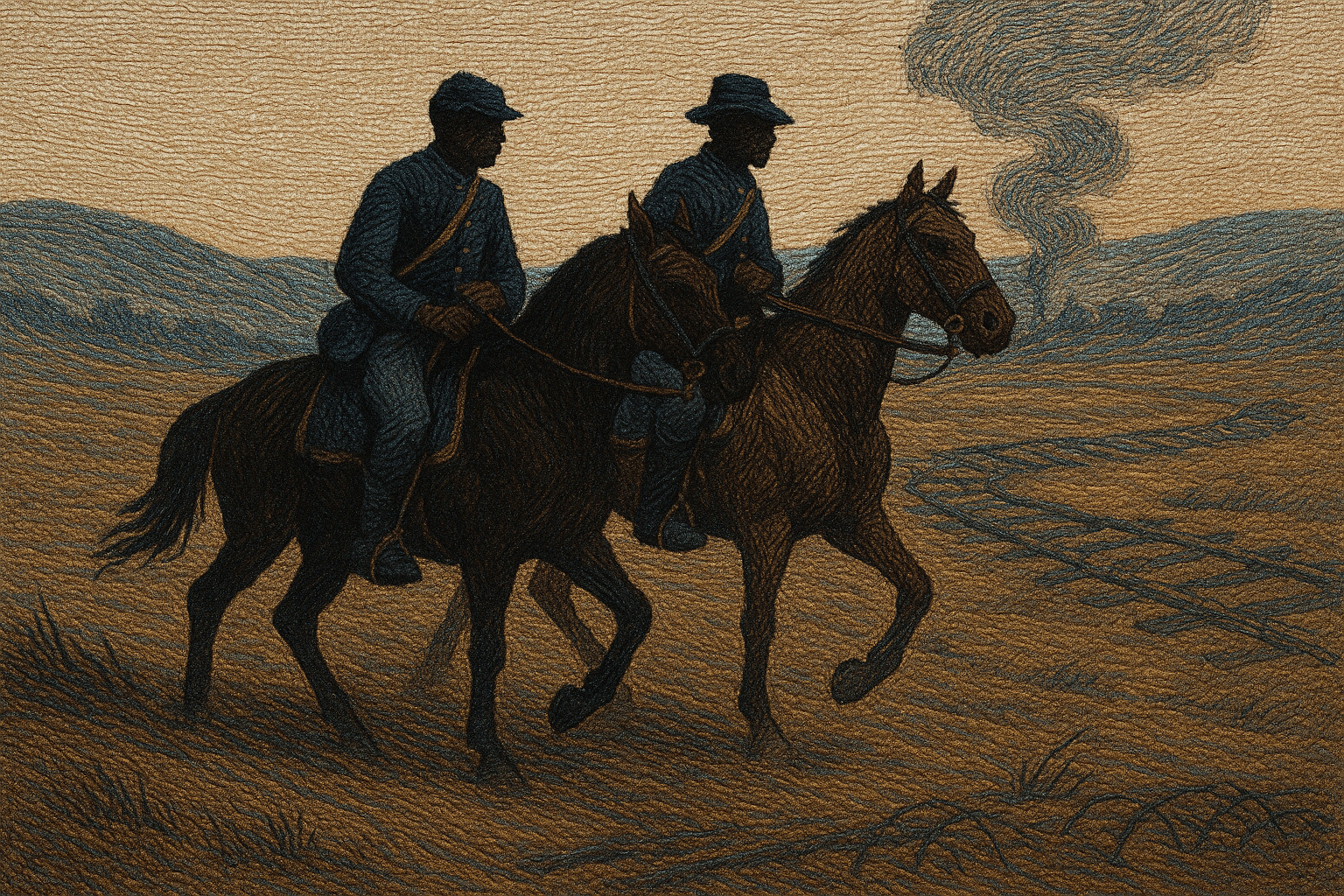
December 1864 marked a pivot point in the last act of the Civil War. When the 5th and 6th United States Colored Cavalry rode with Stoneman’s Raid into Southwestern Virginia, they were not there for appearance. They were there to break the backbone of the Confederacy, and they did exactly that. These units tore through supply lines, wrecked depots, and dismantled the railroads that kept weapons and resources moving through the region. The terrain was rough, the danger constant, yet these soldiers had already proven their skill in earlier battles. Stoneman’s Raid simply offered another moment for their discipline and courage to alter the direction of the war. Their presence on this campaign reveals a larger truth about the conflict. Freedom was not handed out. Black soldiers fought for it with precision, endurance, and grit, even while serving a nation that still denied them full rights. Their work during the raid helped bring down the Confederacy’s supply system and pushed the Union closer to victory. Today their service reminds us that the final years of the war carried layers of struggle and intention. Their contribution was strength, strategy, and a determination to secure a future that many people tried to deny them. #History #AmericanHistory #MilitaryHistory #NewsBreakCommunity #LearnSomethingNew #LataraSpeaksTruth

LataraSpeaksTruth

1948… On this day the United Nations General Assembly adopted the Universal Declaration of Human Rights. It became one of the most influential documents of the modern era, shaping how nations talk about dignity, equality, and the protection of every person. The declaration was created in the aftermath of a world at war. Countries wanted a shared standard for how human beings should be treated. It outlined rights that are supposed to belong to everyone, no matter their background or location. Over time it became a guide for global conversations about fairness. Movements in the United States used it as a reference point when challenging discrimination and unequal treatment. Leaders in the Black freedom struggle cited its language to push the country to live up to the values it claimed to support. The document did not solve the world’s problems, but it created a blueprint that communities continued to hold up. December 10 stands as a reminder that the fight for dignity has both a global history and a local impact. #History #AmericanHistory #OnThisDay #HumanRights #LataraSpeaksTruth

LataraSpeaksTruth

December 9, 1952 marked a turning point in American history, even though most people at the time didn’t realize how much the moment would reshape the nation. On this day, the U.S. Supreme Court began hearing arguments in Brown v. Board of Education and several related cases challenging school segregation. Families from Kansas, South Carolina, Virginia, Delaware, and the District of Columbia all stepped forward, insisting that separate classrooms created unequal futures for their children. Their voices carried a message that had been ignored for decades, and this was the first time the highest court in the country had to confront it head-on. The arguments unfolded over several days, exposing a truth that had long been clear to the families living it. Segregated schools were not just separate, they were deeply unequal in funding, safety, resources, and opportunity. Attorneys including Thurgood Marshall pushed the Court to acknowledge the harm being done to children who were told, by law, that they were worth less. It challenged the very idea of fairness in public education and forced the nation to face its contradictions. Though the Court would not reach a final decision until 1954, December 9 was the spark that set everything in motion. The justices’ willingness to reopen arguments multiple times showed how heavy the moment truly was. They knew the outcome would transform every district, every classroom, and every child’s understanding of what equality should look like in America. The eventual ruling, declaring school segregation unconstitutional, did more than change policy, it changed the nation’s direction. And it all began with the courage of families who refused to let inequality be the last word. #LataraSpeaksTruth #NewsBreak #HistoryMatters #AskLemon8 #BlackHistory #AmericanHistory #BrownvBoard #OnThisDay #CivilRightsHistory

LataraSpeaksTruth

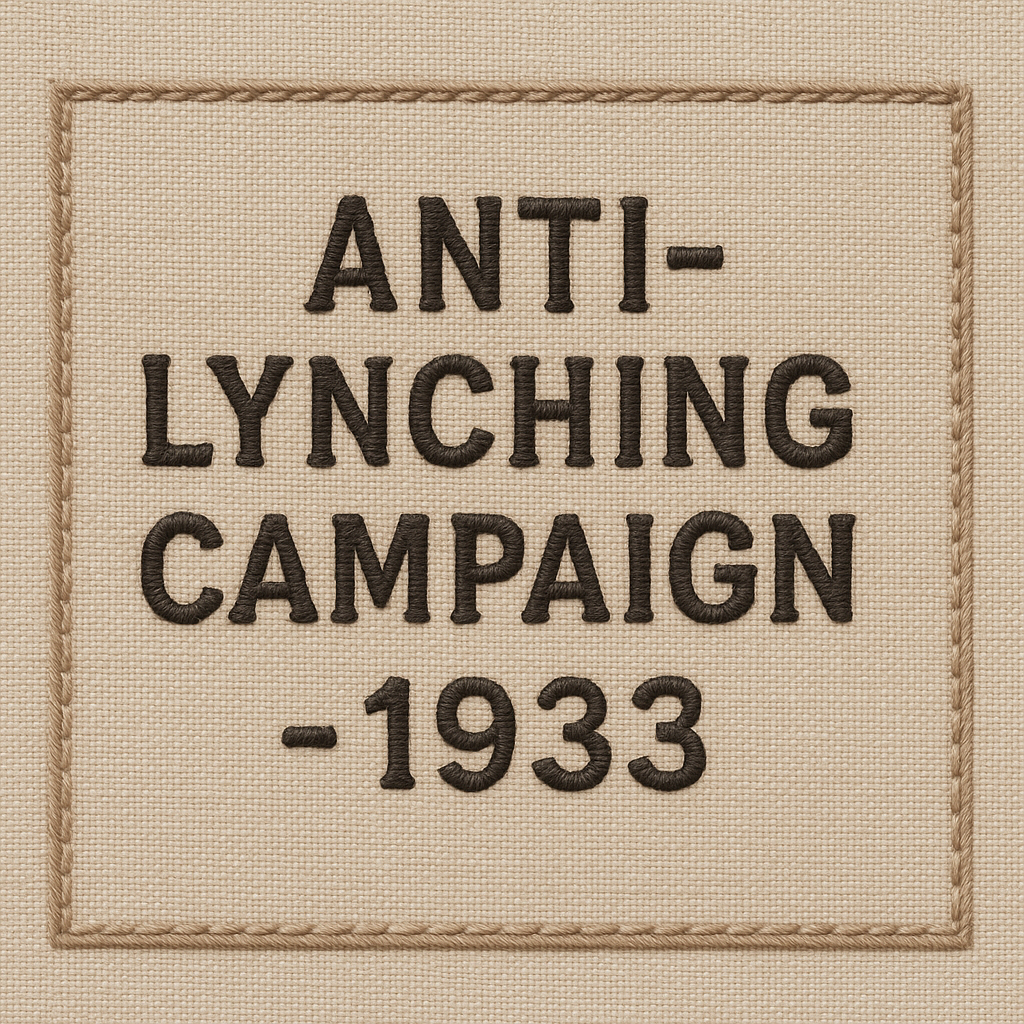
Patience had worn thin when the NAACP finally shifted from quiet appeals to a national demand for protection. On December 8, 1933, after yet another year of racial terror, the organization launched a sweeping anti-lynching campaign calling on Congress to pass federal safeguards that should have never been controversial in the first place. Lawmakers kept blocking it, choosing politics over the families who were burying their loved ones. Even without the bill passing then, that campaign cracked the door open for the legal battles that would follow, shaping future fights for safety, dignity, and accountability. And it exposed something unforgettable… who was willing to face injustice head-on, and who preferred the ease of silence. #LataraSpeaksTruth #HistoryMatters #AmericanHistory #OnThisDay #JusticeInFocus

LataraSpeaksTruth

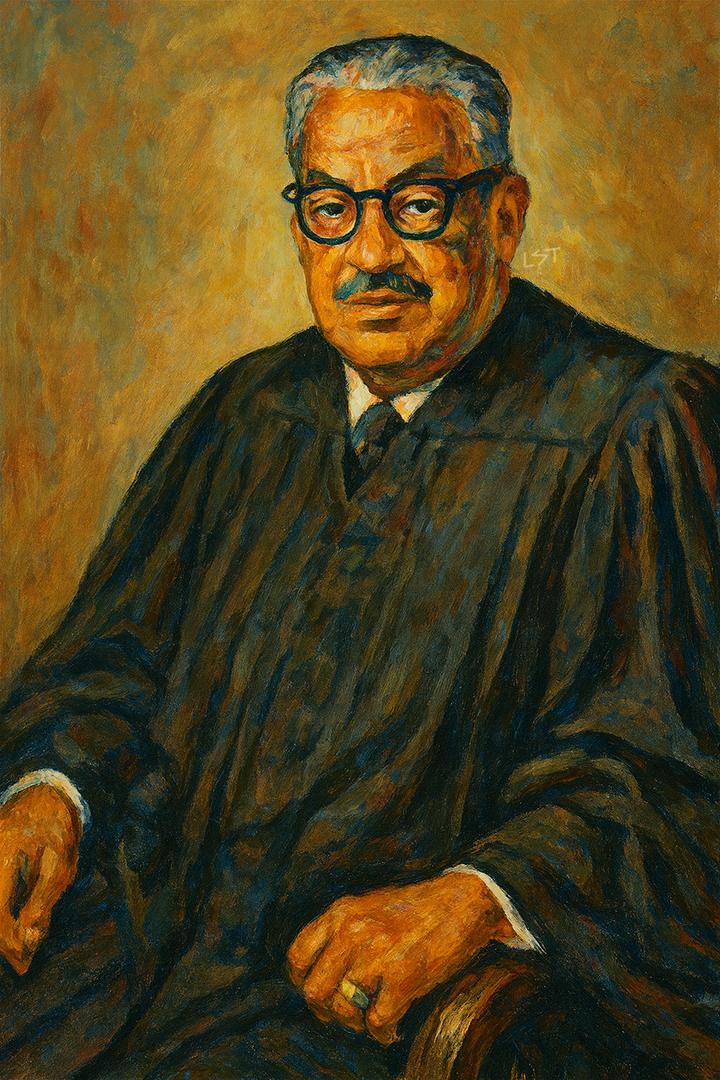
December 8, 1953 was one of those quiet days in American history that ended up shaking the whole system. Thurgood Marshall walked into the Supreme Court for the re-argument of Brown v. Board of Education, carrying the weight of generations who had been sidelined by a school system built on separation. The country had been tiptoeing around the truth for decades, but Marshall didn’t tiptoe. He drew a line. He broke down the cost of segregation with facts, legal precedent, and the lived experiences of Black children who were expected to learn in unequal environments. He challenged the Court to stop hiding behind tradition and to face what equality actually looks like when it’s lived… not just written. His argument forced the nation to ask hard questions. Could a country built on the idea of fairness continue to defend a system that denied fair access to opportunity? Could separate schools ever offer the same future? Marshall pushed the justices to confront the gap between the promise of the Constitution and the reality families faced every day. That re-argument didn’t end segregation in a single afternoon, but it signaled a shift the country could not ignore. It showed that this fight wasn’t going away. It showed that moral clarity, strategic pressure, and undeniable truth would eventually force the system to bend. When we look at education today, December 8 stands as a reminder that progress never arrives neatly. It arrives because someone is bold enough to stand in front of power and say, “This isn’t justice… and we’re not backing down.” #HistoryMatters #AmericanHistory #EducationReform #ThurgoodMarshall #OnThisDay #LataraSpeaksTruth

LataraSpeaksTruth

DORIE MILLER DESERVED MORE THAN THE BOX THEY PUT HIM IN

Every year when December 7 comes back around, people talk about Pearl Harbor like it was just ships, explosions, and history book dates. But they never talk enough about the man who had every reason to freeze and still chose courage… Doris “Dorie” Miller. He wasn’t allowed to be anything but a mess attendant. The Navy said that was the limit for Black sailors. Serve food. Clean up. Stay in the background. But the morning the sky erupted over Pearl Harbor, he did the exact opposite of what the system designed for him. He ran toward danger. He carried wounded men through fire. And when he saw an anti aircraft gun sitting empty, he climbed behind it and defended the ship with no training and no warning. He just did what needed to be done. What gets me every time is this… he saved lives in a uniform that never treated him like an equal. He proved ability in a system that spent years pretending Black excellence needed permission slips. And even after he received the Navy Cross… the first Black American to ever receive it… the nation still didn’t give him the full honor he earned until long after he was gone. Dorie Miller is the kind of story America likes to tuck in the footnotes until we pull it out and hold it to the light. A reminder that our people have always shown up with courage, even when the country refused to show up for them. His heroism wasn’t an accident. It was legacy… it was instinct… it was truth rising to the surface no matter how deeply the world tried to bury it. #BlackHistory #AmericanHistory #PearlHarbor #DorieMiller #NavyCross #UnsungHeroes #HistoryMatters #LataraSpeaksTruth

DORIE MILLER DESERVED MORE THAN THE BOX THEY PUT HIM IN
LataraSpeaksTruth

When Malcolm X Spoke On Kennedy’s Death

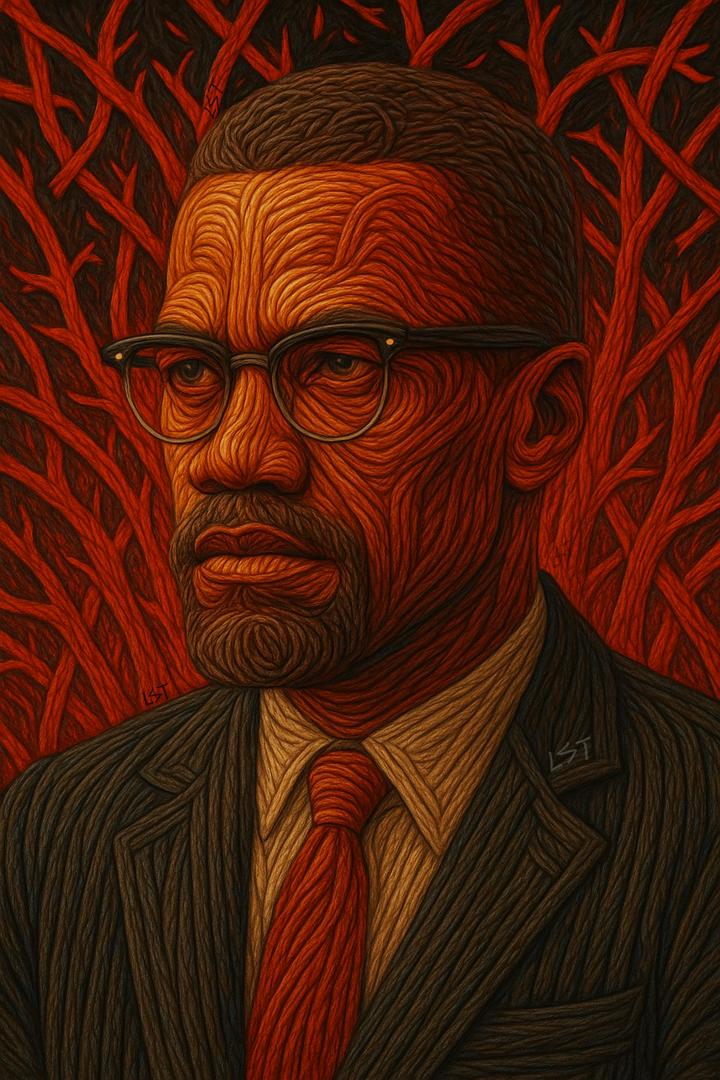
On December 1, 1963, Malcolm X was asked for his reaction to the assassination of President John F. Kennedy. He was one of the most closely watched public figures in the country at the time, and reporters pressed him for a comment. Malcolm X responded with the words that would echo for decades. He said it was a case of chickens coming home to roost. He framed the event as part of a larger pattern of violence in the United States during that era. He argued that a nation shaped by political bloodshed could not avoid that same violence returning to its doorstep. The remark caused an immediate national uproar. It was interpreted as insensitive and divisive, and it clashed with the public grief that followed the assassination. The Nation of Islam suspended him from speaking publicly after the comments. His relationship with the organization would continue to strain in the months that followed. This moment is often oversimplified, but it marked a turning point. It pushed Malcolm X to reconsider his alliances, rethink his voice, and eventually pursue a broader message about global human rights. What happened on December 1 became one of the first steps toward the transformation that shaped the final years of his life. #MalcolmX #OnThisDay #AmericanHistory #PoliticalHistory #NewsBreakCommunity #HistoricVoices #HistoricMoments #AmericanLegacy

When Malcolm X Spoke On Kennedy’s Death
LataraSpeaksTruth

President Obama Announces Medal of Freedom Honorees

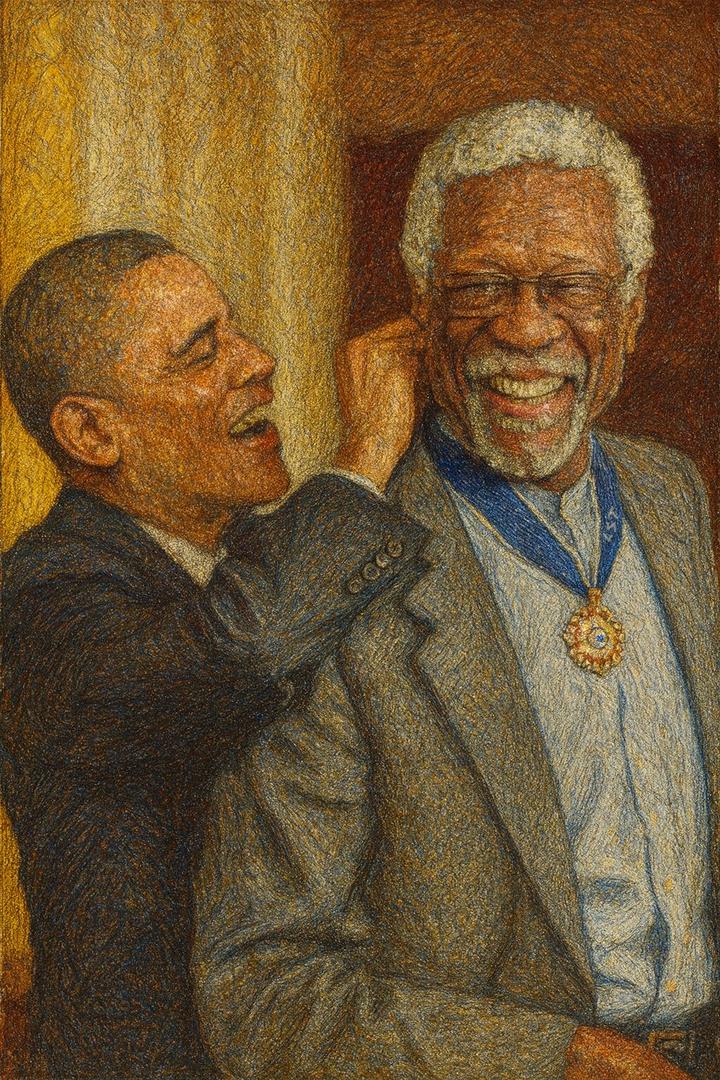
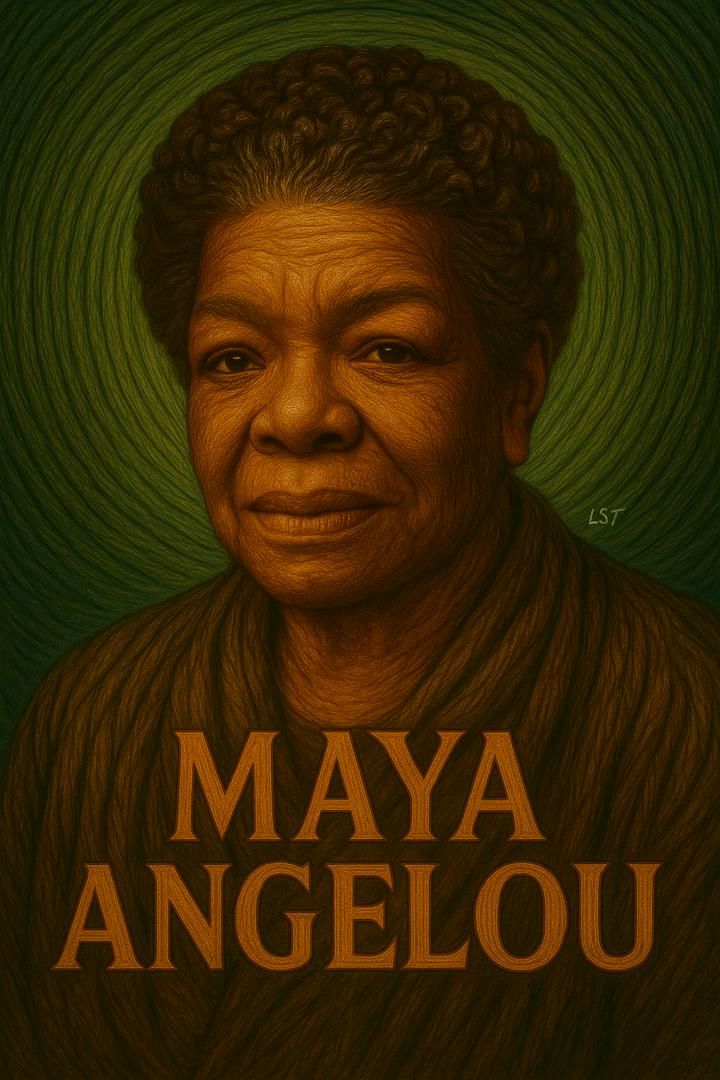
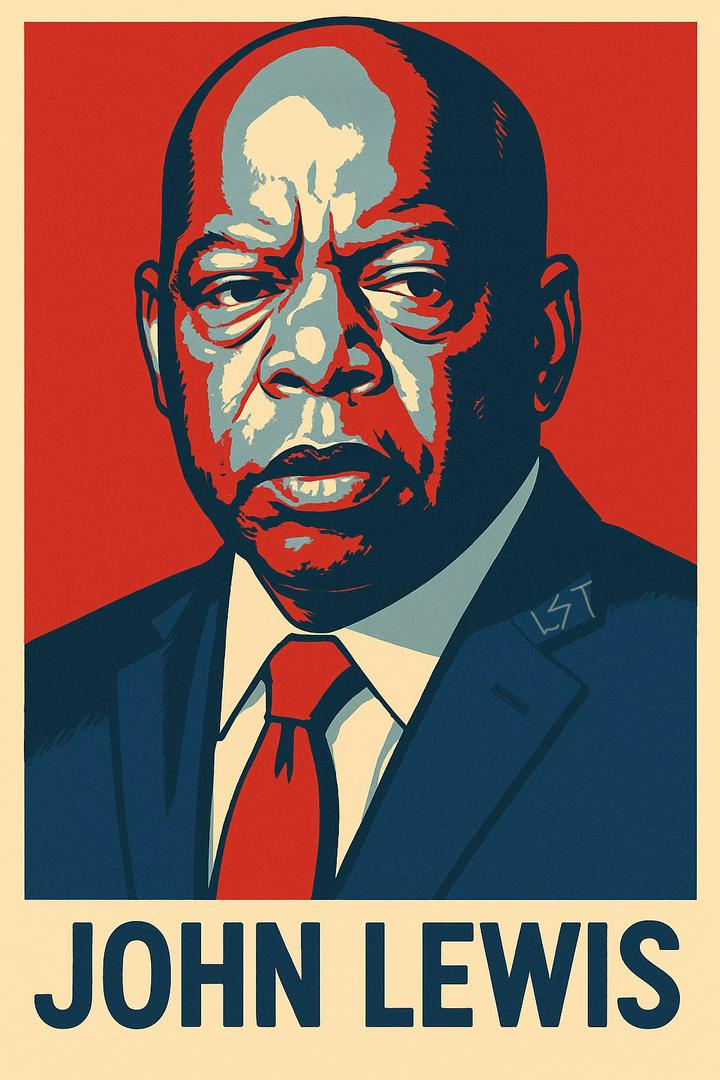
On November 17, 2010, President Barack Obama released the official list of recipients for the Presidential Medal of Freedom for that year. The announcement highlighted fifteen people whose lives shaped the moral, cultural, and historical direction of the country. Among those named were Maya Angelou, John Lewis, and Bill Russell. Each one represented a different pillar of American influence. Angelou brought truth and dignity through her writing. Lewis devoted his life to justice and nonviolent resistance, standing firm from Selma to Congress. Russell used his platform as an athlete and activist to challenge inequality while becoming one of the most decorated champions in sports history. The White House announcement recognized them as individuals who lived with purpose and courage. Their contributions helped shift the country toward a fuller understanding of leadership, creativity, and integrity. November 17 marked the moment when their impact was officially honored and placed on the national record. #MedalOfFreedom #PresidentObama #CivilRightsIcons #MayaAngelou #JohnLewis #BillRussell #BlackHistoryMoment #AmericanHistory #HistoricalRecognition #LegacyAndLeadership

President Obama Announces Medal of Freedom HonoreesPresident Obama Announces Medal of Freedom HonoreesPresident Obama Announces Medal of Freedom Honorees