1/1

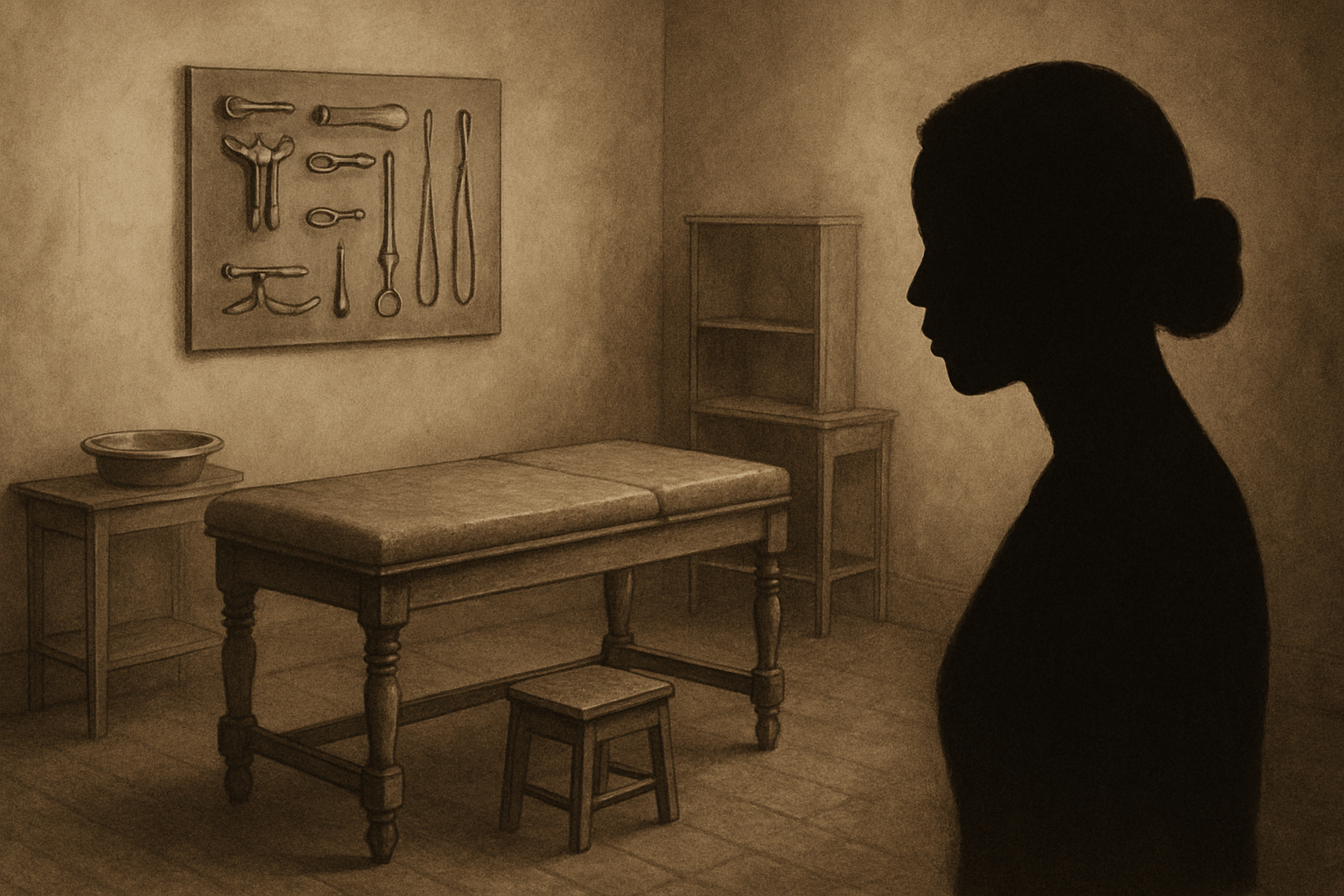
For much of American medical history, enslaved people were used as experimental subjects rather than treated as patients. Their bodies were exploited to advance medical knowledge while their pain, consent, and humanity were routinely ignored. This practice is not speculation. It is documented history. In the nineteenth century, Dr. J. Marion Sims, often referred to as the founder of modern gynecology, conducted repeated surgical experiments on enslaved women without anesthesia. These procedures were performed to refine techniques that later became standard medical practice. At the time, physicians justified the lack of pain relief through false beliefs about biological differences. These ideas were rooted in racial ideology, not scientific evidence. The women subjected to these experiments were not nameless, though history often erased them. Records identify Anarcha, Lucy, and Betsey among those who endured repeated operations. Their suffering was framed as medical necessity, while their contributions were excluded from professional recognition. The success of the procedures was celebrated, while the cost paid by these women was largely omitted from the narrative. This pattern extended beyond gynecology. Enslaved people were routinely used for surgical practice, pharmaceutical testing, and anatomical study without consent across generations. The knowledge gained from these practices helped shape institutions, techniques, and treatments that remain foundational to modern medicine. Acknowledging this history does not negate medical progress. It provides context. Ethical standards in medicine evolved in response to abuses like these, yet the benefits of that progress continue to exist alongside the unresolved legacy of exploitation. Restoring these stories is not about assigning modern blame. It is about presenting a complete and accurate historical record. History becomes clearer when it is fully told. #History #Medicine #MedicalEthics #AmericanHistory
2025-12-13

Sheila Wynia
That is so sad to hear about that 🙏🏼
12-13
Reply
2
More comments ...
write a comment...