Tag Page WomensHealth

#WomensHealth
Lucas Mendez

Digestive Surprises in Midlife Women

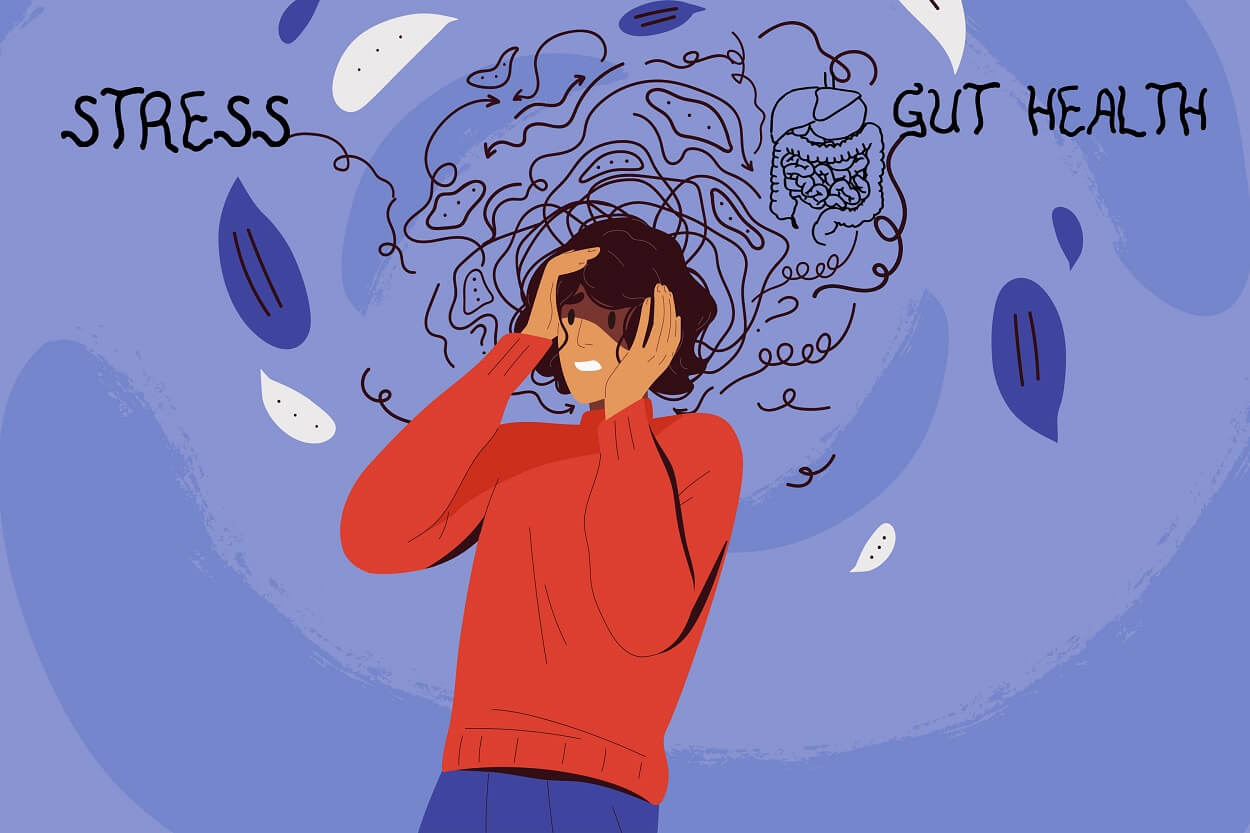
Many midlife women notice sudden digestive changes — bloating, acid reflux, or irregular bowel movements. Research shows that perimenopause and early menopause affect gut motility and microbiome diversity, contributing to these symptoms. Even foods that were previously harmless can trigger discomfort. The cause is hormonal: estrogen and progesterone influence gut enzyme production and gut flora balance. The result is slower digestion, gas, or food intolerance. Management strategies: mindful eating, reducing high-fat processed foods, probiotic-rich meals, walking after meals, and occasionally testing for food sensitivities. Small, consistent interventions restore comfort and nutrient absorption. Your gut is not “rebelling” — it’s adapting to a new hormonal environment. Listening to it prevents long-term issues. #Health#WomensHealth #GutHealth

Digestive Surprises in Midlife Women
Lucas Mendez

Why Midlife Women Struggle With Night Sweats

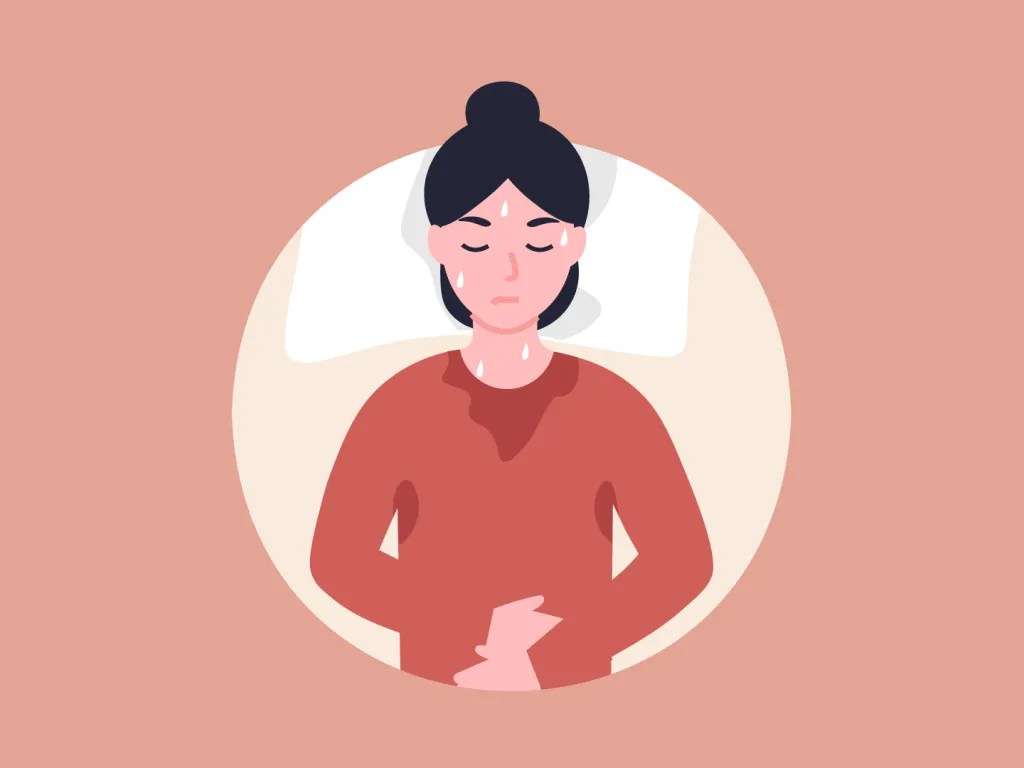
Night sweats are a hallmark of perimenopause, yet many women feel isolated or embarrassed. According to the North American Menopause Society, up to 75% of women experience hot flashes or night sweats, and 30% say it significantly disrupts sleep. These episodes are linked to estrogen decline, which affects the hypothalamus — the body’s thermostat. Even minor stress or warm rooms can trigger intense sweating and wakefulness. Solutions include breathable bedding, temperature-regulated rooms, avoiding spicy food or alcohol before bed, and medical consultation for hormone therapy if symptoms are severe. Over-the-counter phytoestrogens or lifestyle adjustments also help. Your night sweats are not trivial — they’re signals that your body is transitioning. Recognition and care are the first steps toward relief. #Health#WomensHealth #HormoneHealth

Why Midlife Women Struggle With Night Sweats
Lucas Mendez

Midlife Heartburn Isn’t Always Acid

Many women over 45 experience persistent heartburn or reflux that doesn’t respond to antacids. Research shows that hormonal changes slow gastric emptying and relax the esophageal sphincter, making reflux more common in midlife. Unlike occasional heartburn, chronic symptoms can affect sleep, nutrition, and quality of life. Women often blame diet alone, but hormones, stress, and reduced digestive motility are significant contributors. Strategies: smaller, more frequent meals, avoiding trigger foods, staying upright after eating, and discussing medications with a physician. Even simple changes can prevent damage and restore comfort. Your digestive discomfort is real and deserves attention, not dismissal. #Health#WomensHealth #DigestiveHealth

Midlife Heartburn Isn’t Always Acid
Lucas Mendez

Midlife Gut Changes That Make You Feel Sluggish

Many women in their 40s and 50s notice bloating, constipation, or sudden digestive sensitivity. It’s easy to blame diet or stress, but science shows a more complex picture. Studies indicate that gut microbiome diversity declines by nearly 25% in women during perimenopause, affecting nutrient absorption, energy levels, and even mood. This is why the same foods you’ve always eaten suddenly trigger bloating or fatigue. The body’s ability to process fiber, fats, and sugar changes with hormones. The result? Feeling heavier, sluggish, and frustrated, even if you haven’t changed your lifestyle. Practical steps that help: introducing fermented foods to restore gut flora, adjusting fiber intake, staying hydrated, walking after meals, and considering probiotics backed by clinical trials. These interventions alone improve digestion and energy for most women. You’re not imagining it. Your body is recalibrating, and understanding these changes is the first step toward feeling vibrant again. #Health#WomensHealth #GutHealth

Midlife Gut Changes That Make You Feel Sluggish
Lucas Mendez

The Hidden Thyroid Shift Everyone Misses

A subtle weight gain, fatigue, hair thinning, and feeling cold? For women over 45, these are often thyroid changes disguised as “aging.” Research shows up to 12% of midlife women have undiagnosed thyroid dysfunction, yet symptoms are dismissed as stress or lifestyle. Thyroid hormones regulate metabolism, energy, and mood. When levels drop, the body slows, even if diet and activity remain constant. Many women describe the frustration: “I haven’t changed anything, but my body feels heavier and slower.” What helps: checking TSH, free T4, and thyroid antibodies; optimizing iodine and selenium intake; managing stress; and ensuring adequate sleep. Early detection and tailored treatment can restore energy, stabilize weight, and improve hair and skin health. Your sluggishness is real, and it’s not laziness — it’s your thyroid signaling it needs attention. #Health#WomensHealth #ThyroidHealth

The Hidden Thyroid Shift Everyone Misses
Lucas Mendez

Why Sleep Feels Impossible After Forty

Midlife women often report waking multiple times a night, lying in bed for hours, or feeling unrested despite adequate sleep. Data shows that 60–70% of women aged 45–55 experience sleep disruptions during perimenopause, due to estrogen and progesterone fluctuations. These hormones influence core body temperature, cortisol levels, and melatonin production. Even minor sleep loss accumulates, affecting cognition, mood, and immune function. Women often blame themselves, thinking they “can’t relax,” but the reality is biological. Effective strategies: keeping a consistent sleep schedule, reducing caffeine and alcohol, practicing evening relaxation routines, using light-blocking curtains, and considering hormone or melatonin support under medical guidance. Your sleepless nights are not a character flaw — they’re a signal. Listening to them can help you reclaim rest. #Health#WomensHealth #SleepHealth

Why Sleep Feels Impossible After Forty
Lucas Mendez

Midlife Skin Sensitivity Isn’t Just in Your Head

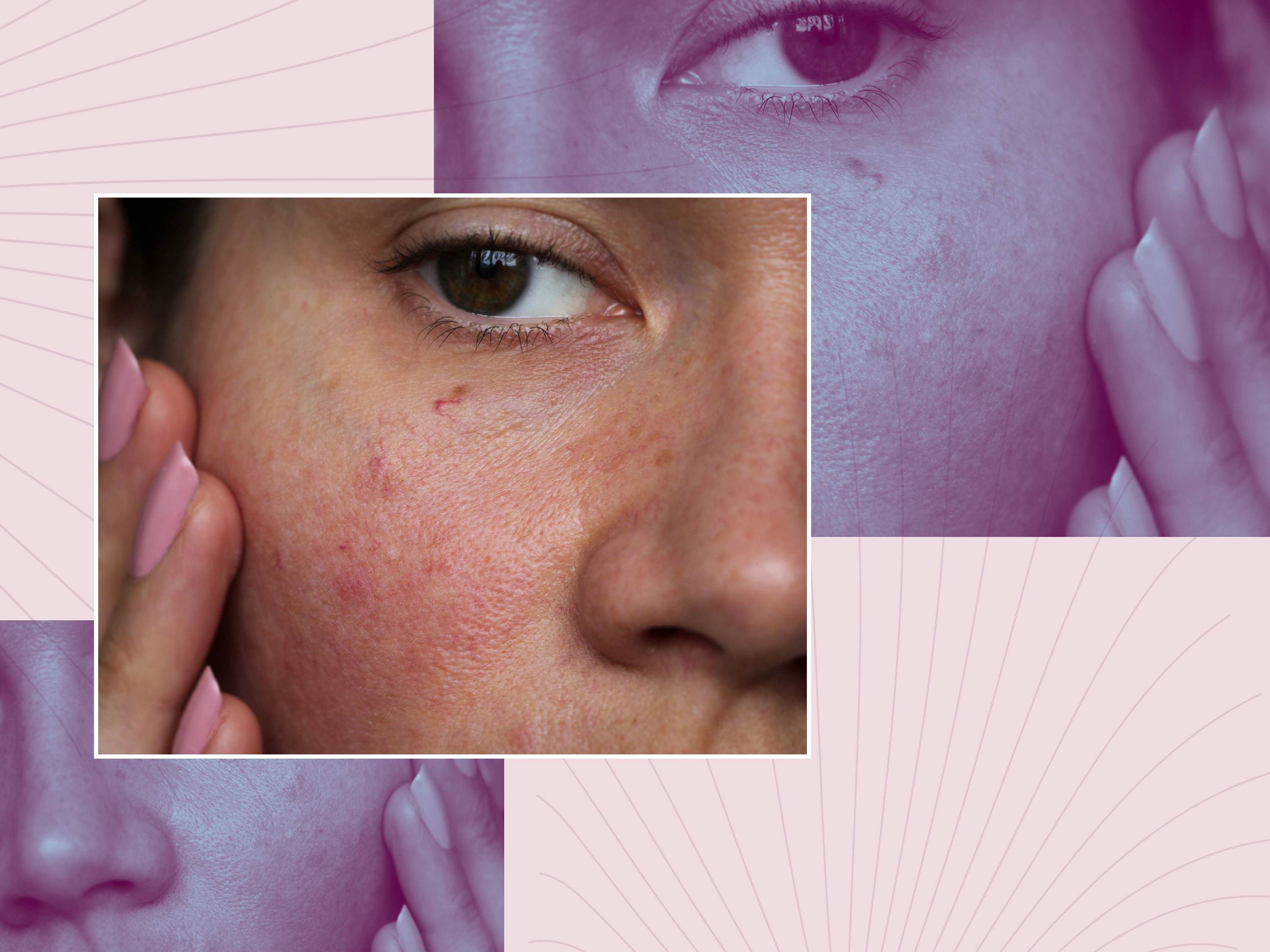
Women over 45 often experience redness, irritation, or eczema-like rashes that never appeared before. Studies show up to 40% of midlife women develop new skin sensitivities, largely due to estrogen decline and reduced barrier function. Skin becomes thinner, drier, and more reactive. Everyday products that were fine before suddenly cause irritation. This is stressful, but it’s not your fault. Hormonal shifts literally change the way your skin interacts with the environment. Helpful interventions: using fragrance-free moisturizers, barrier creams, gentle cleansing, incorporating omega-3s, and checking vitamin D and zinc levels. Even minor adjustments can dramatically reduce flare-ups. Your skin is communicating with you. Paying attention and adjusting care is empowering, not vain. #Health#WomensHealth #SkinHealth

Midlife Skin Sensitivity Isn’t Just in Your Head
Lucas Mendez

Midlife Mood Swings Are Biological, Not Imaginary

Mood swings, irritability, and anxiety spikes are common in perimenopause, but women are often told they’re “just emotional.” Hormone science tells a different story: estrogen and progesterone fluctuations significantly affect serotonin and GABA pathways, directly impacting mood. Studies reveal that around 45% of women aged 45–50 report clinically significant mood disturbances, yet many receive little guidance. Ignoring these shifts can lead to relationship strain, workplace stress, and self-doubt. Evidence-based coping strategies: regular exercise, maintaining stable blood sugar, mindfulness practices, cognitive behavioral therapy, and in some cases, targeted hormone therapy. Lifestyle adjustments paired with medical insight can normalize mood swings and improve quality of life. Your emotions are valid. Biology is not judgment — it’s context. Understanding it allows you to regain control. #Health#WomensHealth #MoodHealth

Midlife Mood Swings Are Biological, Not Imaginary
Lucas Mendez

The Surprising Rise of Autoimmune Symptoms in Midlife Women

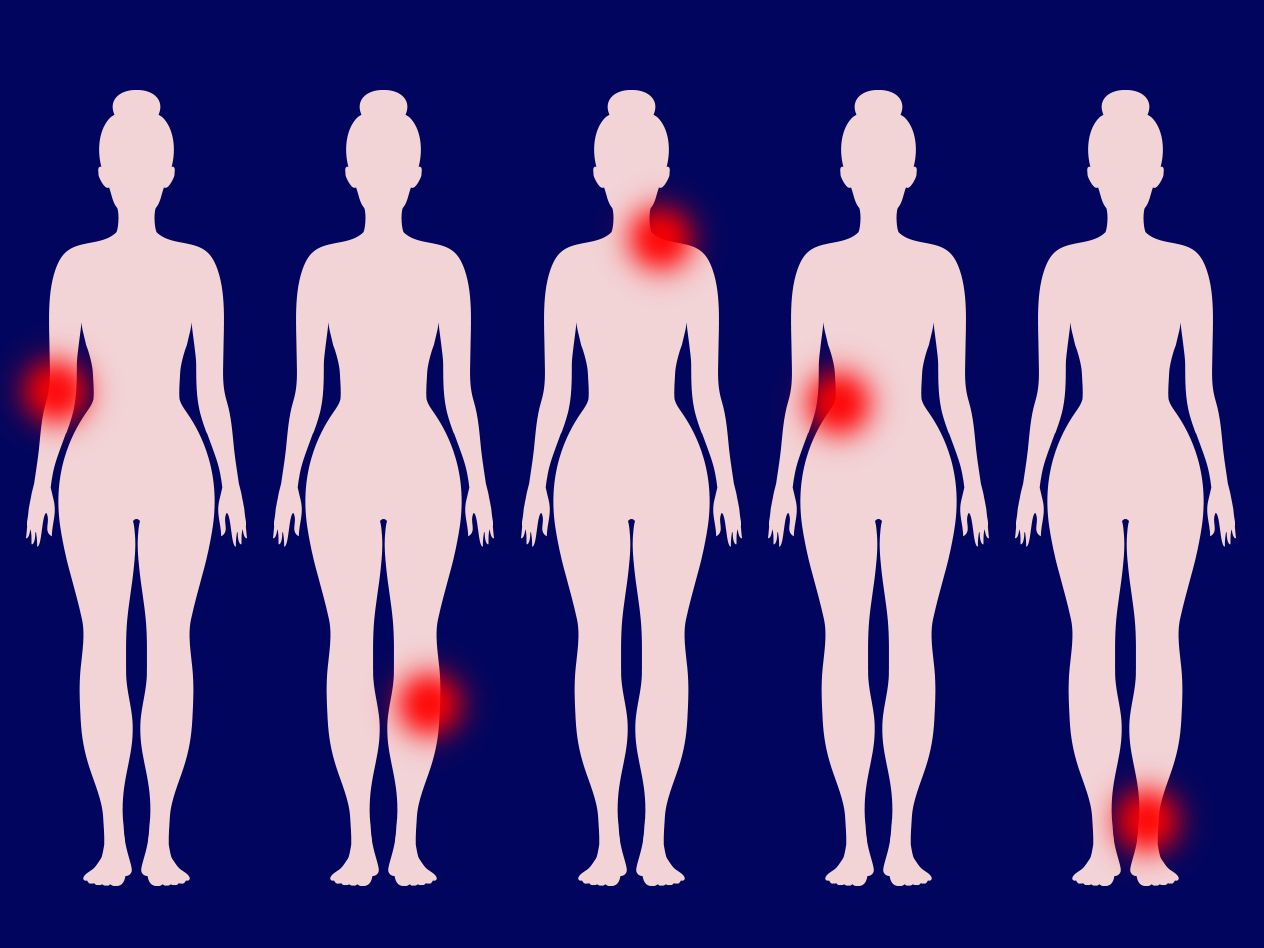
Autoimmune issues don’t come from nowhere — and midlife is the peak period for onset. Research shows that nearly 80% of autoimmune patients are women, and many first notice symptoms between ages 40–60. Why midlife increases risk: Estrogen modulates the immune system; shifting levels trigger instability Chronic stress elevates inflammation Gut permeability increases with age and hormonal changes Sleep fragmentation dysregulates immune repair Nutrient deficiencies weaken immune resilience Early signs women often dismiss: Unexplained fatigue Joint stiffness Skin rashes Brain fog Temperature intolerance Digestive flare-ups What helps: Anti-inflammatory diet (greens, berries, fish, olive oil) Omega-3 supplementation supports immune balance Consistent sleep schedule promotes immune repair Removing triggers (excess sugar, alcohol, stress) Early lab work (ANA, thyroid antibodies) for detection Your symptoms are not “all in your head.” Your immune system is asking for attention — not perfection. #AutoimmuneHealth #WomensHealth #MidlifeCare

The Surprising Rise of Autoimmune Symptoms in Midlife Women