Tag Page OnThisDay

#OnThisDay
LataraSpeaksTruth

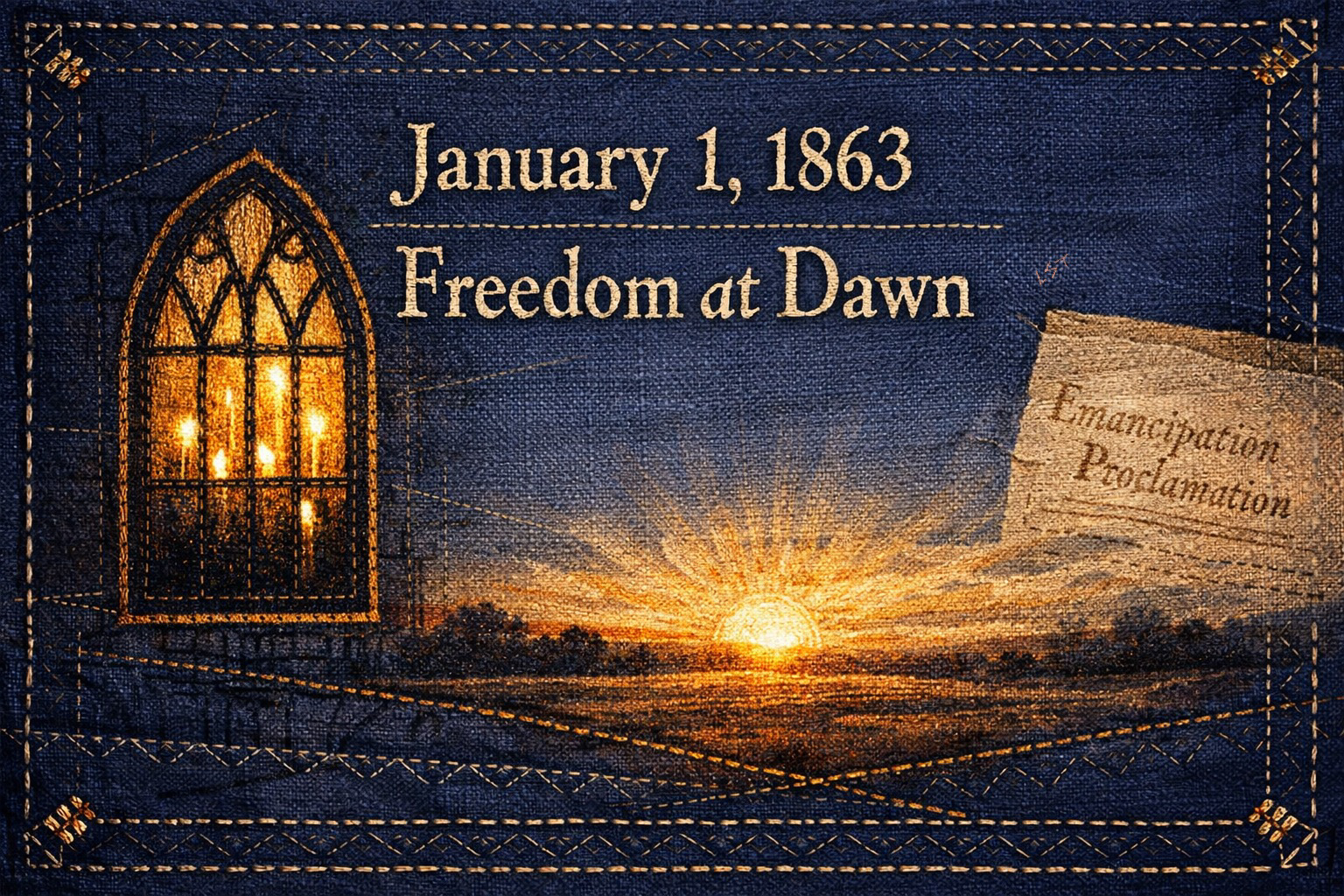
January 1, 1863 marked a turning point that was as complicated as it was historic. On that morning, the Emancipation Proclamation took effect under President Abraham Lincoln. It declared freedom for enslaved people in states still in rebellion against the Union. It did not apply everywhere. It did not free everyone. It did not end slavery outright. But it cracked the foundation of a system that had defined the nation for over two centuries. The night before, Black communities gathered for Watch Night services. Churches filled with people praying, singing, and waiting through midnight. This was not passive hope. It was survival sharpened by experience. Families knew freedom on paper did not guarantee safety in practice. Still, they watched the clock because symbolism matters. Timing matters. Midnight mattered. At dawn, freedom existed in law. By dusk, reality complicated it. Enforcement depended on Union military presence, and in many places Confederate control remained firm. Many enslaved people remained in bondage. Others faced retaliation, displacement, or danger as they moved toward Union lines. The proclamation was limited by design, framed as a wartime measure rather than a universal declaration. Even so, it transformed the Civil War. The fight was no longer only about preserving the Union. It became explicitly tied to ending slavery. It opened the door for Black men to serve in the Union Army and reframed enslaved people from property to persons in federal policy. It also signaled to the world that the United States had tied its war effort to a moral reckoning, however incomplete. January 1, 1863 was not the end of slavery. That came later, unevenly and violently, with resistance that still echoes today. But it was a hinge moment. A night of prayer turned into a morning of possibility. Freedom arrived at dawn on paper, by dusk in fragments, and only became real through human courage. #OnThisDay #January1 #EmancipationProclamation #WatchNight #BlackHistory

LataraSpeaksTruth

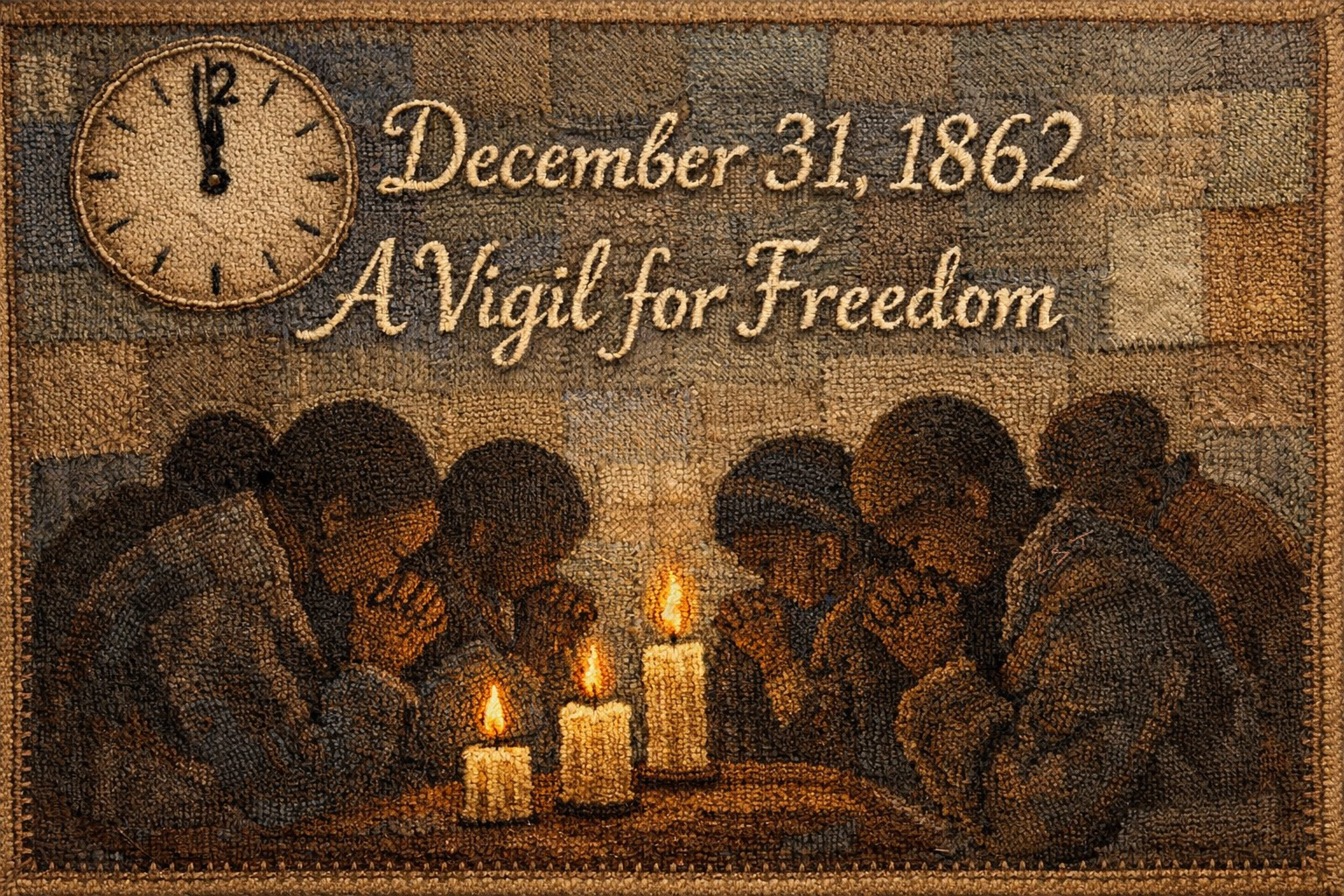
December 31, 1862 marked a night of waiting across the United States. In enslaved quarters, free Black neighborhoods, and church sanctuaries, African Americans gathered, knowing that something promised had not yet arrived. The Emancipation Proclamation was set to take effect at midnight, but until the calendar turned, freedom still existed only as words on paper. These gatherings were not uniform celebrations. Many were vigils. People prayed, sang hymns, and watched the clock, shaped by a history that taught caution toward promises made by the federal government. Some had heard rumors; others listened as newspaper notices were read aloud. Many understood that even once the proclamation became law, its reach would be uneven and its enforcement uncertain. President Abraham Lincoln had signed the final version of the Emancipation Proclamation earlier that month, explicitly tying emancipation to the Civil War effort. It declared freedom only for enslaved people in states still in rebellion, excluding loyal border states and areas already under Union control. Freedom, even in its announcement, was conditional and strategic. Still, December 31 carried deep meaning. It marked the closing hours of a system that had defined generations of Black life through bondage, even if it did not immediately dismantle it everywhere. Families held hands knowing the next day might not change their circumstances, but it signaled a shift in how slavery was justified and defended by law. When midnight arrived and January 1, 1863 began, there were no official ceremonies or guarantees of safety. In some places there were tears and songs; in others, quiet resolve. What united these moments was the understanding that freedom would not arrive fully formed. It would have to be claimed, defended, and fought for. December 31, 1862 reminds us that liberation often begins in waiting..: and in choosing to believe change is possible before it becomes real. #OnThisDay #December31 #Emancipation

LataraSpeaksTruth

On December 30, 1984, LeBron James was born in Akron, Ohio. From the start, his life unfolded under circumstances that rarely produce global icons. Raised by a single mother and shaped by instability, his path was never guaranteed. What followed was not luck, but discipline, visibility, and relentless consistency. By the time he entered the NBA in 2003, LeBron carried expectations rarely placed on a teenage athlete. He was not simply projected to be great. He was expected to alter the trajectory of a league. Over two decades later, he has done exactly that. Four NBA championships. Four MVP awards. The NBA’s all-time leading scorer. Sustained excellence across eras, teams, and styles of play. LeBron’s impact extends well beyond the court. He has used his platform to invest in education, community development, and athlete empowerment. The I PROMISE School, his advocacy for player agency, and his business ventures reflect a career built on longevity and intention, not momentary dominance. December 30 marks more than a birthday. It marks the arrival of an athlete who redefined what endurance looks like in professional sports. In a league designed to cycle stars in and out, LeBron James remains present, productive, and relevant. That is not coincidence. That is legacy, still being built. #LeBronJames #NBAHistory #OnThisDay #BornToday #BasketballHistory #SportsHistory #AthleteLegacy #ProfessionalSports #NBA #Cleveland #AkronOhio

LataraSpeaksTruth

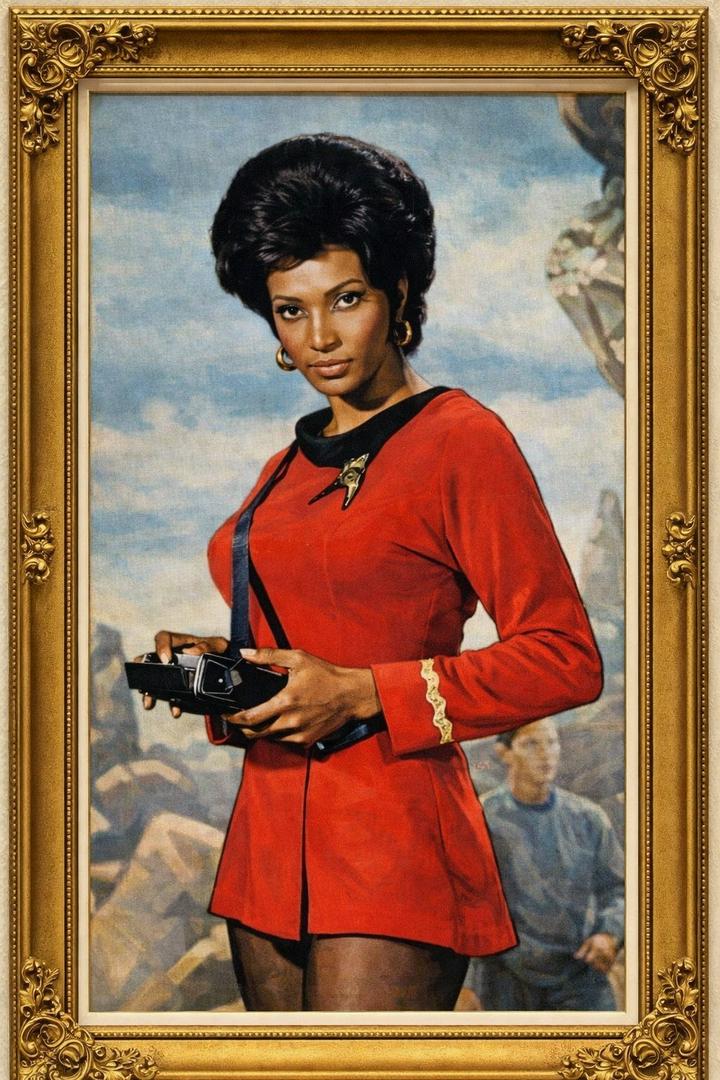
Nichelle Nichols was born December 28, 1932, and her impact reaches far beyond television credits. Best known for portraying Lieutenant Uhura on Star Trek, she didn’t just appear on the bridge…she changed who was allowed to imagine themselves there. At a time when roles for Black women were narrow and dismissive, Uhura was intelligent, authoritative, and essential, not a stereotype, not a side note. Behind the scenes, Nichols worked directly with NASA in the 1970s, helping recruit women and people of color into the space program, influencing a generation of scientists, engineers, and astronauts who would later say they saw themselves because of her. Her birthday lands quietly, but her legacy doesn’t whisper. It sits at the intersection of media, representation, science, and possibility, stitched into the fabric of modern culture whether people realize it or not. December 28 isn’t just a birthday…it’s a reminder that visibility, when done right, can change the future. #NichelleNichols #December28 #OnThisDay #BlackHistory #BlackHollywood #TelevisionHistory #StarTrek #Uhura

LataraSpeaksTruth

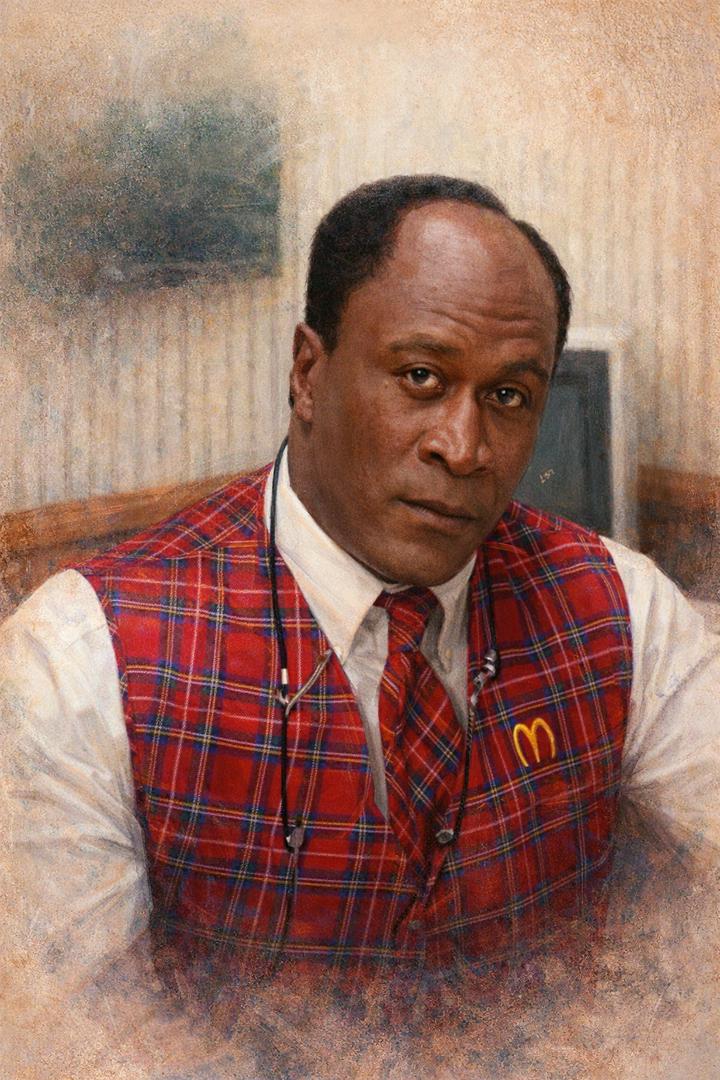
Happy Heavenly Birthday to John Amos, born December 27, 1939. John Amos represented a kind of strength that didn’t ask for applause. It stood firm, spoke plainly, and carried weight whether the room was listening or not. His presence on screen wasn’t loud, but it was unmistakable…solid, principled, and deeply human. Many first met him as James Evans on Good Times, a role that reshaped how working-class Black fathers were portrayed on television. Amos insisted on dignity, consistency, and realism at a time when those qualities were often written out or softened for comfort. That insistence cost him professionally, but it cemented his legacy. He chose truth over ease, even when the industry pushed back. His reach went far beyond one role. In Roots, Amos brought gravity and humanity to Kunta Kinte, anchoring one of the most important television events in American history. And years later, in Coming to America, he showed another side of that same authority as Cleo McDowell…a proud, hardworking father whose booming voice and unforgettable presence made the character iconic. Even in comedy, Amos carried command. He didn’t disappear into roles…he defined them. John Amos built a career on credibility. He didn’t chase likability. He earned respect. His characters reflected responsibility, boundaries, and backbone…qualities that still resonate because they were never performative. Today, his work continues to speak for him. The roles remain. The standard remains. And the impact remains long after the credits roll. #JohnAmos #ComingToAmerica #GoodTimes #Roots #TelevisionHistory #FilmHistory #ClassicCinema #BlackHollywood #OnThisDay #December27 #HeavenlyBirthday

LataraSpeaksTruth

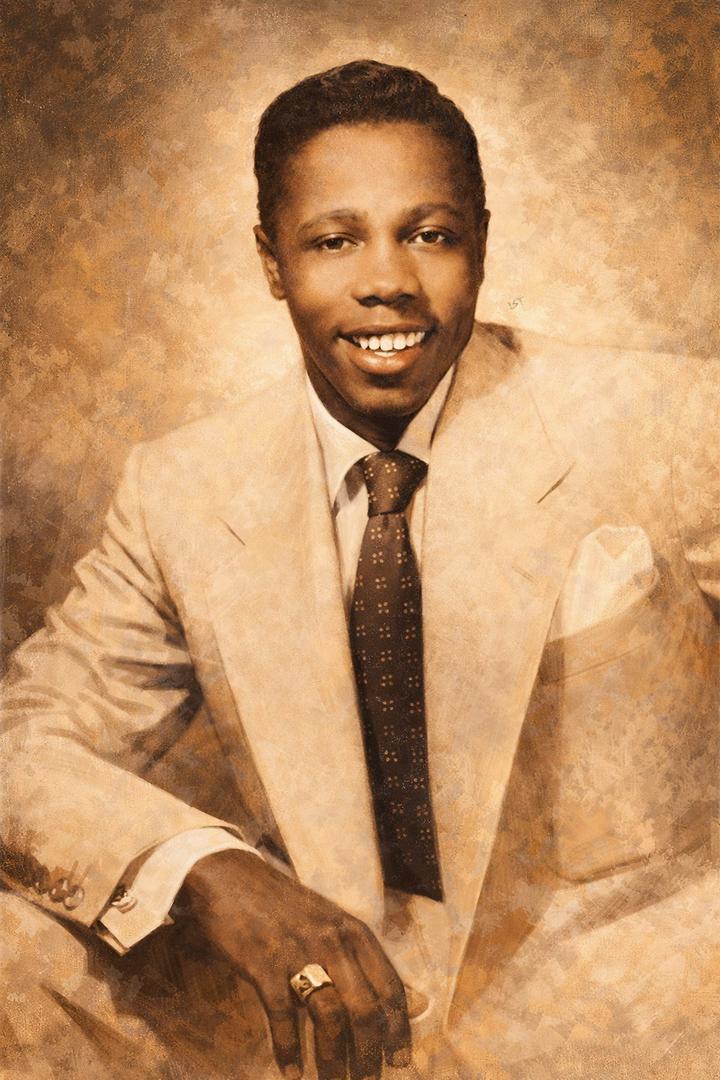
Johnny Ace rose in rhythm and blues not through volume or spectacle, but through restraint. Born John Marshall Alexander Jr. in 1929, he emerged from Memphis with a voice that felt personal, almost private. Soft. Steady. Emotionally direct. While others performed big, Johnny Ace stood still and let the feeling speak. Songs like My Song, Cross My Heart, and The Clock connected deeply because they carried vulnerability. No performance tricks. Just longing, heartbreak, and honesty. By his early twenties, he had multiple hit records and a national audience. He proved quiet could still reach far. On Christmas Day 1954, Johnny Ace died backstage at a concert in Houston, Texas. He was only 25. His death shocked Black communities across the country. Radio stations reportedly paused regular programming as his music filled the airwaves. A day of celebration became one of mourning. Remembering Johnny Ace is not only about loss. It is about honoring a voice that helped shape the emotional foundation of R&B and soul, music that has always held joy and sorrow at the same time. #JohnnyAce #RNBHistory #MusicHistory #OnThisDay #December25 #BlackMusic #CulturalMemory #Remembering

LataraSpeaksTruth

December 24, 1989 sits inside a cultural shift that was already gaining momentum. Around this period, Sister Souljah was emerging into national visibility as part of a wave of Black women whose political voices were becoming impossible to ignore in media, hip hop, and public debate. This was not overnight attention. It was the result of sustained organizing, sharp analysis, and a refusal to dilute language for comfort. By the late 1980s, hip hop had become more than music. It was a public forum, and the media was struggling to manage voices that spoke outside approved boundaries. Sister Souljah entered that space fully aware of the consequences. She spoke plainly, challenged dominant narratives, and refused to perform respectability to be heard. What unsettled audiences was not only her message, but her presence as a young Black woman asserting intellectual authority in spaces that were not built for her leadership. December 1989 reflects a threshold moment. Conversations about power, accountability, and representation were becoming more visible and more confrontational. Black women were no longer content to be supporting voices in movements shaped by others. They were naming realities in real time and forcing public engagement. Sister Souljah’s rise during this period signaled that shift clearly. This moment matters because history does not move only through laws or elections. It moves through voices that refuse silence when silence is expected. December 24, 1989 stands inside that awakening, when speaking boldly became an act of record, not rebellion. #OnThisDay #December24 #1989 #CulturalHistory #MediaAndPower #WomenInHistory #PoliticalVoice #HipHopEra #HistoryMatters

LataraSpeaksTruth

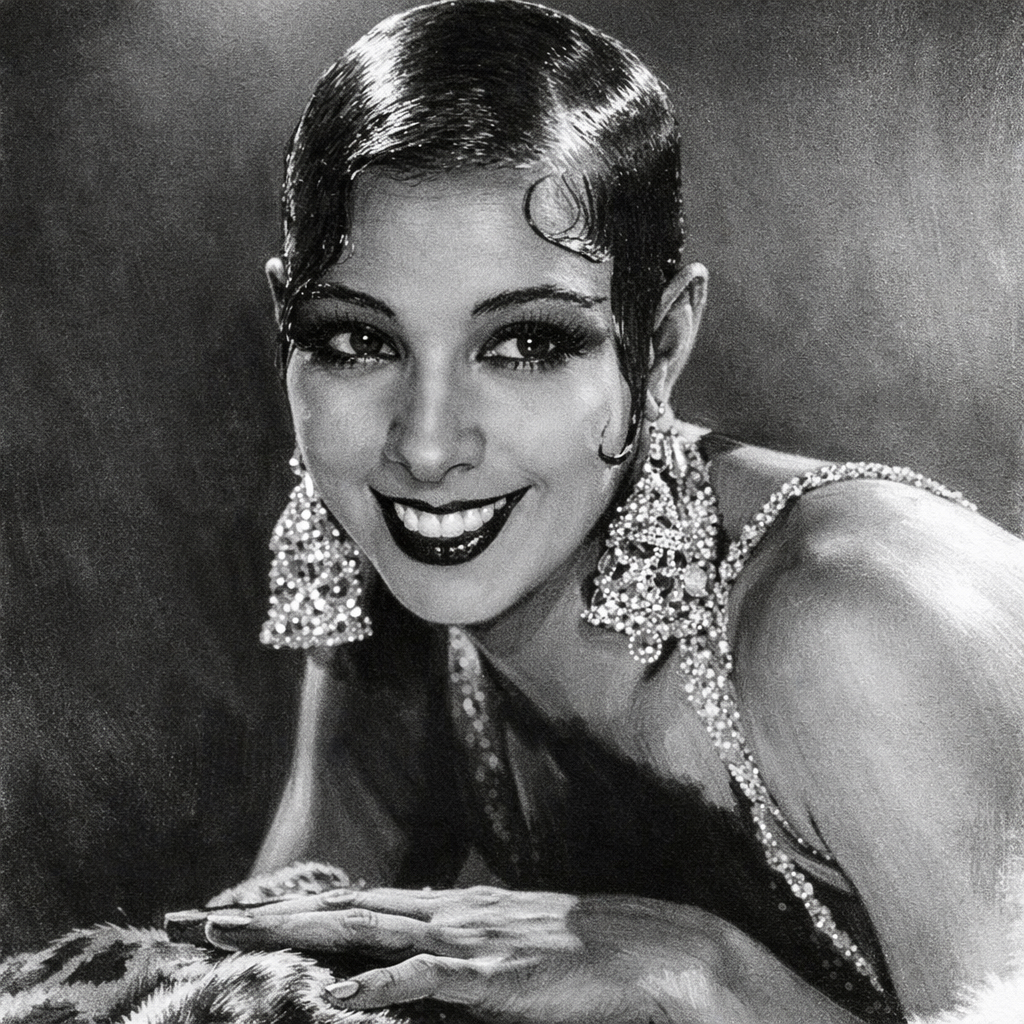
December 24, 1906. On this day, Josephine Baker was born, and history quietly underestimated her. Born into poverty in St. Louis, she came of age in a nation that craved her talent but denied her dignity. America wanted her onstage smiling, dancing, entertaining but not respected, protected, or treated as fully human. So she made a radical choice. She left. In France, Baker found what the United States refused to offer her at the time: freedom alongside fame. She became one of the most recognizable performers in the world, commanding European stages and redefining what it meant to be a Black woman in the spotlight. But sequins were never the whole story. During World War II, Baker served as an agent for the French Resistance, using her celebrity as cover to gather intelligence, conceal messages in sheet music, and transport information across borders. She risked her life fighting fascism. No costume patriotism. Real resistance. What stings is not only what she achieved, but what she had to leave behind to do it. Baker did not abandon America out of spite. She outgrew a country unwilling to grow with her. Even after global success, she confronted racism head on, refused to perform for segregated audiences, and later stood alongside civil rights leaders, including speaking at the March on Washington. December 24 marks more than a birthday. It marks the arrival of a woman who proved that talent does not need permission, dignity is not negotiable, and sometimes the loudest protest is choosing a life that refuses to shrink. She did not just escape limitations. She exposed them. #OnThisDay #December24 #JosephineBaker #HiddenHistory #WorldWarIIHistory #CulturalHistory #Resistance #Legacy #BlackExcellence #AmericanHistory #HistoryThatMatters

LataraSpeaksTruth

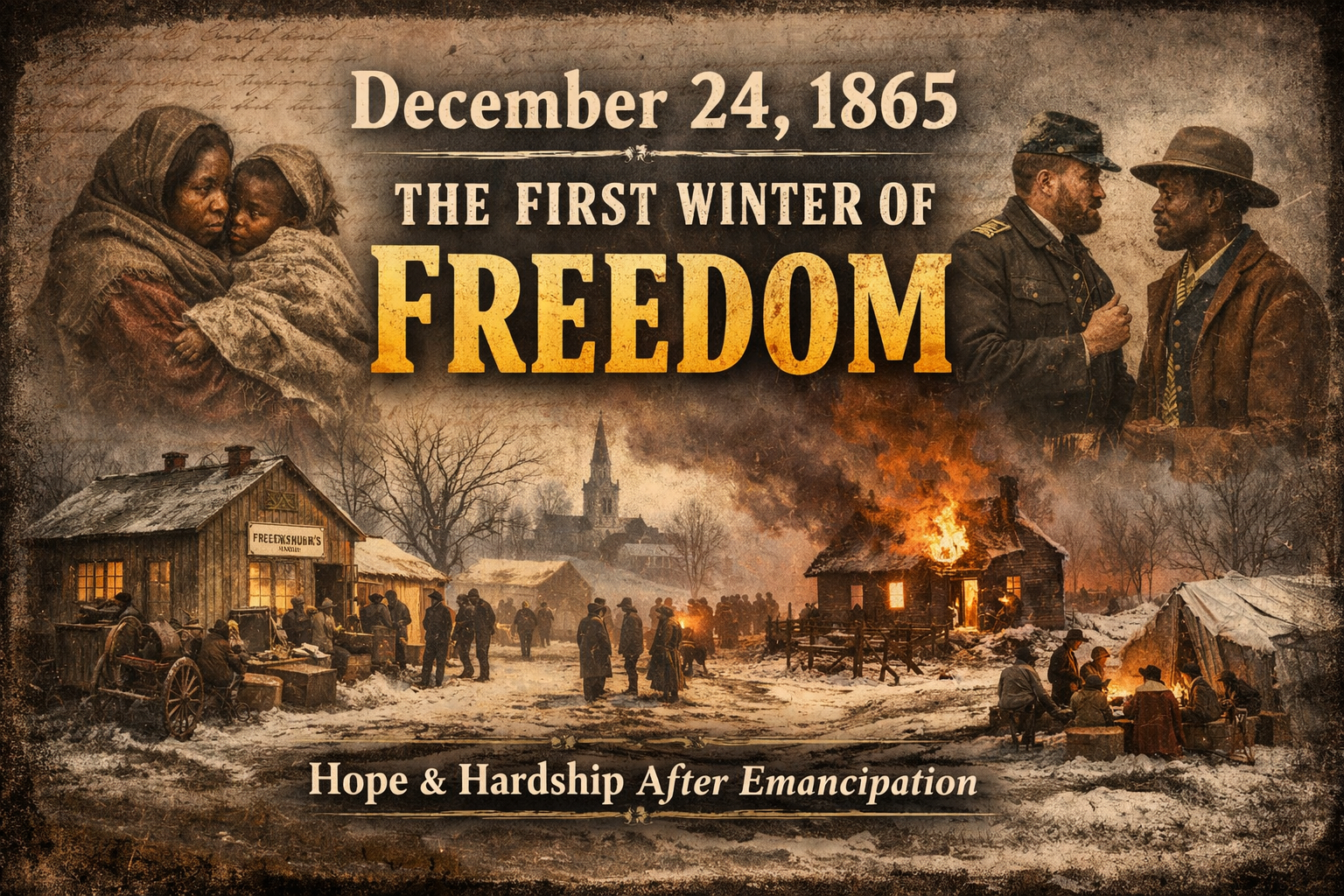
During the first winter of freedom, the Freedmen’s Bureau was actively operating across the South. Food and clothing were being distributed. Families separated by slavery were searching for one another. Schools were being established. Labor contracts were being negotiated. Protection was promised, though rarely guaranteed. Christmas Eve arrived at a moment where freedom existed in law but not in safety. For many formerly enslaved families, December 24 was not about celebration. It was about survival. Parents were learning how to live without ownership hanging over their heads. Children were navigating a world that still treated them as disposable. Communities were trying to understand what freedom meant when violence, intimidation, and economic control remained constant threats. Freedom was real, but fragile. White resistance to Black autonomy was already organizing across the South. Violence and exploitation followed emancipation almost immediately. While the Freedmen’s Bureau worked to stabilize daily life, its authority was limited and often undermined. Protection depended on location, timing, and luck. December 24, 1865 sits inside that uncertainty. It reminds us that emancipation did not come with peace or security. Freedom had to be learned, defended, and negotiated in real time. For many families that Christmas Eve, hope existed quietly, alongside hunger, fear, and unanswered questions. History does not always announce itself loudly. Sometimes it lives in moments of transition, where survival came before celebration and freedom was still being defined. #OnThisDay #December24 #ReconstructionEra #FreedmensBureau #AmericanHistory #HiddenHistory #WinterOfFreedom #HistoricalTruth #LataraSpeaksTruth