Tag Page LataraSpeaksTruth

#LataraSpeaksTruth
LataraSpeaksTruth

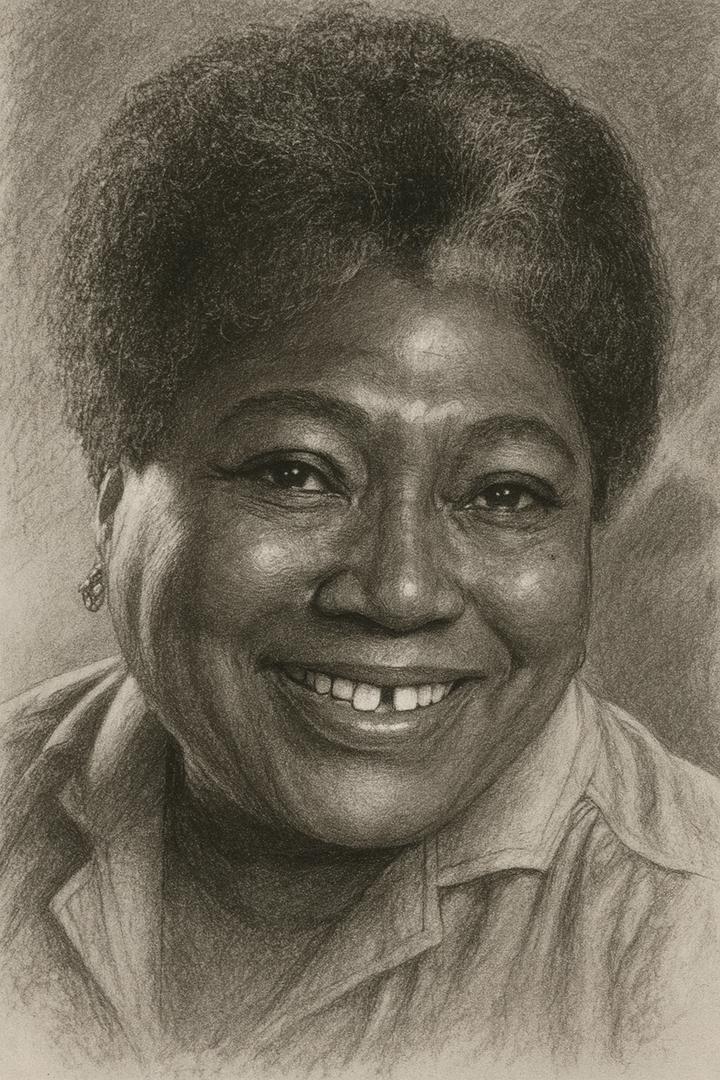
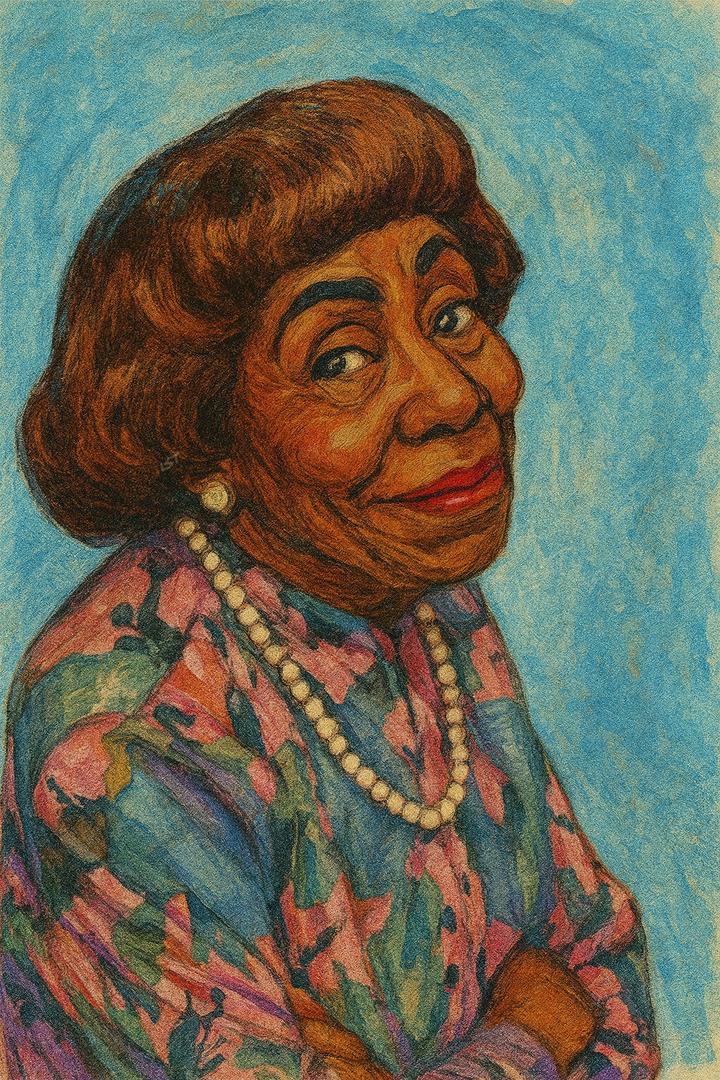
The Birth of Etta Jones, November 25, 1928

Etta Jones was born on this day in Aiken, South Carolina. She later moved to Harlem, where music was the heartbeat of the neighborhood and a young singer could grow into something special. That move shaped her sound and set the stage for the career she would build. Jones became a respected jazz and blues vocalist known for her warm tone and expressive phrasing. She had a style that felt effortless and lived in the middle ground between jazz smoothness and blues honesty. She stepped into recording in the late 1940s and built her voice through steady work, touring, and collaborations that kept her grounded in the traditions she loved. Her breakthrough came with the song Don’t Go to Strangers in 1960. The single reached a national audience and earned her a Grammy nomination. It also introduced new listeners to the depth of her talent and the kind of mature, lived in singing that set her apart. One of the most defining parts of her career was her long partnership with saxophonist Houston Person. They worked together for decades. Their chemistry created a catalog of albums that felt consistent and true to who she was as an artist. Many fans remember them as one of the strongest vocalist instrumentalist duos in modern jazz. Etta Jones continued recording and performing until the end of her life. In a moment that felt almost poetic, she passed away in 2001 on the same day her final album was released. Her legacy lives quietly but powerfully in jazz circles and in the voices of singers who followed her path. #OnThisDay #JazzHistory #EttaJones #LataraSpeaksTruth #AskNewsBreak

The Birth of Etta Jones, November 25, 1928
LataraSpeaksTruth

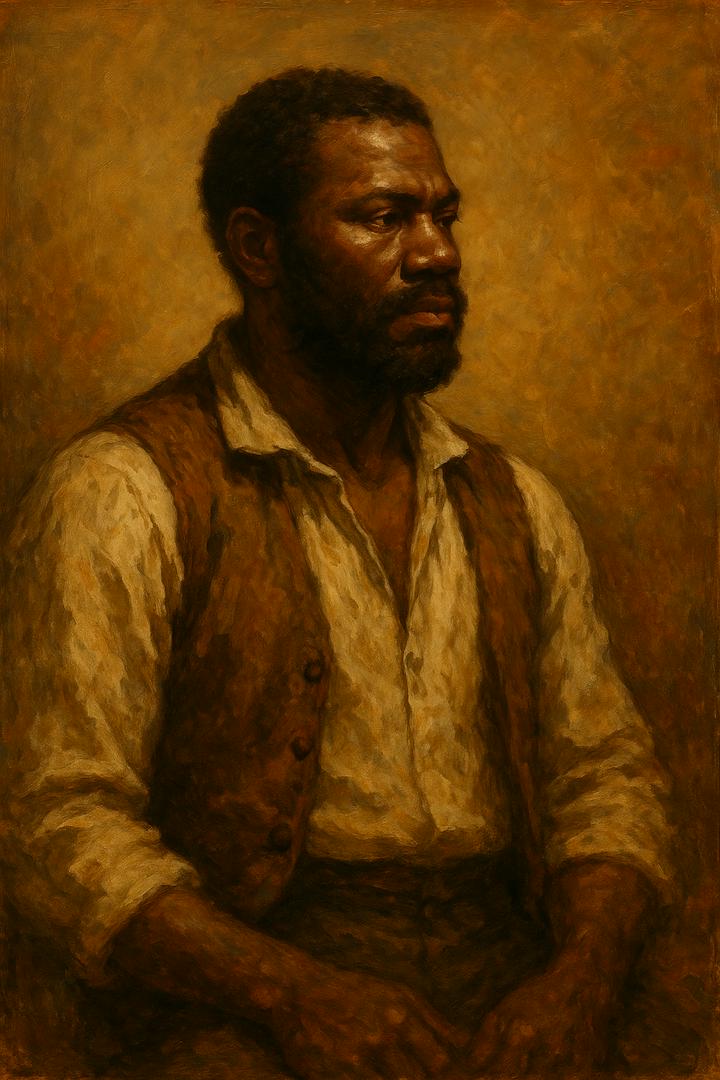
Macon Bolling Allen Admitted to the Massachusetts Bar in 1845

On November 26, 1845, Macon Bolling Allen stepped into a world that liked to pretend it had no room for him and still made space anyway. He became the first Black lawyer admitted to the Massachusetts bar, carrying a calm kind of courage that hits different when you realize the country was still tangled in slavery and hostility. Earlier in 1844 he had already passed the Maine bar exam, proving his skill long before many thought he would even be allowed to take the test. Massachusetts recognized that ability next, and from there he kept pushing forward, eventually serving as one of the first Black judges in the United States. His journey reads like a reminder that discipline and study can be rebellion when the world expects you to shrink. Allen found a way into rooms that were not built for him and left the doors open behind him. Every Black lawyer, judge, advocate, and student walking their own path today moves with echoes of his persistence. #MaconBollingAllen #OnThisDay #HistoryMatters #AmericanHistory #LataraSpeaksTruth

Macon Bolling Allen Admitted to the Massachusetts Bar in 1845
LataraSpeaksTruth

On This Day: November 29, 1961 — When the Freedom Riders Refused to Back Down

On this day in 1961, Freedom Riders were still rolling through the Deep South, long after the headlines tried to pretend the movement had “settled down.” The cameras had moved on. The danger hadn’t. Another group left New Orleans and headed straight into Mississippi, a place already infamous for jailing, beating, and shadowing anyone who dared to challenge segregation. They knew exactly what kind of storm they were walking into. And still, they stepped onto that bus. McComb wasn’t some sleepy pin on a map. It was one of the most hostile towns in the state… a place where activists were stalked, threatened, arrested, and sometimes worse, all for sitting in the wrong waiting room. That didn’t stop them. Their goal was simple: force the South to follow the law that already existed. The Supreme Court had ruled. The ICC had ordered desegregation of interstate travel. Mississippi just shrugged and said, “Not here.” These late-1961 rides didn’t come with a media circus or crowds chanting in the streets. What they did come with was quiet, stubborn courage, the kind that doesn’t need applause to stand firm. The riders were confronted, arrested, and pushed back at every turn, but they kept moving anyway. And that persistence mattered. Every arrest, every challenge, every mile traveled added pressure that eventually left the federal government out of excuses. The law was on the books. These riders made sure it was enforced. It’s a reminder that history isn’t built only from the bold moments everyone remembers. Sometimes it’s shaped by the steady footsteps of people who refuse to let injustice sit untouched. They kept riding… town by town, bus by bus… until the barriers cracked. #FreedomRiders #BlackHistory #CivilRightsMovement #OnThisDay #HistoryMatters #KnowYourHistory #LataraSpeaksTruth

On This Day: November 29, 1961 — When the Freedom Riders Refused to Back DownOn This Day: November 29, 1961 — When the Freedom Riders Refused to Back Down
LataraSpeaksTruth

1958… The Day Louisiana’s “Anti-Mixing” Sports Law Finally Fell

On November 28, 1958, a federal three-judge court ruled against Louisiana’s attempt to keep sports segregated forever. The case was called Dorsey v. State Athletic Commission, and it targeted the state’s “anti-mixing” law… a rule that tried to stop Black and white athletes from competing against each other. Louisiana used this law to block integrated boxing matches. Promoters were threatened with jail. Black fighters were refused licenses. White fighters were told to stay in their own lane. The whole thing was designed to protect the old order… and punish anyone who dared to break it. The court struck it down. They called it unconstitutional, discriminatory, and flat-out incompatible with the country’s direction. It was one of the quiet wins that chipped away at segregation’s foundation. Not loud. Not flashy. But necessary. This wasn’t just about sports. It was about the state trying to control who could stand toe-to-toe in public. And the court said no… not anymore. #LataraSpeaksTruth #HistoryMatters #AmericanHistory #HiddenHistory #UntoldStories #OnThisDay #CivilRightsEra

1958… The Day Louisiana’s “Anti-Mixing” Sports Law Finally Fell
LataraSpeaksTruth

Jaleel White, Born November 27, 1976

Some people come into TV history so loud, so unforgettable, so stamped into the culture that you don’t even need their government name to know exactly who they are. Jaleel White is one of those figures. Born in Pasadena in 1976, he walked into sitcom history as a kid and ended up creating one of the most iconic characters television has ever seen. Steve Urkel wasn’t supposed to be a star. He wasn’t even supposed to be a long-term character. But the moment Jaleel walked onto that Family Matters set with the suspenders, the glasses, and that unshakeable commitment to being delightfully annoying, television changed. He turned a side character into a cultural phenomenon. A whole era. A catchphrase that became part of American speech. And behind all of that was a kid who wasn’t afraid to lean into a role that took over primetime. But what people don’t talk about enough is the longevity. Jaleel grew up in front of the world, navigated fame early, and still kept working, from voice acting to guest roles to producing. He stayed grounded… stayed evolving… stayed respected. And even today, the legacy holds. We still quote him. Still laugh at the scenes. Still recognize his impact on 90s Black sitcom culture. His role wasn’t just entertainment… it was representation, visibility, and a reminder that Black nerds existed long before the world decided it was cool. Happy Birthday to a man whose character became a legend… and whose career still keeps unfolding. #JaleelWhite #OnThisDay #FamilyMatters #TVHistory #LataraSpeaksTruth

Jaleel White, Born November 27, 1976
LataraSpeaksTruth

Marshall Major Taylor Born November 26, 1878

Marshall Major Taylor was born on November 26, 1878, in Indianapolis. He would rise to become one of the most accomplished cyclists of the early twentieth century at a time when organized racing was dominated by white athletes and shaped by racial barriers that followed him at every turn. His career showed what discipline and unmatched talent could overcome long before fairness became part of the conversation. Taylor’s speed gained attention when he was still a child performing bicycle tricks outside a local shop. Those early demonstrations led to training opportunities that pushed him toward competitive racing. By his late teens he began entering professional events where he quickly stood out not only for his ability to accelerate but also for the composure he carried during hostile environments. In 1899 he won the world one mile sprint championship, which placed him among the top athletes of his era. His titles and records reached international audiences including races in Europe and Australia where he found greater professional respect. He set multiple world records during his career, showing how far his skills could go even without the full support many of his competitors enjoyed. Taylor’s legacy represents strength, discipline, and achievement under pressure. His accomplishments influenced future generations of athletes who saw proof that excellence could not be denied even in the face of exclusion. His name remains an important part of cycling history and a reminder of what it looks like to keep moving forward with purpose. #OnThisDay #MarshallTaylor #SportsHistory #CyclingLegend #LataraSpeaksTruth

Marshall Major Taylor Born November 26, 1878
LataraSpeaksTruth

1863, Nashville… The Day New Soldiers Changed the War

On November 19, 1863, the 13th United States Colored Infantry officially formed in Nashville, Tennessee. Hundreds of Black men stepped forward to wear Union blue at a time when the nation still refused to recognize their full rights. They volunteered anyway. They took up weapons in a country that denied them protections, hoping their service would help crack the walls holding their people down. The 13th USCI was one piece of the larger United States Colored Troops, a force created after the Emancipation Proclamation opened the door for Black military enlistment. The officers were white, but the spirit, grit, and discipline came from the men themselves. Some had escaped plantations. Others were freeborn. All of them were determined to see slavery fall. Their service came with barriers. Lower pay in the early months. Harsher treatment. Hostility from Union soldiers and Confederate soldiers alike. Still, the 13th USCI held the line. They fought in Tennessee, Georgia, and Alabama, pushing Union control deeper into the South. Their formation marked a turning point. The Civil War shifted from just saving the Union to redefining what freedom would mean in America. Black soldiers made that shift visible. The men of the 13th USCI stood as proof that Black Americans were willing, ready, and brave enough to fight for their freedom and their families’ future. Their legacy still speaks: freedom in this country has always moved forward because of the people who were denied it, yet fought for it anyway. #history #americanhistory #blackmilitaryhistory #civilwarstories #LataraSpeaksTruth

1863, Nashville… The Day New Soldiers Changed the War
Tag: LataraSpeaksTruth - Page 9 | LocalAll