Tag Page LataraSpeaksTruth

#LataraSpeaksTruth
LataraSpeaksTruth

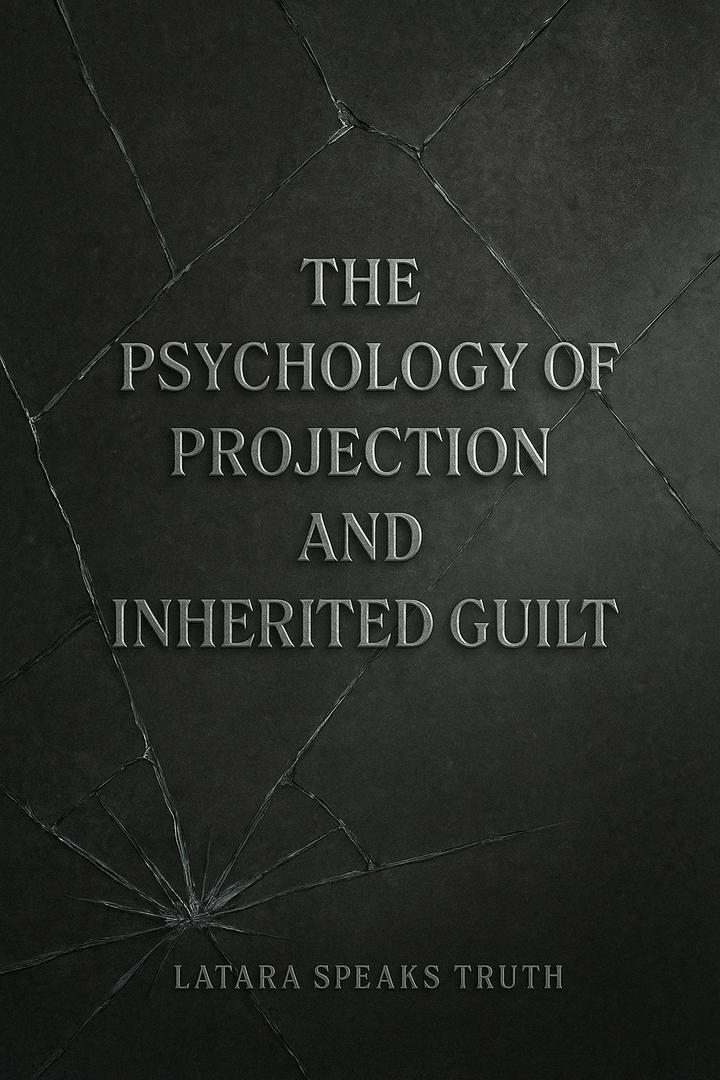
The Psychology of Projection and Inherited Guilt

They hate the light because it shows the dust, the fingerprints of history on their hands. They say, “That wasn’t me,” but the silence screams louder than any confession ever could. They see someone happy, whole, and free, and feel a sting they can’t explain. Because peace, to the broken, feels like mockery, and truth, to the guilty, burns like flame. So they project… they throw their shame like stones, build walls out of denial, and call it “defense.” They inherit guilt like a family heirloom, polished with pride and passed down quietly, generation after generation, never asking why it still fits. You hold up a mirror, and they call it an attack. But the reflection isn’t the problem… it’s the refusal to look back. All it would take is one honest breath. To say: “That was wrong. That’s not who we are.” But pride is a stubborn parasite, and hate is its host. Still, truth waits. It doesn’t need revenge, it just needs space to breathe. Because healing begins where excuses end. #ThePsychologySeries #ProjectionAndGuilt #EmotionalAwareness #HealingThroughTruth #LataraSpeaksTruth #DeepThinkPieces #MirrorOfHumanity #AccountabilityOverDenial #BreakingTheCycle #UnlearningHate

The Psychology of Projection and Inherited Guilt
LataraSpeaksTruth

The Eutaw Riot – October 25, 1870

In Eutaw, Alabama, a public gathering of Black citizens met in the courthouse square during the Reconstruction era to discuss upcoming elections and community progress. Tensions in the area had been rising, and the event turned tragic when conflict broke out between white and Black residents. Historical accounts report that several people lost their lives and many were injured. In the days that followed, voter turnout among Black citizens fell sharply due to widespread fear and intimidation. This shift helped change the political outcome in Greene County, marking a major setback for Reconstruction efforts in Alabama. The Eutaw Riot became one of the most notable examples of how resistance to racial equality influenced Southern politics after the Civil War. It stands as a reminder of how fragile progress can be when unity gives way to fear. #BlackHistory #EutawRiot #ReconstructionEra #AmericanHistory #LataraSpeaksTruth

The Eutaw Riot – October 25, 1870
LataraSpeaksTruth

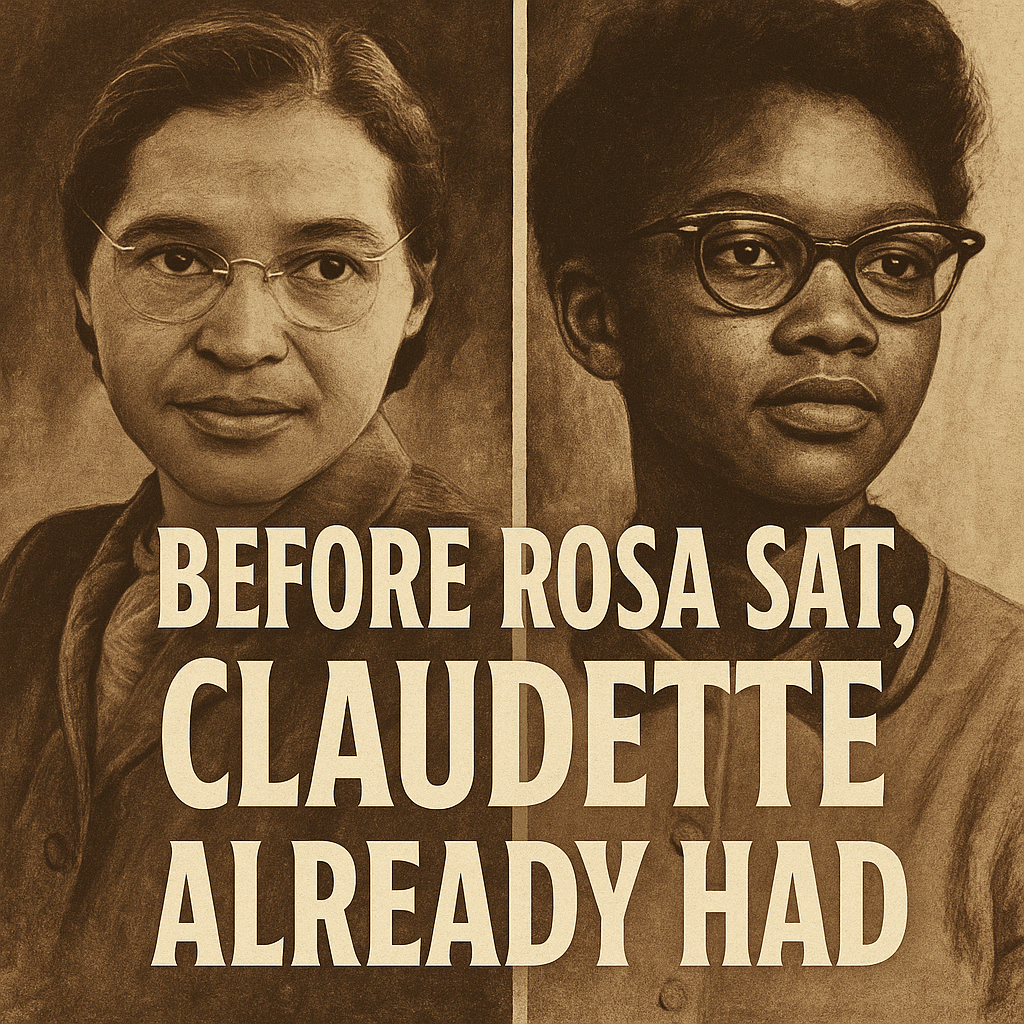
🚌Before Rosa Sat, Claudette Already Had.

Nine months before Rosa Parks made history, a 15-year-old girl named Claudette Colvin refused to give up her seat on a Montgomery bus. She was young, bold, and fearless, but the movement wasn’t ready to rally behind her. They called her “too rebellious,” “too dark,” “too unpolished.” So when Rosa Parks, a seasoned activist and NAACP secretary, made that same choice, the world finally paid attention. Not because the act was new… but because society decided who was allowed to represent it. Rosa knew the risk. She knew the story before hers. And she made her moment count, turning one woman’s refusal into a movement’s awakening. 🕊️ She passed away on this day in 2005, but her courage, and Claudette’s… still ripple through every generation learning that “quiet” does not mean “compliant”. #ClaudetteColvin #RosaParks #BlackHistory #CivilRights #LataraSpeaksTruth #WomenOfCourage #HiddenFigures #KnowYourHistory #BlackExcellence #LegacyAndTruth

🚌Before Rosa Sat, Claudette Already Had.
LataraSpeaksTruth

Rosa Parks Attends the Dexter Avenue Meeting, 1955

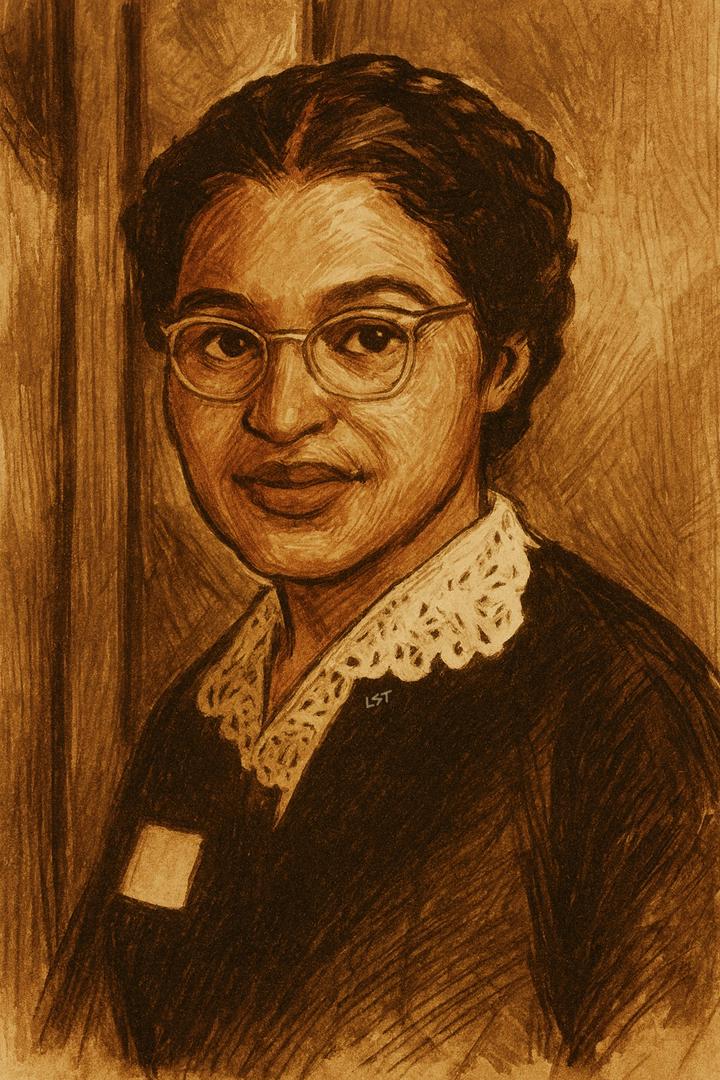
1955… Montgomery was already on edge, but that night at Dexter Avenue Baptist Church, things shifted. Rosa Parks walked into a packed mass meeting to hear a talk about Emmett Till… the 14-year-old boy whose brutal murder had shaken the entire country. The church was filled with tension, grief, anger, and a rising sense that silence was no longer an option. Parks sat and listened as speakers talked plainly about the dangers Black families faced across the South. Emmett Till wasn’t a headline to her… he was a warning, a wound, and a reminder of every injustice people tried to swallow just to survive. The stories that night weren’t meant to scare anyone… they were meant to wake everyone up. And Rosa heard all of it… really heard it. She wasn’t some tired seamstress like people love to repeat. She was seasoned, sharp, and fully aware of how dangerous the world around her was. That meeting settled something inside her spirit. It fed the backbone she already had. So when she refused to give up her seat just a few months later, it wasn’t random, it wasn’t sudden, and it definitely wasn’t because she was “just tired.” She was tired of abuse, tired of the disrespect, tired of a system that stole sons like Emmett Till and told mothers to accept it. That night at Dexter wasn’t a footnote… it was fuel. #OnThisDay #HistoryMatters #LataraSpeaksTruth #RosaParks #EmmettTill #Montgomery

Rosa Parks Attends the Dexter Avenue Meeting, 1955
LataraSpeaksTruth

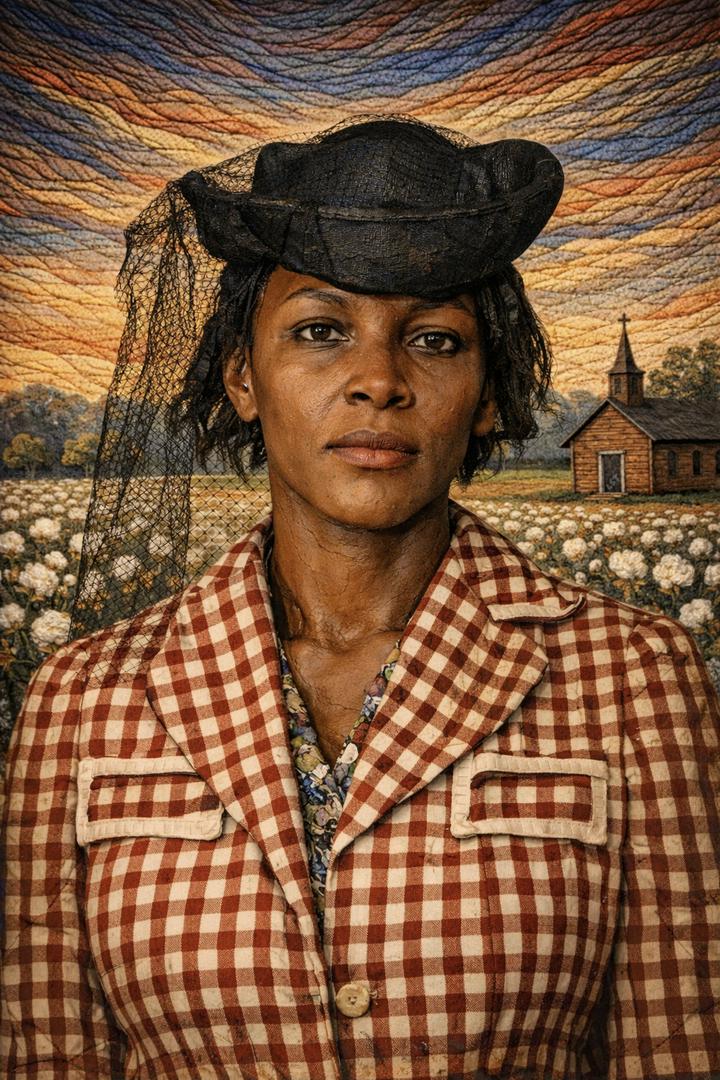
Recy Taylor’s story is not only about what was done to her. It is also about what the legal system refused to do afterward. In 1944, Recy Taylor was a 24 year old Black wife and mother living in Abbeville, Alabama. On her way home from church, she was abducted at gunpoint by a group of white men and assaulted. She reported the crime immediately. One of the men later admitted his role and identified the others involved. That should have been enough. It was not. Instead of justice, Taylor faced the full weight of a system that did not treat her pain, her dignity, or her safety as worth protecting. Two all white grand juries refused to indict her attackers. No one was held accountable. But this story does not end in silence. Her case drew national attention. Rosa Parks investigated it for the NAACP. Supporters organized through the Committee for Equal Justice for Mrs. Recy Taylor. Black newspapers covered the case. People spoke her name, demanded action, and forced the country to confront a truth it often tried to hide. Long before the civil rights movement became a chapter in textbooks, Black women like Recy Taylor were already standing at the center of that fight. Her story exposed more than one crime. It exposed a system that could hear a confession, see a victim come forward, and still choose not to act. That is why Recy Taylor matters. Not just because she survived something horrific, but because her case revealed how deeply the law could fail Black women while claiming to stand for justice. History often celebrates the marches, the speeches, and the victories. But before many of those moments came the women whose suffering was ignored, whose courage was tested, and whose truth refused to disappear. Recy Taylor was one of them. #OurHistory #RecyTaylor #CivilRightsHistory #WomensHistory #BlackHistory #LataraSpeaksTruth

LataraSpeaksTruth

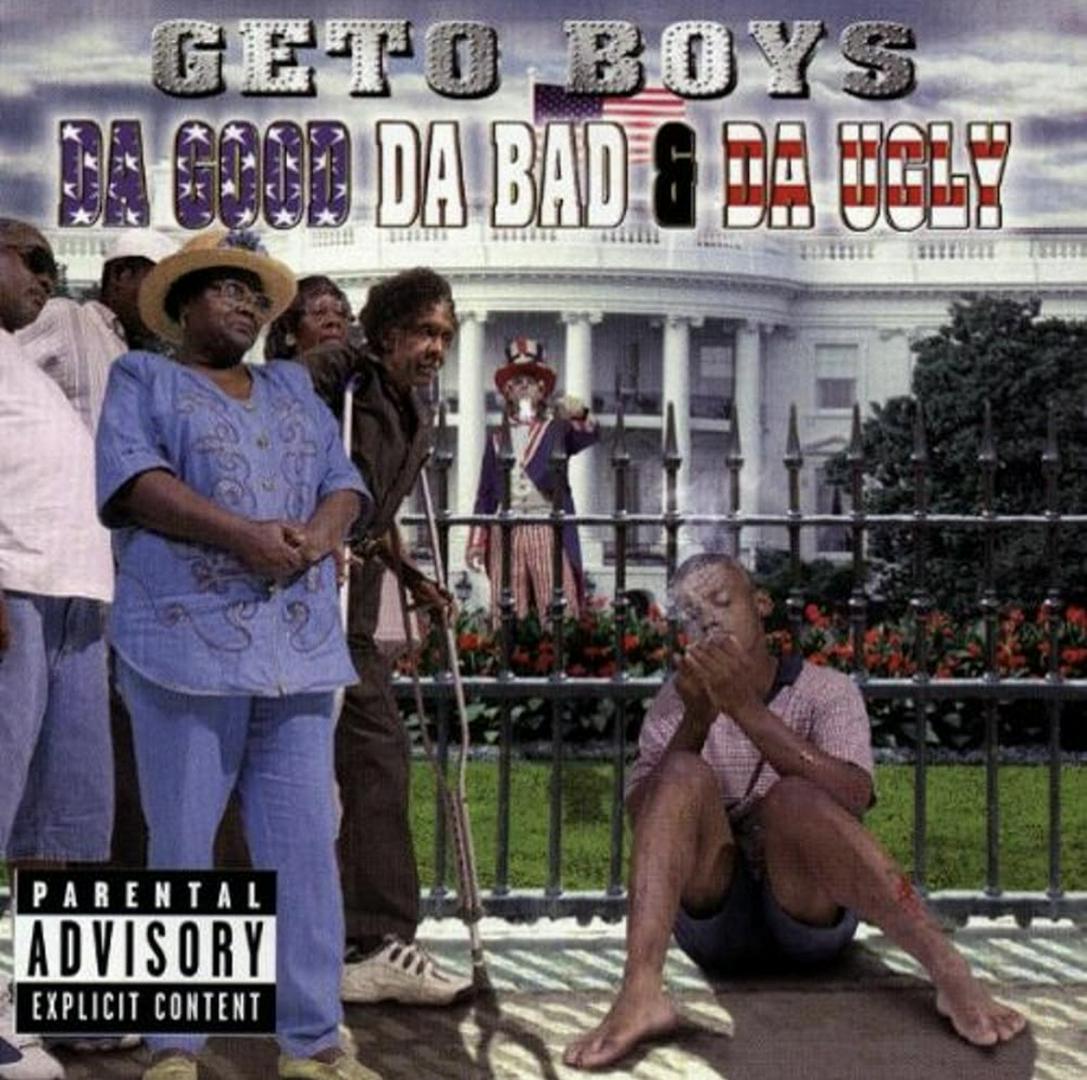
Geto Boys Drop Da Good, Da Bad & Da Ugly… The South Spoke Loud

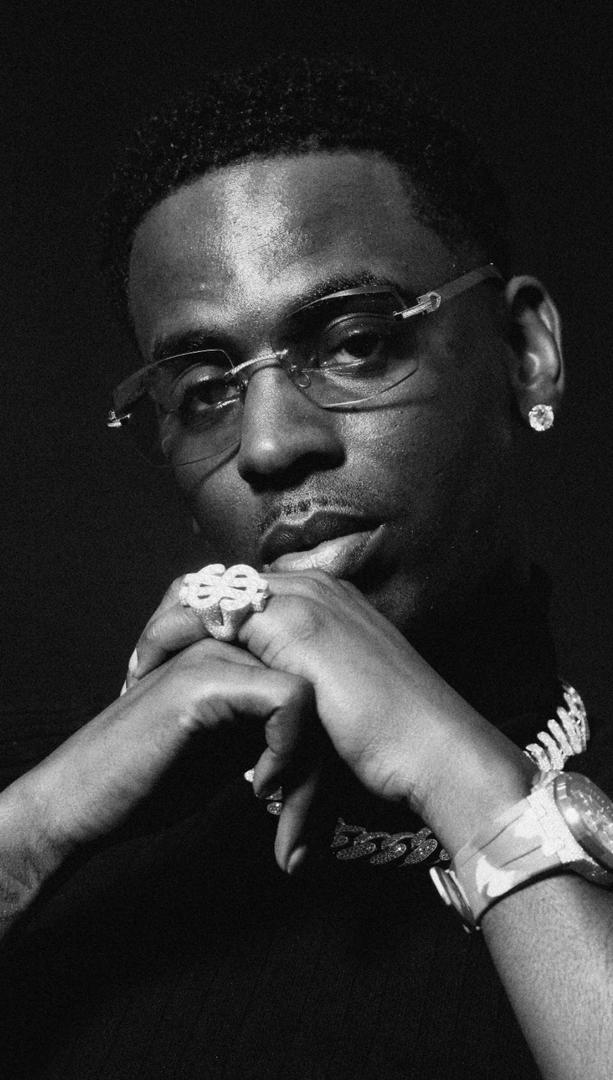
On November 17, 1998, the Geto Boys came back with Da Good, Da Bad & Da Ugly, a project carved straight out of the Southern hip-hop landscape they helped build. Houston had already claimed its voice thanks to them… raw, unfiltered, and unapologetically Southern, but this album showed the world that the South wasn’t a “side conversation” anymore. It was the main stage. The album held that signature Geto Boys energy… dark storytelling, sharp social commentary, and the kind of life observations you only get from people who’ve seen both sides of the street. Even with lineup changes, the crew held on to what made them legendary in the first place… honesty, edge, and a refusal to water anything down for mainstream comfort. By the late ‘90s, hip-hop was shifting fast, but the Geto Boys reminded everybody that Southern rap didn’t need approval to be iconic. They were already stamped. Already respected. Already shaping the direction of a whole region. Da Good, Da Bad & Da Ugly stands as one of those albums that marks a moment… the South saying “we’re here, we’re staying, and we’re not taking our foot off nothing.” #HipHopHistory #GetoBoys #SouthernRap #HoustonLegends #OnThisDay #BlackMusicHistory #LataraSpeaksTruth #CultureStories #Lemon8Creator #1998Vibes

Geto Boys Drop Da Good, Da Bad & Da Ugly… The South Spoke Loud
LataraSpeaksTruth

The Wanderer… 1858

On November 28, 1858, one of the last known illegal slave ships to reach the United States secretly landed on Jekyll Island, Georgia. The vessel, called the Wanderer, arrived with more than 400 kidnapped men, women, and children from West and Central Africa… all smuggled in defiance of the federal ban on the transatlantic slave trade that had been in place since 1808. The Wanderer was originally built as a luxury yacht, but was converted into a human trafficking vessel financed by wealthy Southern men determined to profit from an illegal trade. Survivors were quickly dispersed across Georgia and the Deep South, sold into forced labor. Only a fraction of the captives lived long after arrival. Though federal officials investigated, no one was punished. The Wanderer became a symbol of how far traffickers were willing to go to protect their wealth… and how little accountability existed for crimes committed against Africans even after the trade was outlawed. #LataraSpeaksTruth #HistoryMatters #AmericanHistory #UntoldStories #JekyllIsland #Wanderer1858 #LearnThePast

The Wanderer… 1858
Tag: LataraSpeaksTruth - Page 10 | LocalAll