Tag Page LataraSpeaksTruth

#LataraSpeaksTruth
LataraSpeaksTruth

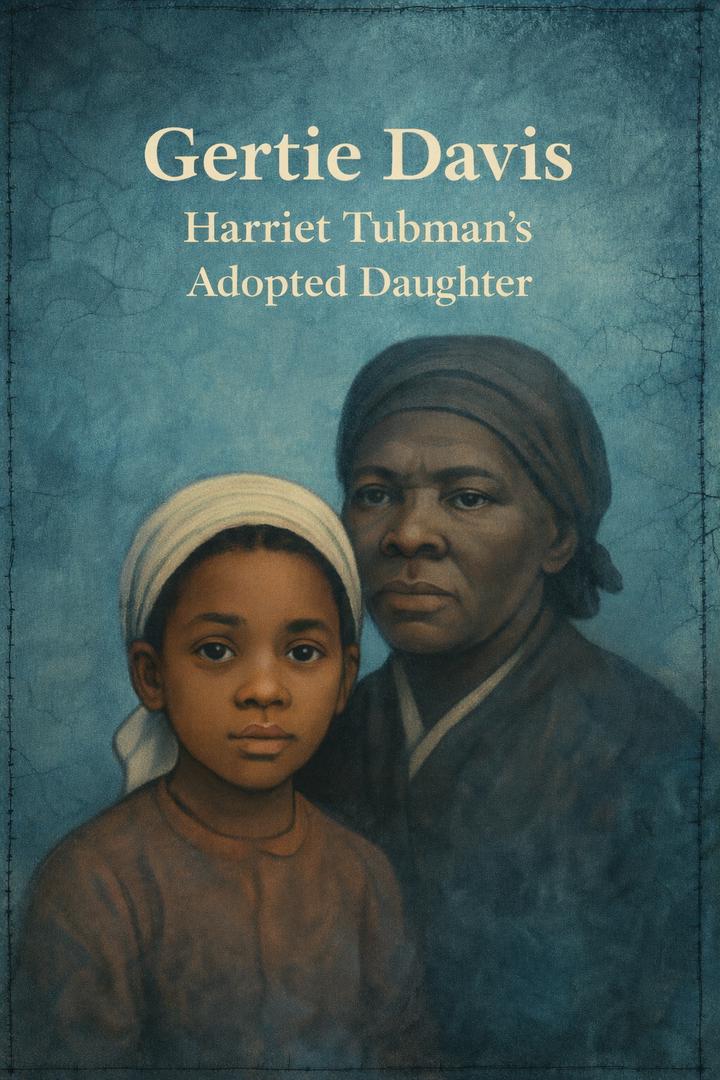
Gertie Davis is one of the lesser-known names connected to Harriet Tubman’s life, and her story offers a glimpse into Tubman’s later years in Auburn, New York. After the Civil War, Harriet Tubman settled in Auburn and later married Nelson Davis. Together, they adopted a young girl named Gertie Davis. While Harriet Tubman became widely known for her work as a conductor on the Underground Railroad, a Union scout and nurse, and a freedom fighter, much less was recorded about the family life she built in the years that followed. Historical records about Gertie Davis are limited. What is known is that she was part of the Tubman household and appears in the story of Harriet Tubman’s later life. Her presence reminds us that Tubman’s life was not only defined by public courage and national history, but also by home, caregiving, and family. That matters because history often reduces people to their most famous roles. Harriet Tubman is rightly remembered for her extraordinary bravery, but she was also a wife, a mother figure, and a woman who created a home in the midst of a life shaped by struggle and service. Gertie Davis may not be widely documented, but her name still carries meaning. She represents a quieter part of Harriet Tubman’s story, one rooted in family life and the personal world Tubman built after years of sacrifice. Sometimes history is loud. Sometimes history lives in the small details, in the names that appear only briefly, and in the lives that stand just beyond the spotlight. Gertie Davis was one of those lives. #GertieDavis #HarrietTubman #BlackHistory #AmericanHistory #HiddenHistory #LataraSpeaksTruth #repost

LataraSpeaksTruth

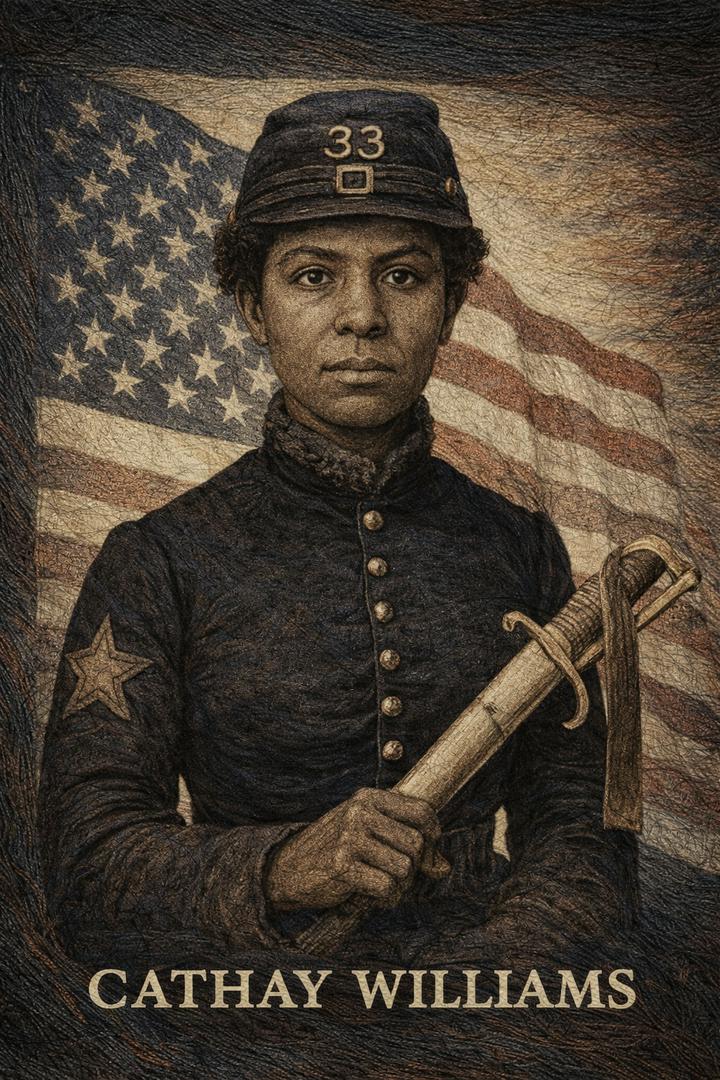
Cathay Williams was born in September 1844 in Independence, Missouri, to an enslaved mother and a free father. Because her mother was enslaved, Cathay was also born into slavery. As a young woman, she was forced into labor for Union troops during the Civil War, working as a cook and washerwoman and traveling with the army through parts of the South. That experience brought her close to military life long before she officially entered it. After the war, Williams chose a path few women of her time could even imagine. On November 15, 1866, she enlisted in the United States Army in St. Louis under the name William Cathay. Since women were barred from military service, disguising herself as a man was the only way she could join. She served in Company A of the 38th U.S. Infantry, one of the African American regiments created after the Civil War and later tied to the legacy of the Buffalo Soldiers. For nearly two years, she performed the duties expected of any soldier. Her secret remained hidden until repeated illness and hospital visits led army doctors to discover she was a woman. She was discharged on October 14, 1868. Years later, Williams applied for a military disability pension, describing her service and failing health, but her claim was denied. Much of her later life remains unclear, but her place in history does not. Today, Cathay Williams is remembered as the only documented woman known to have served as a Buffalo Soldier and one of the most remarkable women in American military history. #OurHistory #CathayWilliams #BuffaloSoldiers #MilitaryHistory #BlackHistory #WomensHistory #AfricanAmericanHistory #HiddenFigures #AmericanHistory #LataraSpeaksTruth

LataraSpeaksTruth

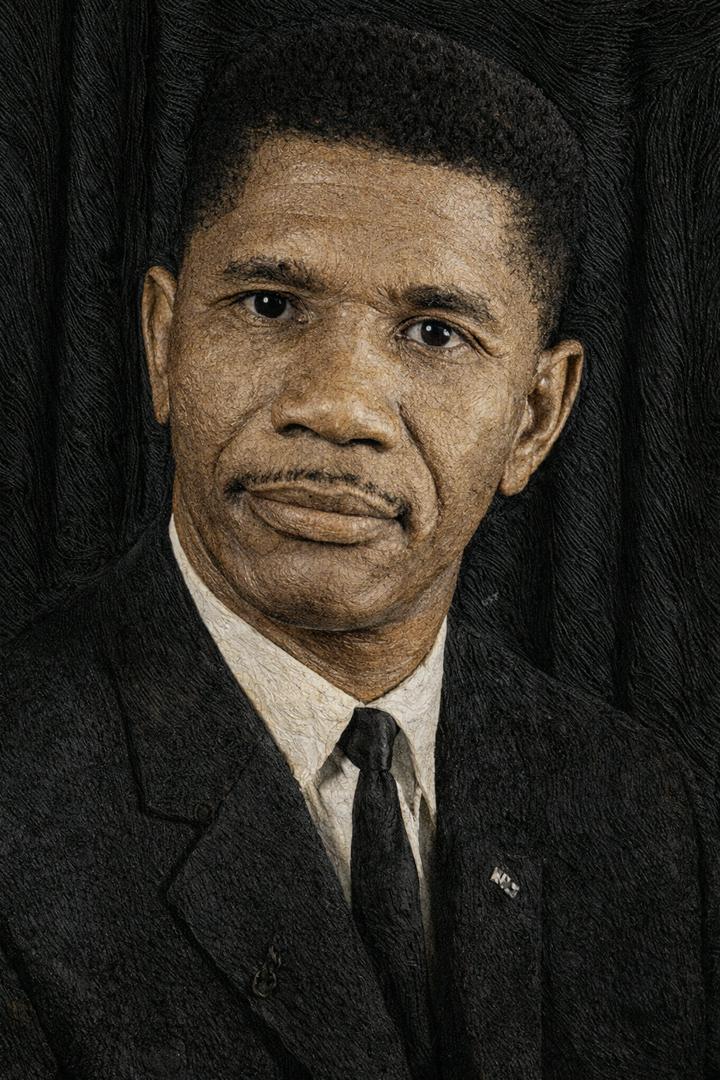
Born on July 2, 1925, in Decatur, Mississippi, Evers grew up in a state where segregation shaped nearly every part of daily life. After serving in the United States Army during World War II, he returned home determined to build a better future. He later attended Alcorn Agricultural and Mechanical College, where he studied business administration and became active in student leadership. In 1954, Evers became the NAACP’s first field secretary in Mississippi. In that role, he traveled across the state organizing local branches, encouraging voter registration, investigating racial violence, and helping challenge segregation in schools and public spaces. His work placed him on the front lines of one of the most dangerous battles in the South. Evers also helped investigate the 1955 murder of Emmett Till and worked to expose the brutal realities Black families faced in Mississippi. He pushed for equal access to education, fought discriminatory laws, and worked to expand basic rights that had long been denied. Because of his work, Evers lived under constant threat. His home was attacked, his family lived with fear, and he knew that speaking openly against injustice could cost him his life. Still, he refused to step away from the work. On June 12, 1963, Medgar Evers was assassinated outside his home in Jackson, Mississippi. His murder shocked the nation and became one of the defining tragedies of the civil rights era. Though his life was cut short, his courage left a lasting mark on American history. Medgar Evers is remembered not only as a leader, but as a man who kept showing up for the work even when the danger was clear. His legacy lives on in the continued fight for justice, dignity, and equal protection under the law. #OurHistory #MedgarEvers #AmericanHistory #CivilRightsHistory #LataraSpeaksTruth
LataraSpeaksTruth

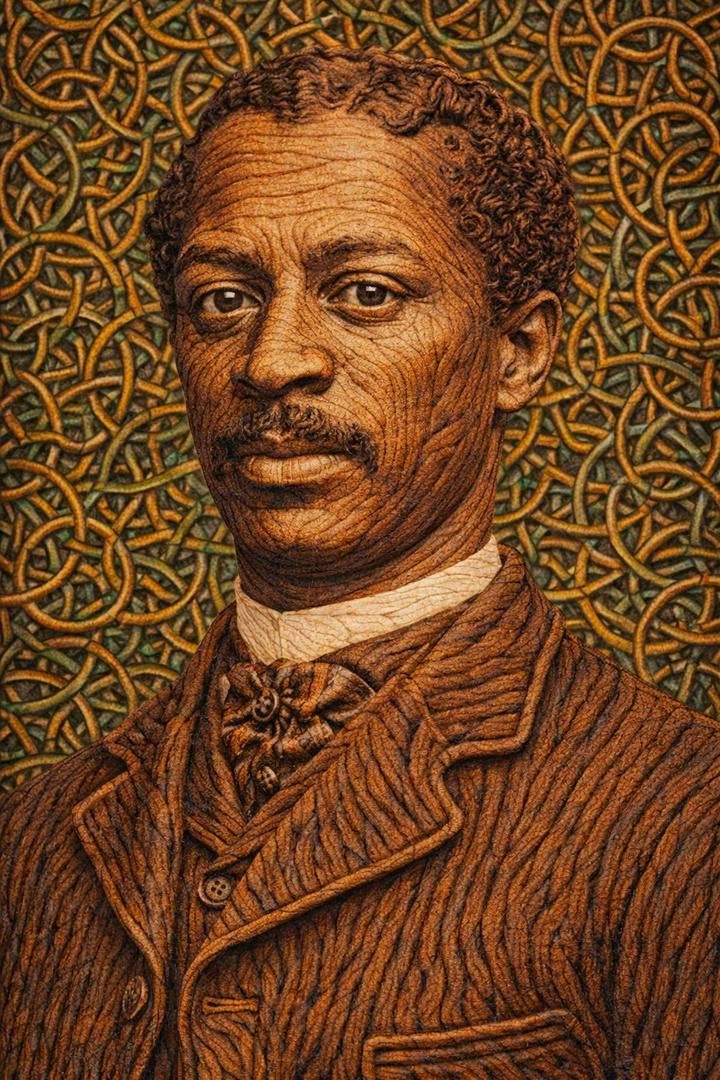
Robert Tanner Freeman was a young man from Washington, D.C., who came of age in a nation that tried to keep Black Americans out of higher education and the professions. Born in 1846, he lived in an era when opportunity was guarded closely and the path into professional life was filled with barriers. Still, he refused to accept the limits placed before him. As a young man, Freeman worked under Dr. Henry Bliss Noble, a white dentist in Washington who became his mentor and encouraged him to study dentistry. At a time when Black students were routinely denied admission to professional schools, Freeman pushed forward with determination. In 1867 he entered Harvard Dental School, and in 1869 he became the first Black man in the United States to earn a formal dental degree. After completing his education, Freeman returned to Washington, D.C., where he opened a dental practice and served his community. His presence in the profession carried weight during a time when Black professionals were rarely seen in such spaces. By establishing himself as a trained dentist, he helped open a path for others who would follow. Robert Tanner Freeman’s story is not only about education. It reflects persistence, discipline, and the courage to step into rooms that had long been closed to people like him. His career was brief, but the example he set became part of a larger movement as Black Americans pushed into medicine, dentistry, education, and other professional fields. Freeman died in 1873 at only 27 years old. Though his life was short, his achievement remains a powerful part of the history of Black advancement in American professional life. #OurHistory #RobertTFreeman #BlackHistory #MedicalHistory #DentalHistory #BlackExcellence #AfricanAmericanHistory #LataraSpeaksTruth

LataraSpeaksTruth

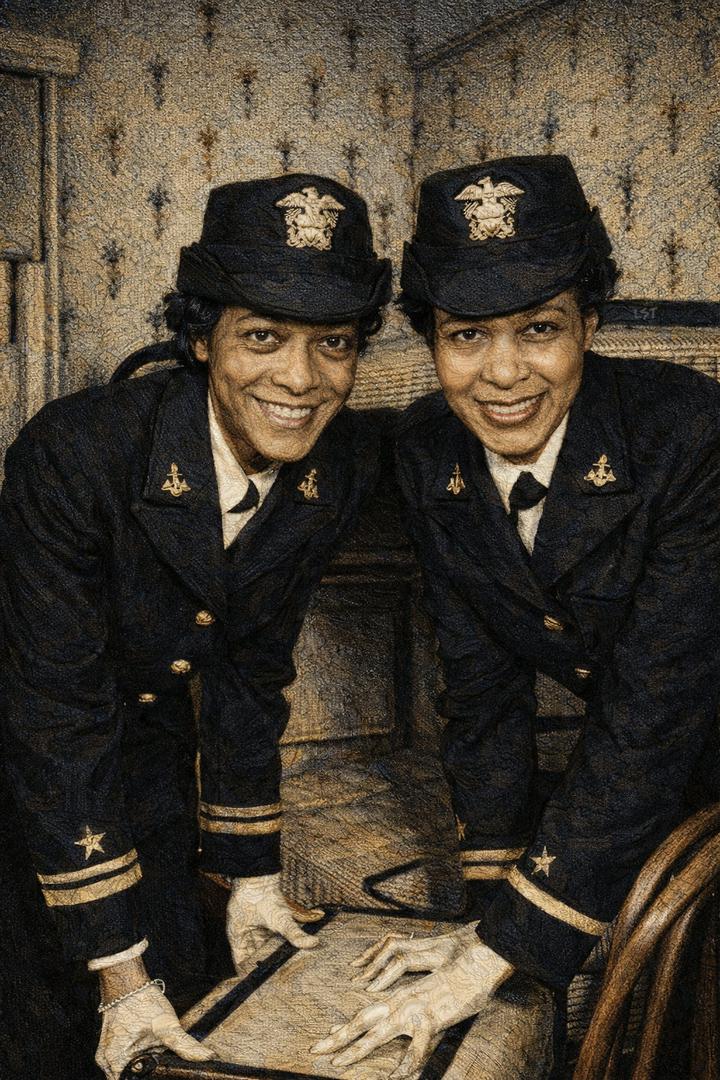
In 1944, Harriet Ida Pickens and Frances Elizabeth Wills made history as the first Black women commissioned as officers in the United States Navy. Their achievement came through the WAVES program, which stood for Women Accepted for Volunteer Emergency Service. The program had been created during World War II to allow women to serve in the Navy, but Black women were initially excluded. For years, the Navy resisted allowing them into the program. That changed in October 1944 when the Navy finally opened the WAVES program to Black women after pressure from civil rights advocates and the growing demand for personnel during the war. Harriet Pickens and Frances Wills were among the first selected for officer training. Both women attended the U.S. Naval Reserve Midshipmen’s School at Smith College in Northampton, Massachusetts. In December 1944, they completed their training and were officially commissioned as officers in the United States Navy. Harriet Ida Pickens came from a family known for leadership and public service. She was the daughter of William Pickens, a prominent civil rights leader connected to the NAACP. Frances Wills was a trained social worker who later documented her experience in her memoir Navy Blue and Other Colors. Their commissioning did not immediately end discrimination inside the military. Opportunities for Black service members remained limited and segregation still existed across much of the armed forces. Even so, their presence in uniform marked an important turning point. Harriet Ida Pickens and Frances Wills showed that Black women could serve as leaders in roles the Navy had long denied them. Their achievement in 1944 remains an important milestone in the history of military service and expanding opportunity. #OurHistory #HarrietIdaPickens #FrancesWills #MilitaryHistory #WomensHistory #LataraSpeaksTruth

LataraSpeaksTruth

Recy Taylor’s story is not only about what was done to her. It is also about what the legal system refused to do afterward. In 1944, Recy Taylor was a 24 year old Black wife and mother living in Abbeville, Alabama. On her way home from church, she was abducted at gunpoint by a group of white men and assaulted. She reported the crime immediately. One of the men later admitted his role and identified the others involved. That should have been enough. It was not. Instead of justice, Taylor faced the full weight of a system that did not treat her pain, her dignity, or her safety as worth protecting. Two all white grand juries refused to indict her attackers. No one was held accountable. But this story does not end in silence. Her case drew national attention. Rosa Parks investigated it for the NAACP. Supporters organized through the Committee for Equal Justice for Mrs. Recy Taylor. Black newspapers covered the case. People spoke her name, demanded action, and forced the country to confront a truth it often tried to hide. Long before the civil rights movement became a chapter in textbooks, Black women like Recy Taylor were already standing at the center of that fight. Her story exposed more than one crime. It exposed a system that could hear a confession, see a victim come forward, and still choose not to act. That is why Recy Taylor matters. Not just because she survived something horrific, but because her case revealed how deeply the law could fail Black women while claiming to stand for justice. History often celebrates the marches, the speeches, and the victories. But before many of those moments came the women whose suffering was ignored, whose courage was tested, and whose truth refused to disappear. Recy Taylor was one of them. #OurHistory #RecyTaylor #CivilRightsHistory #WomensHistory #BlackHistory #LataraSpeaksTruth

LataraSpeaksTruth

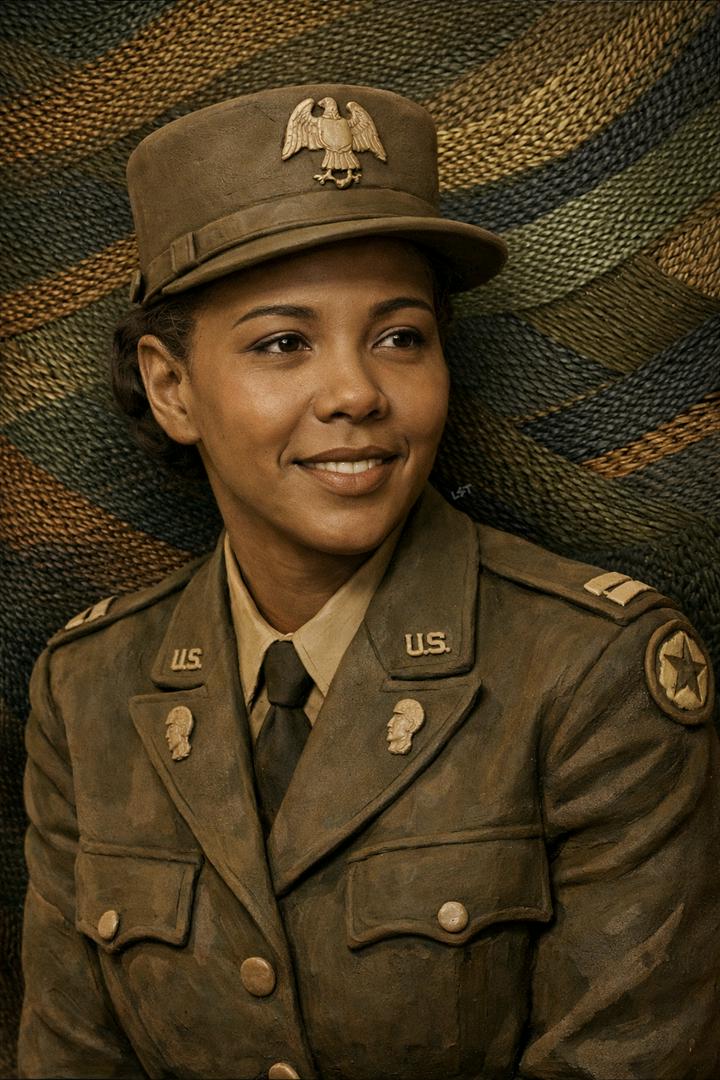
Charity Adams Earley did not quietly step into history. She walked into it wearing a uniform. Born in 1918 in North Carolina and raised in South Carolina, Charity Adams Earley came of age in a country where race and gender were often used to limit what a person could become. She refused to accept those limits. In 1942, she joined the Women’s Army Auxiliary Corps, later known as the Women’s Army Corps, and became part of the first class of Black women officers. During World War II, she rose through the ranks and was selected to lead the 6888th Central Postal Directory Battalion, known as the Six Triple Eight. This was the only all Black women’s Army unit sent overseas during the war. Their mission was urgent and enormous. Millions of letters and packages had piled up in Europe, leaving American troops waiting for word from home. Under Adams Earley’s leadership, the battalion worked in harsh conditions in England and later France. They sorted and redirected mail around the clock with speed, discipline, and precision. The unit cleared the backlog in far less time than expected, helping restore morale for troops fighting far from home. By the end of the war, Charity Adams Earley had become the highest ranking Black woman officer in the U.S. Army during World War II. Her story is not about opinion or internet debate. It is about documented service, proven leadership, and a woman who handled a wartime crisis with excellence. Charity Adams Earley did her job, led her unit, and left a record that still stands. #OurHistory #CharityAdamsEarley #6888th #MilitaryHistory #WWIIHistory #LataraSpeaksTruth