Tag Page GutHealth

#GutHealth
Lucas Mendez

When Midlife Bloating Isn’t “Just Your Period Changing”

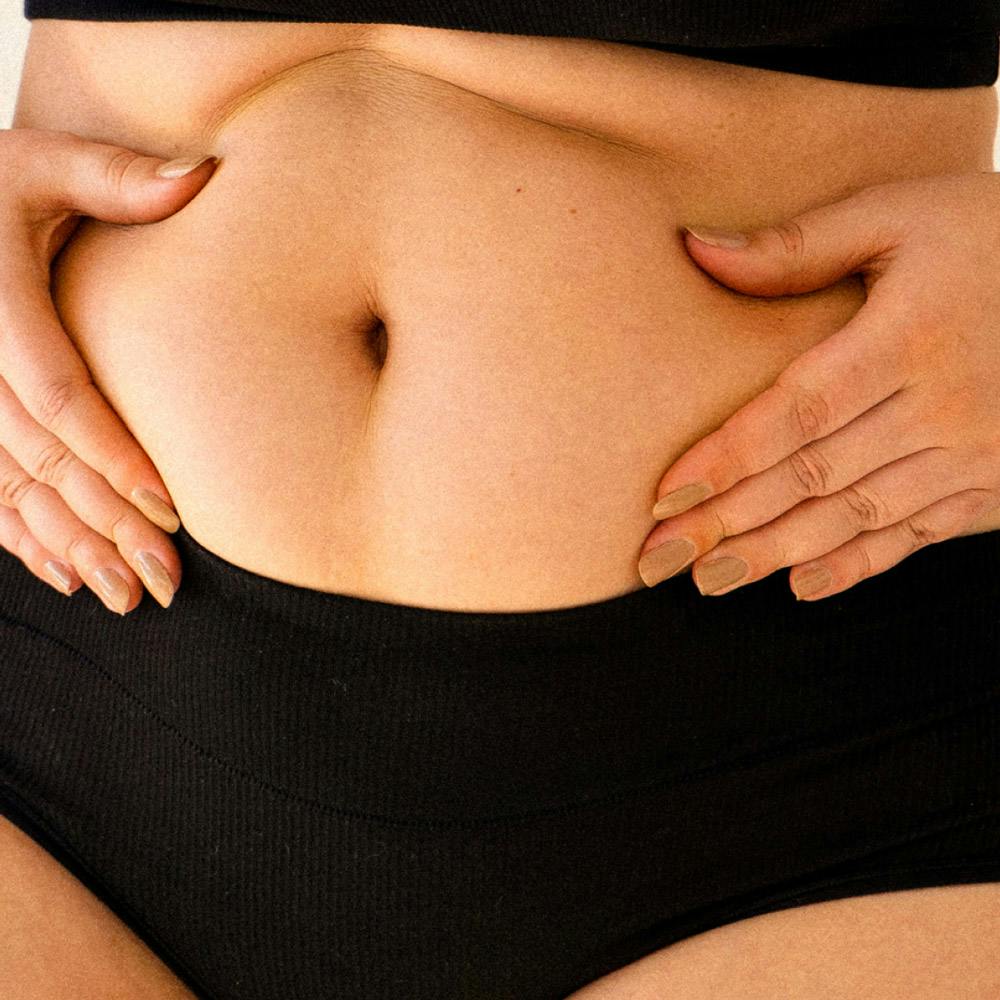
Persistent bloating during midlife often gets overlooked — even by doctors. But the data is strong: gut motility slows by up to 30% in perimenopause, and estrogen decline changes the gut microbiome, increasing gas and sensitivity. Women often describe this as “looking pregnant at night,” cycling between flat in the morning and distended by evening. This symptom affects self-esteem, social interactions, appetite, and even breathing comfort. Helpful interventions include walking after meals, reducing carbonated drinks, increasing soluble fiber, tracking FODMAP triggers, and checking for underlying issues like SIBO, which becomes more common in women over 45. Your bloating is not “小题大做.” It's a real physiological shift — and understanding it is the first step toward relief. #Health #WomensHealth #GutHealth

When Midlife Bloating Isn’t “Just Your Period Changing”
Lucas Mendez

Why Midlife Women Suddenly React to Foods They Ate for Years

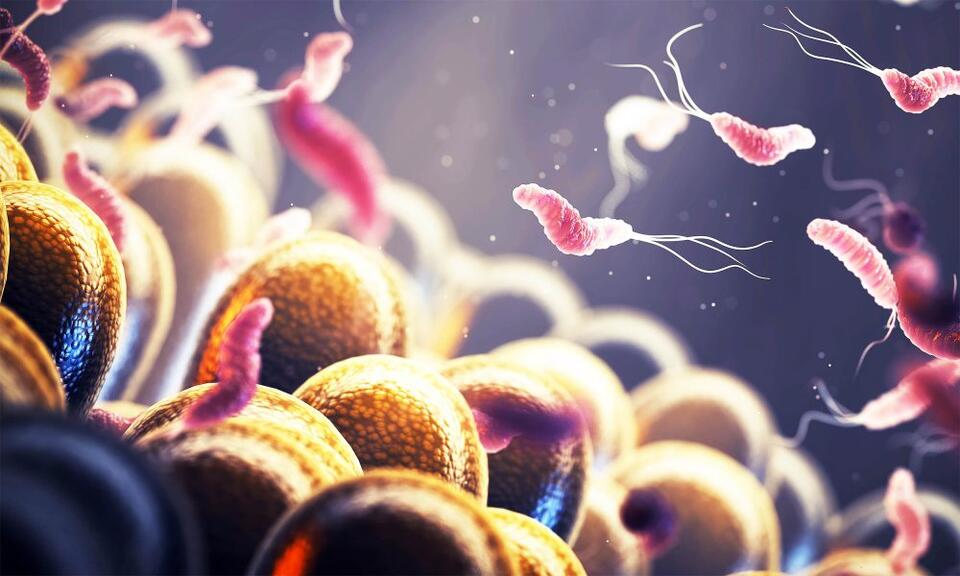
It feels unfair — foods you tolerated your whole life suddenly cause bloating, cramps, or nausea. But there’s a physiological reason: declining estrogen affects gut motility and microbiome diversity. Studies show that women in perimenopause experience a 30–40% reduction in certain beneficial gut bacteria, altering digestion. This can lead to temporary intolerance to dairy, high-fat foods, or even caffeine. The goal isn’t to cut everything out forever — it’s to stabilize the gut environment. Small adjustments like probiotics, fiber, warm meals, and slow eating help digestion recalibrate. If symptoms persist, testing for SIBO or celiac disease is worth considering — both peak in midlife women. Your body isn’t betraying you — it’s recalibrating. #Health #WomensHealth #GutHealth

Why Midlife Women Suddenly React to Foods They Ate for Years
Lucas Mendez

Digestive Surprises in Midlife Women

Many midlife women notice sudden digestive changes — bloating, acid reflux, or irregular bowel movements. Research shows that perimenopause and early menopause affect gut motility and microbiome diversity, contributing to these symptoms. Even foods that were previously harmless can trigger discomfort. The cause is hormonal: estrogen and progesterone influence gut enzyme production and gut flora balance. The result is slower digestion, gas, or food intolerance. Management strategies: mindful eating, reducing high-fat processed foods, probiotic-rich meals, walking after meals, and occasionally testing for food sensitivities. Small, consistent interventions restore comfort and nutrient absorption. Your gut is not “rebelling” — it’s adapting to a new hormonal environment. Listening to it prevents long-term issues. #Health#WomensHealth #GutHealth

Digestive Surprises in Midlife Women
Lucas Mendez

Midlife Gut Changes That Make You Feel Sluggish

Many women in their 40s and 50s notice bloating, constipation, or sudden digestive sensitivity. It’s easy to blame diet or stress, but science shows a more complex picture. Studies indicate that gut microbiome diversity declines by nearly 25% in women during perimenopause, affecting nutrient absorption, energy levels, and even mood. This is why the same foods you’ve always eaten suddenly trigger bloating or fatigue. The body’s ability to process fiber, fats, and sugar changes with hormones. The result? Feeling heavier, sluggish, and frustrated, even if you haven’t changed your lifestyle. Practical steps that help: introducing fermented foods to restore gut flora, adjusting fiber intake, staying hydrated, walking after meals, and considering probiotics backed by clinical trials. These interventions alone improve digestion and energy for most women. You’re not imagining it. Your body is recalibrating, and understanding these changes is the first step toward feeling vibrant again. #Health#WomensHealth #GutHealth

Midlife Gut Changes That Make You Feel Sluggish
Lucas Mendez

Why No One Talks About Midlife Digestive Problems

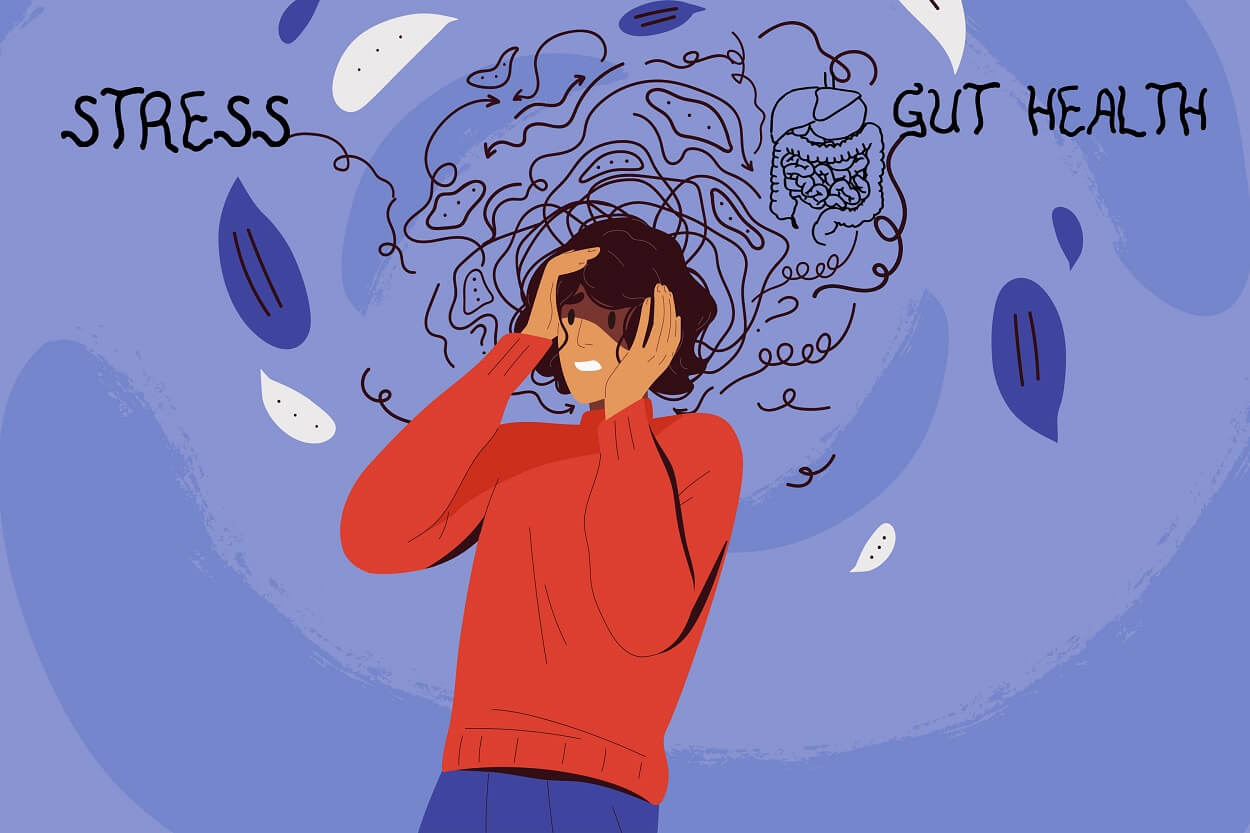
But 61% of Women Have Them Bloating. Sudden food sensitivities. Constipation that appears out of nowhere. Doctors often hand-wave: “Eat fiber,” “Stress less,” “You’re getting older.” But the truth? Hormonal fluctuation directly impacts gut motility, enzyme production, and gut-brain signaling. A 2022 study from the American Gastroenterological Association found: 61% of midlife women experience new digestive symptoms 42% develop increased IBS-like symptoms during perimenopause 30% report food intolerances they never had before This is real physiology — not “being sensitive.” What actually helps, according to data: Women increasing soluble fiber by just 5g/day see 20% reduction in bloating. Probiotics containing Bifidobacterium lactis reduce constipation frequency by up to 57%. Eating the largest meal earlier in the day improves digestion and reduces nighttime reflux. Your gut is not failing you — it’s recalibrating. Your discomfort deserves to be seen, not dismissed. Tags: #Health #GutHealth

Why No One Talks About Midlife Digestive Problems