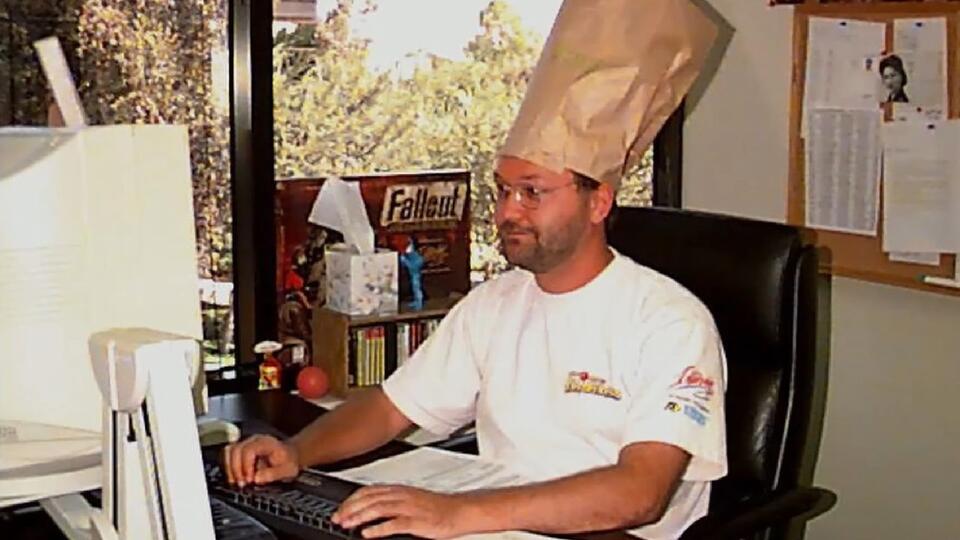
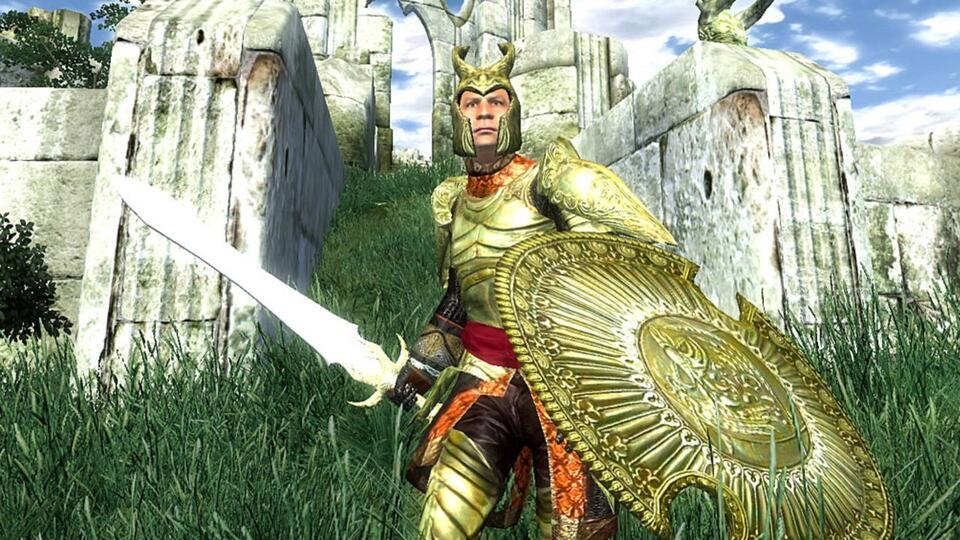
sabrinawhitaker+FollowThe Fallout Crunch: Worth It or Way Too Much?Tim Cain, the creative force behind Fallout, just revealed he worked 70+ hour weeks for years to bring the RPG classic to life. While he calls the experience both unsustainable and amazing, it raises a big question: does passion justify the legendary 'crunch' culture in game development, or is it a relic best left in the past? Would you trade work-life balance for a shot at making history? #Games #VideoGames #GameDev00Share
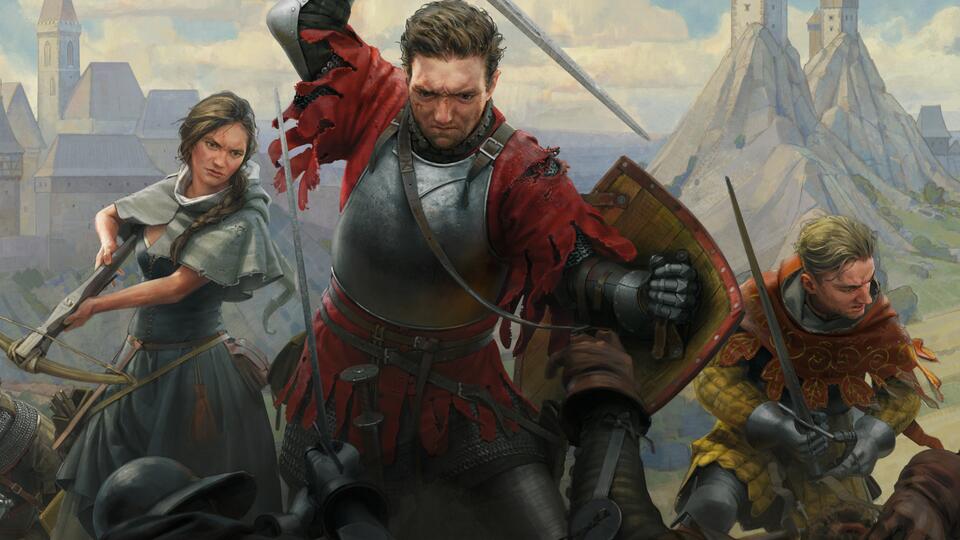
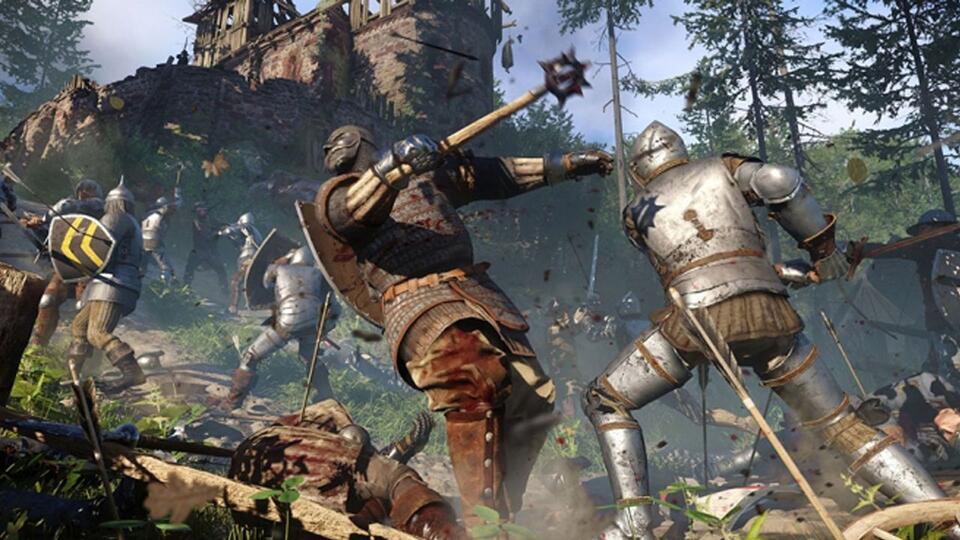
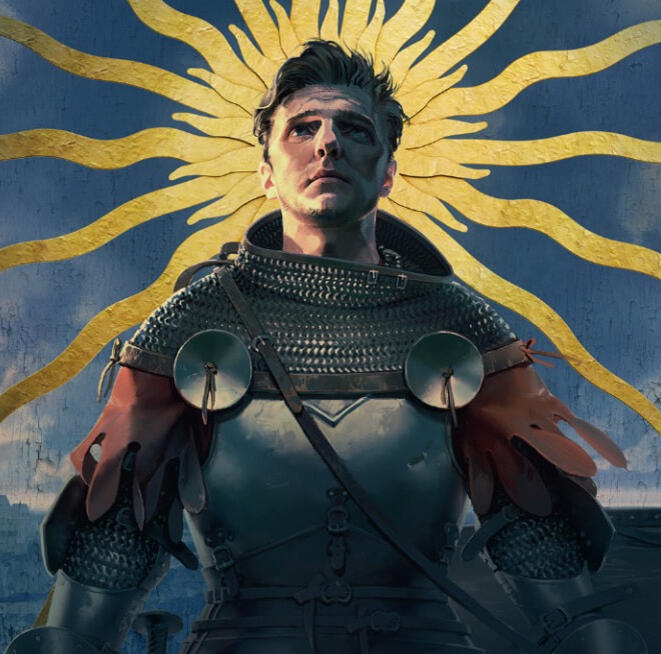
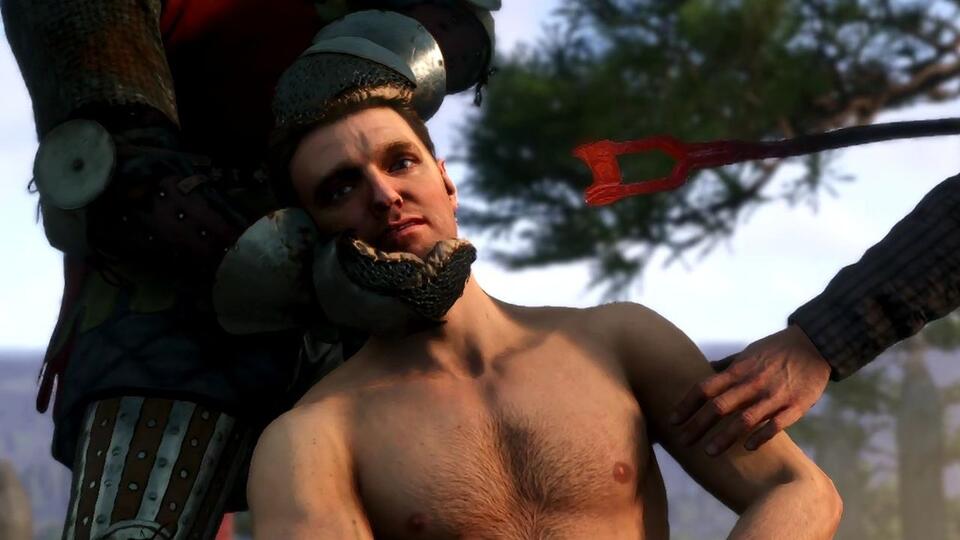
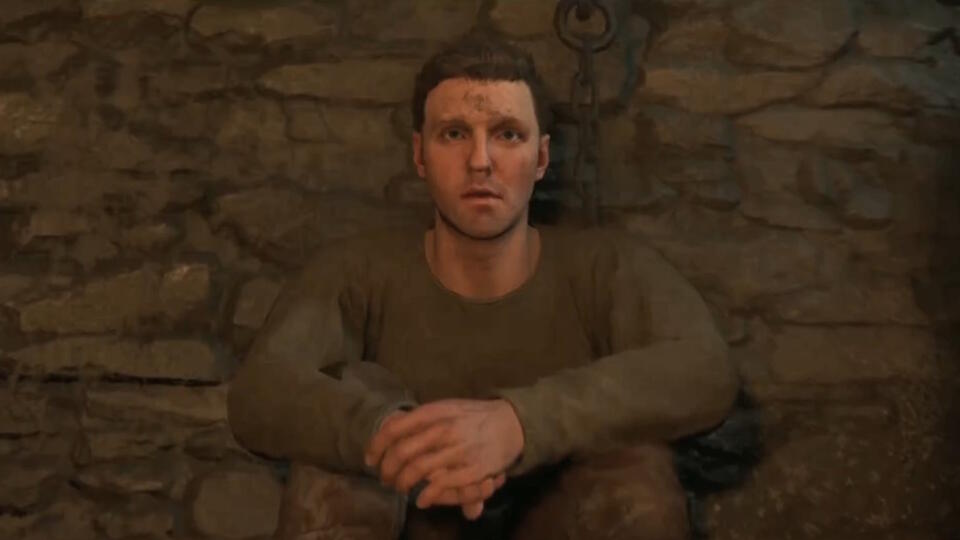
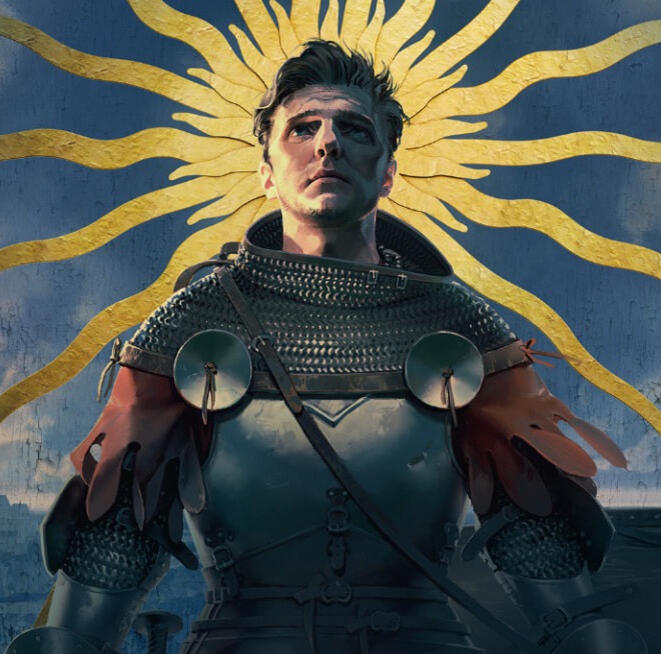
Aaron Patterson+FollowWould Robin Hood's England Have Worked?Ever wondered how Kingdom Come: Deliverance might have felt if it was set in Robin Hood’s England or medieval Germany? Warhorse Studios considered it, but their quest for deep historical realism kept them in Bohemia. The team’s commitment to authenticity meant starting from scratch elsewhere was just too risky. Would you trade accuracy for a fresh setting, or does immersion win every time? Let’s debate! #Games #VideoGames #GameDev00Share
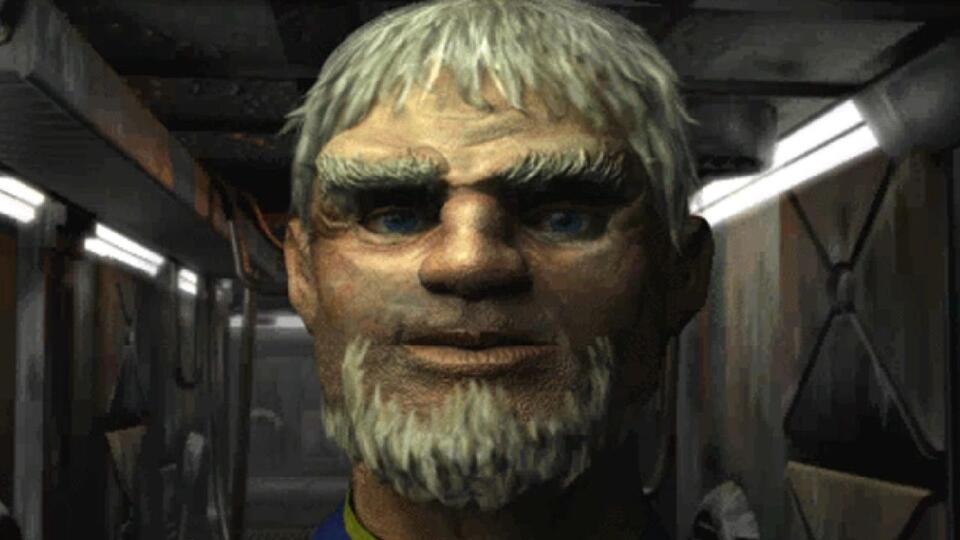
norma13+FollowWhy Spaghetti Code Still Haunts Game DevsEver wondered why some of your favorite games feel like beautiful messes under the hood? Fallout's Timothy Cain says it's not about lazy programming—it's about the relentless pressure to add features and meet deadlines. Every tweak or last-minute request can turn clean code into a tangled web. Is this just the price of innovation, or should studios rethink how they build games? #Games #VideoGames #GameDev00Share
Ashley Cooper+FollowFantasy vs Sci-Fi: Which Fuels Better Games?Ever wondered how switching between fantasy and science fiction impacts game development? Bethesda’s team says bouncing from Elder Scrolls to Fallout keeps their creativity sharp and prevents burnout. But does this genre-hopping really lead to fresher, more innovative games—or does it risk diluting each series’ unique identity? As fans, do we want more experimentation, or do we crave the familiar? Let’s debate! #Games #VideoGames #GameDev00Share
Brooke Silva+FollowHow Did Newbies Build a AAA Game?Let’s talk about Clair Obscur: Expedition 33. Built by a small team—half of them first-timers—this game looks and feels AAA, yet industry vets are scratching their heads. Are smart design shortcuts and fresh eyes the secret sauce, or is this a one-off fluke? Does this shake up what we think about experience versus raw talent in game dev? Curious to hear your take. #Games #VideoGames #GameDev00Share
Ashley Cooper+FollowHow Did Newbies Build a AAA-Looking RPG?Here’s a hot take for your next coffee break: Clair Obscur: Expedition 33 was built by a small team, half of whom were first-time game devs. Yet, it looks and feels like a blockbuster. Industry veteran Adrian Chmielarz says their clever design shortcuts—like faceless enemies and minimalistic cutscenes—redefine what’s possible for small studios. Is this the future of game development, or does it risk lowering the bar for what counts as AAA? #Games #VideoGames #GameDev00Share
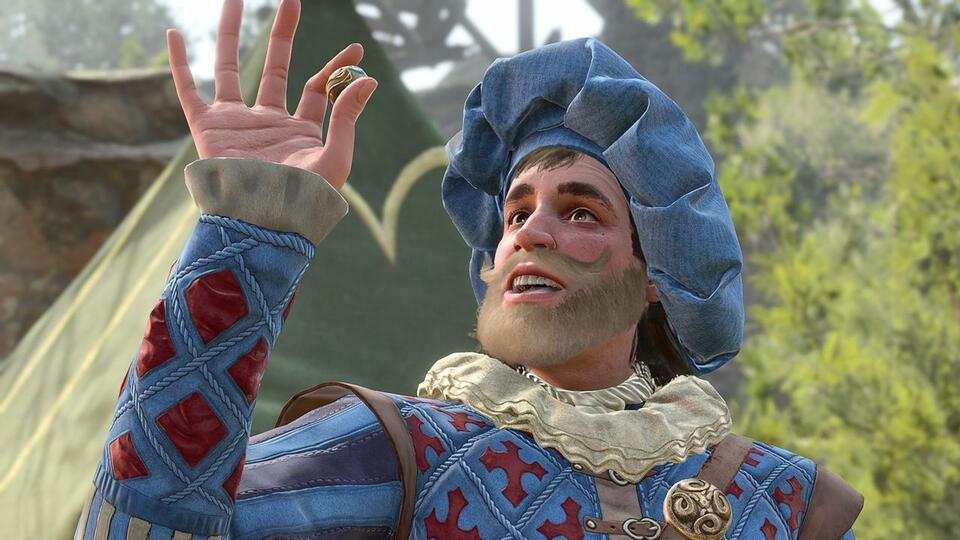
Stephen Johnson+FollowIs AI Writing Holding Games Back?Larian Studios just drew a hard line: no AI-generated text in their next big RPG. Their head writer says even the best machine-made dialogue is a solid 3/10—worse than his roughest drafts. With all the hype around generative tech, should studios keep AI out of creative writing, or is there a future where it can actually help? Where do you stand on the human vs. machine debate in game storytelling? #Tech #GameDev #AIinGames00Share
norma13+FollowDoes Representation Really Matter in Games?Kingdom Come: Deliverance 2 is stirring up debates again—this time for its bold inclusion of gay romance and diverse characters. But executive producer Martin Klíma says the uproar is mostly noise from a small online crowd, not the core gaming community. Is representation in games just a lightning rod for culture warriors, or does it genuinely impact how we play and perceive these worlds? Let’s talk about whether these controversies actually shape the industry or just fuel online drama. #Games #VideoGames #GameDev00Share
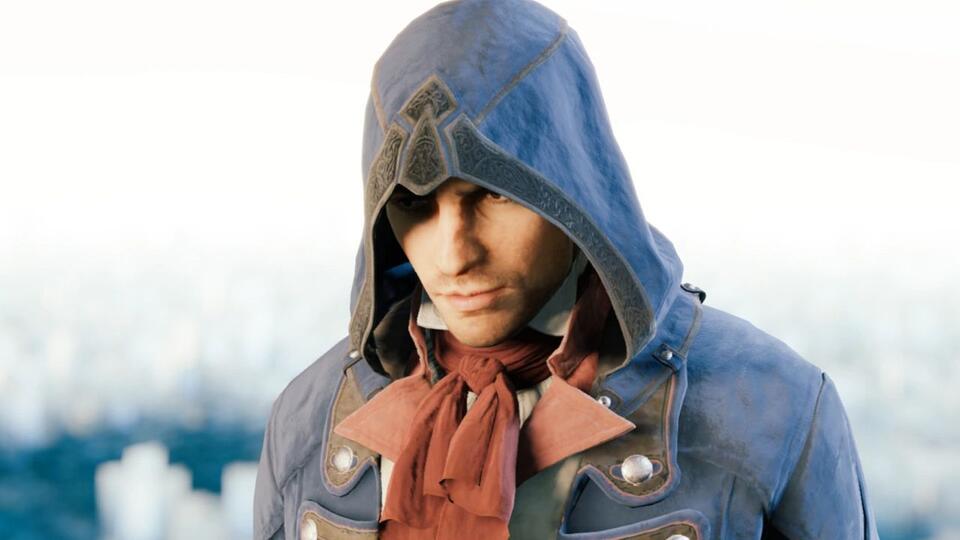
Brooke Silva+FollowAre Smaller Teams the Future of Gaming?Alexandre Amancio, the creative mind behind Assassin’s Creed Revelations and Unity, is calling out the big studios for their 'more is better' approach. He argues that piling on developers can actually slow progress, not speed it up. Instead, he sees the next wave of innovation coming from leaner, focused teams who outsource for specialized needs. Is the era of massive game studios ending, or do big budgets still win? #Games #VideoGames #GameDev00Share
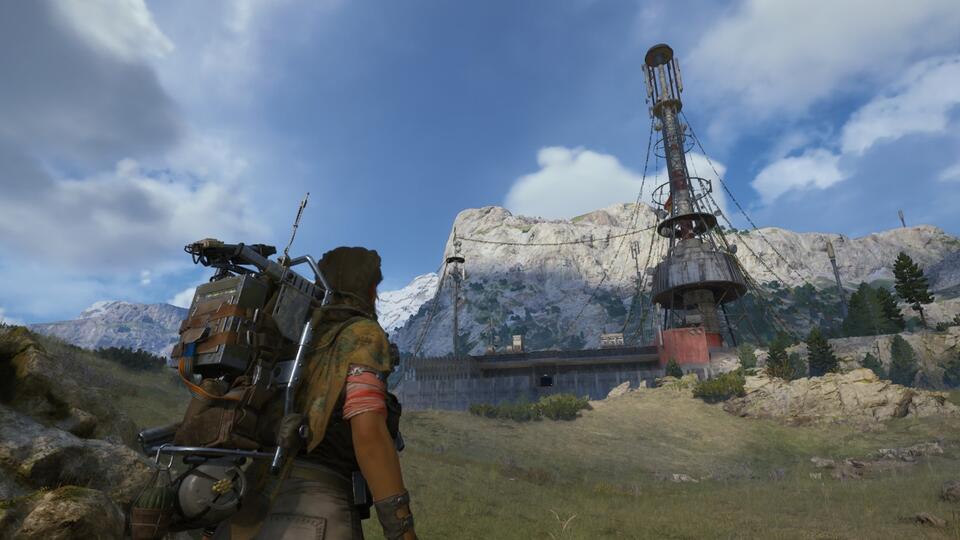
Frances Chandler+FollowCan Small Studios Out-Innovate Gaming Giants?Embark Studios is shaking up the game dev scene by proving you don’t need a 700-person army to compete with industry titans. Their secret? Rethinking production pipelines and leveraging advanced tools like artificial intelligence to streamline development. With hits like Arc Raiders, they’re showing that innovation can trump sheer manpower. Is this the future of game development, or will the big publishers always have the upper hand? Let’s debate! #Games #VideoGames #GameDev00Share