Tag Page EconomicJustice

#EconomicJustice
David Taylor

##PATTERNS… THE DESTRUCTION OF BLACK PROSPERITY: AN AMERICAN CYCLE A PATTERN, NOT AN ACCIDENT Across U.S. history, whenever Black communities built land, businesses, banks, towns, or trade networks, those gains were repeatedly erased. From post-Reconstruction to the 20th century, Black prosperity was routinely dismantled through violence, policy shifts, displacement, and financial exclusion. This pattern is documented, measurable, and repeatable. BUILD — THEN ERASE Black farmers once owned millions of acres; today, less than a fraction remains. Black business districts flourished in dozens of cities; many were burned, flooded, rezoned, or seized. Wealth creation occurred—then was interrupted by force or design. This is not coincidence. It is a cycle. WEALTH WITHOUT PROTECTION FAILS Prosperity without sovereignty proved fragile. Assets built without control over land, capital access, legal protection, and narrative power were exposed to removal. History shows that accumulation alone was never enough; durability required systems owned and defended by the community itself. THE QUIET COST The psychological toll followed the economic loss—displacement, instability, and generational interruption. When progress is repeatedly destroyed, trust erodes, timelines reset, and communities are forced to rebuild from zero again and again. THE SHIFT THAT ENDS THE CYCLE The record shows a different path forward: collective ownership, protected land, cooperative economics, intergenerational planning, and cultural clarity. Where communities controlled infrastructure, capital flow, and education, prosperity endured longer and traveled further. THE TRUTH ON RECORD Black wealth did not fail. It was targeted. Understanding this history is not about grievance—it is about strategy. Liberation begins with remembering the pattern, then building beyond it. #BlackHistory #UntaughtHistory #EconomicJustice #CollectiveEconomics #LandAndLegacy BlackWealth CulturalSovereignty FreedomAnd

LataraSpeaksTruth

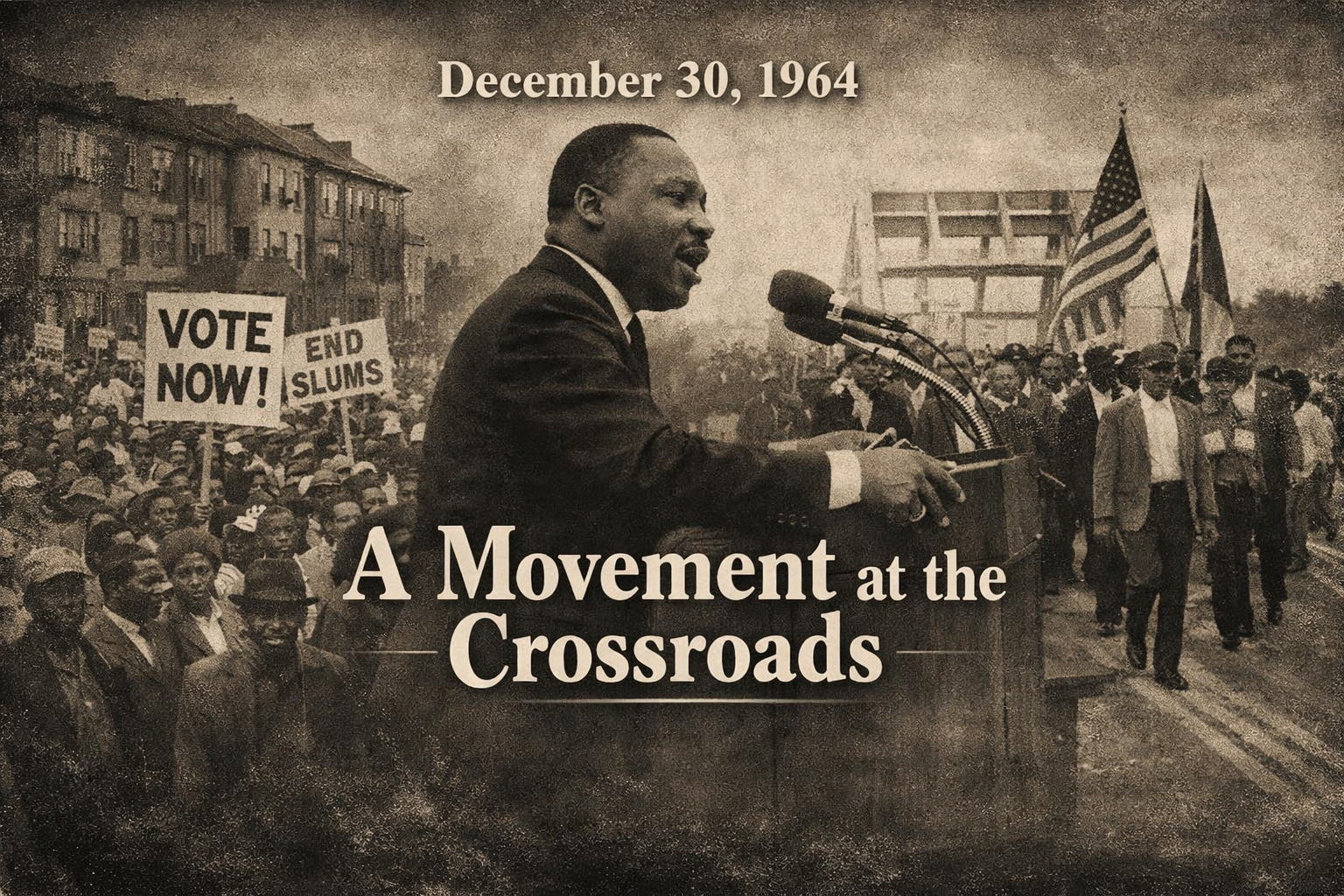
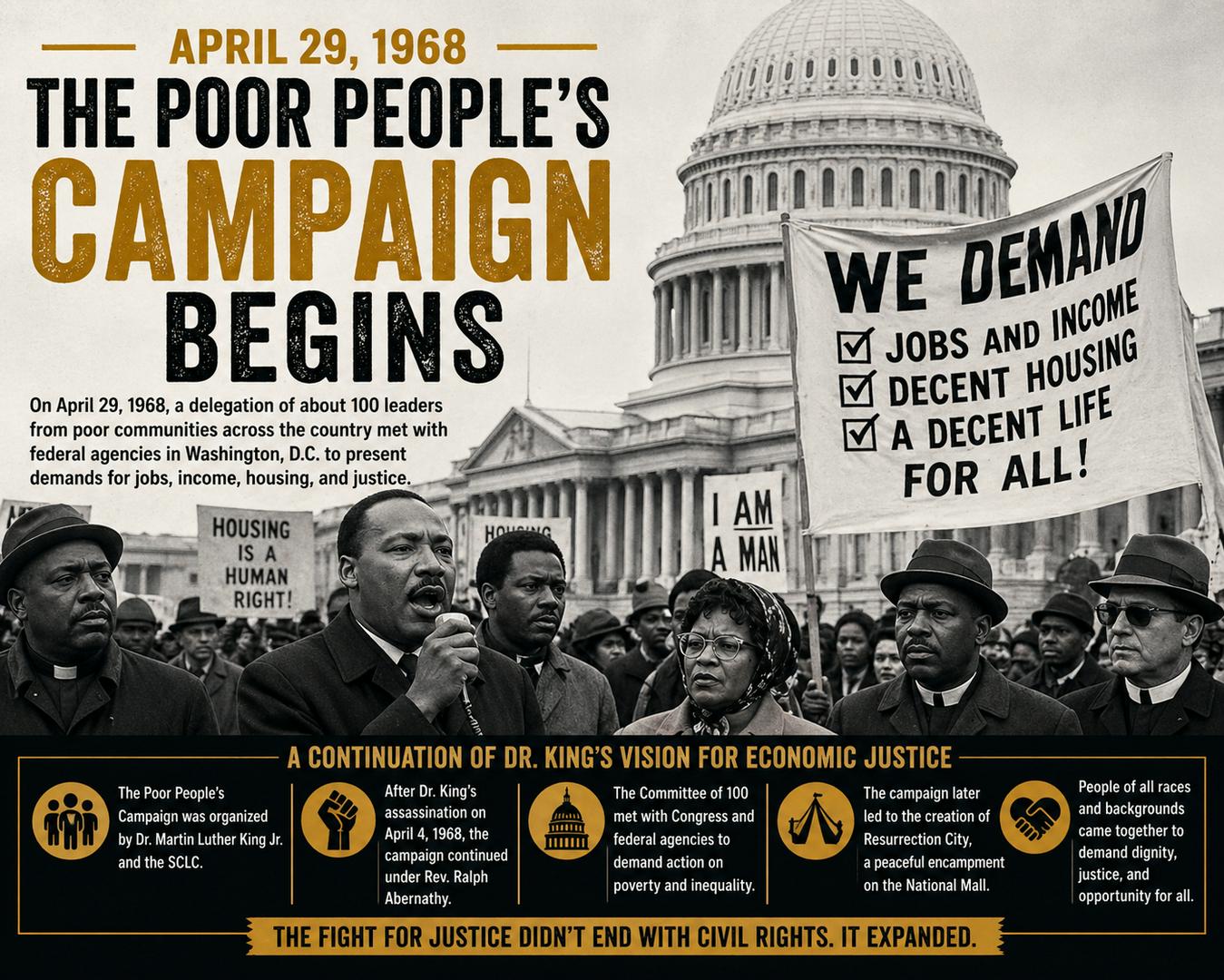
December 30, 1964 marked a moment of transition for the modern civil rights movement. In late December, Martin Luther King Jr. delivered one of his final major public addresses of the year as the movement stood between legislative victory and unresolved reality. The Civil Rights Act had been signed months earlier, yet resistance to enforcement remained widespread, underscoring that legal change had not automatically produced social or economic equality. King used his end of year speeches to signal where the struggle was headed next. While segregation laws had been formally dismantled, economic inequality, barriers to voting access, and entrenched segregation in Northern cities were becoming increasingly visible. He warned that discrimination was no longer confined to the South or expressed solely through explicit statutes, but embedded in housing patterns, employment practices, education systems, and political participation nationwide. By December 1964, King was placing greater emphasis on the connection between racial justice and economic justice. He spoke openly about poverty, unemployment, and the limits of symbolic progress when millions remained excluded from opportunity. Voting rights, still obstructed through intimidation and administrative barriers, emerged as a central priority, setting the stage for the campaigns that would define 1965. This period marked a shift in tone and strategy. The movement was moving beyond confronting visible segregation toward challenging structural inequality, a transition that would intensify public debate and resistance. King’s late December address reflected a movement no longer focused solely on passing laws, but on transforming the deeper conditions shaping American life. #History #USHistory #CivilRightsMovement #MartinLutherKingJr #VotingRights #EconomicJustice #AmericanHistory #SocialChange

LataraSpeaksTruth

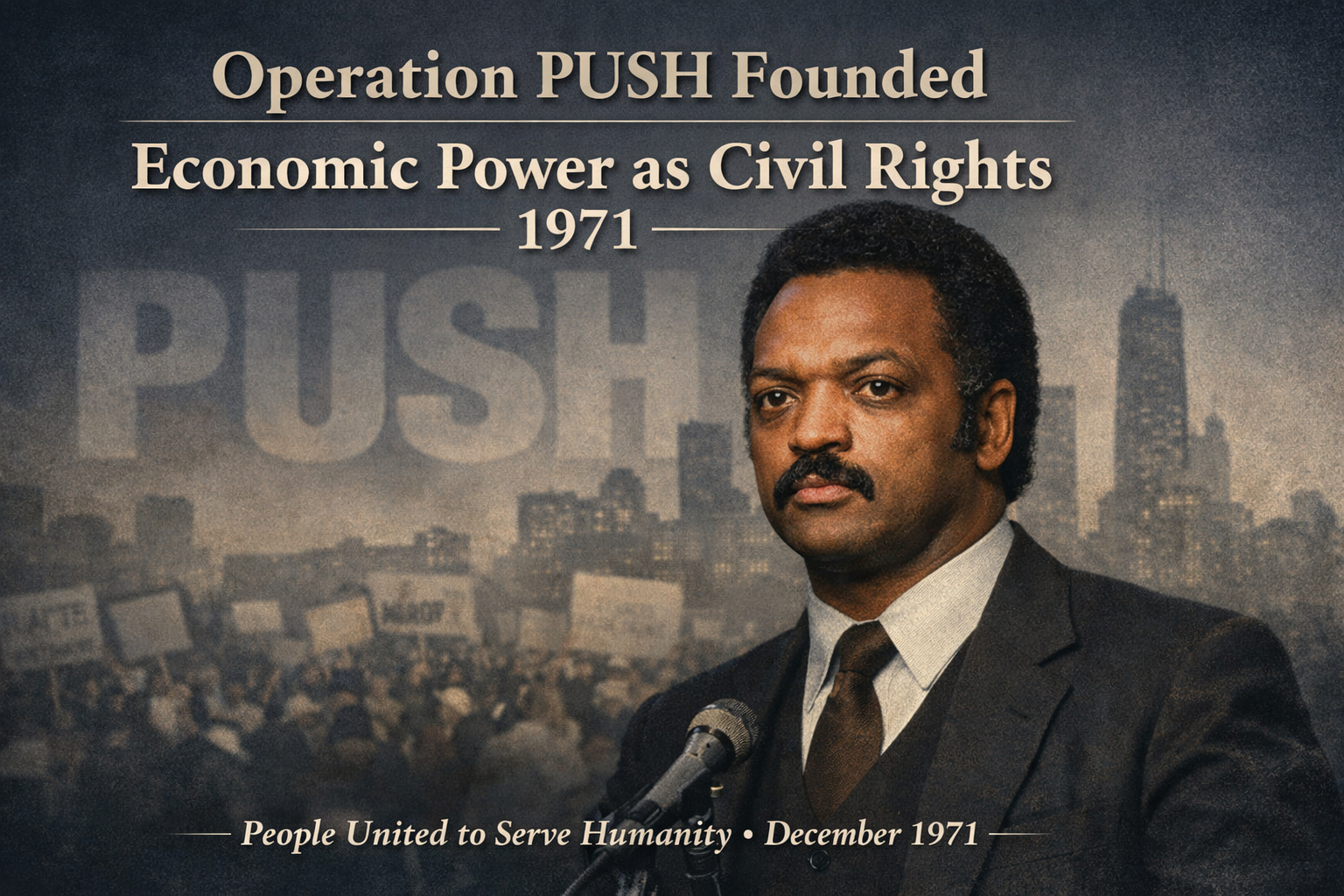
In December 1971, Rev. Jesse Jackson founded Operation PUSH (People United to Save Humanity), an organization that became a major force in promoting economic empowerment and corporate accountability in Black communities across the United States. The name later evolved to People United to Serve Humanity, reflecting a broader mission of long-term social and economic advancement. Operation PUSH was established after Jackson departed from Operation Breadbasket, the economic development arm of the Southern Christian Leadership Conference. While Breadbasket focused on negotiating fair hiring practices with major corporations, disagreements over leadership structure and direction led Jackson to pursue an independent path. This move marked a significant shift in post–civil rights era organizing, placing economic power and access at the center of the movement. Based in Chicago, Operation PUSH concentrated on expanding employment opportunities, increasing minority participation in corporate contracts, and strengthening Black-owned businesses. The organization used negotiations, boycotts, and public pressure campaigns to push companies toward more inclusive hiring and investment practices, producing measurable changes in several major industries. Operation PUSH also emphasized education as a pathway to economic progress. In later years, programs such as PUSH Excel supported student achievement and encouraged long-term success beyond high school. The founding of Operation PUSH reflected a broader transition in the civil rights movement during the early 1970s, as activists increasingly focused on economic equity and structural opportunity. In 1996, Operation PUSH merged with the Rainbow Coalition to form the Rainbow PUSH Coalition, which continues its work today. #OperationPUSH #JesseJackson #EconomicJustice #CivilRightsHistory #BlackEconomicPower #ChicagoHistory #SocialChange #HistoryMatters

You've reached the end!