Tag Page ChicagoHistory

#ChicagoHistory
LataraSpeaksTruth

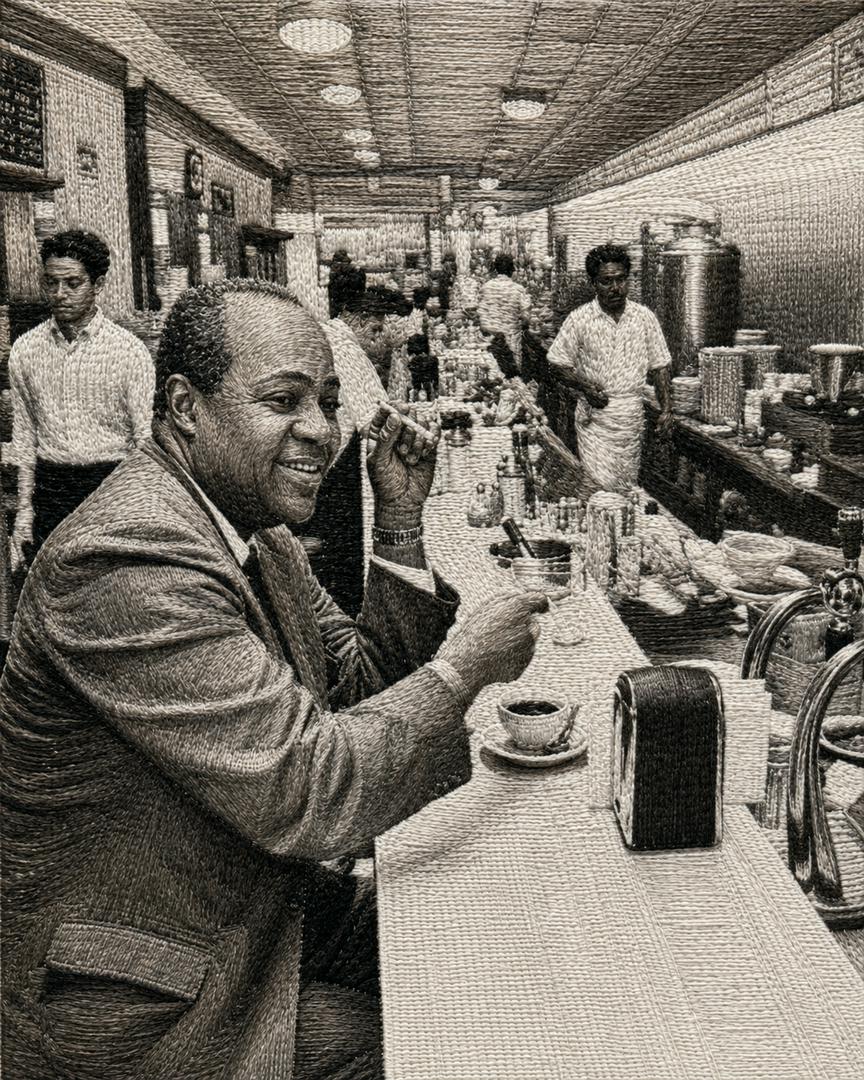
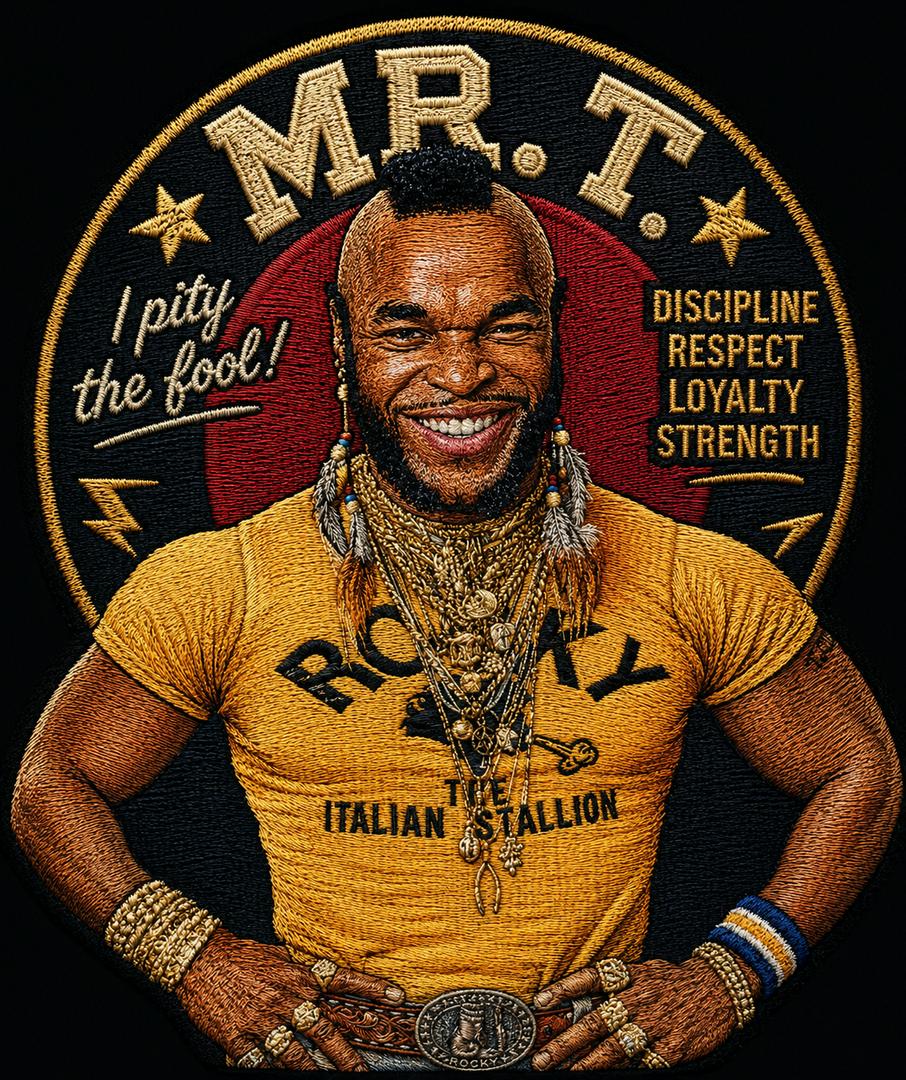
Born May 21, 1952, Mr. T became more than a catchphrase. Before the gold chains, the mohawk, and “I pity the fool,” he was Laurence Tureaud from Chicago’s South Side. Born into a family of 12 children, he grew up in the Robert Taylor Homes and became known early for discipline, toughness, and athletic ability. He attended Dunbar Vocational High School, where he played football, wrestled, and studied martial arts. That foundation helped shape the larger-than-life figure America would later recognize. Before Hollywood, he served in the U.S. Army, worked as a bouncer, and became a bodyguard for major names including Muhammad Ali and Michael Jackson. His bold image was not random. The gold chains became part of his look during his bouncer years, while his hairstyle was inspired by Mandinka warriors. His name, his image, and his presence were tied to respect, identity, and being seen as a man in a world that often denied Black men that basic dignity. His breakout moment came when Sylvester Stallone cast him as Clubber Lang in Rocky III. From there, Mr. T became a household name. His role as B.A. Baracus on The A-Team turned him into one of the most recognizable stars of the 1980s. But behind the tough-guy image was also someone who became a role model for children, using television, music, and public appearances to promote discipline, confidence, and staying away from trouble. Mr. T’s story is not just about fame. It is about a man who built an identity so strong that the world had no choice but to remember it. From Laurence Tureaud to Mr. T, he turned survival, style, and self-respect into a cultural legacy. #MrT #BlackHistory #OnThisDay #EntertainmentHistory #ChicagoHistory #TheATeam #RockyIII #BlackExcellence #PopCultureHistory

LataraSpeaksTruth

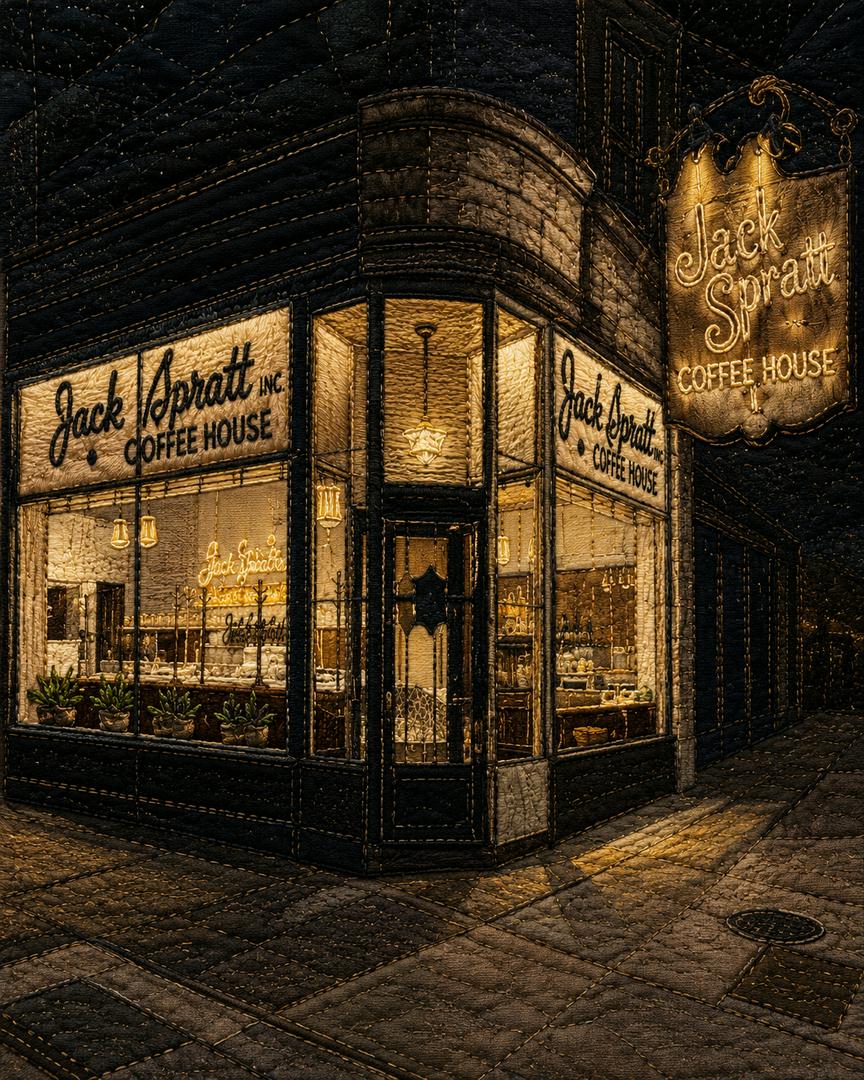
On May 15, 1943, Chicago CORE carried out one of the early organized sit-ins against discrimination in public accommodations. Twenty-eight people entered Jack Spratt in small groups. Each group included at least one African American person. White customers were served, while African American customers were refused. Instead of eating, the white participants passed food to their companions or refused to eat until everyone was served. The manager tried to separate the group, suggesting African American customers eat in the basement or in a back corner. Farmer refused. The police were called, but they reportedly said the protesters had broken no law. Eventually, the restaurant served everyone. Follow-up visits showed that Jack Spratt had changed its policy. This sit-in did not become as famous as the 1960 lunch counter protests, but it helped shape the playbook. It showed how disciplined, nonviolent direct action could expose discrimination without needing a courtroom first. Sometimes history does not begin where the textbooks start. Sometimes it starts with a donut, a counter, and people refusing to accept second-class treatment. #History #ChicagoHistory #JamesFarmer #CORE #CivilRightsHistory #AmericanHistory #May15

LataraSpeaksTruth

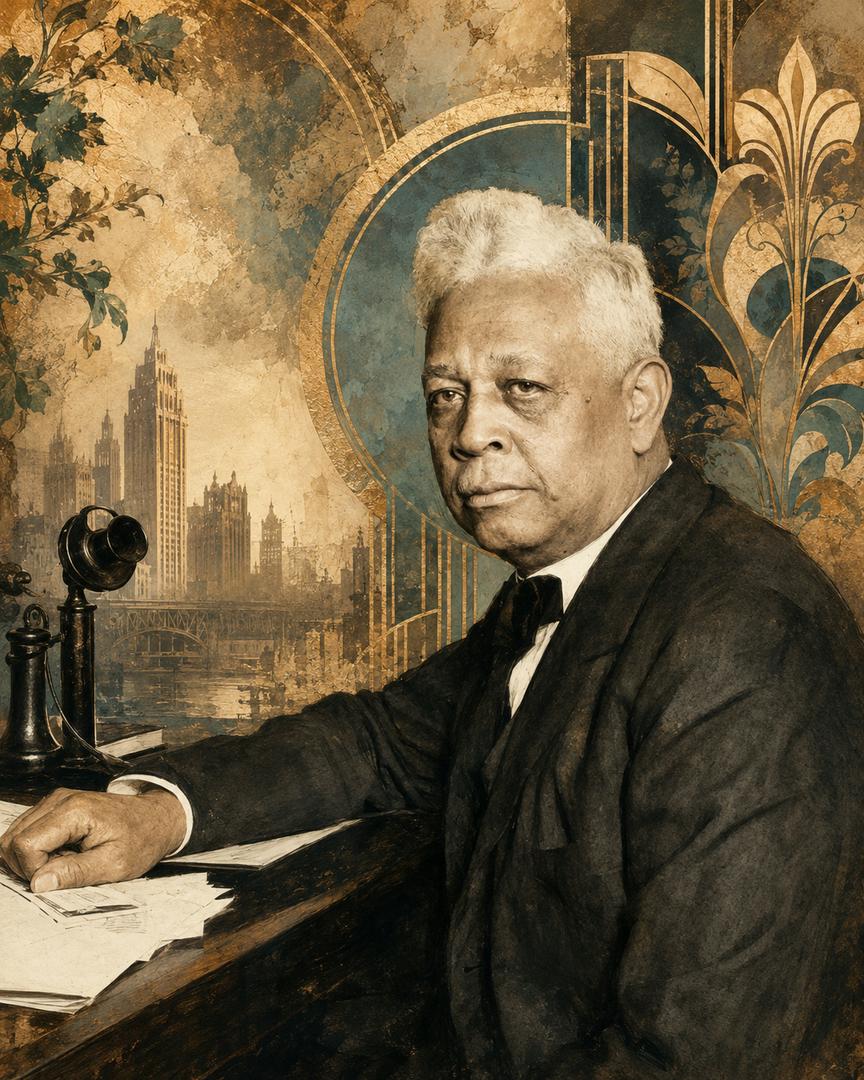
May 12, 1951… Oscar Stanton De Priest Died Oscar Stanton De Priest was not just a politician. He was a door-opener at a time when Black representation in Congress had been absent for nearly three decades. Born in Florence, Alabama, in 1871, De Priest later built his political career in Chicago. He worked in real estate, served in local government, and became a powerful figure in the city’s political world. In 1928, he was elected to represent Illinois’ 1st Congressional District, making him the first Black person elected to Congress in the 20th century. His victory ended a gap that began after George Henry White of North Carolina left Congress in 1901. De Priest also became the first Black U.S. representative elected from outside the South, showing how Black political power was growing in northern cities like Chicago. From 1929 to 1935, De Priest was the only Black member of Congress. That meant he carried a heavy responsibility. He spoke against segregation, challenged discrimination, and pushed for equal treatment in federal spaces. In 1934, he fought against discrimination in the House Restaurant, where Black visitors and staff could still be denied service. His presence alone challenged the racial boundaries of the time. In 1929, his wife, Jessie De Priest, attended a White House tea hosted by First Lady Lou Hoover. The invitation caused national controversy simply because a Black congressional wife had entered a space many people wanted to keep segregated. Oscar Stanton De Priest died in Chicago on May 12, 1951, at age 80. His legacy is not just that he won an election. It is that he returned Black representation to Congress after decades of absence and helped prove that closed doors could open again. #OscarStantonDePriest #BlackHistory #May12 #ChicagoHistory

LataraSpeaksTruth

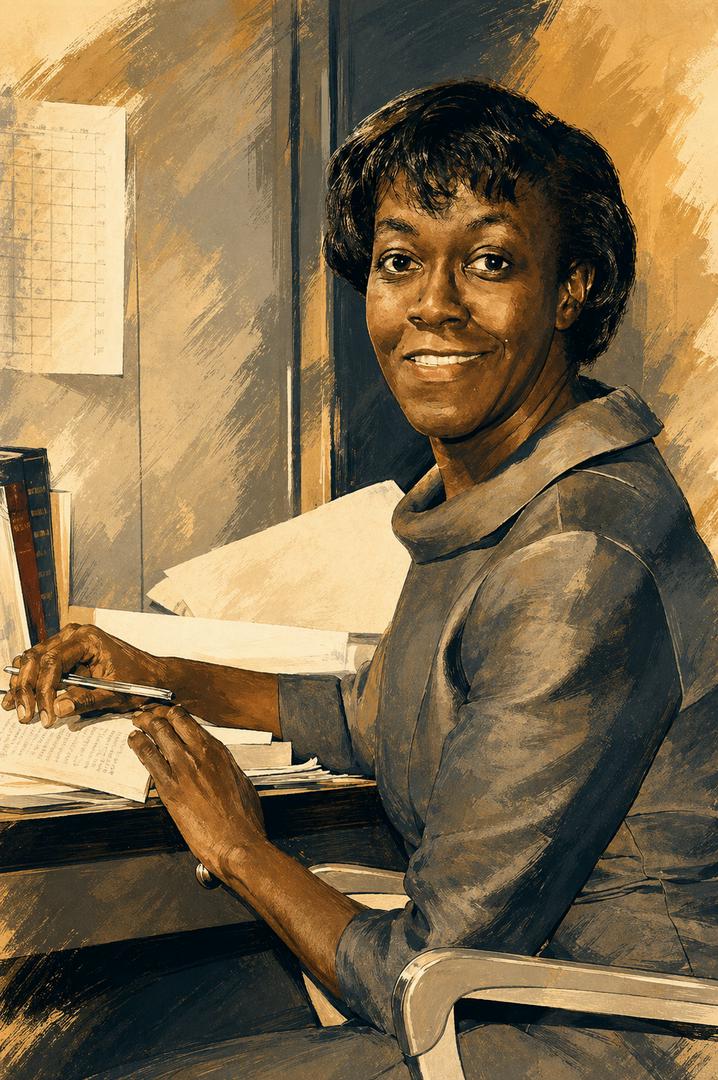
May 1, 1950, marked a major moment in American literary history. On this day, poet Gwendolyn Brooks became the first African American to win a Pulitzer Prize. She received the 1950 Pulitzer Prize for Poetry for her book Annie Allen, published by Harper. Annie Allen was first published in 1949. The collection follows a young Black girl growing into womanhood and explores childhood, love, struggle, loss, and the realities of Black life in America. The work showed Brooks’ command of language, form, and everyday truth. Brooks was born in Topeka, Kansas, in 1917 and raised in Chicago. Her writing often focused on ordinary Black life, especially in Chicago’s South Side communities. Before Annie Allen, she gained national attention for her first poetry collection, A Street in Bronzeville, published in 1945. The University of Illinois digital exhibit notes that the Pulitzer Prize Board announced Brooks’ win on May 1, 1950. The Pulitzer Prize website lists Annie Allen as the winning work for Poetry that year. Brooks’ Pulitzer win was more than a personal honor. It was a breakthrough in a literary world where Black writers had long been overlooked. Her achievement opened a historic door and confirmed that Black life, Black language, and Black art belonged at the center of American letters. Gwendolyn Brooks continued writing, teaching, and supporting younger poets for decades. In 1968, she was named Poet Laureate of Illinois, a role she held until her death in 2000. On May 1, we remember Gwendolyn Brooks, the poet who made Pulitzer history and helped widen the page for those who came after her. #GwendolynBrooks #AnnieAllen #PulitzerPrize #BlackHistory #BlackLiterature #AmericanPoetry #OnThisDay #May1 #LiteraryHistory #ChicagoHistory #BlackExcellence

Jerry_Brege

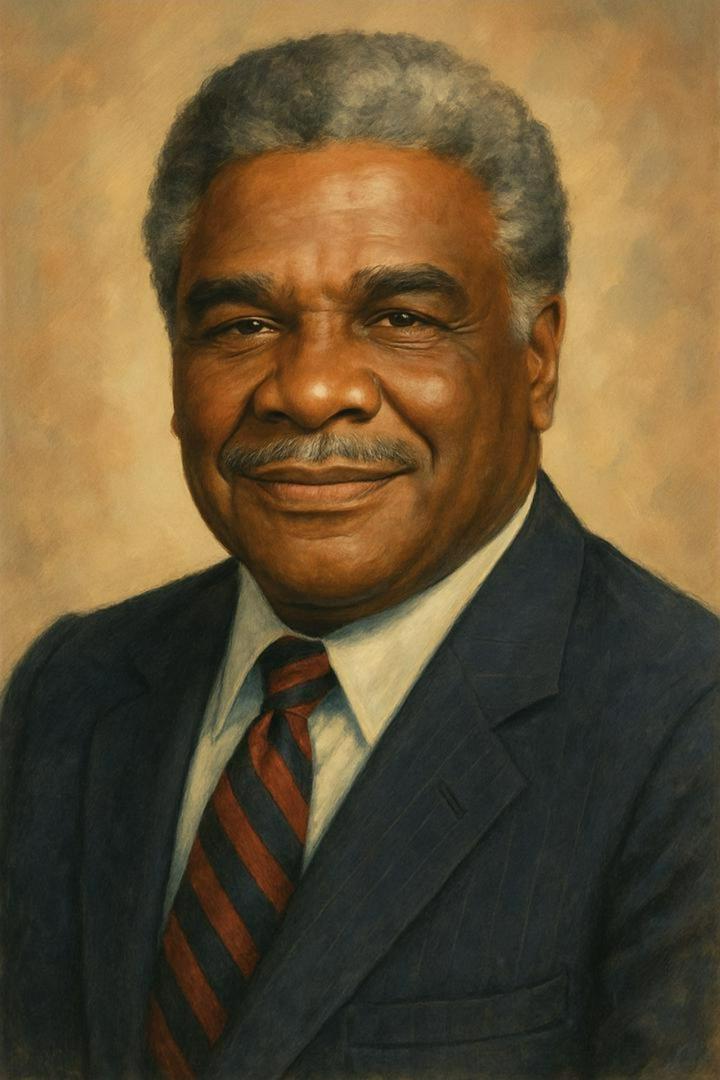
1987: Death of Chicago Mayor Harold Washington Harold Washinaton, the first Black mavor ir Chicago's history, passed away on this day in 1987 after collapsing at his desk in City Hall. He was sixty-five His election reshaped Chicago's politica landscape. Washington built broad coalitions across neighborhoods that had long been divided. His administration shifted attention toward communities that spent decades on the margins and brought new expectations for transparency and reform. Even with the challenges he faced Washington's leadership changed how people saw the possibility of political power in Chicago. His time in office lives on as a turning point for the city and for generations who studied the path he carvedHaroldWashington #ChicagoHistory #AmericanPolitics #HistoricalLeaders #LataraSpeaksTruth

LataraSpeaksTruth

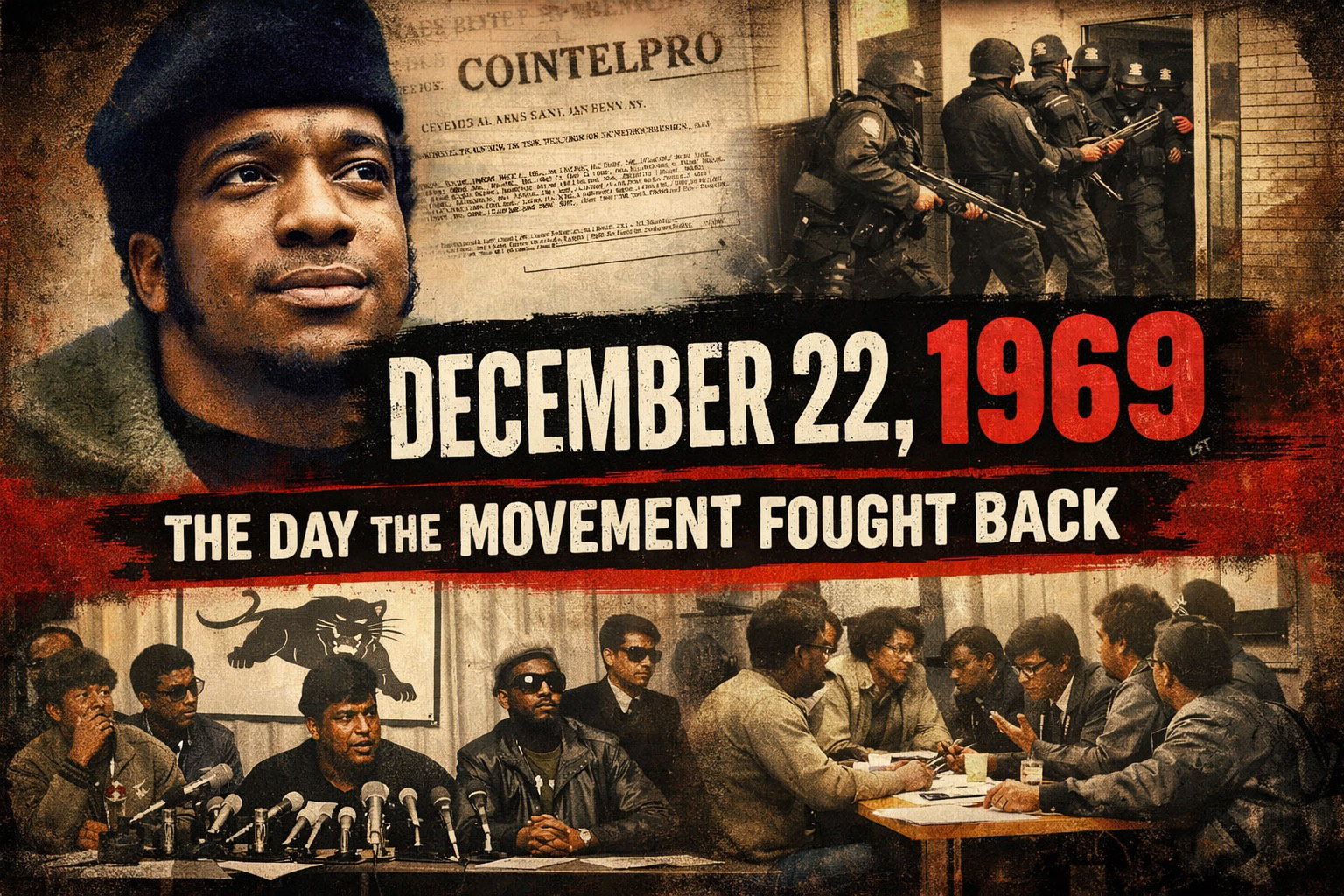
December 22, 1969 arrived with anger that refused to sit still. Weeks after Fred Hampton was killed in his sleep, the shock had worn off. What remained was clarity. The Illinois chapter of the Black Panther Party understood exactly what had happened, and they weren’t willing to let it be buried under official lies. On that day, organizers met, spoke to the press, and forced the issue into public view. No theatrics. No panic. Just deliberate pressure. They rejected police accounts that didn’t hold up and refused to let authorities control the narrative through silence and delay. December 22 marked the turn from mourning to method. What they named was concrete: police violence, coordinated surveillance, and the familiar machinery of repression later exposed as COINTELPRO. They didn’t need leaked files to recognize the pattern. Instead of retreating, they widened the frame and demanded the country look straight at it. This date matters because it shows how resistance often works in real time. Not as spectacle, but as persistence. Showing up again. Speaking clearly. Refusing to let a political killing be quietly filed away. That kind of action doesn’t fade. It leaves a record. #December22 #1969 #FredHampton #ChicagoHistory #PoliticalOrganizing #PoliceAccountability #HistoricalMemory #CivilRightsEra #MovementHistory #TruthOnRecord

LataraSpeaksTruth

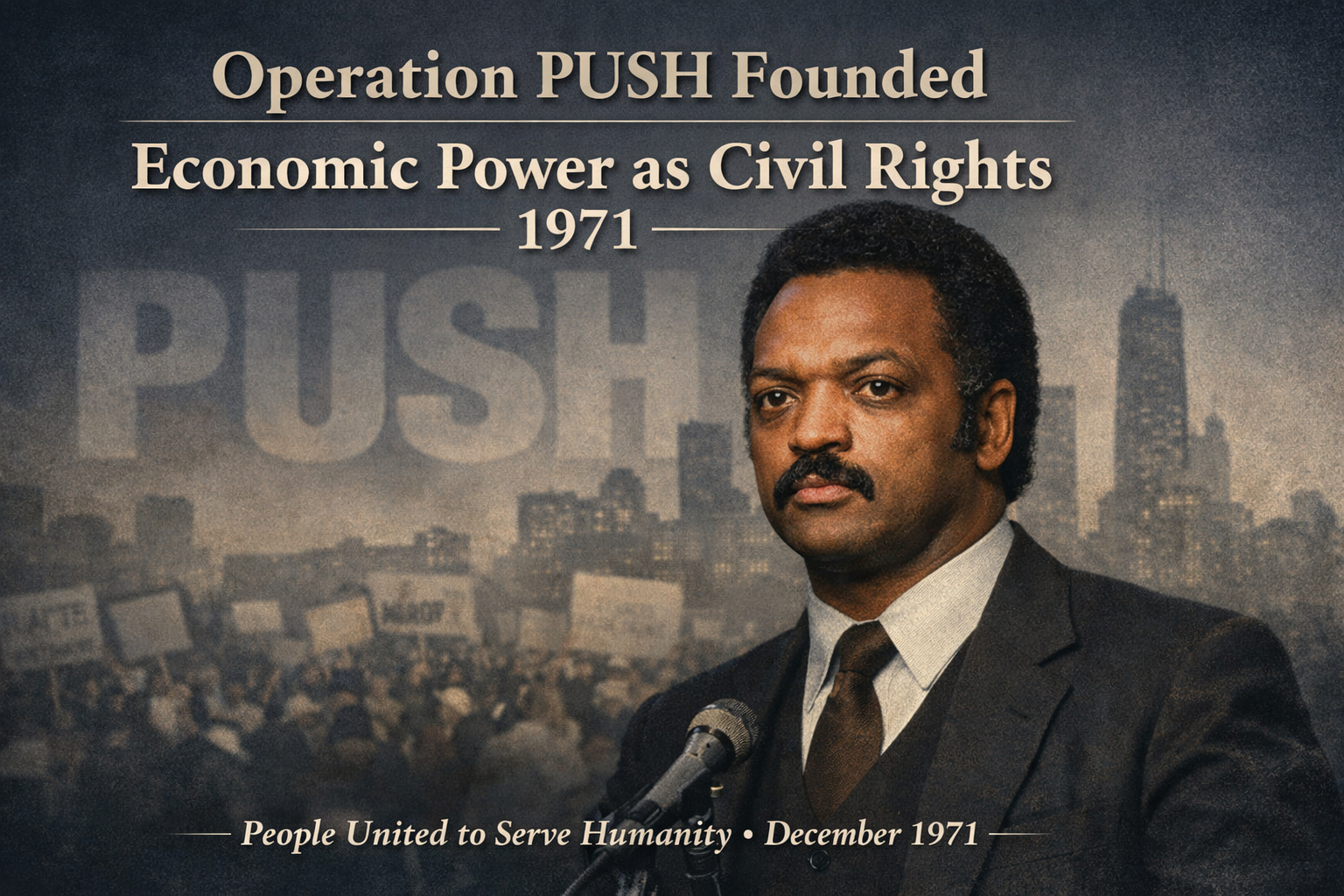
In December 1971, Rev. Jesse Jackson founded Operation PUSH (People United to Save Humanity), an organization that became a major force in promoting economic empowerment and corporate accountability in Black communities across the United States. The name later evolved to People United to Serve Humanity, reflecting a broader mission of long-term social and economic advancement. Operation PUSH was established after Jackson departed from Operation Breadbasket, the economic development arm of the Southern Christian Leadership Conference. While Breadbasket focused on negotiating fair hiring practices with major corporations, disagreements over leadership structure and direction led Jackson to pursue an independent path. This move marked a significant shift in post–civil rights era organizing, placing economic power and access at the center of the movement. Based in Chicago, Operation PUSH concentrated on expanding employment opportunities, increasing minority participation in corporate contracts, and strengthening Black-owned businesses. The organization used negotiations, boycotts, and public pressure campaigns to push companies toward more inclusive hiring and investment practices, producing measurable changes in several major industries. Operation PUSH also emphasized education as a pathway to economic progress. In later years, programs such as PUSH Excel supported student achievement and encouraged long-term success beyond high school. The founding of Operation PUSH reflected a broader transition in the civil rights movement during the early 1970s, as activists increasingly focused on economic equity and structural opportunity. In 1996, Operation PUSH merged with the Rainbow Coalition to form the Rainbow PUSH Coalition, which continues its work today. #OperationPUSH #JesseJackson #EconomicJustice #CivilRightsHistory #BlackEconomicPower #ChicagoHistory #SocialChange #HistoryMatters

Tag: ChicagoHistory | LocalAll