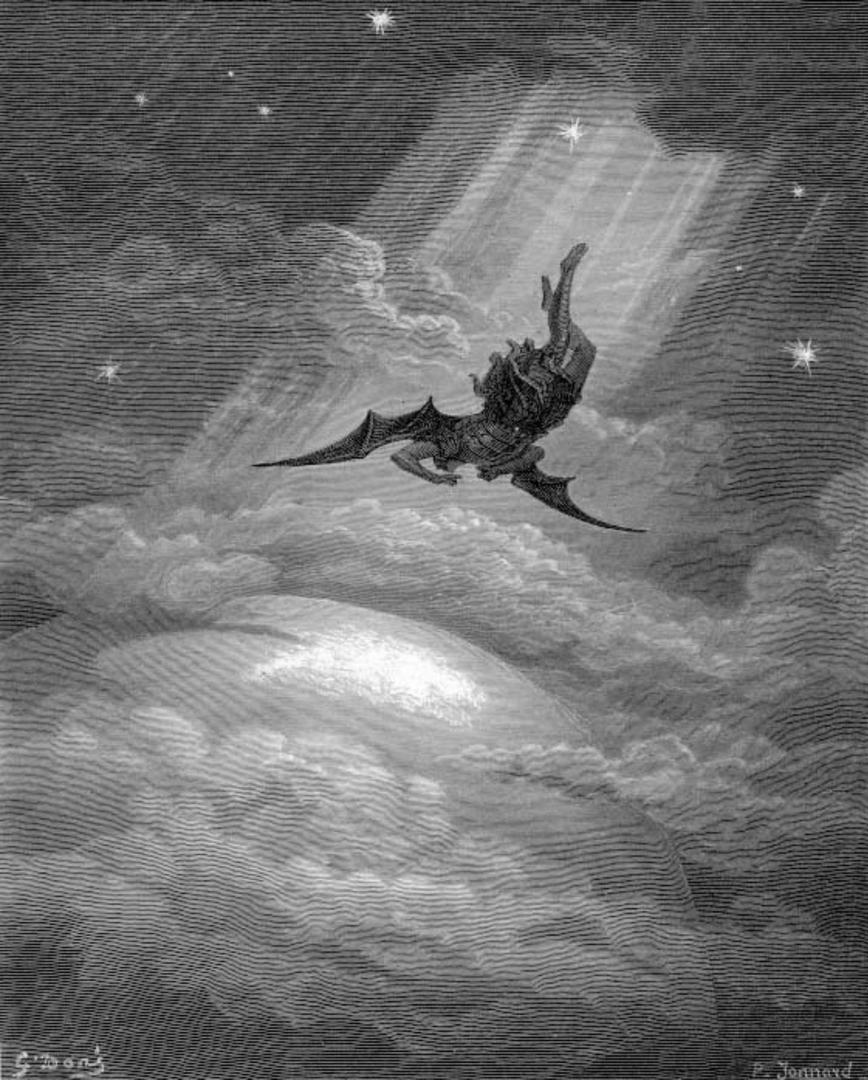
Sara Manrique+FollowThe Bible never says Satan was a fallen angel. Most people are sure of this. Satan was an angel. He rebelled. He fell from heaven. But the Bible never clearly says that The idea comes from later interpretations, not a single explicit verse. saiah's "morning star" passage is about a human king, not Satan. Revelation uses symbolic imagery, not a biography. That matters, because many believers imagine evil as a tragic fall from light A cosmic backstory that explains everything neatly But Scripture presents Satan less as a fallen hero,and more as an accuser. A disruptor. A tester. This changes how temptation feels. Less dramatic. More subtle. More ordinary If evil in your life never looked grand or obvious, that does not mean you missed something. It may mean the Bible never described it the way we remember. #BibleMisconceptions #MandelaEffect #SpiritualWarfare #BiblicalTruth #DidYouKnow10787Share
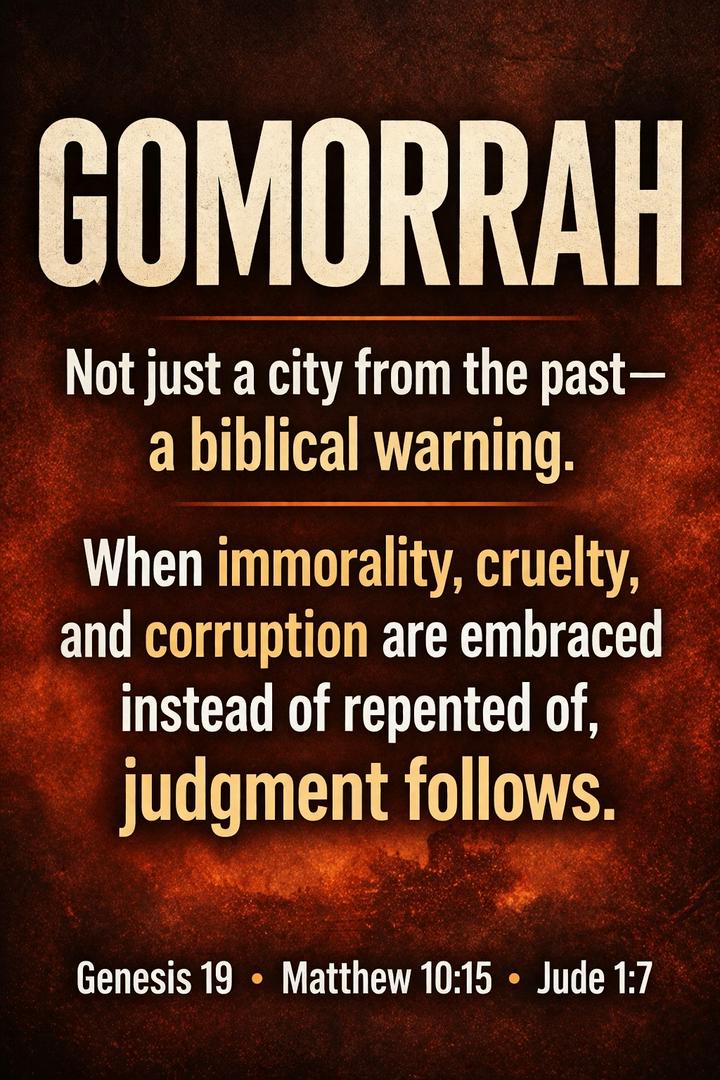
Christ Follower+FollowGomorrah wasn’t just a moment in history. It was a warning. A place where sin became normal, corruption was accepted, and repentance was ignored. Scripture doesn’t point to it for shock value, it points to it so it’s recognized when it shows up again. God doesn’t overlook what people learn to celebrate. But He still calls people to turn before judgment comes. #TruthOverDeception #BiblicalTruth #RepentanceMatters #SpiritualAwareness #StayAwake 206Share
ReddMan+FollowThe Bible never says suicide automatically sends vou to hell This belief is widespread Many assume it is explicitly biblical It is not. The Bible does not outline an afterlife rulebook for suicide t records suicides--but does not assign eternal verdicts to them That matters, because this belief has caused enormous fear and silence. Especially among older believers struggling quietly with despair Scripture treats life as sacred But it never claims God's mercy stops at a sinqle moment If this teaching ever filled you with terrorrather than hope, that fear did not come from the text itself It came from conclusions added later #BibleMisconceptions #MandelaEffect #MentalHealthAndFaith #BiblicalTruth #DidYoukn5056Share
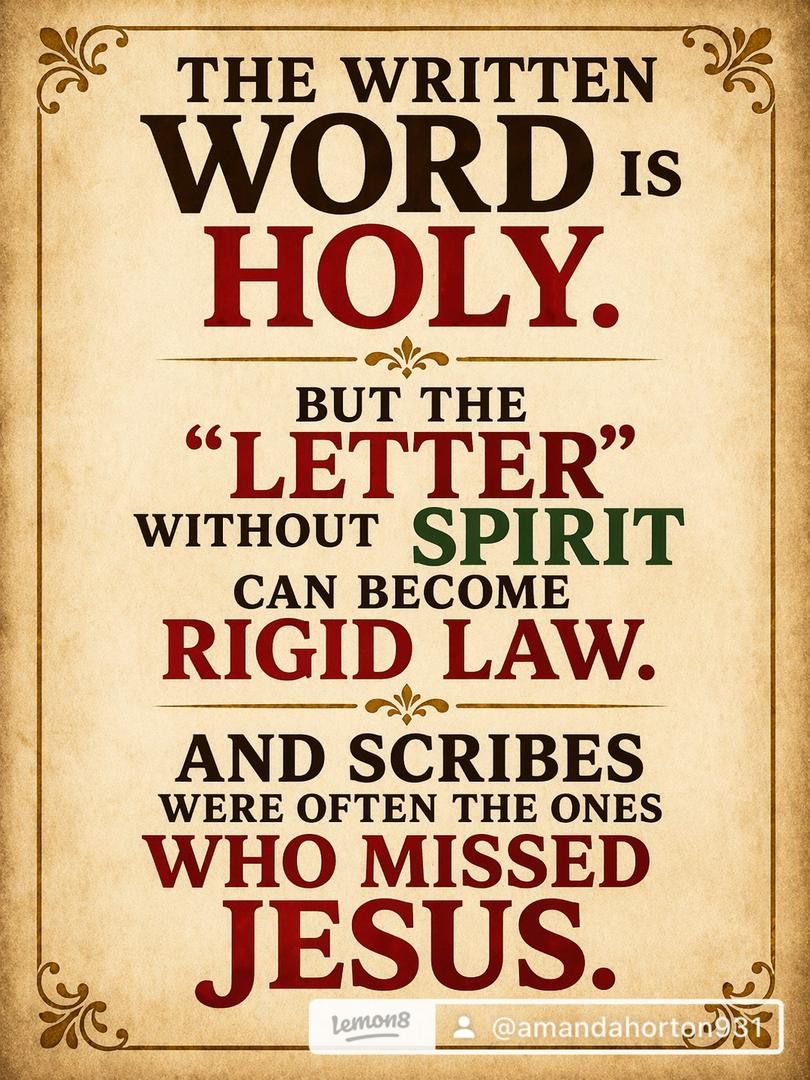
Christ Follower+FollowThe Word is holy. That’s not the issue. But when church systems teach the letter without the Spirit… it turns living truth into rigid law. “The letter kills, but the Spirit gives life.” — 2 Corinthians 3:6 This is how structure can look right, sound biblical… and still miss Jesus completely. The scribes knew the text, but didn’t recognize the Truth standing in front of them. “You search the Scriptures… and yet you refuse to come to Me.” — John 5:39–40 This isn’t about abandoning Scripture. It’s about returning to the One it reveals. Because when the Spirit is missing, even truth can be taught in a way that blinds. #TruthOverDeception #ChurchWakeUp #SpiritOverLetter #BiblicalTruth #JesusNotReligion60Share
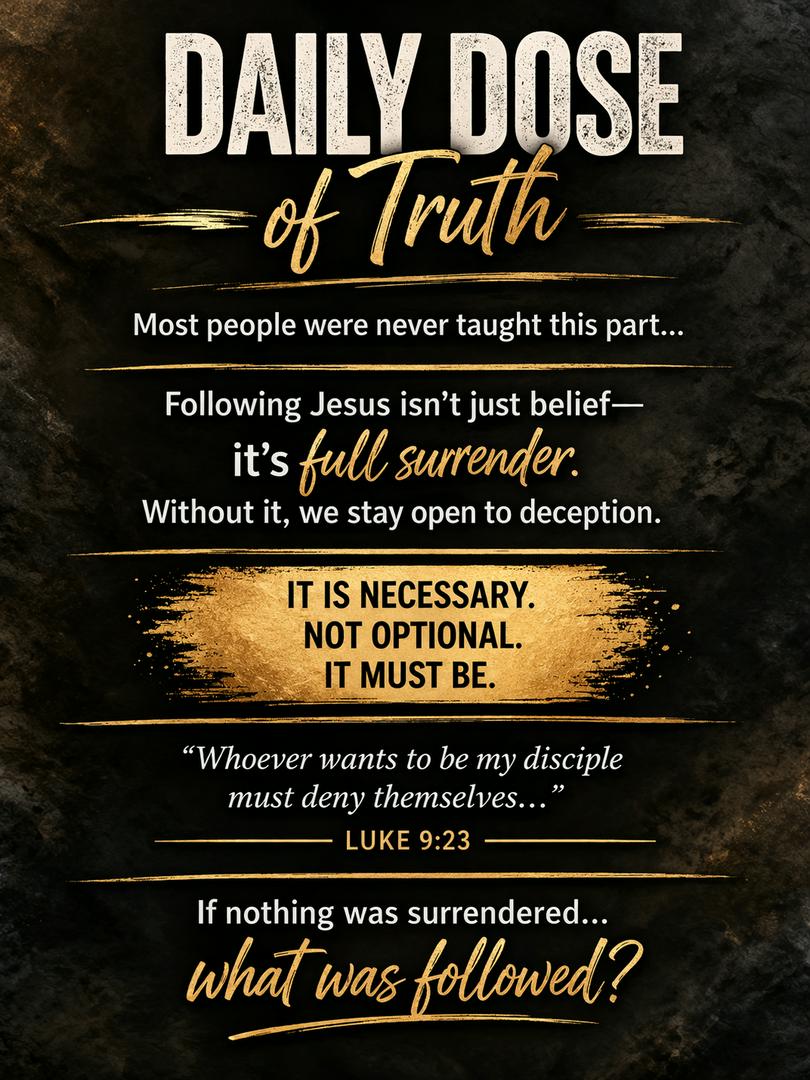
Christ Follower+FollowMost people were taught belief… but not full surrender. And without full surrender, there’s room for deception to stay. Following Jesus was never meant to be partial. It requires laying everything down, not just agreeing, but yielding. This part isn’t optional. It’s necessary. #DailyDoseOfTruth #TruthOverDeception #FullSurrender #BiblicalTruth #FaithWalk 40Share
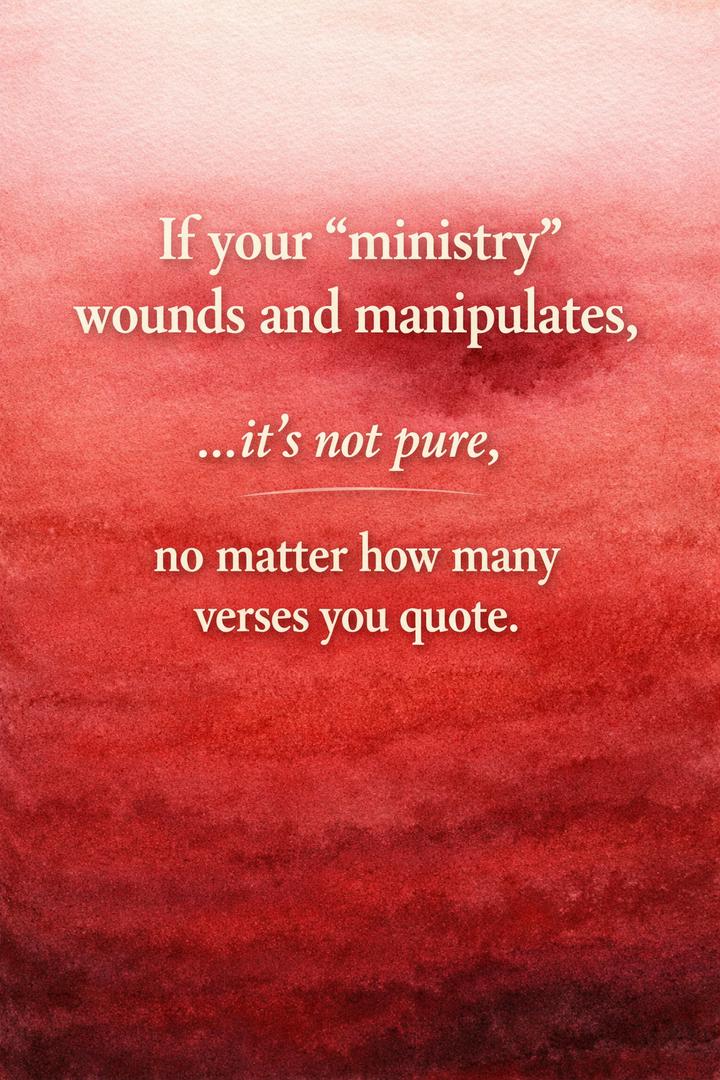
Christ Follower+FollowTruth doesn’t need volume. It needs fruit. Scripture used to control, wound, or manipulate is not being handled with clean hands or a pure heart. This is a call to examine fruit, not platforms. Light exposes. It doesn’t abuse. #TruthOverDeception #Discernment #BiblicalTruth #FruitNotFame #SpiritualAbuse 212Share
Dawn Flores+Follow #DailyBibleVerse #BibleVerse #BibleVerseOfTheDay #Scripture #ChristianQuotes #Faith #Jesus #BibleStudy # christianLiving #BiblicalTruth #BibleQuotes #Gospel #Worship30Share
DidYouKnow+FollowThe Bible never says suicide automatically sends you to hell. This belief is widespread. Many assume it is explicitly biblical. It is not. The Bible does not outline an afterlife rulebook for suicide. It records suicides—but does not assign eternal verdicts to them. That matters, because this belief has caused enormous fear and silence. Especially among older believers struggling quietly with despair. Scripture treats life as sacred. But it never claims God’s mercy stops at a single moment. If this teaching ever filled you with terror rather than hope, that fear did not come from the text itself. It came from conclusions added later. #BibleMisconceptions #MandelaEffect #MentalHealthAndFaith #BiblicalTruth #DidYouKn10961349Share
DidYouKnow+FollowThe Bible never lists the “seven deadly sins.” Most Christians can name them. Many are sure they come straight from Scripture. They do not. The list comes from later church tradition, not the Bible itself. Scripture talks about sin often—but never as a fixed list of seven. That matters, because many believers were taught to rank sins, as if some were manageable and others fatal. But the Bible focuses less on counting sins and more on the condition of the heart. If you’ve spent years measuring yourself against a list that Scripture never gave, your anxiety did not come from the text. It came from tradition filling in gaps. #BibleMisconceptions #MandelaEffect #ChristianDoctrine #BiblicalTruth #DidYouKnow409Share
DidYouKnow+FollowThe Bible never says Eve ate an apple. Almost everyone remembers an apple. Paintings. Children’s books. Sunday school walls. But the Bible never names the fruit. Genesis simply says “fruit from the tree.” No apple. No description. That matters, because we turned a story about disobedience and trust into a story about a specific object. By naming the fruit, we made the mistake feel smaller. Almost harmless. Almost childish. But Scripture keeps it unnamed on purpose. The problem was never the fruit. It was the choice to take what was not given. If you’ve spent years fixating on the surface detail, you’re not alone. We remembered the picture. Not the point. #BibleMisconceptions #MandelaEffect #Genesis #BiblicalTruth #DidYouKnow6034Share