OneWordStudy+FollowLoneliness Isn’t a Lack of Faith. It’s a Biblical Condition. You can be faithful, married, active in church—and still feel deeply alone. That confusion often comes with shame. Yet Genesis describes Adam as “alone,” before sin entered the world. The Hebrew badad means separated, isolated, singular. Loneliness is not always a spiritual problem to fix. Sometimes it’s a human condition to be acknowledged. If your later years feel quieter than you expected, emptier than sermons prepared you for— you’re not broken. The Bible doesn’t rush to correct loneliness. God sits with it first. #Loneliness #BiblicalTruth #FaithAndEmotion #OlderChristians #SpiritualCompanionship704Share
How Are You Feeling+FollowTo anyone who feels forgotten because life moved on Life kept changing around me. People moved forward. Seasons shifted. And I felt left behind. That’s why I think about Joseph in prison—not the dreams, not the promotion, but the years in between. Scripture says he was forgotten by the cupbearer. That word is intentional. The Bible doesn’t deny the forgetting. It names it. If you feel left behind today, Scripture doesn’t rush to say “God remembered you” too quickly. It sits with the truth that forgetting can be part of the story—and not the end of it. #FeelingForgotten #Joseph #FaithInWaiting #BiblicalTruth #ChristianEndurance82Share
DidYouKnow+FollowThe Bible never says angels have wings like that. Most people picture angels with large white wings. That image feels biblical. But most angels in Scripture appear as ordinary men. No wings. No glow. No warning. Winged beings do appear—but they are cherubim and seraphim, not the messengers most people imagine. That matters, because we turned angels into symbols of comfort, when the Bible often describes fear as the first reaction. “Do not be afraid” is said for a reason. If divine encounters in Scripture feel unsettling rather than gentle, that does not mean something is wrong. It means we remembered the artwork, not the text. #BibleMisconceptions #MandelaEffect #AngelsInTheBible #BiblicalTruth #DidYouKnow6317Share
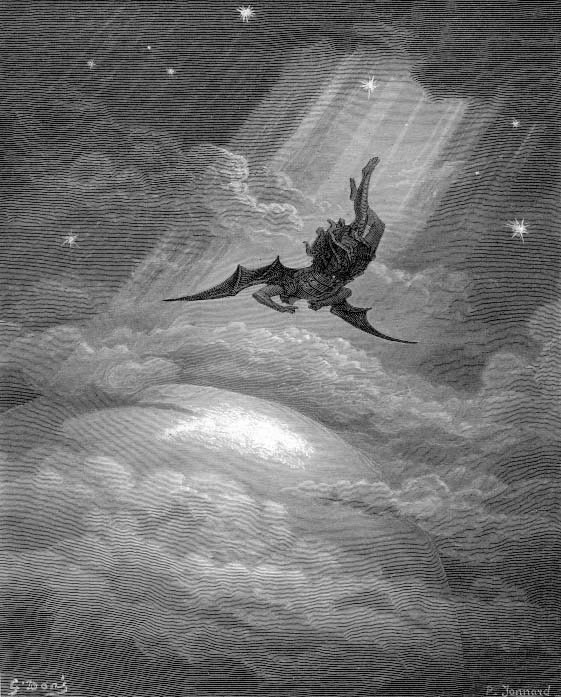
DidYouKnow+FollowThe Bible never says Satan was a fallen angel. Most people are sure of this. Satan was an angel. He rebelled. He fell from heaven. But the Bible never clearly says that. The idea comes from later interpretations, not a single explicit verse. Isaiah’s “morning star” passage is about a human king, not Satan. Revelation uses symbolic imagery, not a biography. That matters, because many believers imagine evil as a tragic fall from light. A cosmic backstory that explains everything neatly. But Scripture presents Satan less as a fallen hero, and more as an accuser. A disruptor. A tester. This changes how temptation feels. Less dramatic. More subtle. More ordinary. If evil in your life never looked grand or obvious, that does not mean you missed something. It may mean the Bible never described it the way we remember. #BibleMisconceptions #MandelaEffect #SpiritualWarfare #BiblicalTruth #DidYouKnow7661170Share
OneWordStudy+FollowOne Hebrew word changed how I understand righteousness. In English, righteous sounds moral. Rule-following. Proper behavior. But the Hebrew word tsedeq is relational. It means being rightly aligned. Tsedeq is less about personal perfection and more about being faithful within relationships— with God and with others. This is important for those raised with strict moral teaching. Righteousness is not about never failing. It is about staying aligned, even after failure. Tsedeq tells us righteousness is lived, not performed. #BibleStudy #HebrewWord #Righteousness #BiblicalTruth #FaithAndLife263Share
DidYouKnow+Follow“Where two or three are gathered” was not about church attendance. This verse is quoted constantly to comfort low turnout. As if Jesus was saying small services still “count.” But that is not the context. Jesus is speaking about conflict resolution and accountability. The phrase refers to difficult conversations, not worship size. That matters, because many believers search this verse when they feel lonely in church. When community shrinks. When numbers decline. But Jesus was not lowering expectations. He was emphasizing responsibility and presence in hard moments. God’s presence was never a consolation prize for low attendance. It was a promise to those doing difficult relational work. If church has felt smaller but heavier, that does not mean God is less present. It may mean the work has become more real. #BibleMisconceptions #MandelaEffect #ChurchLife #BiblicalTruth #DidYouKnow411Share
How Are You Feeling+FollowTo anyone who feels guilty for doubting I thought doubt meant my faith was cracking. That if I were stronger, these questions wouldn’t still be here. Then I looked again at Thomas. He doesn’t ask for abstract proof. He asks for something personal—to see, to touch. And Jesus doesn’t dismiss him. He meets him there. Thomas isn’t remembered as “the failed disciple.” He’s remembered as someone who needed honesty before belief could settle. If doubt is part of your faith right now, you’re not falling away. You may simply be refusing to pretend—and Scripture treats that as a form of integrity. #FaithAndDoubt #Thomas #BiblicalTruth #ChristianQuestions #SpiritualGrowth741Share
How Are You Feeling+FollowFeeling abandoned by God doesn’t mean He’s gone I used to think silence meant He’d left me behind. No signs. No answers. Just emptiness. Then I read Psalm 22 slowly. David says, “My God, my God, why have you forsaken me?” The Hebrew word implies distance, not total absence. God’s presence wasn’t gone. It was hidden, waiting for recognition. Feeling invisible to God today doesn’t make you faithless. It makes you human—and Scripture validates that struggle, without sugarcoating it. #FeelingAbandoned #Psalm22 #David #FaithAndStruggle #BiblicalTruth314Share
How Are You Feeling+FollowTo anyone who feels quietly resentful toward God I never called it anger. I told myself it was maturity. Acceptance. Letting go. But underneath, it was resentment. Jonah forces me to face that. He isn’t confused about God. He understands Him clearly—and resents Him anyway. Jonah’s anger comes from knowing God will show mercy where Jonah believes judgment is deserved. The Bible doesn’t resolve that tension for him. Jonah’s story ends without emotional closure. If resentment lives in you today, Scripture doesn’t rush to fix it. It acknowledges that knowing God deeply doesn’t always make His ways easier to live with. #FaithAndResentment #Jonah #BiblicalTruth #HardFaith #ChristianHonesty61Share
DidYouKnow+FollowGod never said loneliness means spiritual failure. Loneliness is often framed as lack. Not enough community. Not enough prayer. But Scripture is honest about faithful loneliness. Elijah is alone and still heard. Jeremiah is isolated and still chosen. Jesus is abandoned and still beloved. That matters, because many older believers feel invisible. Their circles shrink. Their voices carry less weight. The Bible never treats loneliness as evidence of distance from God. It treats it as a place God visits. If loneliness has followed you into this season of life, that does not mean you missed something. It may mean you are standing in a quiet place God knows well. #BibleMisconceptions #ChristianLoneliness #FaithAndAging #BiblicalTruth #DidYouKnow917Share