Tag Page AmericanMusic

#AmericanMusic
LataraSpeaksTruth

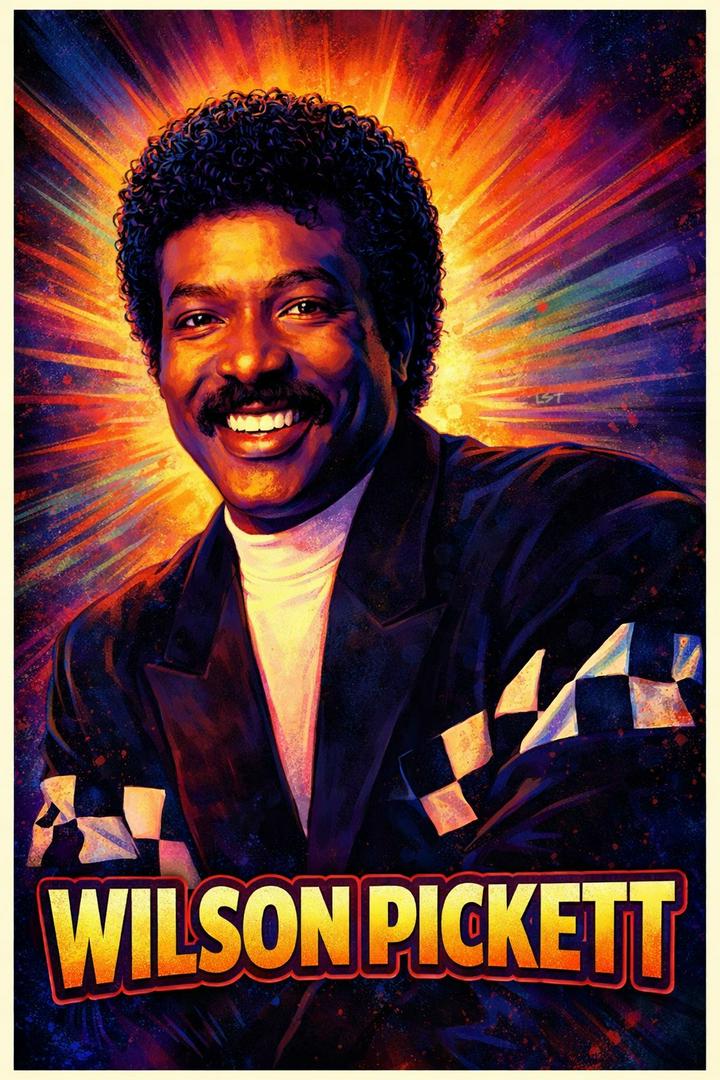
Wilson Pickett did not sing quietly. He didn’t ask permission. He arrived loud, sharp, and unapologetic, and soul music was never the same after that. Known as “Wicked” Wilson Pickett, he helped define the raw, gritty sound that turned Southern soul into a force that could not be ignored. Born in Alabama and shaped by church, Pickett carried gospel fire straight into secular music. His voice had grit in it, pain in it, and joy too, often all in the same breath. When he recorded In the Midnight Hour, it became more than a hit…it became a blueprint. The song captured movement, urgency, and desire in a way that felt physical. You didn’t just hear it. You felt it. Then came Mustang Sally, a track that still refuses to age out. Pickett’s delivery turned a simple story into an anthem, powered by his unmistakable shout-singing style. His performances were explosive, driven by emotion rather than polish, and that was the point. Soul music wasn’t meant to be neat. It was meant to be honest. Pickett recorded for Stax and Atlantic during soul music’s most influential years, working with legendary musicians and producers who recognized that his voice didn’t need restraint. It needed room. Across the 1960s and early 1970s, he released a string of records that blended gospel roots, Southern rhythm, and a hard edge that pushed soul forward. When Wilson Pickett passed away on January 19, 2006, at age 64, it marked the loss of a voice that helped shape American music. But his sound didn’t leave. It stayed in the grooves, the shouts, the call-and-response energy that still echoes through modern music. Some voices fade. His still kicks the door open. #WilsonPickett #SoulMusic #MusicHistory #RAndBSoul #AmericanMusic #Legends #OnThisDay #MidnightHour #MustangSally
LataraSpeaksTruth

Darius Rucker has spent decades doing something American culture claims it values but often resists in practice… showing up where he was never expected and staying long enough to redefine the room. With a voice rooted in soul and storytelling, Rucker became a defining sound of the 1990s as the lead singer of Hootie & the Blowfish, helping create one of the best selling albums in music history with Cracked Rear View. At a time when genre labels were rigid and image mattered as much as sound, Rucker’s presence quietly disrupted expectations. The music crossed formats effortlessly, even as conversations about who belonged where lagged behind the charts. While others debated categories, he kept recording, touring, and building a catalog that refused to sit neatly inside a box. When Hootie & the Blowfish stepped back, Rucker made a move many believed would fail. He entered country music without spectacle, controversy, or explanation. What followed was not a novelty run, but a sustained career marked by chart topping albums, number one singles, industry awards, and long term respect. His success forced an uncomfortable truth into the open… genre boundaries were never as fixed as people claimed. Born May 13, 1966, in Charleston, South Carolina, Darius Rucker’s career is not defined by firsts shouted from rooftops, but by endurance. By consistency. By the quiet reshaping of spaces through presence rather than protest. Culture eventually caught up, as it often does, and pretended it had always been that way. Rucker never asked permission to belong. He simply stayed. #DariusRucker #HootieAndTheBlowfish #MusicBiography #AmericanMusic #CountryMusic #RockMusic #GenreHistory

LataraSpeaksTruth

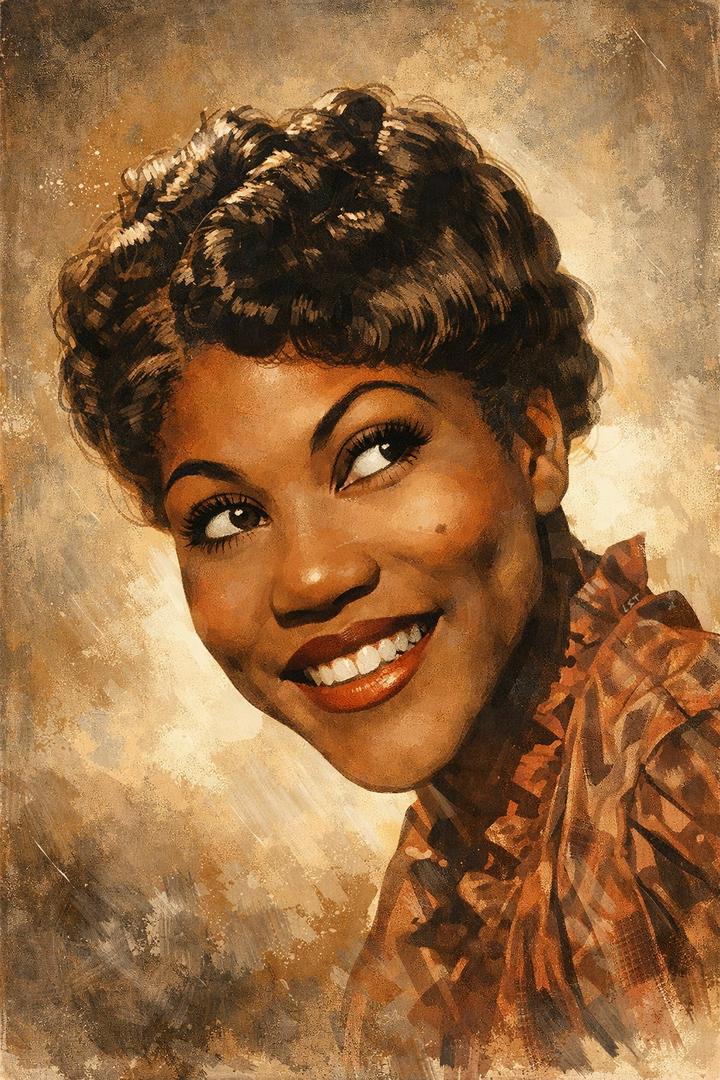
Sister Rosetta Tharpe was never meant to fit neatly into a box, and history still hasn’t figured out what to do with her. She stood at the crossroads of sacred and electric, church pews and nightclub stages, scripture and distortion. Long before rock and roll had a name, she was already bending it into shape with a guitar strapped across her chest and absolute conviction in her voice. Born on December 25, 1915, Sister Rosetta Tharpe entered the world on a day heavy with symbolism, but she didn’t grow into something quiet or ceremonial. She grew loud. She grew bold. She took gospel music, plugged it into an amplifier, and let it shake rooms that weren’t built for that kind of sound or freedom. Her guitar style was aggressive, joyful, and unapologetic. The DNA of rock and roll runs straight through her hands, even if the genre tried to deny it for decades. What made her dangerous, in the best way, was that she didn’t ask permission. She performed gospel in secular spaces and used electric techniques inside sacred songs. That made people uncomfortable. Good. Progress usually does. While later artists were credited as pioneers, she was already living the sound…touring relentlessly, commanding mixed audiences, and crossing boundaries in an era that actively resisted it. Sister Rosetta Tharpe wasn’t chasing legacy. She was chasing truth, sound, and spirit at the same time. The fact that her birthday falls on December 25 feels less like coincidence and more like a quiet reminder that history often hides its revolutionaries in plain sight…then acts surprised when the echoes never stop. #SisterRosettaTharpe #MusicHistory #RockAndRollRoots #GospelMusic #December25 #HiddenHistory #AmericanMusic #WomenInMusic #SoundAndSpirit #CulturalHistory

LataraSpeaksTruth

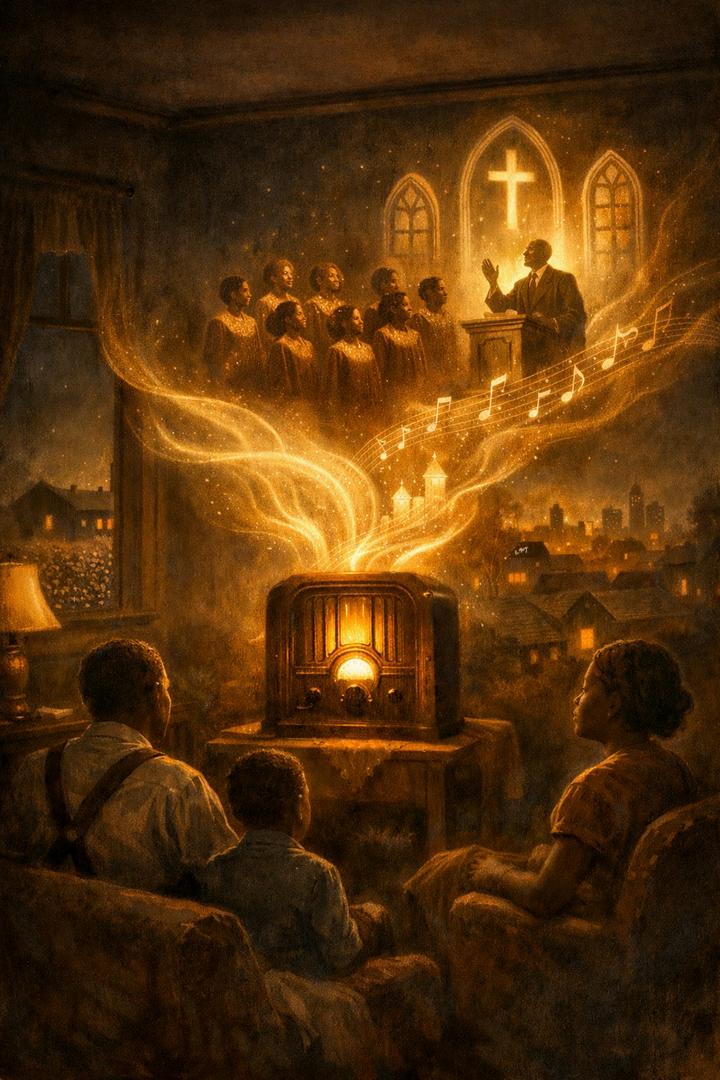
December 25 in the 1930s and 1940s quietly became one of the most important days for Black radio. While churches, concert halls, and public venues remained restricted or segregated, Christmas Day radio broadcasts allowed Black gospel music to move freely across the country. On this day, spirituals, choirs, sermons, and holiday messages reached households far beyond local communities, turning the airwaves into a sanctuary when physical space was denied. Radio mattered because it crossed boundaries people could not. Families who might never step inside a Black church still heard the music. Listeners encountered voices shaped by faith, survival, and tradition without seeing faces first. Gospel did not arrive as protest, but its presence challenged exclusion simply by existing in national soundspace. Christmas amplified that reach, giving Black spiritual expression a moment of visibility during a holiday associated with reflection and hope. These broadcasts also helped standardize and spread gospel as a national musical form. Regional styles traveled coast to coast, influencing future performers, choirs, and composers. What began as sacred music rooted in specific communities expanded through radio into a shared cultural language. Christmas programming made room for that expansion when few other platforms would. By the 1940s, Black gospel on Christmas radio was more than seasonal programming. It was infrastructure. It preserved tradition, strengthened cultural memory, and reminded listeners that faith, like sound, could not be segregated forever. December 25 became proof that even when doors were closed, voices still traveled. #BlackHistory #GospelMusic #RadioHistory #ChristmasDay #CulturalHistory #AmericanMusic #FaithAndCulture #HiddenHistory #BlackExcellence #MediaHistory

LataraSpeaksTruth

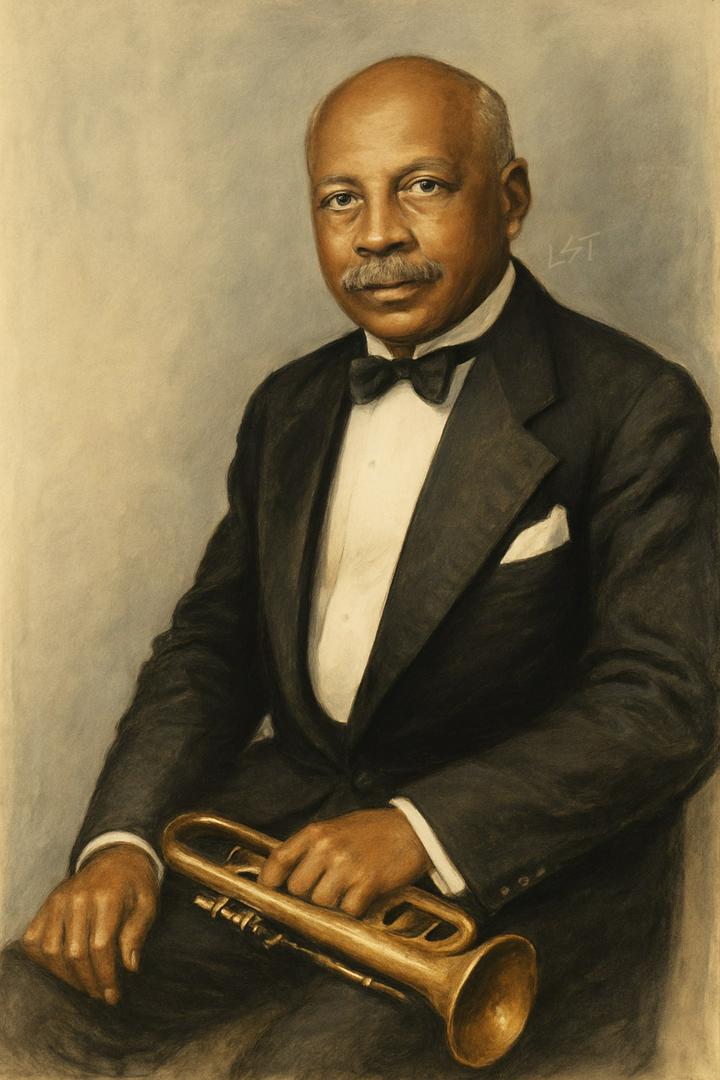
W.C. Handy, Blues Legend

On November 16, 1873, Florence, Alabama welcomed W. C. Handy… the man who turned the everyday sounds of Black life into the written language of the blues. He didn’t invent the music our people were already creating. He honored it. He organized it. He made sure the world could finally recognize what had been here all along. With songs like “Memphis Blues” and “St. Louis Blues,” Handy opened the door for generations of artists to walk through. His influence shows up in everything from soul to jazz to rock to gospel… the entire family tree. Remembering him today is simple. Give credit to the blueprint behind the music we hear everywhere. Handy made sure those roots didn’t disappear. #WCHandy #OnThisDay #MusicHistory #BluesLegend #AmericanMusic #CulturalRoots #BlackMusicalHeritage #TheBlueprint #HistoryPost #LataraSpeaksTruth

W.C. Handy, Blues Legend
You've reached the end!
Tag: AmericanMusic | LocalAll