Category Page news

LataraSpeaksTruth

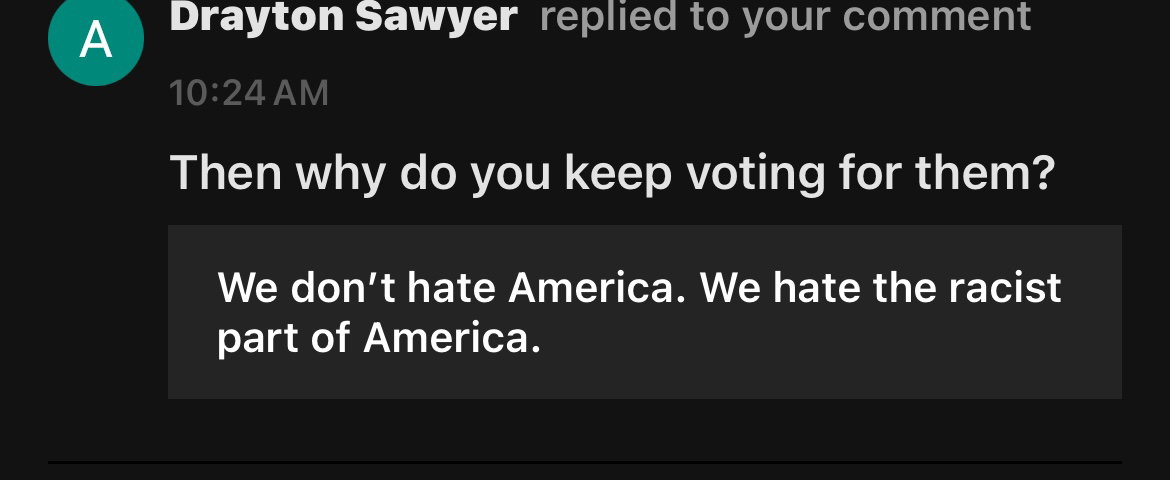
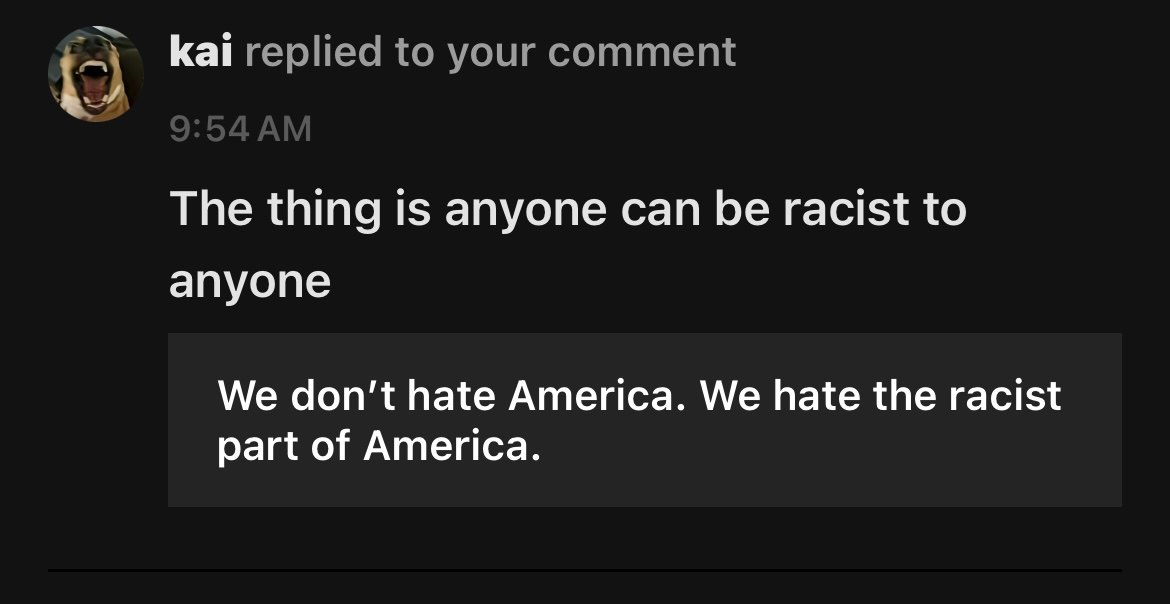
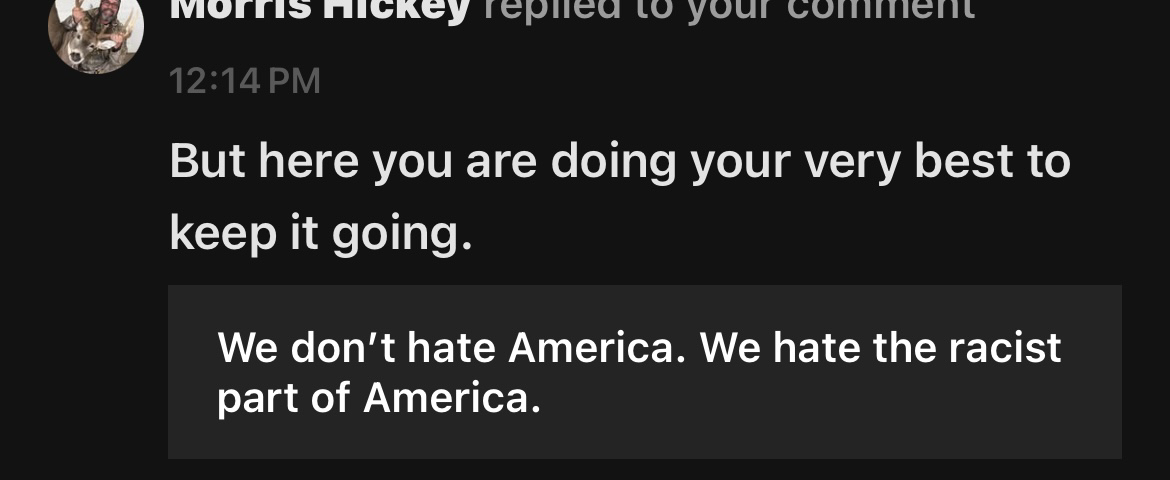
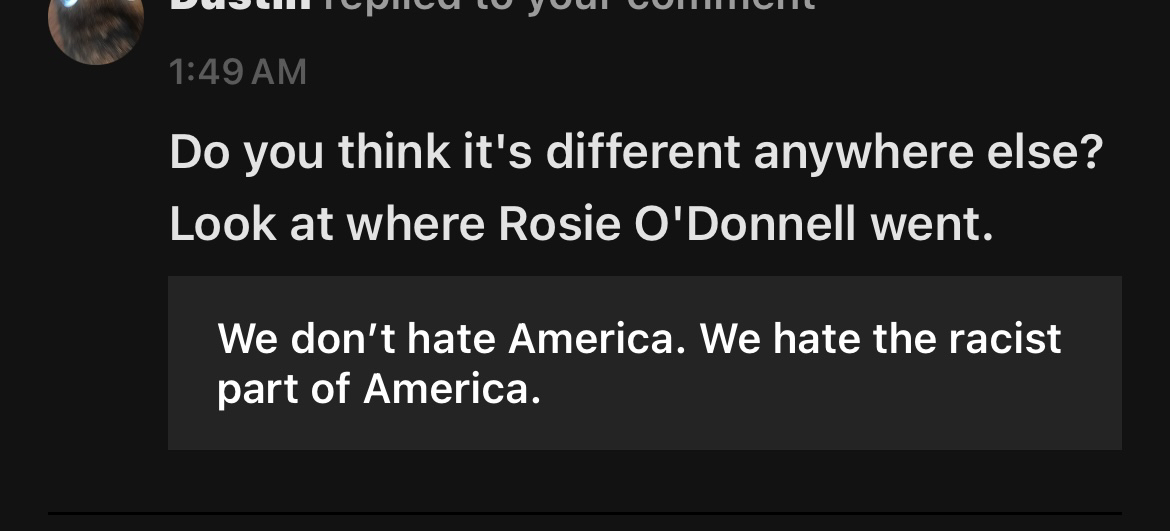
I said one sentence. “We don’t hate America. We hate the racist part of America.” I didn’t name a group. I didn’t insult a flag. I didn’t attack a person. I separated a country from a behavior. And that separation alone set off a chain reaction. Some people didn’t argue the point. They argued my character. I was called racist for naming racism. I was told I hate myself for criticizing a system. I was labeled a victim for refusing to be silent. None of those responses addressed what I actually said. They addressed how uncomfortable it made them feel. Others tried to corner me with loyalty tests. Why do you vote here. Why don’t you leave. Is it different anywhere else. Those questions weren’t about curiosity. They were about control. The message underneath was simple… critique equals betrayal. A few went further and claimed I was “keeping racism alive” by talking about it. As if naming a problem creates it. As if silence has ever cured anything. As if history improves when we stop looking at it. What stood out most was this… very few people denied that racism exists. Instead, they reacted as if pointing it out was the real offense. As if the problem wasn’t the racist part of America, but the fact that someone dared to separate it from the rest. That tells me something important. If someone hears “the racist part of America” and feels personally attacked, the issue isn’t the sentence. It’s the identification. Loving a country doesn’t require defending its worst habits. It requires the courage to call them what they are. This wasn’t hate. It was clarity. And clarity makes noise.

1776 Patriot

Arkansas ICBM Silo Accident: When A Titan II Almost Went Nuclear

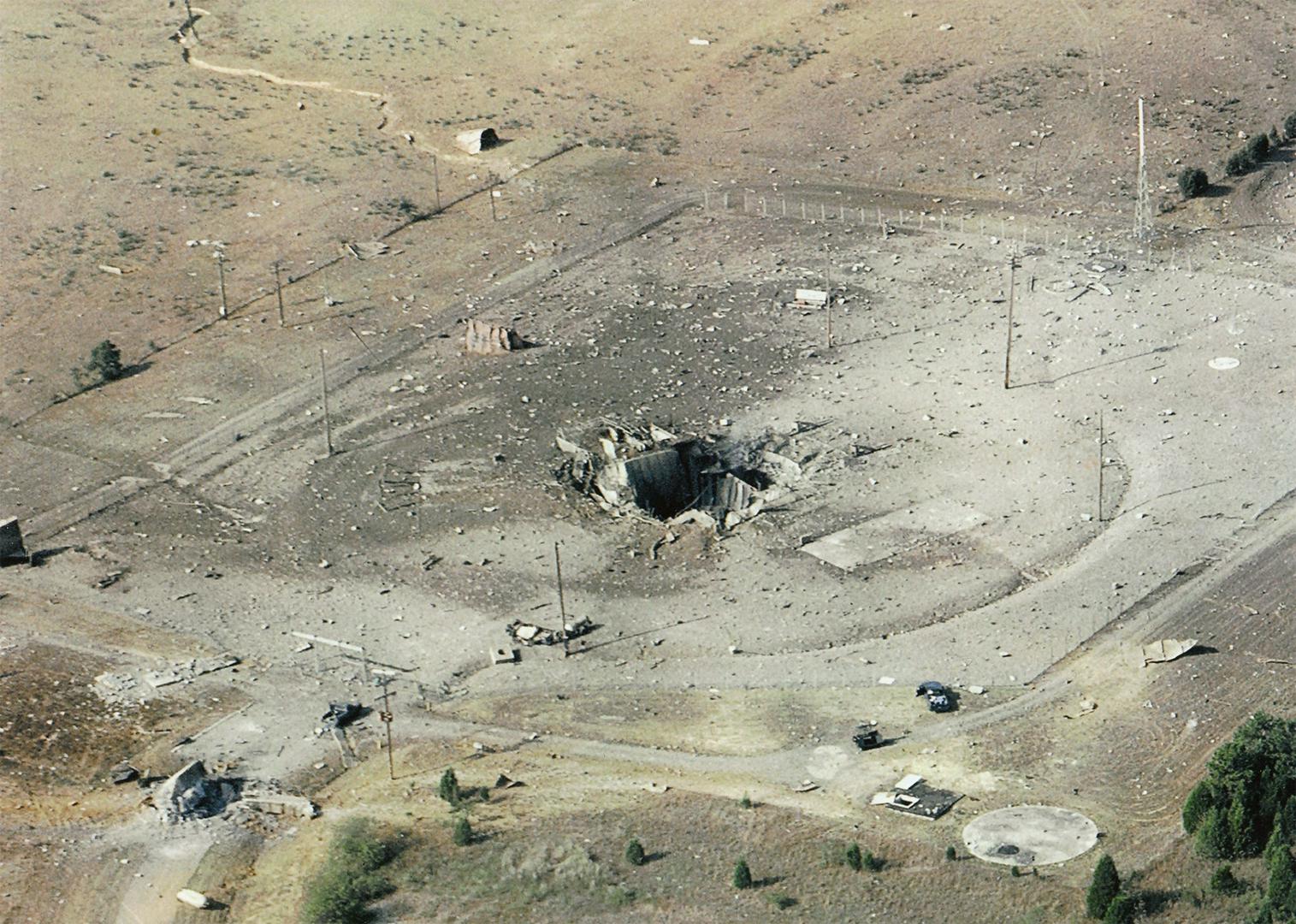
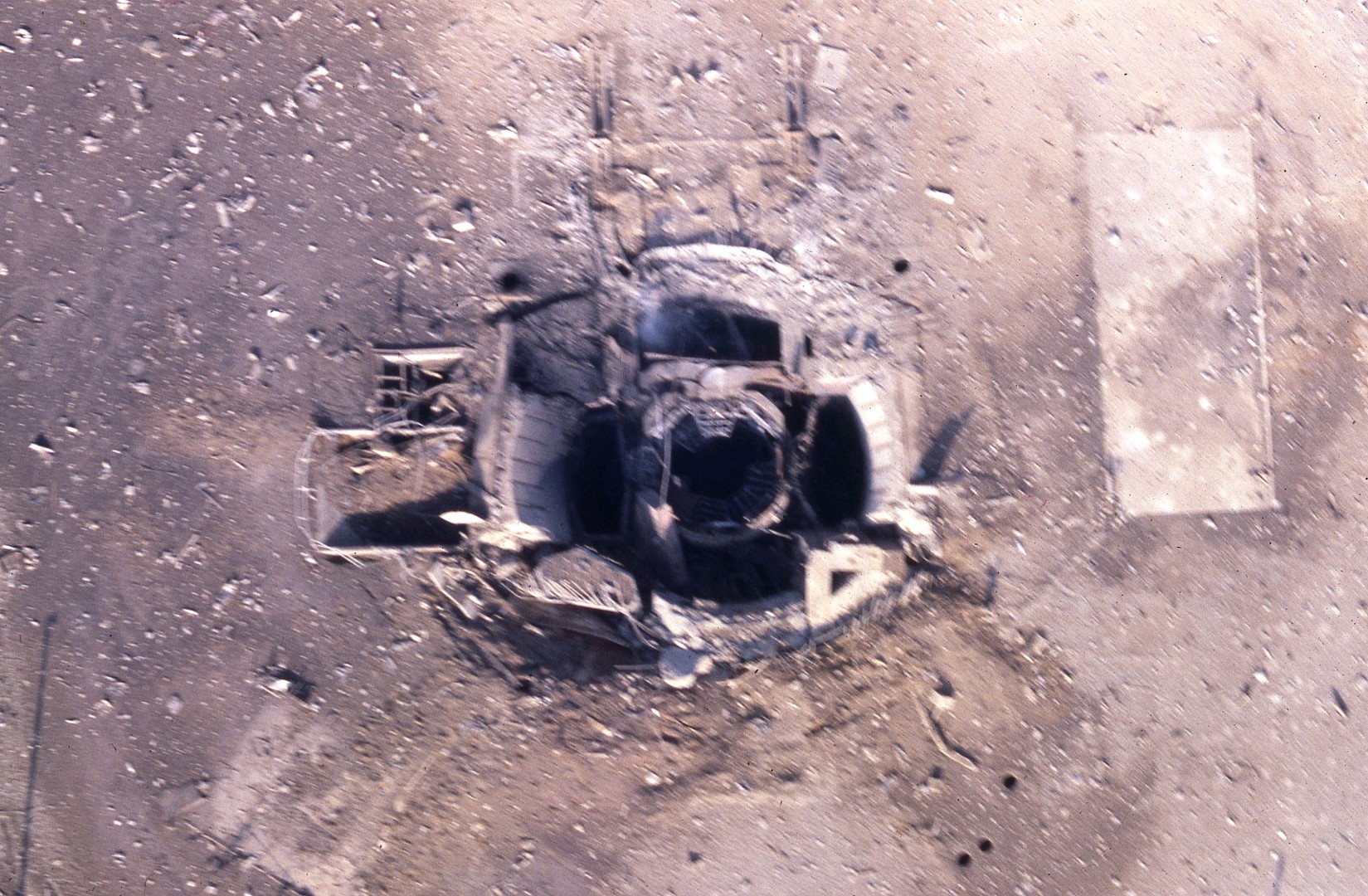
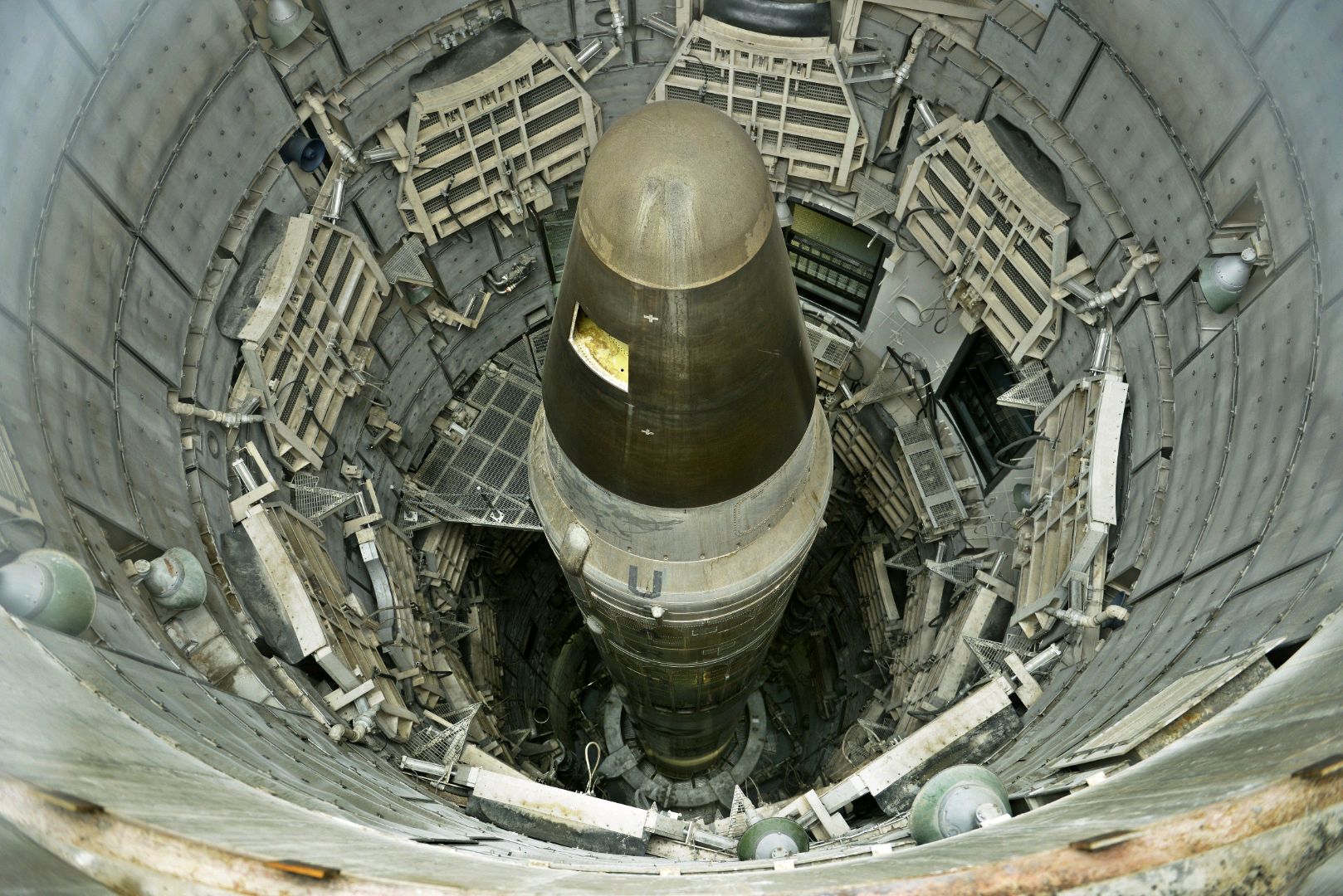
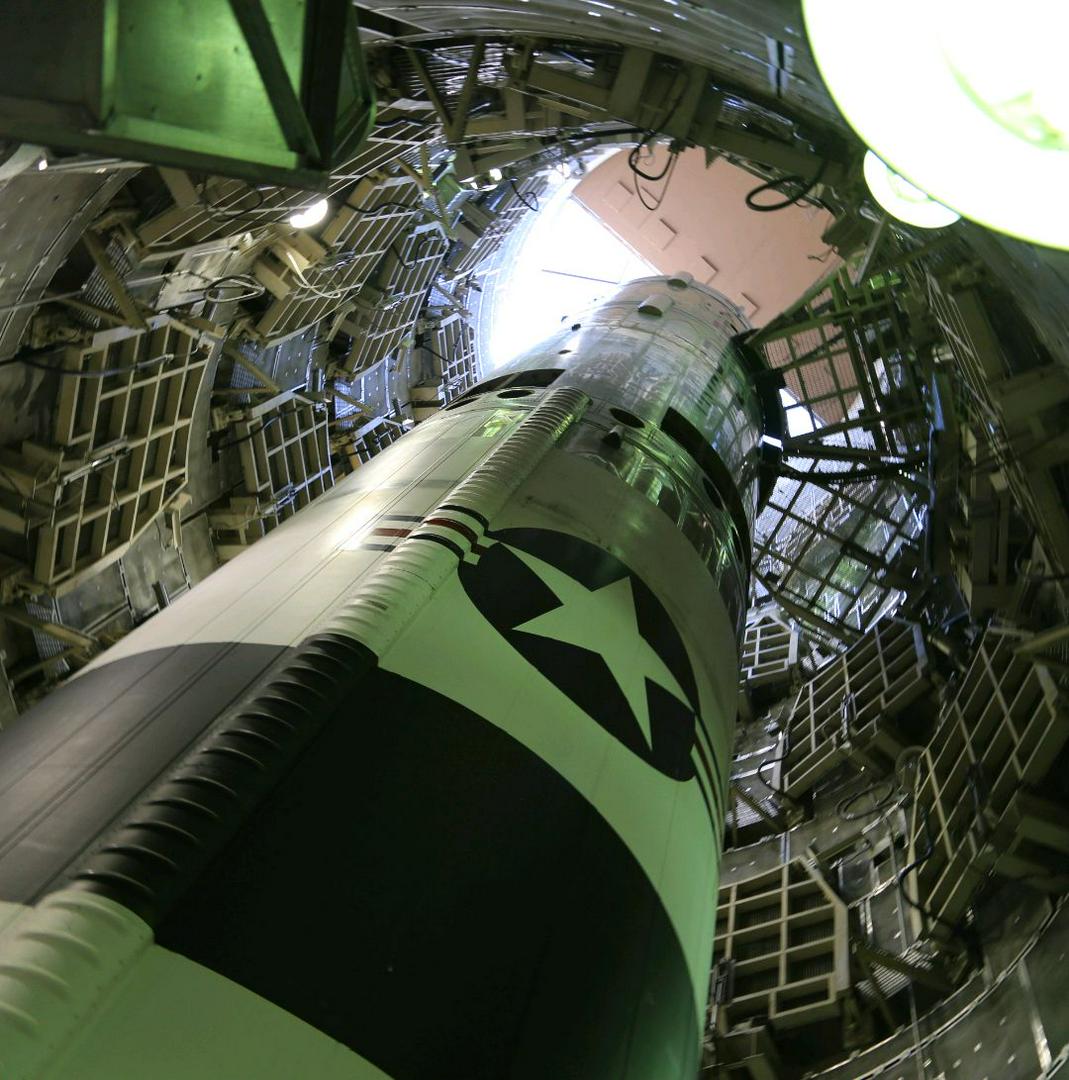
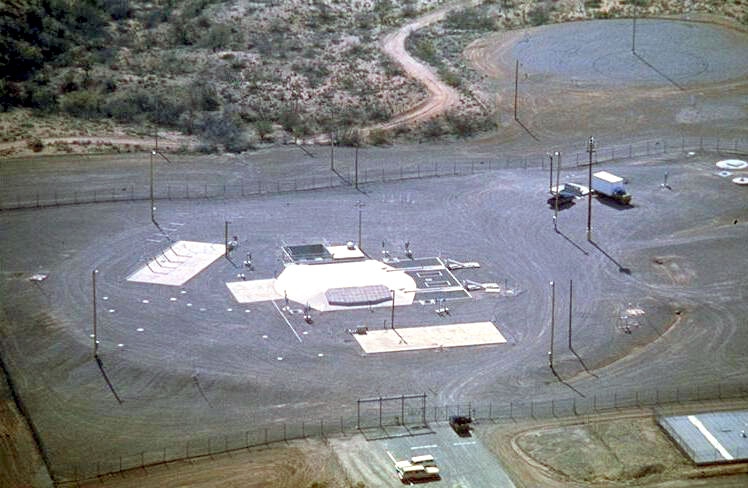
On September 18, 1980, a routine maintenance operation at Titan II Missile Complex 374-7 near Damascus, Arkansas, escalated into one of the most serious nuclear accidents in U.S. history. Airmen were performing detailed maintenance on the missile, which stood 103 feet tall, weighed 33 tons, and housed a W-53 thermonuclear warhead capable of 9 megatons, enough to destroy an entire city. During the operation, an airman accidentally dropped an 8-pound socket wrench. The tool fell roughly 80 feet, bounced off a steel thrust mount, and punctured the missile's first-stage fuel tank, releasing Aerozine 50, a highly flammable liquid propellant that reacts instantly with dinitrogen tetroxide. The silo, buried deep and designed to withstand conventional blasts, became a volatile trap. The Air Force evacuated personnel and began emergency containment. Crews attempted to pump water into the silo to dilute fuel vapors and vent pressure, but the chemical reaction persisted. Overnight, the situation worsened, and the combination of leaking fuel and oxidizer created a constant threat of fire or explosion. Around 3:00 a.m. on September 19, a massive explosion occurred, launching the 740-ton silo door hundreds of feet away. The missile and its W-53 warhead were ejected intact. Safety mechanisms prevented a nuclear detonation or radioactive release, but the blast destroyed the silo and nearby equipment. One airman was killed and 21 others injured, mostly emergency responders from Little Rock Air Force Base. Senior Airman David Livingston died, while others suffered burns, broken bones, and shock. The images of the blast became a stark symbol of the Titan II program's dangers. The Damascus accident revealed serious weaknesses in missile maintenance and emergency safety protocols. It showed how a minor error could almost trigger a nuclear catastrophe and prompted the Air Force to review safety measures across the missile program. #USHistory #History #USA #America #Missiles #Defense

Arkansas ICBM Silo Accident: When A Titan II Almost Went NuclearArkansas ICBM Silo Accident: When A Titan II Almost Went NuclearArkansas ICBM Silo Accident: When A Titan II Almost Went NuclearArkansas ICBM Silo Accident: When A Titan II Almost Went NuclearArkansas ICBM Silo Accident: When A Titan II Almost Went Nuclear
Andrew Goltz

25 Years Inside the Federal System — What I Learned About America’s Prisons & Why Reform Can’t Wait

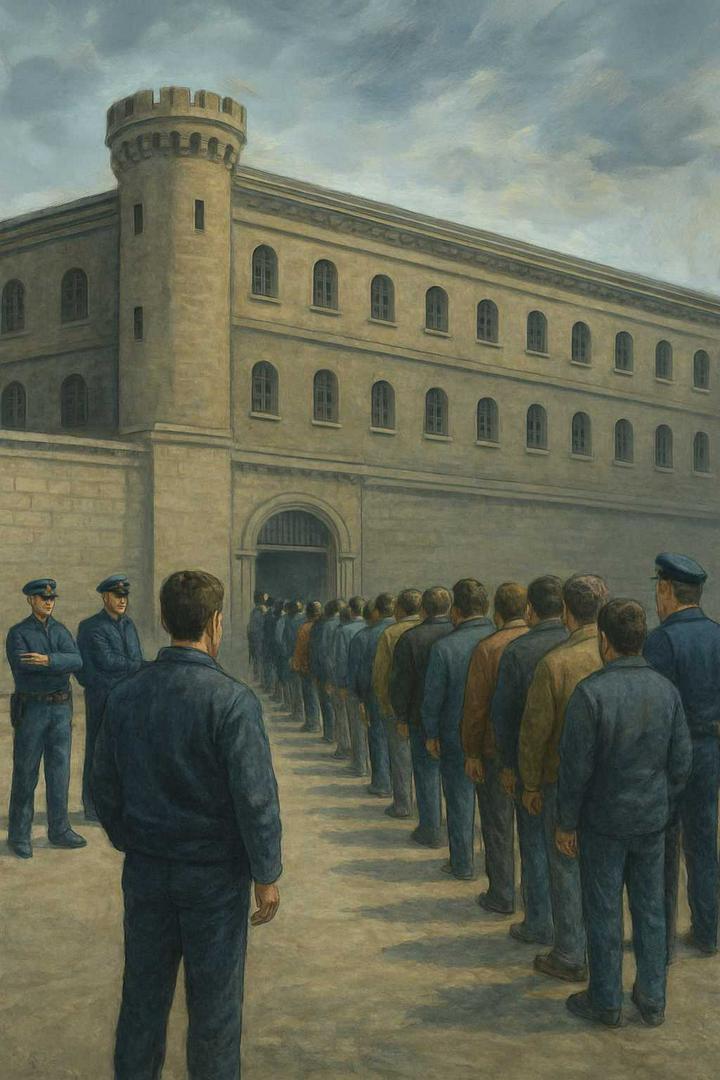
I spent 25 years in federal prison. There are five security levels: minimum, low, medium, high, and administrative max (ADX). I never made it to a minimum. Beyond those, there are two behavior management programs — the Special Management Unit (SMU) and the Communication Management Unit (CMU). I was never in the CMU, which mostly houses terrorists and individuals tied to organizations the U.S. is actively at war with. When I was inside, that meant Al-Qaeda, Taliban, and ISIS operatives, along with members of The Order and other organized subversive groups. The United States has some of the harshest sentencing laws in the world. Out of about 9 billion people globally, roughly 8 million are incarcerated — and 2 million of them are here in the U.S. That means we hold 25% of the world’s prison population but make up only 4% of its people. We also have the world’s highest recidivism rate: about 63% return to prison within two years of release. In my experience, there’s almost nothing in federal prison that prepares you for life afterward. The mental rewiring needed to survive inside is often destructive outside. Without real prison and criminal justice reform, we’ll keep producing men who are institutionalized and struggling to function in a free society. I’m here to answer real questions — about doing time, helping incarcerated loved ones, and navigating the legal maze. I’ve spent years helping men file appeals, briefs, and motions, and I understand how district, circuit, and Supreme Court rulings differ — and why federal law can contradict itself. If you’re seeking clarity about the system or someone caught in it, I’m here to help I spent 25 years in federal prison — mostly in medium and high-security facilities, with some time in the SMU and lows. I write about incarceration, reentry, and the realities of America’s justice system, offering firsthand insight and guidance for those affected by it. #PrisonReform #CriminalJusticeReform

25 Years Inside the Federal System — What I Learned About America’s Prisons & Why Reform Can’t Wait
A.R_Writer

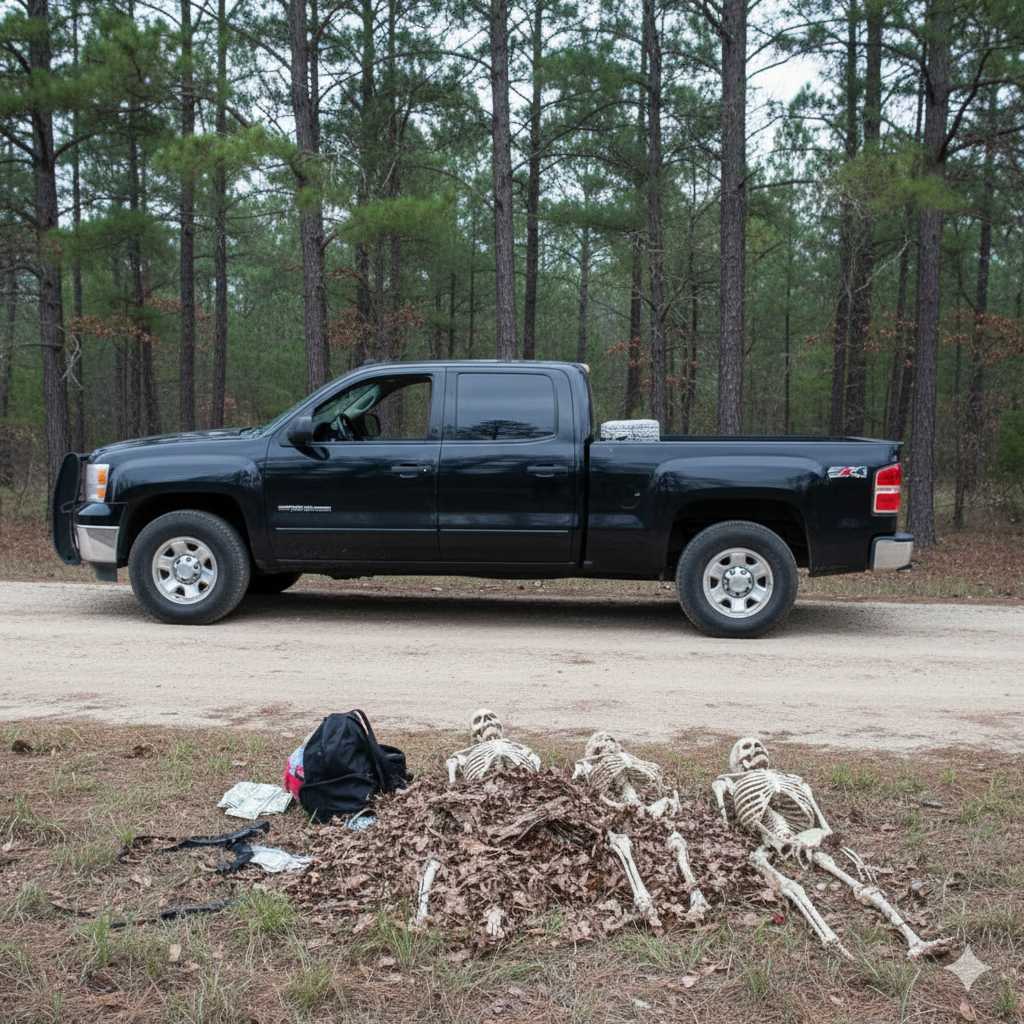
Vanished into Thin Air: The Chilling Enigma of the Jamison Family Oklahoma, 2009. A family drives into the mountains and simply ceases to exist. No struggle, no ransom—just an abandoned truck, a starving dog, and a mystery that keeps getting darker. 1. The Day the World Stopped In October 2009, Bobby, Sherilynn, and 6-year-old Madyson Jamison went to look at land in the Sans Bois Mountains. Days later, their truck was found. Inside was their dog, Maisie, still alive, along with their wallets, phones, and $32,000 in cash untouched. In a world where people disappear for money, why was this fortune left behind? 2. A Descent into Madness The mystery deepened with home surveillance footage. It showed Bobby and Sherilynn packing the truck in a "trance-like" state—moving silently, walking back and forth 20 times without speaking. It looked like they were under a spell or a severe psychological breakdown. 3. Ghosts and Witchcraft Investigations revealed a home life filled with paranoia. The family believed their house was haunted. Bobby had asked a priest for "special bullets" to kill spirits, while Sherilynn owned a "Witch’s Bible." A rambling 11-page "hate letter" found in the truck suggested a family breaking from within. 4. The Grim Discovery In 2013, four years later, their skeletal remains were found just three miles from the truck, lying face down, side-by-side. The elements had destroyed any chance of finding the cause of death. 5. Conclusion: The Mountain’s Secret Was it a drug deal gone wrong? A murder-suicide? Or did they succumb to a shared delusion that led them into the freezing woods? The Jamisons took their secrets to the grave. All that remains is a haunting photo of Madyson—the last one ever taken—showing a child looking terrified at something we will never see. https://vocal.media/criminal/the-case-that-terrified-the-internet-the-person-who-vanished-while-livestreaming

Curiosity Corner

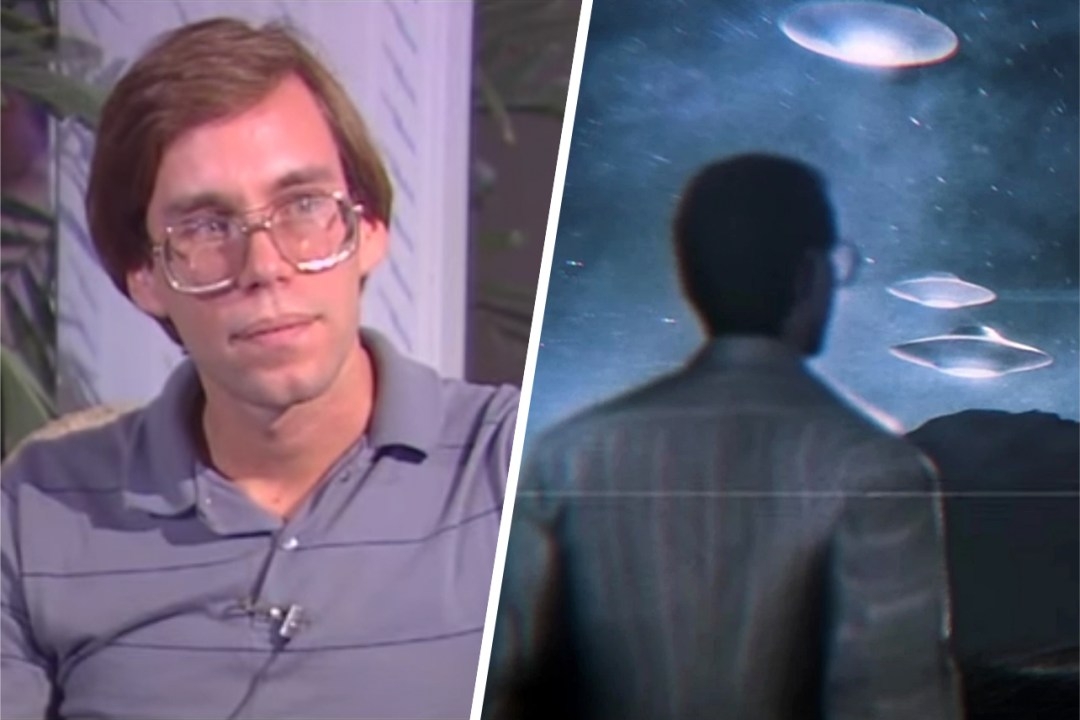
Bob Lazar’s Alien Spaceship Story: True or False? In 1989, Bob Lazar told reporter George Knapp that he had worked on alien spaceships at a secret facility called S‑4, located just south of Area 51 near Papoose Dry Lake. He claimed that nine disc-shaped craft were stored in hidden hangars carved into the mountain. According to Lazar, these ships did not use jets or rockets. Instead, they were powered by a small reactor fueled with element 115. When protons were fired at the element, it supposedly produced gravity waves that allowed the craft to hover silently, make right-angle turns, accelerate instantly, and even warp space for interstellar travel. One ship, called the “Sport Model,” allegedly came from the Zeta Reticuli star system, 39 light-years away. Many of Lazar’s claims do not hold up. He said he had physics degrees from MIT and Caltech, but neither university has any record of him. He worked at Los Alamos National Laboratory, but only as a low-level technician with a subcontractor, not as a physicist. Lazar even displayed an S‑4 ID badge, but he later admitted it was a replica he had made himself. He also claimed he had stable element 115 in 1989. Scientists didn’t synthesize it until 2003, and only about 100 atoms of the most unstable isotope were produced, each lasting less than a second. Nothing like the orange metallic triangles Lazar described exists. His concept of a reactor using “gravity amplifiers” has no basis in known physics. Despite this, U.S. Navy pilots have recorded unidentified aerial phenomena performing maneuvers similar to those Lazar described: Sudden bursts of speed, sharp turns, no sonic boom, and no heat signature. The Pentagon confirms the videos are real and remain unexplained. Even though most of Lazar’s claims fail scientific scrutiny, he has told the same story for 35 years without profiting significantly. The question remains: what is Bob Lazar’s real motivation? #UFO #Area51 #Science #Physics #USA #Nevada #Debate

Tiffani chavez

The football game was sold out. 50,000 screaming fans. Down on the sideline, ""Big T,"" a security guard, was supposed to be watching the crowd. But he was distracted. A torrential downpour started in the 3rd quarter. Huddled against the concrete wall of the stadium was a tiny, wet kitten that had wandered onto the field level. It was shaking, terrified by the noise and the rain. Big T didn't call animal control. He didn't kick it out. He turned his back to the field. He took his large yellow security poncho and held it open like a tent over the kitten. He stood there for the last 45 minutes of the game, getting soaked himself, creating a dry safe zone for the intruder. A fan in the front row took a pic. ""He ignored the touchdown to save a life,"" the caption read. Kindness is doing the right thing when thousands of people are watching something else. 🏟️🐈 #SecurityGuard #Sports #KittenRescue #RainGame #ViralPhoto #Kindness #UnexpectedHero #GoodNews #KittenRescue #CatLovers