Category Page entertainment

Dashcamgram

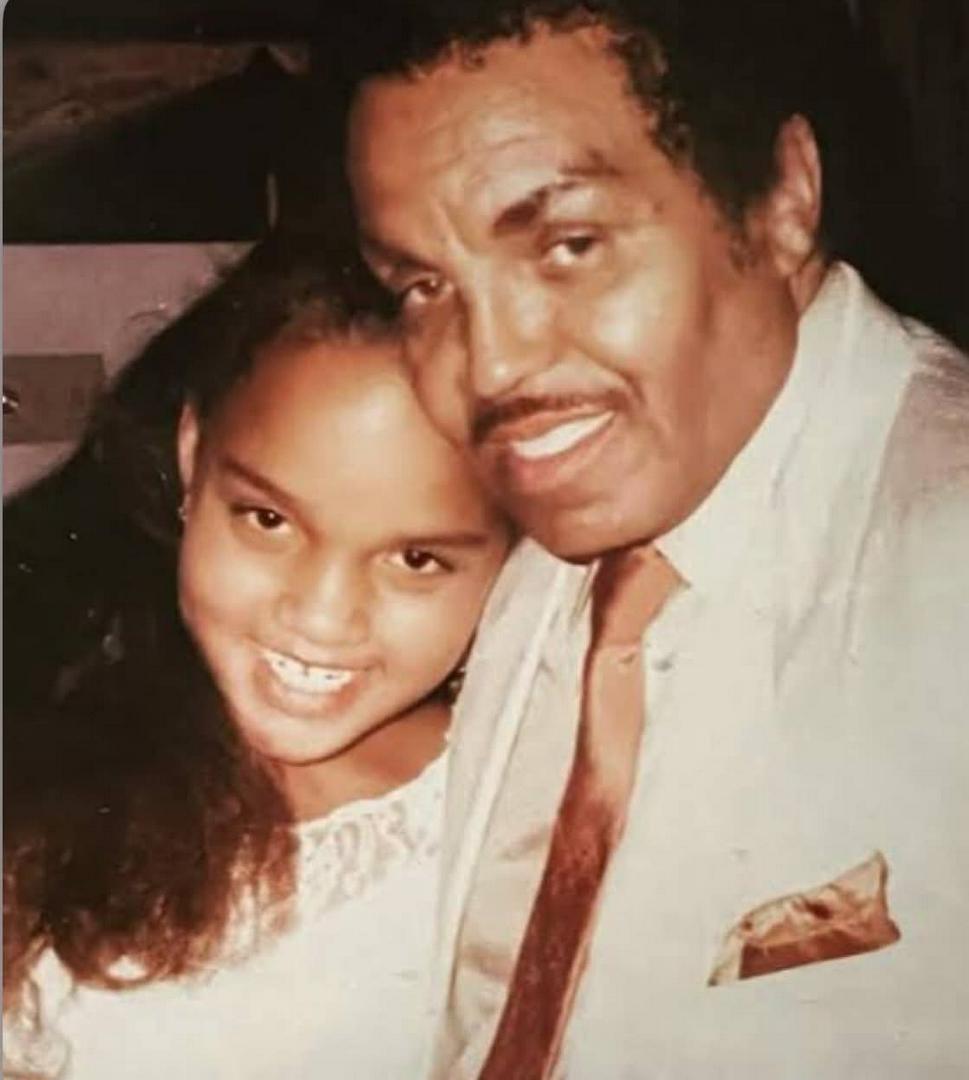
A lot of the newer generation is just now learning about Joh’Vonnie Jackson — Joe Jackson’s daughter — and many are surprised her story isn’t more widely known. While the Jackson family legacy is one of the most famous in the world, Joh’Vonnie has often spoken about growing up on the outside of that spotlight, navigating life without the same access, recognition, or protection tied to the Jackson name. Her story has reopened conversations about family dynamics, acknowledgment, and how fame can create different realities even within the same bloodline. Some people feel her experiences deserve more visibility, while others are just now realizing how complex the Jackson family history truly is beyond what the media showed for decades. It’s a reminder that behind legendary last names are real people with stories that didn’t make the headlines — until now. #JohVonnieJackson #JoeJackson #JacksonFamily #UntoldStories #CelebrityFamilies #ViralConversation #MusicHistory

Michael Martin

AMEN

AMEN
LataraSpeaksTruth

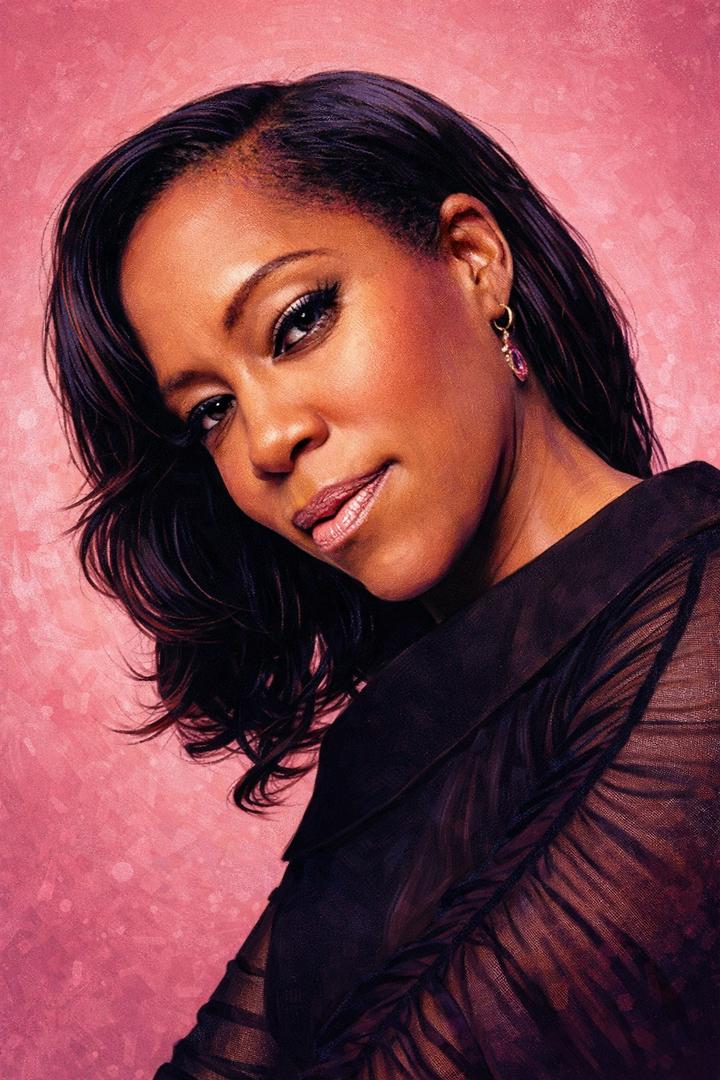
Today we celebrate Regina King, born January 15, 1971, a woman whose career is best described as an evolution, not a moment. Regina King has been part of our cultural fabric since she was a teenager, first stepping into living rooms as Brenda Jenkins on 227, already grounded, already confident, already showing a depth that suggested she was here for the long run. She didn’t chase the spotlight. She earned it. As her career unfolded, she became known for turning every role into something memorable. In cult classics like Friday and Jerry Maguire, she brought sharp humor, realism, and presence that elevated the story without overpowering it. Then came the era that defined her dramatic authority. Performances in The Leftovers and Seven Seconds showed an actress unafraid of silence, grief, and moral complexity. Her Oscar winning role in If Beale Street Could Talk was a masterclass in restraint, portraying maternal love with a quiet intensity that lingered long after the credits rolled. Her range also extended beyond live action. As the voice of both Huey and Riley Freeman on The Boondocks, Regina King shaped one of the most influential animated series of its era, delivering satire, political insight, and generational commentary with precision and unmistakable presence. Two voices. Two worldviews. One performer. She continued redefining power on screen as Angela Abar, also known as Sister Night, in Watchmen, then stepped fully into leadership with her directorial debut One Night in Miami, proving her vision behind the camera was just as strong. Beyond the work, her 2019 Golden Globes pledge to prioritize equity and opportunity reflected a commitment to legacy, not just success. This is more than a birthday. It’s a celebration of longevity, purpose, and evolution. Happy Birthday to Regina King, still rising, still shaping the culture, still setting the standard. #ReginaKing #HappyBirthdayReginaKing #EvolutionOfAQueen #FilmAndTelevision #HollywoodIcon #AwardWinningAct

justme

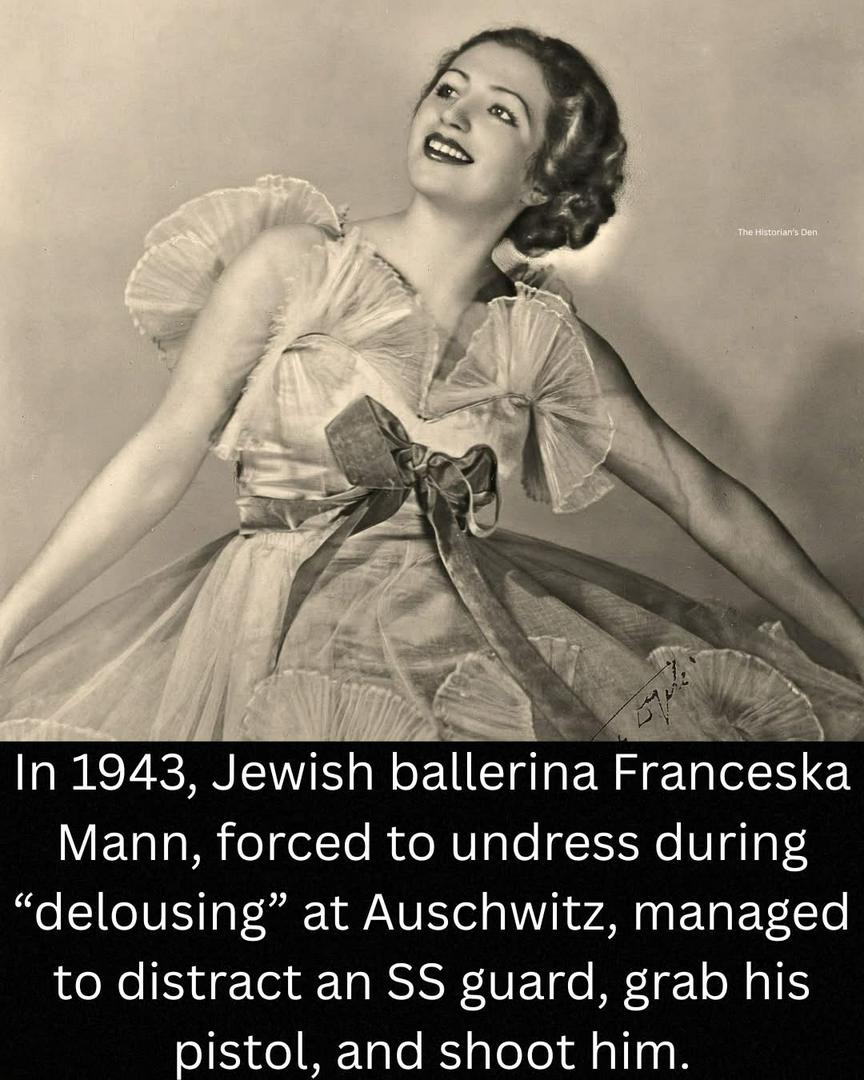
In October 1943, Jewish ballerina Franceska Mann, one of Warsaw’s most promising dancers, was among a transport of prisoners taken from the Hotel Polski roundup and sent to Auschwitz-Birkenau. Upon arrival, she and the others were ordered into a so‑called “delousing” room, a deception commonly used to disguise the gas chambers. Mann had been a rising star in pre‑war Warsaw, performing at the Melody Palace and training at the city’s top ballet schools. When the Warsaw Ghetto was liquidated earlier that year, she was swept up in the chaos and deported under the false promise of “resettlement” in Switzerland, one of the cruel tricks used by the Nazis to lure remaining Jews out of hiding. Inside the undressing room at Birkenau, Mann realized what was actually happening. Instead of surrendering to terror, she acted. According to survivor testimonies, she distracted an SS guard, seized his pistol, and shot him. The struggle triggered a brief uprising in the room, with several other women joining in. It was quickly suppressed, but it remains one of the very few documented acts of armed resistance inside Auschwitz itself. Her story endures because it challenges the myth that victims went passively. Even in the most controlled, brutal environment imaginable, people like Franceska Mann found moments of defiance, small flashes of humanity and courage that history should never forget. #legend #thehistoriansden

Amanda F Terry-Fall

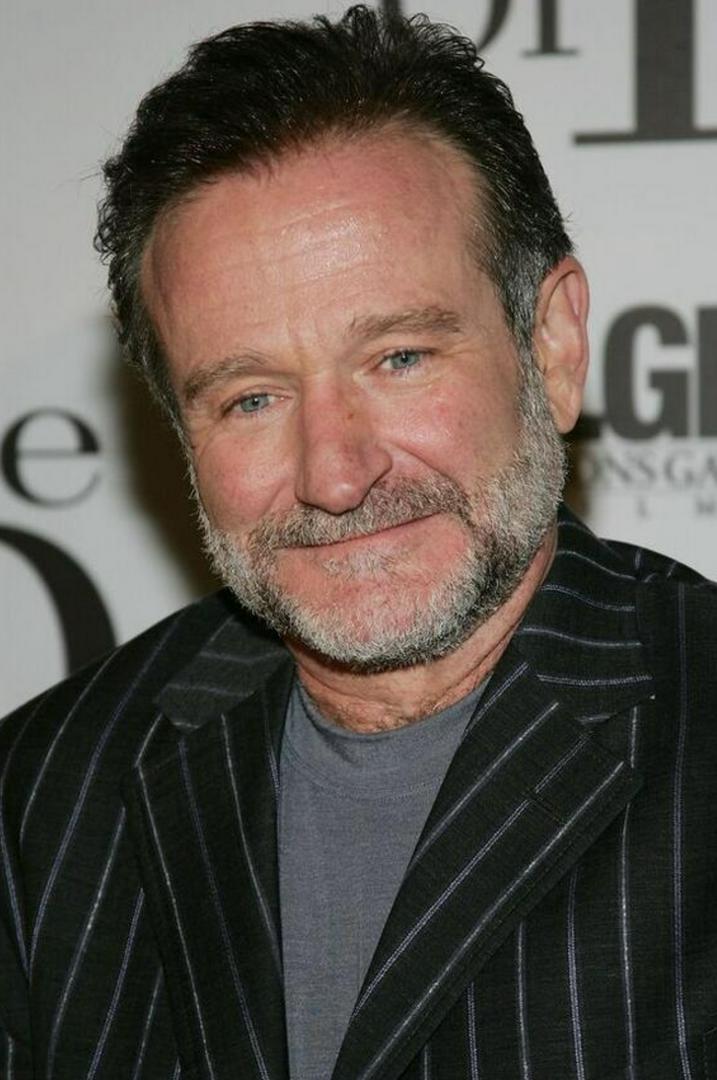
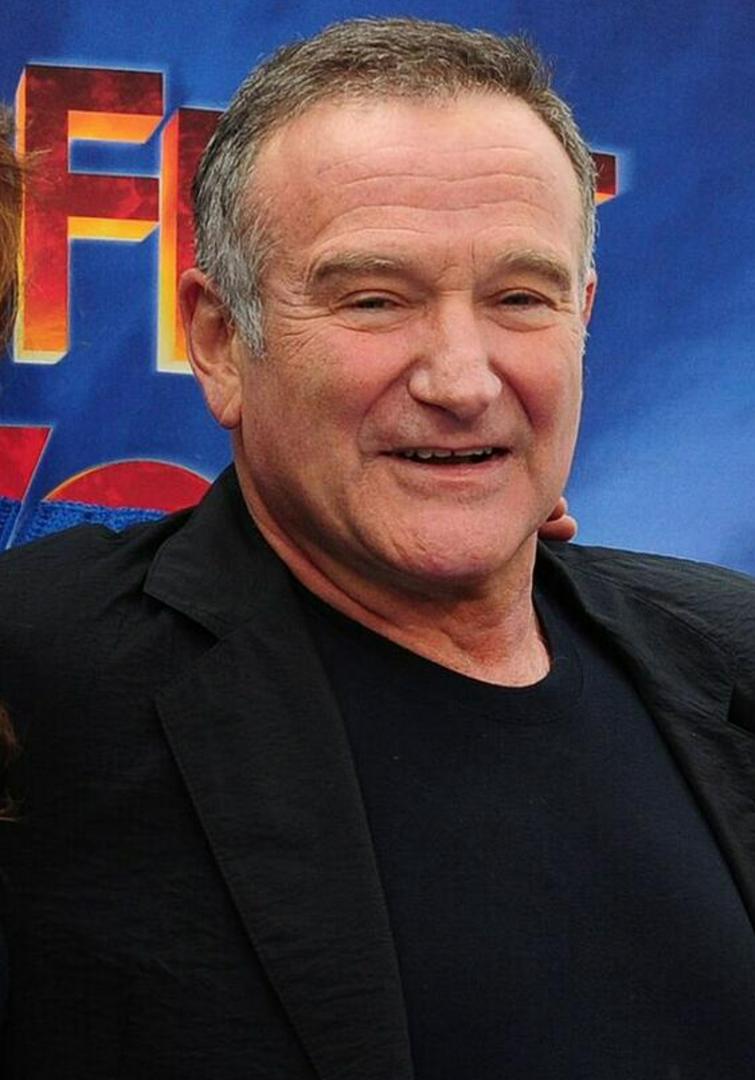
Robin Williams’ Autopsy Revealed Undiagnosed Illness That Deeply Affected His Final Years Nearly a decade after the tragic death of legendary actor and comedian Robin Williams, new attention has been drawn to a heartbreaking medical detail revealed in his autopsy: Williams was suffering from undiagnosed Lewy body dementia, a progressive and devastating neurological disease. Williams died by suicide on August 11, 2014, at the age of 63. Prior to his death, he had been diagnosed with Parkinson’s disease, but medical examiners later determined that Lewy body dementia was the underlying cause of his worsening physical and mental symptoms. The disease can cause hallucinations, memory loss, anxiety, confusion, and severe movement difficulties. His son, Zak Williams, has since spoken openly about the emotional toll the misdiagnosis took on his father. In interviews, Zak explained that the treatments Williams received may have worsened his condition and increased his frustration, discomfort, and emotional distress. The incorrect diagnosis also prevented Williams from fully understanding what was happening to his brain. Lewy body dementia currently has no cure, and while some treatments can help manage symptoms, the condition typically progresses rapidly. Average survival after diagnosis ranges between five and seven years. Williams’ death shocked the world, but his family continues to raise awareness about neurological disorders and mental health. His story remains a powerful reminder that many people battle invisible illnesses while still bringing light and joy to others. Anyone struggling with mental health challenges is encouraged to seek support through trusted resources such as the 988 Suicide & Crisis Lifeline, available 24/7 nationwide. ⸻ By Amanda F, NewsBreak Contributor

justme

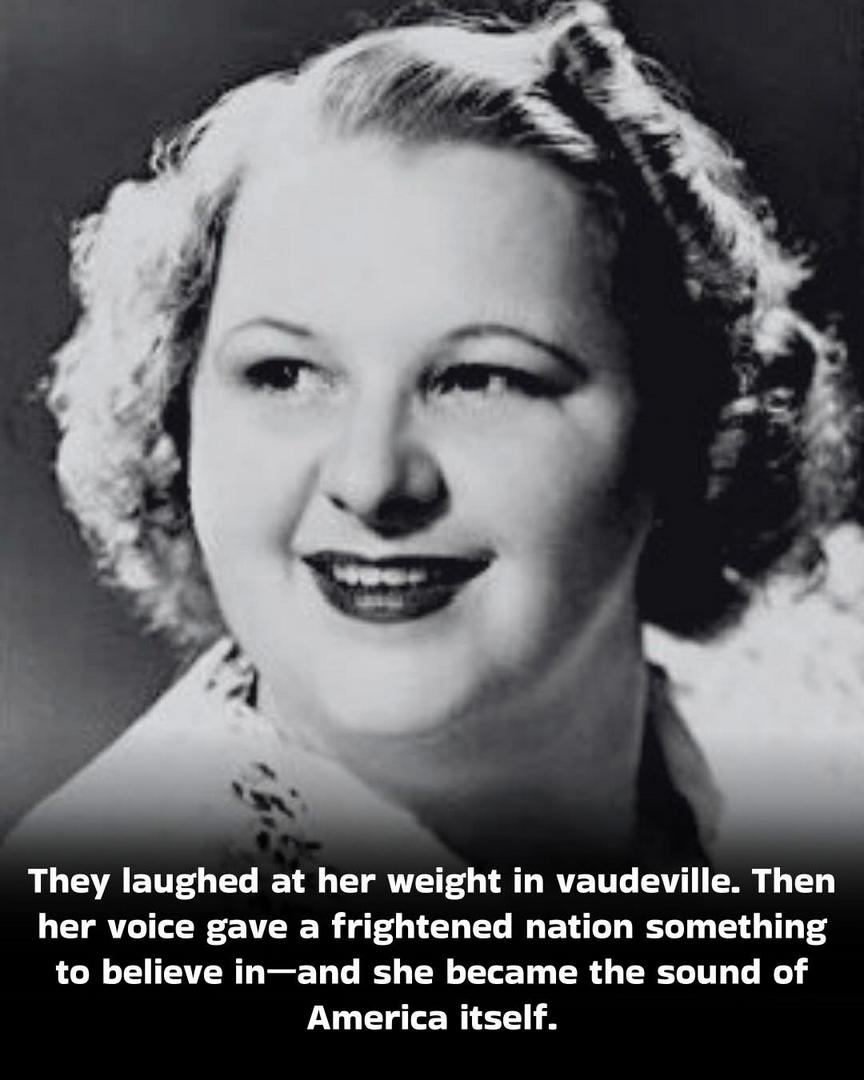
They laughed at her weight in vaudeville. Then her voice gave a frightened nation something to believe in—and she became the sound of America itself. November 10, 1938. Armistice Day eve. Across America, families huddled around glowing radios, faces lit by the amber warmth of vacuum tubes. Outside, storm clouds were gathering—not just in the sky, but across an ocean where dictators' boots were already marching. Then a voice cut through the static. Not the delicate, polished tones the entertainment industry demanded. Not a starlet molded for applause. It was the voice of a woman they had tried to silence for years. Kate Smith had been the butt of vaudeville jokes, cast in "fat girl" sketches where her extraordinary talent was buried beneath ridicule. Audiences came to laugh at her, not listen to her. But she didn't quit. She stopped trying to be what others wanted and became the voice her country needed. On that November night, she sang a song Irving Berlin had written twenty years earlier in 1918 but quietly set aside, believing the melody didn't suit the times. Kate breathed life into it. As the final note faded, switchboards across the country lit up like Christmas trees. Americans weren't just listening—they were standing, hands over hearts, some weeping. "God Bless America" had become the nation's second anthem. But Kate didn't stop there. When World War II erupted and young American men shipped overseas to face an uncertain fate, Kate Smith didn't merely perform patriotic songs on the radio. She fought. Through marathon radio broadcasts that lasted hours, she rallied Americans to buy war bonds—selling the debt that would fund ships, planes, weapons, and the massive industrial effort required to win the war. The numbers are almost impossible to believe. Kate Smith personally raised over $600 million in war bond sales—more than any other entertainer

pbrewer

new orleans: culture trip or drunken circus? 🎷🍹

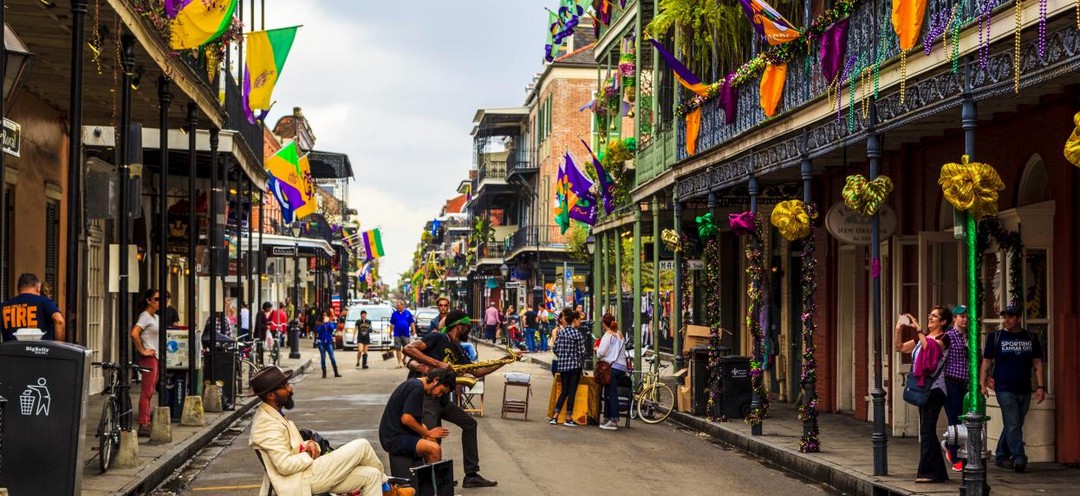
I went to New Orleans dreaming of jazz echoing through cobblestone streets, the smell of gumbo in the air, and locals dancing to brass bands under the sunset. But Bourbon Street at night felt more like Las Vegas with a hangover. Tourists stumbled from bar to bar with plastic cups, yelling “Mardi Gras!” in October. Street performers fought for tips, and the jazz was drowned out by EDM blasting from neon-lit clubs. I watched a man dressed as a clown take selfies in front of a 200-year-old church — and people cheered. Locals told me, “We love visitors, but they don’t love the real New Orleans. They just love the party.” And they’re right. Somewhere between the hurricanes (the drink) and the hurricanes (the storms), the city’s soul got commercialized. Is this still cultural celebration — or cultural exhaustion? #Travel #NewOrleans

new orleans: culture trip or drunken circus? 🎷🍹