1/1

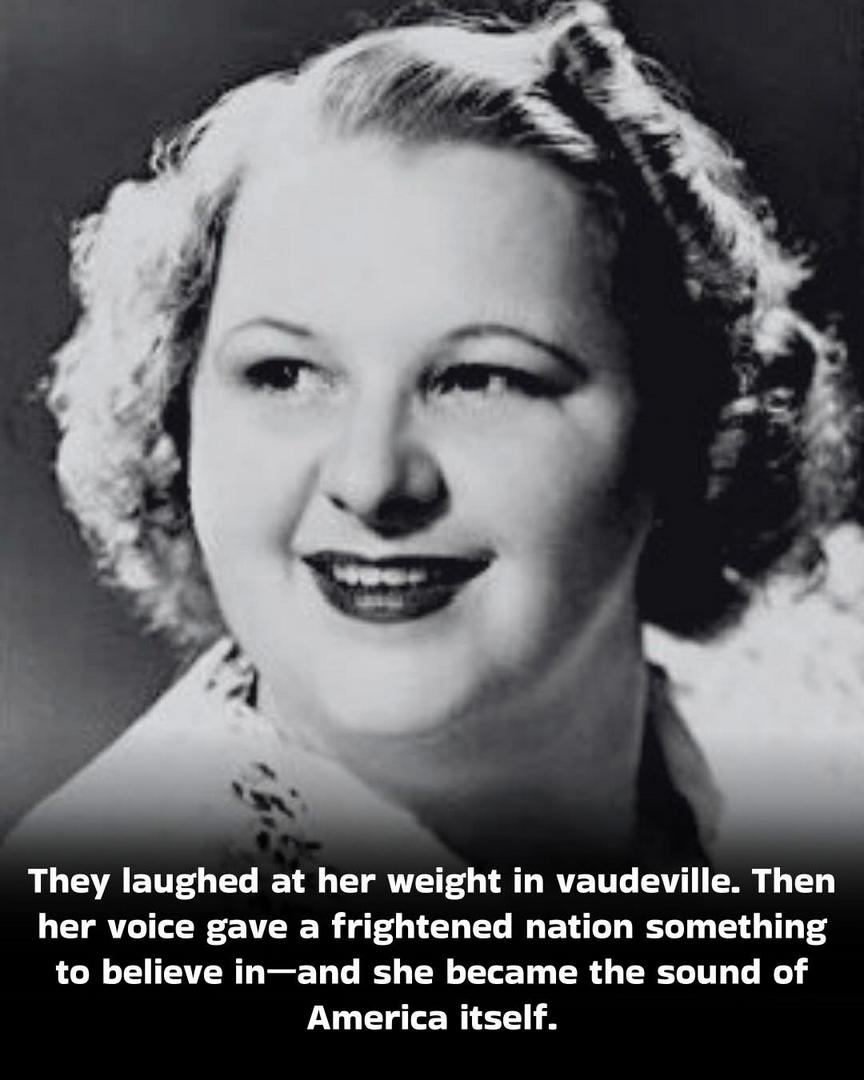
They laughed at her weight in vaudeville. Then her voice gave a frightened nation something to believe in—and she became the sound of America itself. November 10, 1938. Armistice Day eve. Across America, families huddled around glowing radios, faces lit by the amber warmth of vacuum tubes. Outside, storm clouds were gathering—not just in the sky, but across an ocean where dictators' boots were already marching. Then a voice cut through the static. Not the delicate, polished tones the entertainment industry demanded. Not a starlet molded for applause. It was the voice of a woman they had tried to silence for years. Kate Smith had been the butt of vaudeville jokes, cast in "fat girl" sketches where her extraordinary talent was buried beneath ridicule. Audiences came to laugh at her, not listen to her. But she didn't quit. She stopped trying to be what others wanted and became the voice her country needed. On that November night, she sang a song Irving Berlin had written twenty years earlier in 1918 but quietly set aside, believing the melody didn't suit the times. Kate breathed life into it. As the final note faded, switchboards across the country lit up like Christmas trees. Americans weren't just listening—they were standing, hands over hearts, some weeping. "God Bless America" had become the nation's second anthem. But Kate didn't stop there. When World War II erupted and young American men shipped overseas to face an uncertain fate, Kate Smith didn't merely perform patriotic songs on the radio. She fought. Through marathon radio broadcasts that lasted hours, she rallied Americans to buy war bonds—selling the debt that would fund ships, planes, weapons, and the massive industrial effort required to win the war. The numbers are almost impossible to believe. Kate Smith personally raised over $600 million in war bond sales—more than any other entertainer
3 days ago

Gail Hill
Gave me chill in the 50’s they don’t make them like her anymore.
2d
Essex, MD
Reply
9

Witty
When I was little I couldn’t pronounce Kate Smith, so I called her Cake Mix…❣️
1d
Carmichael, CA
Reply
6

Jack James
Kate!
2d
Reply
3
More comments ...
write a comment...