Category Page entertainment

LataraSpeaksTruth

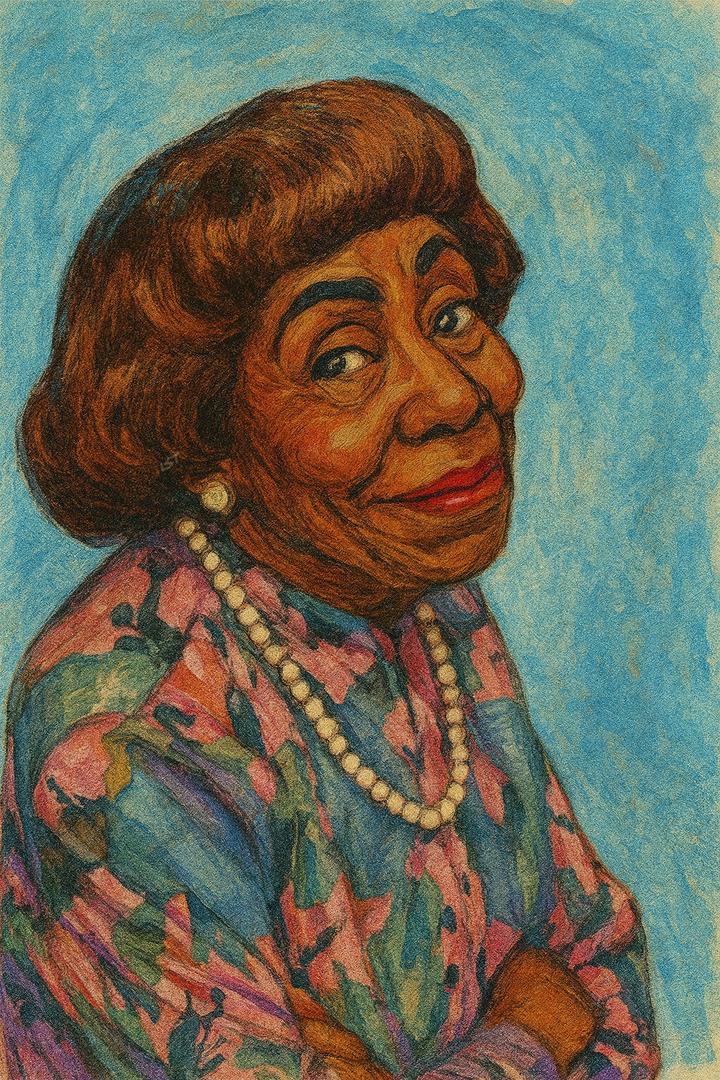
REMEMBERING HELEN MARTIN

Helen Martin was born in 1909… before the Harlem Renaissance, before the Great Migration, and before Black entertainment truly existed. She lived through almost every major shift of the twentieth century and still showed up on our screens like she had energy to spare. Most of us know her as Ms. Pearl from 227, the neighbor with the unforgettable attitude. But her career stretched far beyond that. She appeared in Hollywood Shuffle, Boomerang, House Party 2, and Don’t Be a Menace, turning small roles into scenes people still laugh about today. Helen Martin worked well into her seventies and eighties, proving age never dimmed her talent. She passed in 2000 at ninety years old, leaving behind a legacy that reached across generations. Gone, but never forgotten. A legend whose life stretched across nearly a century. Remembering Helen Martin and the history she carried into every role. #HelenMartin #BlackEntertainmentHistory #227 #MsPearl #ClassicTV #IconicRoles #GoneButNotForgotten #NewsBreakCommunity #LataraSpeaksTruth

REMEMBERING HELEN MARTIN
American Chronicles

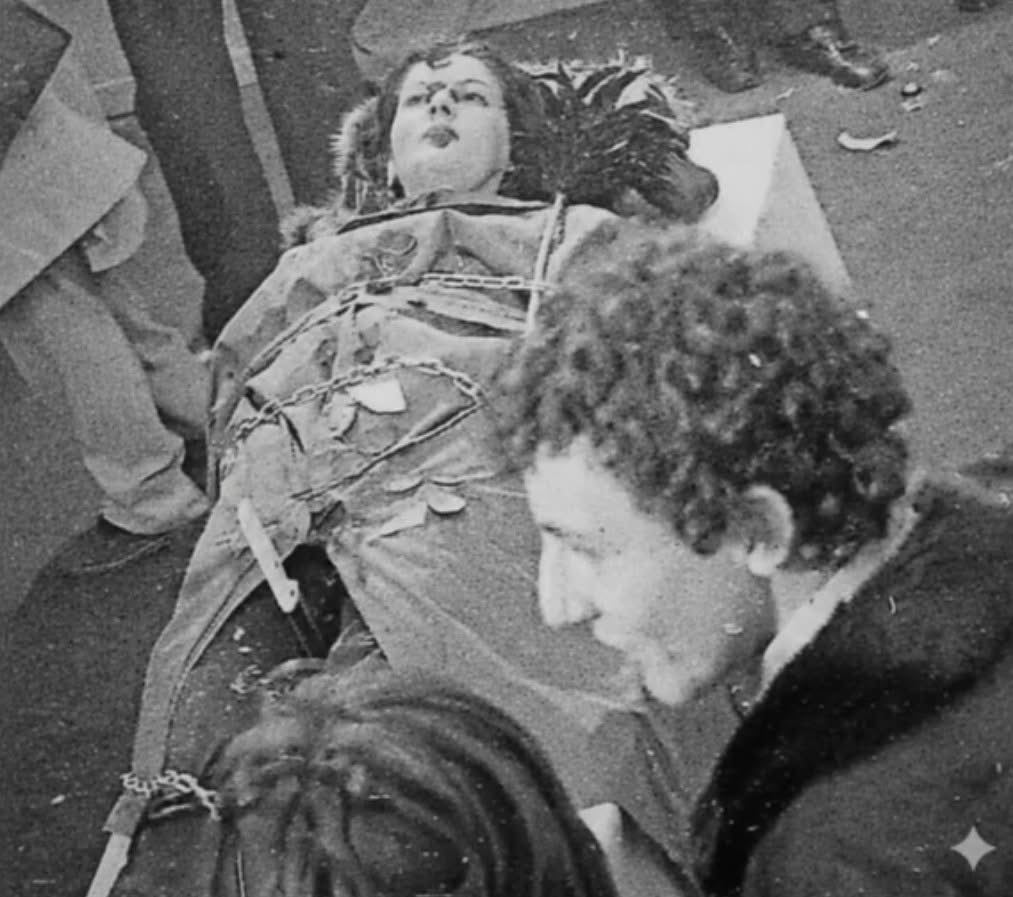
In 1974, inside a gallery in Naples, Italy, performance artist Marina Abramović did something no one was ready for. She stood completely still. Silent. Unmoving. On a table beside her were 72 objects. Some harmless: a rose, perfume, bread. Some dangerous: scissors, chains, a scalpel… and a loaded gun. A sign read: “You may use any object on me. I will not resist. I take full responsibility.” For six hours, she became an object. At first, the crowd was gentle. Someone placed a flower in her hand. Someone kissed her cheek. Then something shifted. Clothes were cut away. Skin was scratched with thorns. Blood appeared. People stopped seeing her as a person. Someone sliced her neck just to watch it bleed. Another person took the gun, placed it in her hand, and pointed it at her own head. Others had to intervene to stop it from ending right there. Marina didn’t react. Didn’t cry. Didn’t move. She let the crowd decide how far they were willing to go. When the six hours ended, she stepped forward. Alive. Bleeding. Human again. And that’s when the crowd broke. People ran. Avoided her eyes. Unable to face what they had done. The performance was called Rhythm 0. It was never repeated. Not because it failed— but because it proved something terrifying: When responsibility is removed… when permission is given… ordinary people are capable of extraordinary cruelty. And all it takes is silence.

LataraSpeaksTruth

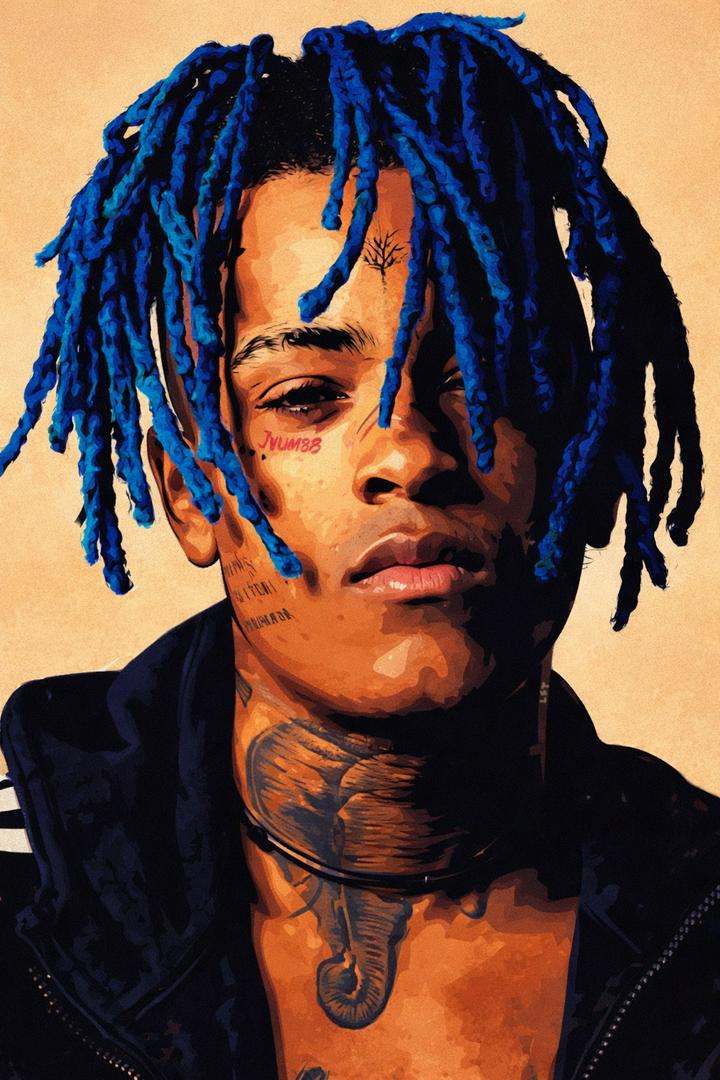
Happy Heavenly Birthday to XXXTENTACION. Born January 23, 1998, Jahseh Onfroy arrived like a storm and left like an echo that still hasn’t stopped bouncing around inside people. He was never meant to be background noise. His music was raw nerve, cracked glass, a diary left open on the floor. He spoke for kids who didn’t have the language yet, for pain that didn’t know how to sit quietly. From the chaos of Look at Me to the aching honesty of Jocelyn Flores, from the quiet devastation of Changes to the numb sadness of SAD! and the floating melancholy of Moonlight, X made feeling unavoidable. He was complicated. Unfinished. Reckoning with himself in public while the world watched, judged, argued, and consumed. He showed growth in real time, sometimes clumsy, sometimes sincere, sometimes painfully human. That mattered. Because it reminded people that healing isn’t pretty, and redemption doesn’t come wrapped in a bow. It comes with bruises, apologies, and effort. If he were here today, he’d be 28. That number hits different. Older. Wiser. Maybe calmer, maybe still wrestling demons, maybe mentoring younger artists who feel lost the way he once did. You can almost imagine him evolving sonically, spiritually, personally, pushing past the box people tried to lock him in. He was already shifting before his life was cut short. His absence is loud. His influence louder. You hear him in today’s artists, in the emotional honesty that’s no longer considered weak, in the permission people now give themselves to say “I’m not okay” out loud. X didn’t just make songs, he cracked something open. And once that door opened, it never fully closed again. Rest in power. Rest in complexity. Rest knowing you were heard. Happy Heavenly Birthday. #XXXTENTACION #JahsehOnfroy #HeavenlyBirthday #MusicLegacy #HipHopHistory #EmotionalHonesty #GoneButNotForgotten #RestInPower

1776 Patriot

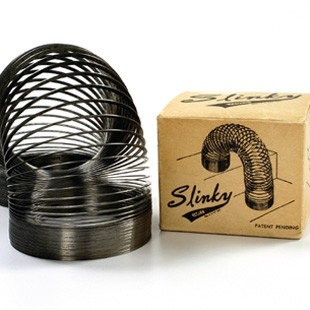
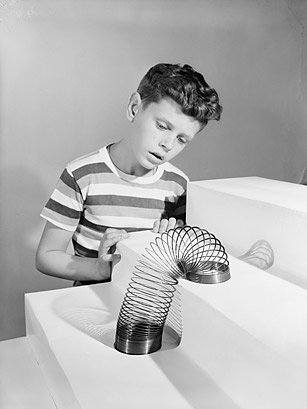
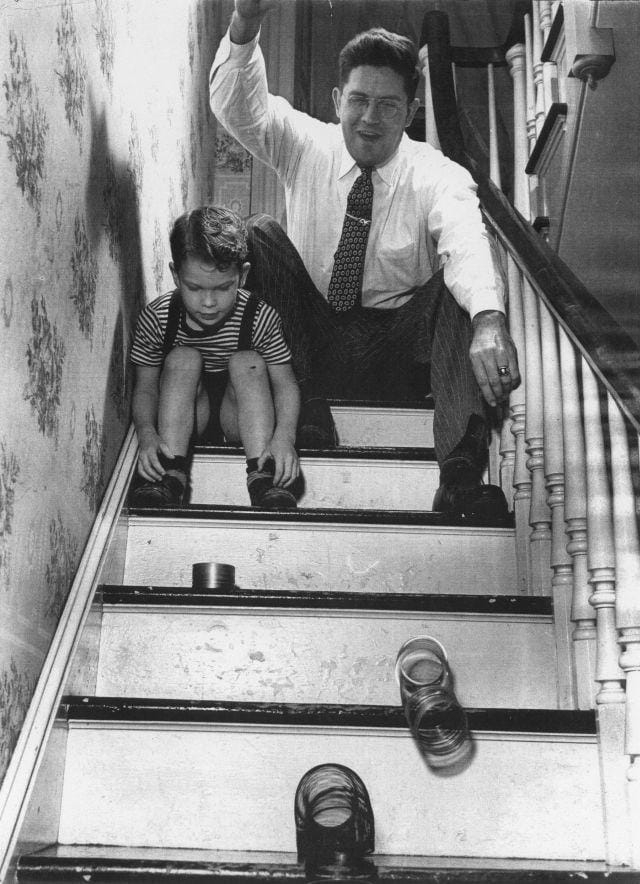
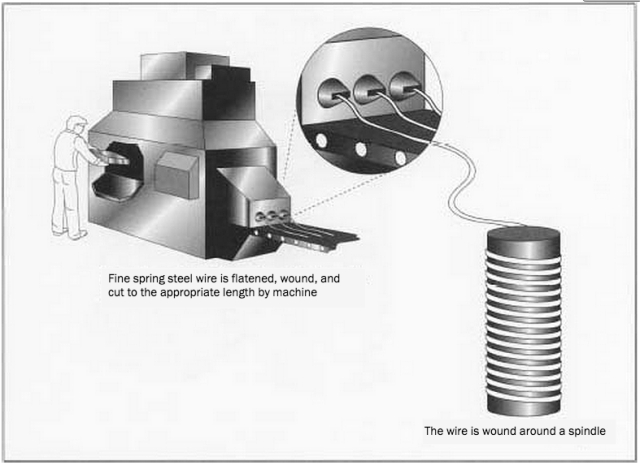
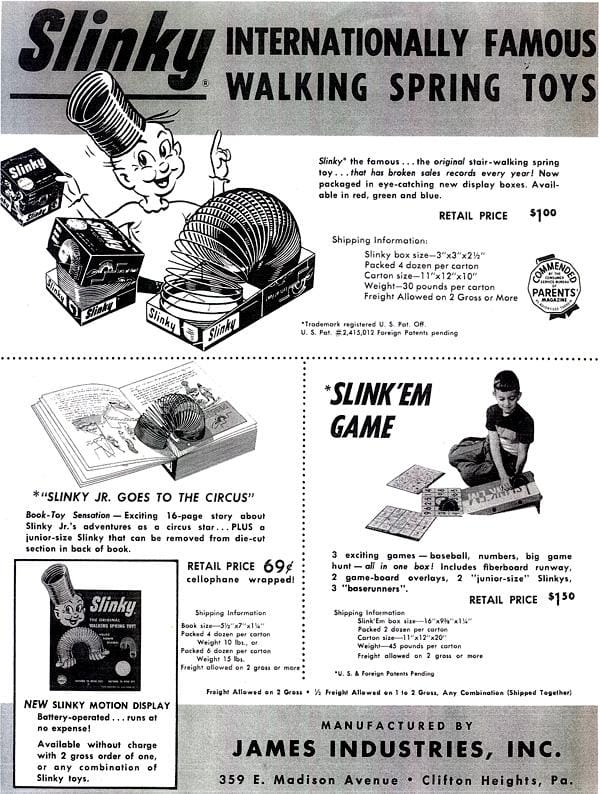
WWII Walking Wonder: The Untold Story of the Slinky In 1943, naval engineer Richard James was working in his Philadelphia workshop on tension springs meant to stabilize sensitive instruments aboard battleships during World War II. While adjusting a spring, it slipped from his hands and “walked” across the floor in a mesmerizing motion. James was astonished. He and his wife, Betty, immediately realized this accidental movement could be the basis for a playful invention. They experimented with dozens of prototypes, measuring how far springs could travel, how many flips they could make, and how quickly they could complete a descent. After testing hundreds of coils, they determined that a spring 2.5 inches in diameter made from high-grade Swedish steel produced the most consistent walking effect. Slight variations in coil thickness, tension, and length drastically changed the motion, and only about 2% of springs tested achieved the ideal “walk.” The war influenced materials and timing: steel was rationed, making their carefully sourced Swedish steel highly valuable, and small-scale production required meticulous hand-winding and testing. Post-war America’s shift to consumer goods in 1945 created the perfect market moment, allowing the Jameses to bring their invention to stores. Each original Slinky sold for $1, equivalent to roughly $17 today. Finally, they revealed the creation to the public: at Gimbels department store in Philadelphia, 400 units were displayed, and all sold within 90 minutes. By the early 1950s, Slinky was sold in over 30,000 stores nationwide, and more than 50 million units were purchased by 1960. Today, over 300 million Slinkys are sold annually worldwide, including metal, plastic, glow-in-the-dark, and themed editions like Disney and Star Wars. The toy also serves as an educational tool, demonstrating wave motion, gravity, and momentum in classrooms across the globe. #WWII #WWIIHistory #USHistory #History #America #USA #Military #Toys
justme

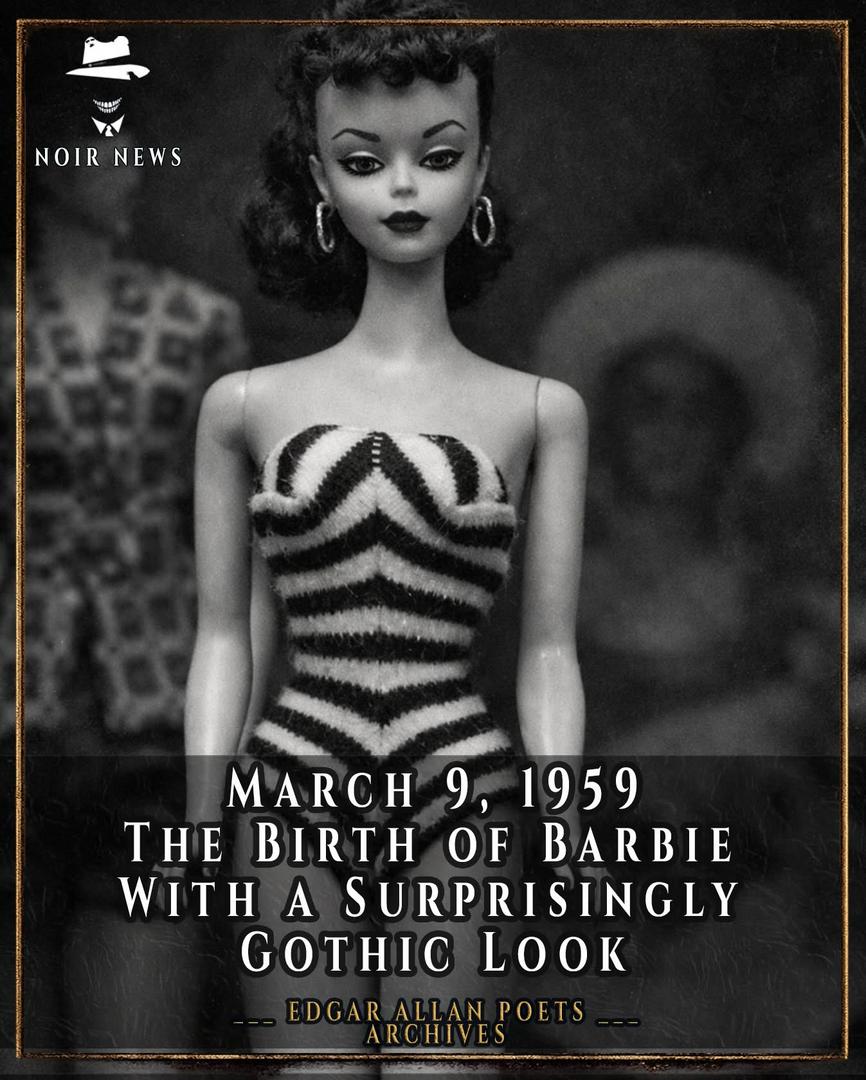
The first Barbie 🌺🌺🌺 Barbie was created by Ruth Handler and launched by Mattel on March 9, 1959, at the American Toy Fair in New York. Inspired by watching her daughter play with paper dolls, Handler sought to create a 3D adult-figured doll, filling a niche for toys that allowed girls to imagine their future careers. Smithsonian Magazine Smithsonian Magazine +3 This video explains the origin story of Barbie: Related video thumbnail 1m L.A. in a Minute YouTube • Aug 12, 2023 Key Origin Facts: Creator: Ruth Handler, co-founder of Mattel with her husband Elliot. Inspiration: The German "Bild Lilli" doll, a gag gift based on a comic strip character, inspired the design. Name: Named after Handler's daughter, Barbara. Debut: The first doll wore a black-and-white striped swimsuit, had a ponytail, and was available in blonde or brunette. Impact: Barbie was the first mass-produced toy in the U.S. with adult features, shifting play from baby dolls to imaginative adult roles. Initial Reception: Initially, the toy industry was skeptical, but the doll became a massive success