April 26, 1970 - Tionne "T-Boz" Watkins Was Born
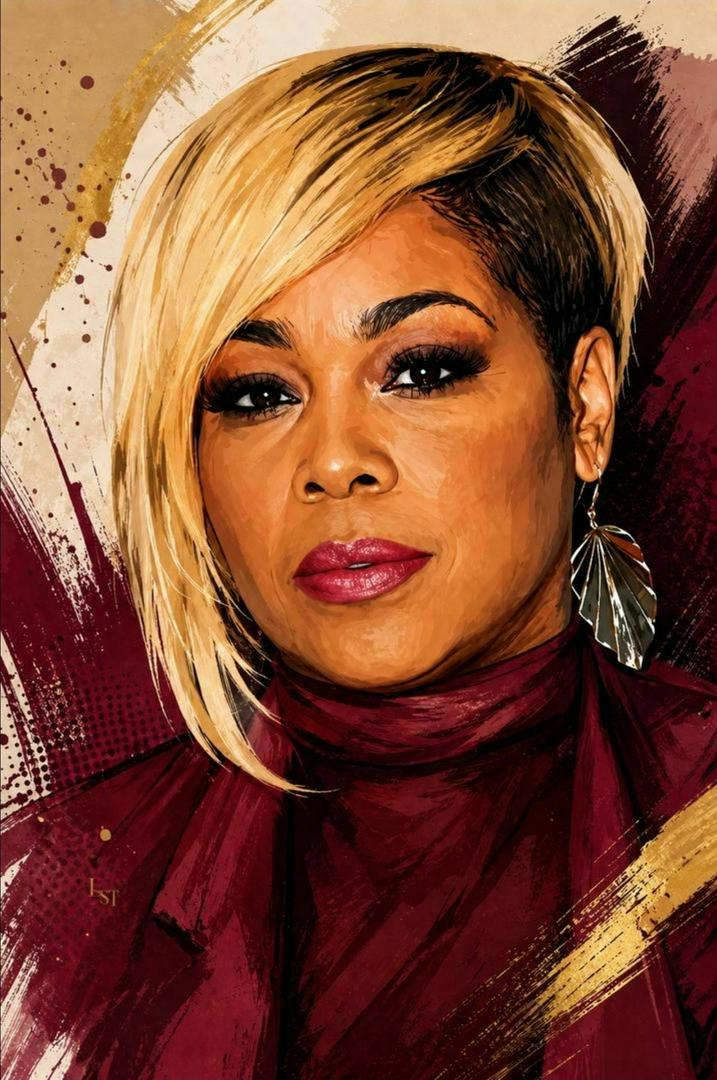
Tionne Watkins. known to the world as T-Boz. was born in Des Moines, lowa. As one third of TLC, alongside Lisa "Left Eye" Lopes and Rozonda "Chilli'" Thomas, she helped shape one of the most important gir groups of the 1990s
T-Boz had a voice people recognized instantly: low, smoky, calm, and cool without trying too hard. She did not sound like everyone else, and that became part of TLC's power. At a time when many female groups were expected to fit a certain mold, TLC brought something different. They plended R&B, pop, hip-hop style, bold fashion, and messages that actually meant something.
With songs like "Creep," "Waterfalls," "No Scrubs," and "Unpretty," TLC gave fansmusic they could dance to, cry to, and think about. They spoke on self-worth, health relationships, beauty standards, and the pressure women face, all while making hits that became part of music history
April 26 also carries a deeper meaning for ongtime TLC fans. Lisa "Left Eye' Lopes passed away on April 25, 2002, just one day before T-Boz's birthdav. So this date sits between celebration and remembrance, honoring T-Boz's life while also remembering the sisterhood, loss, and egacy connected to TLC
T-Boz's iourney is also one of survival. She faced serious health struggles, industry pressure, public grief, and the weight of continuing after losing a group member and friend. Still, her voice and presence remain part of a legacy that has never faded
TLC was not just a girl group. They were a
cultural moment. And T-Boz was the voice that made that moment unforgettable.
#TBoz #TLC #MusicHistory #RnBHistory #History