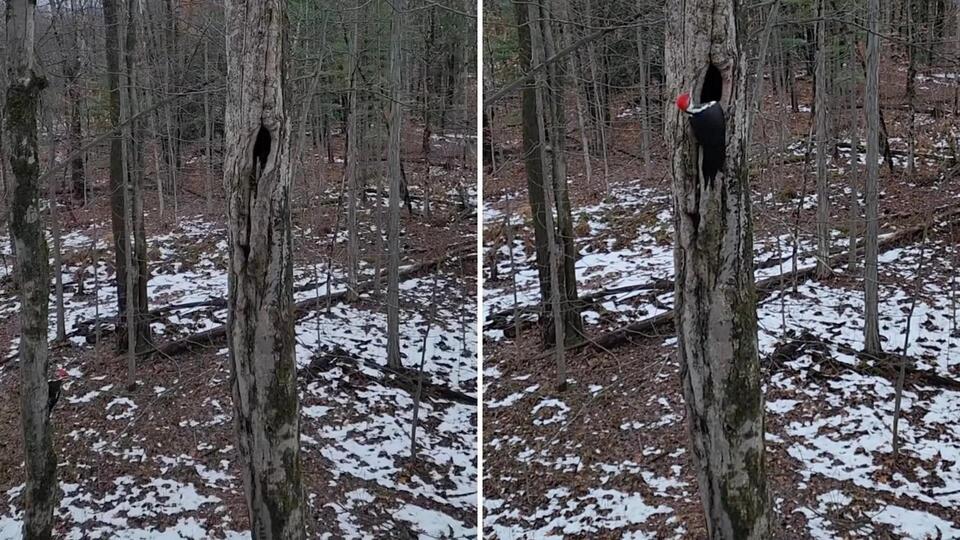
Michael Flores+FollowWhy native plants bring wildlife to your yardSeeing a pileated woodpecker make itself at home in a backyard tree is a reminder of how much life native plants attract. When you let native trees and plants grow, you’re not just skipping yard work—you’re inviting birds, butterflies, and other wildlife right to your doorstep. These plants need less water and maintenance, and they create habitats for all sorts of critters. Even a small patch of native greenery can turn your space into a mini-wildlife sanctuary. Have you noticed more animal visitors since going natural with your yard? Let’s swap stories and tips! #Science #NativePlants #Wildlife20Share
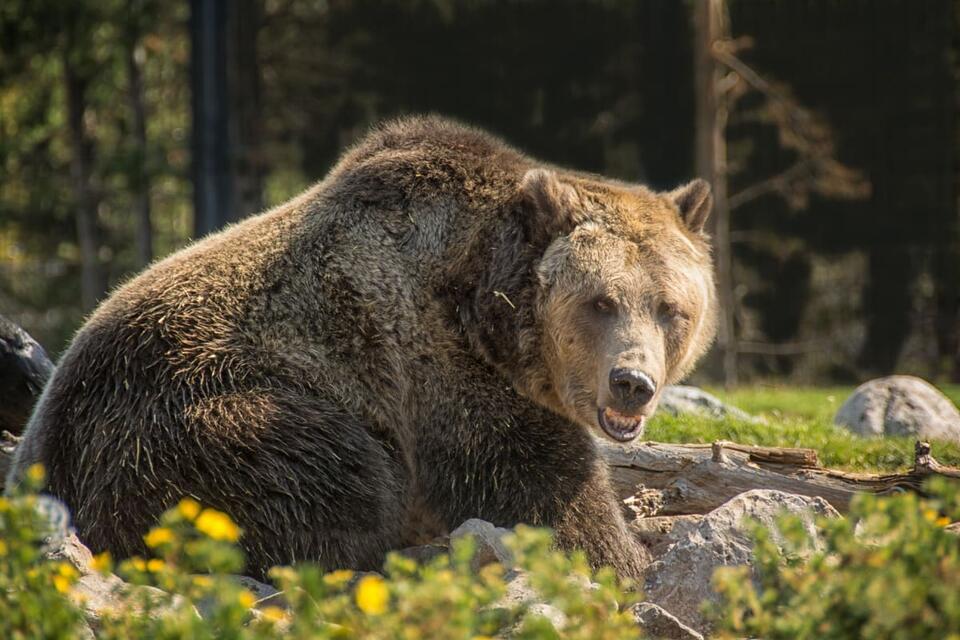
Zachary Gutierrez+FollowBears Are Shrinking—Here’s Why It’s WorryingWild: Bears in Italy are getting smaller and less aggressive because they’ve lived near humans for ages. Sounds safer for us, but experts say it’s bad news for the bears—less genetic diversity means they’re more at risk from disease and climate change. Human activity is literally changing how these animals evolve! Want to help? Switch to greener energy and support wildlife orgs. It’s not just about bears—protecting nature protects us, too. #Science #wildlife #conservation20Share
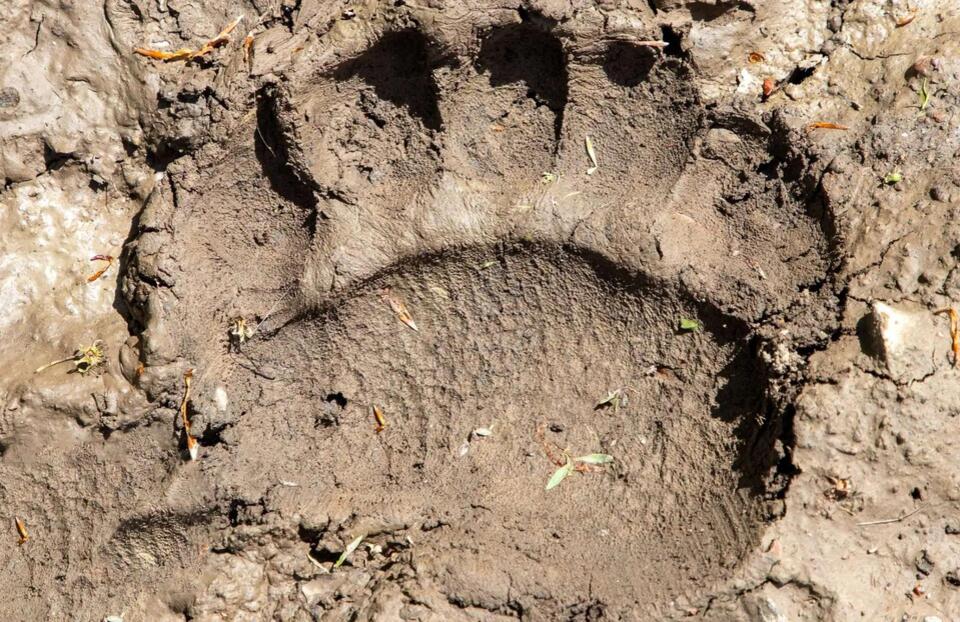
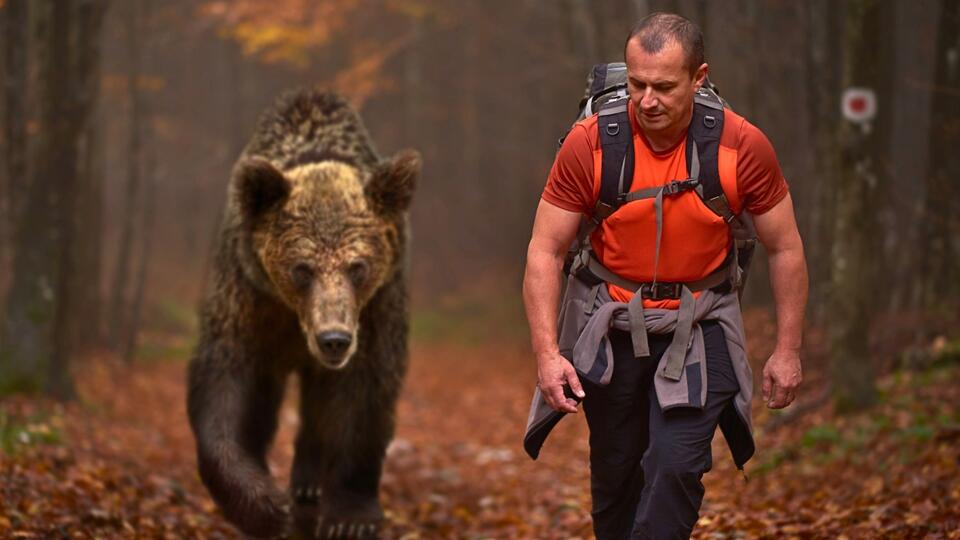
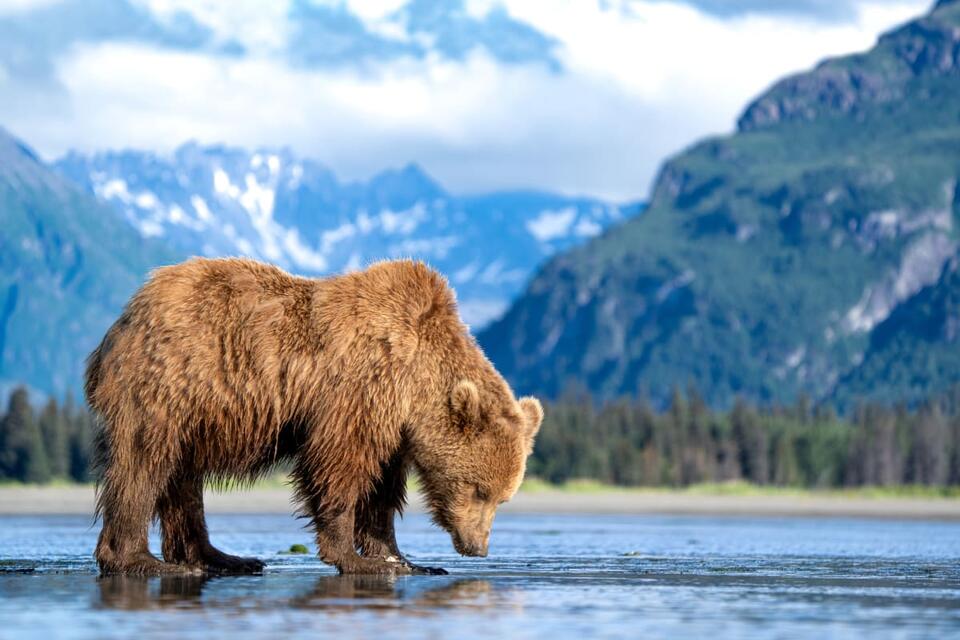
Richard Vaughan+FollowBrown Bears: The Real Danger?Everyone thinks grizzlies or polar bears are the deadliest, but stats say brown bears (which include grizzlies) are actually linked to the most human fatalities worldwide. It’s not because they’re out hunting people—most attacks happen when someone surprises a bear, gets too close to cubs, or stumbles onto a carcass. The real risk? More people and more bears crossing paths, especially in places like Alaska, Romania, and Japan. Want to stay safe? Hike in groups, make noise, and keep your snacks locked up! #Science #brownbears #wildlife10Share
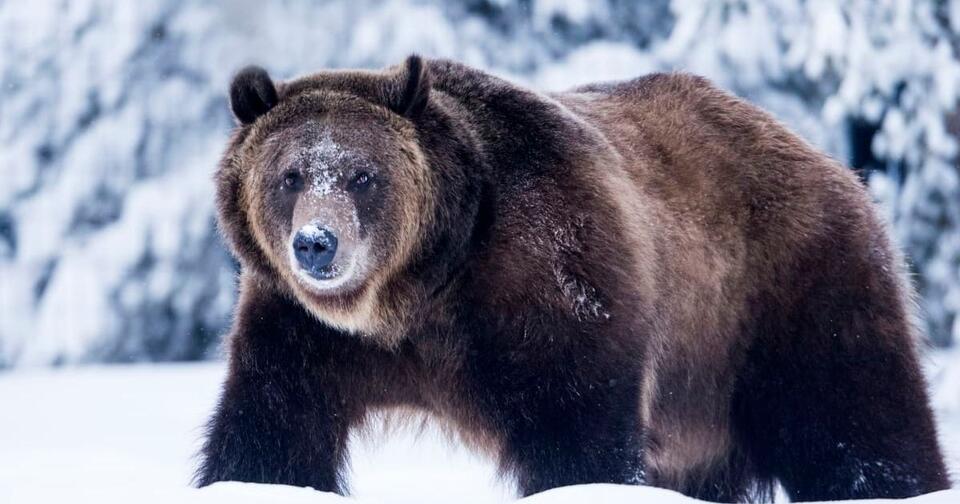
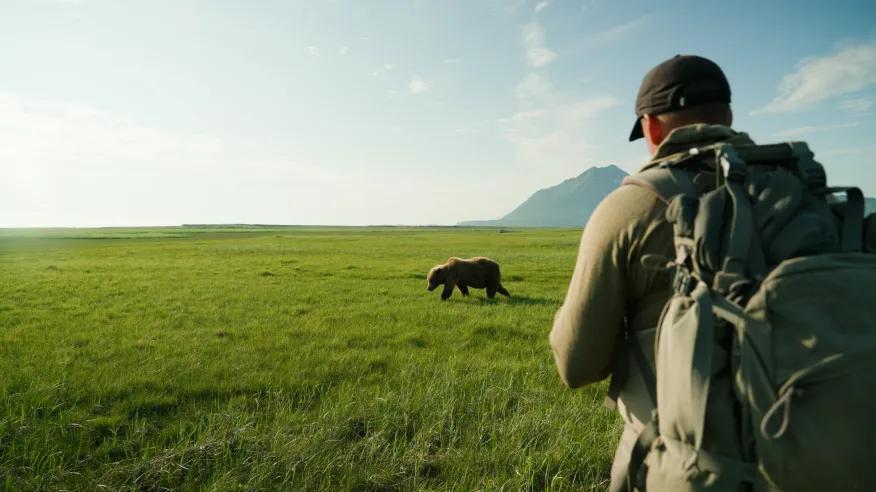
Richard Vaughan+FollowWhat grizzly bears really do all dayStrapping cameras onto wild grizzlies in Alaska has given researchers a front-row seat to the bears’ daily dramas—think caribou hunts, tree rubs, berry feasts, and even surprising moments of play and romance. The footage, dubbed "Bear TV," is more than just binge-worthy; it’s helping scientists crack the code on how these massive animals survive the harsh Arctic, especially when food is scarce. Turns out, calories are everything for these bears, and their choices impact the whole ecosystem. What do you think—should we use more wildlife cams to understand nature, or does it cross a line? #Science #Wildlife #GrizzlyBears10Share
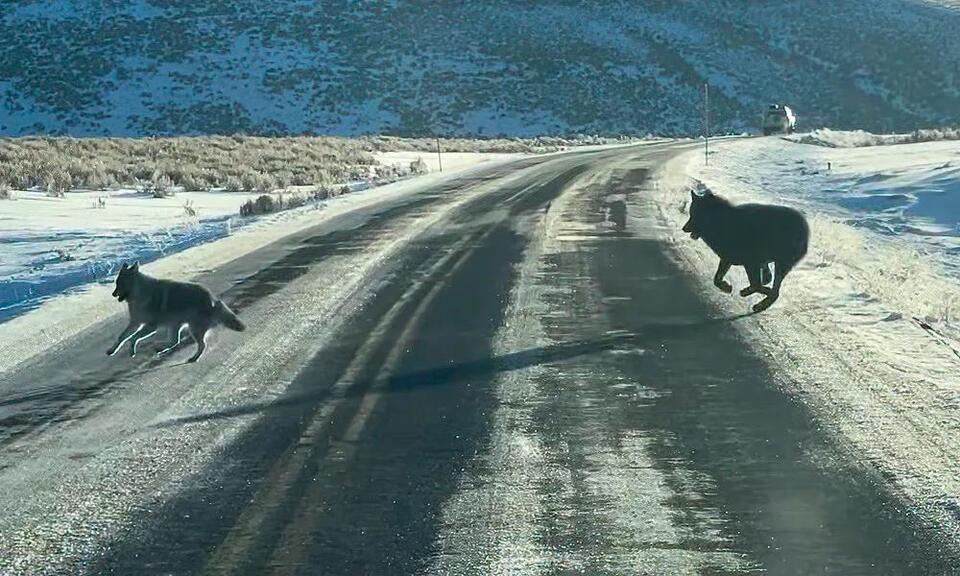
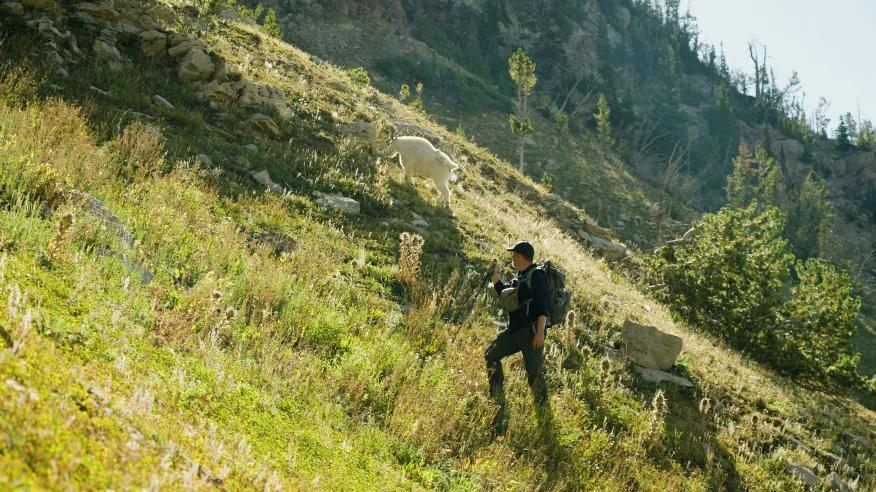
Michelle York+FollowWild wolf vs coyote chase stuns Yellowstone visitorsWatching a wolf chase down a coyote just feet from the Yellowstone highway is something you don’t see every day! The size difference between the two was jaw-dropping, but the coyote’s speed was seriously impressive. Thankfully, the tour group who caught the action on video confirmed both animals were unharmed. Their day didn’t stop there—they also spotted wolves, moose, mountain goats, bison, and more. Yellowstone’s wildlife really knows how to put on a show! If you’ve ever had a close encounter with wildlife, how did it change your view of nature? #Science #Yellowstone #Wildlife130Share
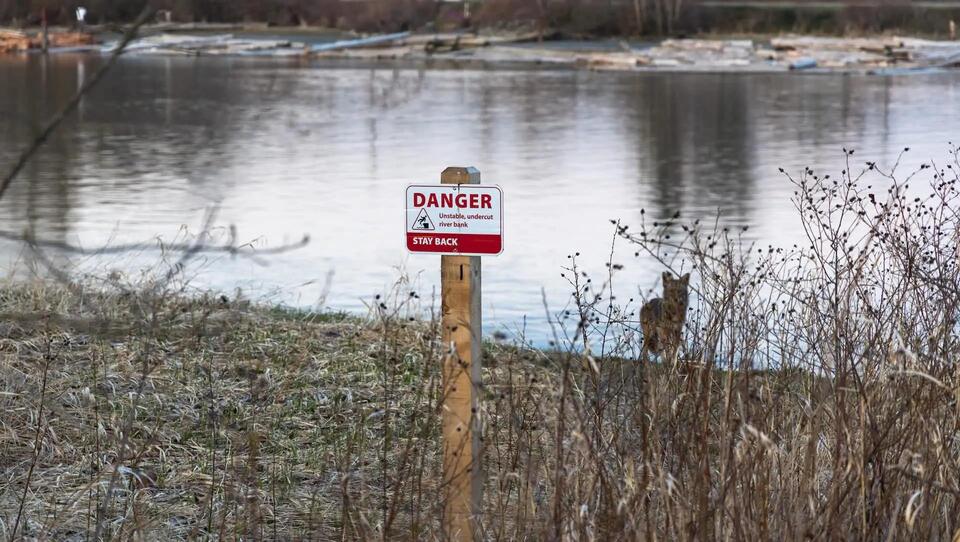
megangibson+FollowCoyotes get bold in Newmarket neighborhoodsCoyotes are getting bolder in Newmarket, with more sightings popping up right in residential areas. Locals are being reminded to keep garbage bins sealed, watch pets closely, and never feed wildlife—even by accident. It’s wild to see how these animals are adapting to city life, but it’s also a wake-up call about how our habits can change animal behavior. If you spot a coyote, stay calm, pick up small kids or pets, and back away slowly. Have you noticed more wildlife around your home lately? What steps are you taking to keep your family and pets safe? #Science #Newmarket #Wildlife10Share
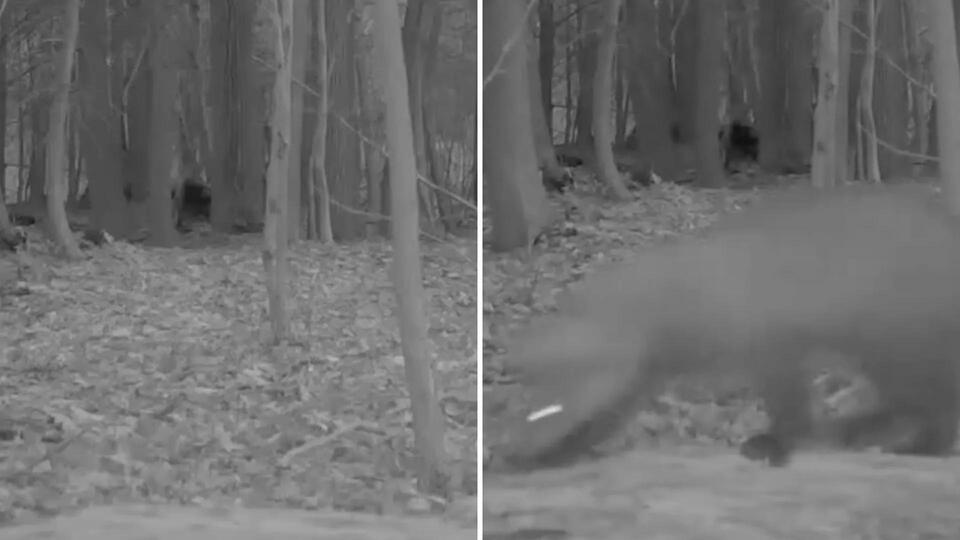
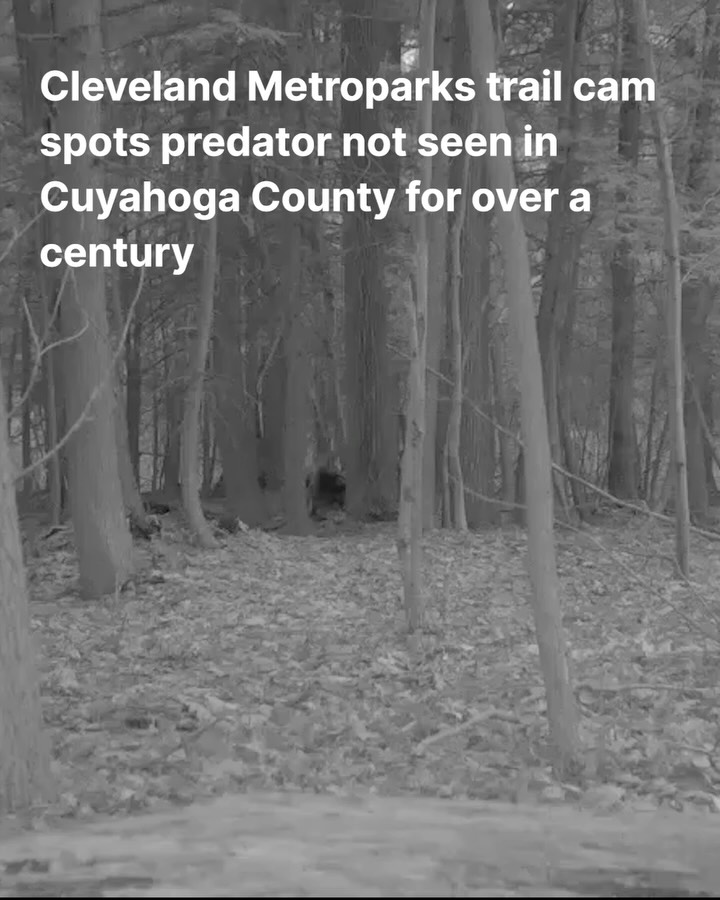
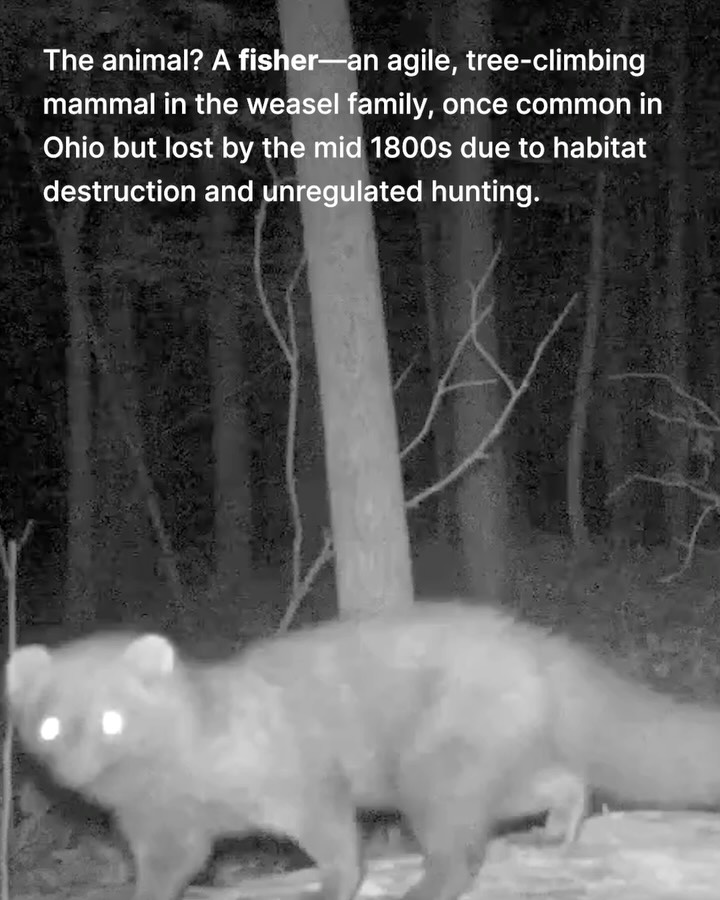
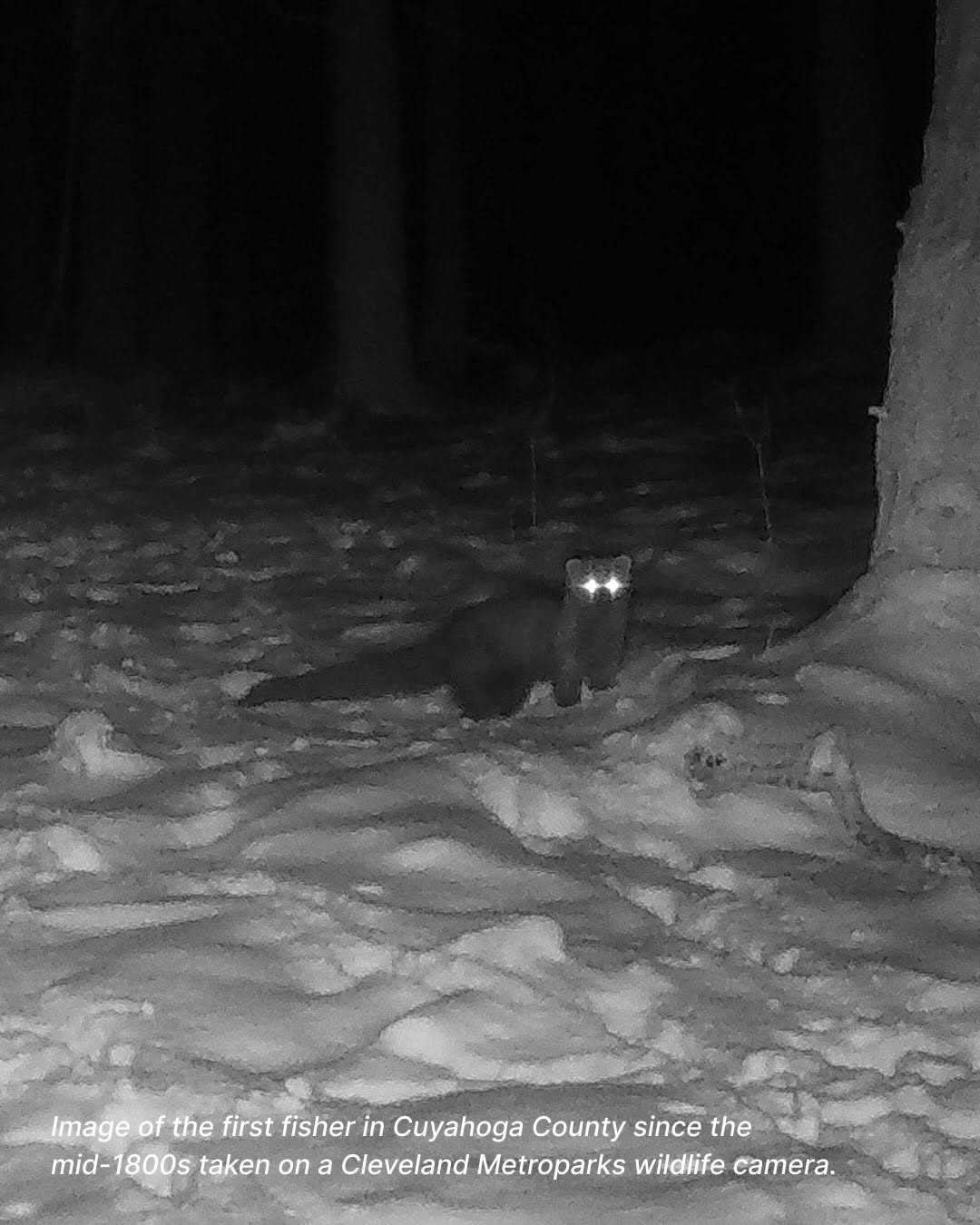
Jessica Hodge+FollowWildlife comeback: Fisher spotted in ClevelandA fisher—a member of the weasel family—has been seen in Cuyahoga County for the first time in over a century, thanks to a Cleveland Metroparks trail camera. This is more than just a rare sighting; it’s a sign that years of local conservation and habitat restoration are working. Fishers vanished from Ohio in the 1800s, but their return shows how smart environmental management can bring back lost wildlife. It’s a huge win for both nature and the community. How do you feel about seeing native species return to our neighborhoods? #Science #Cleveland #Wildlife30Share
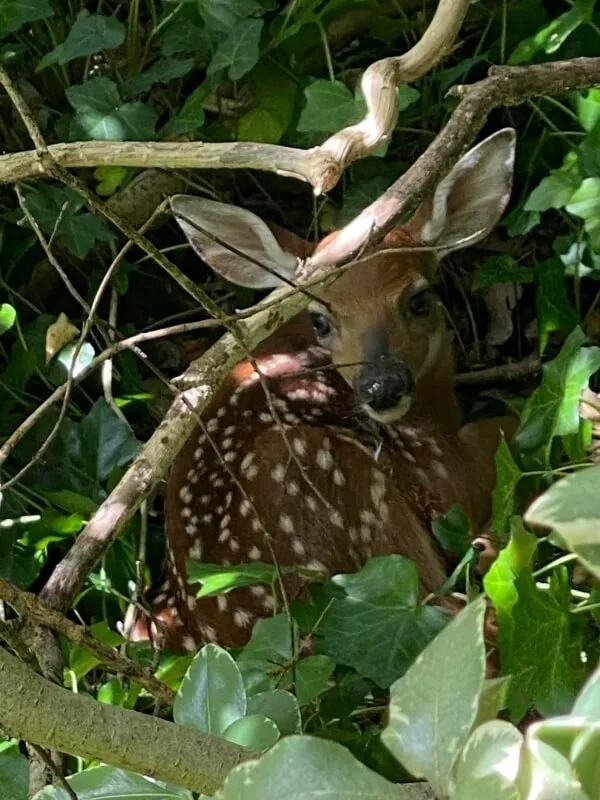
James Brady+FollowBackyard deer sightings spark Athens buzzSpotting a baby deer relaxing in a local backyard has Athens residents swapping stories about their own wildlife visitors. Letting your yard grow wild with native plants doesn’t just save time and money—it can turn your space into a haven for animals like deer. But there’s a flip side: as more wildlife gets comfortable around people, it can sometimes lead to tricky situations for both animals and humans. Would you let your yard go wild for the sake of local critters, or do you prefer a tidy lawn? Share your thoughts and experiences below! #Science #AthensGA #Wildlife00Share
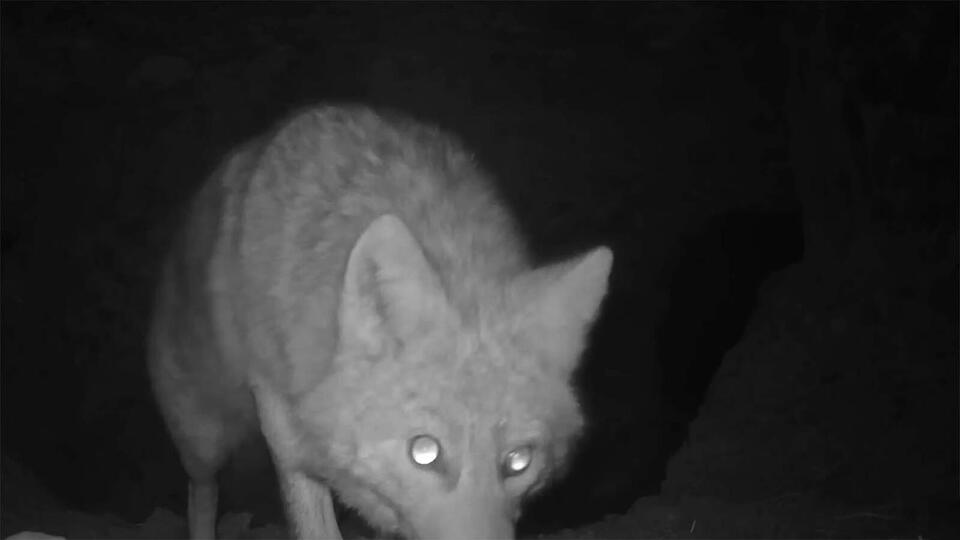
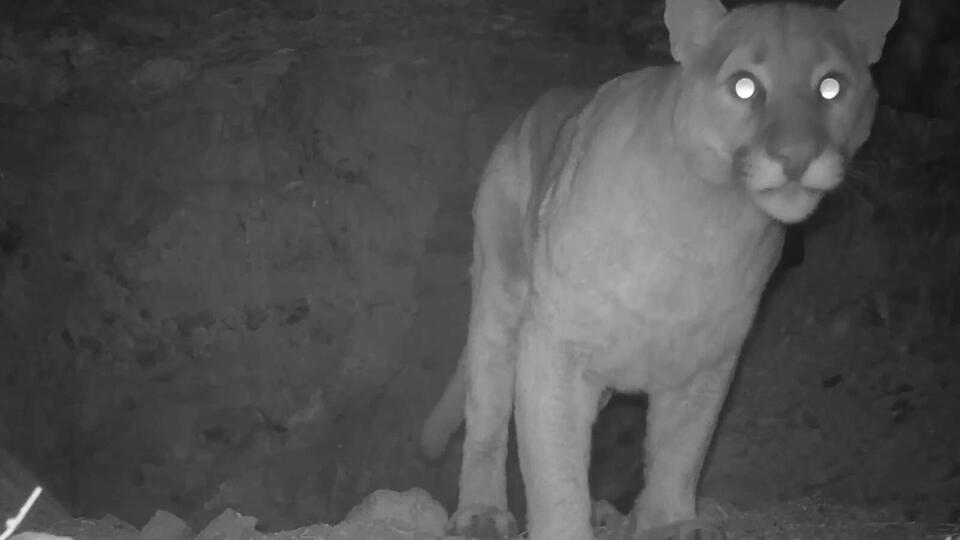
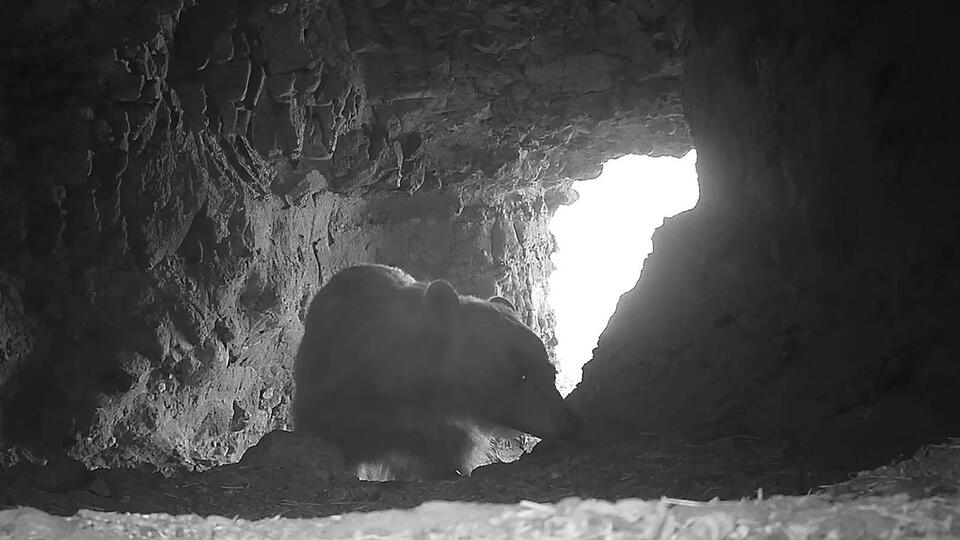
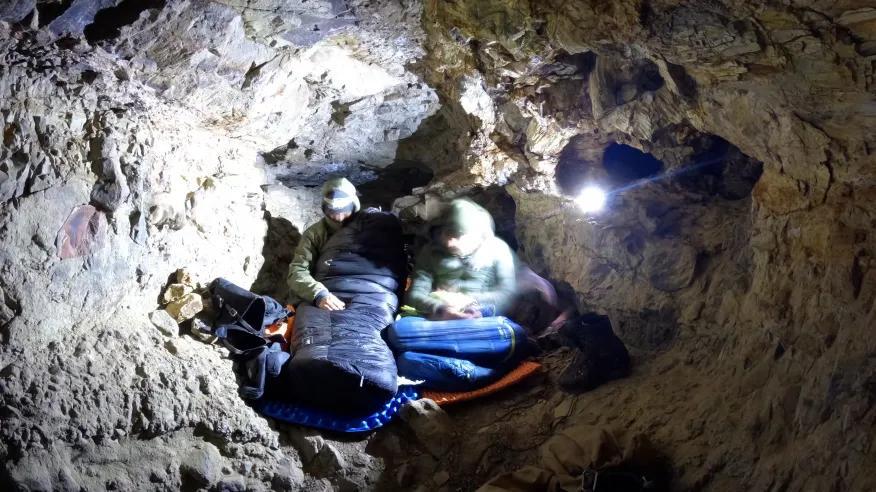
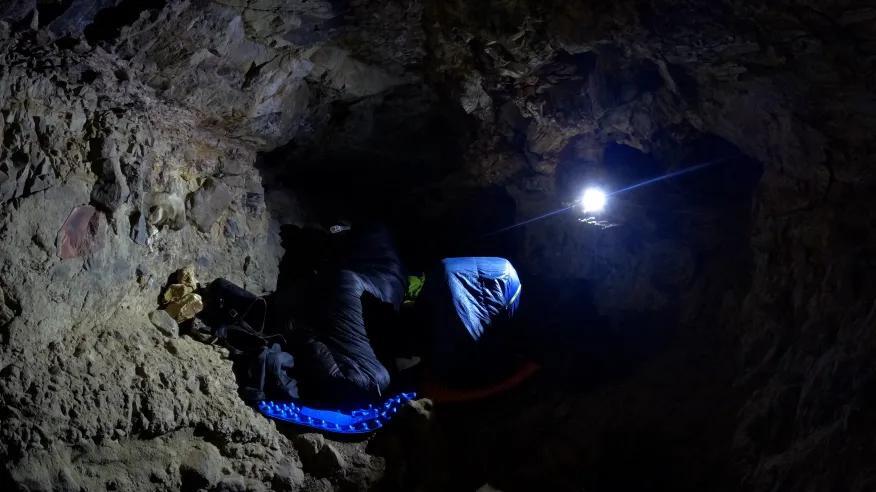
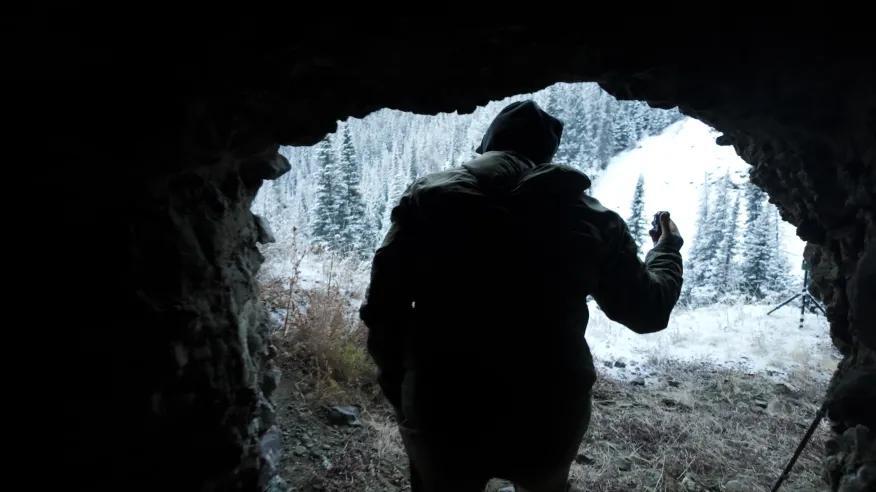
James Wright III+Follow10 years in a bear cave: The wildest footageImagine stumbling across a camera you left in a grizzly bear den a decade ago—still working, and packed with never-before-seen wildlife moments. That’s exactly what Montana filmmaker Casey Anderson experienced. His forgotten camera captured over 200 videos of grizzlies, mountain lions, coyotes, and even a possible wolverine, all sharing the same remote cave near Yellowstone. It’s like opening a time capsule into the secret lives of wild predators. The footage is a rare, unfiltered look at how these animals really live. What do you think—should more filmmakers take risks like this to reveal nature’s hidden stories? #Entertainment #Painting #Wildlife30Share
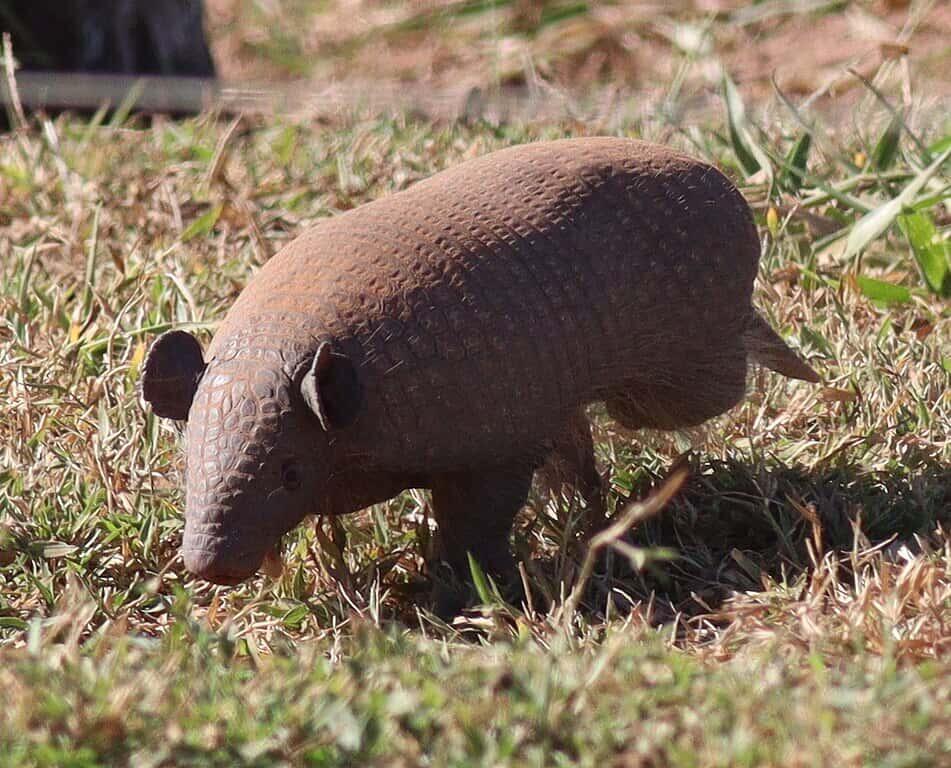
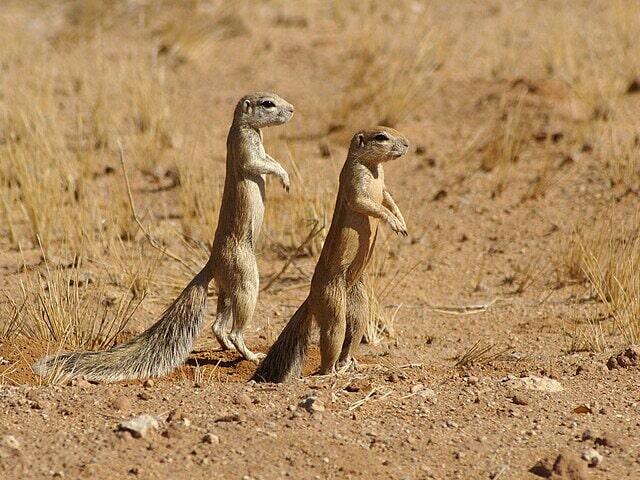
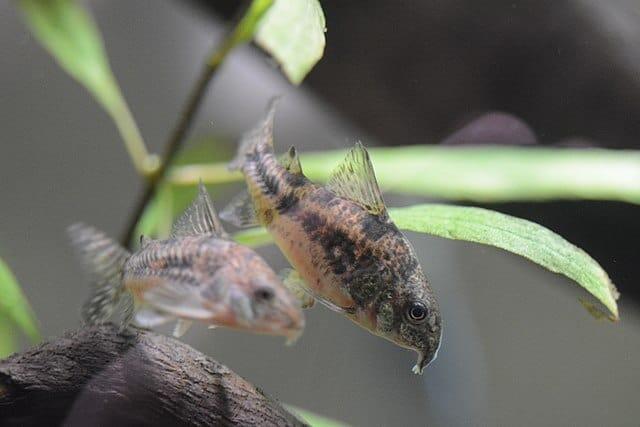
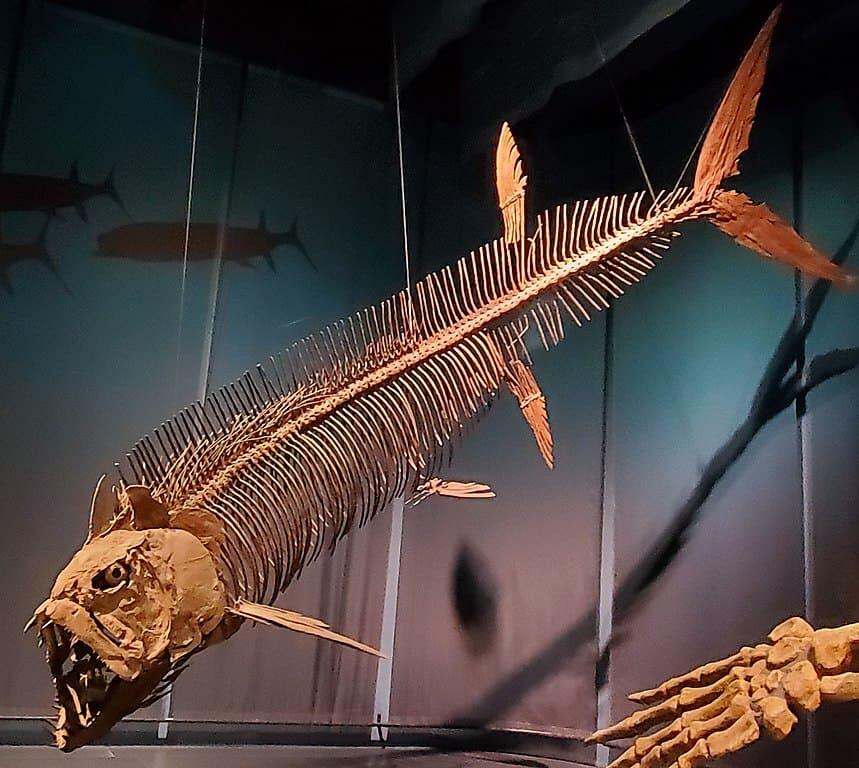
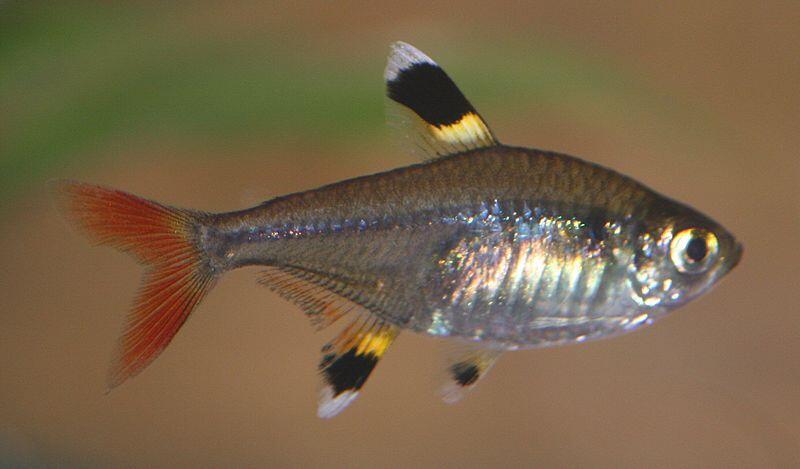
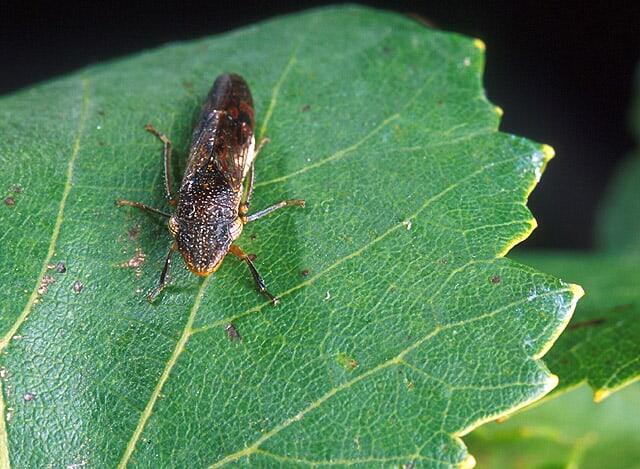
martinezlaura+FollowBet You Didn’t Know These X Animals!Did you ever think there were animals that start with X? Turns out, there’s a whole wild crew! From the ancient Xalda sheep in Spain to the see-through X-ray tetra in the Amazon, and even the legendary Xoloitzcuintle dog from Mexico, these X-named creatures are rare, quirky, and sometimes endangered. My personal fave? The Xantus’s hummingbird—major pollinator vibes! Which one surprised you most? #Science #Wildlife #FunFacts00Share