Civil War Medicine at Gettysburg
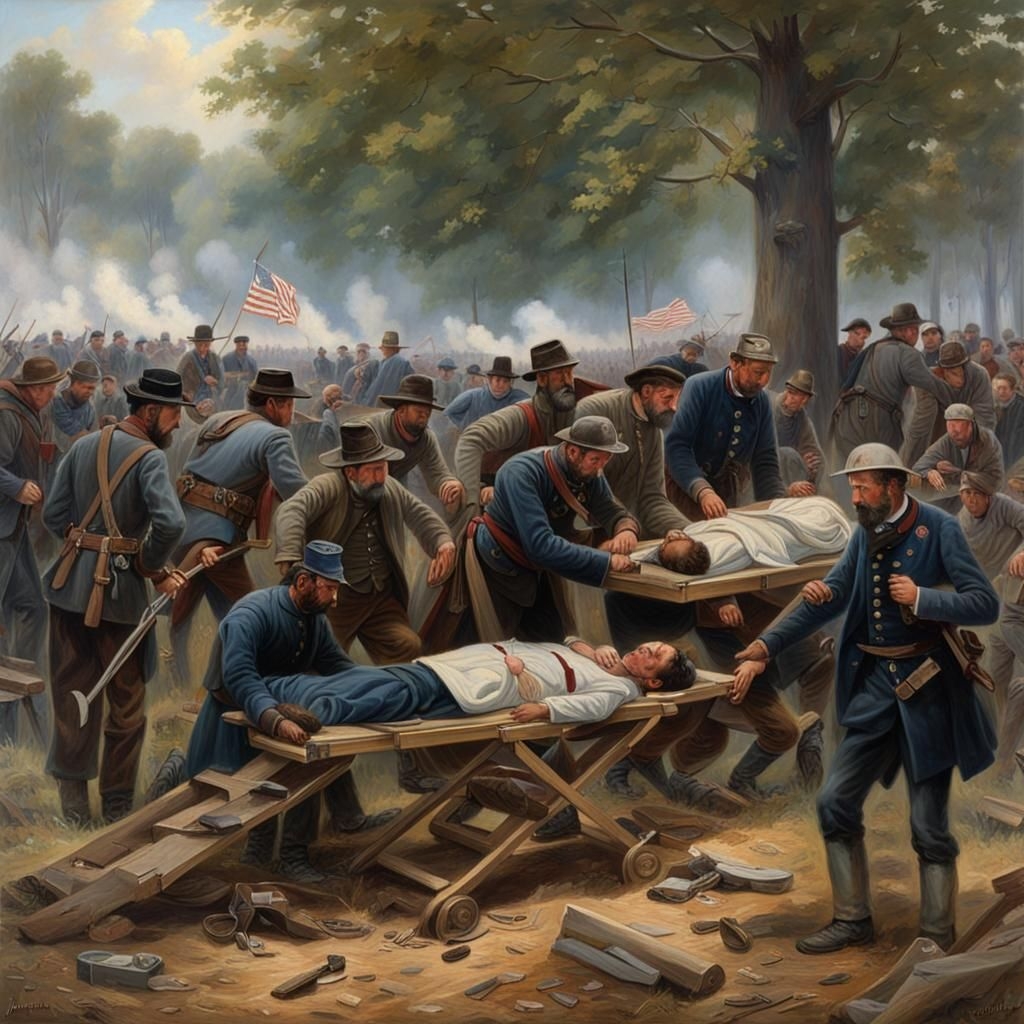
The Battle of Gettysburg in July 1863 was the bloodiest clash of the American Civil War, with more than 51,000 casualties in just three days. For the thousands who survived their wounds, a new ordeal began. Not on the battlefield, but in barns, churches, homes, and fields converted overnight into emergency hospitals.
Medicine in the Civil War was harsh and often deadly. Doctors knew little about infection or germs. Surgeons worked with bloodstained tools and unwashed hands, moving from patient to patient. Disease and sepsis claimed as many lives as bullets. Amputation became the most common procedure, performed quickly to save men from gangrene. Outside many hospitals, piles of severed limbs grew, grim reminders of the cost of survival.
Yet not all was primitive. Contrary to popular belief, anesthesia, usually chloroform or ether, was widely used, sparing soldiers the agony of conscious surgery. Ambulance corps, organized for the first time, helped move the wounded from battlefield to hospital more efficiently, though many still waited hours, even days, before aid reached them.
Nurses and volunteers, including civilians from Gettysburg, played an essential role. They dressed wounds, carried water, and gave comfort to men far from home. Aid groups like the U.S. Sanitary Commission supplied bandages, food, and medicine when the army’s stores fell short.
The suffering at Gettysburg revealed both the limits and the progress of Civil War medicine. Out of necessity came important innovations: systems of triage, better methods of evacuation, and a growing recognition that cleanliness and order mattered. While many soldiers carried scars and disabilities for life, their ordeal helped lay the foundation for modern battlefield care.
Gettysburg’s story is not only about strategy and generals, but also about the silent war fought in crowded hospitals, where courage meant holding still under a surgeon’s knife and where survival often depended on a nurse’s hand. #USHistory