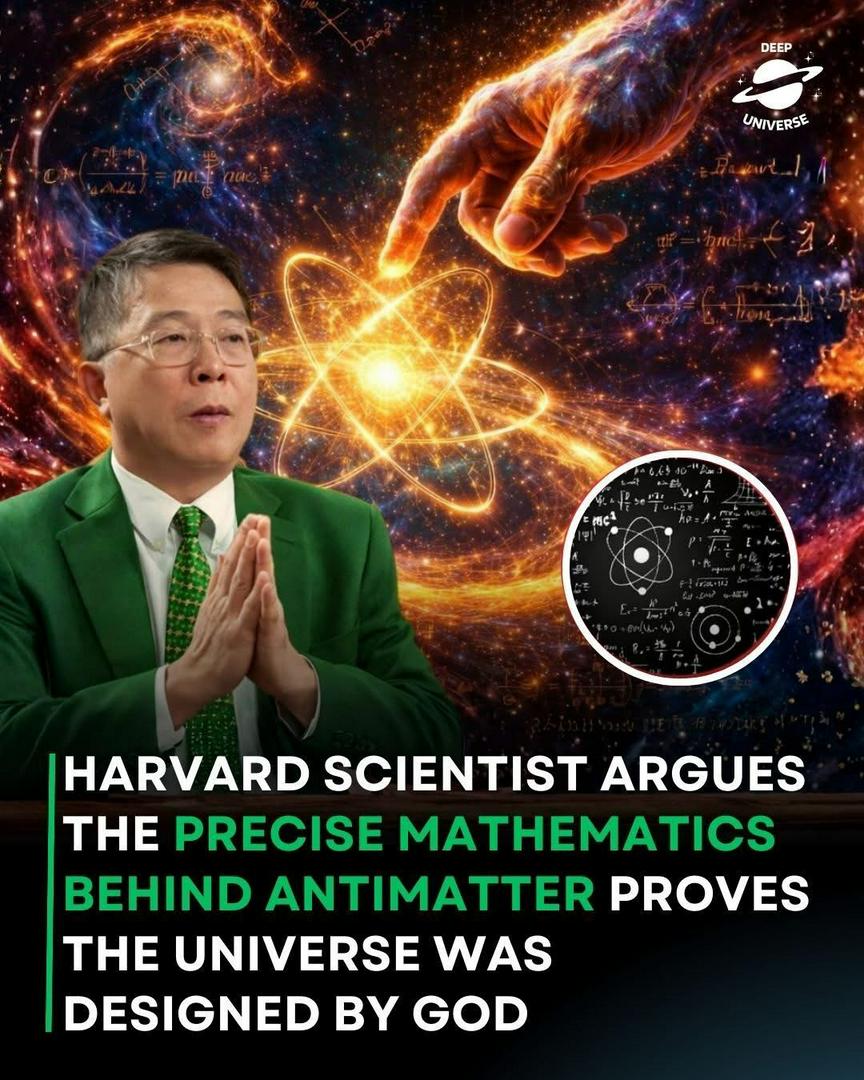
justme +FollowA bold idea is shaking the world of science and belief. A Harvard scientist claims the precise mathematics behind antimatter may be evidence that the universe was designed by God. This argument does not come from faith alone. It comes from equations that work with stunning accuracy across the cosmos. Antimatter is one of the greatest mysteries in modern physics. For every particle of matter there should be an equal particle of antimatter. When the universe was born both should have existed in perfect balance. Yet matter somehow won. Without that tiny imbalance stars planets and life would never exist. The scientist argues that this balance is so exact and so mathematically perfect that random chance seems unlikely. The laws governing antimatter are not messy or broken. They are clean precise and predictable. According to this view such order hints at intention rather than accident. What makes this claim so powerful is where it comes from. It is not a preacher or philosopher. It is a scientist trained to question everything. The argument does not reject science. It uses science to ask a deeper question about meaning and origin. Supporters say the universe looks finely tuned for life down to the smallest particle. Critics say natural laws do not need a designer. The debate has sparked intense discussion across physics theology and social media. Whether you see this as proof of God or simply another mystery of the universe one thing is clear. Antimatter forces us to confront how strange and precise reality really is. The universe may be cold and vast but its rules feel anything but random. Sometimes the deepest science does not remove wonder. It multiplies it. #DeepUniverse #antimatter #universeDesign #scienceAndGod #cosmicMystery #quantumPhysics #spaceScience #beliefAndScience #fblifeatyle706160Share
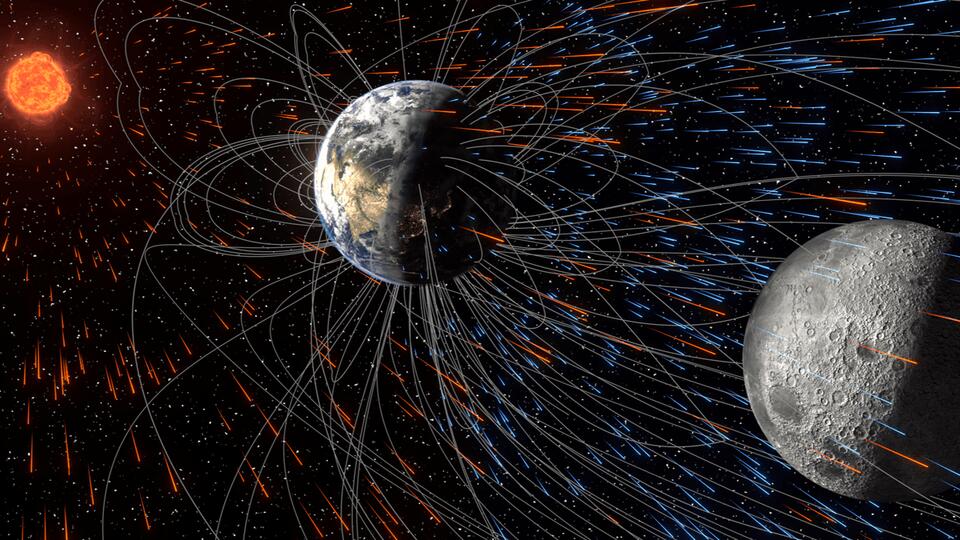
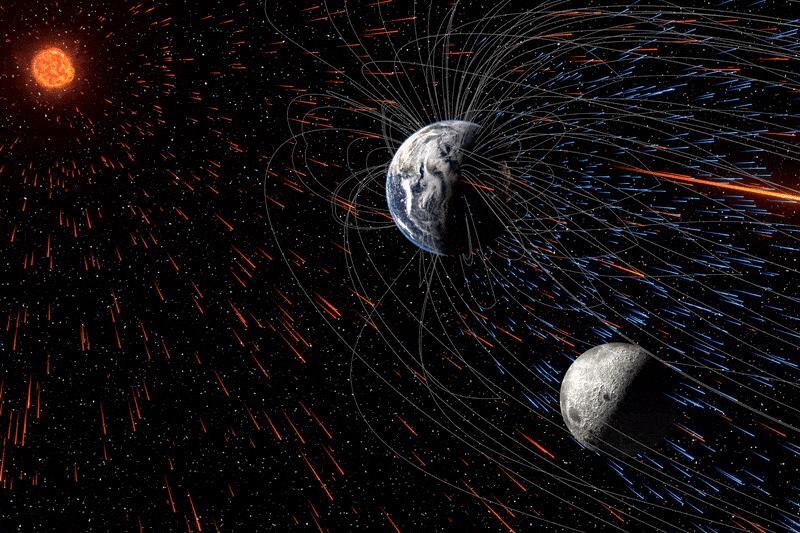
James Brady+FollowEarth’s Air Is Sneaking Onto the Moon?!Turns out, Earth’s atmosphere is leaking into space—and some of it is ending up on the Moon! Scientists just found out that when the Moon passes through Earth’s magnetic tail, little bits of our air hitch a ride and get stuck in the lunar soil. This could be a game-changer for future astronauts, since they might be able to use these elements instead of hauling everything from Earth. Who knew our air was moon-bound? #Science #SpaceScience #MoonMission10Share
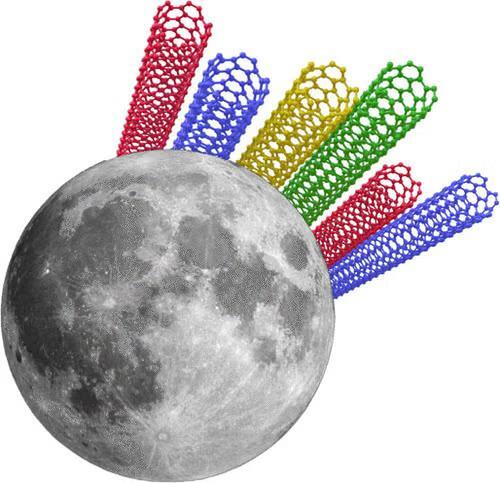
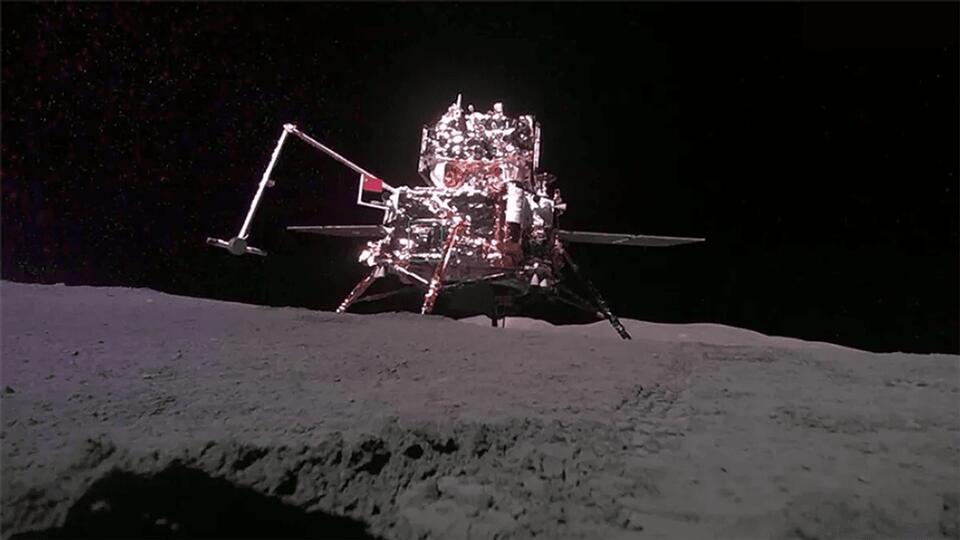
megangibson+FollowMoon’s Far Side Hiding High-Tech SurprisesChinese scientists just found single-walled carbon nanotubes—super advanced materials usually made in labs—inside Moon rocks from the far side! These tiny tubes are only one atom thick and were thought to be impossible to form naturally. Turns out, the Moon’s wild past (think meteorite impacts and volcanic activity) might have cooked up these high-tech structures all on its own. Who knew the Moon was such a chemistry whiz? #Science #MoonDiscovery #SpaceScience00Share
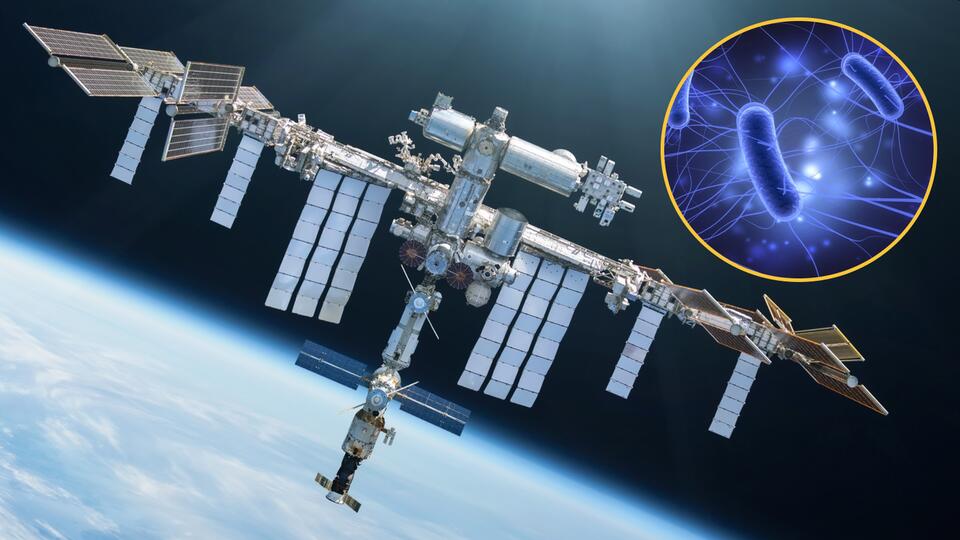
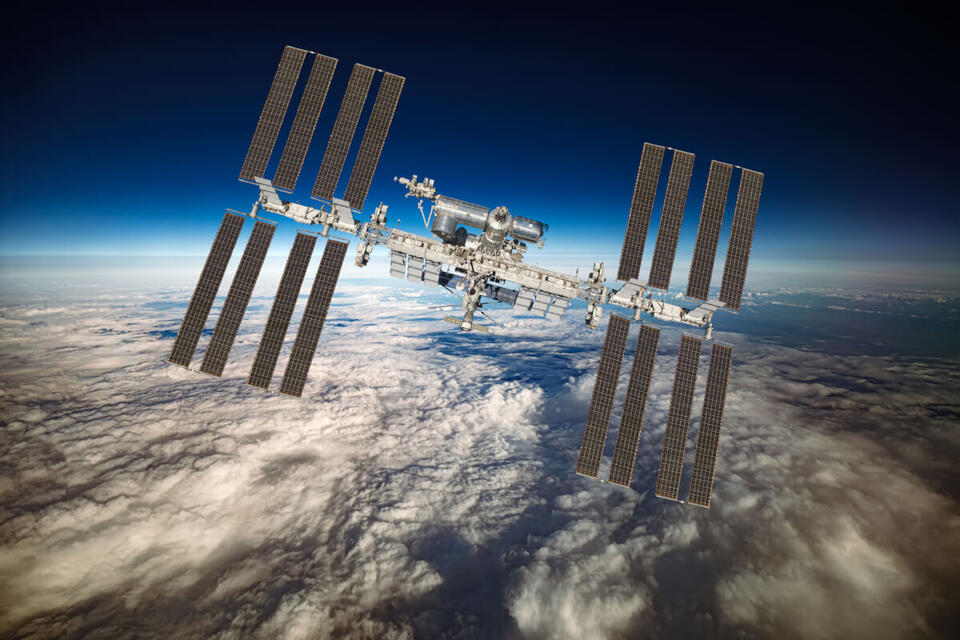
James Brady+FollowSpace Station Viruses Got a Superpower UpgradeTurns out, sending viruses to space makes them come back stronger! Scientists sent bacteria and their viral enemies (phages) to the ISS, and the zero-gravity battle made the viruses mutate in wild ways. When they returned to Earth, these space-adapted phages were even better at killing tough bacteria—like the ones behind stubborn UTIs. Could space be the secret weapon against antibiotic resistance? Science fiction vibes, but it’s real! #Science #SpaceScience #AntibioticResistance20Share
Richard Vaughan+FollowMoon Rocks Reveal a Wild Lunar SecretChina just brought back rocks from the Moon’s far side, and get this—they’re totally different from the ones we’ve seen before! Scientists found heavier potassium and iron isotopes, hinting at a massive ancient impact that may have literally reshaped the Moon’s insides. Basically, the far side’s weirdness might be from a giant collision that cooked the lunar mantle. Space drama, anyone? Can’t wait to see what other secrets are hiding up there! #Science #MoonMystery #SpaceScience00Share
peterfoster+FollowSpace Travel: The Ultimate Anti-Aging Hack?Here’s a wild one for your next coffee break: astronauts who spent just 9 days in space came back with bodies that aged nearly 2 years—but then reversed it within 24 hours of landing! Even crazier, the younger crew members actually got biologically younger than before their trip. Turns out, space is like a fast-forward/rewind button for aging, and scientists are eyeing this for future anti-aging breakthroughs. Maybe one day, we’ll all want a ticket to orbit for a quick age reset! #Business #Industry #SpaceScience10Share
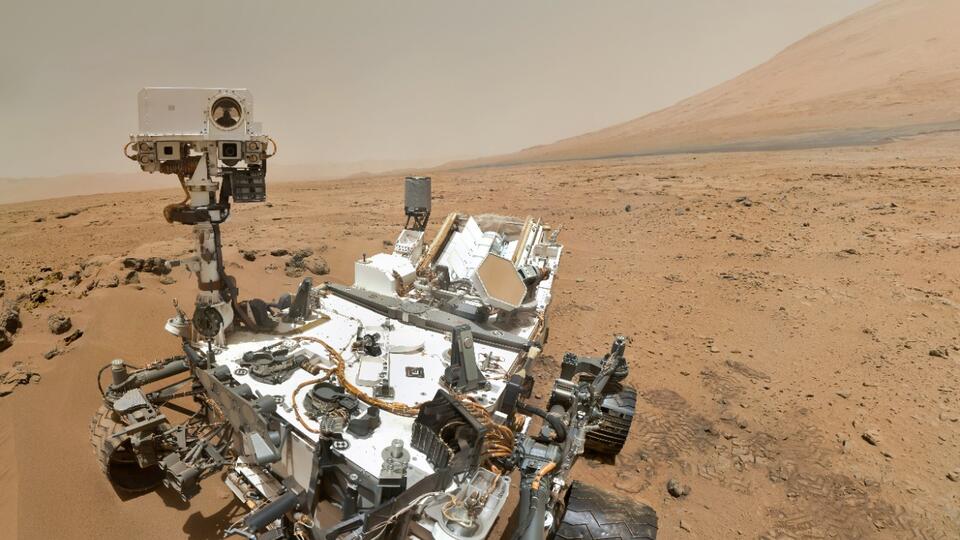
James Brady+FollowMars Might’ve Had Earth’s Life RecipeMars isn’t just a dusty, dead planet—scientists are finding that it had the same chemical ingredients that sparked life on Earth! We’re talking ancient organic molecules, minerals shaped by water, and even “poppy seed” textures in rocks that could be biosignatures. It’s not proof of Martian microbes, but it’s wild to think Mars had all the right stuff for life to start. Are we just one planet in a solar system full of almost-Earths? #Science #Mars #SpaceScience20Share
megangibson+FollowEarth-Sized Telescope Spots Black Hole DramaThe Event Horizon Telescope just pulled off a wild cosmic feat—catching shock waves and swirling pressure waves duking it out in the jet of a supermassive black hole duo, 4 billion light-years away! Imagine a black hole 18 billion times the mass of our Sun, with its smaller partner zipping around every 11 years. The telescope, made by syncing observatories across the globe, let scientists watch these wild, shape-shifting jets in real time. Space just got even more epic! #Science #BlackHole #SpaceScience00Share
Tamara Jones+FollowBlack Holes Are Even Wilder Than We ThoughtSupercomputers just gave us a front-row seat to the chaos around black holes! Scientists ran insanely detailed simulations (no shortcuts this time) and found that black holes don’t just suck stuff in—they also shoot out wild jets and winds, all thanks to their magnetic fields. Turns out, the way matter and light swirl around these cosmic monsters is even crazier than we imagined. Space is wild, y’all! #Science #BlackHole #SpaceScience10Share
Richard Vaughan+FollowVoyager Found a Fiery Wall at the Solar System’s EdgeTurns out, the edge of our Solar System isn’t a quiet fade into space—it’s more like a cosmic blast furnace! Voyager’s instruments picked up a scorching hot plasma “wall” (think 30,000–50,000 kelvin!) where the solar wind slams into the galaxy. This wild discovery means we’re basically living inside a giant, superheated bubble, and it’s changing how scientists think about our place in the universe. Who knew space could be this spicy? #Science #Voyager #SpaceScience2910Share