The moment freedom touched his soul, he couldn't stop hugging his rescuer. "
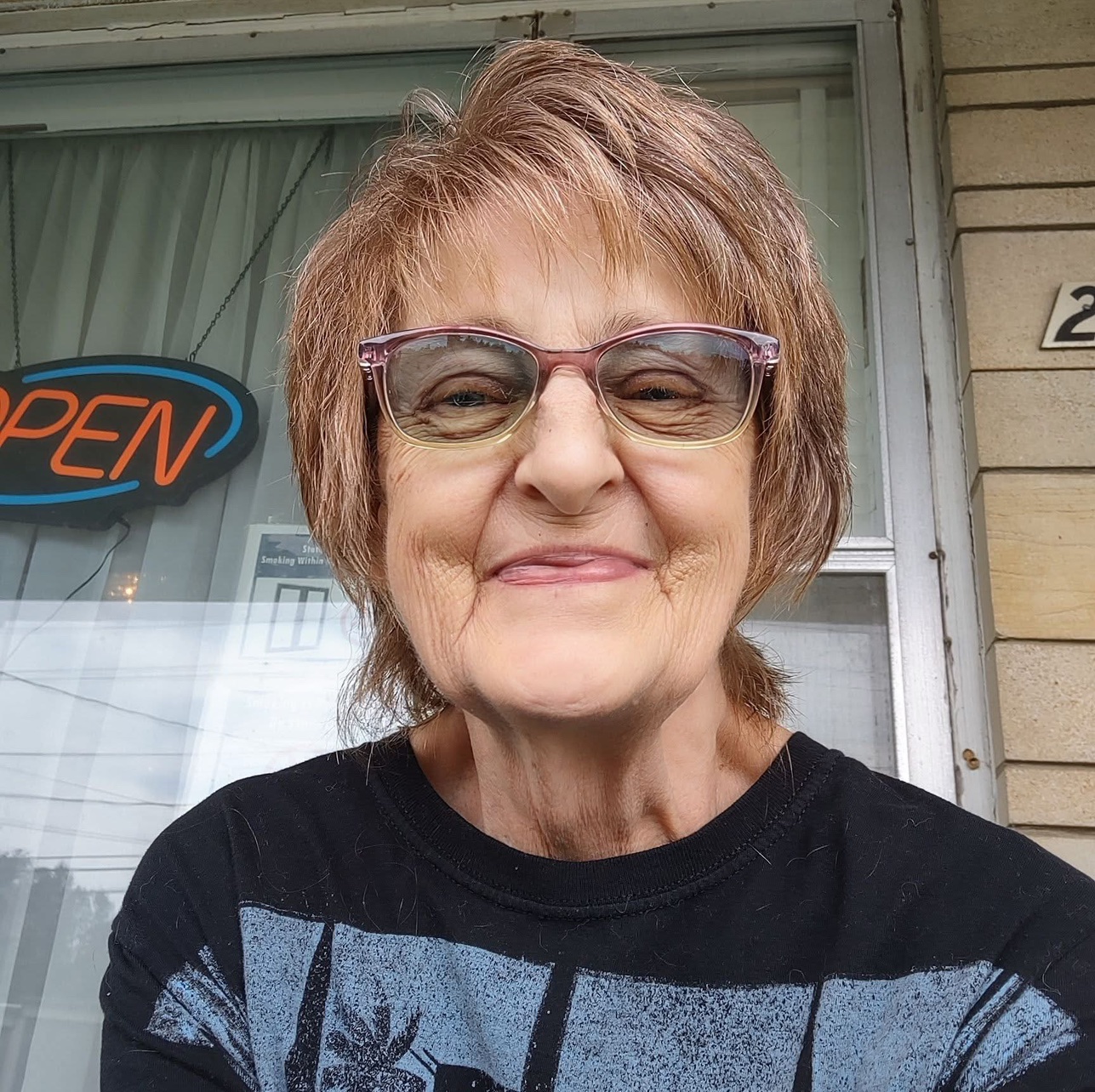
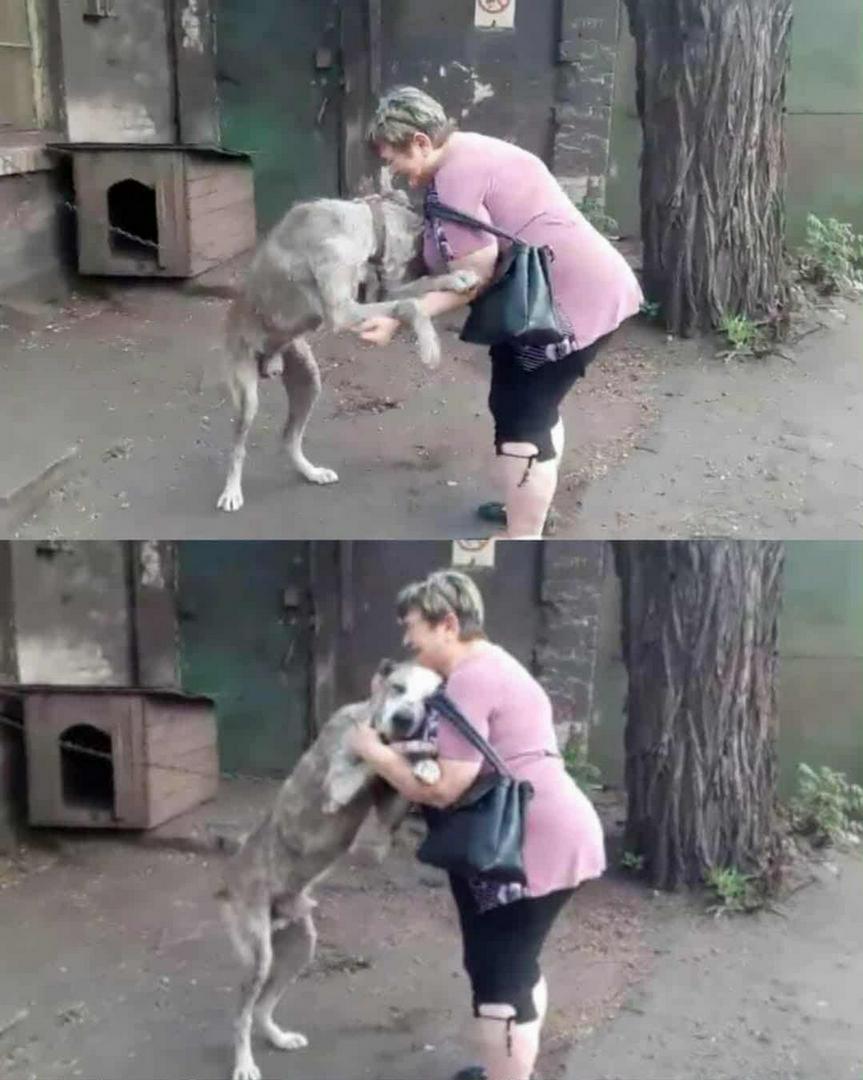
This heartwarming moment shows Katy, a dog who had spent years chained up in a small, rundown vard in Cancún, Mexico With little food, no comfort, and no love, his davs were filled with loneliness and pain But everything changed when Karin Jacobsmeier, a kind-hearted rescuer from Paws in Action Cancún, refused to give up on him.
After months of pleading, Karin finally convinced the owner to surrender Katy - and the moment the heavy chain was removed, Katy did something unforgettable He stood on his hind legs, wrapped his paws around Karin, and held her tight - as if saying "Thank you for saving my life."
That single hug captured the world's heart - a symbol of hope, trust, and the deepemotions animals feel. Katy's story reminds us that even after vears of neqlect, love car heal the deepest wounds. Today, he lives free. loved, and safe - finally knowing what it means to be home.
#animals #animallover #rescuedog #rescue #kindness #humanity