Tag Page politics

#politics
Brandon_Lee

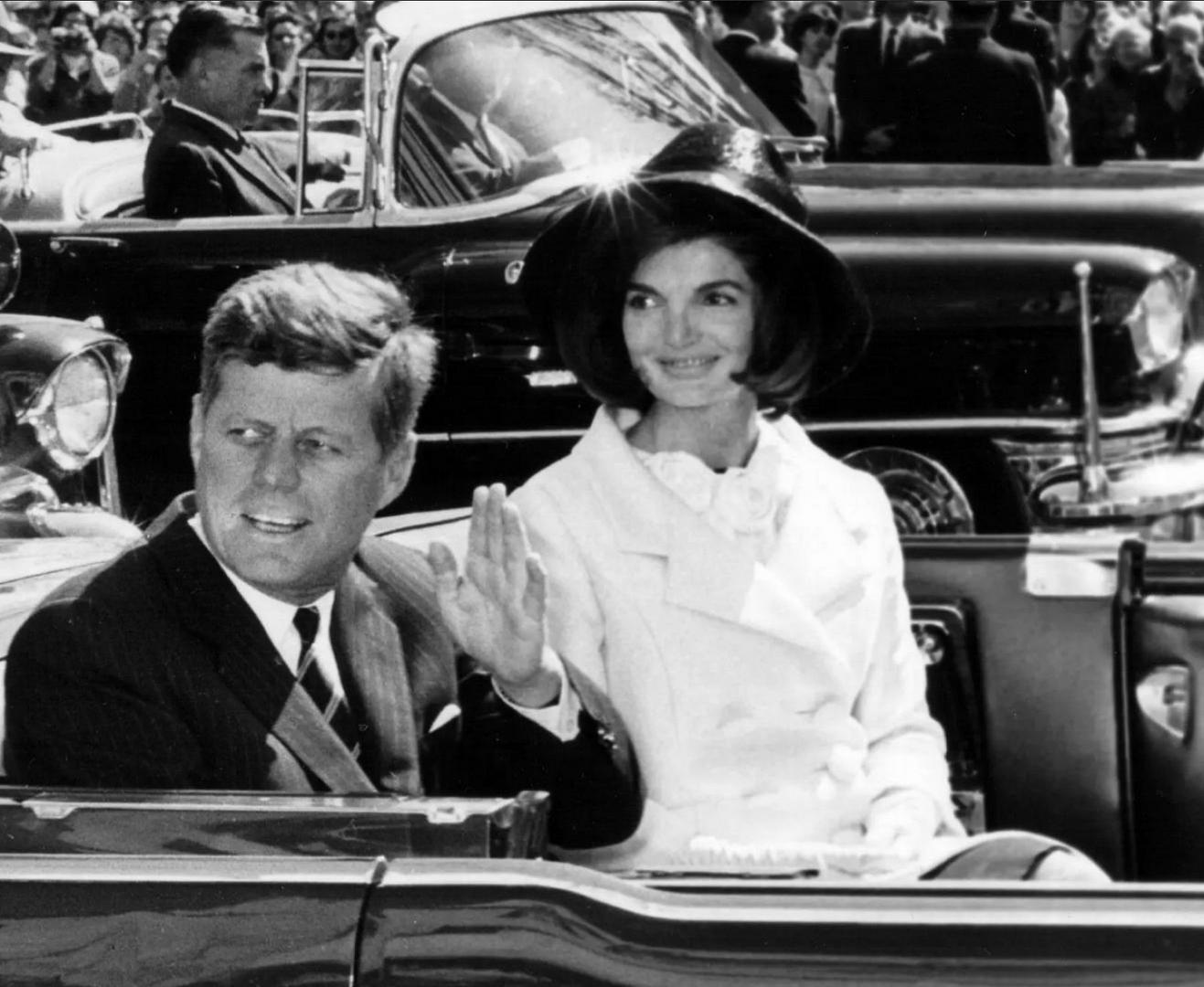
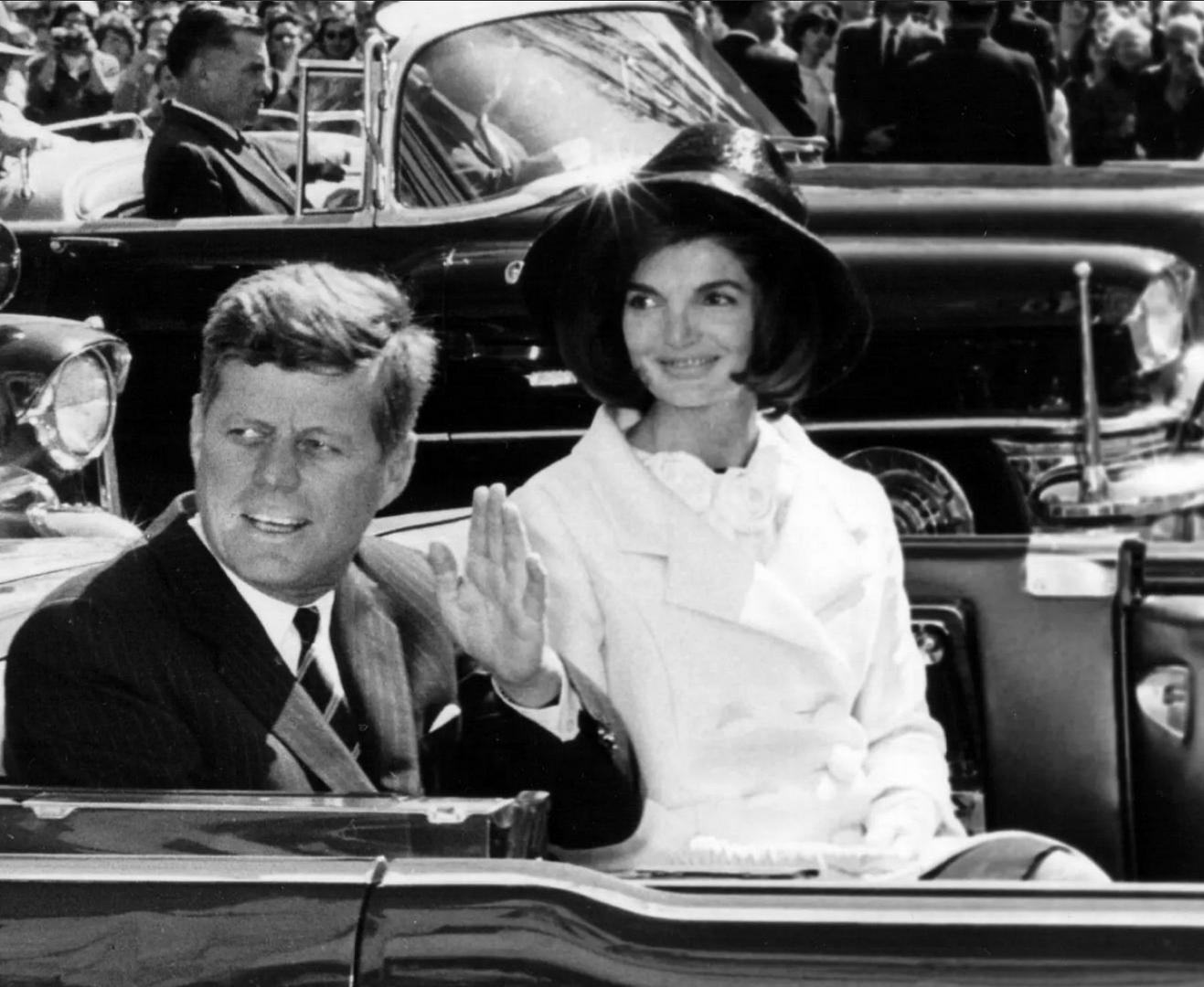
John F. Kennedy: The President with the Highest All Time Approva John F. Kennedy, the thirty fifth president of the United States. is still viewed as one of the most respected leaders in modern American history. Throughout his presidency, his approval rating stayed near 70 percent, which is one of the highest averages ever recorded. His standing is measured through the modern polling system that began in 1936, allowing his numbers to be compared across generations of presidents. Based on this long record of surveys, Kennedy holds the highest average approval of any president in the polling era. Kennedy's popularity came from his personality, message, and calm leadership during major challenges. His inaugural address, urging Americans to serve their country, became one of the mostmemorable speeches in US history. During the Cuban Missile Crisis in 1962, he quided the country through thirteen days of extreme tension, preventing nuclear conflict and earning wide respect. His support for early civil rights efforts and his commitment to the space program added to the sense that he was leading the nation into a new and ambitious era Surveys taken long after his death show how strong his legacy remains. One major poll found that 85 percent of Americans approved of his performance when looking back on his presidency. Even during difficult periods, such as the aftermath of the Bay of Pigs invasion, Kennedy kept approval ratings above 70 percent, something few presidents have matched. His calm approach, clear communication, and ability to connect with the public helped him maintain support across states, age groups. and political backgroundsKennedy's consistently high approva demonstrates how trust and confidence from the public shape a president's place ir nistory. Although he served less than one full term, his leadership during world crises and his appeal to national unity left a lasting mark. #Politics #USA #History #USHistory #America

Rachel Marie

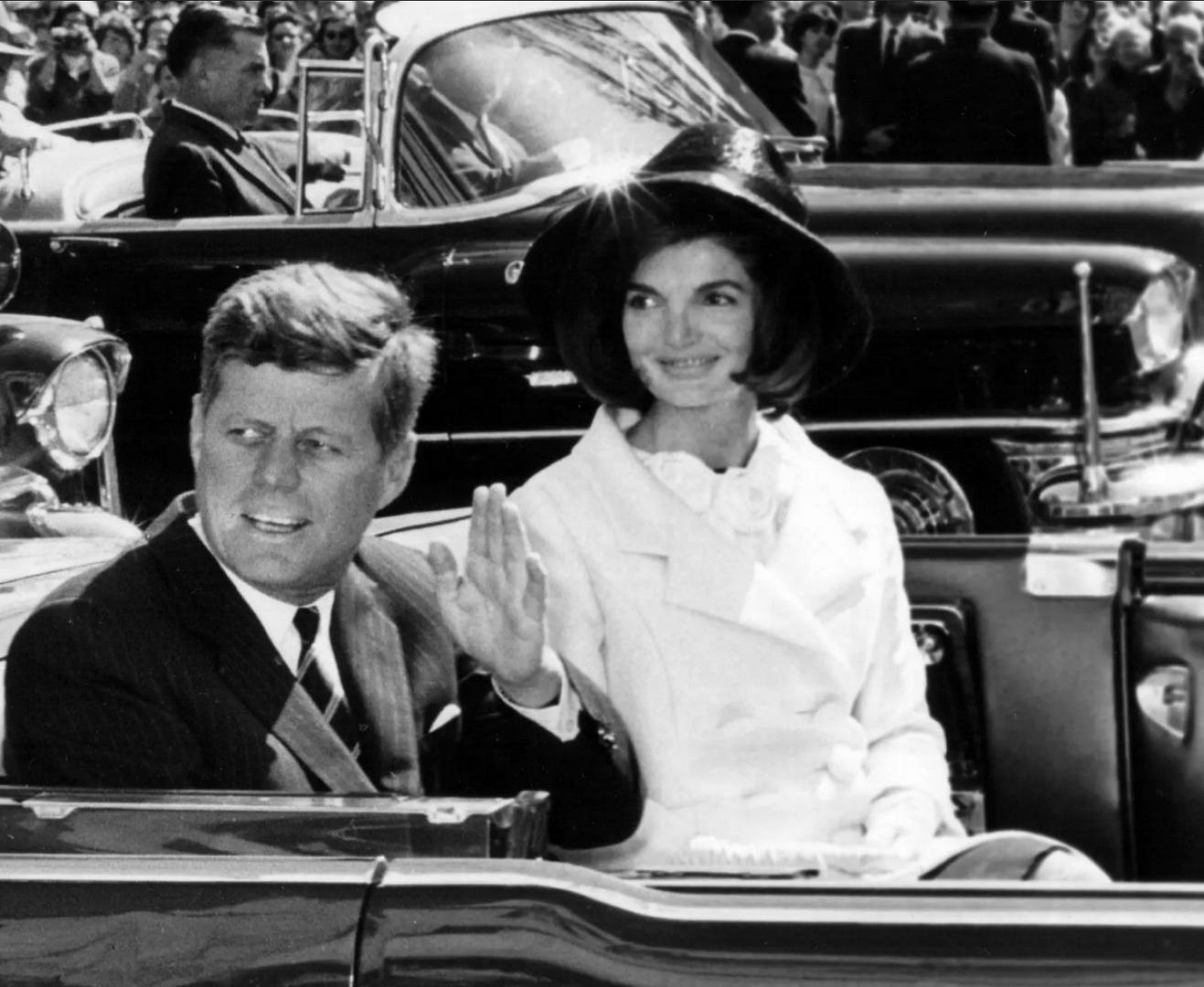
John F. Kennedy: The President with the Highest All Time Approva John F. Kennedy, the thirty fifth president of the United States. is still viewed as one of the most respected leaders in modern American history. Throughout his presidency, his approval rating staved near 70 percent, which is one of the highest averages ever recorded. His standing is measured through the modern polling system that began in 1936, allowing his numbers to be compared across generations of presidents. Based on this ong record of survevs, Kennedy holds the highest average approval of any president ir the polling era Kennedy's popularity came from his personality, message, and calm leadership during major challenges. His inaugural address, urging Americans to serve their country, became one of the mostmemorable speeches in US history. During the Cuban Missile Crisis in 1962, he quided the country through thirteen days of extreme tension, preventing nuclear conflict and earning wide respect. His support for early civil rights efforts and his commitment to the space program added to the sense that he was leading the nation into a new and ambitious era Survevs taken long after his death show how strong his legacy remains. One major poll found that 85 percent of Americans approved of his performance when looking back on his presidency. Even during difficult periods, such as the aftermath of the Bay of Pigs invasion, Kennedy kept approval ratings above 70 percent, something few presidents have matched. His calm approach, clear communication, and ability to connect with the public helped him maintain support across states, age groups, and political backgroundsKennedy's consistently high approva demonstrates how trust and confidence from the public shape a president's place in history. Although he served less than one full term, his leadership during world crises and his appeal to national unity left a lasting mark. #Politics #USA #History #USHistory #America

THESE VALUES

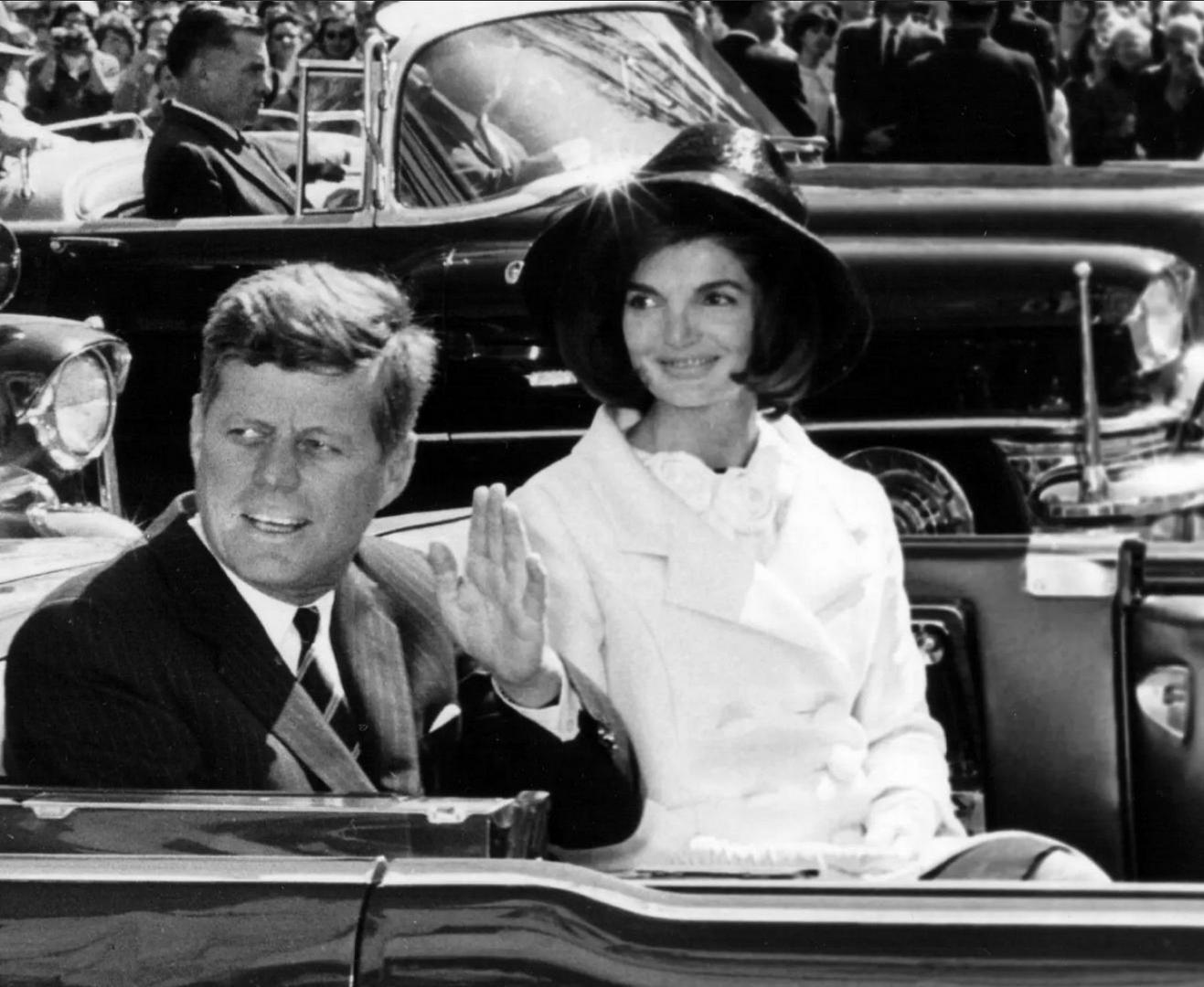
John F. Kennedy: The President with the Highest All Time Approva John F. Kennedy, the thirty fifth president of the United States. is still viewed as one of the most respected leaders in modern American historv. Throughout his presidency, his approval rating stayed near 70 percent, which is one of the highest averages ever recorded. His standing is measured through the modern polling system that began in 1936, allowing his numbers to be compared across generations of presidents. Based on this long record of surveys, Kennedy holds the highest average approval of any president in the polling era. Kennedy's popularity came from his personality, message, and calm eadership during major challenges. His naugural address, urging Americans ta serve their country, became one of the most memorable speeches in US history During the Cuban Missile Crisis in 1962, he quided the country through thirteen davs of extreme tension, preventing nuclear conflict and earning wide respect. His support for early civil rights efforts and his commitment to the space program added to the sense that he was eading the nation into a new ana ambitious era Surveys taken long after his death show how strong his legacy remains. One maior poll found that 85 percent of Americans approved of his performance when looking back on his presidency Even during difficult periods, such as the aftermath of the Bay of Pigs invasion, Kennedy kept approval ratings above 70 percent, something few presidents have matched. His calm approach, clear communication, and ability to connect with the public helped him maintain support across states, age groups, and political backgrounds Kennedy's consistently high approval demonstrates how trust and confidence from the public shape a president's place in history. Although he served less than one full term, his leadership during world crises and his appeal to national unity left a lasting mark #Politics #USA #History #USHistory #America

EMME'C.teamupdate

John F. Kennedy: The President with the Highest All Time Approva John F. Kennedy, the thirty fifth president of the United States. is still viewed as one of the most respected leaders in modern American history. Throughout his presidency, his approval rating stayed near 70 percent, which is one of the highest averages ever recorded. His standing is measured through the modern poling system that began in 1936, allowing his numbers to be compared across generations of presidents. Based on this lona record of survevs, Kennedv holds the highest average approval of any president in the polling era. Kennedy's popularity came from his personality, message, and calm leadership during major challenges. His inaugura address, urging Americans to serve their country, became one of the most memorable speeches in US history. During the Cuban Missile Crisis in 1962, he guided the country through thirteen days of extreme tension, preventing nuclear conflict and earning wide respect. His support for early civil rights efforts and his commitment to the space program added to the sense that he was leading the nation into a new and ambitious era Surveys taken long after his death show how strong his legacy remains. One major poll found that 85 percent of Americans approved of his performance when looking back on his presidency. Even during difficult periods, such as the aftermath of the Bav of Pias invasion, Kennedv kept approva ratings above 70 percent, something few presidents have matched. His calm approach, clear communication, and ability to connect with the public helped him maintain support across states, age groups and political backgrounds Kennedv's consistently high approval demonstrates how trust and confidence from the public shape a president's place in history. Although he served less than one full term, his leadership during world crises and his appeal to national unity left a lasting mark. #Politics #USA #History #USHistory #America

1776 Patriot

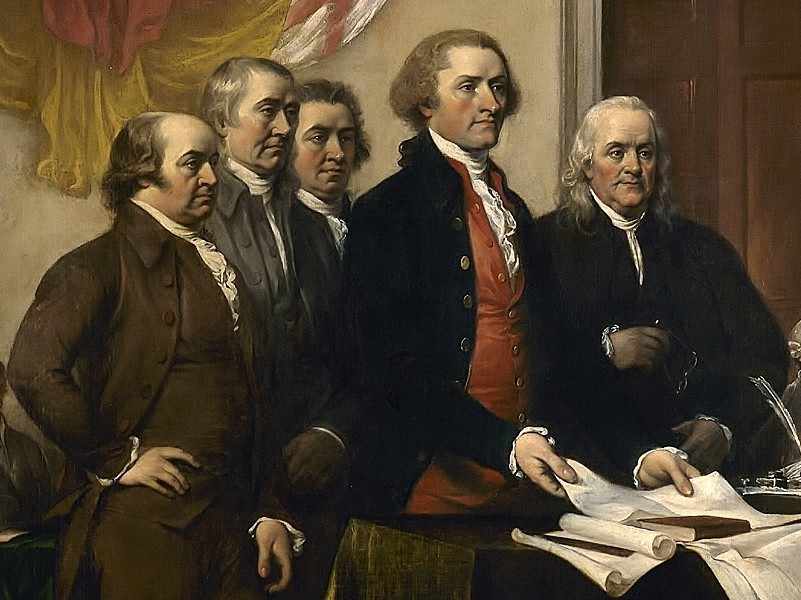
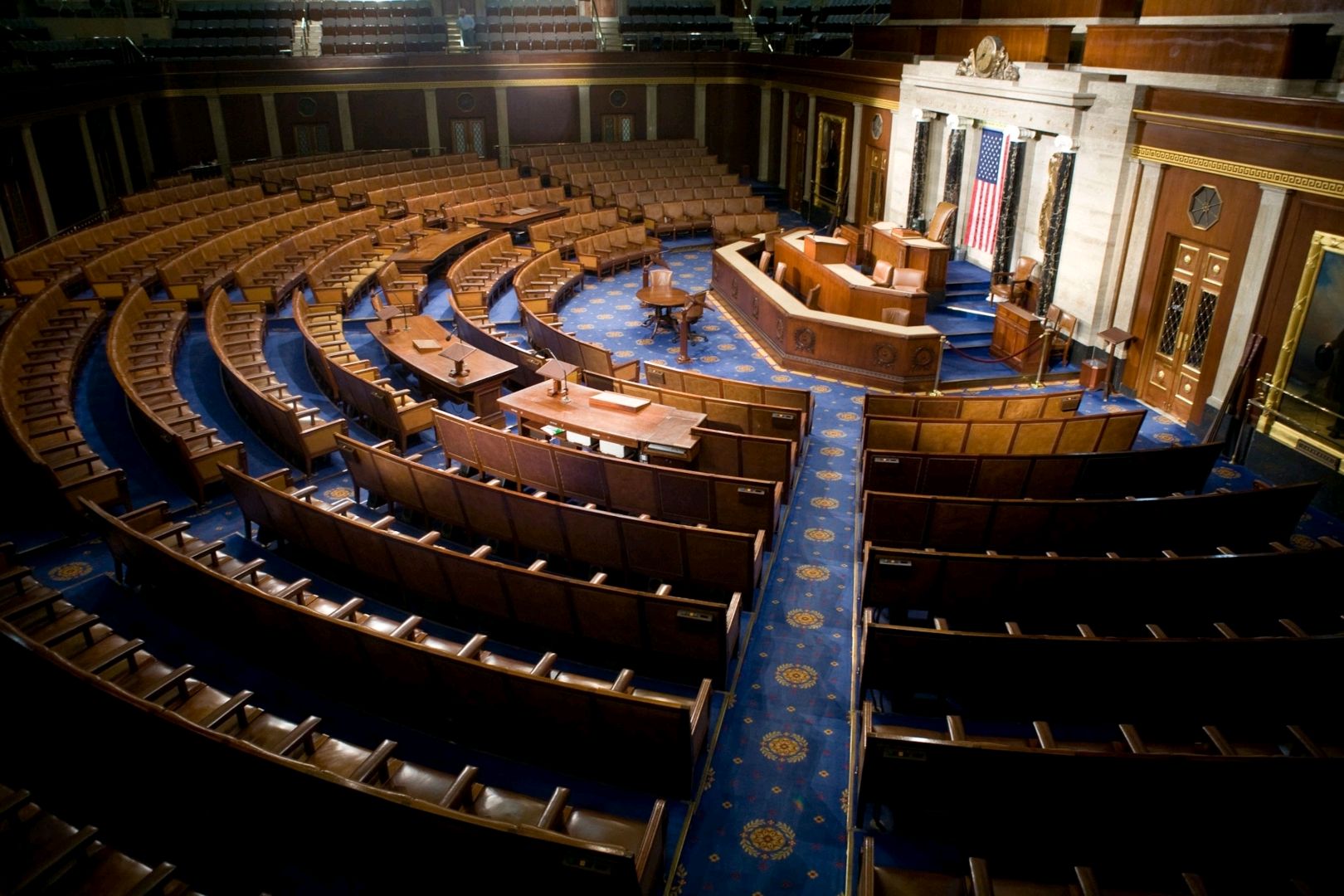
Facts About Midterm Elections You Probably Didn’t Know Midterm elections were held as early as 1790, after Washington became president, before political parties were formally established. Early factions had already formed around leaders like Alexander Hamilton’s Federalists and Thomas Jefferson’s Democratic-Republicans. Voters used these elections to rebalance power, expressing approval or dissatisfaction between presidential terms. Turnout was once far higher. In the late 1800s participation regularly exceeded 70%. By contrast, turnout fell to about 36% in 2014 and rose to roughly 50% in 2018, the highest level in more than a century yet still far below typical presidential election turnout. The president’s party almost always loses seats in modern history. Since World War II, the president’s party has lost House seats in 18 of 20 midterms, with an average loss of about 26 seats. Senate losses average 4 seats. The exceptions were 1998, when Democrats gained House seats amid backlash over President Clinton’s impeachment proceedings related to the Monica Lewinsky scandal, and 2002, when Republicans gained seats in the post-9/11 climate. A small number of races often determine control. In recent cycles, fewer than 40 of the 435 House districts are considered truly competitive. In 2022, more than 85% of House seats were decided by margins greater than 10%, concentrating political power in a narrow slice of voters. Midterms have repeatedly triggered party realignments. The 1854 midterms collapsed the Whig Party over slavery. The 1894 midterms dismantled Democratic control during a severe economic panic. The 1934 midterms strengthened the New Deal coalition, reshaping American politics. Early voting has reshaped midterm Election Days. In 2022, over 46% of midterm ballots were cast before Election Day compared with under 20% decades earlier. The upcoming midterms will show if historical patterns of power shifts and voter behavior continue. #Politics #News

1776 Patriot

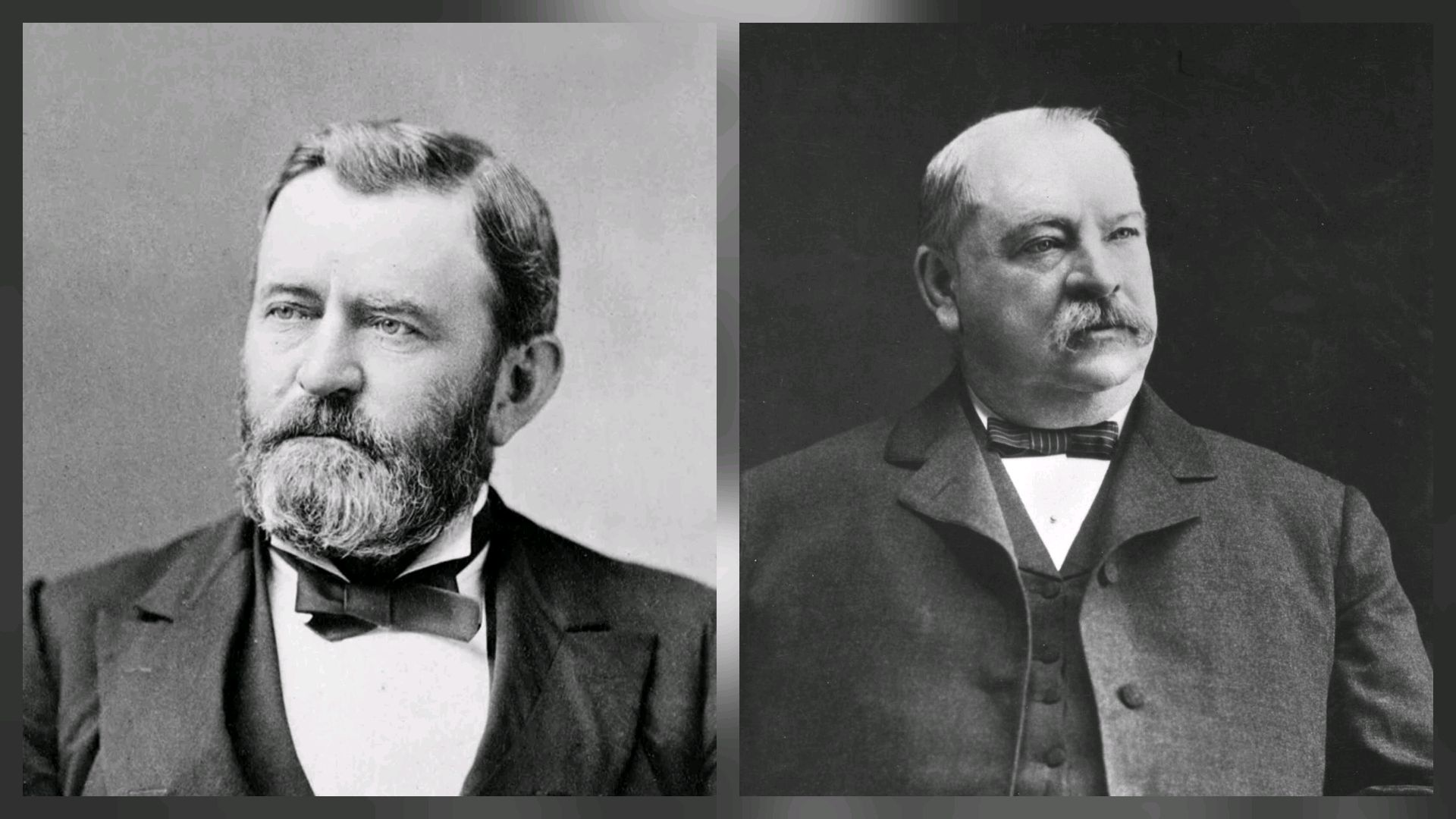
The Two Largest House Losses in Midterm History Midterm elections are held every 4 years in the middle of a president’s term an determins: all 435 House of seats, 1/3rd of the Senate, and gives voters a chance to reshape Congress. Presidents typically lose, 28 House seats on average, but some elections produced historic swings that reshaped American politics and policy. The 1874 midterms were one of the most severe defeats of the 19th century. President Ulysses S. Grant’s Republicans lost 93 of 195 House seats, about 36% of their seats. The Panic of 1873, a severe economic depression, combined with corruption scandals in Grant’s administration, fueled public anger. Voters across the South and industrial North abandoned the Republican Party, giving Democrats control of the House for the first time since the Civil War. Turnout was strong, economic hardship dissatisfaction motivated voters. Two decades later, the 1894 midterms produced the largest House seat loss in U.S. history. Under President Grover Cleveland, Democrats lost 127 of 225 House seats, about 56% of their seats. All 225 seats were contested, and the Panic of 1893 triggered one of the worst depressions of the century, leaving farmers, laborers, and urban workers across the Midwest and Northeast frustrated with Cleveland’s response. Republicans swept the House, marking a historic realignment. Turnout reached roughly 70% in key districts, and economic crises mobilized voters to reshape priorities almost overnight. In these two elections economic conditions, perceptions of presidential leadership, and voter engagement produced sweeping shifts in the House. In both 1874 and 1894, the opposition capitalized on dissatisfaction economic uncertainty and dramatically altered power, forcing the president’s party to reassess strategy. The elections under Grant and Cleveland remain the most consequential House losses in American history. #Politics #ElectionInsights #History #USA #USHistory #America #News

Tag: politics | LocalAll